Loading subject page…


2,330 views

Video Summary: What Is Second Order Systems I
Ever wonder how a Boeing 737's autopilot maintains perfect altitude during turbulence? Second order systems I form the mathematical foundation behind these precise control mechanisms. From NASA's Mars rover navigation to Tesla's steering assist technology, understanding second order systems I reveals how engineers design stable, responsive control systems. These systems, characterized by their distinctive two-pole transfer functions and damping behaviors, govern everything from industrial robotics to medical ventilators across American manufacturing. Watch the full video on JoVE Coach to master this concept with expert-led visuals and step-by-step explanations.
Second order systems I represent a critical class of dynamic systems characterized by second-order differential equations and two-pole transfer functions. These systems appear everywhere in American industry-from General Motors' electronic stability control to SpaceX's rocket guidance systems. The mathematical foundation stems from systems containing energy storage elements like masses, springs, and dampers, creating natural oscillatory behavior.
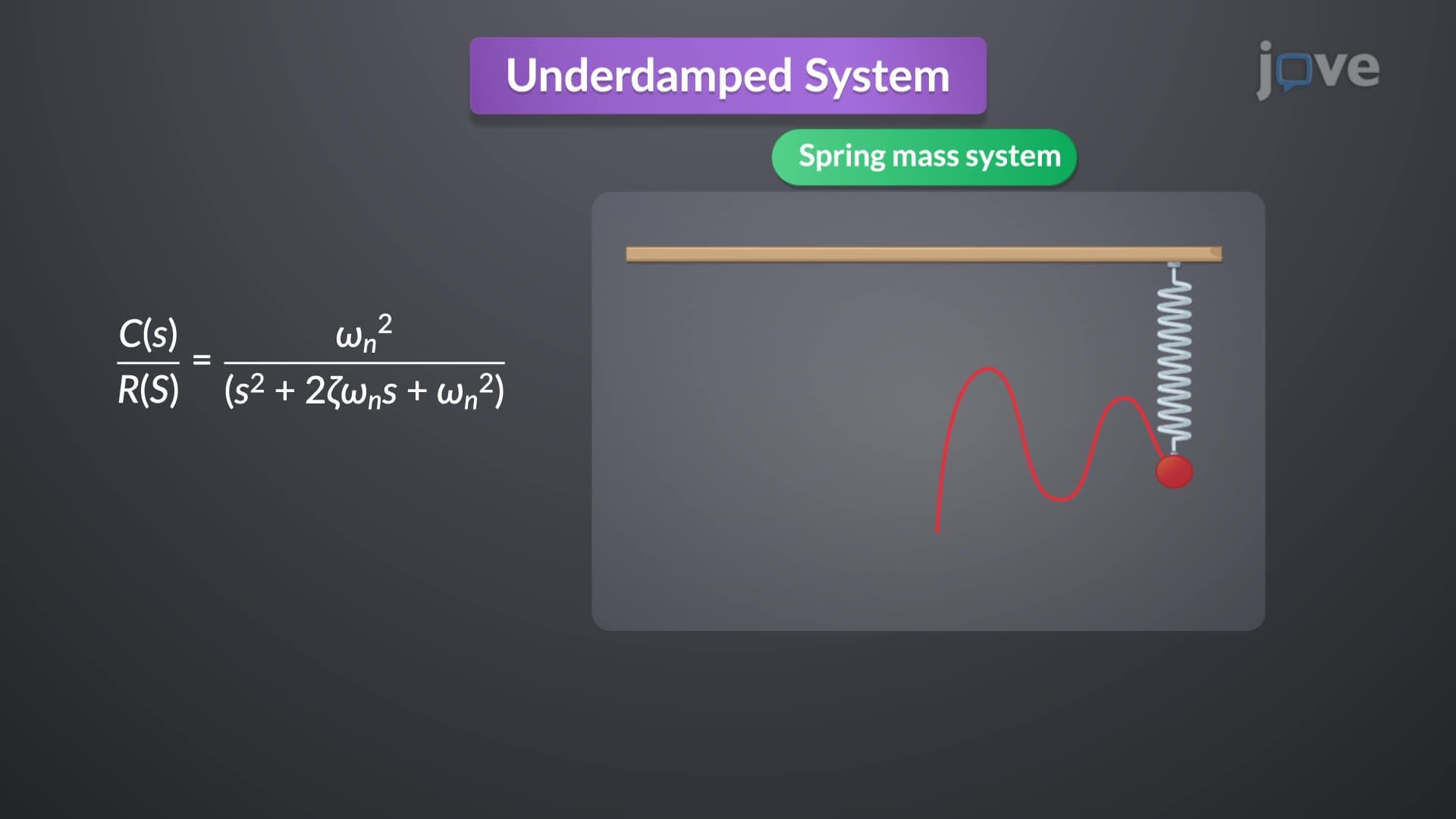
The core mathematical description begins with a second-order differential equation relating system inputs to outputs. When engineers apply Laplace transforms under zero initial conditions, they obtain the characteristic transfer function revealing the system's two poles. This transfer function takes the standard form: G(s) = (omega_n)^2 / (s^2 + 2*zeta*omega_n*s + (omega_n)^2), where omega_n represents the undamped natural frequency and zeta denotes the damping ratio.
For AP Physics students and college engineering majors, mastering this standard form proves essential for exam success. The transfer function immediately reveals system behavior: stable systems have poles in the left half-plane, while pole locations determine response characteristics. American universities like MIT and Stanford emphasize this foundational concept in controls courses.
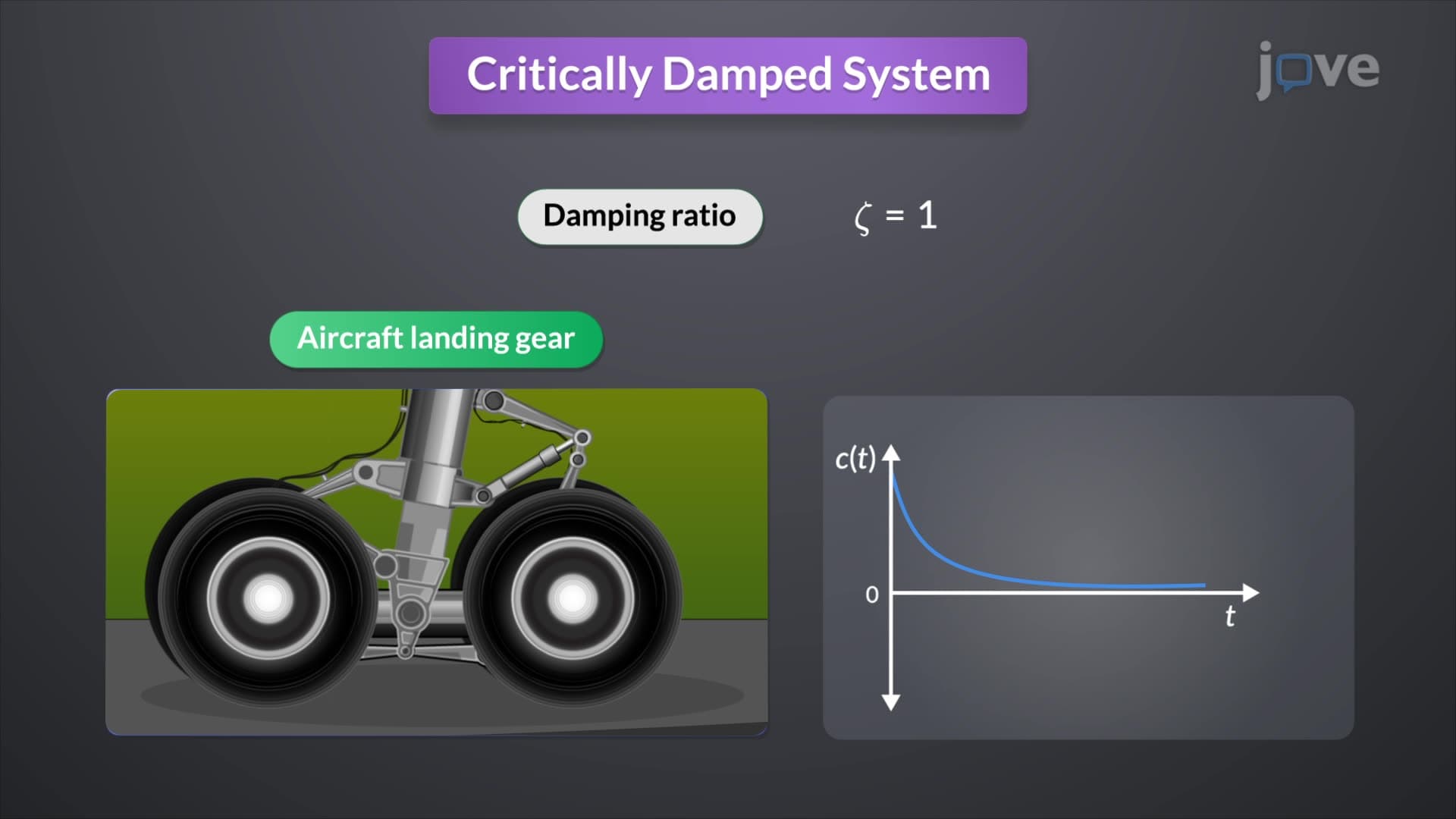
The damping ratio zeta determines fundamental system behavior through three distinct categories. Underdamped systems (0 < zeta < 1) exhibit oscillatory responses, common in automotive suspension systems manufactured by companies like Ford and Chrysler. Critically damped systems (zeta = 1) achieve the fastest response without overshoot, ideal for precision applications like medical imaging equipment produced by GE Healthcare.
Overdamped systems (zeta > 1) respond slowly without oscillation, suitable for heavy industrial machinery where stability outweighs speed. Boeing's aircraft control surfaces often operate in this regime for passenger safety.
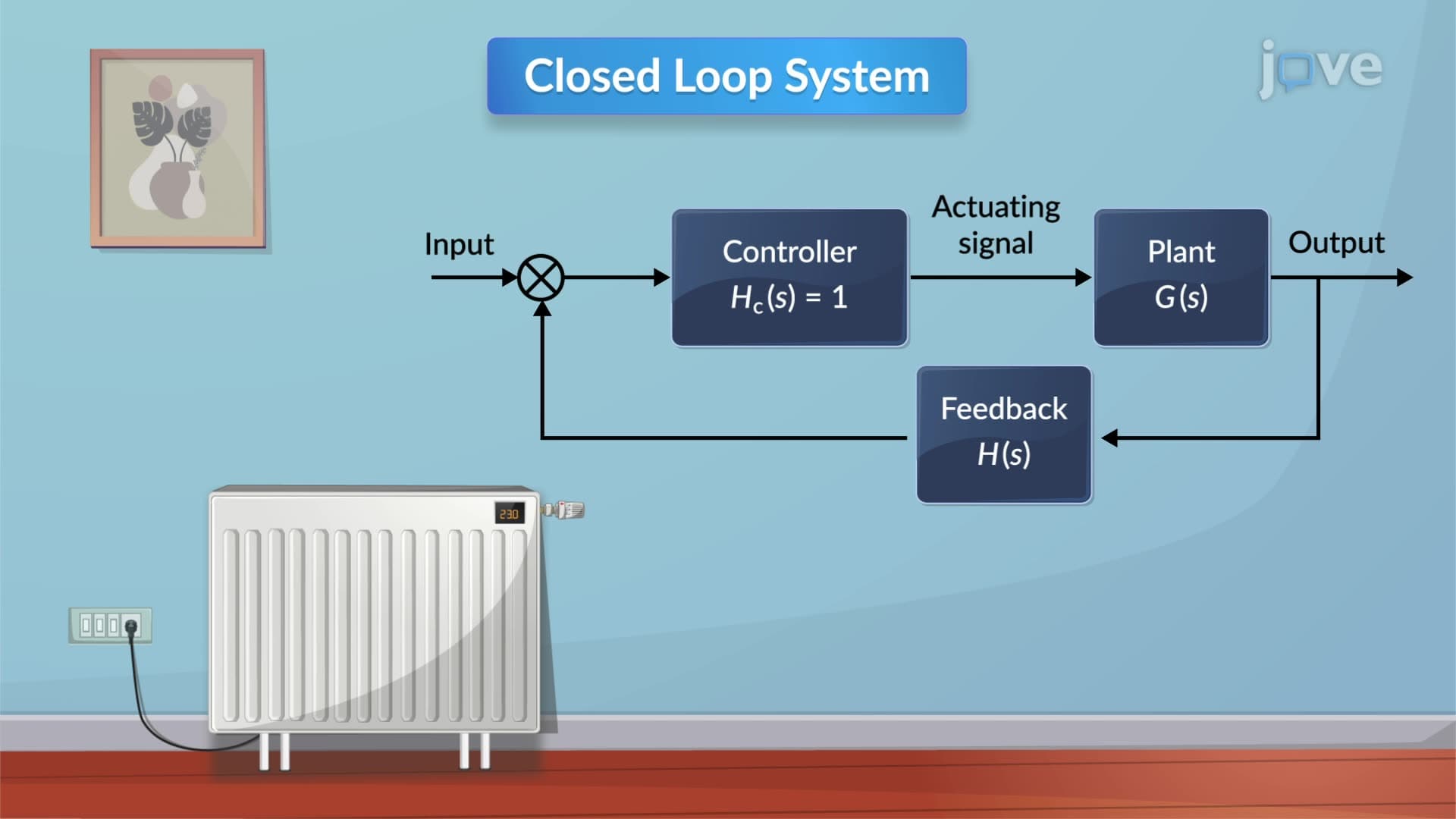
Modern servo systems exemplify second-order behavior in manufacturing automation. Companies like Rockwell Automation and Honeywell design controllers using these principles for everything from pharmaceutical production to semiconductor fabrication. The proportional controller adjusts output position to match desired input position, creating the feedback loop that defines system dynamics.
For MCAT preparation, understanding physiological control systems through this lens proves valuable-human glucose regulation and cardiovascular responses exhibit second-order characteristics that medical schools expect students to analyze quantitatively.
Related Micro-courses