Loading subject page…


5,149 views


Video Summary: What are Effects of Feedback
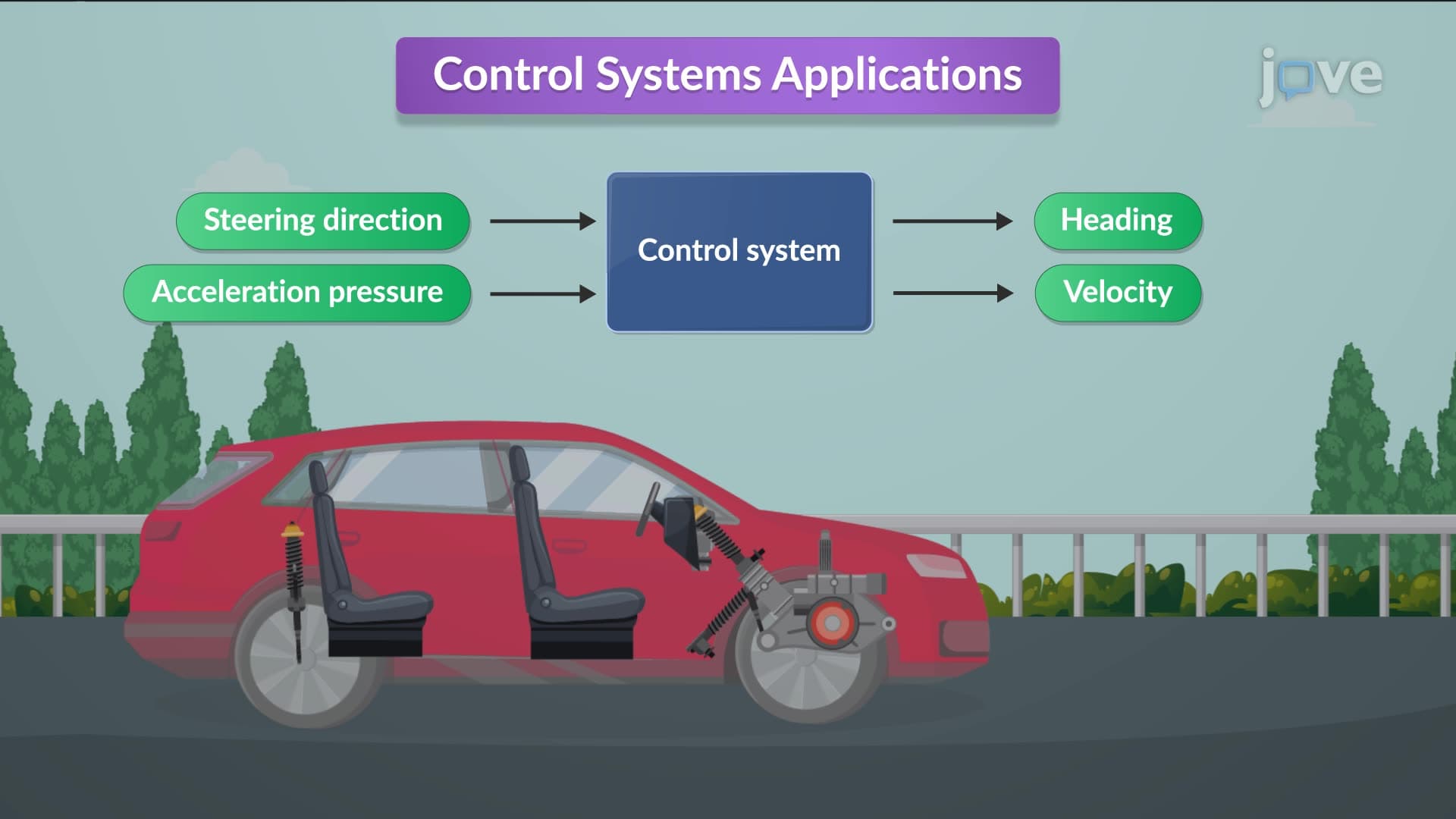
Ever wonder why your car's cruise control maintains speed on hills while older cars couldn't? Feedback control systems make this possible by continuously adjusting engine power based on speed measurements. These systems don't just reduce errors-they fundamentally transform how machines behave, affecting stability, gain, and response to disturbances. From Tesla's Autopilot to NASA's Mars rover navigation, understanding what are effects of feedback is crucial for modern engineering applications. Watch the full video on JoVE Coach to master this concept with expert-led visuals and step-by-step explanations.
Feedback control systems represent one of the most powerful concepts in modern engineering, fundamentally altering how systems respond to inputs and disturbances. Unlike simple open-loop systems that operate blindly, feedback systems create a closed loop where output information returns to influence future system behavior. This seemingly simple concept produces profound effects that engineers must master for applications ranging from iPhone touchscreen sensitivity to Boeing 787 flight control systems.
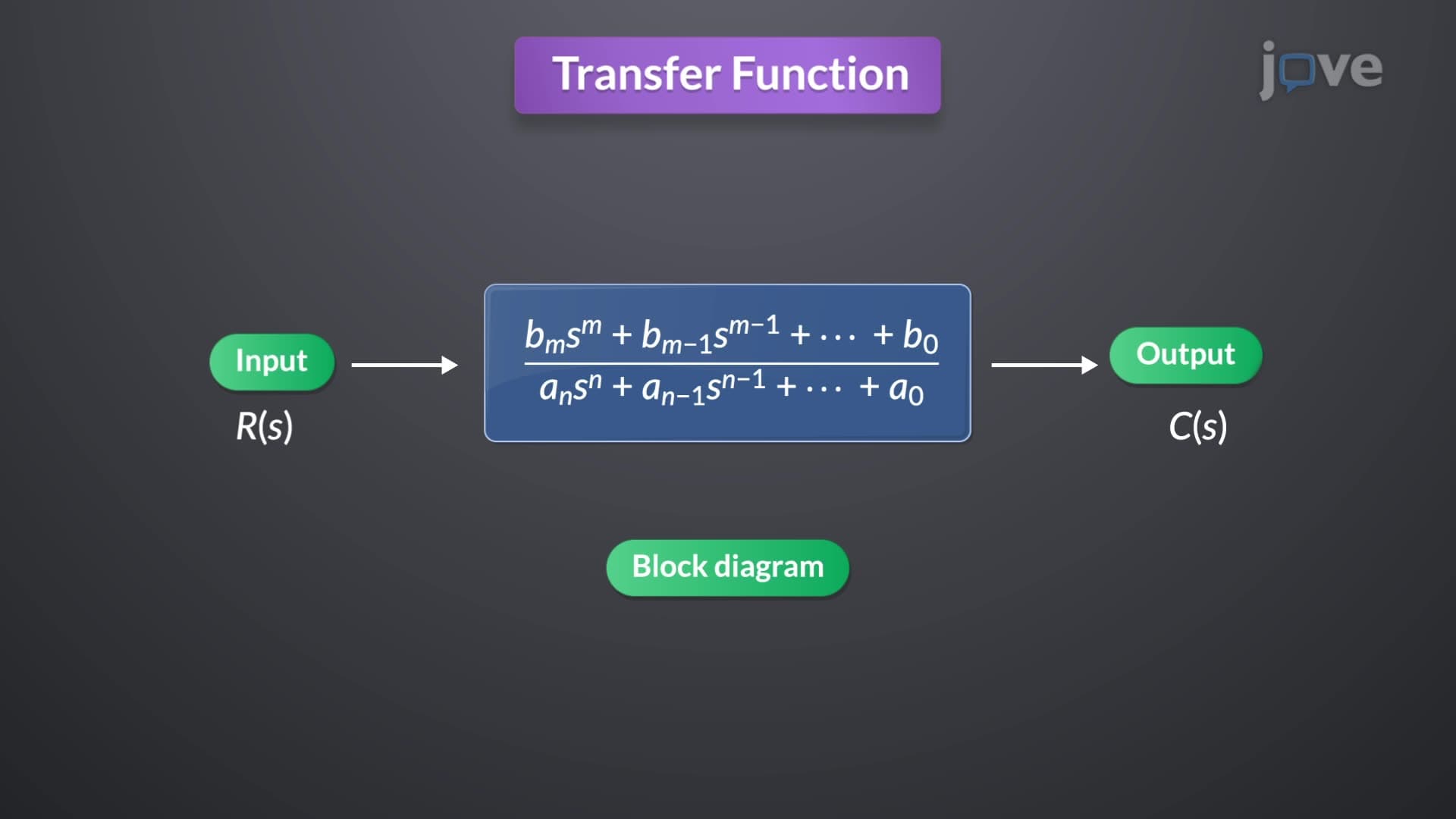
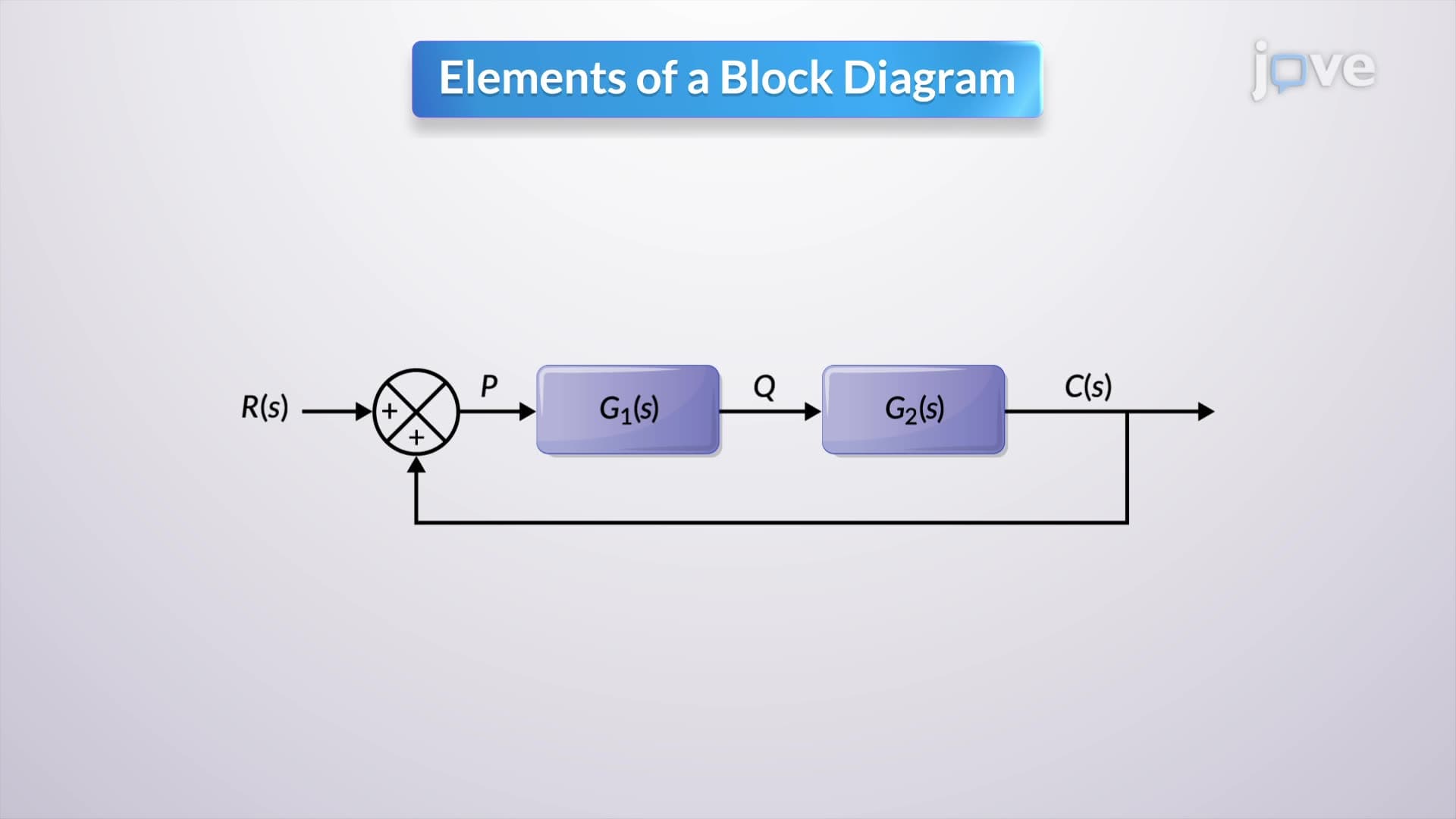
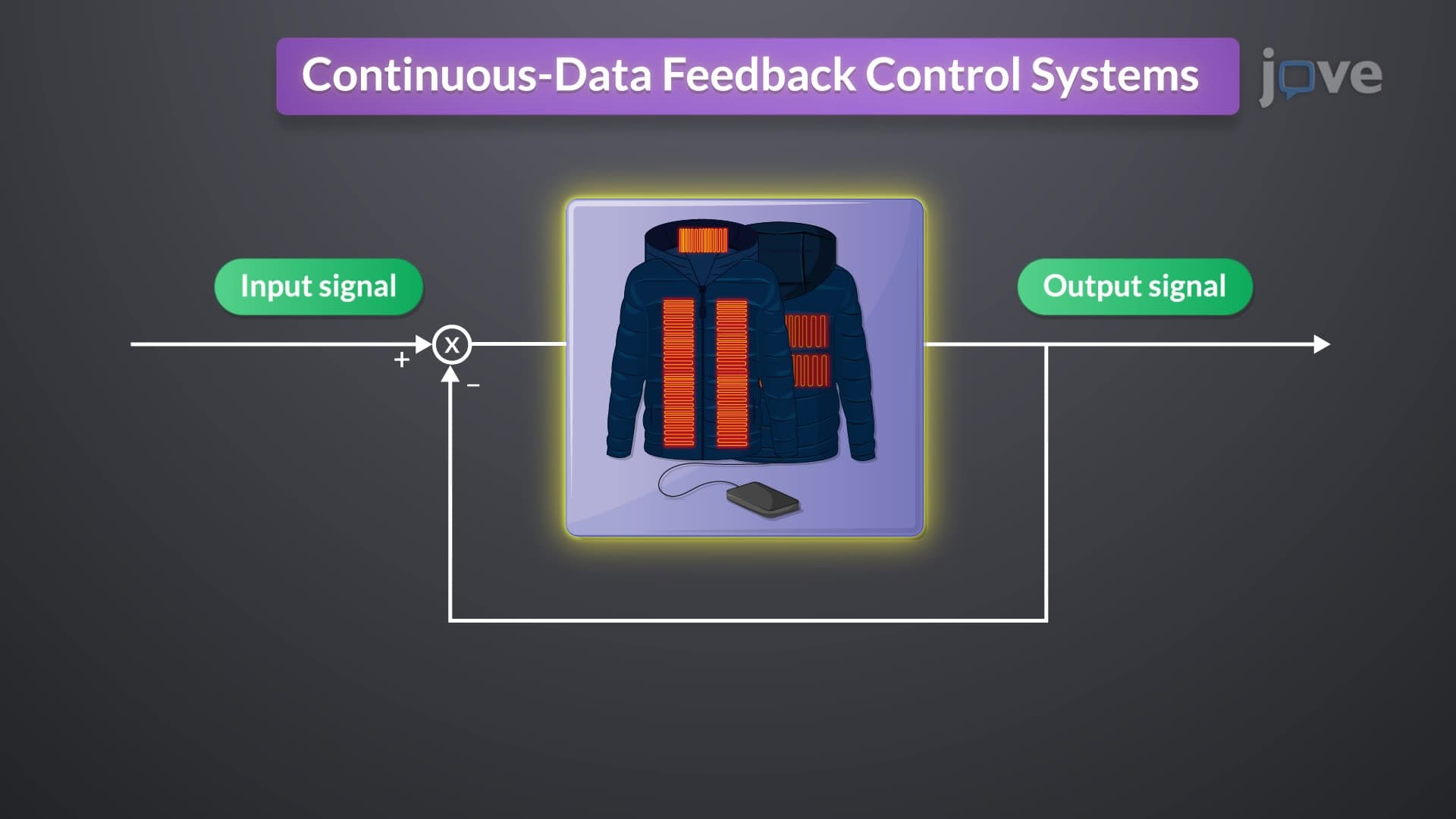
The most quantifiable effect of feedback lies in gain modification. In any feedback control system, the closed-loop gain equals the open-loop gain divided by (1 + GH), where G represents forward gain and H represents feedback gain. This mathematical relationship reveals feedback's dual nature: it can amplify signals at certain frequencies while attenuating them at others.
Consider automotive fuel injection systems used in Ford F-150 trucks. The engine control unit continuously monitors oxygen sensor feedback to adjust fuel delivery. When GH is positive and less than unity, the system reduces overall gain, improving fuel efficiency. However, at specific frequencies related to engine harmonics, feedback might increase gain, potentially causing unwanted oscillations if not properly designed.
Stability represents perhaps the most crucial aspect of feedback control systems basics. A stable system returns to equilibrium after disturbances, while unstable systems exhibit runaway behavior. Feedback dramatically affects this characteristic, sometimes counterintuitively.
The infamous case of the Tacoma Narrows Bridge collapse in 1940 illustrates feedback-induced instability. Wind created oscillations that were amplified through structural feedback, ultimately destroying the bridge. Similarly, in electronic circuits, when GH equals -1, the denominator (1 + GH) becomes zero, theoretically producing infinite gain and guaranteed instability.
However, feedback can also stabilize inherently unstable systems. Modern fighter jets like the F-22 Raptor are aerodynamically unstable by design for improved maneuverability. Multiple feedback loops using gyroscopes and accelerometers continuously adjust control surfaces thousands of times per second, maintaining stable flight that would be impossible for human pilots alone.
Types of feedback control systems excel at rejecting external disturbances and reducing sensitivity to component variations. Manufacturing equipment at Intel's semiconductor facilities operates in environments with temperature fluctuations, vibrations, and electrical noise. Feedback control systems minimize these disturbances' effects on precision manufacturing processes.
The sensitivity reduction factor equals 1/(1 + GH), meaning higher loop gains provide better disturbance rejection. This principle applies directly to AP Physics problems involving control systems and appears frequently in college-level electrical engineering coursework at institutions like MIT and Stanford.
Students preparing for standardized tests should remember that feedback effects interconnect: improving disturbance rejection through high gain might compromise stability, requiring careful engineering trade-offs that reflect real-world design challenges in companies like Tesla, SpaceX, and General Electric.
Related Micro-courses