Loading video…


 5 Concepts
 5.1K views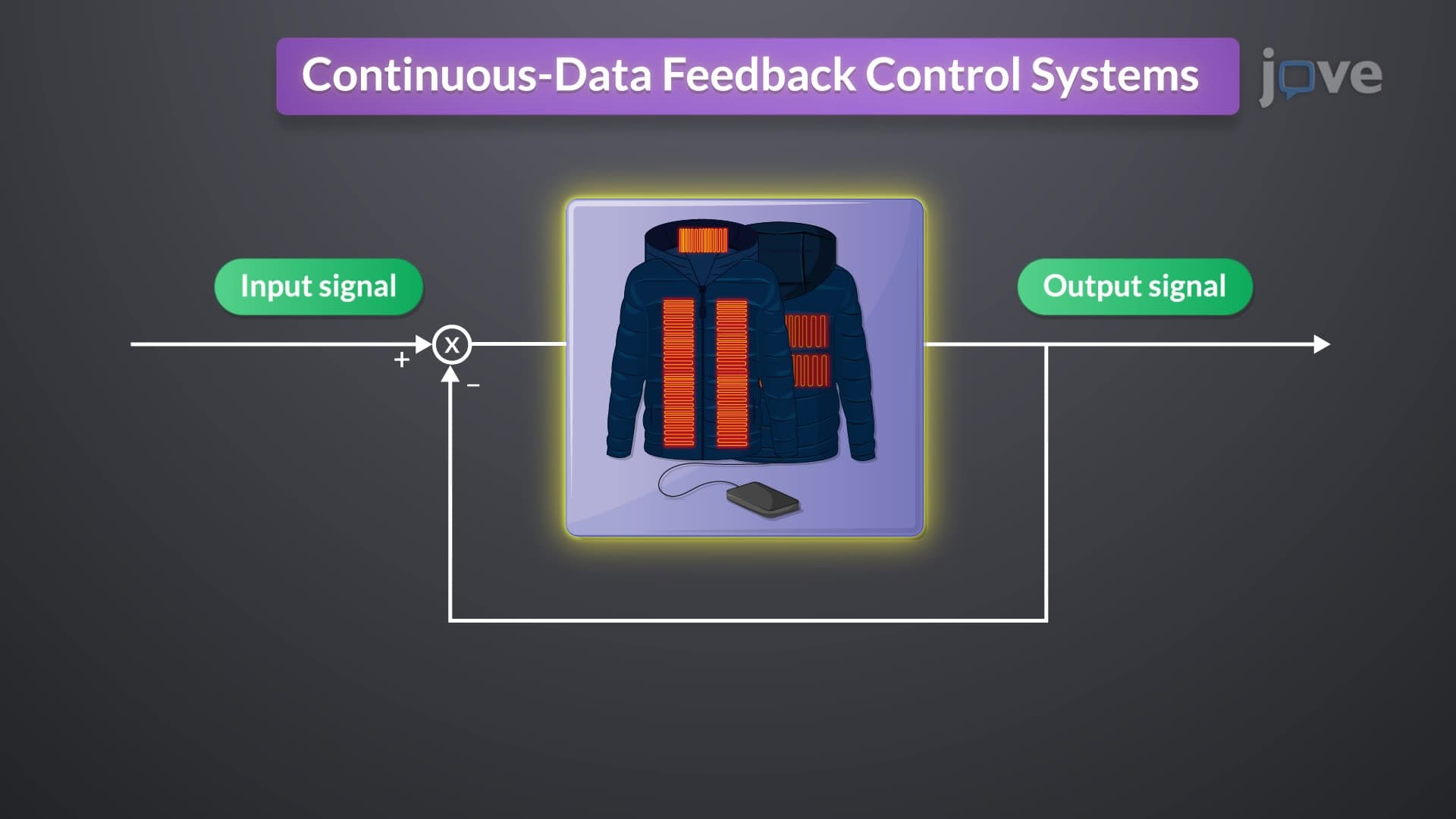

Video Summary: What are Feedback Control Systems
Ever wonder how your smartphone's camera instantly focuses or how cruise control maintains your car's speed on I-95? The transfer function is the mathematical foundation that makes these feedback control systems possible. From Tesla's Autopilot to NASA's Mars rover navigation, understanding what are feedback control systems reveals how engineers design precise, automated responses in everything from home thermostats to military missile guidance. Watch the full video on JoVE Coach to master this concept with expert-led visuals and step-by-step explanations.
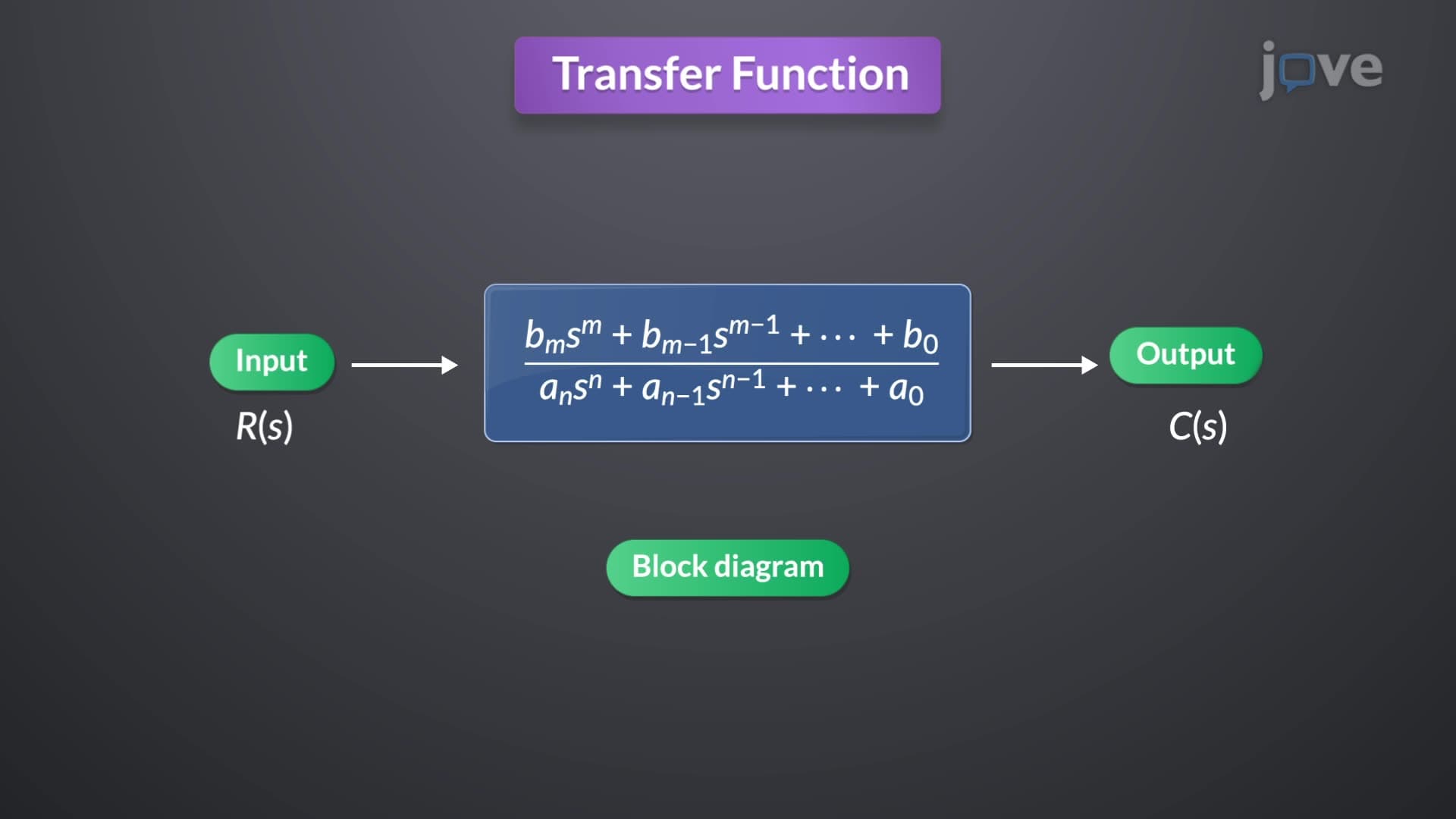
What are feedback control systems? At their core, these are engineered systems that automatically adjust their behavior based on the difference between desired and actual performance. The transfer function serves as the mathematical blueprint that defines how inputs transform into outputs, making it essential for AP Physics students and engineering undergraduates to master this concept.
Linear systems represent idealized models where the transfer function maintains proportional relationships between inputs and outputs. Think of an audio amplifier in your car's stereo system-within normal volume ranges, doubling the input signal doubles the output. However, real-world systems like the SpaceX Falcon 9's thrust vectoring system exhibit nonlinear behavior, where small input changes can produce dramatically different responses depending on atmospheric conditions and fuel levels.
Time-invariant systems maintain constant parameters, like a basic home thermostat where the transfer function definition remains stable regardless of when you adjust the temperature. Conversely, time-varying systems change their characteristics over time. Consider a Boeing 737's autopilot during flight-as fuel burns and weight decreases, the aircraft's response characteristics evolve, requiring adaptive control strategies that modify the underlying transfer function continuously.
Understanding what is transfer function in detail requires grasping how different signal types affect system behavior. Continuous-data systems, like those in electric vehicle battery management, process analog signals that vary smoothly over time. The Tesla Model 3's thermal management system exemplifies this approach, continuously adjusting coolant flow based on battery temperature readings.
Discrete-data systems, prevalent in modern digital controls, use sampled signals processed at specific intervals. Your iPhone's image stabilization system captures discrete sensor readings hundreds of times per second, applying digital transfer function calculations to counteract hand movement. This approach offers superior noise immunity and computational efficiency-critical factors in aerospace applications like the James Webb Space Telescope's precision pointing system.
Related Micro-courses