Loading video…


 5 Concepts
 5.1K views

Video Summary: What Is Control Systems
Did you know that your smartphone's auto-brightness feature uses the same engineering principles that guide NASA's Mars rovers across the Martian surface? Control systems applications span from everyday devices to cutting-edge aerospace technology, making them one of the most versatile engineering concepts. From Tesla's autopilot systems to the thermostat in your home, these systems automatically adjust outputs based on desired inputs. Understanding what is control systems reveals how engineers create self-regulating mechanisms that maintain stability and precision in countless applications. Watch the full video on JoVE Coach to master this concept with expert-led visuals and step-by-step explanations.
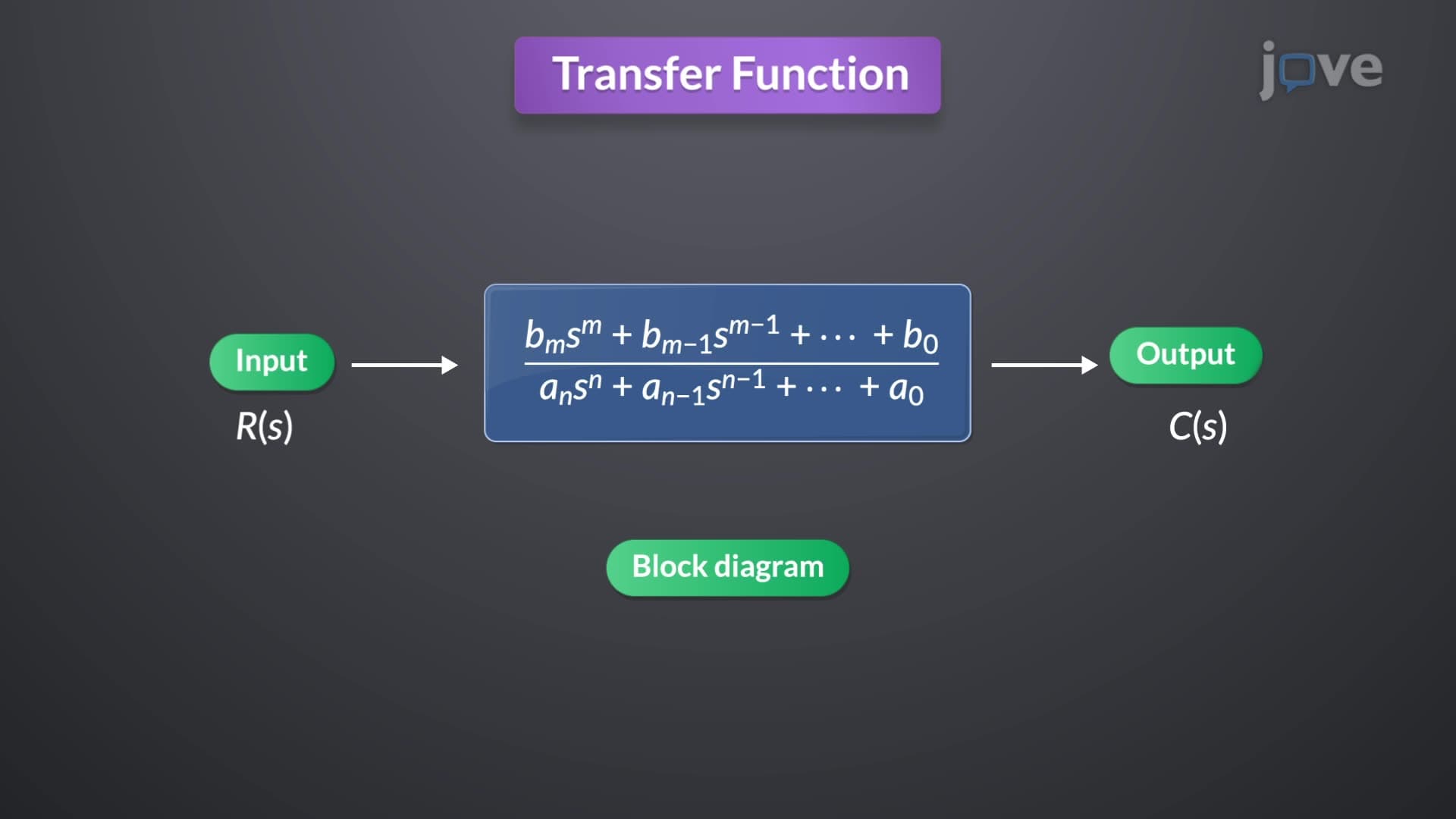
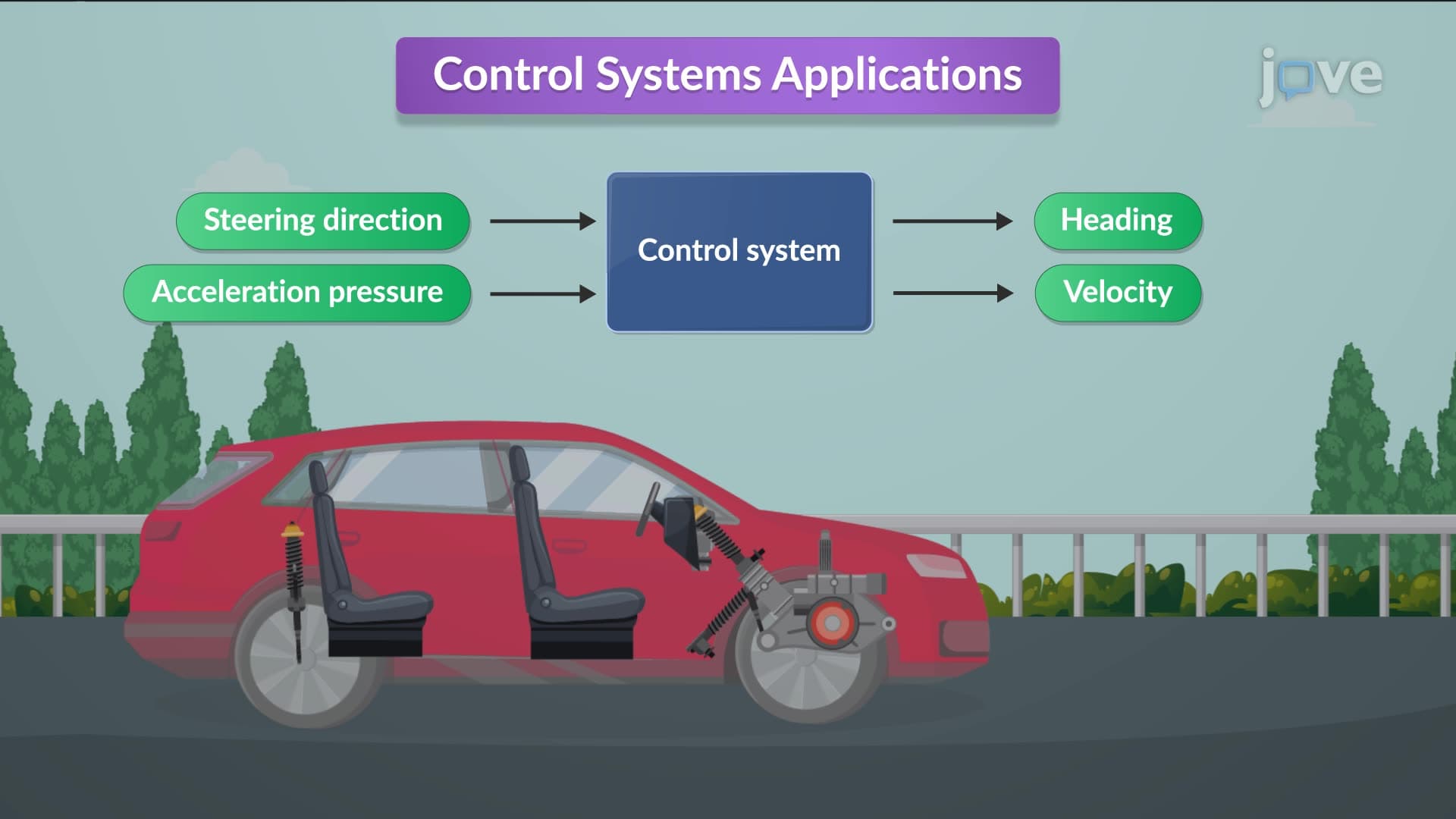
Control systems applications represent one of the most fundamental concepts in engineering, bridging theoretical knowledge with practical problem-solving. At its core, a control system is an interconnected arrangement of components that manages, commands, or regulates the behavior of other devices or systems. These systems operate on a simple yet powerful principle: they receive inputs, process information, and produce desired outputs while continuously monitoring and adjusting their performance.
The beauty of control systems lies in their universality. Whether you're studying for AP Physics, preparing for engineering coursework, or tackling college-level systems analysis, the same fundamental principles apply across disciplines. Students preparing for standardized tests like the SAT Subject Tests or AP exams will find control systems concepts appearing in physics problems involving feedback mechanisms and system stability.
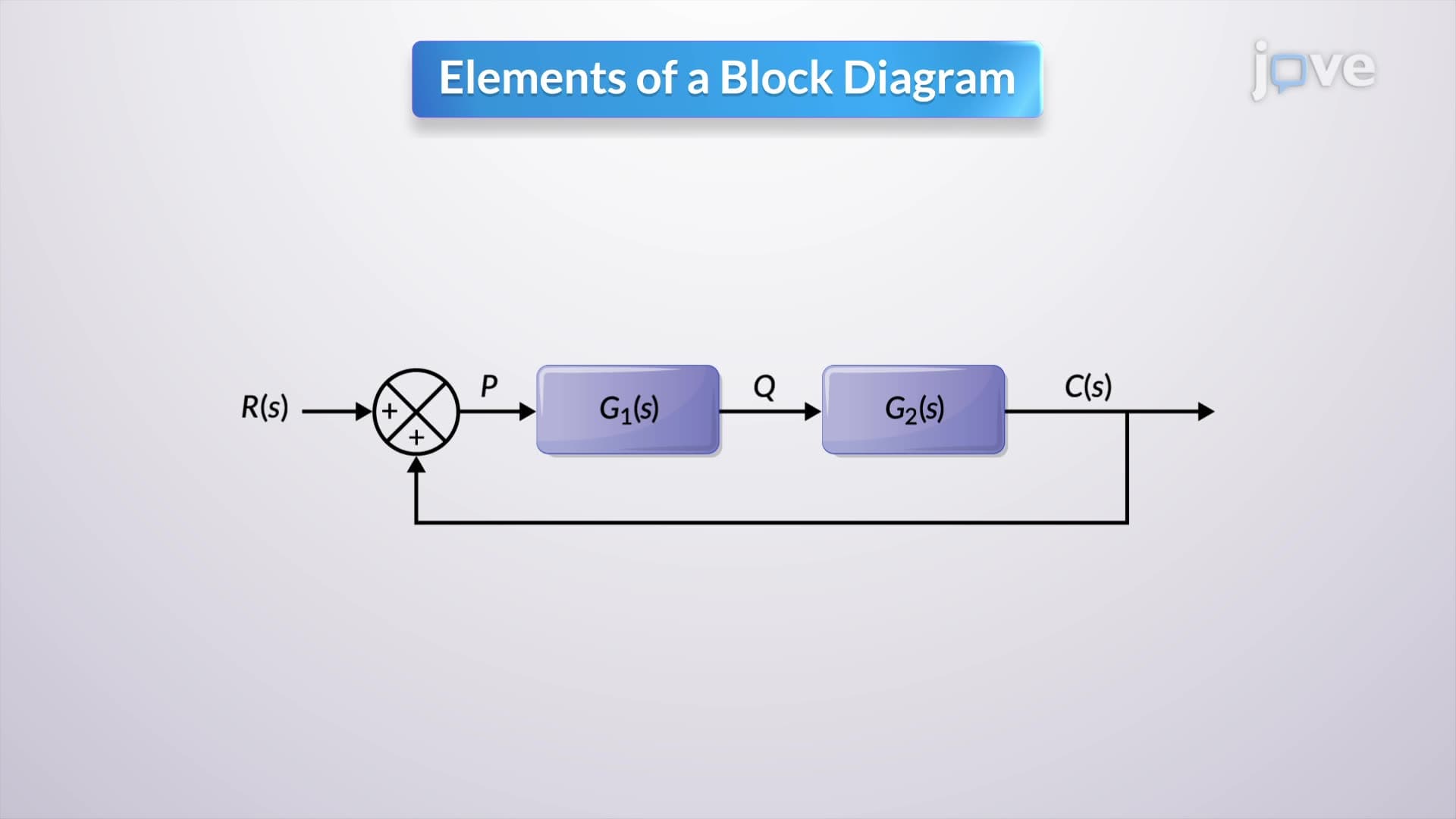
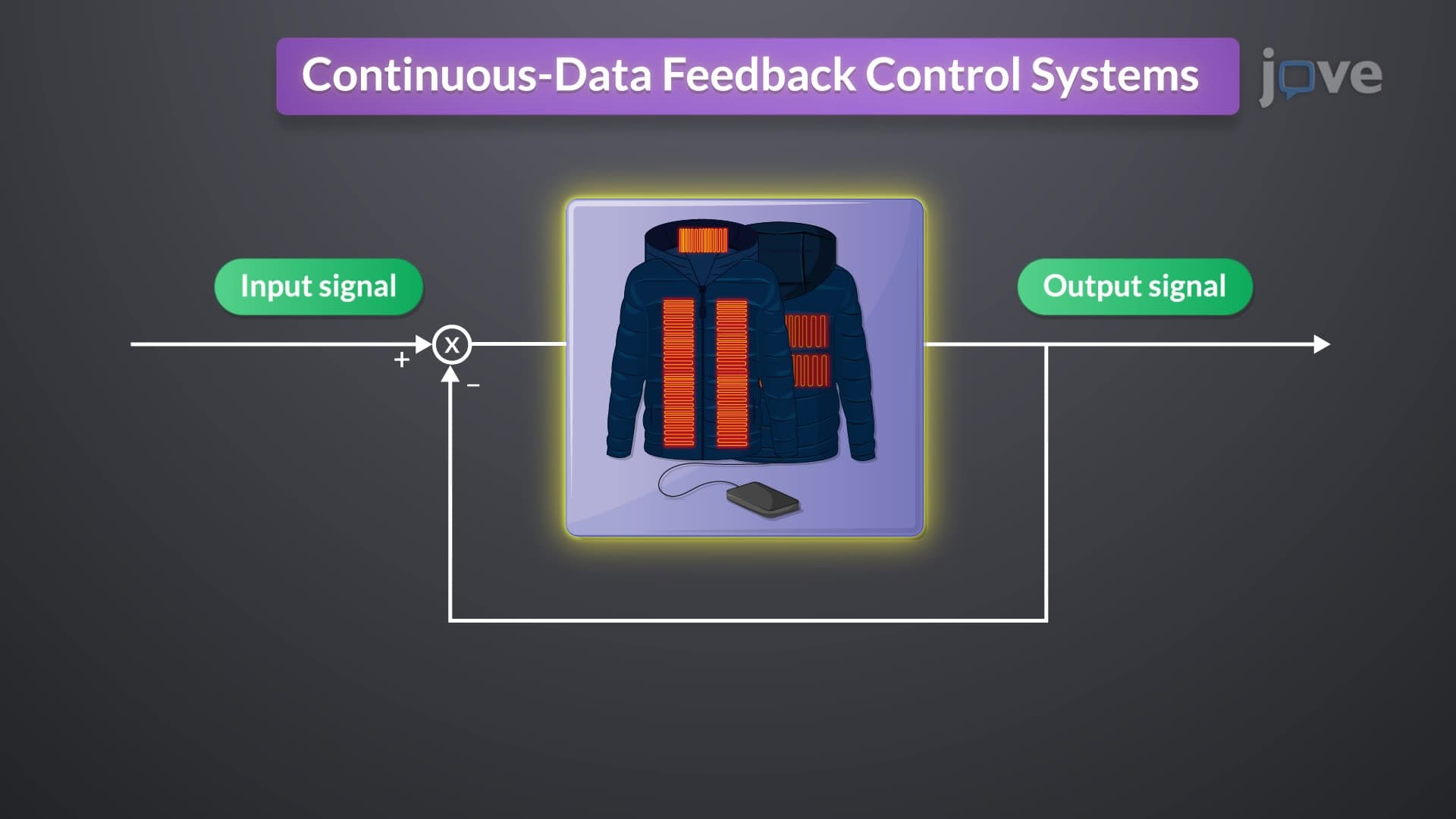
Modern control systems applications showcase remarkable diversity and sophistication. Consider Apple's iPhone camera stabilization system, which uses gyroscopic feedback to counteract hand tremors and produce sharp images. This exemplifies a closed-loop control system where sensors detect unwanted motion (disturbance), and actuators apply corrective forces (control signals) to maintain the desired steady state.
Industrial applications demonstrate control systems at their most complex. General Electric's wind turbines employ advanced control algorithms to optimize blade angles and generator speed based on wind conditions, maximizing energy capture while preventing mechanical damage. Similarly, Ford's assembly line robots use precise control systems to perform welding, painting, and assembly tasks with repeatability measured in fractions of millimeters.
For students pursuing STEM careers, understanding these applications provides crucial context for advanced coursework. Engineering programs at institutions like MIT, Stanford, and Georgia Tech build upon these foundational concepts in courses covering robotics, aerospace engineering, and process control.
Control systems applications rely on several key components working in harmony. The plant represents the physical system being controlled-whether it's a Boeing 737's flight control surfaces or a pharmaceutical company's temperature-controlled reactor. Sensors measure controlled variables (actual system outputs), while controllers process this information to generate appropriate control signals.
Performance evaluation focuses on two critical metrics that appear frequently in engineering exams. Transient response describes how quickly and smoothly a system reaches its desired state when conditions change. Steady-state error quantifies the difference between desired and actual outputs once the system stabilizes. These concepts are essential for students taking the Fundamentals of Engineering (FE) exam or pursuing Professional Engineer (PE) certification.
Understanding disturbances-unexpected inputs that can disrupt system performance-prepares students for real-world engineering challenges. Whether analyzing how crosswinds affect aircraft navigation or how temperature variations impact chemical processes, this knowledge proves invaluable across multiple engineering disciplines and standardized assessments.
Related Micro-courses