Loading video…


 12 Concepts
 6.3K views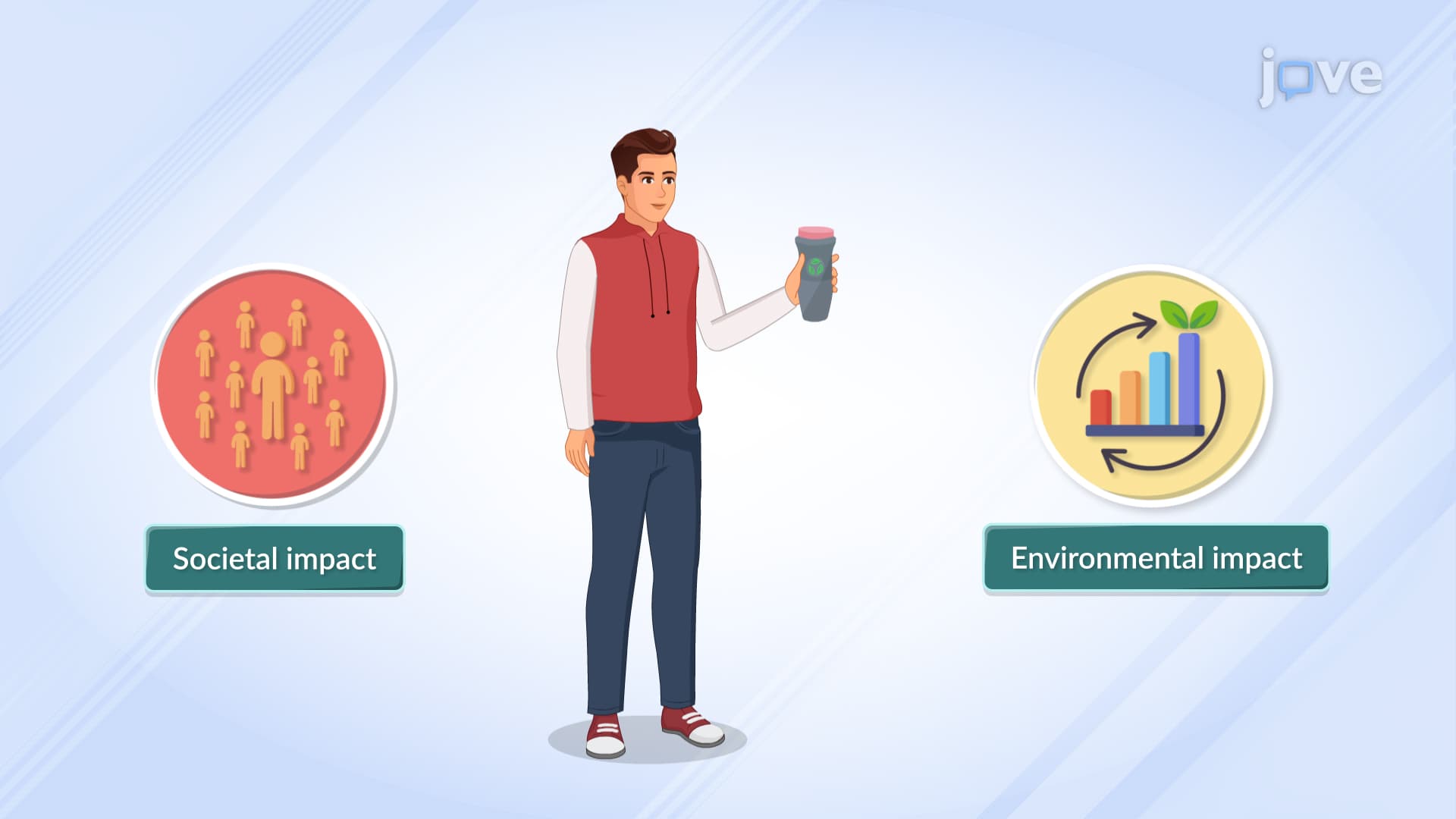

Video Summary: What Is Responsible Product Development
Product recalls cost US companies $8 billion annually, making responsible product development a critical competitive differentiator in today's market. Responsible product development integrates customer needs with environmental and societal impact considerations throughout the product lifecycle. Companies like Apple demonstrate this approach through comprehensive warranties, sustainable sourcing practices, and consumer education programs that build long-term brand loyalty while mitigating legal and reputational risks. This strategic framework balances profitability with positive societal contribution. Watch the full video on JoVE Coach to master this concept with expert-led visuals and step-by-step explanations.
When Johnson & Johnson faced the Tylenol crisis in 1982, their response exemplified responsible product development principles that saved the brand and became a business school case study. Today's executives face similar decisions daily: How do you balance profit margins with environmental impact? When should you discontinue a profitable product line? These challenges define responsible product development in modern business strategy.
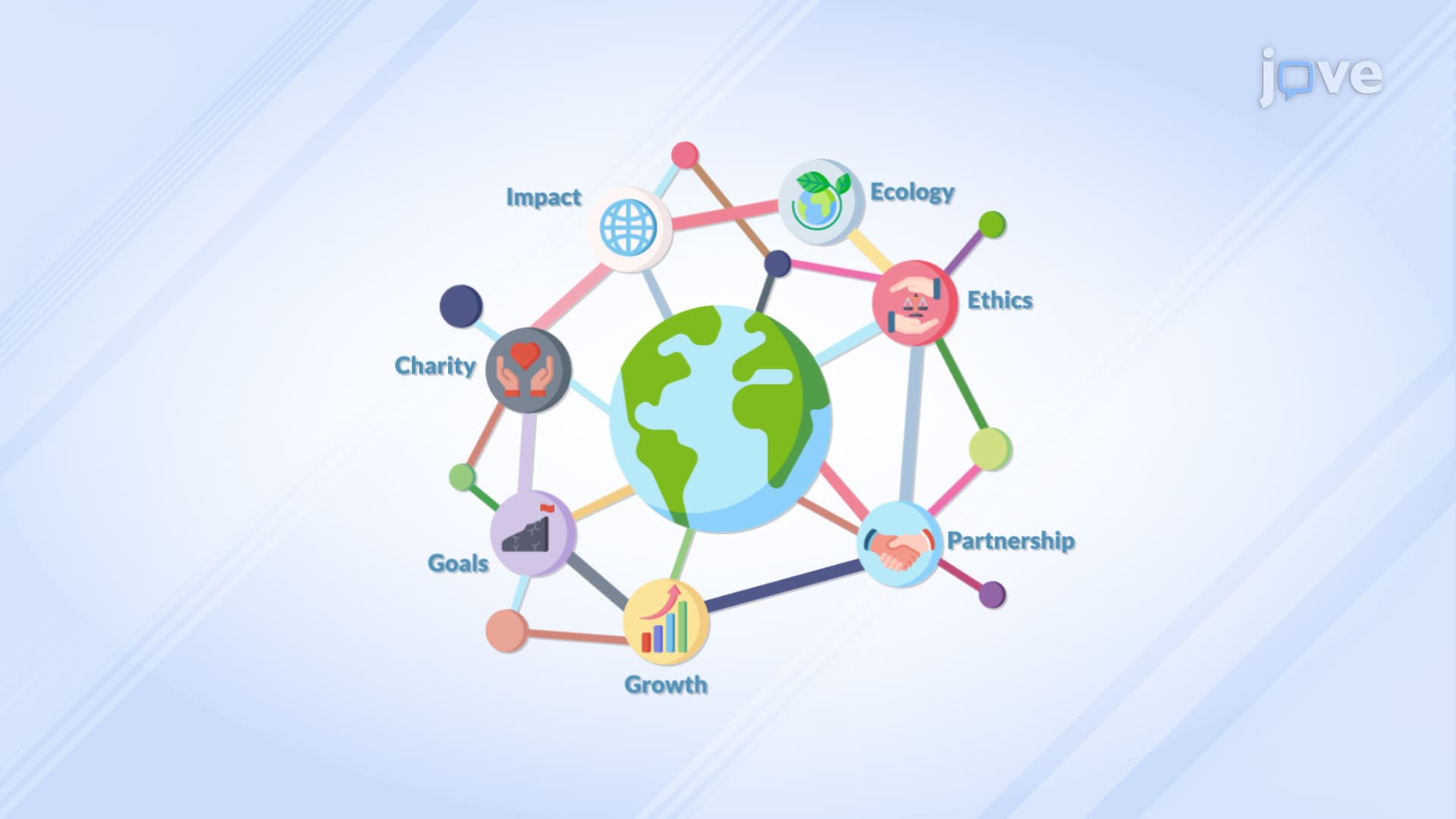
Responsible product development encompasses every stage from conception to disposal, requiring systematic evaluation of customer needs alongside broader stakeholder impacts. This approach begins with rigorous safety and quality standards that exceed regulatory minimums. For portfolio managers, this means building compliance costs into P&L projections while positioning quality as a competitive advantage rather than a cost center.
The intellectual property dimension demands particular attention in today's innovation economy. Companies like 3M invest heavily in patent portfolios not just for protection, but as revenue streams through licensing. Conversely, respecting competitors' IP rights prevents costly litigation that can derail product launches and damage market positioning.
Modern responsible product development requires sophisticated supply chain management that balances cost efficiency with environmental stewardship. Patagonia's supply chain transparency initiatives demonstrate how environmental responsibility can strengthen brand differentiation and customer loyalty, particularly among millennial and Gen Z consumers who drive $143 billion in annual purchasing power.
Raw material sourcing decisions increasingly impact both operational costs and brand perception. Companies implementing circular economy principles-like Dell's closed-loop recycling programs-often discover cost savings alongside environmental benefits. These initiatives require cross-functional collaboration between procurement, operations, and marketing teams.
Product transitions present significant risk management challenges requiring comprehensive stakeholder communication strategies. When a company discontinues a product line, the decision impacts customers, suppliers, distributors, and employees. Effective impact assessments quantify these effects across financial, operational, and reputational dimensions.
Labor practices throughout the supply chain represent both ethical imperatives and risk management necessities. Companies like Nike learned this lesson through public relations crises that required years and millions of dollars to address. Modern executives must implement monitoring systems that ensure fair labor practices while maintaining operational efficiency and cost competitiveness.
Related Micro-courses