Loading video…


 18 Concepts
 3.5K views

Video Summary: What Is Market Metrics
Market metrics drive critical strategic decisions across America's largest corporations, from Amazon's market share battles to Tesla's penetration strategies in electric vehicles. Understanding market metrics enables executives to quantify competitive positioning, assess market opportunities, and allocate resources effectively. Apple's dominant 19.7% smartphone market share demonstrates how these quantitative measurements translate into sustained competitive advantage and billion-dollar revenue outcomes. Watch the full video on JoVE Coach to master this concept with expert-led visuals and step-by-step explanations.
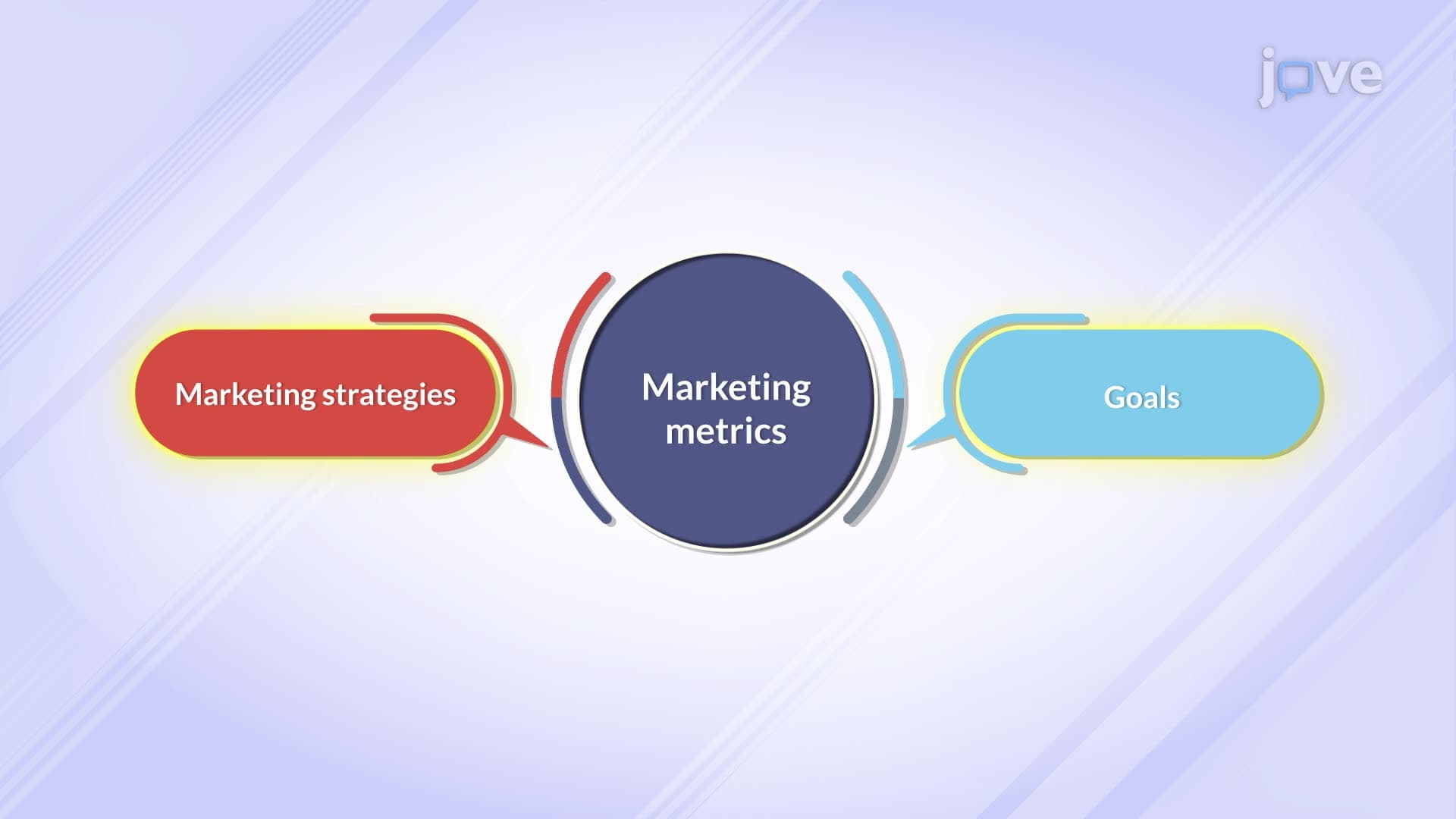
When Satya Nadella transformed Microsoft's cloud strategy, market metrics provided the quantitative foundation for one of corporate America's most successful pivots. Market metrics represent the essential quantitative measurements that enable executives to assess competitive positioning, guide strategic investments, and measure business performance against industry benchmarks.
Market share serves as the primary indicator of competitive strength, measuring your company's sales as a percentage of total industry revenue. Consider how Amazon Web Services leveraged market share data to maintain its cloud computing dominance-holding approximately 32% of the global cloud infrastructure market while competitors like Microsoft Azure and Google Cloud compete for remaining share. This metric directly influences pricing power, supplier negotiations, and investor confidence.
Relative market share adds strategic context by comparing your position to your strongest competitor. When Apple maintains a 1.5x relative market share advantage over Samsung in smartphones, this superiority translates into premium pricing capabilities and supply chain leverage that smaller competitors cannot match.
Market concentration reveals industry competitive dynamics and consolidation opportunities. The U.S. airline industry exemplifies high concentration, with American, Delta, United, and Southwest controlling roughly 70% of domestic passenger traffic. This concentration enables coordinated pricing strategies and creates substantial barriers for new entrants, informing both competitive strategy and regulatory considerations.
Market penetration metrics guide expansion strategies and resource allocation decisions. Netflix's streaming penetration in U.S. households reached approximately 45% by 2023, signaling market saturation domestically while highlighting international growth imperatives. These calculations inform everything from marketing spend allocation to content investment priorities.
Successful executives use these metrics collectively to build comprehensive competitive intelligence. During quarterly business reviews, market metrics provide objective benchmarks for performance evaluation and strategic course corrections, ensuring decisions are grounded in quantifiable market realities rather than intuition alone.
Related Micro-courses