Loading video…


 11 Concepts
 11.2K views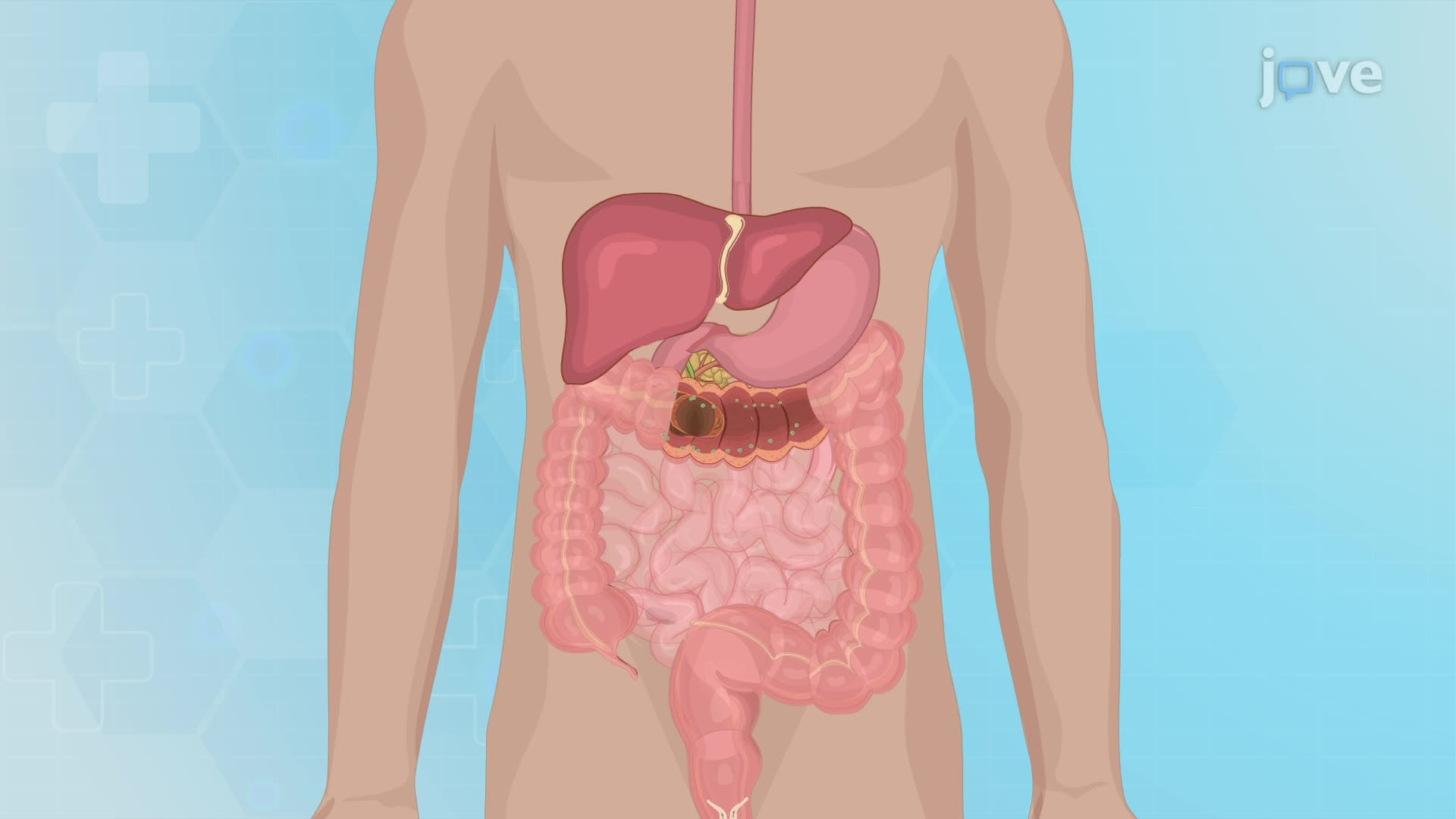

Video Summary: Physiology Gastrointestinal System Iii Elimination Explained
Did you know that your large intestine processes about 1.5 liters of waste material daily, transforming it from liquid slurry to solid feces? Physiology gastrointestinal system III elimination involves complex mechanisms where the colon absorbs water and electrolytes while gut bacteria break down indigestible materials. Consider how conditions like irritable bowel syndrome affect millions of Americans by disrupting these normal elimination processes. Watch the full video on JoVE Coach to master this concept with expert-led visuals and step-by-step explanations.
The elimination phase represents the final stage of digestive physiology, where the body efficiently separates useful nutrients from waste materials. This complex process begins in the large intestine, a 5-foot-long organ that transforms approximately 1.5 liters of liquid waste into 100-200 grams of solid feces daily. Unlike the small intestine's focus on nutrient absorption, the large intestine specializes in water recovery and waste consolidation.
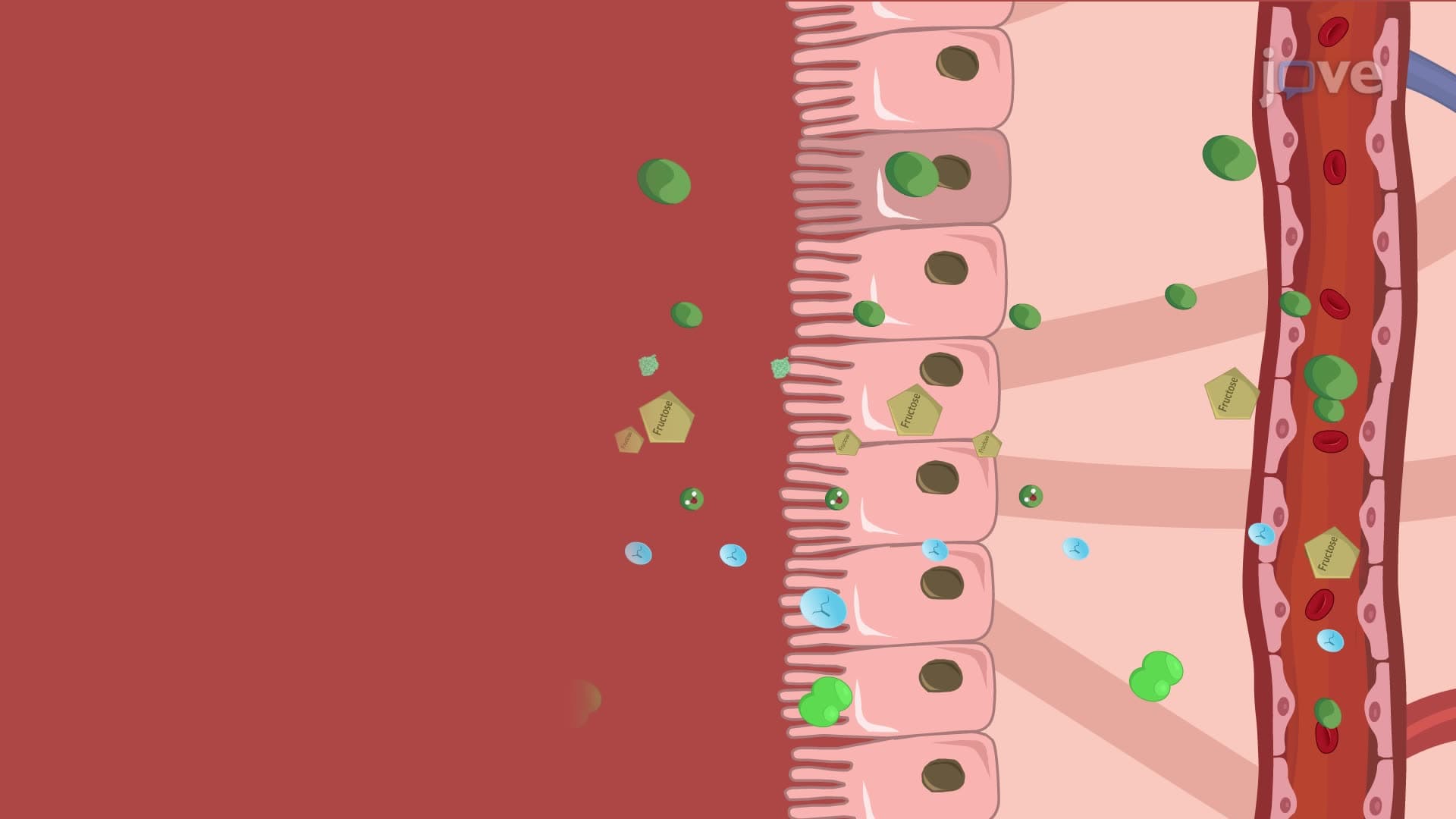
The large intestine's segmented structure-ascending, transverse, descending, and sigmoid colon-facilitates systematic waste processing. Specialized epithelial cells actively transport sodium ions from the intestinal lumen, creating an osmotic gradient that drives water absorption. This process recovers approximately 90% of the water entering the large intestine, preventing dangerous dehydration. Students preparing for the MCAT should understand how aldosterone regulates this sodium transport, linking elimination physiology to endocrine function.
The human colon houses over 100 trillion bacteria representing more than 1,000 species, collectively weighing about 2-3 pounds. These microorganisms perform essential functions beyond simple waste processing. *Bacteroides* and *Firmicutes* phyla dominate, fermenting indigestible fiber into short-chain fatty acids that nourish colonic epithelial cells. Additionally, gut bacteria synthesize vitamin K-crucial for blood clotting-and vitamin B12, demonstrating how elimination physiology intersects with nutrition and hematology.
Elimination timing depends on sophisticated neural circuits coordinating voluntary and involuntary responses. The gastrocolic reflex, triggered when food enters the stomach, stimulates colonic contractions through vagal pathways and gastrin release. Similarly, the duodenocolic reflex responds to duodenal stretching, promoting mass movements that advance fecal material toward the rectum. These reflexes explain why many Americans experience the urge to defecate after morning coffee-a combination of gastrocolic stimulation and caffeine's prokinetic effects.
The defecation process itself involves coordinated relaxation of the internal anal sphincter (involuntary smooth muscle) and external anal sphincter (voluntary skeletal muscle). Students studying for AP Biology should recognize how this represents dual autonomic and somatic nervous system control, demonstrating physiological integration principles that frequently appear on standardized exams.
Related Micro-courses