Loading video…


 17 Concepts
 9.8K views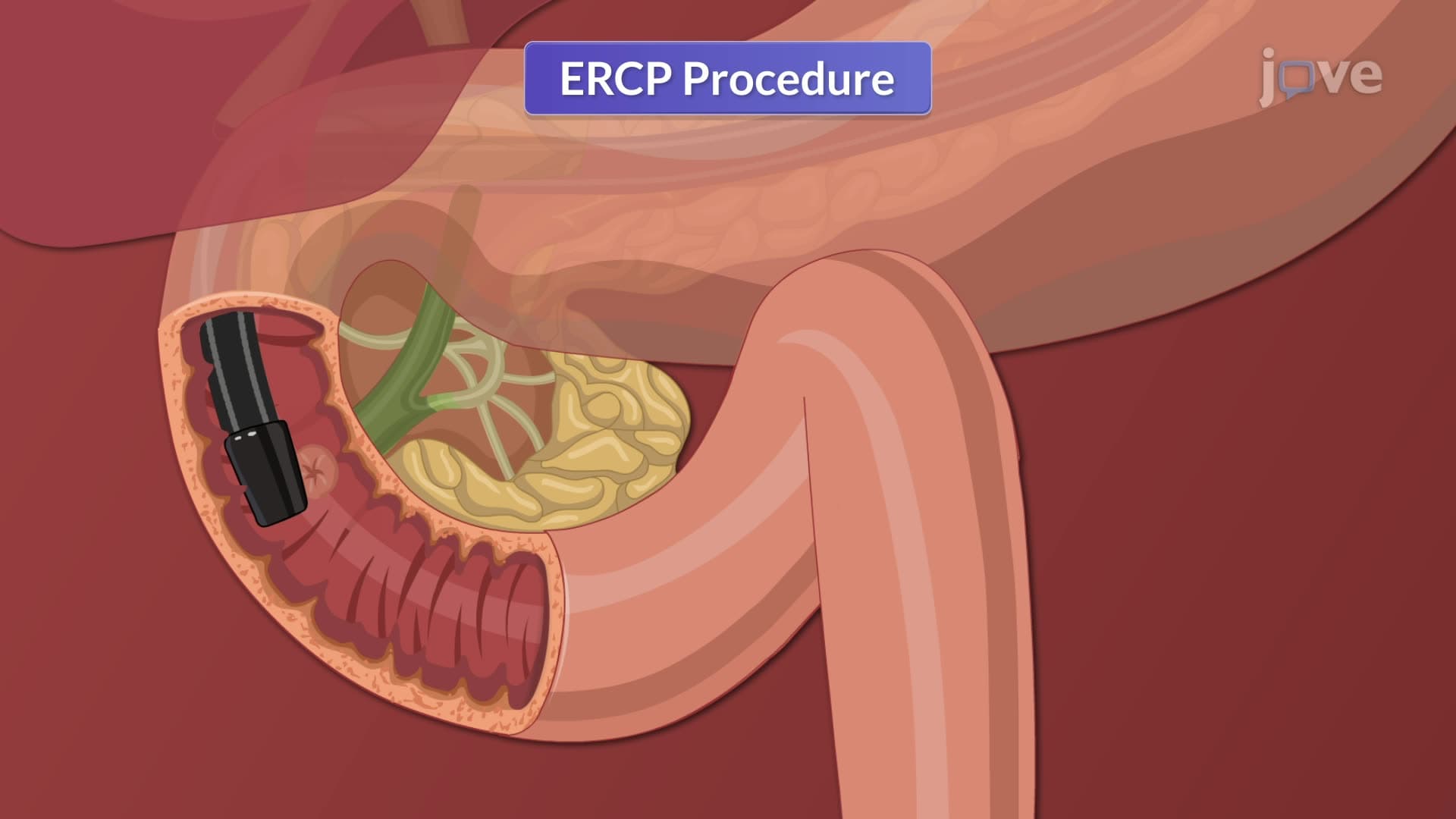

Video Summary: What Is Endoscopic Procedures V Ercp
When a patient at Johns Hopkins experiences severe abdominal pain and jaundice, gastroenterologists often turn to endoscopic procedures v ERCP for both diagnosis and treatment. What is Endoscopic Procedures V Ercp combines the precision of endoscopy with real-time X-ray imaging to access the bile ducts and pancreatic ducts through a naturally occurring opening in the small intestine. This minimally invasive approach allows physicians to remove gallstones, open blocked ducts, and treat conditions that would otherwise require major surgery. Watch the full video on JoVE Coach to master this concept with expert-led visuals and step-by-step explanations.
Endoscopic procedures v ERCP represents one of modern gastroenterology's most sophisticated interventions, combining endoscopic visualization with fluoroscopic guidance to access areas previously reachable only through major surgery. At leading medical centers like Mayo Clinic and Cleveland Clinic, this procedure has transformed the management of biliary and pancreatic disorders, offering patients minimally invasive alternatives to traditional open procedures.
The versatility of endoscopic procedures v ERCP extends far beyond simple visualization. Gastroenterologists at institutions like Stanford Medical Center routinely use this technique to extract bile duct stones, place biliary stents for strictures, and perform sphincterotomies to improve bile flow. The procedure proves particularly valuable for patients with choledocholithiasis (bile duct stones), where success rates exceed 90% for stone removal without requiring surgical intervention.
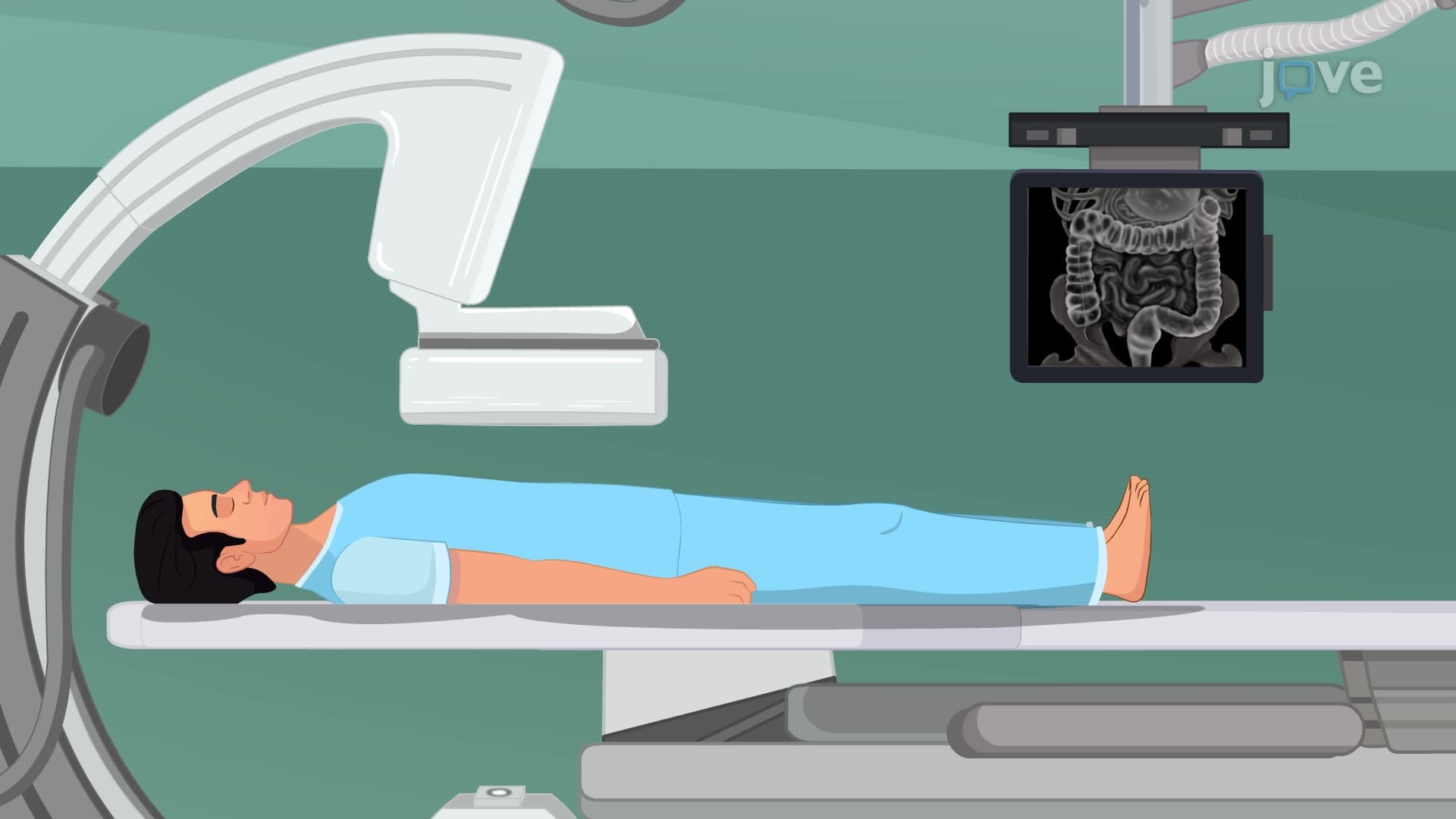
For students preparing for the MCAT or advanced placement biology exams, understanding ERCP's dual nature is crucial. The endoscopic component provides direct visualization and instrument delivery, while fluoroscopy enables real-time imaging of contrast material flowing through ductal systems. This combination allows physicians to both diagnose conditions like primary sclerosing cholangitis and perform therapeutic interventions during the same procedure.
The procedural complexity of endoscopic procedures v ERCP demands meticulous preparation and execution. Pre-procedure protocols include an 8-hour fasting period to ensure gastric emptying, discontinuation of anticoagulant medications to minimize bleeding risk, and administration of medications like glucagon to reduce duodenal motility. These preparatory steps, standard at institutions like UCLA Medical Center, significantly improve cannulation success rates and reduce procedural complications.
Post-procedure monitoring focuses on detecting early signs of complications, particularly perforation and pancreatitis. Emergency departments across the United States recognize the classic presentation of post-ERCP pancreatitis: severe epigastric pain radiating to the back, elevated lipase levels, and potential fever development. Understanding these complications proves essential for students pursuing healthcare careers and those taking standardized exams like the NCLEX-RN.
For undergraduate students considering gastroenterology or interventional specialties, endoscopic procedures v ERCP exemplifies the integration of multiple medical technologies. The procedure requires expertise in endoscopic technique, fluoroscopic interpretation, and interventional skills-making it an excellent example of subspecialty medicine's complexity and sophistication.
Related Micro-courses