Loading subject page…

- Anatomy and Physiology
- Functions of the Central and Peripheral Nervous System
- Higher Mental Functions of the Brain: Language
Micro-course: Functions of the Central and Peripheral Nervous System
51,001 views
Learn key concepts and earn your certificate.






Higher Mental Functions of the Brain: Language

00:00
01:10
Video Summary: Higher Mental Functions Brain Language Explained
Ever wonder why stroke patients sometimes understand everything but can't speak, or speak fluently but make no sense? Brain language function biology reveals how two tiny regions control our entire ability to communicate. When baseball legend Kirk Gibson suffered a stroke affecting his speech center, millions witnessed firsthand how Higher Mental Functions Brain Language Explained involves intricate neural circuits working in perfect harmony. The left hemisphere's Broca and Wernicke areas orchestrate everything from understanding your teacher's instructions to crafting the perfect comeback. Watch the full video on JoVE Coach to master this concept with expert-led visuals and step-by-step explanations.
- Understand how Higher Mental Functions Brain Language Explained demonstrates the brain's hemispheric specialization for communication
- Identify the distinct roles of Broca's area in speech production versus Wernicke's area in language comprehension
- Analyze the neural pathway connecting auditory processing, language interpretation, and motor speech output
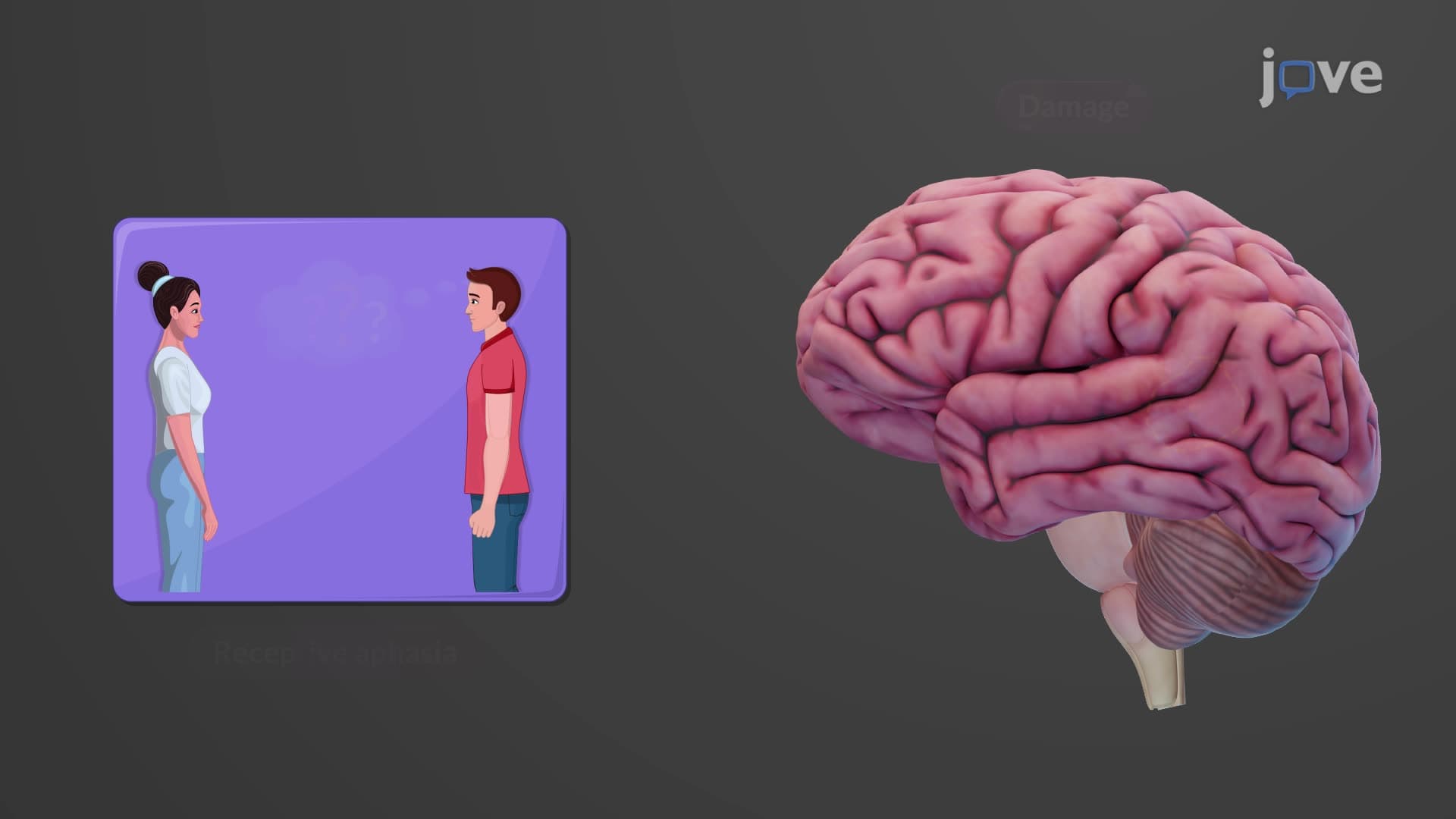
- Compare receptive aphasia (Wernicke's) with expressive aphasia (Broca's) using clinical presentation differences
- Evaluate how brain injuries affect specific language functions while leaving others intact
- Apply knowledge of language circuits to predict symptoms from different types of brain damage
- Recognize the integration between visual, auditory, and motor systems in language processing
- Explore how hemispheric dominance influences both verbal and non-verbal communication abilities
Understanding Higher Mental Functions Brain Language Explained
Language processing brain explained begins with recognizing that human communication represents one of the most sophisticated neural achievements. Unlike simple reflexes, language requires seamless coordination between multiple brain regions, transforming abstract thoughts into precise motor movements or decoding complex auditory patterns into meaningful concepts.
The Left Hemisphere Language Network
How the brain processes language functions centers on left hemispheric dominance in approximately 95% of right-handed individuals and 70% of left-handed people. This lateralization reflects evolutionary specialization, where the left hemisphere developed enhanced sequential processing abilities essential for grammar and syntax. The language circuit brain operates through interconnected regions that form a comprehensive communication system.
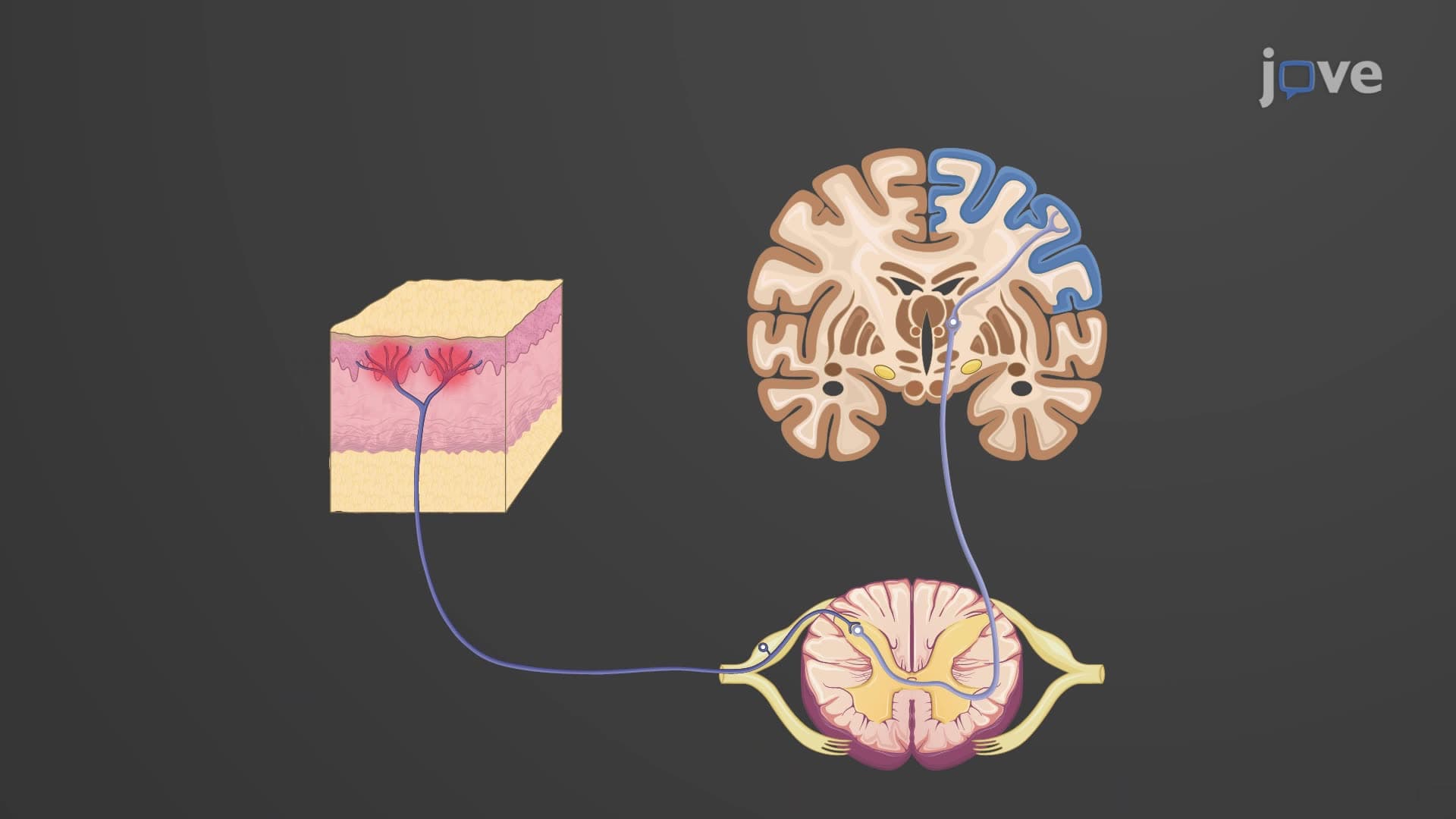
Wernicke's area, nestled in the posterior temporal lobe, serves as the brain's language comprehension center. This region receives convergent input from auditory association areas processing speech sounds and visual association areas interpreting written text or gestures. When you read Shakespeare's "To be or not to be" soliloquy, Wernicke's area extracts semantic meaning from those symbolic marks on paper. Wernicke area comprehension dysfunction produces fluent but meaningless speech-patients speak in grammatically correct sentences filled with nonsensical word combinations.
Broca area speech production occurs in the posterior frontal lobe, specifically Brodmann areas 44 and 45. This region formulates the precise motor plans necessary for articulation, coordinating with the primary motor cortex to activate muscles controlling the tongue, lips, vocal cords, and respiratory system. Broca's area damage creates the opposite problem-patients understand everything perfectly but struggle to produce coherent speech, often speaking in telegraphic phrases like "want... water... please."
Clinical Applications and Real-World Impact
Aphasia language deficit conditions demonstrate how localized brain injuries can selectively impair communication while preserving other cognitive functions. The neural language pathway connecting Wernicke's to Broca's area through the arcuate fasciculus enables repetition-when this connection fails, patients develop conduction aphasia, understanding speech and speaking fluently but unable to repeat words accurately.
These concepts frequently appear on AP Psychology exams, MCAT behavioral sciences sections, and undergraduate neuroscience courses. Students should understand that language processing involves both bottom-up sensory processing and top-down cognitive control, making it vulnerable to various neurological conditions from strokes to degenerative diseases.
Frequently Asked Questions
Higher mental functions refer to complex cognitive processes like language, reasoning, and consciousness that distinguish humans from other species. These functions require integration across multiple brain regions and involve sophisticated neural networks that process, store, and manipulate information in ways that enable abstract thinking and communication.
The MCAT Behavioral and Social Science section frequently tests language processing through questions about aphasia types, hemispheric specialization, and neural pathway disruptions. Students must distinguish between Broca's (expressive) and Wernicke's (receptive) aphasia while understanding how brain lesions affect specific language components without impairing general intelligence.
Focus on the functional differences between Broca's area (speech production, frontal lobe) and Wernicke's area (comprehension, temporal lobe). Remember that left hemisphere damage typically affects language while right hemisphere damage affects emotional tone and context. Practice identifying aphasia types from symptom descriptions.
Biological Psychology, Cognitive Neuroscience, Introduction to Neuroscience, and Psycholinguistics courses extensively cover language processing. These typically appear as required courses for Psychology, Neuroscience, and Pre-med tracks, often serving as prerequisites for advanced cognitive science studies.
Speech-language pathologists use this knowledge to develop targeted therapies for stroke patients, while neurologists localize brain injuries based on language symptoms. For example, if a patient understands commands but cannot speak, damage likely involves Broca's area, guiding both diagnosis and rehabilitation strategies.
Basic understanding of neurons, brain anatomy, and hemispheric organization provides sufficient foundation for grasping language processing concepts. Most high school biology or introductory psychology courses cover the necessary prerequisites, making this topic accessible to motivated students regardless of extensive neuroscience background.
Create comparison charts contrasting Broca's, Wernicke's, and conduction aphasia across dimensions like fluency, comprehension, and repetition abilities. Use clinical case studies to practice symptom recognition, and connect each aphasia type to its underlying neuroanatomical damage for comprehensive understanding.
Consider studying language development in children, bilingual brain processing, or language disorders like dyslexia and stuttering. Advanced topics include computational models of language processing, the relationship between language and thought, and how modern brain imaging reveals real-time language activation patterns.
Related Micro-courses