Loading subject page…


51,001 views
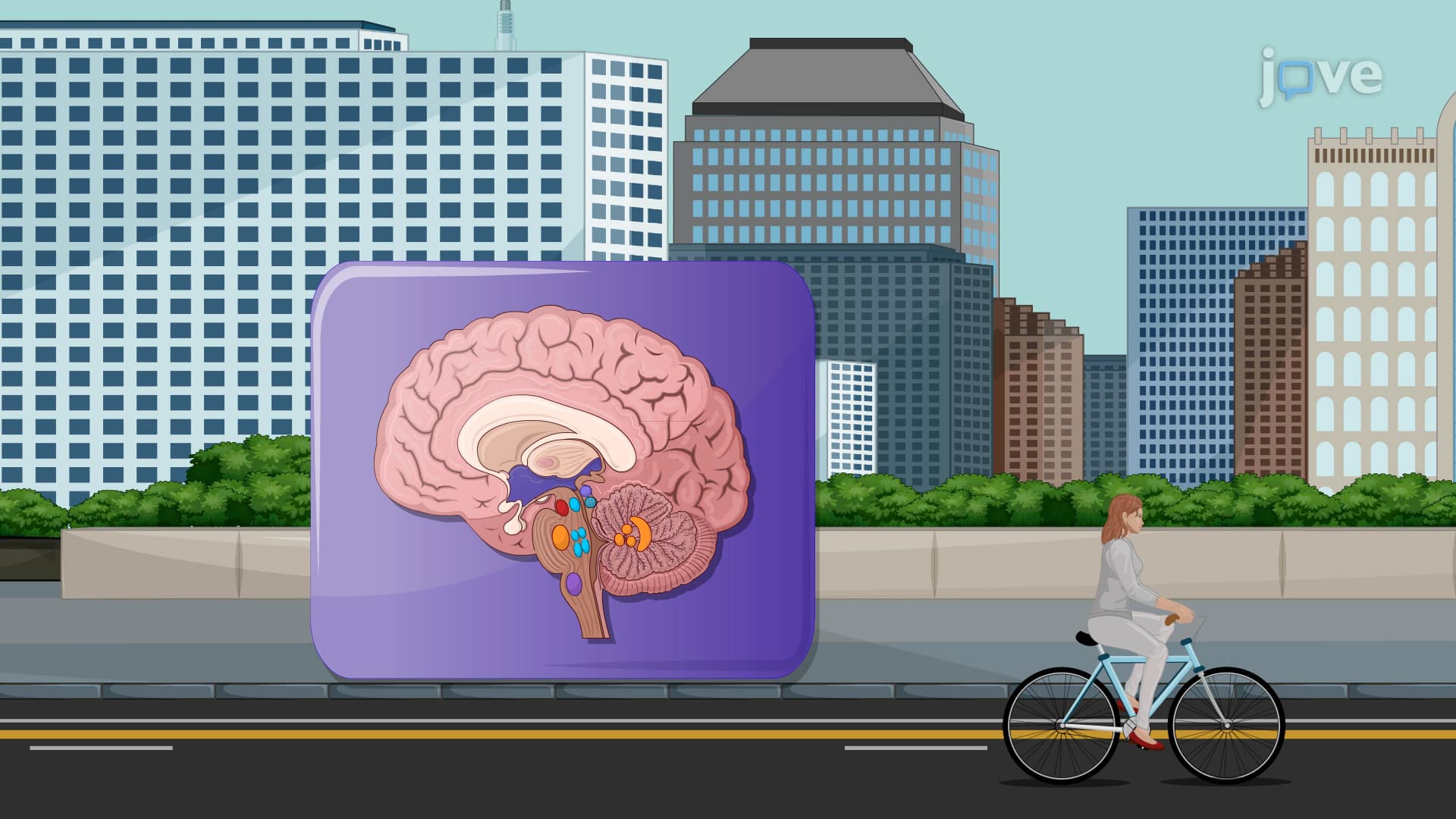

Video Summary: Higher Mental Functions of Brain Explained
Did you know your brain processes over 70,000 thoughts daily through higher brain mental functions? These complex cognitive processes enable everything from memorizing your Social Security number to learning calculus in AP math class. Higher brain mental functions encompass learning mechanisms like associative conditioning-similar to how students develop test anxiety through repeated stressful exam experiences-and memory systems that store both skills and facts in different brain regions. Understanding Higher Mental Functions of Brain Explained reveals how your mind acquires, processes, and retains information. Watch the full video on JoVE Coach to master this concept with expert-led visuals and step-by-step explanations.
Higher brain mental functions represent the pinnacle of human cognitive evolution, encompassing sophisticated processes that distinguish us from other species. These functions primarily involve the cerebral cortex, particularly the prefrontal cortex, which orchestrates executive functions, decision-making, and complex reasoning. Unlike basic reflexes or automatic responses, higher mental functions require conscious effort and integrate multiple brain systems to produce adaptive behaviors.
Learning forms the cornerstone of higher brain functions explained through two primary mechanisms. Associative learning creates connections between stimuli, as demonstrated in classical conditioning experiments. In educational settings, students often develop positive associations with subjects through engaging teachers or negative associations through stressful testing environments. This principle explains why many students excel in AP Psychology after positive early experiences but struggle with subjects linked to past difficulties.
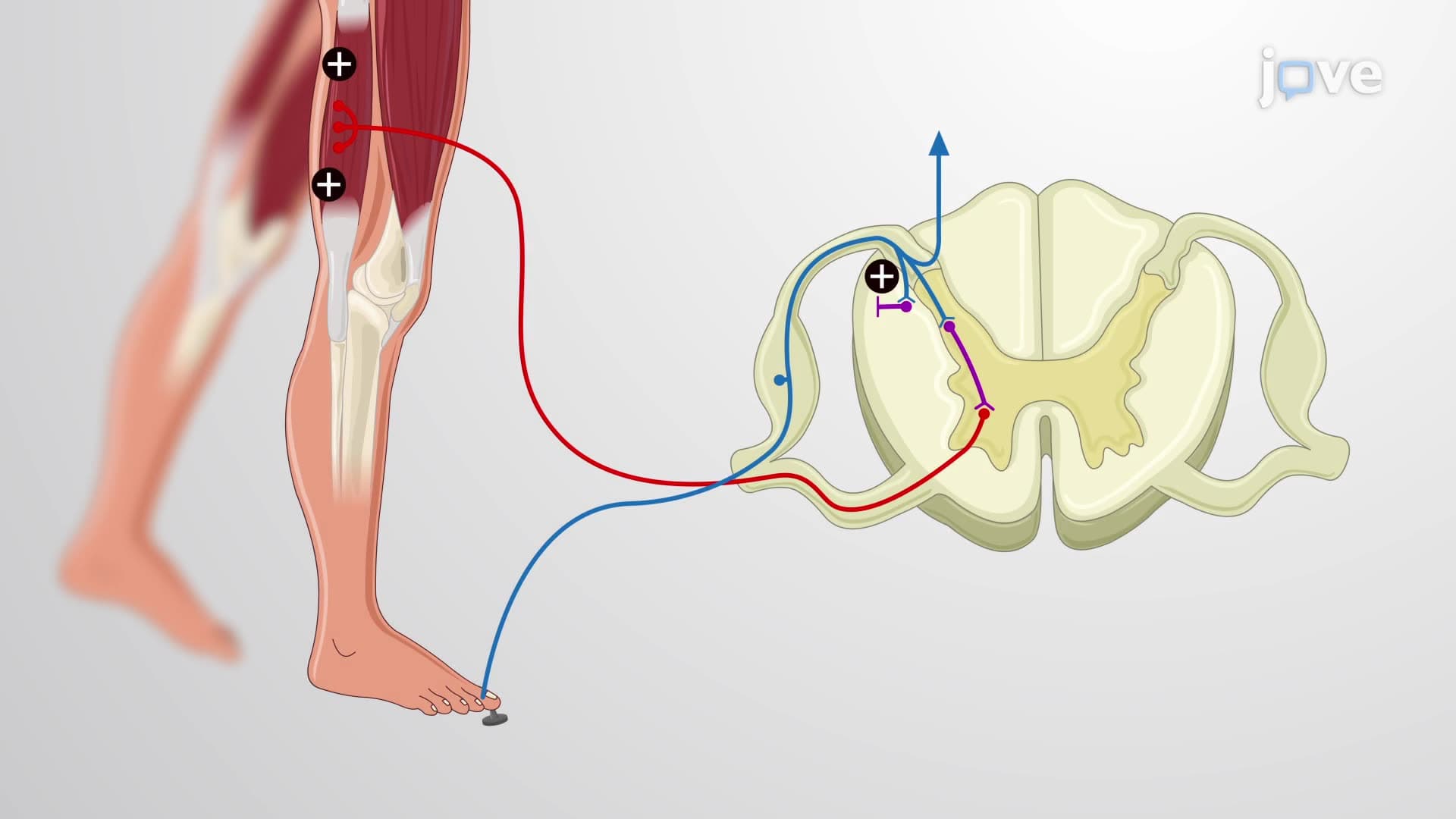
Non-associative learning operates through single-stimulus exposure, manifesting as habituation or sensitization. College freshmen initially notice every campus sound but gradually habituate to dormitory noise, demonstrating the brain's ability to filter irrelevant stimuli. Conversely, sensitization explains why students become increasingly alert to fire alarms after experiencing actual emergencies.
Memory represents the brain's remarkable ability to encode, store, and retrieve information across different timescales and neural networks. Procedural memory, housed in the cerebellum and basal ganglia, enables automatic skill execution like typing or driving. This explains why experienced drivers can navigate familiar routes while engaged in conversations-their procedural memories handle routine motor sequences without conscious attention.
Declarative memory operates through hippocampal-cortical circuits, storing factual information and personal experiences. Students preparing for standardized tests like the SAT or MCAT rely heavily on declarative memory systems to recall vocabulary, formulas, and conceptual relationships. The temporal organization of declarative memory ranges from working memory (seconds) to long-term storage (decades), with memory consolidation serving as the bridge between temporary and permanent storage.
Understanding higher order processing brain functions proves essential for addressing learning disabilities, traumatic brain injuries, and neurodegenerative conditions. Educational psychology applies these principles to optimize learning environments, explaining why spaced repetition enhances long-term retention better than cramming. Students preparing for comprehensive exams benefit from understanding how their brains process and consolidate information, enabling more effective study strategies aligned with natural cognitive processes.
Related Micro-courses