Loading subject page…


51,001 views

Video Summary: Sensory Perception Organization Somatosensory System Explained
Ever wonder how your brain instantly knows whether you're touching ice or fire? The somatosensory system organization creates precise body maps in your cerebral cortex, allowing you to feel everything from a gentle breeze to the pressure of typing on your phone. When a baseball pitcher grips the ball, specialized receptors send signals through organized pathways to create conscious awareness of grip pressure and finger position. This intricate Sensory Perception Organization Somatosensory System Explained operates through three distinct processing levels that transform physical stimuli into meaningful sensations. Watch the full video on JoVE Coach to master this concept with expert-led visuals and step-by-step explanations.
The somatosensory system organization represents one of neuroscience's most elegant examples of biological information processing. This sophisticated network transforms physical interactions with our environment into conscious experiences, enabling everything from a surgeon's delicate instrument control to an athlete's precise movement coordination. Understanding this system proves essential for students preparing for advanced coursework in neuroscience, pre-medical studies, and health sciences programs.
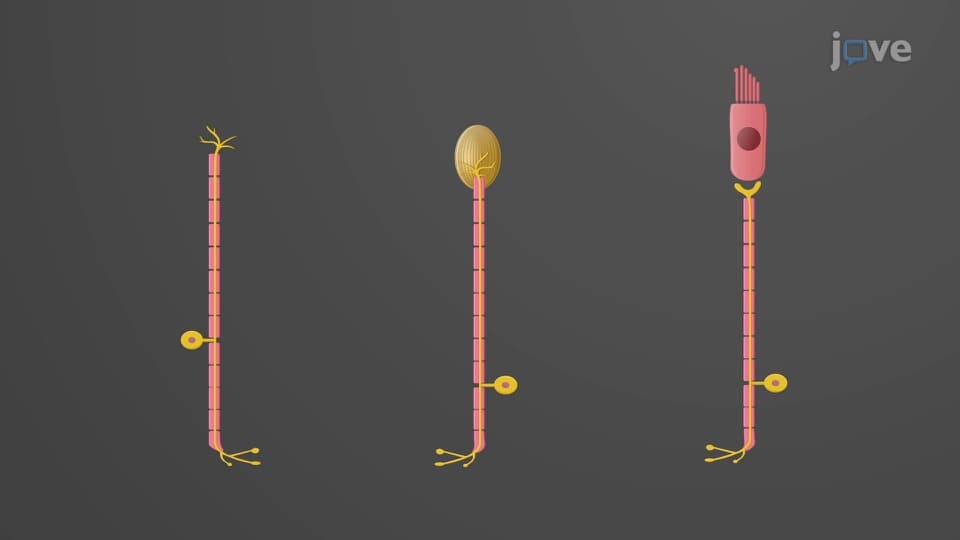
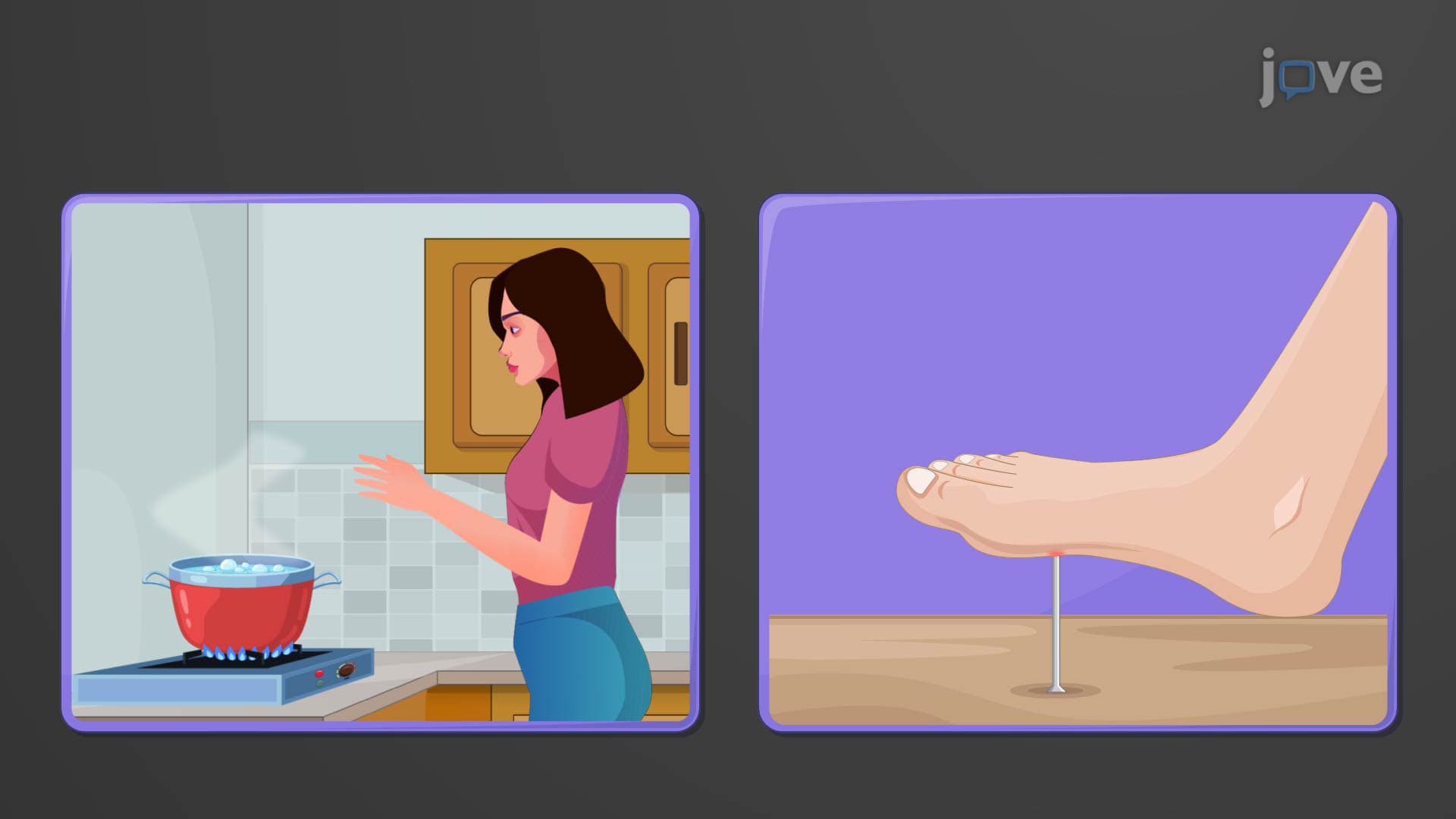
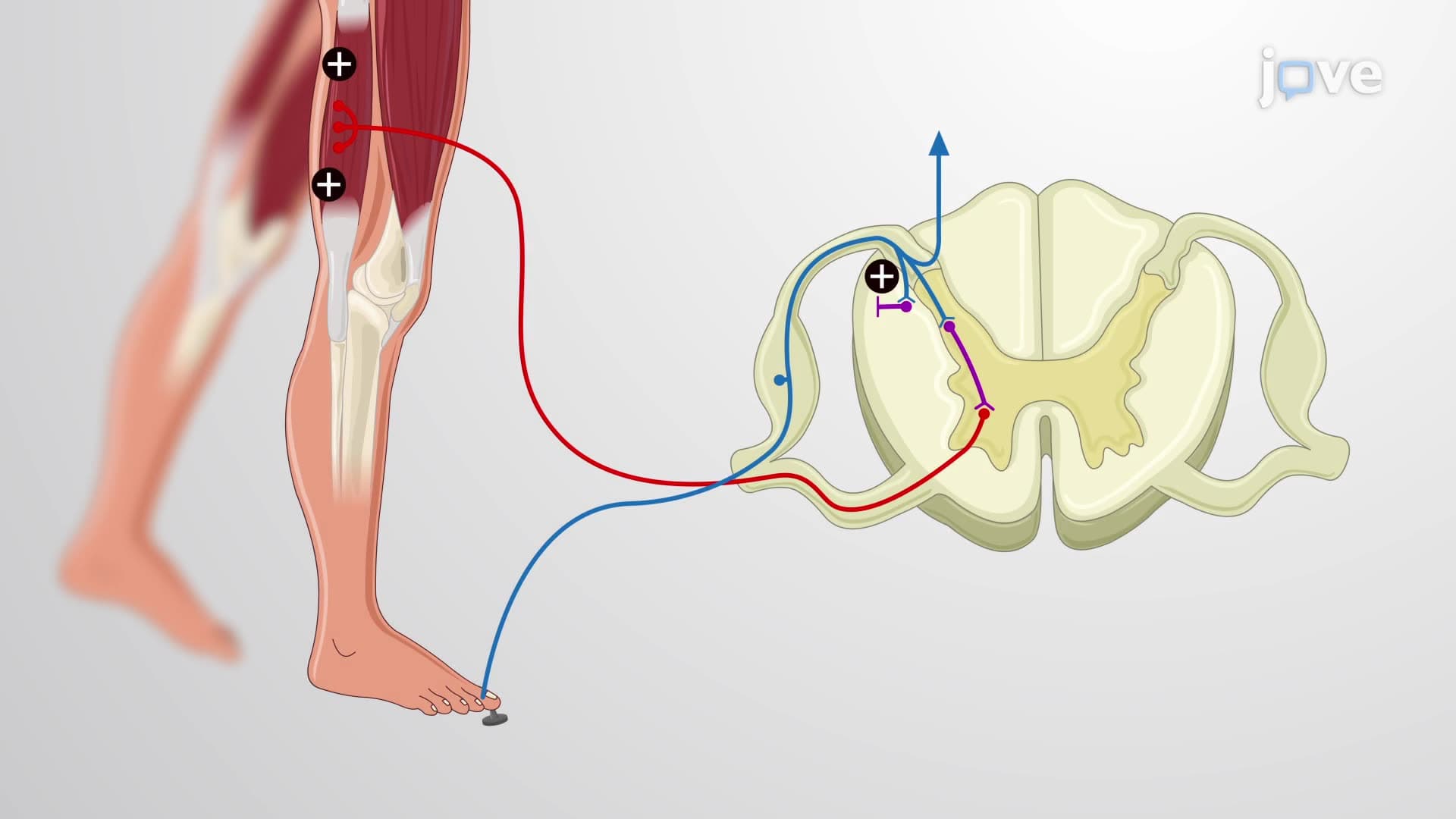
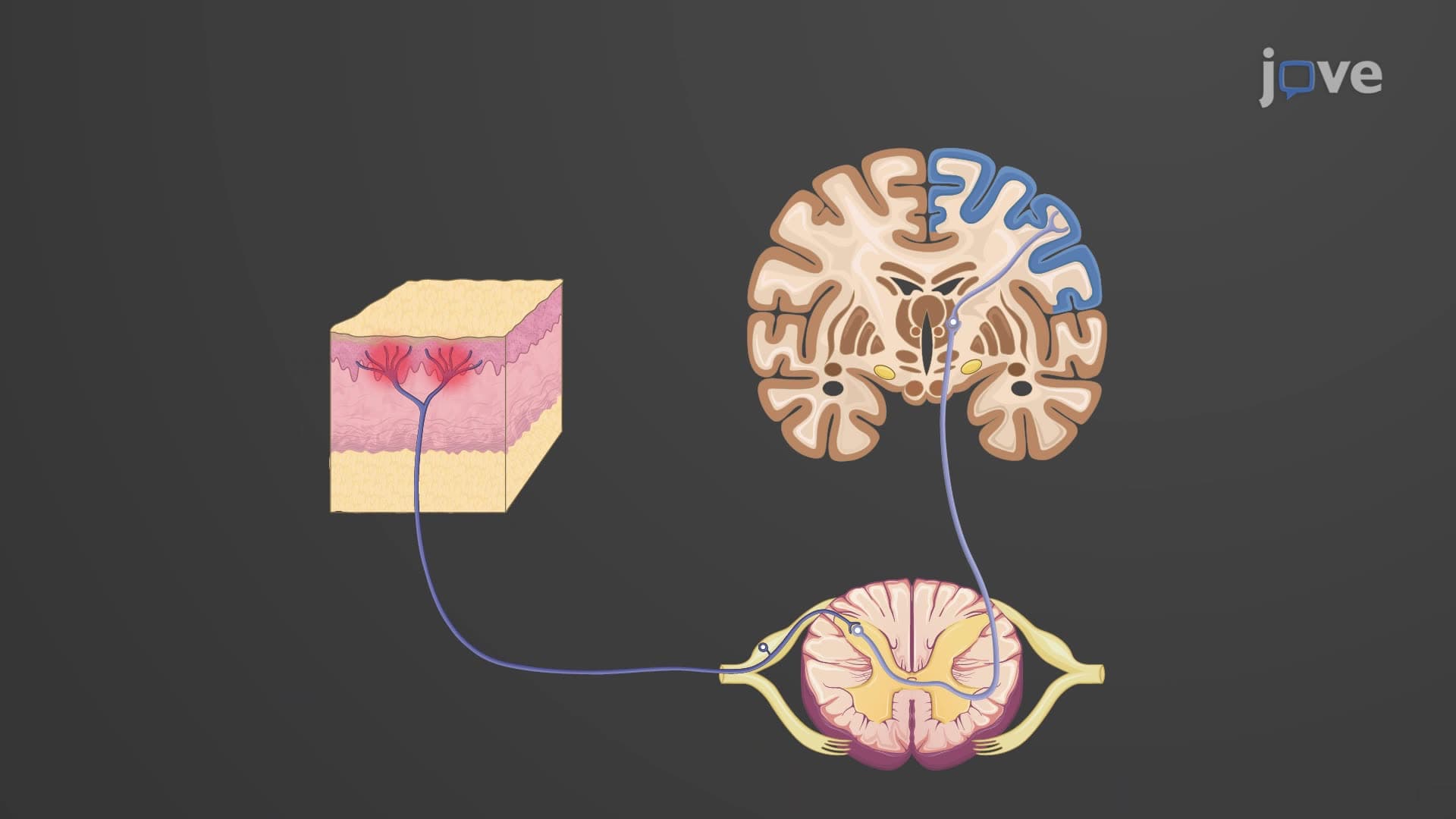
At the receptor level, specialized sensory neurons act as biological transducers, converting mechanical energy (touch, pressure), thermal energy (temperature), and chemical signals (pain) into electrical activity. Touch pressure pathway organized processing begins when mechanoreceptors like Pacinian corpuscles detect pressure changes, while thermoreceptors respond to temperature variations. For AP Biology students, this exemplifies how structure determines function-each receptor type's unique morphology optimizes it for specific stimulus detection.
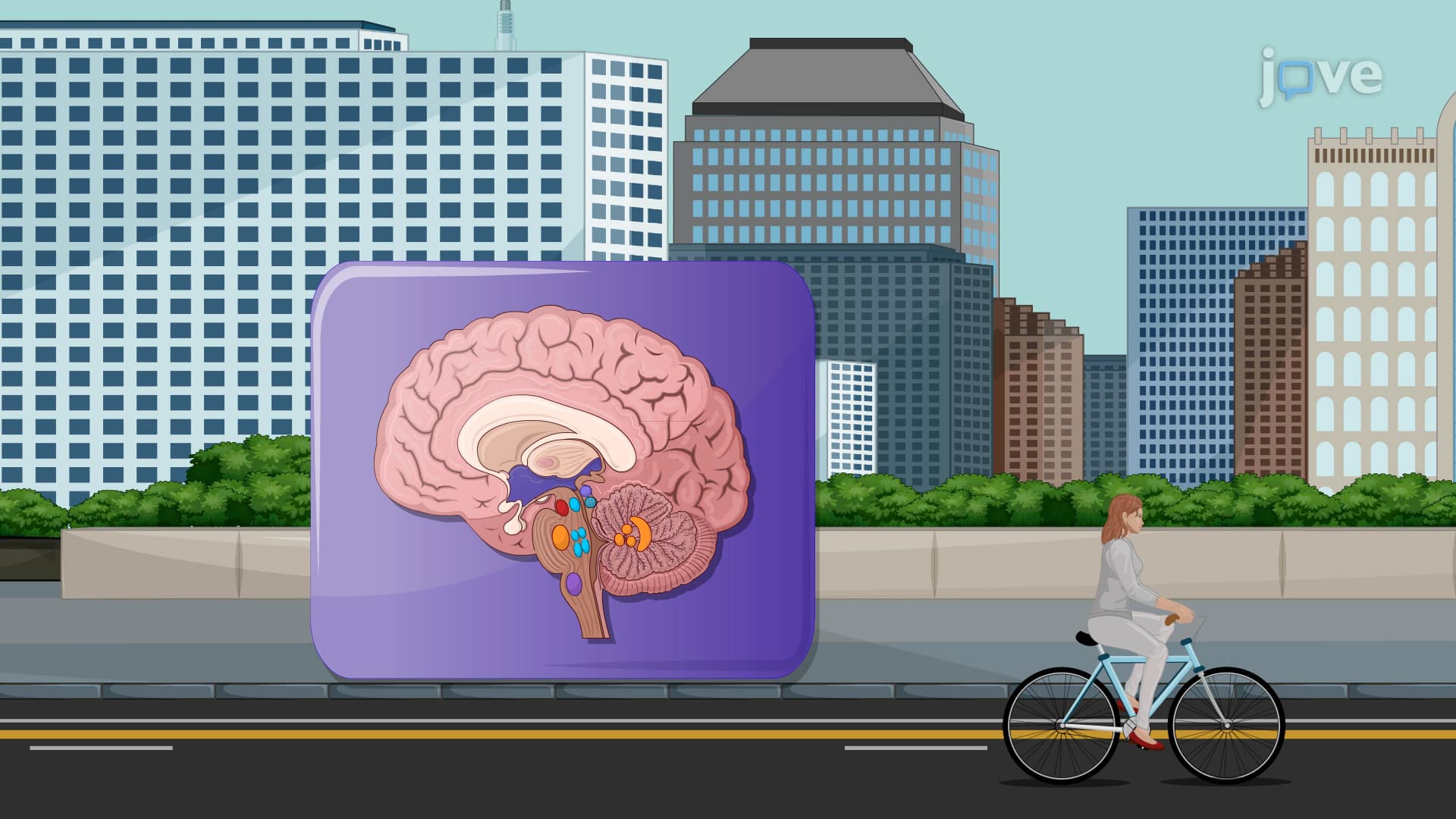
During MCAT preparation, students must understand how receptor specificity creates the foundation for organized sensory perception. Proprioceptors in muscles and joints continuously monitor body position, sending signals that rarely reach conscious awareness but prove crucial for coordinated movement. This receptor diversity explains how dancers maintain balance during complex routines or how surgeons perform microsurgery with extraordinary precision.
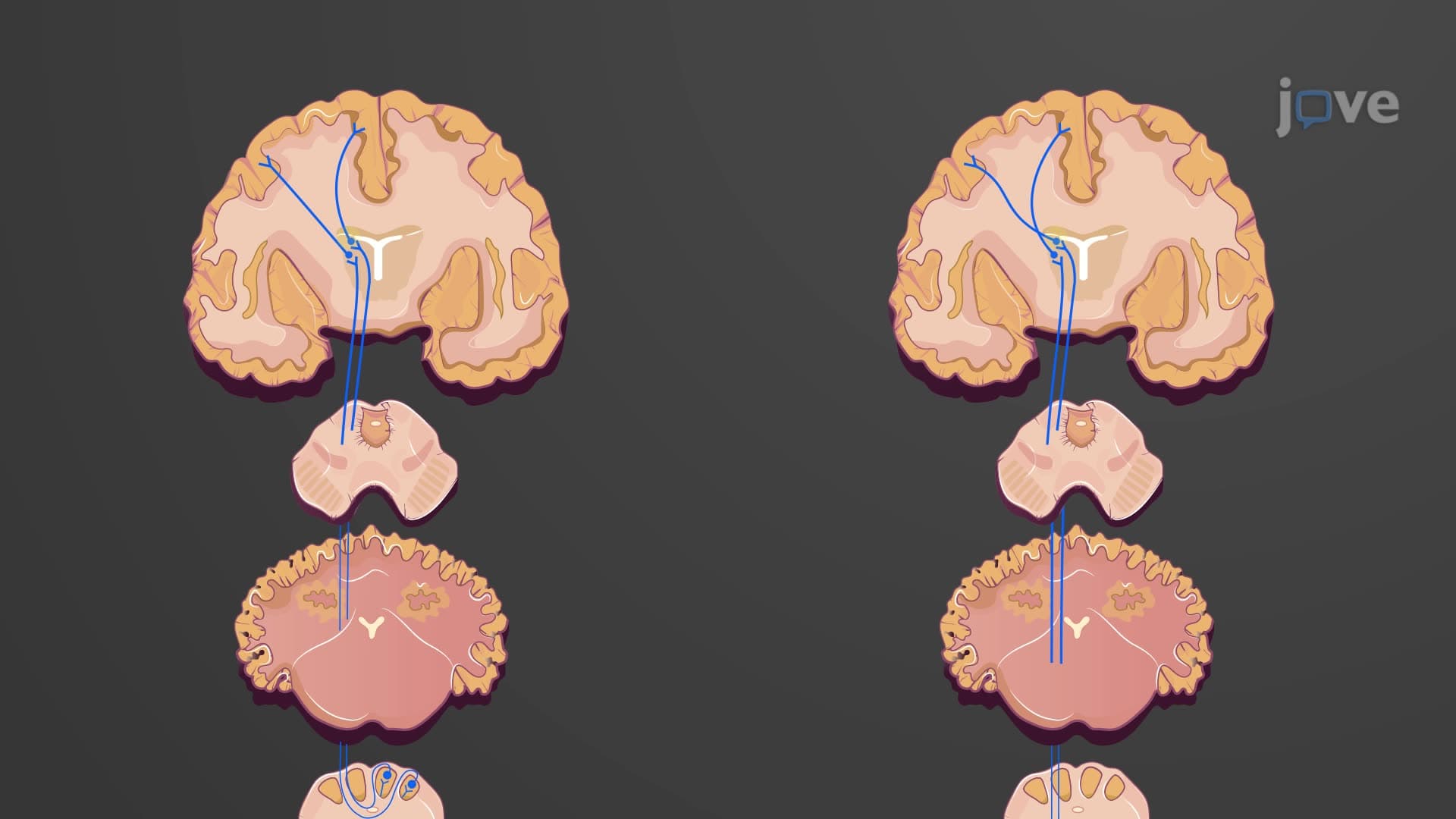
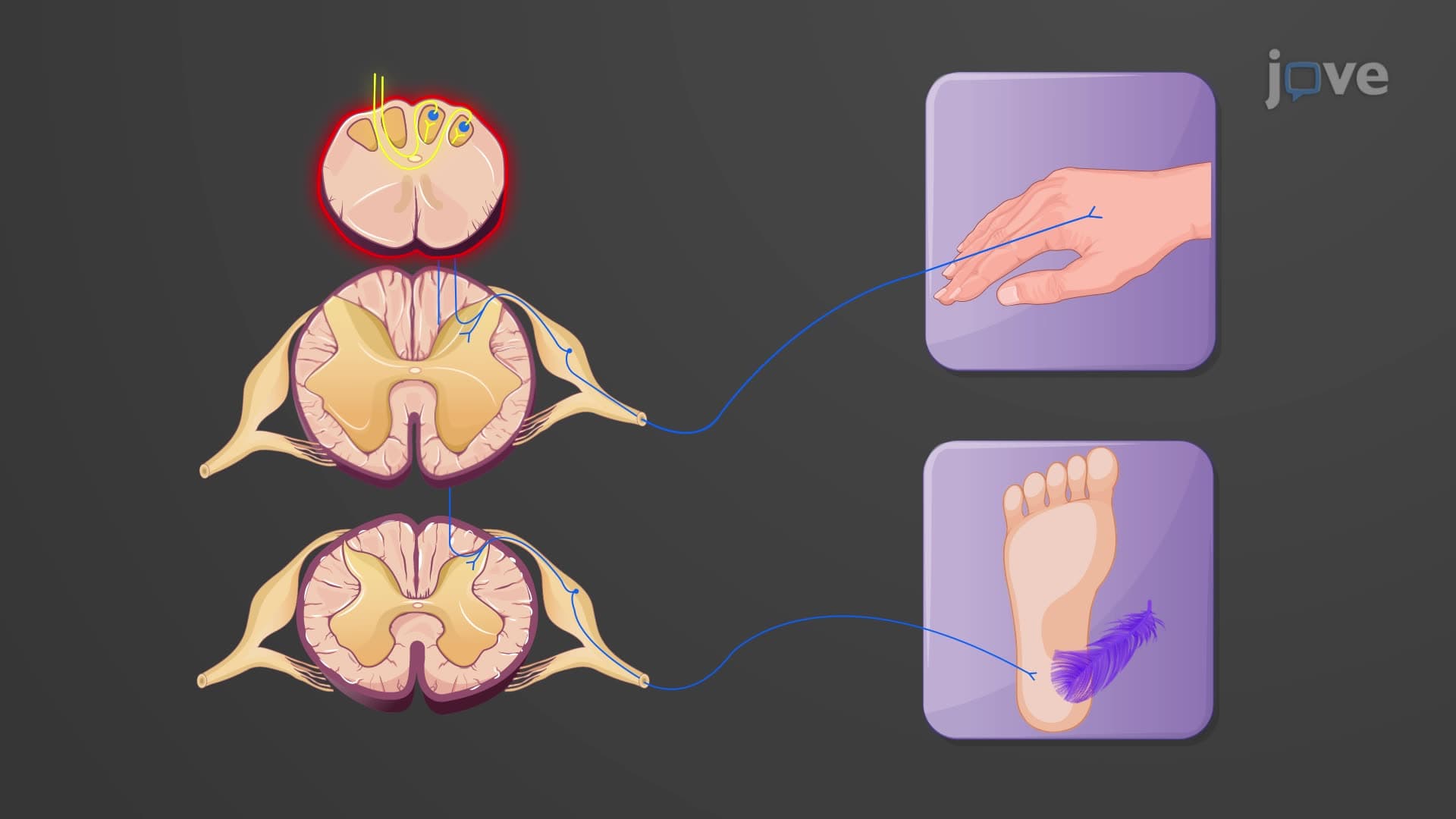
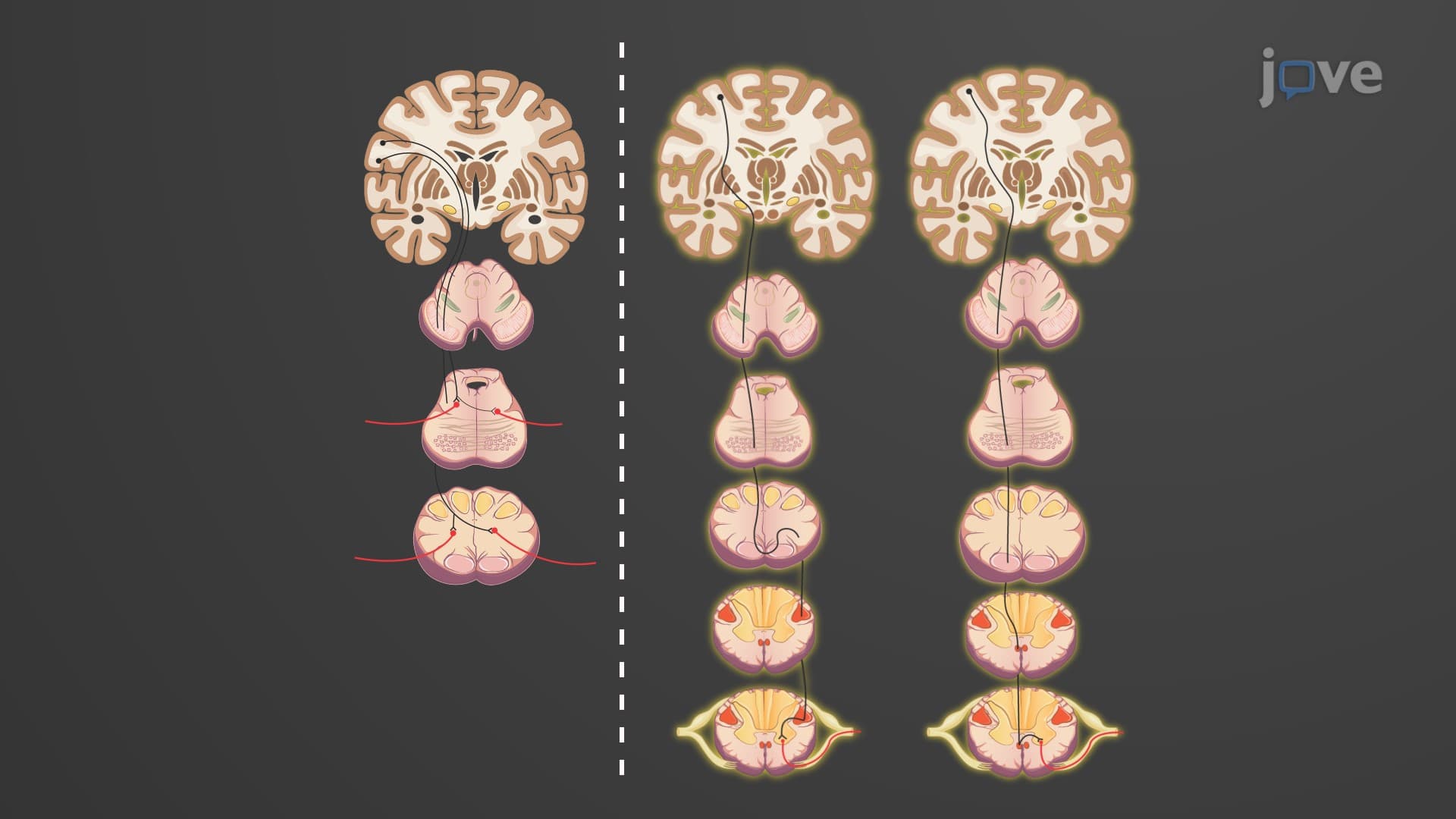
The somatosensory perception organization becomes apparent as sensory signals ascend through highly organized spinal cord pathways. The dorsal column-medial lemniscal pathway carries fine touch and proprioceptive information, while the spinothalamic tract processes pain and temperature sensations. These pathways maintain strict topographical organization-signals from your hand always travel in designated neural "lanes" separate from foot sensations.
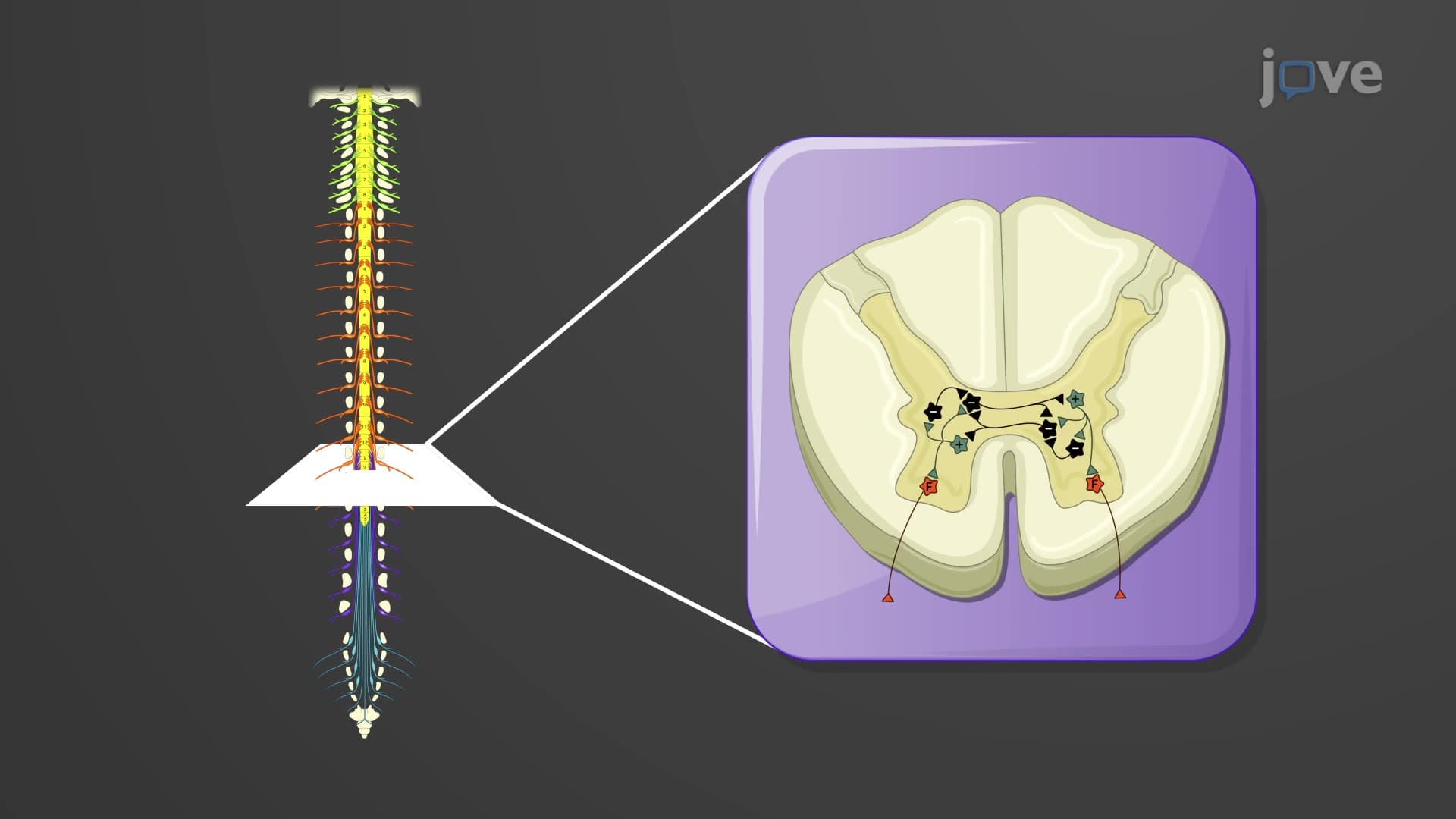
College anatomy students studying for midterm examinations must grasp how this organization enables the body surface map cortex to maintain accurate spatial representation. Thalamic relay nuclei act as sophisticated switching stations, filtering and organizing sensory information before cortical transmission. This explains how neurologists can localize spinal cord injuries by testing specific sensory distributions.
The somatosensory cortex representation creates what neuroscientists call the sensory homunculus-a distorted but functionally organized map where body parts requiring fine sensory discrimination (lips, fingertips) receive disproportionately large cortical territory. This sensory homunculus body map explains why your lips can detect incredibly subtle texture differences while your back cannot.
For pre-health students, understanding cortical organization proves crucial for clinical reasoning. Stroke patients may lose sensation in specific body regions corresponding to damaged cortical areas, while maintaining sensation elsewhere. This organized representation also explains phantom limb sensations-the brain's persistent activation of cortical areas previously connected to amputated limbs.
Related Micro-courses