Loading subject page…


51,001 views


Video Summary: What are Indirect Motor Pathways
Ever wonder how NFL quarterbacks instantly duck when they see a linebacker charging, or how gymnasts maintain perfect balance on a beam? The indirect motor pathways anatomy reveals the brain's remarkable ability to control automatic responses and posture without conscious thought. These extrapyramidal pathways, including the rubrospinal and vestibulospinal tracts, coordinate everything from maintaining upright posture to reflexive head turns when hearing your name called across a crowded cafeteria. Watch the full video on JoVE Coach to master this concept with expert-led visuals and step-by-step explanations.
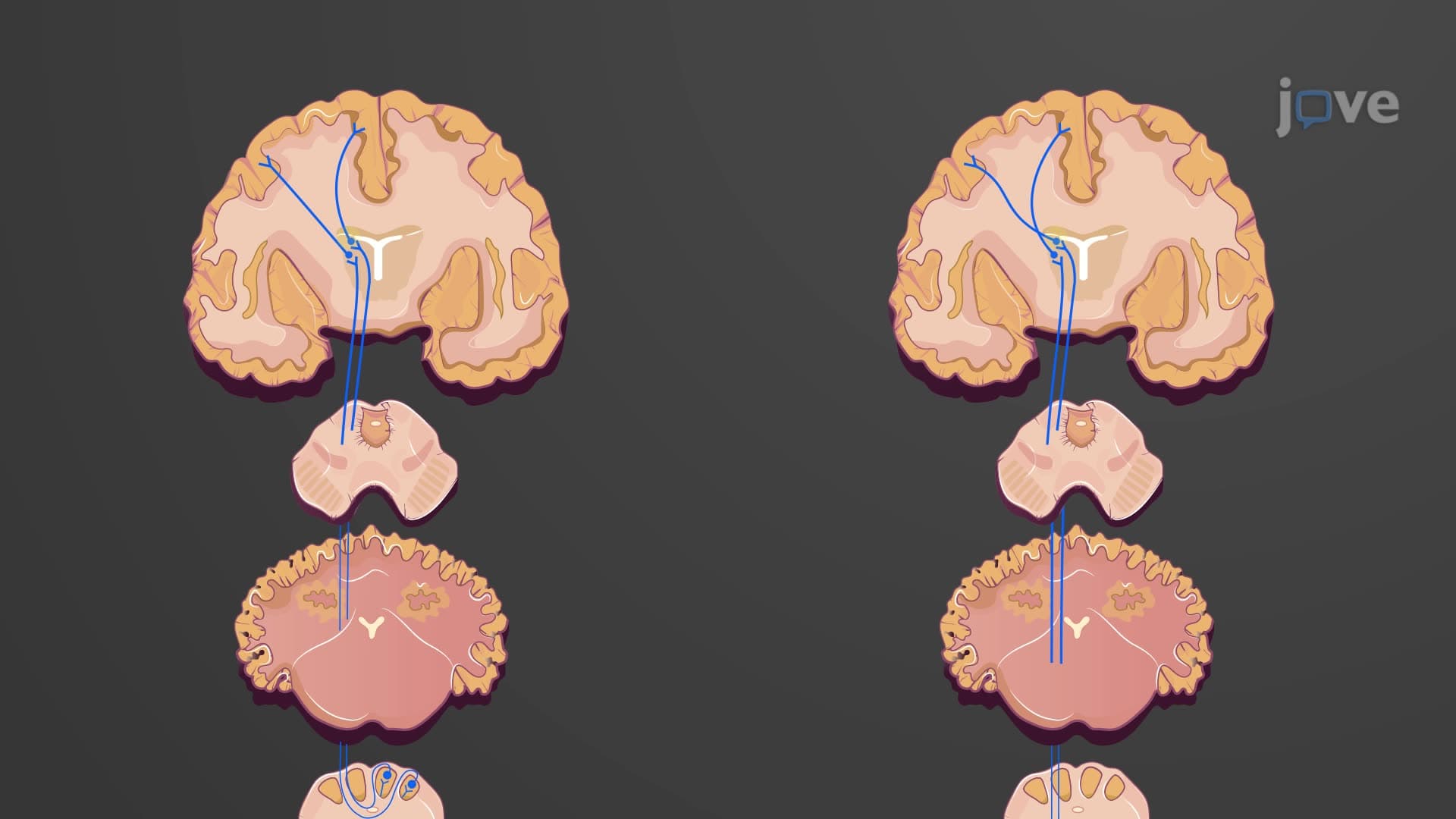
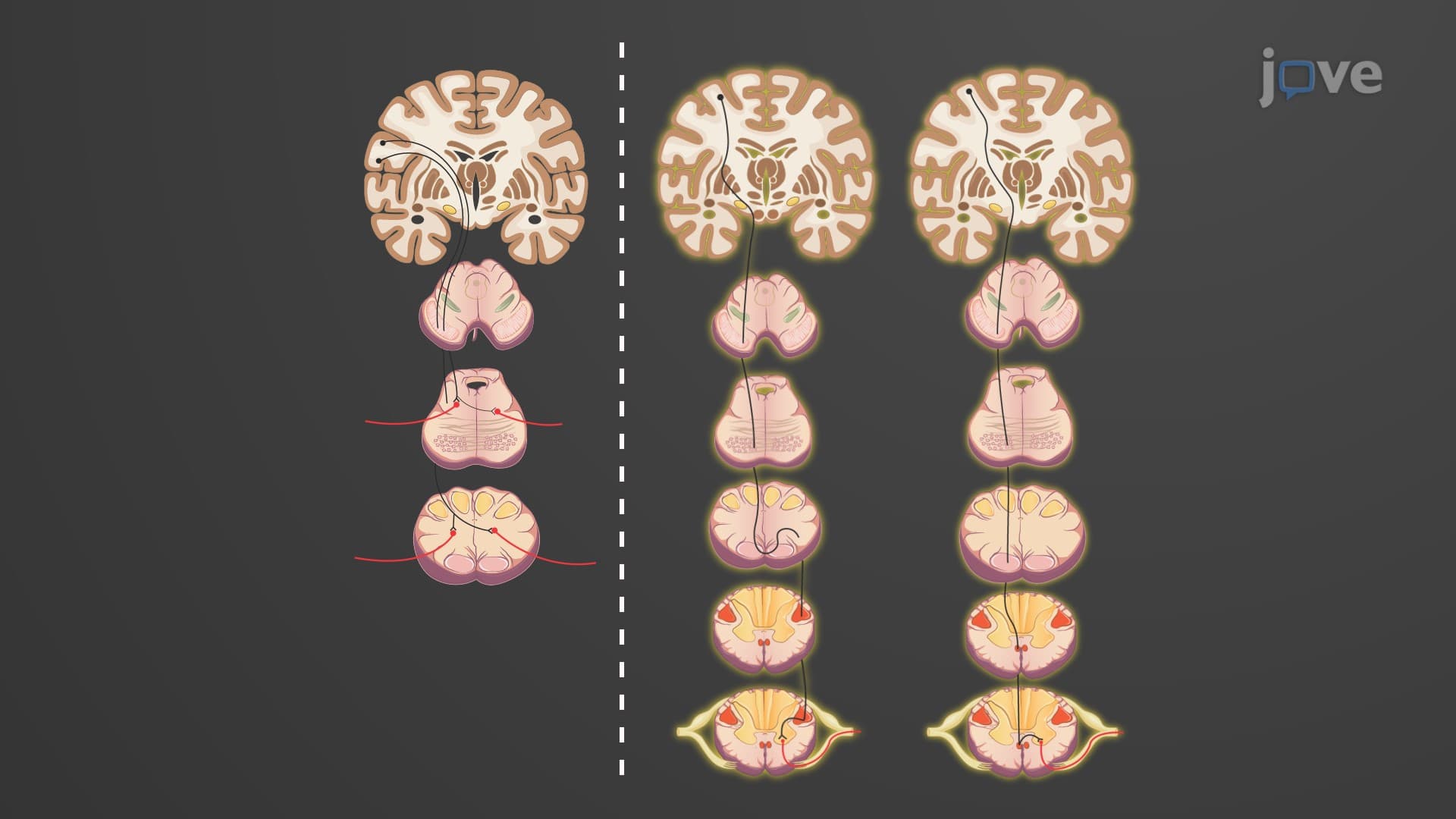
The indirect motor pathways anatomy represents one of the most sophisticated control systems in the human nervous system. Unlike the direct corticospinal pathways that handle conscious, voluntary movements, these extrapyramidal motor pathway explained systems manage the unconscious, automatic responses that keep us balanced, coordinated, and responsive to our environment. Think of them as your body's autopilot system-constantly making micro-adjustments without your awareness.
What are the indirect motor pathways in the CNS becomes clearer when we examine each tract's unique role. The vestibulospinal tract balance system originates in the vestibular nuclei of the medulla and pons, receiving input from the inner ear's balance organs. This pathway is why you can walk in a straight line with your eyes closed or maintain balance when stepping off an escalator at a busy airport terminal.
The reticulospinal tone motor system consists of two complementary pathways from the reticular formation. The medial reticulospinal tract excites trunk and proximal limb muscles, while the lateral tract provides inhibitory control. This dual system explains how weightlifters maintain core stability while performing complex movements-one tract activates stabilizing muscles while the other prevents unwanted muscle contractions.
The tectospinal visual motor pathway demonstrates remarkable evolutionary sophistication. Originating in the superior colliculus, this tract enables split-second responses to sudden visual or auditory stimuli. When a basketball player instantly turns their head toward a teammate's call for a pass, or when a driver reflexively glances toward a car horn, the tectospinal tract coordinates these rapid head and neck movements.
The rubrospinal tract motor function serves as a backup and refinement system for voluntary movements, particularly in the arms and hands. Emerging from the red nucleus, this pathway works alongside the corticospinal tract to enable the precise finger movements required for activities like typing, playing piano, or performing surgical procedures.
For AP Biology students, understanding these pathways illuminates key concepts in neural integration and motor control. MCAT preparation requires detailed knowledge of brainstem anatomy and pathway origins. In college neuroscience courses, students must differentiate between pyramidal (direct) and extrapyramidal indirect pathway systems, especially when studying movement disorders.
Healthcare students encounter these concepts when studying conditions like Parkinson's disease, where extrapyramidal pathways become compromised, or when learning about stroke rehabilitation, where indirect pathways may compensate for damaged direct motor routes.
Related Micro-courses