Loading subject page…


51,001 views

Video Summary: What are Major Somatic Sensory Pathways
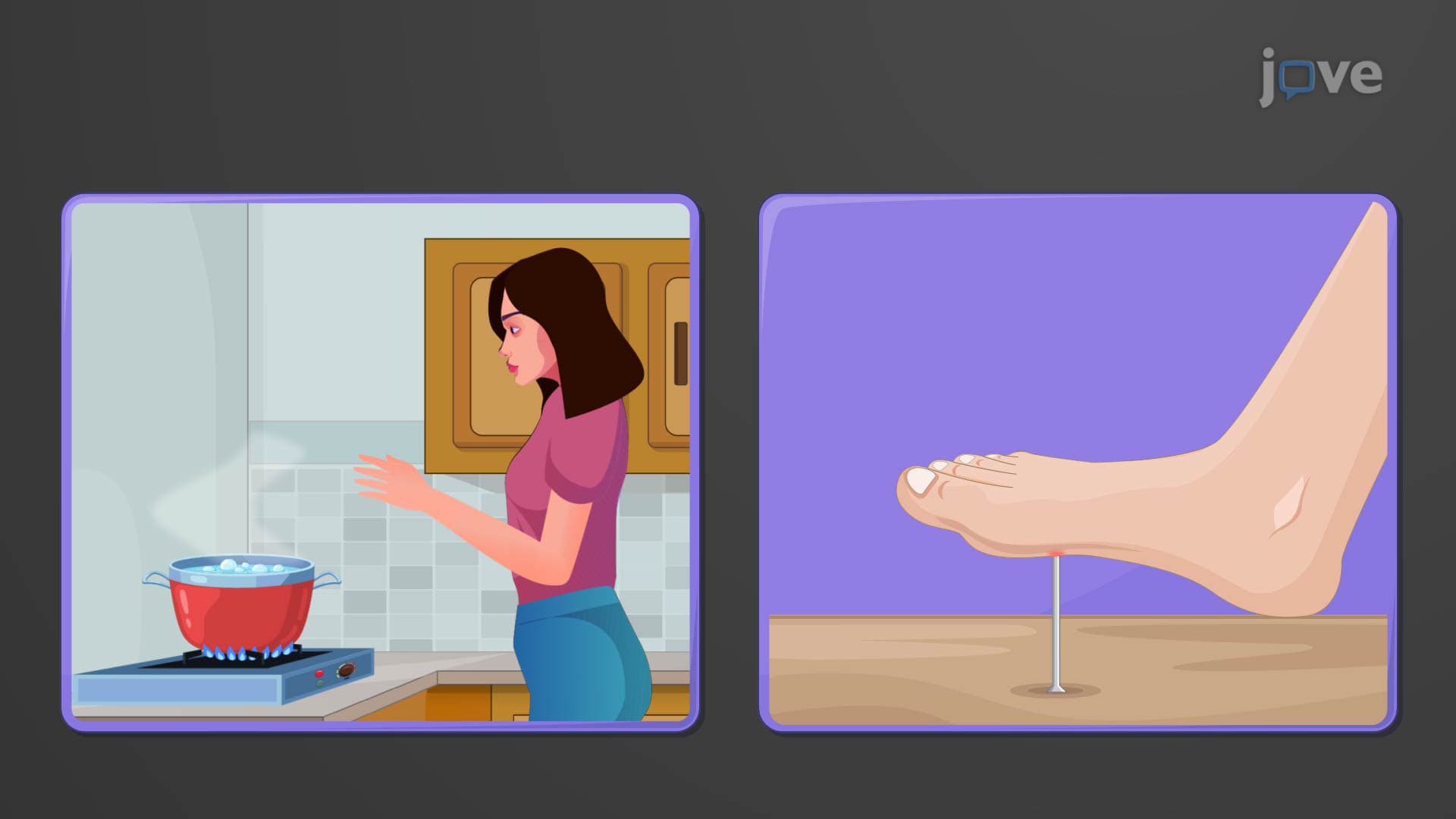
Ever wonder how your brain instantly knows when you touch a hot stove or sense where your hand is in space? The major somatic sensory pathways are specialized neural highways that carry sensory information from your body to your brain for processing. These three critical pathways-the posterior column-medial lemniscus, spinothalamic, and spinocerebellar systems-work together to create your complete sensory experience, from feeling a basketball's texture during a game to detecting painful heat. Watch the full video on JoVE Coach to master this concept with expert-led visuals and step-by-step explanations.
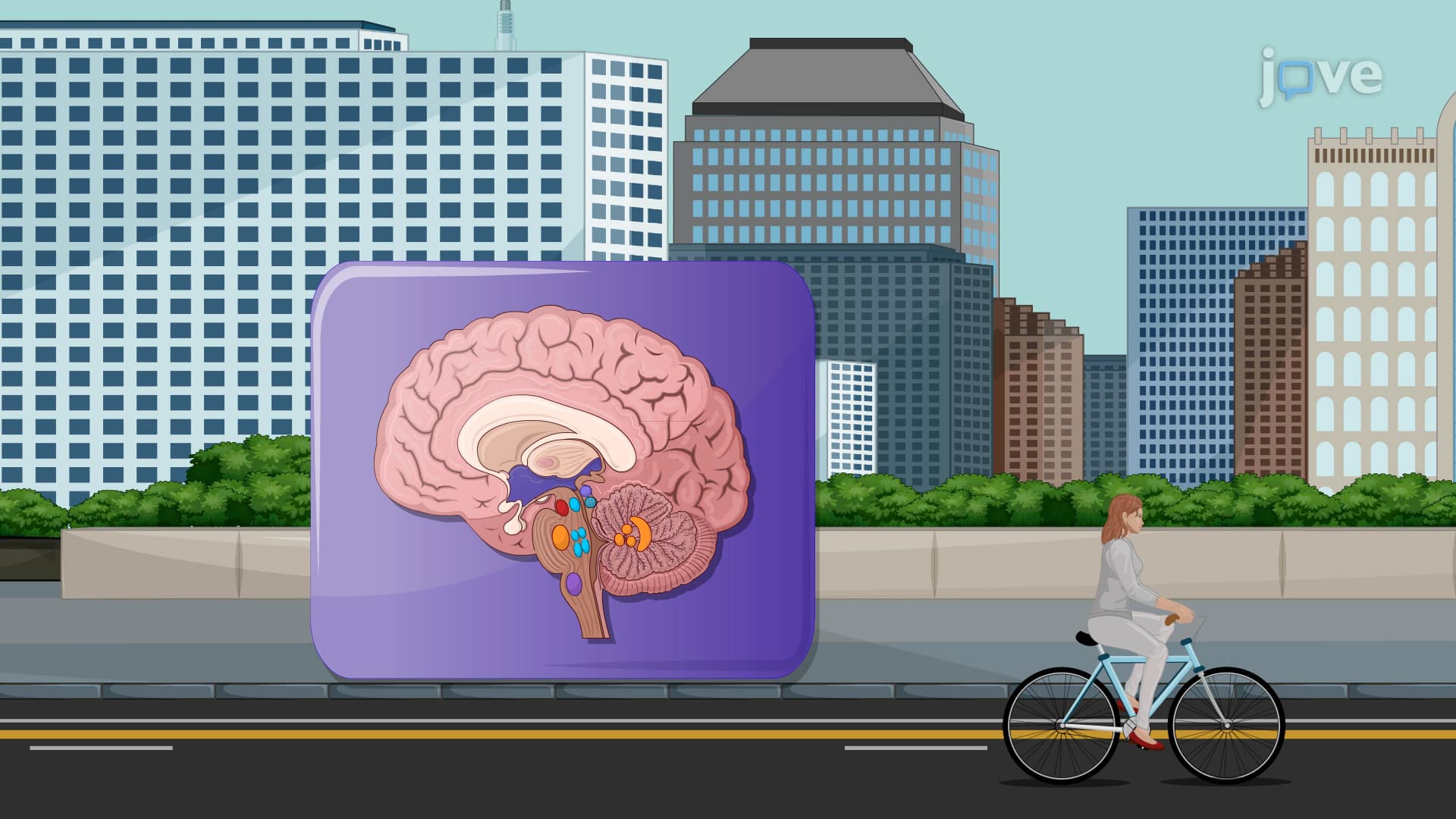
The major somatic sensory pathways represent the central nervous system's sophisticated information highway, carrying sensory data from receptors throughout the body to processing centers in the brain and cerebellum. These pathways form the foundation of our ability to perceive touch, pain, temperature, and body position-essential functions that medical students encounter extensively in anatomy courses and on the MCAT.
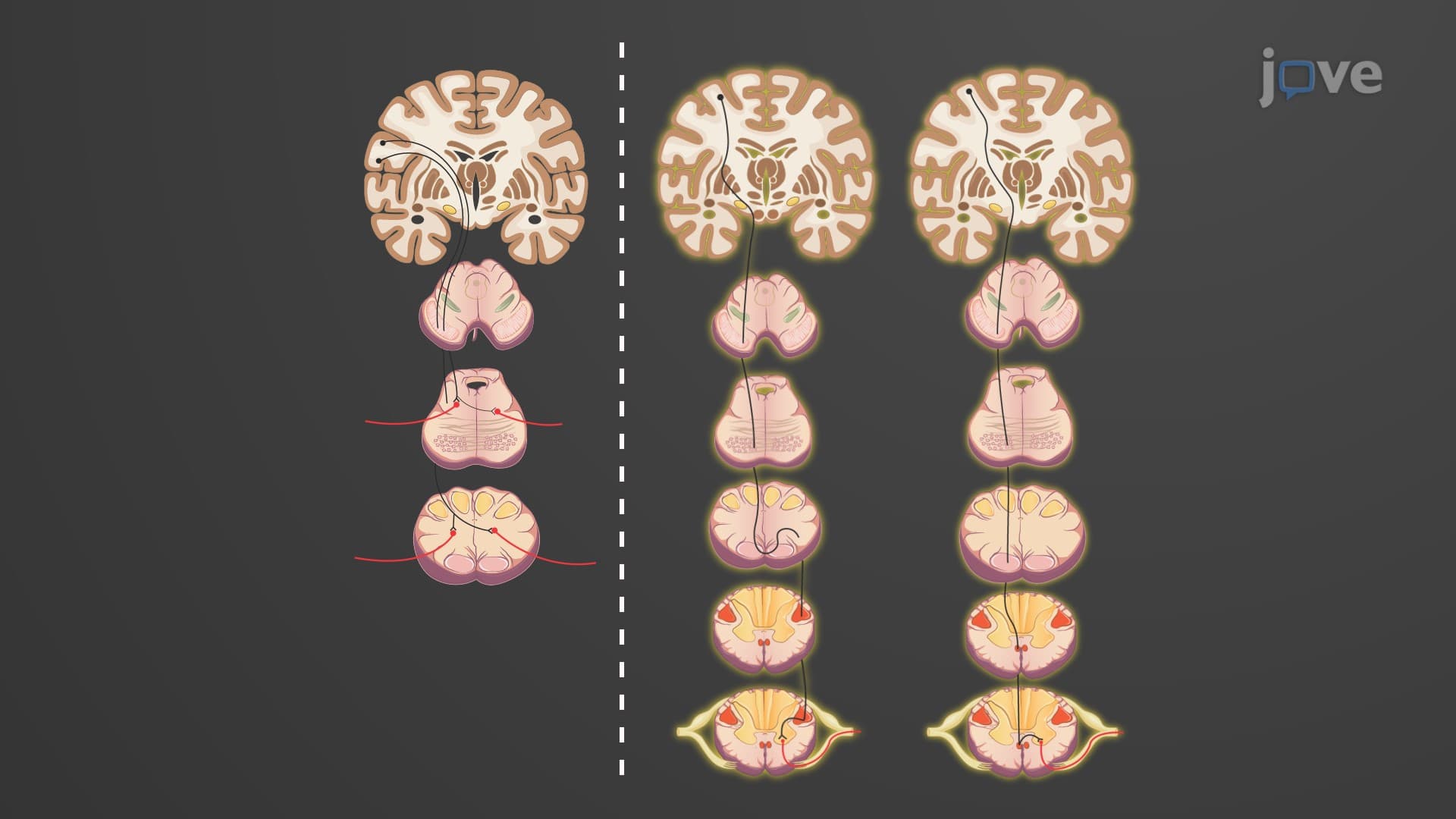
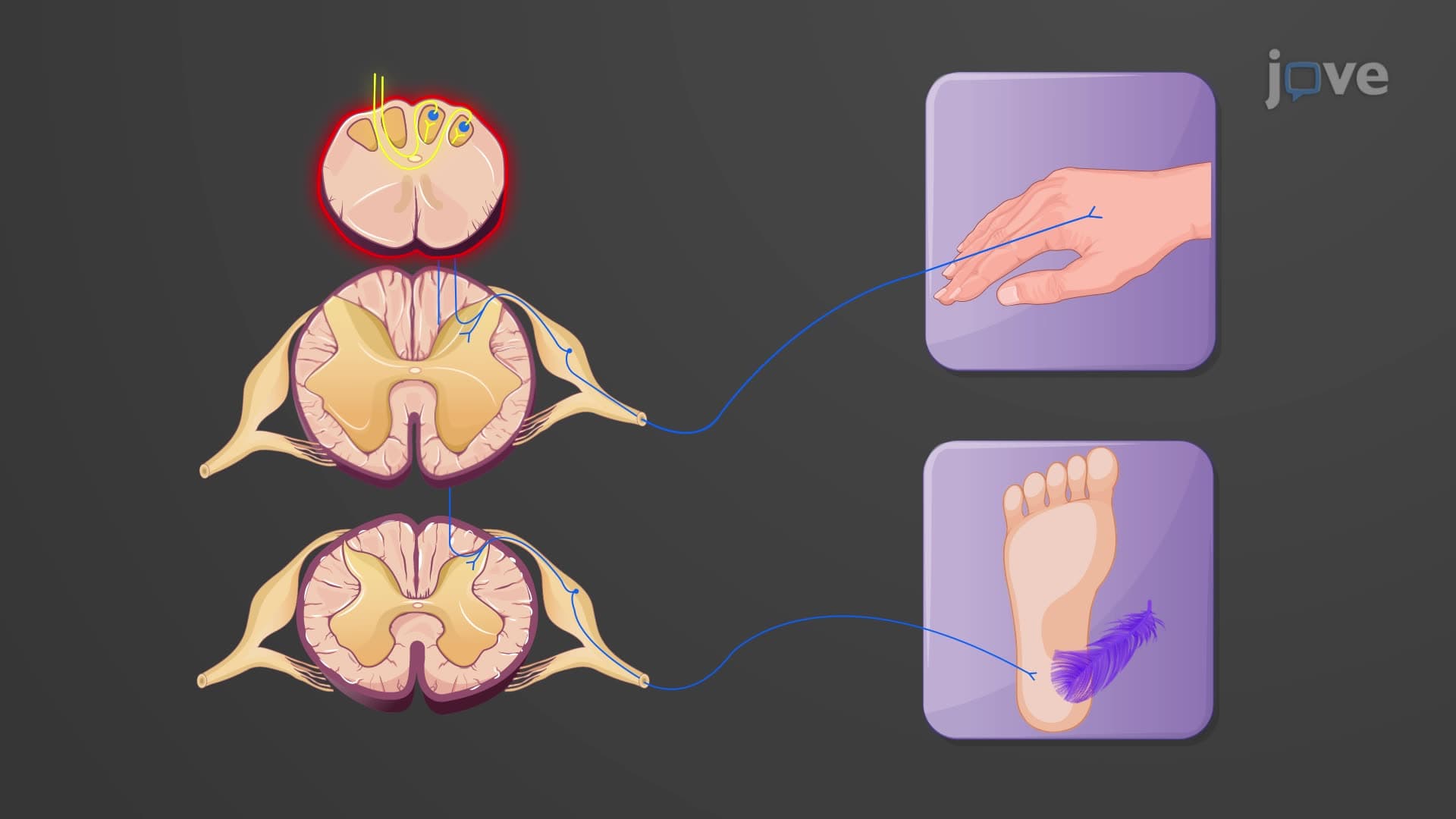
The somatic sensory pathways anatomy begins with understanding the posterior column-medial lemniscus system, often called the dorsal column pathway. This pathway specializes in transmitting fine touch, vibration, and proprioceptive information with remarkable precision. The system consists of two paired tracts within the spinal cord's dorsal columns: the gracile tract (carrying signals from the lower body below T6) and the cuneate tract (handling upper body sensations above T6).
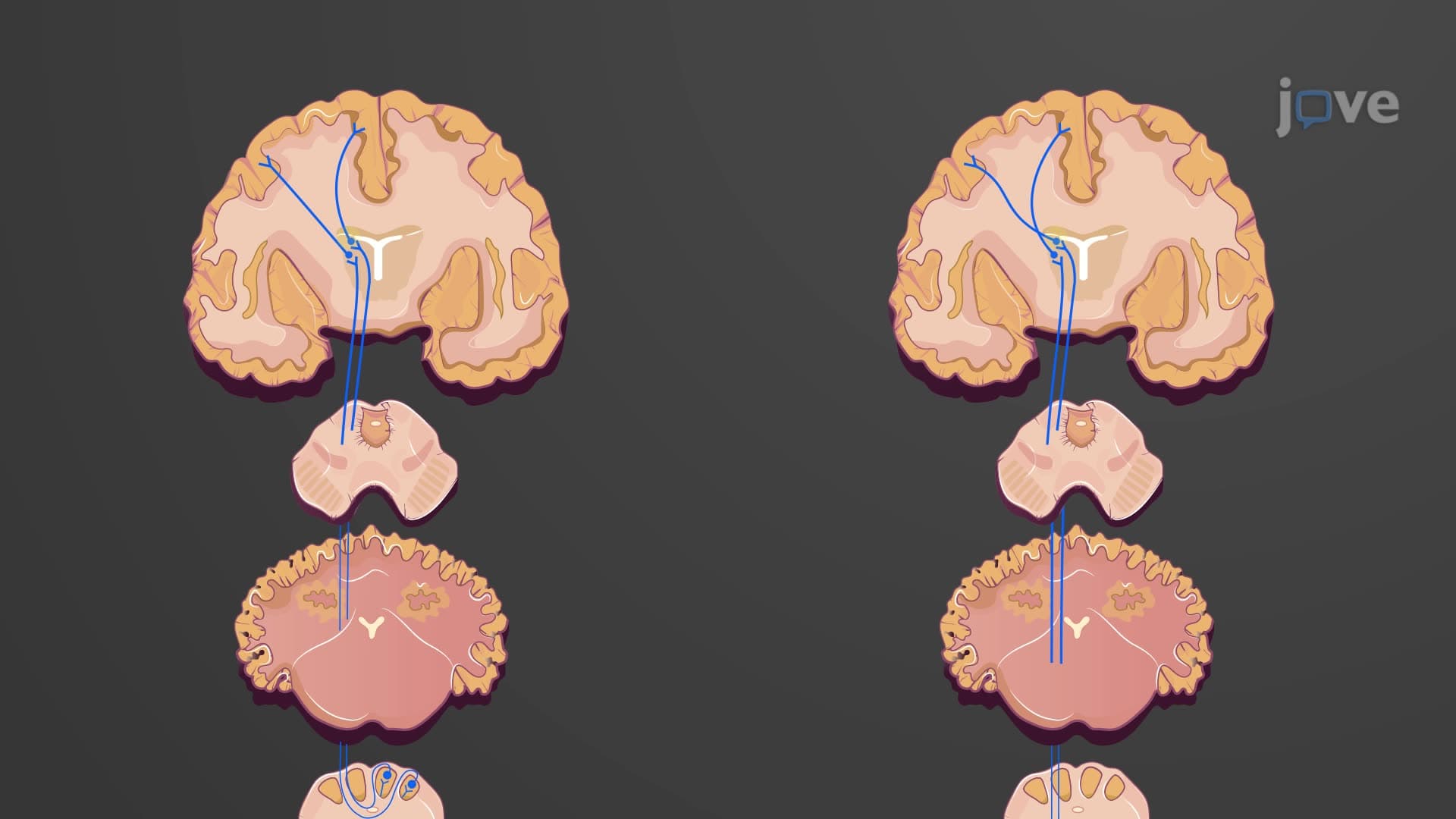
What makes this pathway particularly significant for students is its unique anatomical organization. Unlike other sensory systems, the proprioception dorsal column pathway doesn't cross over (decussate) until it reaches the medulla oblongata. Here, the gracile and cuneate nuclei process the incoming information before sending it across the midline as the medial lemniscus tract, which then projects to the ventral posterior lateral nucleus of the thalamus and finally to the primary somatosensory cortex.
This organization explains why neurological examinations test vibration sense and fine touch discrimination-damage to this pathway results in loss of these precise sensory modalities while preserving pain and temperature sensation, a clinical finding students must recognize for AP Biology and college-level neuroscience courses.
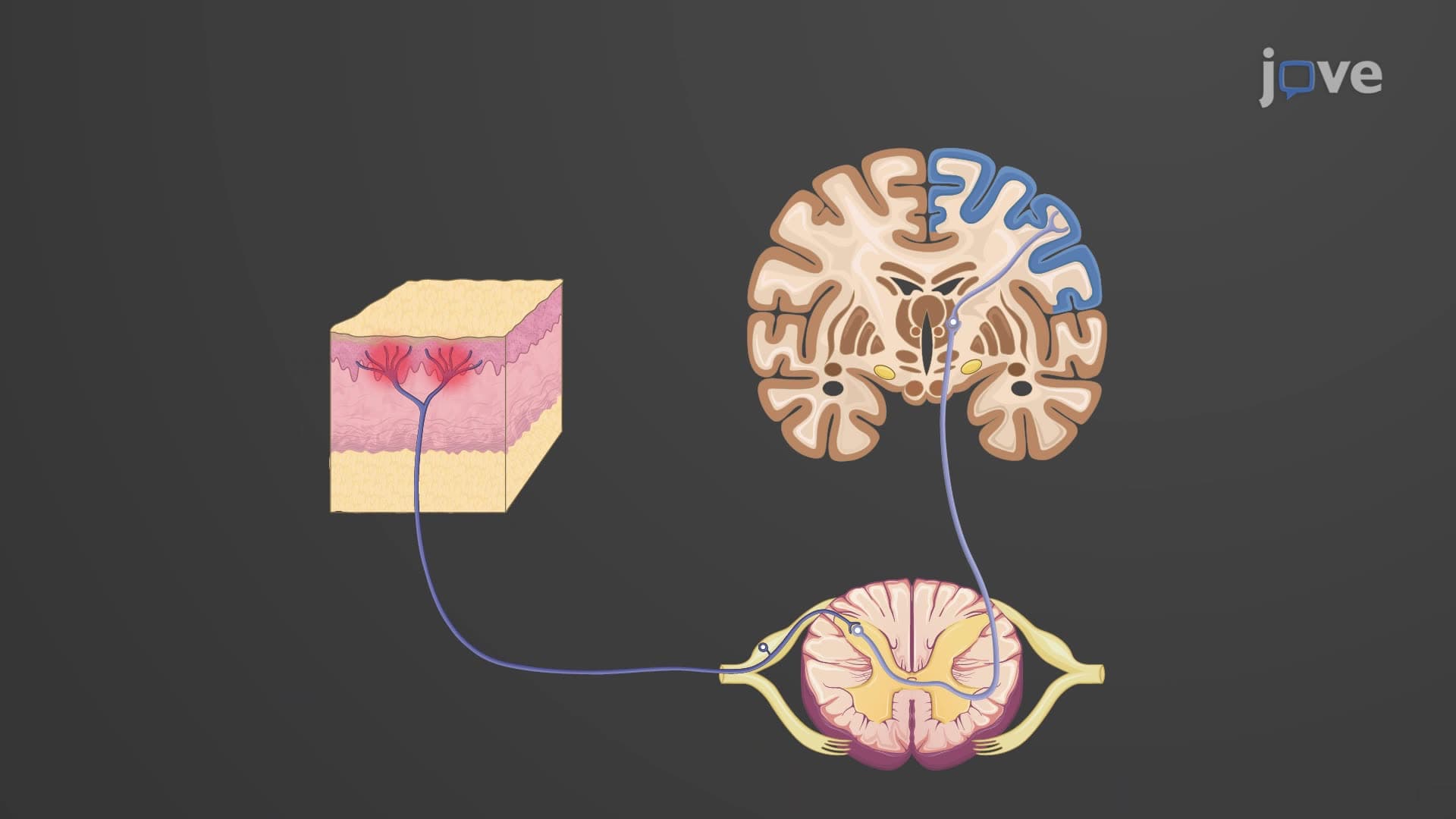
The spinothalamic anterolateral pathway handles the body's alert system-pain, temperature, and crude touch sensations. This system operates differently from the dorsal column pathway, with sensory neurons crossing over almost immediately upon entering the spinal cord. The pain temperature spinothalamic system divides into two main tracts: the lateral spinothalamic tract (pain and temperature) and the anterior spinothalamic tract (crude touch and pressure).
Understanding this pathway proves crucial for MCAT preparation, as questions often focus on the clinical implications of spinal cord injuries. For instance, damage to one side of the spinal cord (Brown-Séquard syndrome) creates a predictable pattern: loss of fine touch and proprioception on the same side as the lesion, but loss of pain and temperature sensation on the opposite side-a direct result of the different decussation points of these pathways.
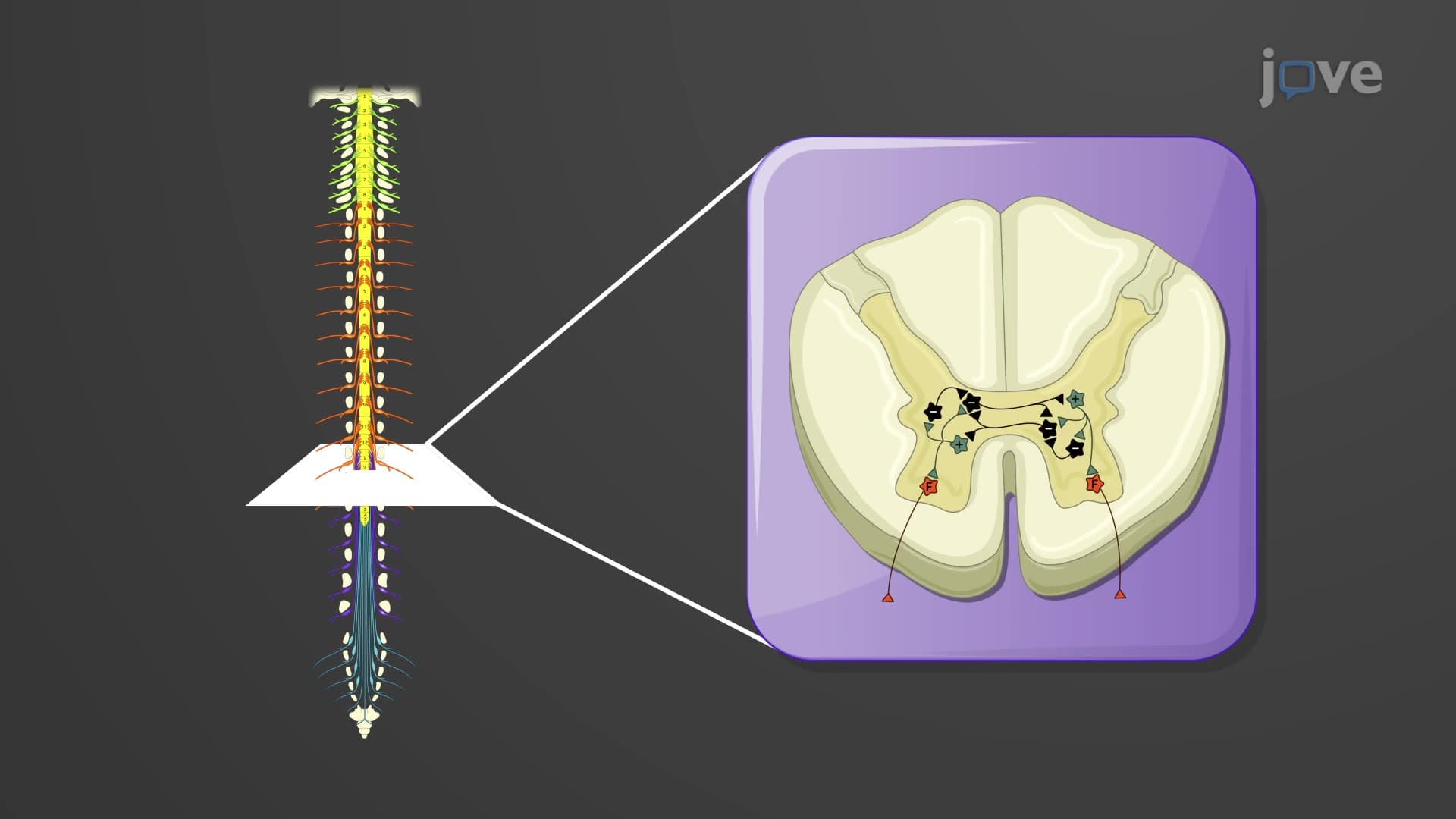
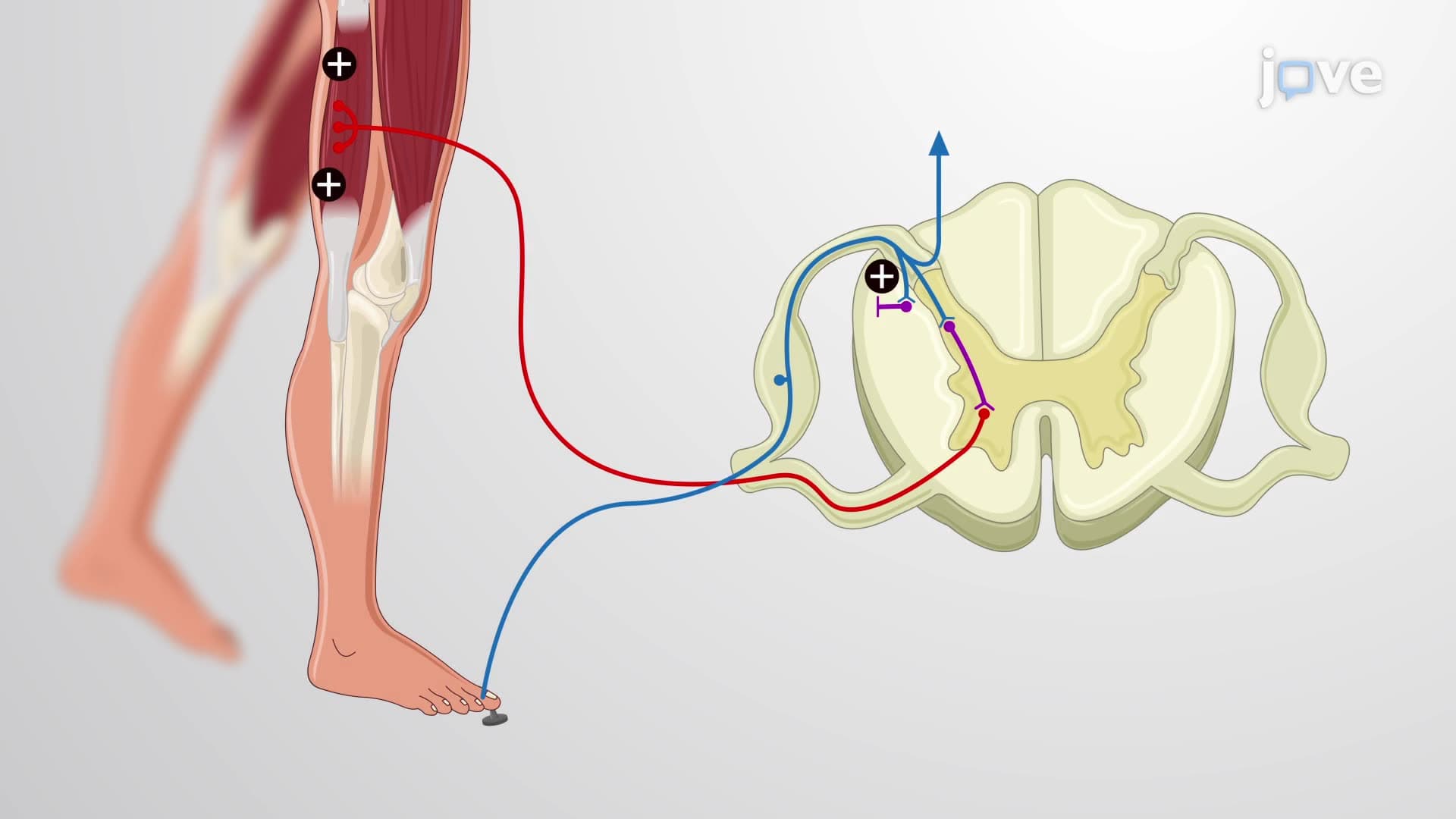
The spinocerebellar pathway represents the body's internal GPS system, continuously updating the cerebellum about body position and movement. This system includes multiple tracts: the dorsal and ventral spinocerebellar tracts from the lower extremities, and the cuneocerebellar and rostral spinocerebellar tracts from the upper body. Unlike the other major pathways that reach conscious awareness, spinocerebellar information remains largely unconscious, working behind the scenes to coordinate movement and maintain balance.
For students preparing for healthcare careers, understanding these pathways provides essential foundation knowledge for recognizing cerebellar dysfunction, which manifests as coordination problems, balance issues, and movement disorders commonly tested in nursing school entrance exams like the HESI A2 and TEAS.
Related Micro-courses