Loading subject page…


51,001 views

Video Summary: What are Sensory Receptors
Why can you instantly detect the smell of fresh pizza or feel a mosquito landing on your arm? Sensory receptors biology types work as your body's surveillance system, constantly monitoring both internal and external environments. These specialized structures convert physical and chemical stimuli into electrical signals your nervous system can interpret. From the mechanoreceptors in your fingertips that help medical students master physical examination techniques to the chemoreceptors that detect carbon dioxide levels in hospital patients, what are sensory receptors becomes clear through their vital role in human survival and medical practice. Watch the full video on JoVE Coach to master this concept with expert-led visuals and step-by-step explanations.
Sensory receptors biology types represent specialized neural structures that serve as the interface between your environment and nervous system. These remarkable structures convert mechanical, thermal, chemical, and electromagnetic energy into action potentials-the universal language of neurons. Unlike simple electrical sensors, sensory receptors exhibit remarkable specificity, responding preferentially to particular stimulus modalities while filtering out irrelevant information.
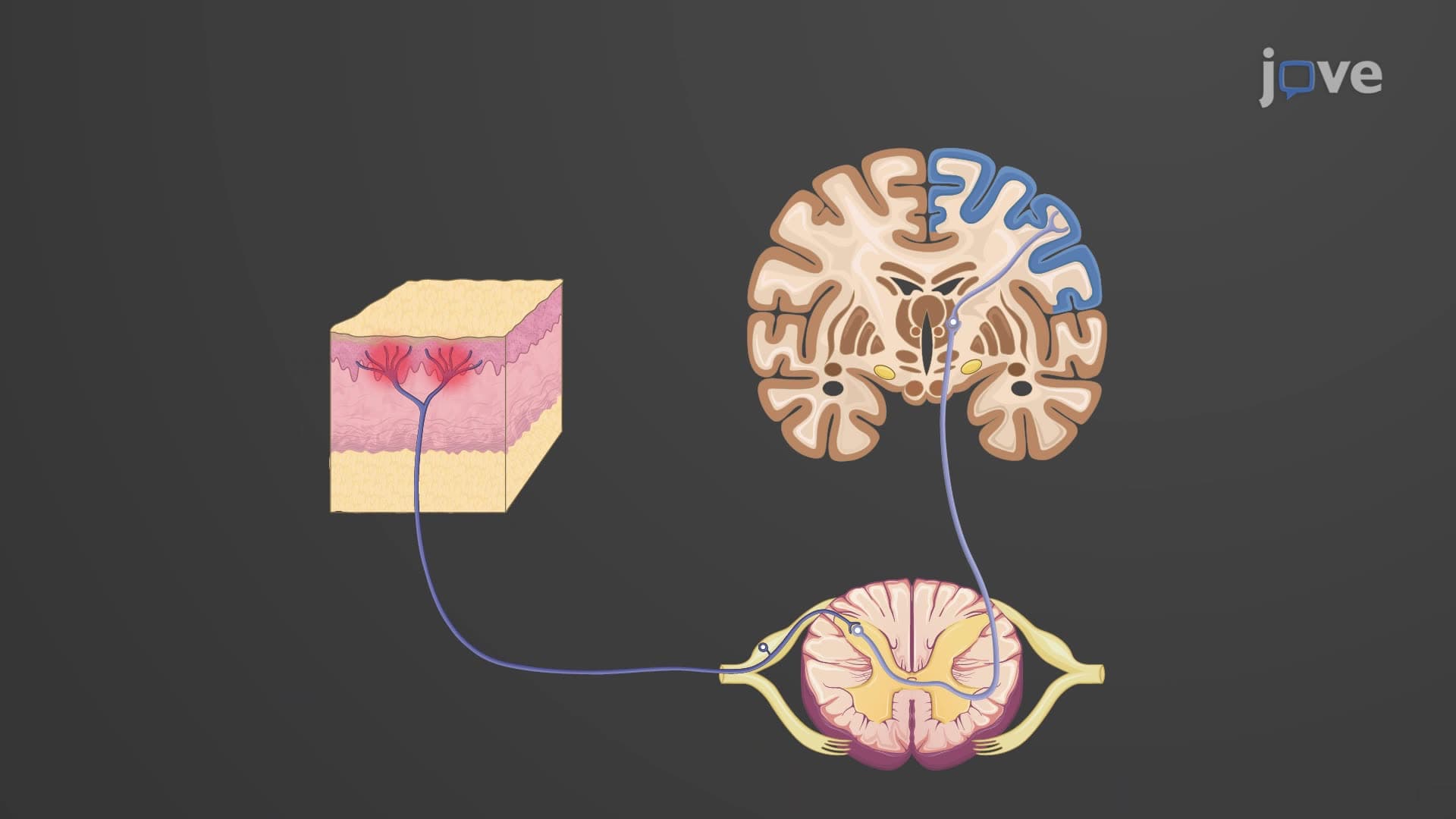
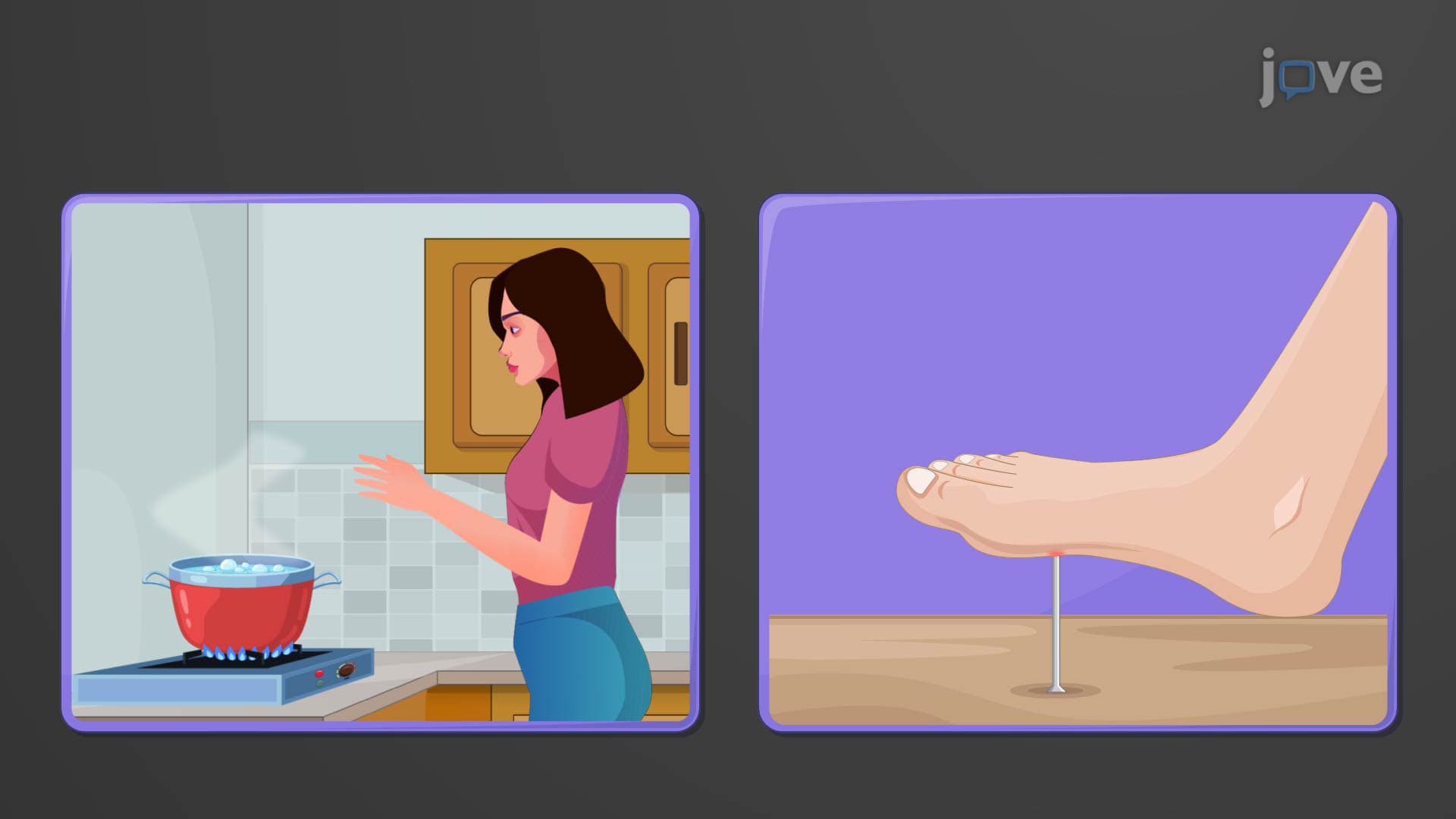
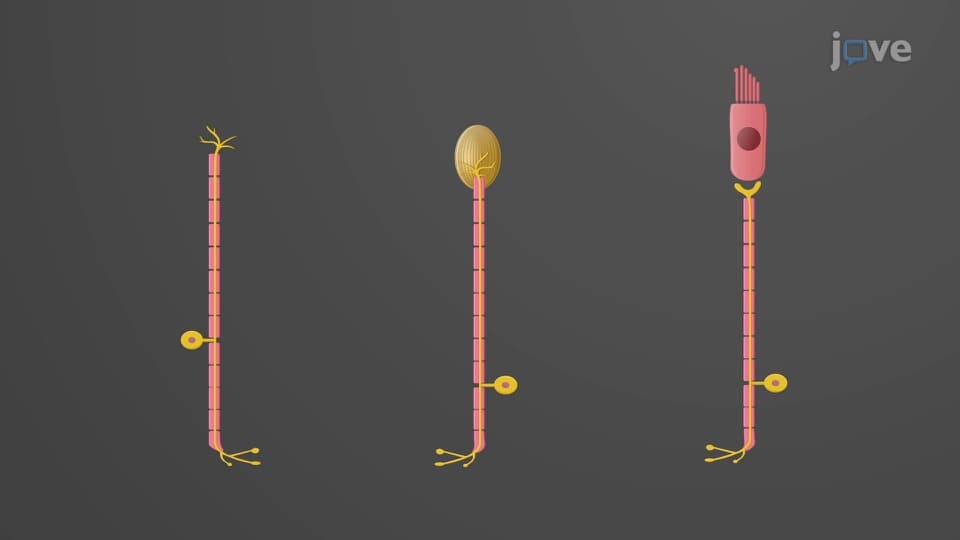
The sensory receptor classification explained reveals three distinct architectural categories. Free nerve endings represent the simplest design-bare dendrites of sensory neurons that detect stimuli like pain, temperature, and crude touch. These receptors, abundant in skin and internal organs, provide the rapid warning systems essential for survival. For example, the nociceptors in your hand's free nerve endings instantly signal tissue damage when you touch a hot stove.
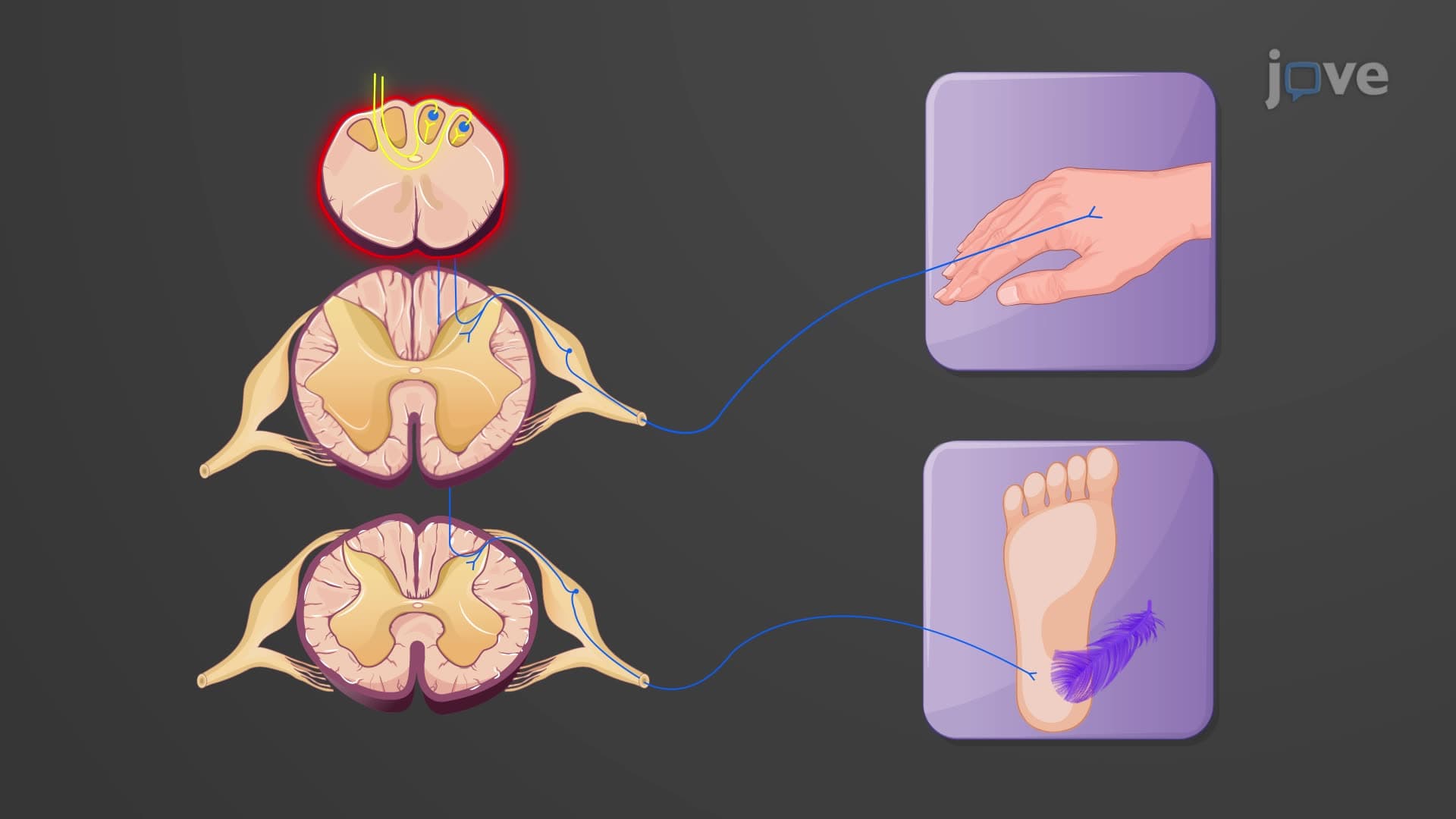
Encapsulated nerve endings surround dendrites with specialized accessory structures that enhance sensitivity and selectivity. Pacinian corpuscles, found in deep skin layers, detect vibration and pressure through their distinctive onion-like capsules. These mechanoreceptor tactile receptors enable surgeons to feel subtle tissue differences during procedures and help physical therapists assess joint mobility.
Specialized receptor cells, found exclusively in sense organs, represent the most sophisticated category. These non-neural cells detect stimuli and communicate with sensory neurons through synapses. Photoreceptor light receptors in the retina exemplify this design-rods and cones convert light energy into chemical signals that ultimately become the neural impulses enabling vision.
What are sensory receptors and their types becomes clearer when examining functional classifications. Anatomically, exteroceptors monitor external environments through structures like chemoreceptor olfactory taste systems in nasal and oral cavities. These receptors enable everything from detecting smoke during fire emergencies to appreciating culinary experiences.
Interoceptors provide vital internal monitoring, measuring blood pressure, oxygen levels, and organ function. These receptors prove crucial in medical settings-baroreceptors in carotid arteries help regulate blood pressure, while chemoreceptors in the medulla detect carbon dioxide levels to control breathing rate.
Proprioceptors, located in muscles, tendons, and joints, provide position and movement awareness. Physical therapists rely on understanding these receptors when designing rehabilitation programs, as proprioceptive dysfunction contributes to balance problems and increased fall risk in elderly patients.
By stimulus type, thermoreceptor nociceptor type classifications help predict receptor responses. Mechanoreceptors detect physical deformation, enabling everything from hearing (via cochlear hair cells) to blood pressure monitoring. Thermoreceptors respond to temperature changes, crucial for maintaining homeostasis and detecting environmental hazards.
This comprehensive understanding proves essential for AP Biology students tackling sensory system questions and pre-med students preparing for MCAT passages on sensory physiology.
Related Micro-courses