Loading subject page…


51,001 views

Video Summary: What are Sleep Wake Cycles
Ever wonder why you feel drowsy around 10 PM but wide awake at 3 AM when cramming for finals? Sleep wake cycles biology governs these predictable patterns of alertness and fatigue that every high school student experiences. These biological rhythms involve alternating NREM and REM sleep phases controlled by your brainstem's reticular activating system. College students pulling all-nighters at universities like UCLA often disrupt these natural cycles, leading to poor academic performance. Watch the full video on JoVE Coach to master this concept with expert-led visuals and step-by-step explanations.
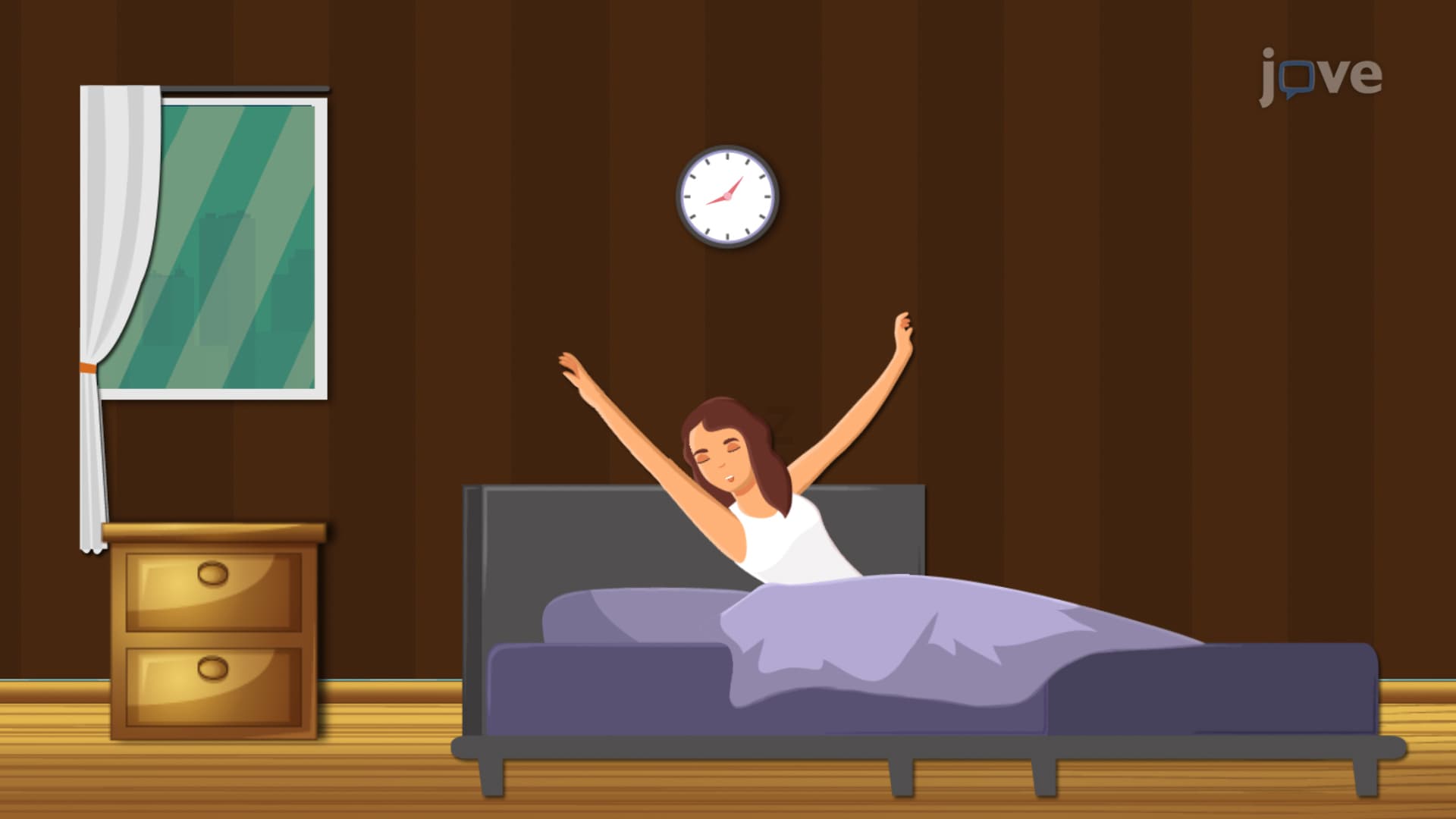
Sleep wake cycles represent one of biology's most fundamental regulatory mechanisms, controlling when organisms transition between consciousness and sleep states. These cycles involve complex neurobiological processes that high school biology students encounter in AP Biology coursework and college-level neuroscience classes. The human sleep wake cycle typically follows a 24-hour circadian rhythm, though individual variations exist based on genetics, age, and environmental factors.
The sleep portion of these cycles consists of two distinct phases that alternate throughout the night. NREM sleep dominates the first half of sleep, characterized by three progressive stages of increasing depth. During NREM, your heart rate and breathing slow dramatically, body temperature drops, and brain wave activity shifts to slower delta waves. This phase facilitates physical restoration, immune system strengthening, and memory consolidation-critical processes for students preparing for standardized tests like the SAT or MCAT.
REM sleep emerges approximately 90 minutes after sleep onset, initially lasting just 5 minutes but extending to 20-50 minutes in later cycles. Despite muscle paralysis preventing movement, the brain becomes highly active during REM, generating the vivid dreams that psychology students study in AP Psychology courses. This phase proves essential for emotional processing, creative problem-solving, and long-term memory formation-explaining why students who sacrifice sleep often struggle academically.
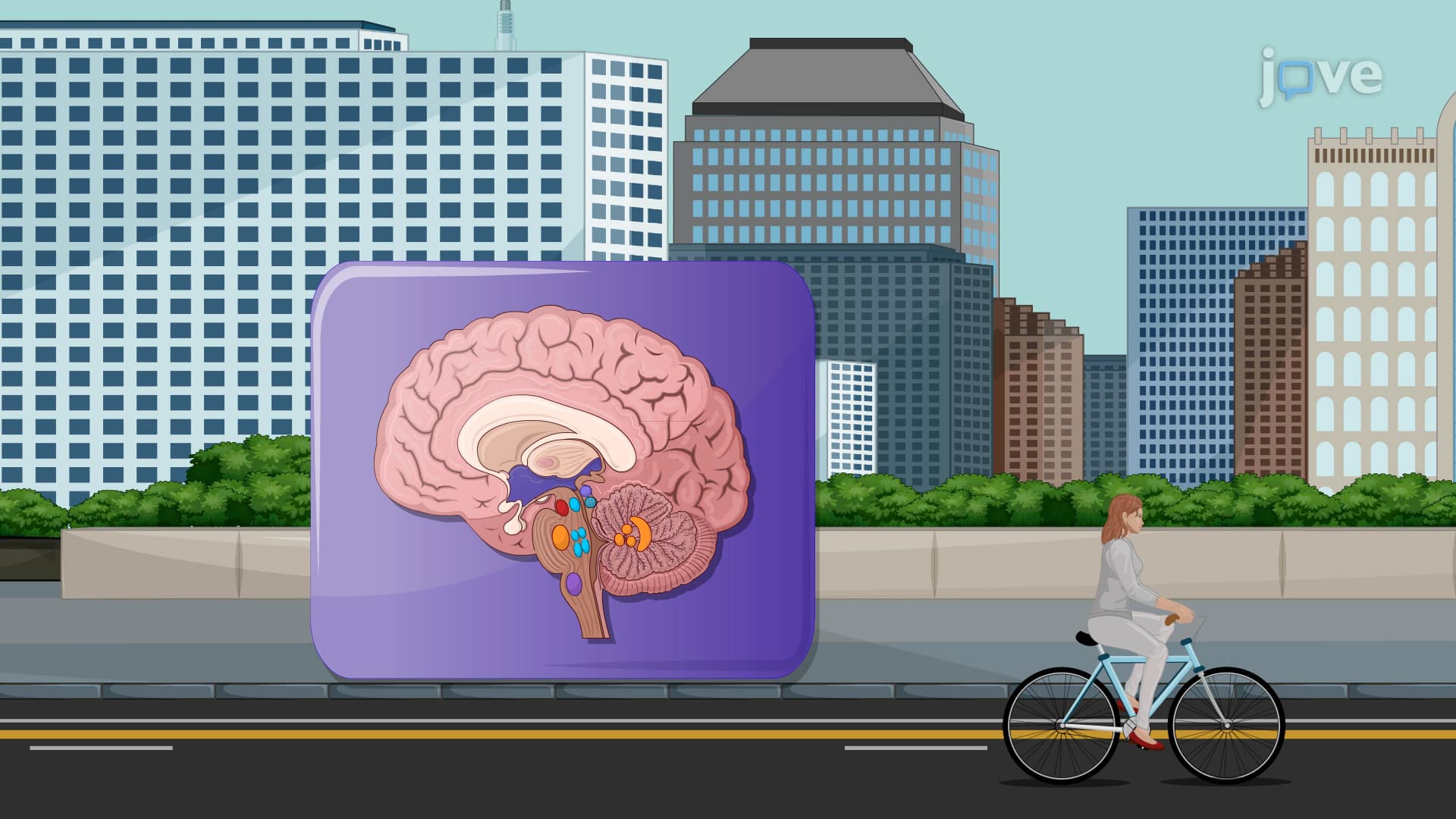
The reticular activating system (RAS), a network of neurons spanning the brainstem, orchestrates these sleep wake transitions. When you're awake and alert during a chemistry lecture at universities like MIT or Stanford, your RAS maintains arousal by responding to sensory stimuli. Sleep occurs when hypothalamic neurons release inhibitory neurotransmitters that suppress RAS activity, allowing consciousness to fade.
The suprachiasmatic nucleus, your brain's master clock, coordinates these processes with external light-dark cycles. This tiny hypothalamic region receives light information directly from your eyes, explaining why bright dorm room lights can disrupt sleep patterns. Melatonin, produced by the pineal gland under suprachiasmatic control, reinforces sleepiness as darkness approaches. Understanding these mechanisms helps explain why shift workers and students with irregular schedules often experience circadian rhythm disorders that impact cognitive performance on exams like the USMLE or NCLEX.
Related Micro-courses