Loading subject page…


51,001 views

Video Summary: What are Somatic Spinal Reflexes
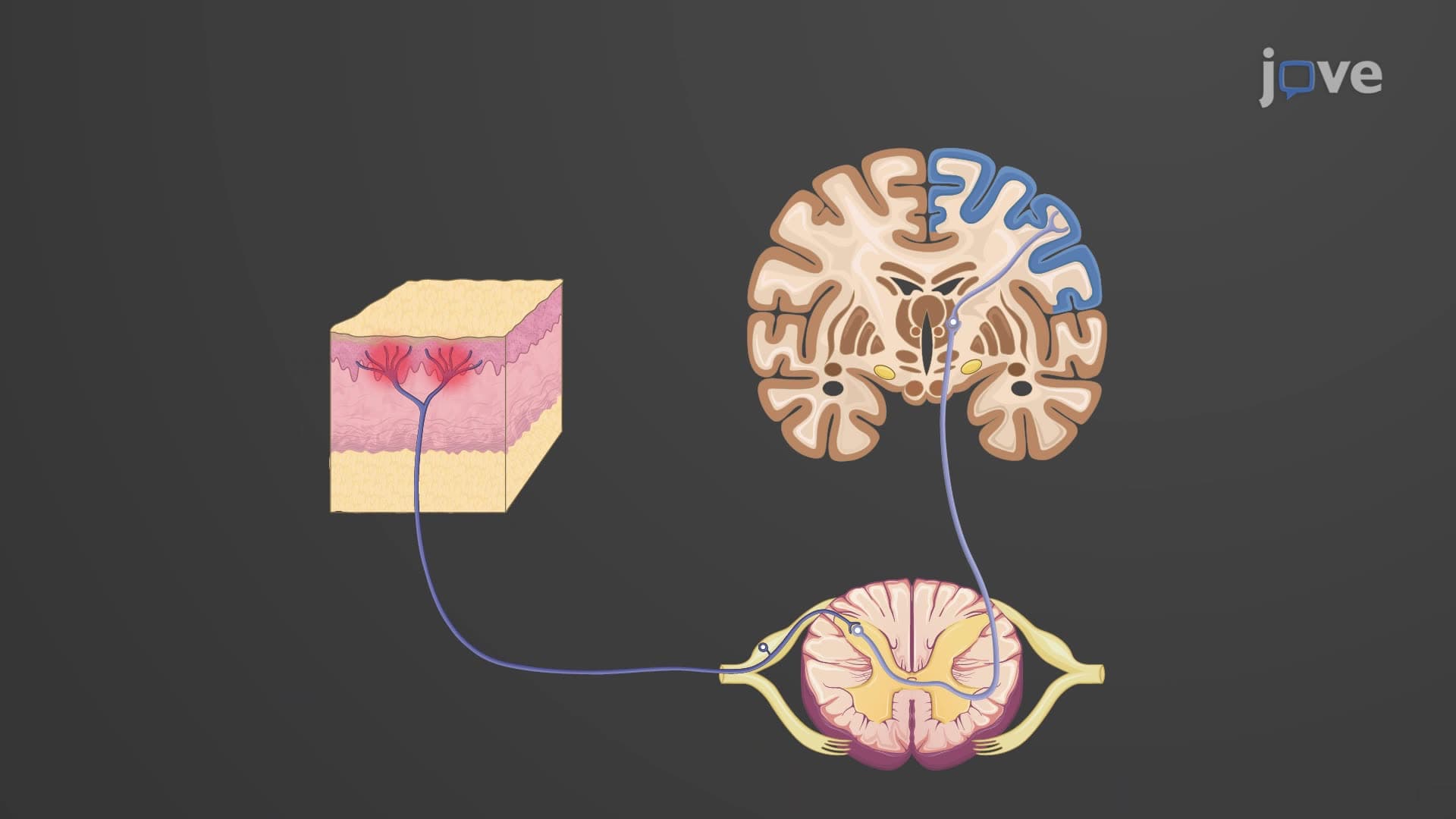
Ever wonder why you automatically pull your hand away from a hot stove before you even feel the pain? The somatic spinal reflexes types explain this lightning-fast protective response. These involuntary muscle contractions occur through your spinal cord without conscious brain involvement. For example, when a doctor taps your knee with a reflex hammer during a routine physical exam, your leg kicks forward instantly through the stretch reflex mechanism. Understanding what are somatic spinal reflexes reveals how your nervous system protects your body through four distinct reflex pathways. Watch the full video on JoVE Coach to master this concept with expert-led visuals and step-by-step explanations.
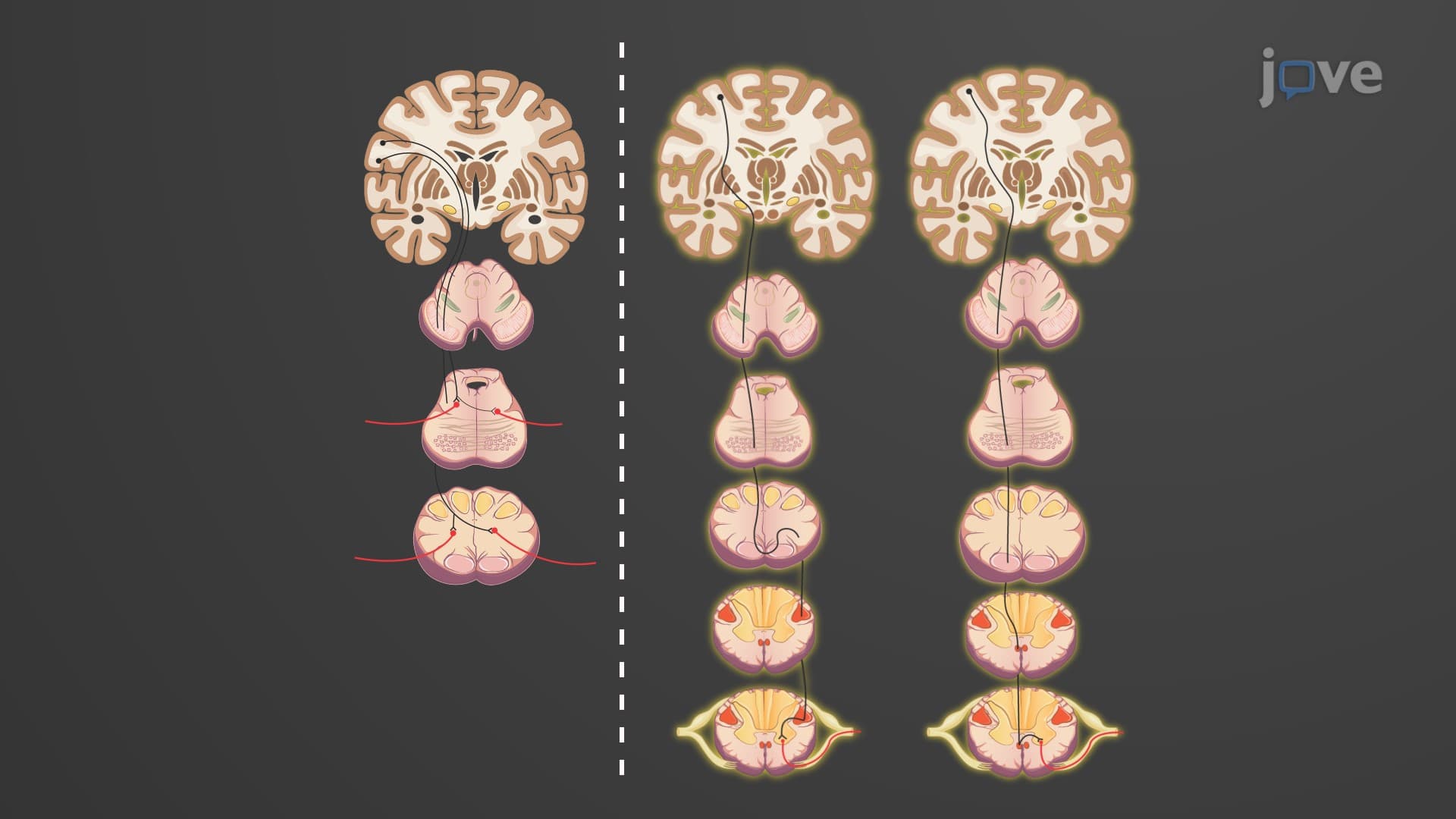
Somatic spinal reflexes types represent the nervous system's most fundamental protective mechanisms, operating through dedicated neural circuits within the spinal cord. These reflexes bypass conscious brain control, enabling millisecond responses crucial for survival and injury prevention. Unlike autonomic reflexes that control internal organs, somatic reflexes specifically govern skeletal muscle responses to environmental stimuli.
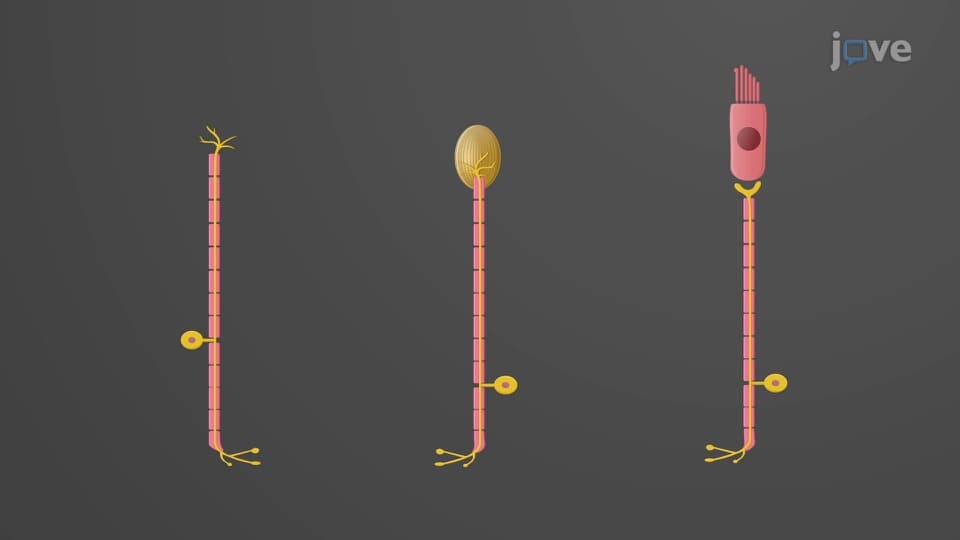
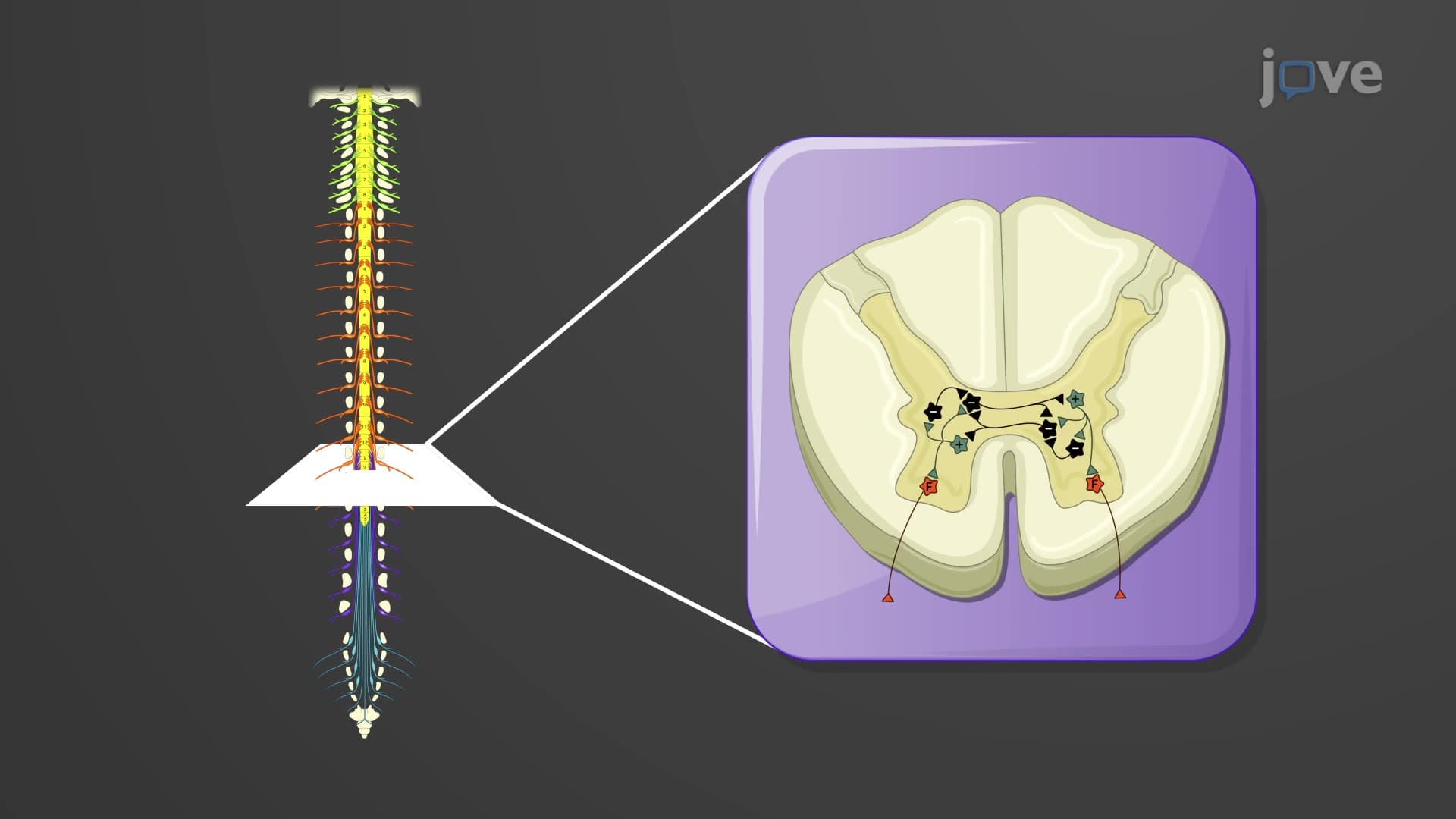
The spinal somatic reflex biology involves specialized sensory receptors, interneurons, and motor neurons forming reflex arcs. These circuits demonstrate remarkable efficiency-information travels from receptor to muscle faster than signals can reach the brain for conscious processing. This speed advantage proves essential during emergencies, such as stepping on broken glass or touching scalding surfaces.
The stretch reflex represents the simplest somatic reflex, utilizing only one synapse between sensory and motor neurons. Muscle spindle stretch reflex mechanisms activate when muscles elongate rapidly, such as during the knee-jerk response tested in medical examinations. Muscle spindles, embedded within skeletal muscles, detect length changes and directly stimulate alpha motor neurons.
This reflex maintains muscle tone and prevents overstretching injuries during physical activities. College athletes rely on properly functioning stretch reflexes during sports like basketball and football, where sudden directional changes could otherwise cause muscle tears. The stretch reflex also contributes to postural stability-when you begin to fall forward, calf muscle stretching triggers contractions that help restore upright posture.
The Golgi tendon organ reflex operates as a protective override system, preventing excessive muscle tension that could damage tendons or bones. Unlike muscle spindles, Golgi tendon organs monitor force production rather than muscle length. When tension becomes dangerous, these organs activate inhibitory interneurons that relax the contracting muscle while simultaneously stimulating antagonistic muscles.
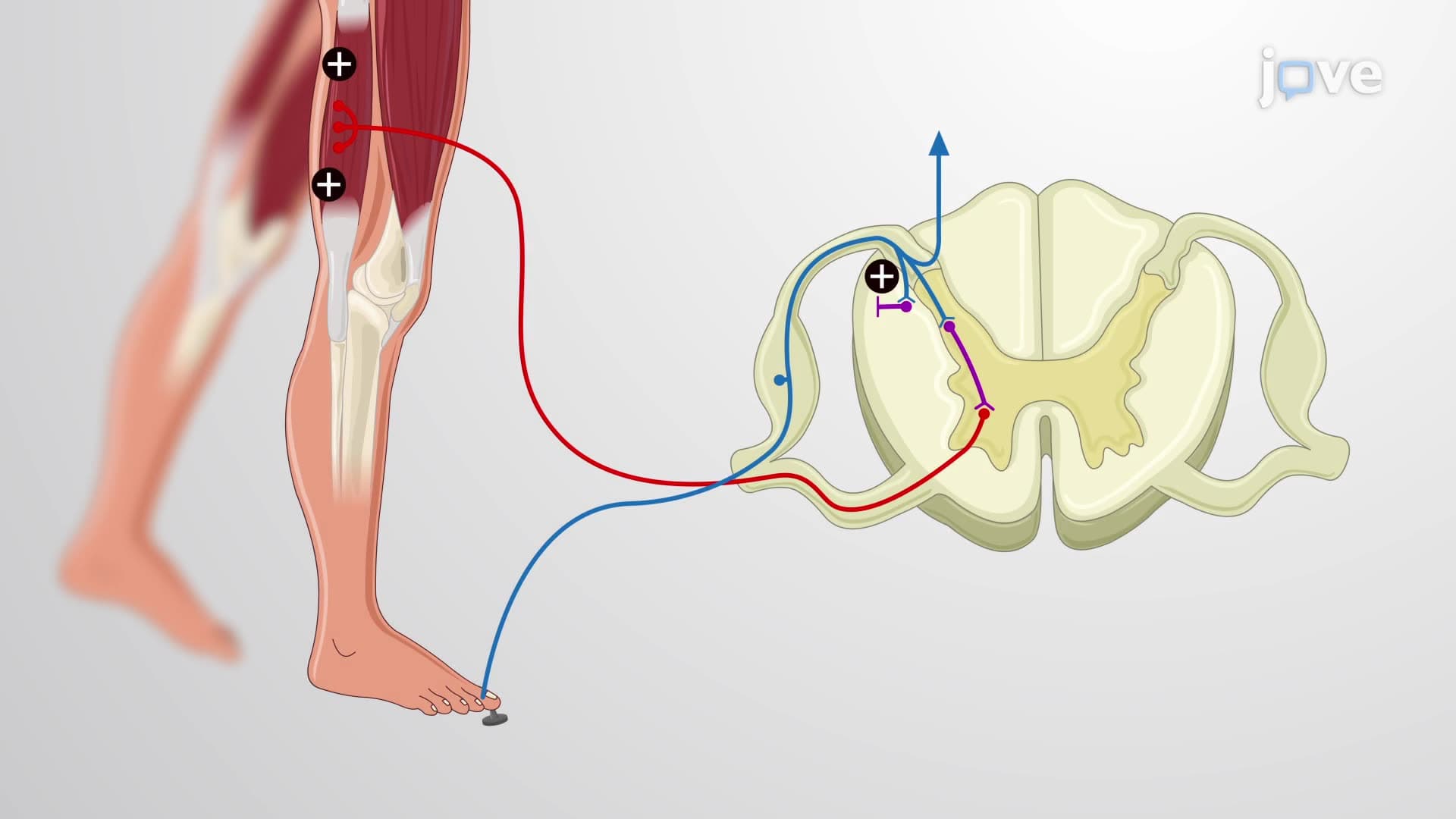
The withdrawal flexor reflex demonstrates polysynaptic complexity, coordinating multiple muscle groups for limb protection. Pain receptors (nociceptors) detect harmful stimuli and activate interneuron networks that contract flexor muscles while inhibiting extensors. This coordinated response pulls threatened body parts away from danger sources.
Understanding what are the somatic spinal reflexes in physiology proves essential for pre-medical students preparing for MCAT examinations and nursing students taking NCLEX assessments. Healthcare professionals routinely test these reflexes to evaluate spinal cord integrity and peripheral nerve function. Abnormal reflex responses can indicate neurological disorders, spinal injuries, or metabolic conditions affecting nerve conduction.
The crossed extensor reflex accompanies withdrawal responses, demonstrating sophisticated neural integration. When you step on a sharp object and lift that foot (flexor reflex), the opposite leg automatically extends and supports your body weight. This coordinated response prevents falls and maintains balance during protective movements.
AP Biology students should recognize how somatic reflex classification illustrates evolutionary adaptations that enhance survival. These reflexes represent conserved neural circuits found across vertebrate species, highlighting their fundamental importance in motor control and protection.
Related Micro-courses