Loading subject page…


51,001 views

Video Summary: What Is Hierarchy of Motor Control
Ever wondered how NFL quarterbacks like Patrick Mahomes can throw a perfect spiral while scrambling out of the pocket? The motor control hierarchy brain coordinates these complex movements through three distinct levels working in perfect synchronization. This hierarchical motor control explained demonstrates how our nervous system processes everything from automatic reflexes to precise voluntary actions. Stanford Medical School researchers have shown that understanding what is the hierarchy of motor control in neuroscience is crucial for treating movement disorders. Watch the full video on JoVE Coach to master this concept with expert-led visuals and step-by-step explanations.
The hierarchical organization of motor control represents one of neuroscience's most elegant organizational principles. This cortical subcortical hierarchy motor system allows humans to perform everything from breathing automatically to executing complex athletic maneuvers. The three-tiered structure-segmental, projection, and precommand levels-creates a sophisticated command structure that would make military strategists envious.
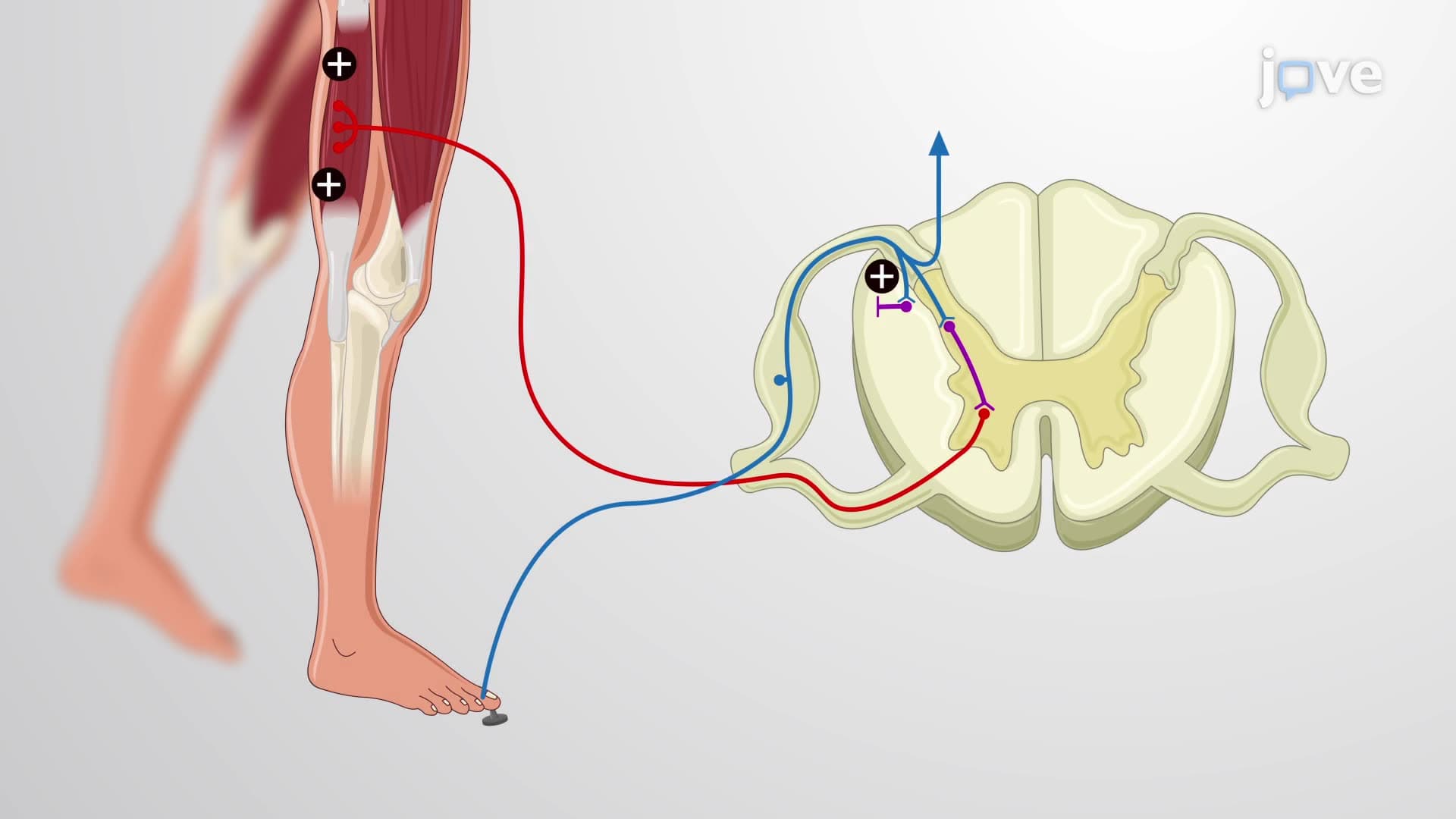
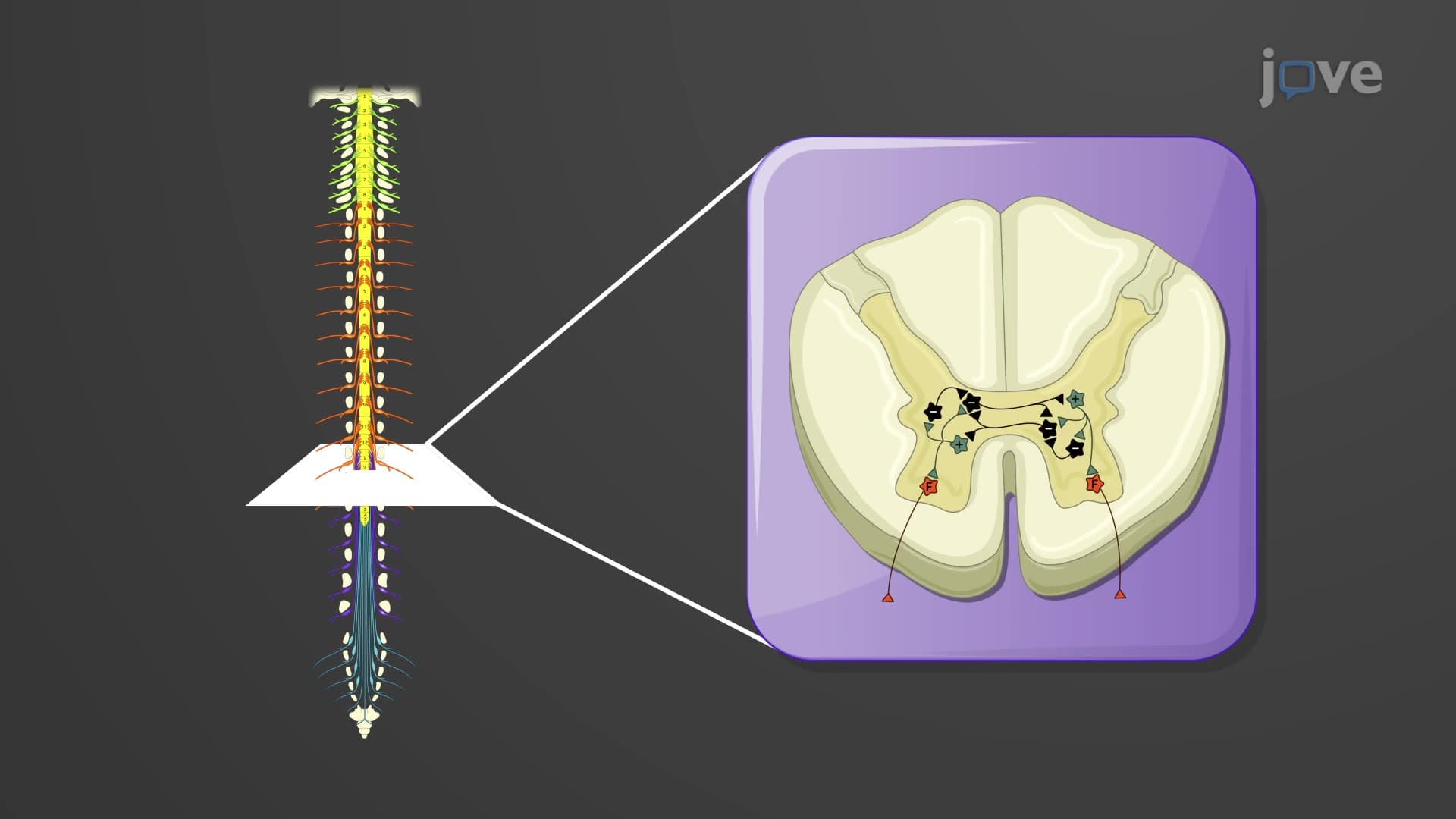
At the foundation lies the segmental level, housed within the spinal cord segments. This level manages our most basic motor functions through local circuits that operate largely independently of higher brain centers. The central pattern generator (CPG) represents the crown jewel of segmental control, orchestrating rhythmic movements like walking, swimming, and even chewing. When UCLA researchers study spinal cord injury patients who can still produce stepping movements, they're observing CPG function in action. This brainstem motor control connection becomes crucial for MCAT students studying neurological recovery mechanisms.
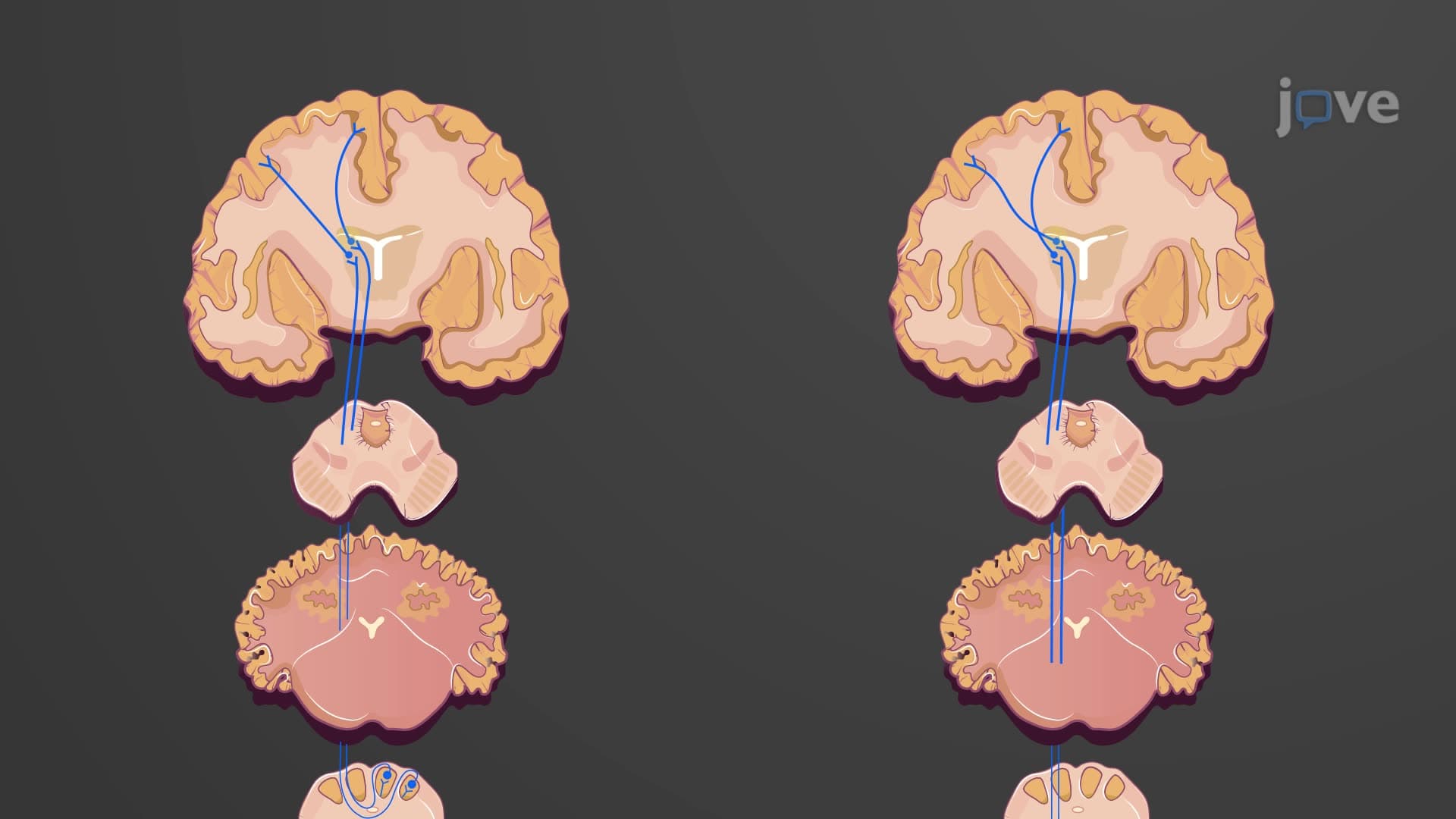
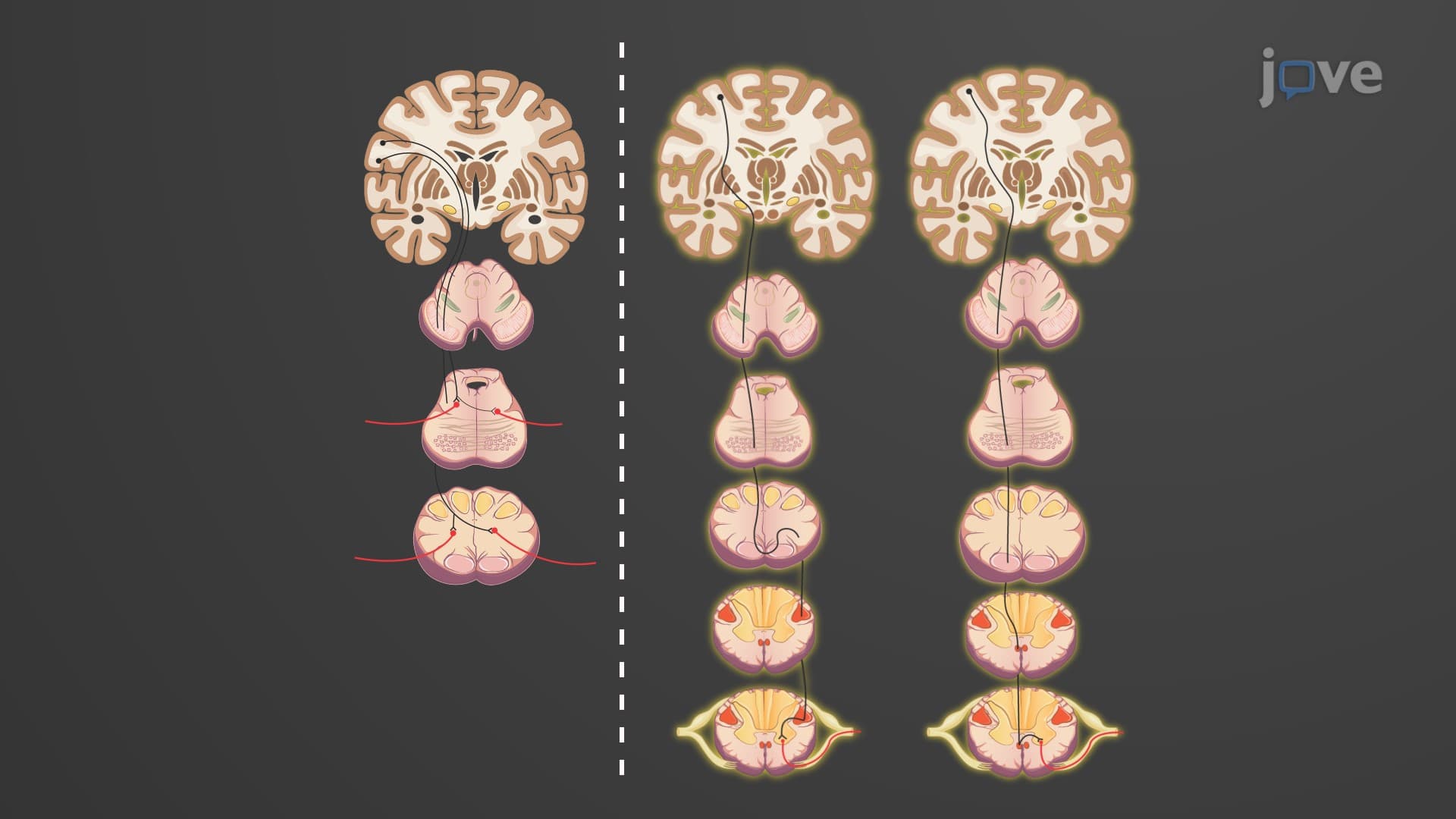
The projection level serves as the executive branch of motor control, with neurons from the motor cortex and brainstem sending commands downward. These pathways transform abstract movement intentions into concrete motor instructions. The motor cortex highest level planning occurs here, where neurons fire in specific patterns before movement even begins. Harvard Medical School studies of stroke patients reveal how damage to these projection pathways can selectively impair voluntary movement while preserving reflexes-a concept frequently tested on the USMLE Step 1.
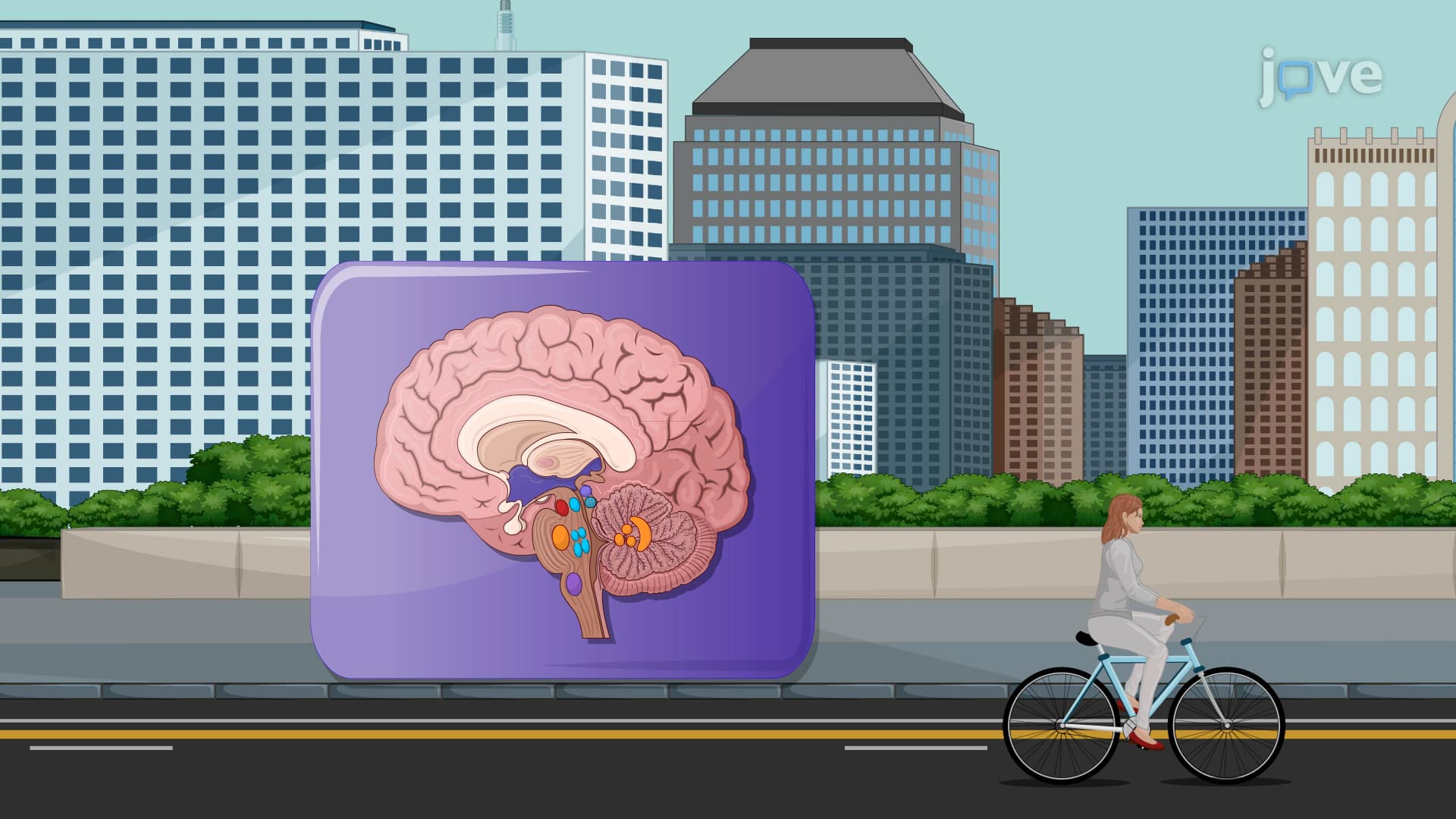
The precommand level represents the pinnacle of motor sophistication, integrating cerebellum basal ganglia motor circuits. The cerebellum acts like a movement GPS, constantly comparing intended movements with actual performance and making real-time corrections. Meanwhile, the basal ganglia function as a movement filter, selecting appropriate actions while suppressing unwanted movements. Johns Hopkins researchers studying Parkinson's disease have shown how basal ganglia dysfunction creates the characteristic tremors and movement difficulties, making this a high-yield topic for AP Biology and college neuroscience courses.
This spinal cord motor output system demonstrates remarkable plasticity. When Tiger Woods returns from injury to compete at the Masters, his motor control hierarchy adapts and relearns complex swing mechanics through coordinated activity across all three levels.
Related Micro-courses