Loading subject page…

Micro-course: Functions of the Central and Peripheral Nervous System
51,001 views
Learn key concepts and earn your certificate.


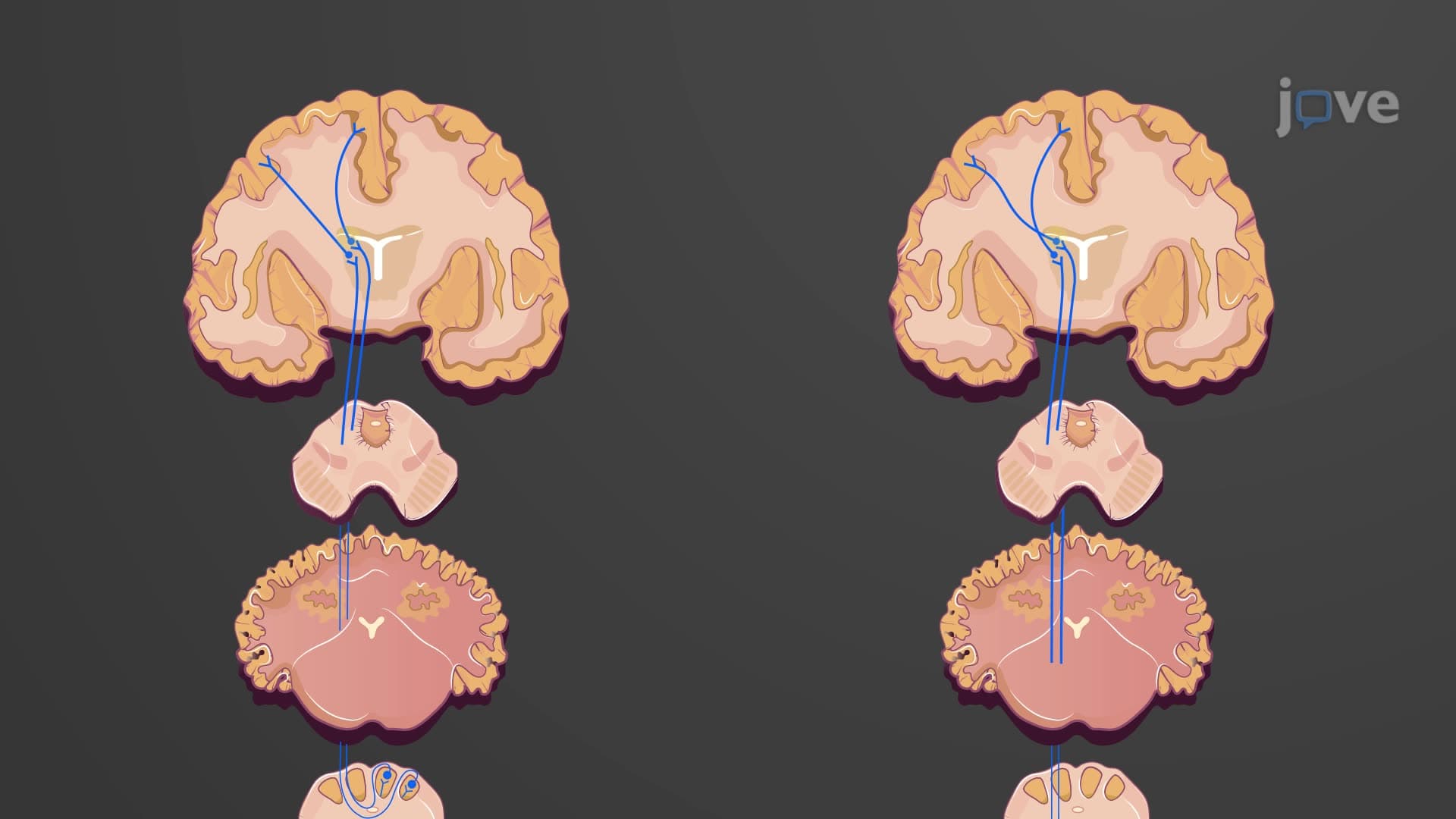
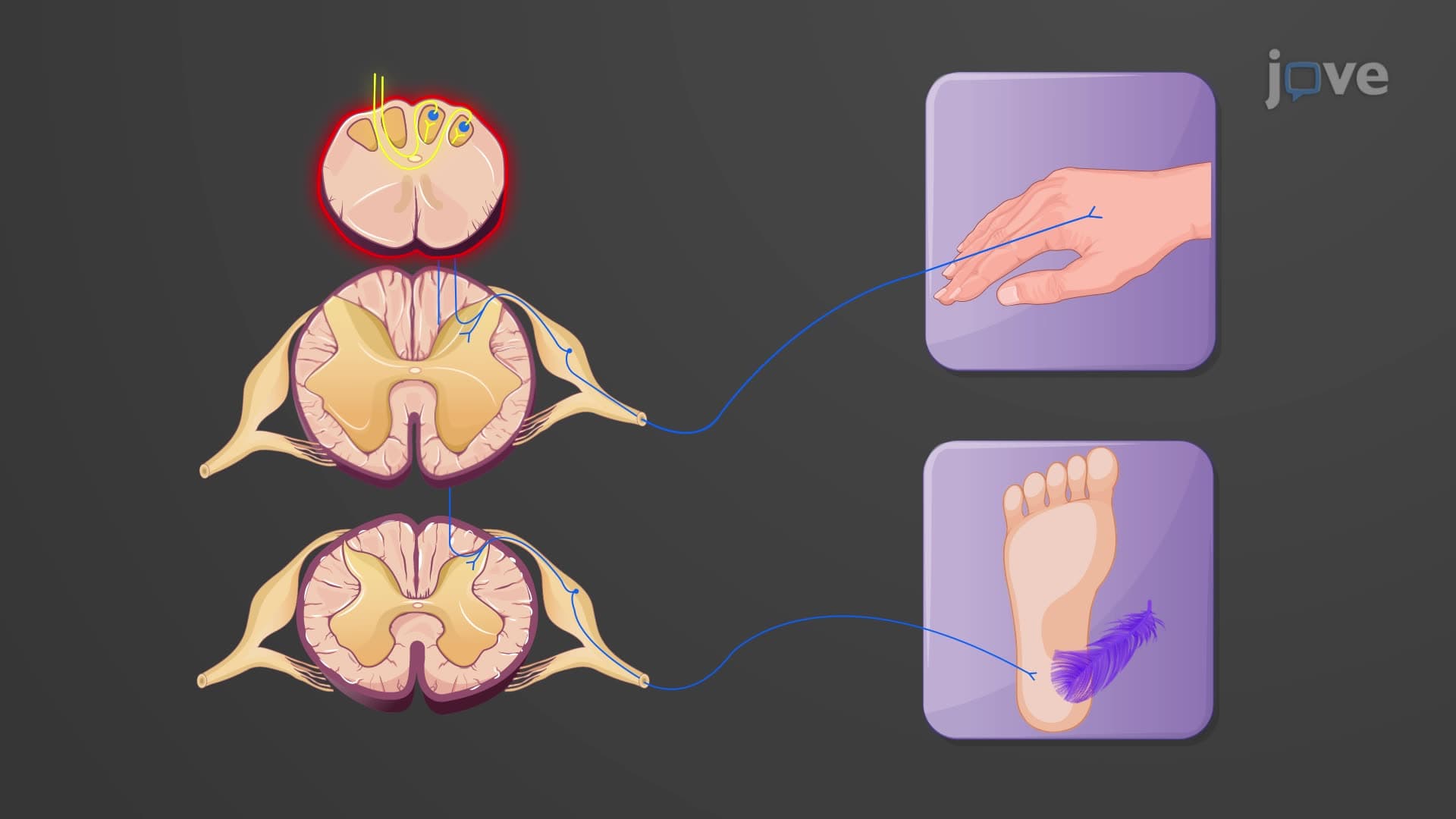
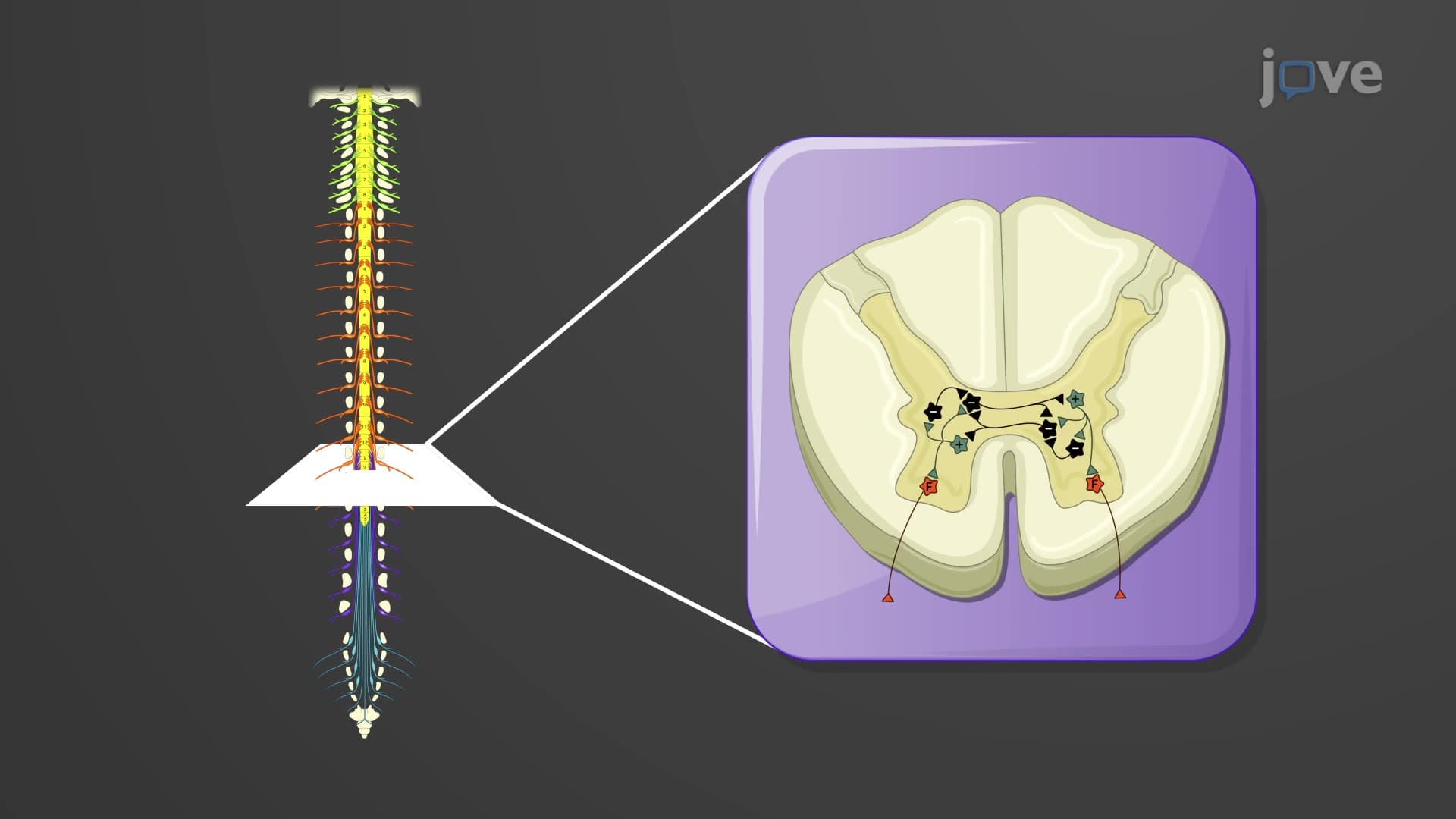
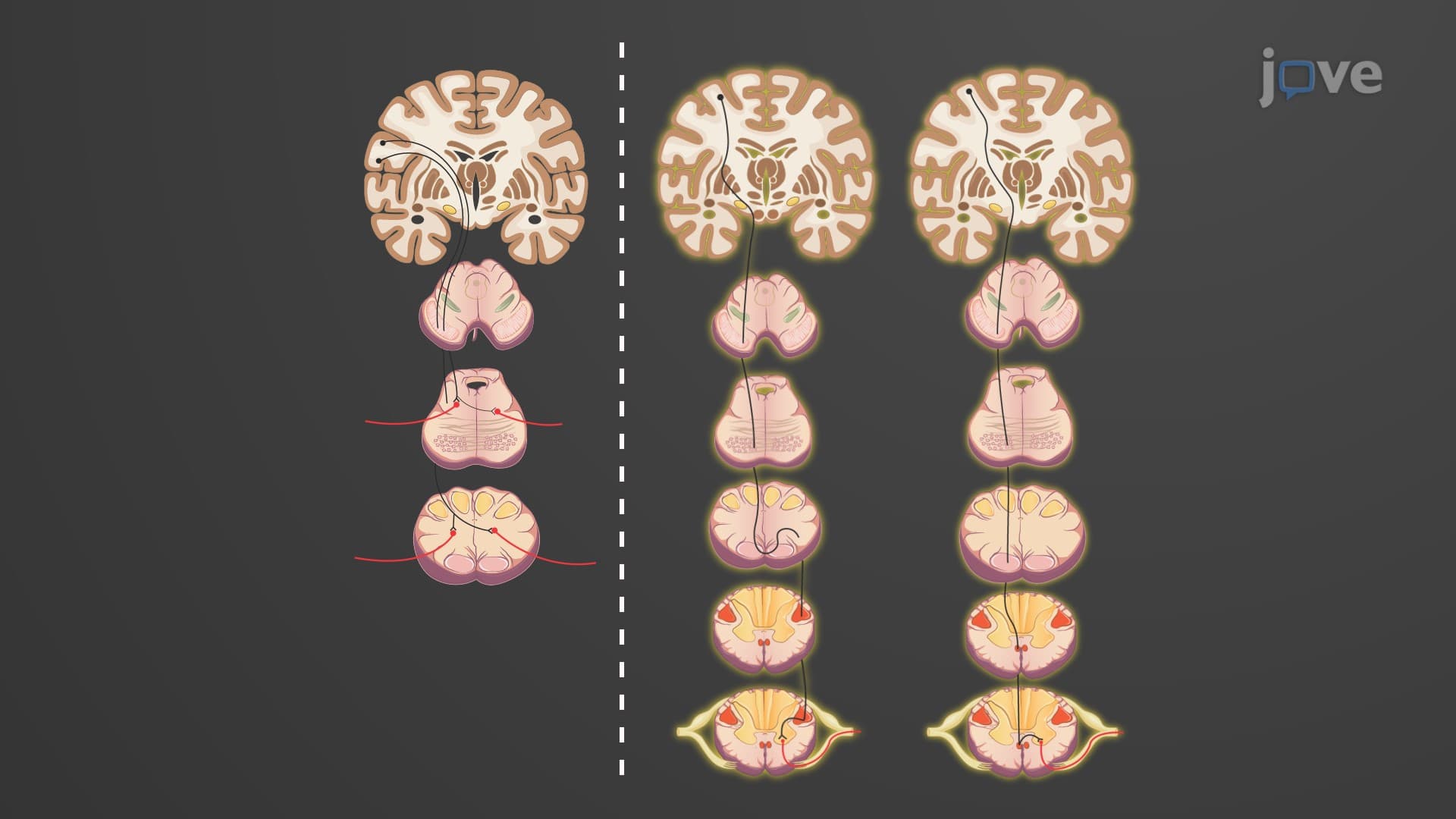


Reflex Activity

00:00
01:08
Video Summary: What Is Reflex Activity
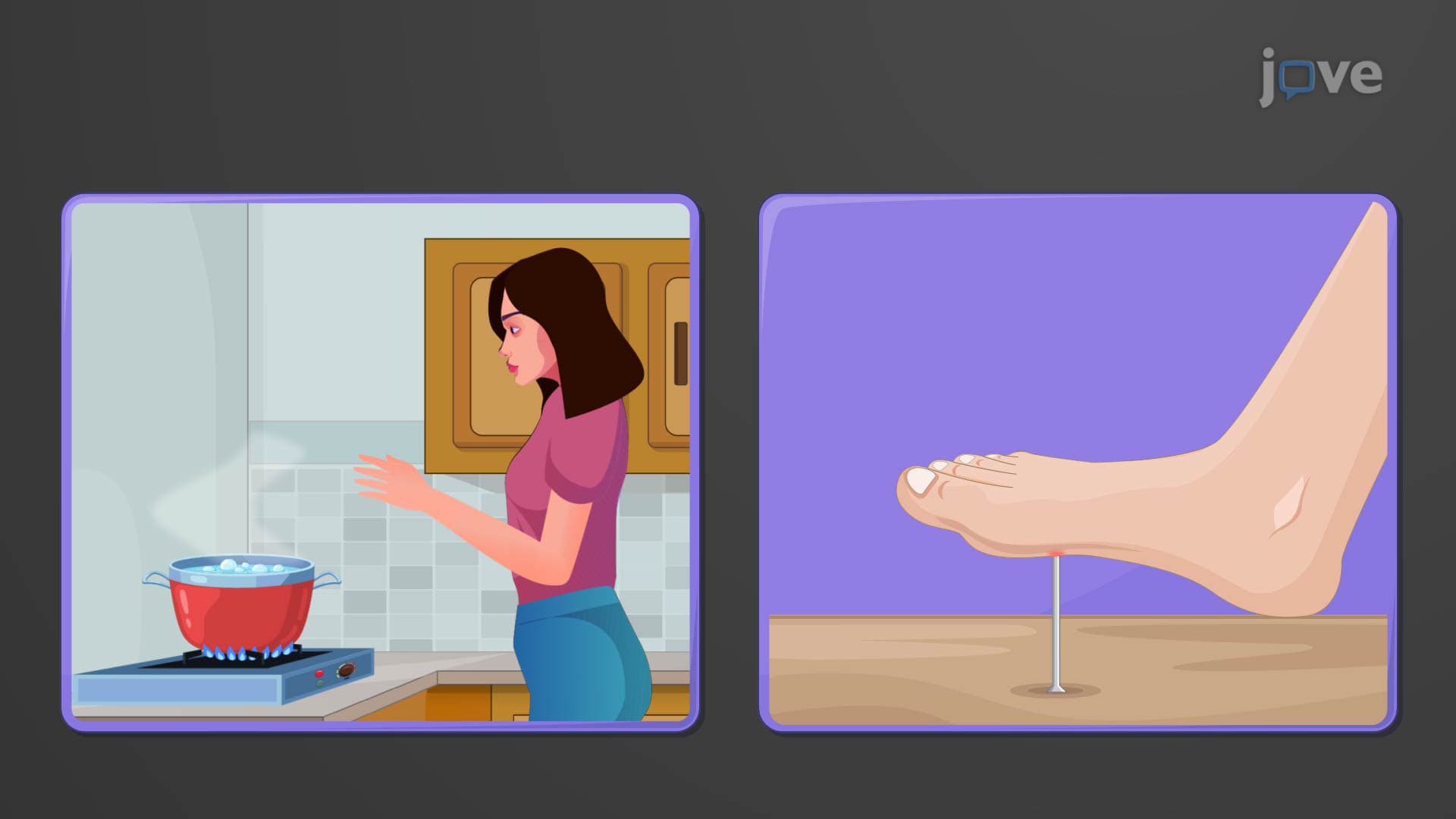
Ever wonder why you instantly jerk your hand away from a hot stove before you even feel pain? This lightning-fast response demonstrates reflex activity physiology in action-your nervous system's ability to respond to danger in milliseconds without conscious thought. When a medical student at Johns Hopkins taps your knee with a reflex hammer during a physical exam, the resulting knee-jerk demonstrates the same fundamental neural pathway. What is reflex activity and how does this remarkable protective mechanism work? Watch the full video on JoVE Coach to master this concept with expert-led visuals and step-by-step explanations.
- Understand what is reflex activity and identify its role as an automatic protective mechanism in human physiology
- Identify the five essential components of a reflex arc and explain their sequential function
- Analyze the difference between monosynaptic and polysynaptic reflex pathways
- Compare spinal reflexes and autonomic reflexes in terms of their integration centers and responses
- Evaluate how sensory receptors detect stimuli and initiate reflex responses
- Apply knowledge of reflex mechanisms to explain common clinical tests like the patellar reflex
- Recognize the importance of reflex testing in diagnosing neurological conditions
- Explore how reflex activity demonstrates the efficiency of nervous system organization
Understanding Reflex Activity in Human Physiology
Reflex activity physiology represents one of the most elegant examples of nervous system efficiency. These involuntary, rapid responses protect us from harm and maintain homeostasis without requiring conscious decision-making. From the moment you touch something unexpectedly hot to the automatic adjustment of your pupil size in bright light, reflex activity operates continuously to keep you safe and functional.
The Five Components of a Reflex Arc
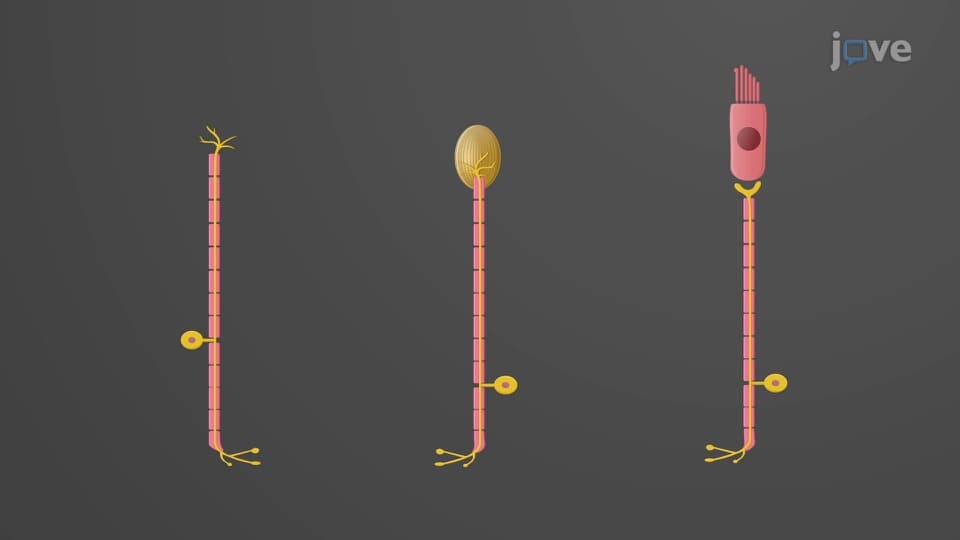
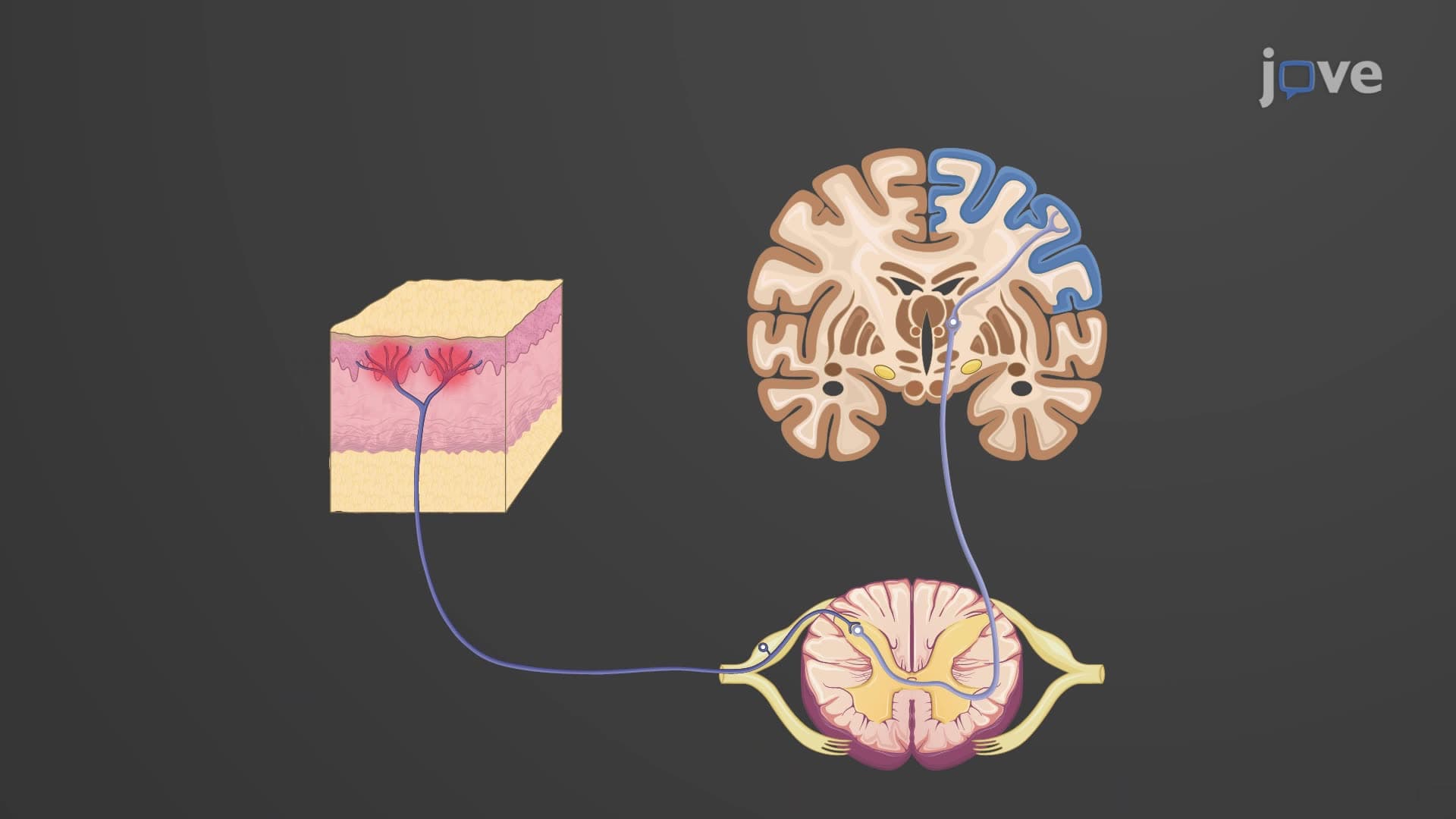
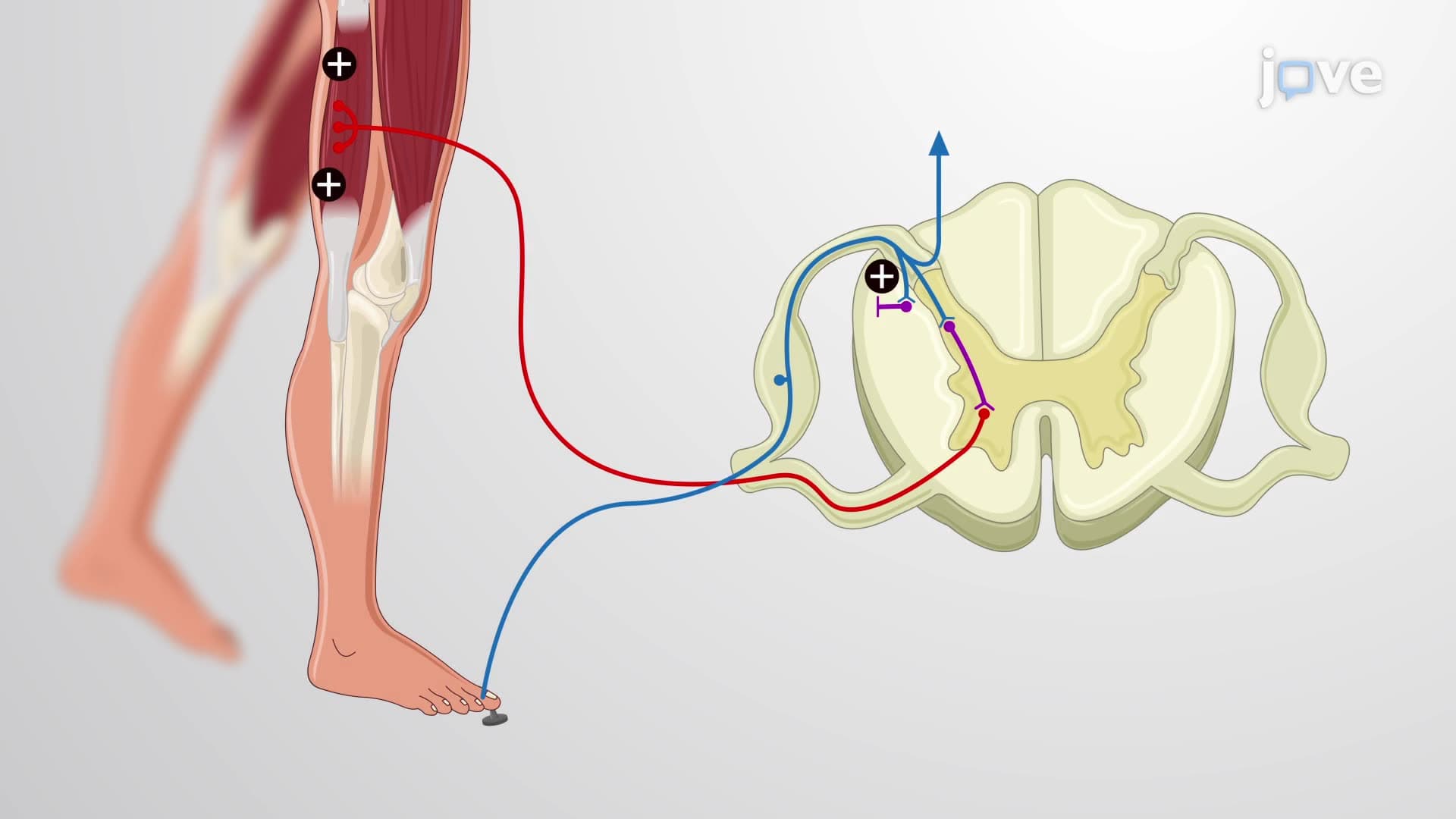
When examining reflex arc biology explained, we must understand its five interconnected components working in perfect sequence. First, sensory receptors detect environmental changes-whether pain receptors in your skin sensing heat or stretch receptors in your muscles detecting extension. These specialized structures convert physical stimuli into electrical nerve impulses.
Second, sensory neurons carry these impulses toward the central nervous system. Think of a college athlete stepping on a sharp object during practice-sensory neurons in the foot immediately transmit pain signals up the spinal cord. Third, integration centers in the spinal cord or brain process this information. This processing can involve a single synapse (monosynaptic) or multiple connections with interneurons (polysynaptic).
Fourth, motor neurons receive processed information and carry commands back to target organs. Finally, effector organs-muscles or glands-execute the response. In our athlete's case, leg muscles contract to lift the foot away from danger, often before the brain even registers pain.
Types of Reflex Responses
The monosynaptic stretch reflex exemplifies the simplest reflex pathway. When a physician tests your knee-jerk reflex during an annual physical, they're evaluating this direct sensory-to-motor connection. The patellar tendon stretch directly activates sensory neurons, which synapse immediately with motor neurons in the spinal cord, causing quadriceps muscle contraction.
Conversely, the polysynaptic withdrawal reflex involves multiple synapses and interneurons. When you accidentally touch a hot pan while cooking, this complex pathway coordinates multiple muscle groups-flexors contract to pull your hand away while extensors relax to allow the movement. Simultaneously, interneurons may activate motor neurons controlling your other arm for balance.
Clinical and Academic Importance
Understanding what is reflex activity in human physiology proves crucial for students pursuing healthcare careers. MCAT questions frequently test reflex arc components, while AP Biology exams explore the relationship between stimulus intensity and reflex magnitude. Medical students learn that abnormal reflexes can indicate neurological disorders-hyperreflexia might suggest upper motor neuron damage, while absent reflexes could indicate peripheral nerve problems.
Nursing students preparing for NCLEX examinations must understand how medications like muscle relaxants can affect reflex responses, while physical therapy students learn to assess reflexes when evaluating patient recovery from spinal injuries.
Frequently Asked Questions
Reflex activity is the automatic, involuntary response of your nervous system to specific stimuli, occurring without conscious thought. It's crucial because these rapid responses protect you from injury (like pulling away from heat), maintain balance, and regulate vital functions like breathing and heart rate. Reflexes operate much faster than conscious responses, often preventing damage before your brain even processes the stimulus.
The five reflex arc components function in sequence: sensory receptors detect stimuli, sensory neurons carry signals to the spinal cord, integration centers process information, motor neurons transmit commands, and effector organs execute responses. This pathway bypasses the brain for speed, with some reflexes completing in as little as 50 milliseconds. Each component must function properly for normal reflex responses.
MCAT questions distinguish these by synapse number and complexity. Monosynaptic reflexes involve one synapse between sensory and motor neurons (like the knee-jerk reflex), while polysynaptic reflexes involve interneurons and multiple synapses (like the withdrawal reflex). Monosynaptic reflexes are faster but simpler, while polysynaptic reflexes allow more complex, coordinated responses involving multiple muscle groups.
Healthcare providers use reflex testing to assess nervous system function during routine physicals and neurological examinations. Abnormal reflexes can indicate conditions like spinal cord injuries, peripheral neuropathy, or multiple sclerosis. For example, absent ankle reflexes might suggest diabetic neuropathy, while exaggerated reflexes could indicate upper motor neuron lesions from stroke or spinal cord compression.
Students often struggle because reflexes involve multiple body systems working simultaneously-nervous, muscular, and sometimes endocrine. The key is understanding that reflexes demonstrate nervous system organization and efficiency. Focus on tracing signal pathways from stimulus to response, and remember that reflexes show how evolution favored rapid protective responses over conscious decision-making for survival.
Not at all-basic understanding of neurons, synapses, and muscle contraction provides sufficient foundation. High school biology students can master reflex concepts by focusing on the logical sequence: detect, transmit, process, respond, execute. Start with simple examples like touching something hot, then progress to more complex reflexes. The principles remain consistent regardless of complexity.
Focus on practical applications and clinical scenarios rather than just memorizing components. Practice tracing reflex pathways, understand normal versus abnormal responses, and know how medications affect reflexes. Create flowcharts showing stimulus-to-response pathways, and practice with questions involving real patient scenarios. Understanding the "why" behind reflexes helps more than just memorizing the steps.
Build on reflex knowledge by exploring nervous system integration, motor control, and sensory processing. Study how reflexes relate to voluntary movement, neurotransmitter function, and neural plasticity. These concepts connect to advanced topics like motor learning, rehabilitation medicine, and neurological disorders, providing a strong foundation for healthcare or neuroscience careers.
Related Micro-courses