Loading subject page…


51,001 views


Video Summary: What Is Sensory Modalities
Ever wonder why you can smell fresh pizza from across a cafeteria but don't notice your heart beating? Sensory modalities biology explains how your nervous system processes different types of sensory information through specialized pathways. From detecting temperature changes on your skin to maintaining balance while walking down stairs at your high school, what are sensory modalities determines which sensations reach conscious awareness and which operate behind the scenes. Watch the full video on JoVE Coach to master this concept with expert-led visuals and step-by-step explanations.
Sensory modalities biology forms the foundation for understanding how your nervous system processes the constant stream of information from your body and environment. These specialized detection systems allow you to navigate complex environments-from sensing the temperature of your morning coffee to maintaining balance while skateboarding.
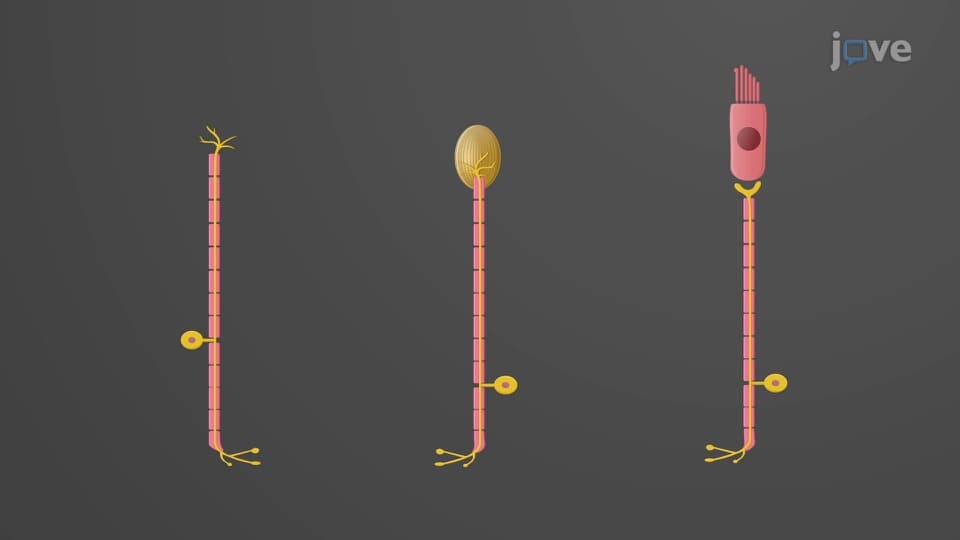
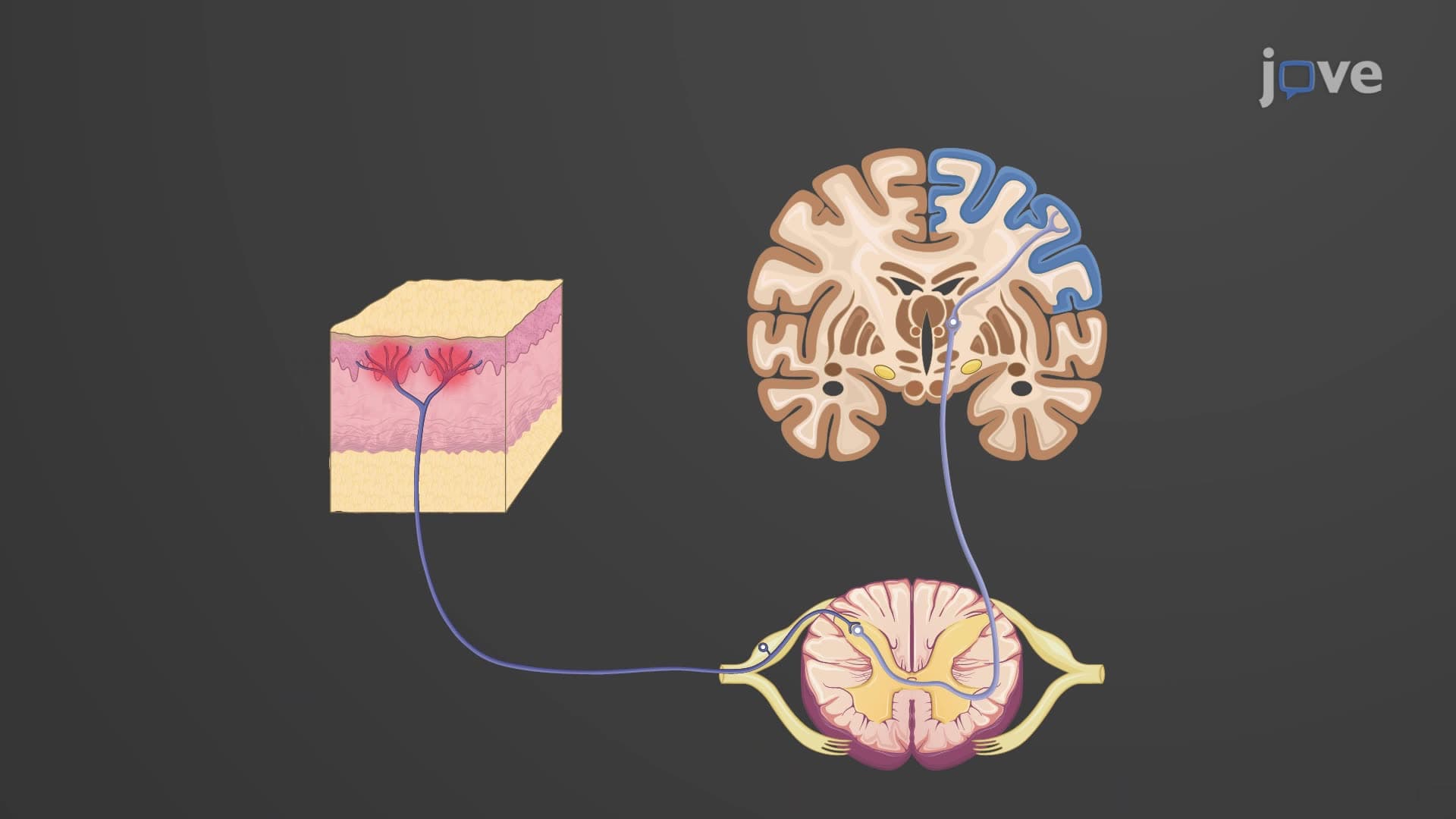
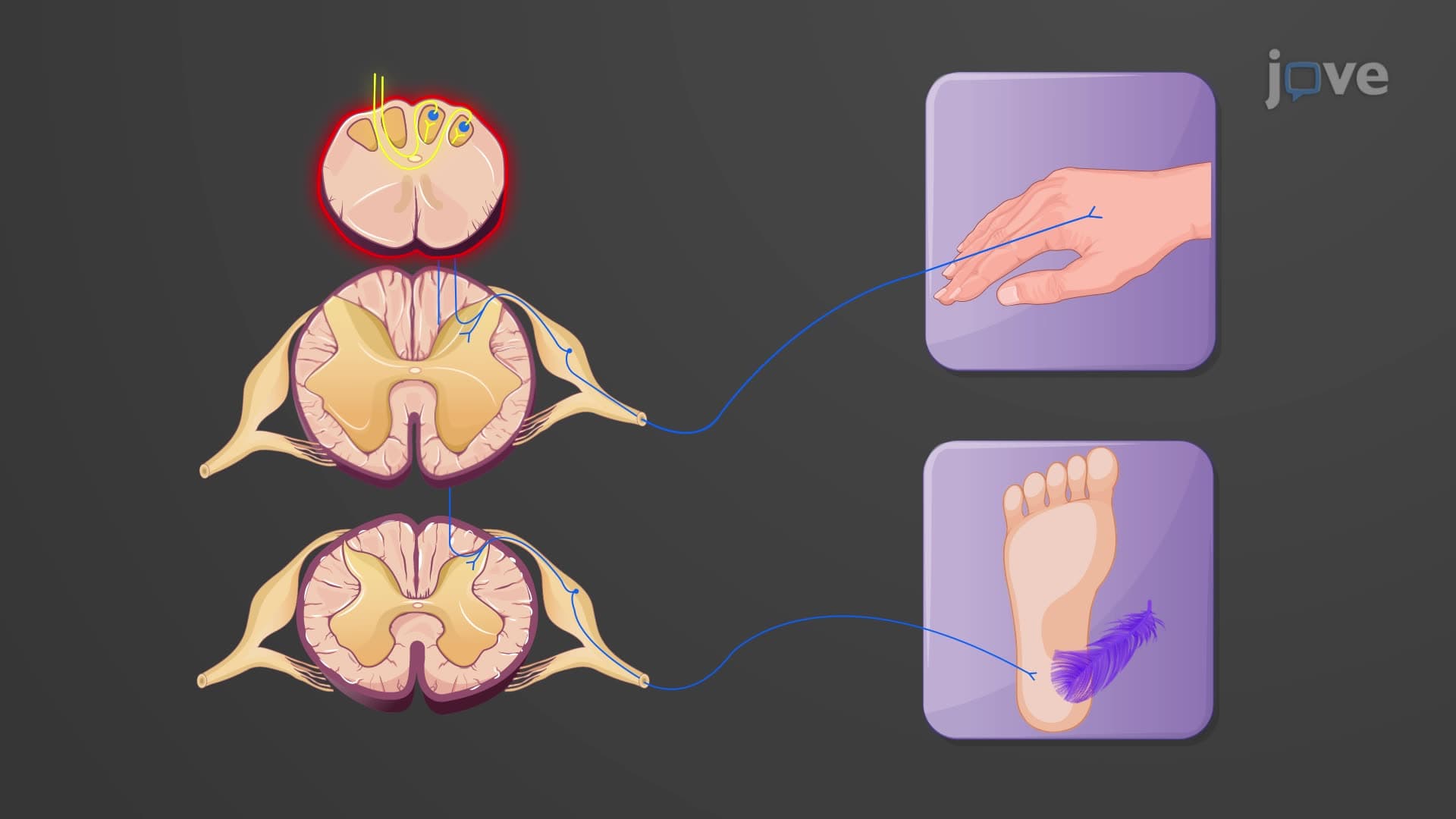
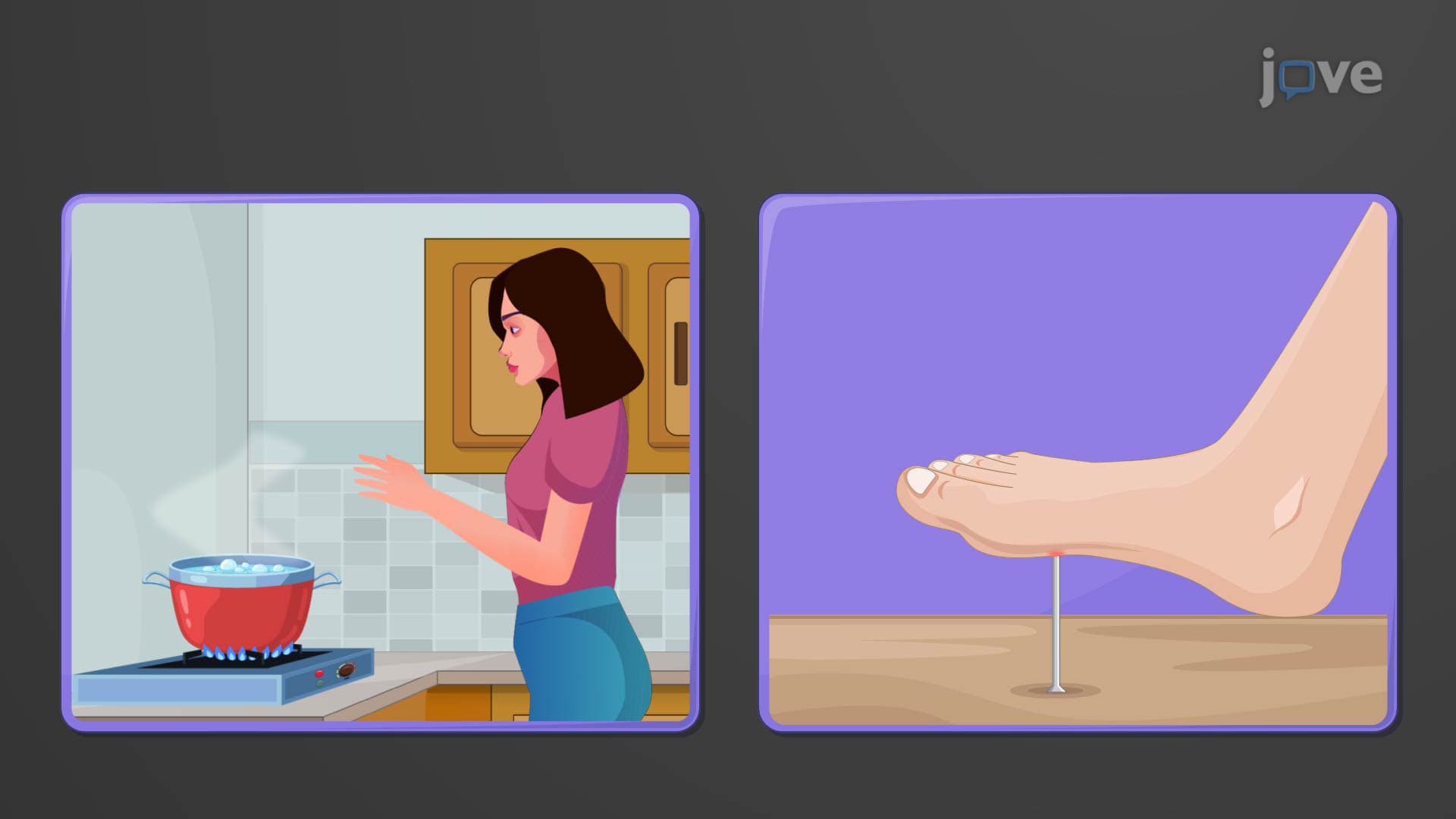
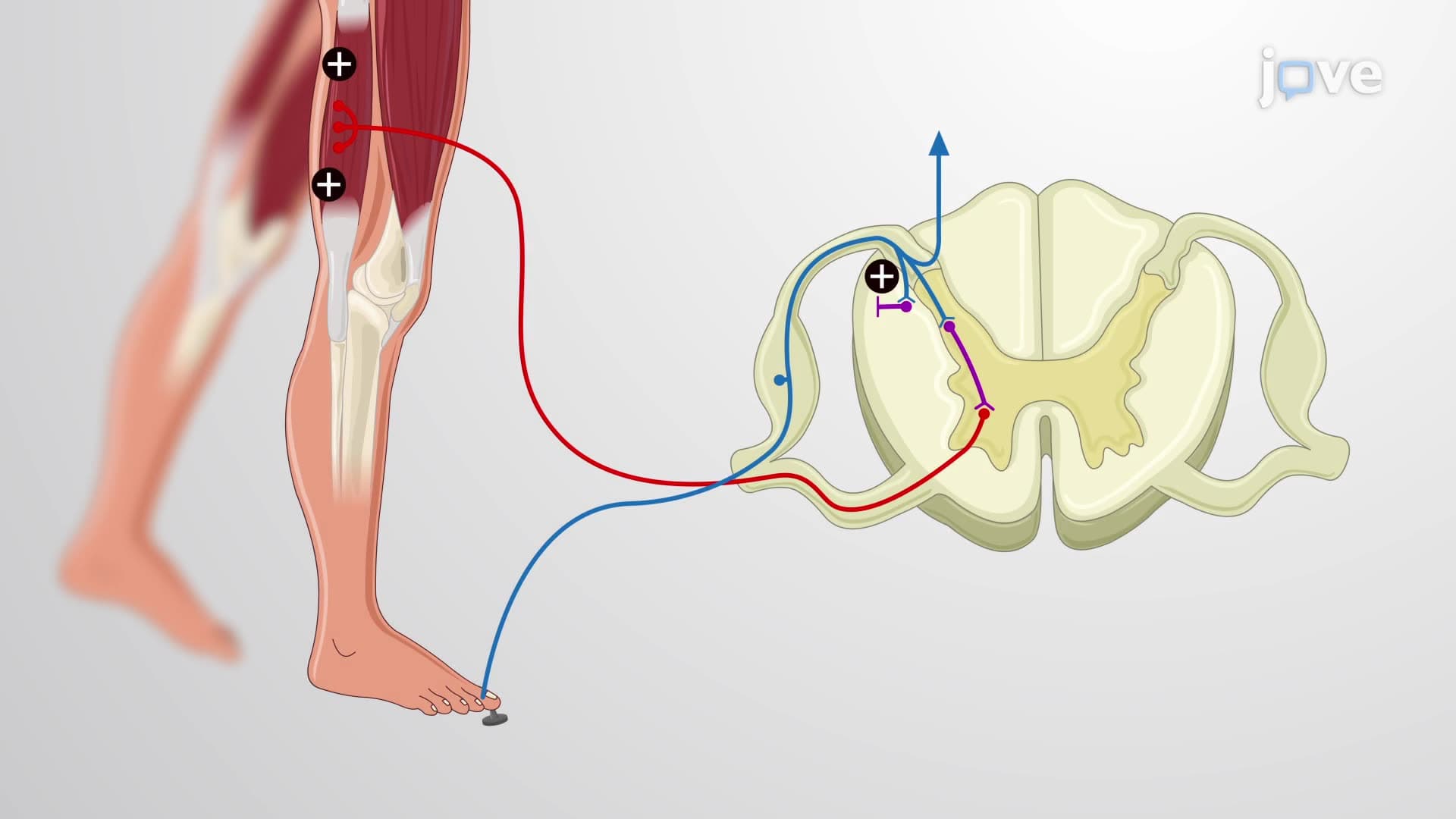
General senses represent the most widespread types of sensory modalities explained throughout your body. Somatic general sense modality systems include specialized receptors in your skin, muscles, and joints that detect temperature, pain, touch, pressure, vibration, and proprioception. For example, when you touch a hot stove, thermoreceptors in your skin immediately detect the dangerous temperature, while mechanoreceptors sense the physical contact pressure.
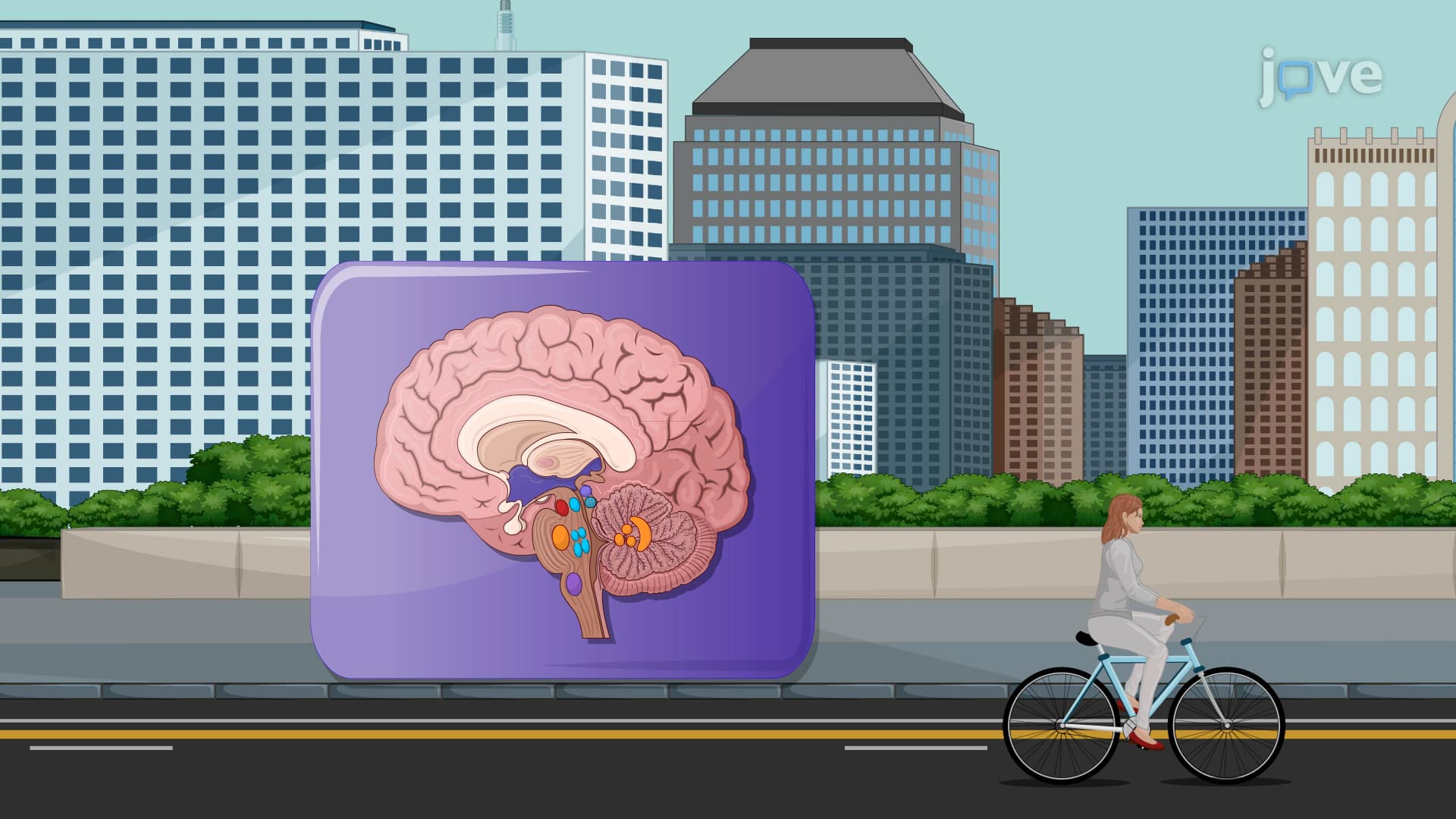
Proprioception deserves special attention as it enables athletes like gymnasts to perform complex routines with precise body positioning. This proprioception visceral modality system continuously monitors joint angles and muscle tension, allowing basketball players to shoot free throws consistently or allowing you to walk confidently in darkness.
Visceral senses monitor your internal environment, detecting conditions like hunger, thirst, blood pressure changes, and organ distension. These sensations rarely reach conscious awareness but critically maintain homeostasis-your heart rate increases during exercise without conscious thought.
Special sense vision hearing and the other special senses require highly specialized receptor cells housed in dedicated organs. Your eyes contain photoreceptors that detect electromagnetic radiation (light), while your ears contain mechanoreceptors for sound waves and equilibrium detection. Your nose and tongue contain chemoreceptors for detecting airborne and dissolved chemicals, respectively.
Understanding sensory modality classification proves essential for pre-med students preparing for the MCAT, particularly in biological sciences sections covering nervous system function. AP Biology students encounter these concepts when studying homeostasis and nervous system regulation. Nursing students preparing for NCLEX exams must understand how sensory deficits affect patient assessment and care planning.
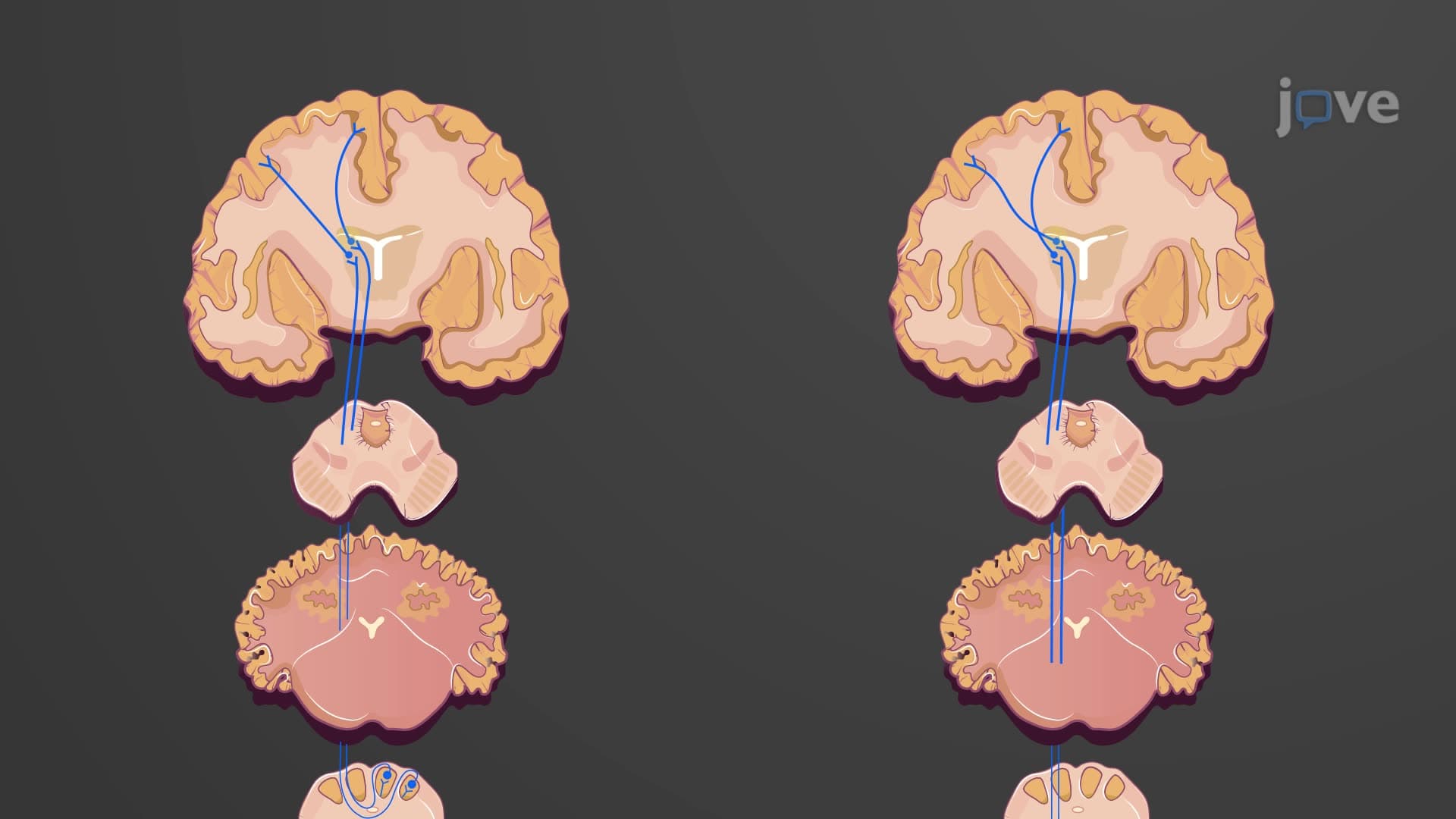
Medical professionals use sensory modality testing to diagnose neurological conditions. For instance, testing proprioception helps identify peripheral neuropathy in diabetic patients, while assessing pain and temperature sensation can reveal spinal cord injuries.
Related Micro-courses