Loading subject page…

Micro-course: Absorption of Nutrients
34,747 views
Learn key concepts and earn your certificate.

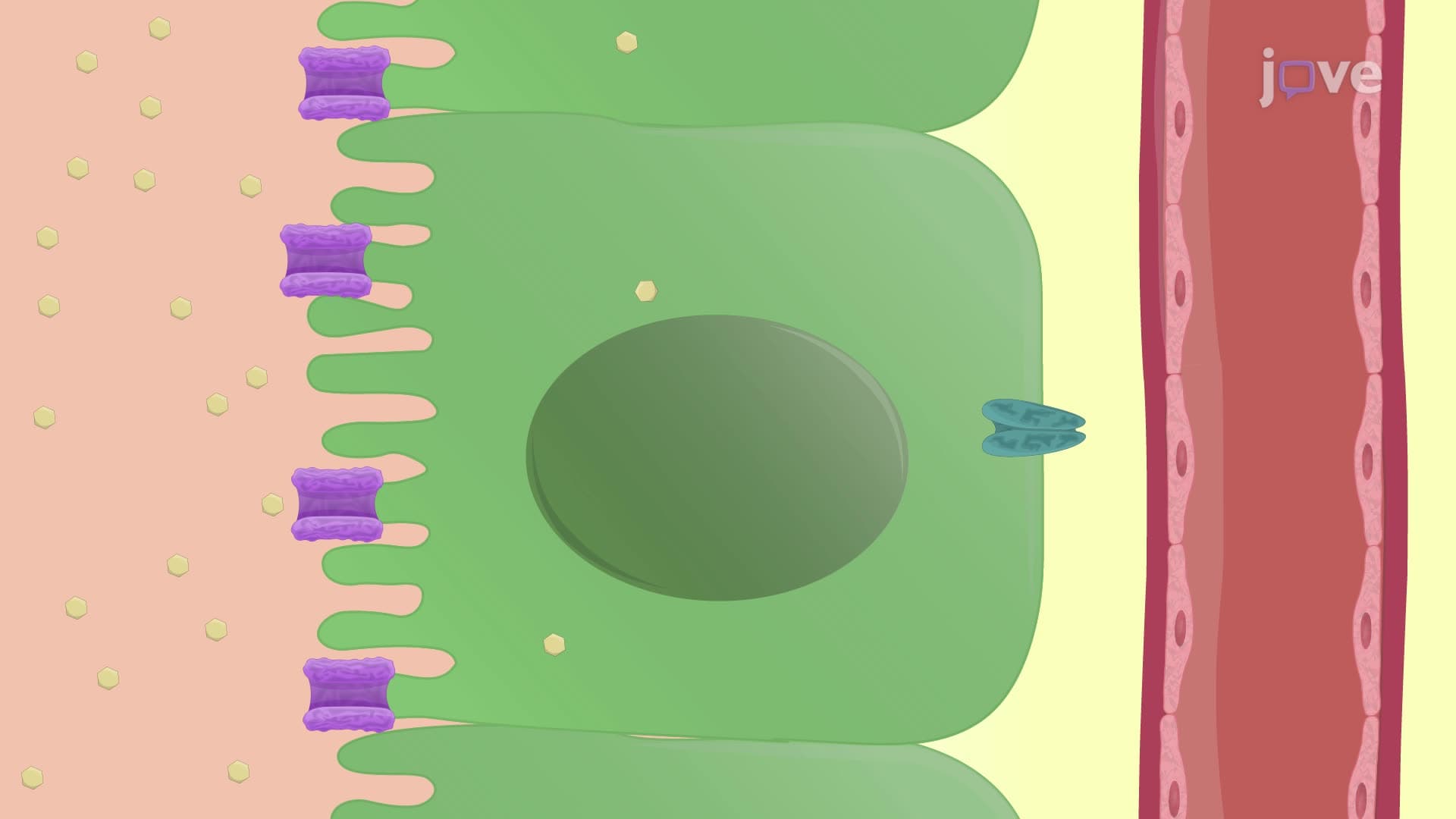

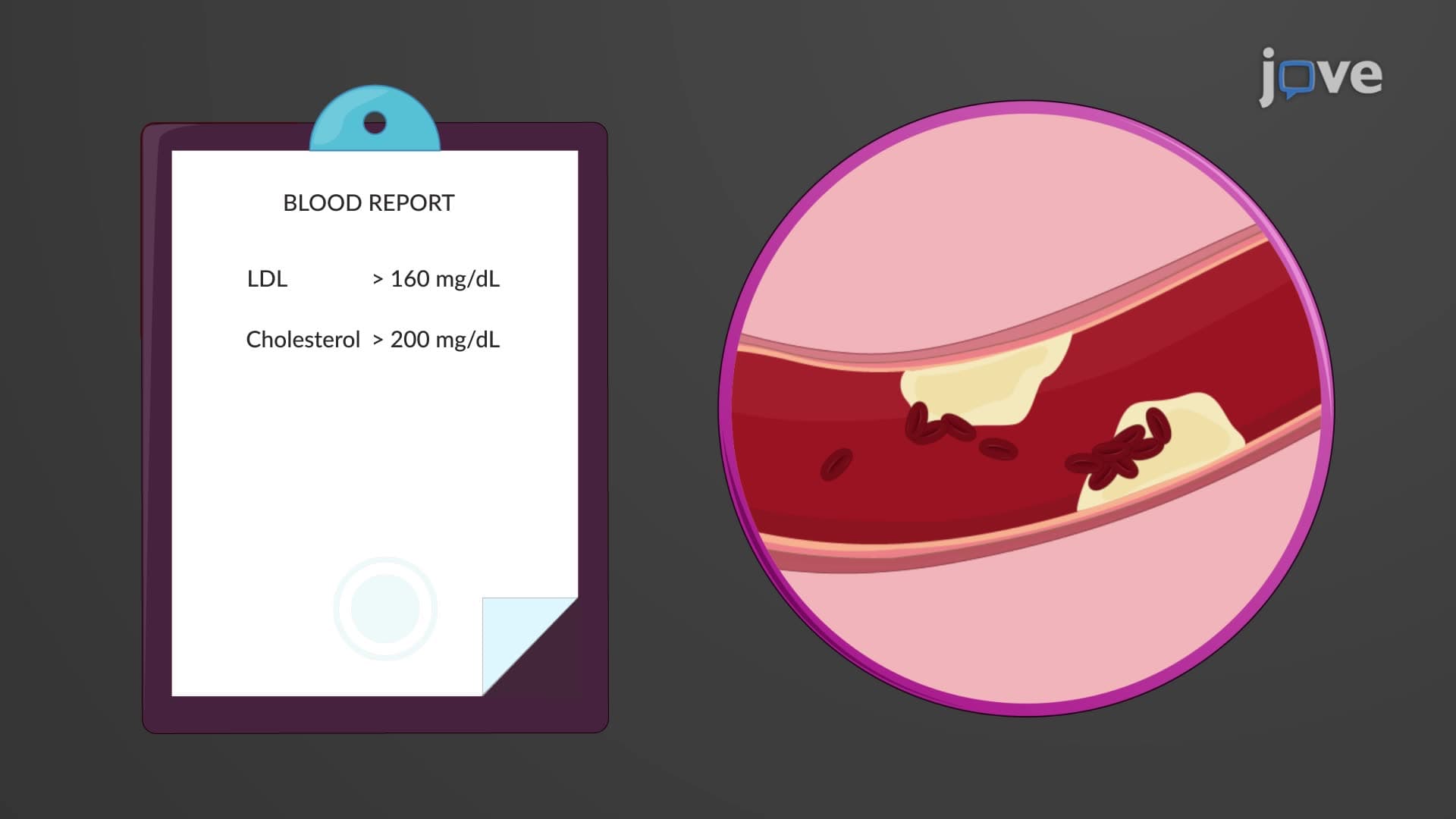
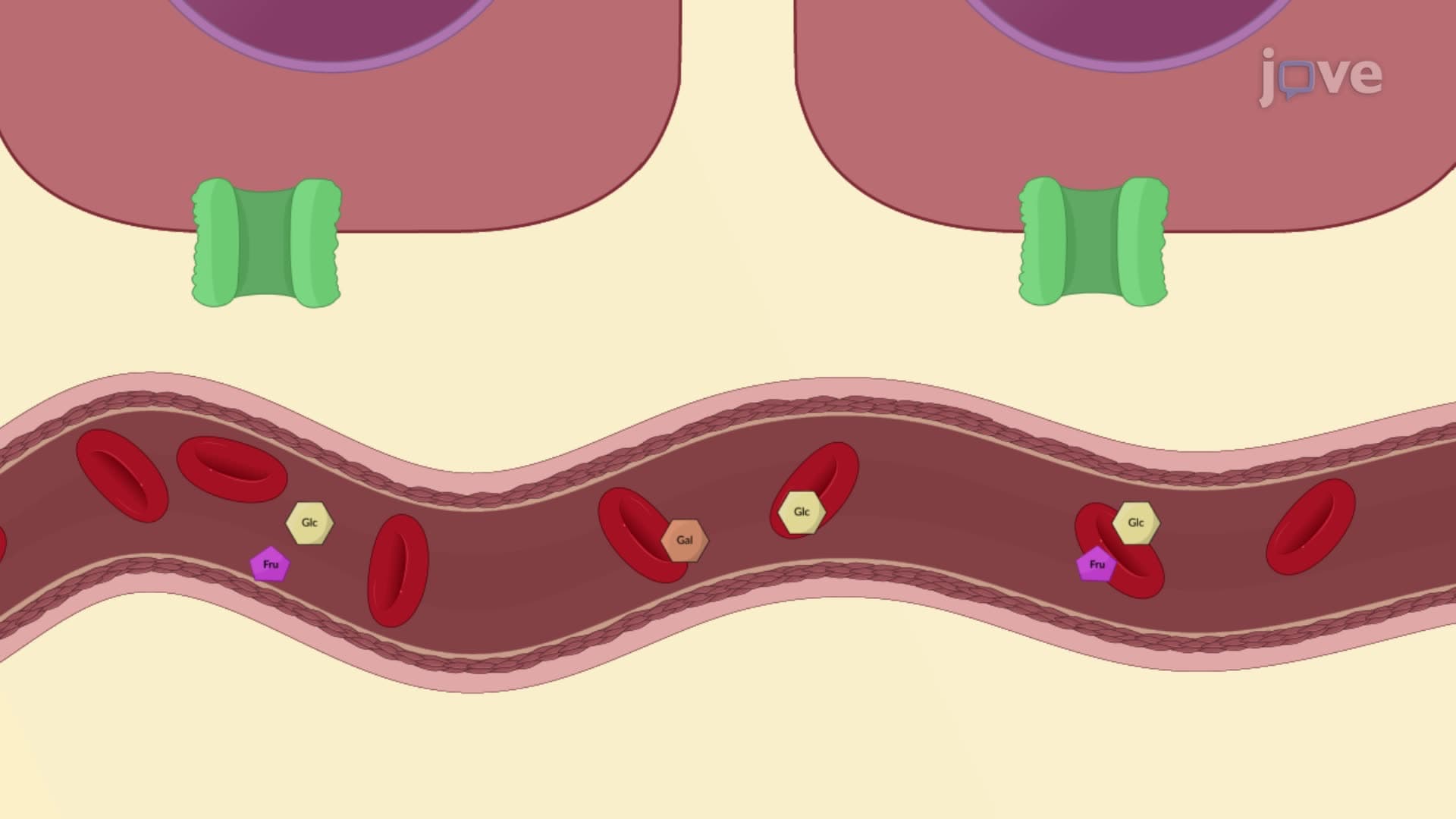
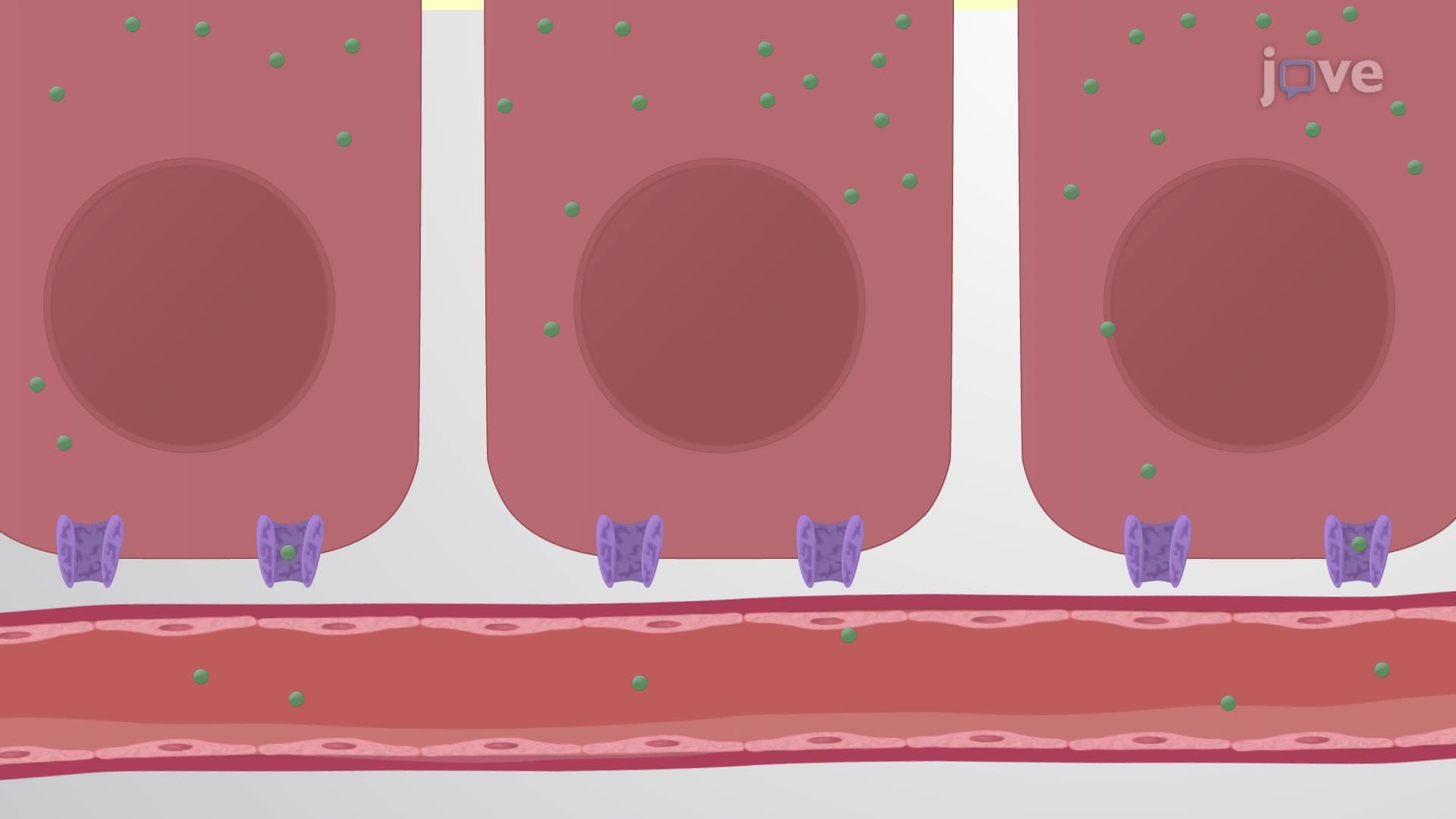
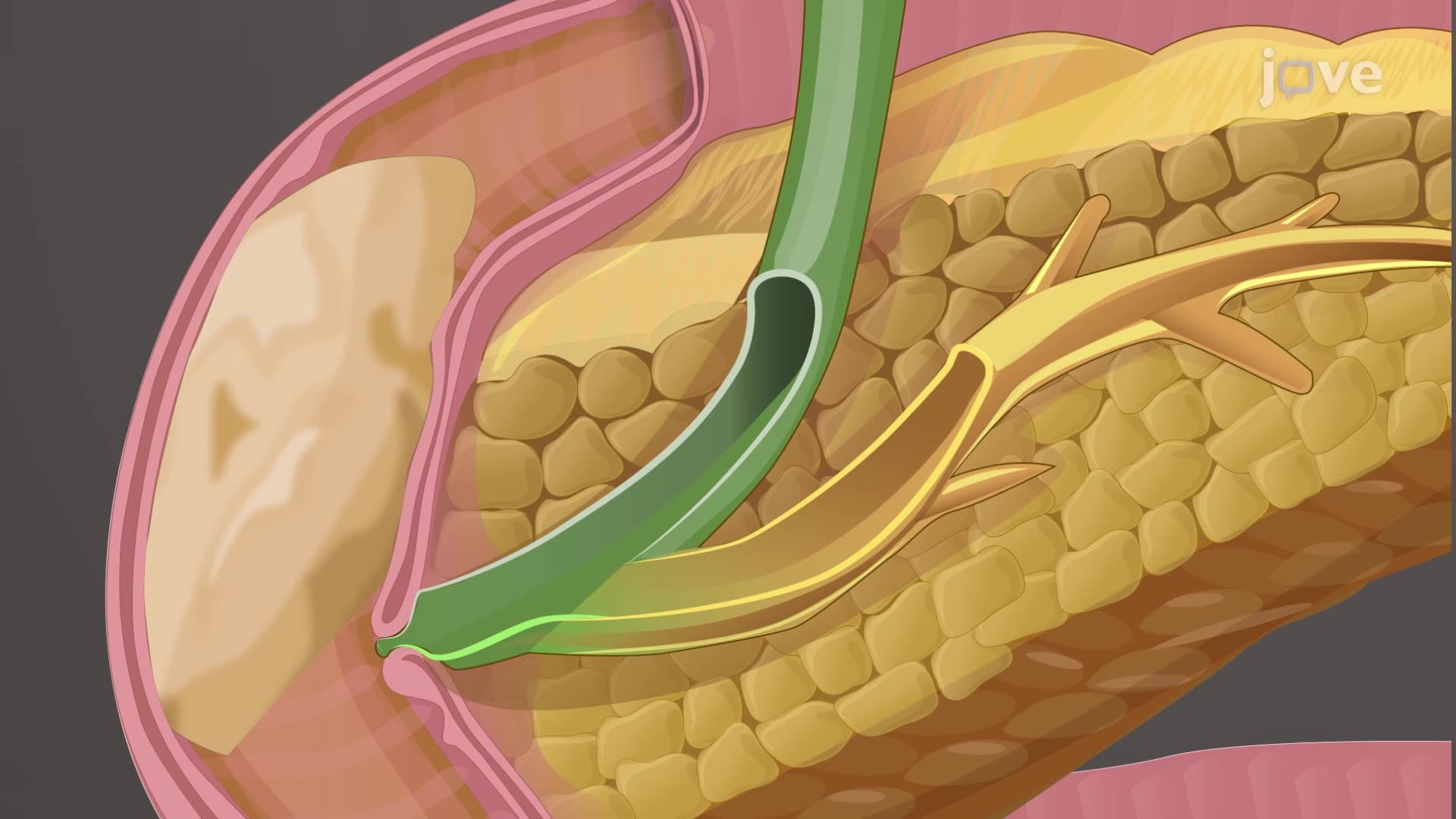
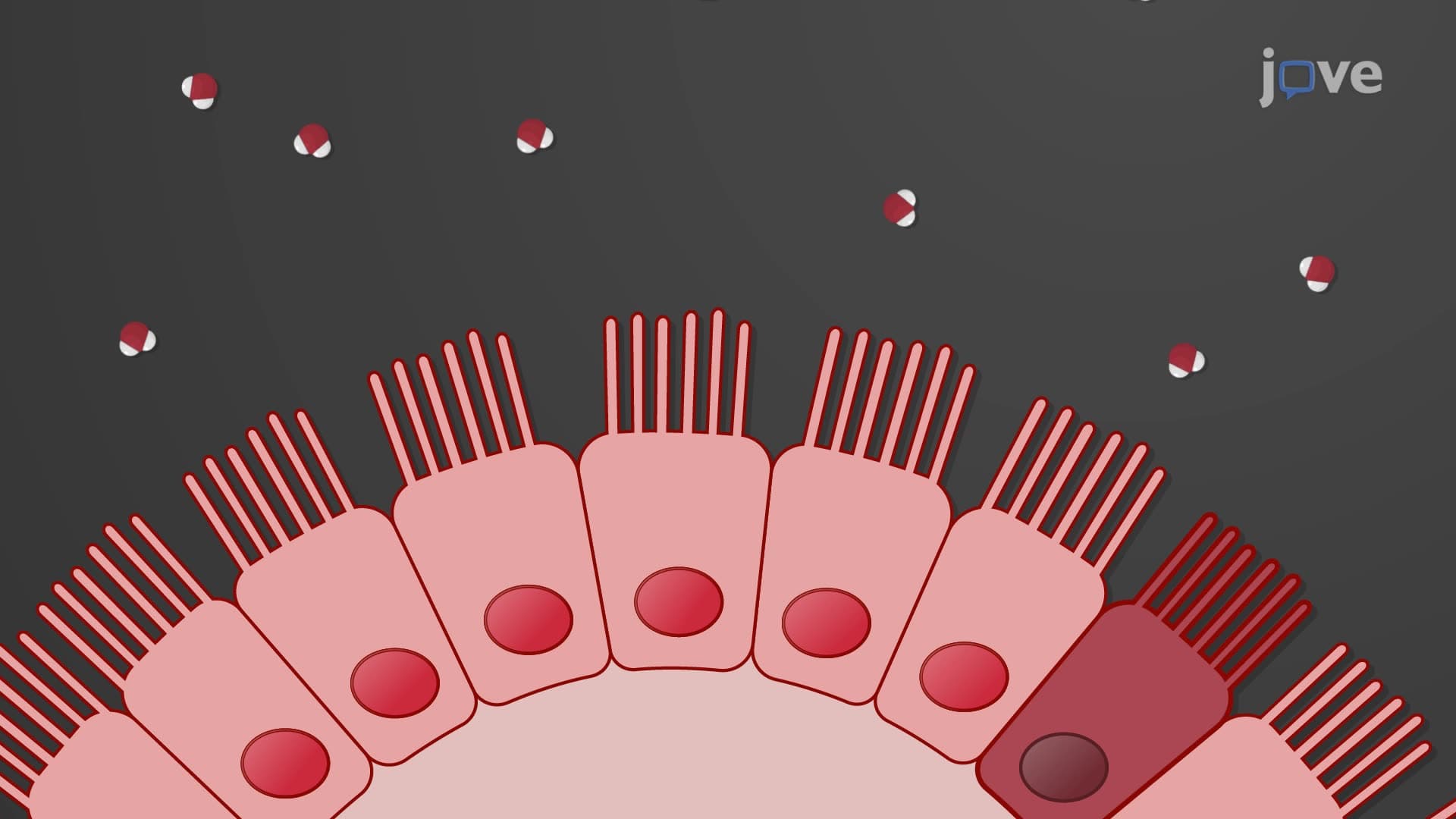


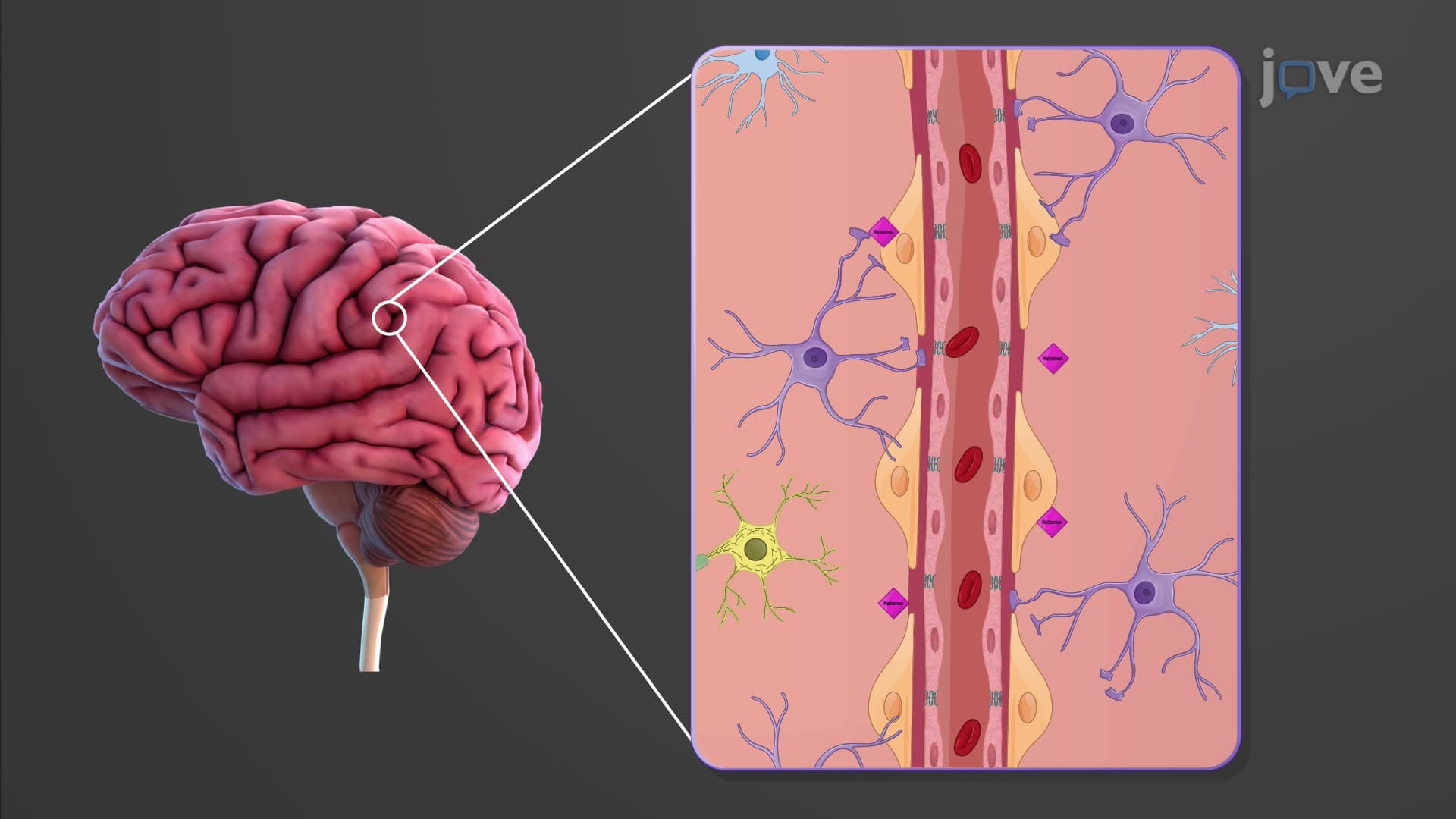



Minerals

00:00
01:26
Video Summary: What are Minerals
Did you know that your skeleton contains 99% of your body's calcium supply, making your bones living mineral banks? Understanding minerals nutrition biology is crucial since these essential elements enable every cellular process from nerve transmission to energy production. The average American consumes over 3,400mg of sodium daily through processed foods-nearly double the recommended amount-highlighting how dietary minerals explained through real-world examples matter for health. Watch the full video on JoVE Coach to master this concept with expert-led visuals and step-by-step explanations.
- Understand what are minerals and their fundamental role in human physiology and biochemical processes
- Identify the seven major minerals required in amounts greater than 200mg daily versus trace minerals needed in smaller quantities
- Analyze the specific functions of calcium and phosphorus as structural components of bones and teeth
- Compare the roles of sodium, potassium, and chloride as electrolytes maintaining fluid balance and nerve function
- Evaluate how mineral deficiencies can lead to serious health conditions like anemia, osteoporosis, and thyroid disorders
- Apply knowledge of dietary mineral sources to plan balanced nutrition from meat, dairy, vegetables, and grains
- Recognize the importance of trace elements like iron, zinc, and iodine as enzyme cofactors and hormone components
- Explore the relationship between mineral absorption, bioavailability, and interactions with other nutrients
Understanding What are Minerals in Human Nutrition
Minerals represent inorganic substances that cannot be synthesized by the human body, making dietary intake essential for optimal health. Unlike vitamins, minerals maintain their chemical structure regardless of cooking or processing, though their bioavailability can vary significantly based on food source and preparation methods.
The human body requires minerals nutrition biology principles to function at the cellular level. These elements serve as structural components, enzyme cofactors, and regulatory molecules that control everything from muscle contraction to DNA synthesis. For students preparing for AP Biology or college-level nutrition courses, understanding mineral classification provides the foundation for more advanced topics in metabolism and physiology.
Major Minerals: The Body's Primary Mineral Requirements
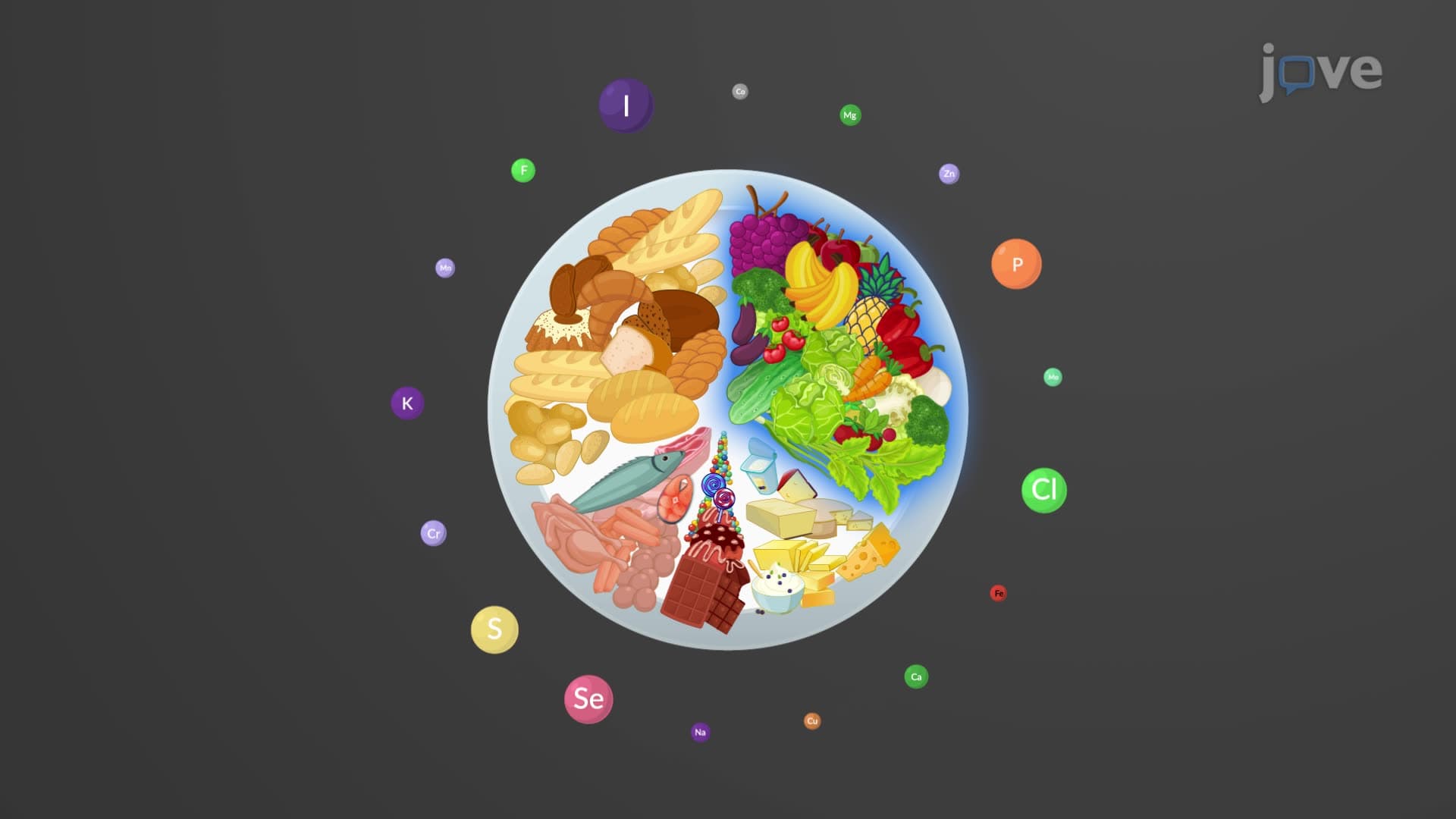
Seven minerals comprise the majority of our mineral needs: calcium, phosphorus, potassium, sulfur, sodium, chloride, and magnesium. These dietary minerals explained through their daily requirements exceed 200mg, distinguishing them from trace elements.
Calcium and phosphorus work synergistically, with approximately 85% of phosphorus and 99% of calcium stored in bones and teeth as hydroxyapatite crystals. A typical American teenager requires 1,300mg of calcium daily-equivalent to four cups of milk-to support peak bone mass development during these critical growth years.
Sodium and potassium function as the body's primary electrolytes, maintaining cellular membrane potentials essential for nerve transmission and muscle contraction. The average American consumes excessive sodium through processed foods while often lacking adequate potassium from fruits and vegetables, creating an imbalance linked to hypertension and cardiovascular disease.
Trace Elements: Small Amounts, Massive Impact
Despite comprising less than 0.01% of body weight, trace element mineral functions prove absolutely critical. Iron exemplifies this concept perfectly-the average adult male contains only 4 grams of iron, yet iron deficiency anemia affects millions of Americans, particularly women of reproductive age.
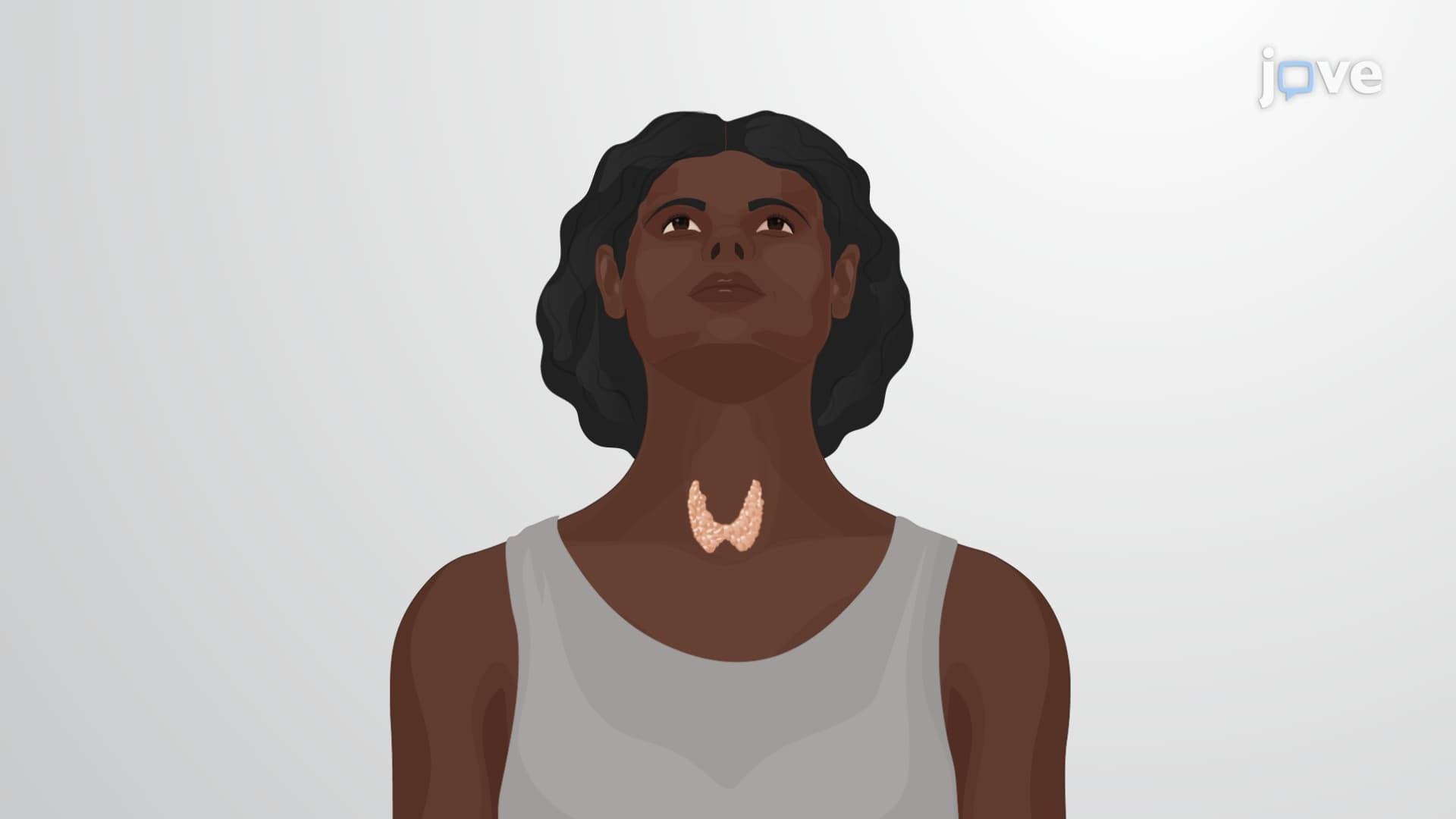
Iodine requirements illustrate how geographic factors influence mineral nutrition. Before mandatory iodine fortification of table salt in 1924, goiter affected millions of Americans living in the "goiter belt" regions of the Great Lakes and Northwestern states where soil iodine levels were naturally low.
Clinical Applications and Exam Relevance
For MCAT preparation, understanding mineral deficiency biology becomes crucial when analyzing clinical scenarios. Iron deficiency anemia questions frequently appear on medical school entrance exams, requiring students to recognize symptoms like fatigue, pale skin, and brittle nails while understanding the underlying pathophysiology of decreased oxygen-carrying capacity.
College nutrition courses emphasize mineral bioavailability-the concept that mineral absorption depends on factors like stomach acid, fiber content, and interactions with other nutrients. For instance, calcium absorption decreases in the presence of excessive fiber or caffeine, while vitamin C enhances iron absorption from plant sources.
Frequently Asked Questions
A mineral is an inorganic element that the human body cannot produce but requires for essential biological functions including bone formation, enzyme activity, and cellular processes. Unlike vitamins, minerals retain their chemical structure through digestion and cooking. The body needs 17 different minerals in varying amounts to maintain optimal health and prevent deficiency diseases.
Minerals are inorganic elements that remain chemically stable during food processing and digestion, while vitamins are organic compounds that can be destroyed by heat, light, or air. Minerals are categorized as either major minerals (needed in amounts greater than 200mg daily) or trace minerals (required in smaller quantities). Both are essential nutrients that must be obtained through diet since the body cannot synthesize them.
MCAT questions commonly focus on iron's role in hemoglobin, calcium in muscle contraction and bone metabolism, and sodium/potassium in nerve transmission. AP Biology exams emphasize mineral functions in enzyme cofactors, with particular attention to magnesium in chlorophyll and various trace elements in metabolic pathways. Understanding mineral deficiency diseases like anemia, osteoporosis, and goiter frequently appears in both exam formats.
Calcium deficiency during the college years can prevent achievement of peak bone mass, increasing lifelong osteoporosis risk since 90% of bone mass is established by age 30. College students often consume inadequate calcium due to decreased milk consumption and increased soft drink intake. Short-term effects include muscle cramps and fatigue, while long-term consequences include increased fracture risk and tooth decay.
Use the "200mg rule" as your memory anchor-major minerals require more than 200mg daily while trace minerals need less. Create the acronym "CPK SMS" for major minerals: Calcium, Phosphorus, potassium, Sulfur, Magnesium, Sodium (and chloride). For trace minerals, remember "Iron builds Zinc Copper houses" to recall Iron, Zinc, Copper, plus iodine, fluorine, selenium, chromium, manganese, cobalt, and molybdenum.
Basic chemistry helps but isn't essential for understanding mineral biology at the high school or introductory college level. Focus on recognizing mineral names, their primary functions, and food sources rather than complex chemical interactions. Most biology courses emphasize physiological roles over chemical structures, making this topic accessible to students with minimal chemistry background.
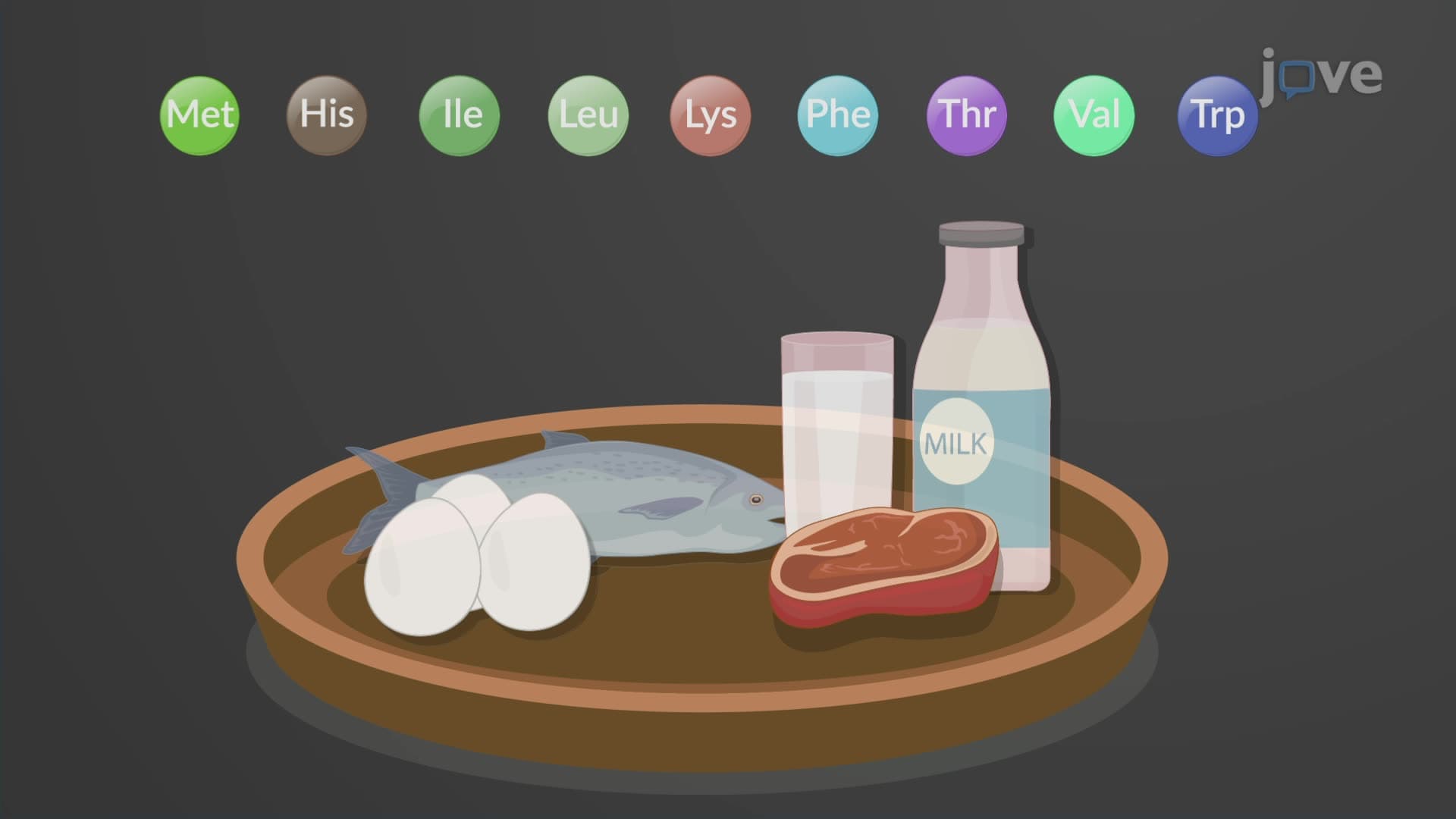
Dairy products supply calcium and phosphorus; lean meats and fortified cereals provide iron and zinc; fruits and vegetables offer potassium; and iodized salt delivers iodine. A typical American diet including milk, lean protein, whole grains, and colorful produce usually meets mineral requirements. However, teenage girls often need iron supplementation due to menstrual losses, and those avoiding dairy may need calcium alternatives.
Progress to studying mineral absorption mechanisms, including how factors like stomach acid, fiber, and nutrient interactions affect bioavailability. Explore mineral homeostasis through hormonal regulation (parathyroid hormone, calcitonin) and examine clinical applications in sports nutrition, pregnancy requirements, and age-related changes. Advanced students benefit from understanding mineral analysis techniques and public health interventions like food fortification programs.
Related Micro-courses

25 Concepts

20 Concepts

37 Concepts