Loading subject page…

- Anatomy and Physiology
- Absorption of Nutrients
- Body Temperature
Micro-course: Absorption of Nutrients
34,747 views
Learn key concepts and earn your certificate.










Body Temperature

00:00
01:07
Video Summary: What Is Body Temperature
Ever wonder why marathon runners in Phoenix collapse when their body temperature hits just 104°F? Body temperature regulation biology involves a complex system where your hypothalamus acts like a biological thermostat, maintaining your core at precisely 98.6°F while your skin temperature fluctuates with the environment. When UCLA medical students study what is body temperature in physiology courses, they learn how organs like your liver and brain generate heat while your circulatory system distributes it strategically throughout your body. Watch the full video on JoVE Coach to master this concept with expert-led visuals and step-by-step explanations.
- Understand what is body temperature and how the human body maintains thermal equilibrium through sophisticated regulatory mechanisms
- Identify the key metabolically active organs (liver, heart, brain, endocrine glands) that serve as primary heat production centers
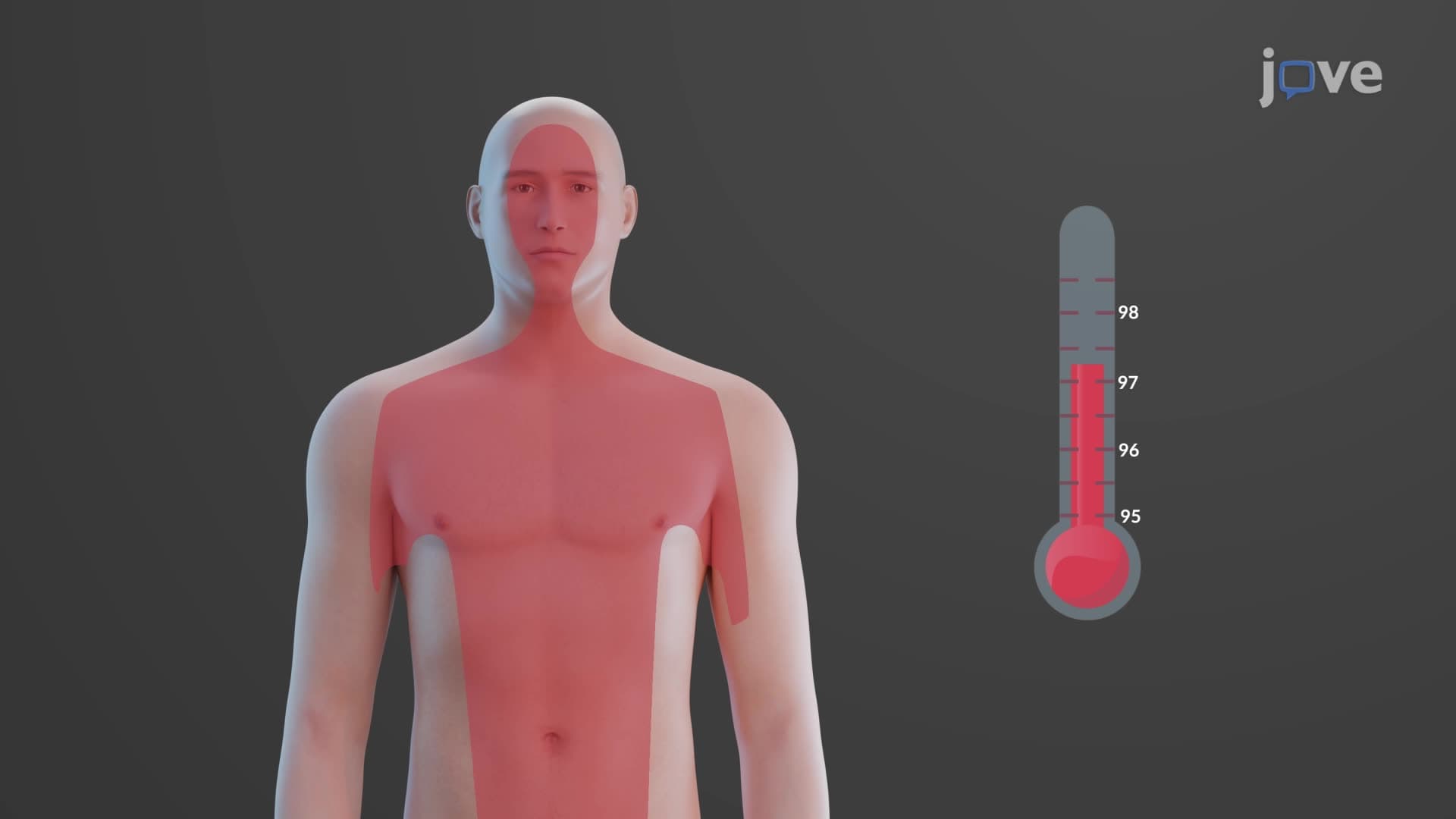
- Analyze the temperature differential between core body regions and peripheral shell areas, explaining why core stability is critical for survival
- Compare heat conservation versus heat dissipation mechanisms, including blood flow regulation to skin capillaries
- Evaluate the role of the hypothalamic preoptic area as the body's central temperature control center
- Apply knowledge of temperature regulation to understand clinical conditions like hyperthermia and hypothermia
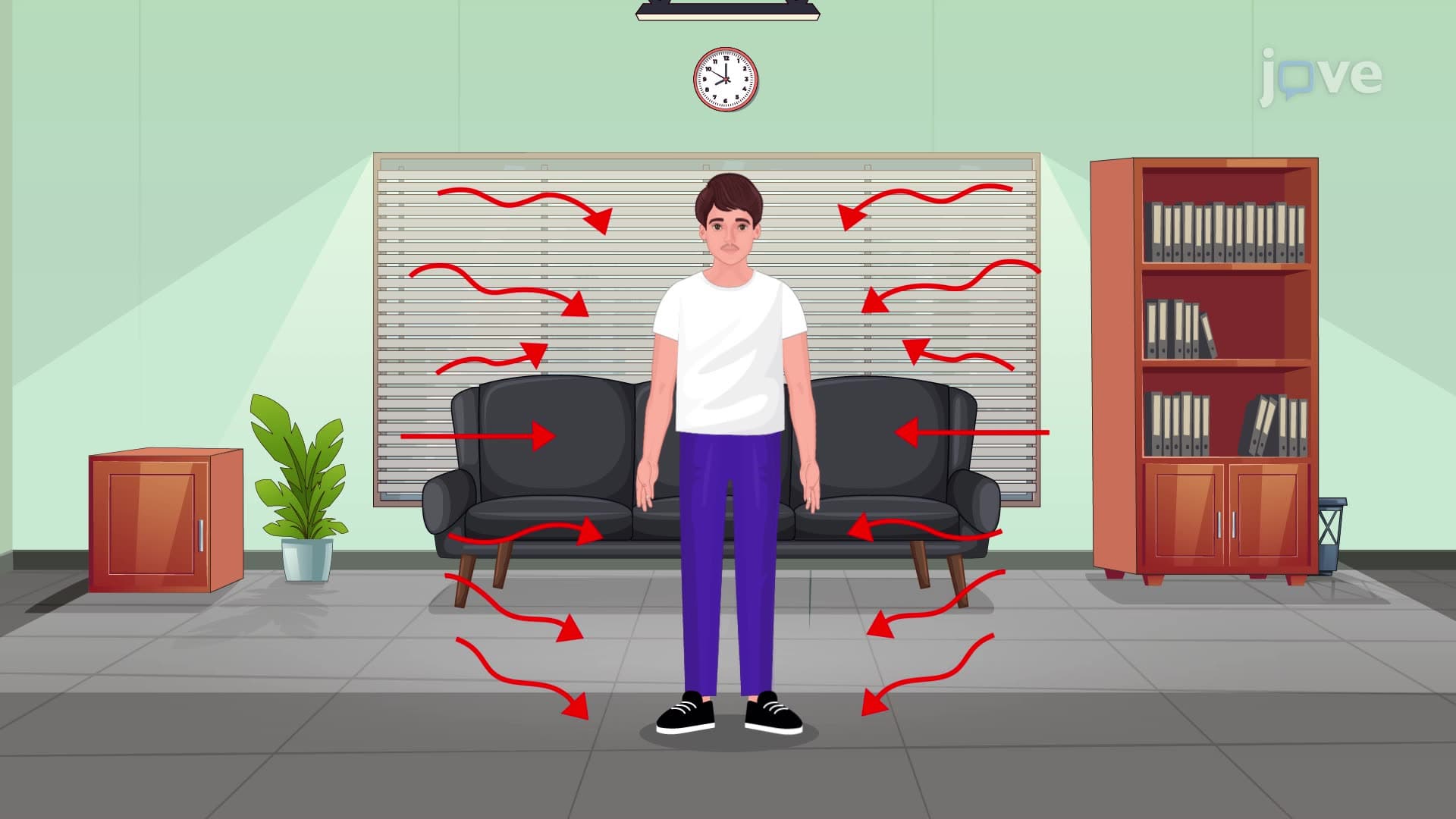
- Recognize how environmental factors influence peripheral body temperature while core temperature remains constant
- Explore the physiological consequences of core temperature fluctuations on protein structure and neuronal function
Understanding What is Body Temperature: The Foundation of Thermal Physiology
What is body temperature represents one of the most tightly regulated physiological parameters in human biology. Unlike simple thermometer readings, body temperature involves a sophisticated two-compartment system: the metabolically active core maintaining 98.6°F (37°C) and the variable shell that adapts to environmental conditions. This body temperature regulation biology system ensures cellular processes function optimally while protecting vital organs from thermal damage.
Core vs. Shell Temperature Dynamics
The core body temperature 37°C encompasses deep organs including the brain, heart, liver, and major blood vessels. These regions generate substantial heat through metabolic processes, with the liver alone contributing approximately 20% of total heat production at rest. The shell temperature, measured at skin and peripheral tissues, fluctuates between 89-95°F depending on environmental conditions. When Stanford University medical students study this concept for USMLE Step 1 preparation, they learn that this temperature gradient protects vital organs while allowing thermal adaptation.
Neural Control Mechanisms in Temperature Regulation
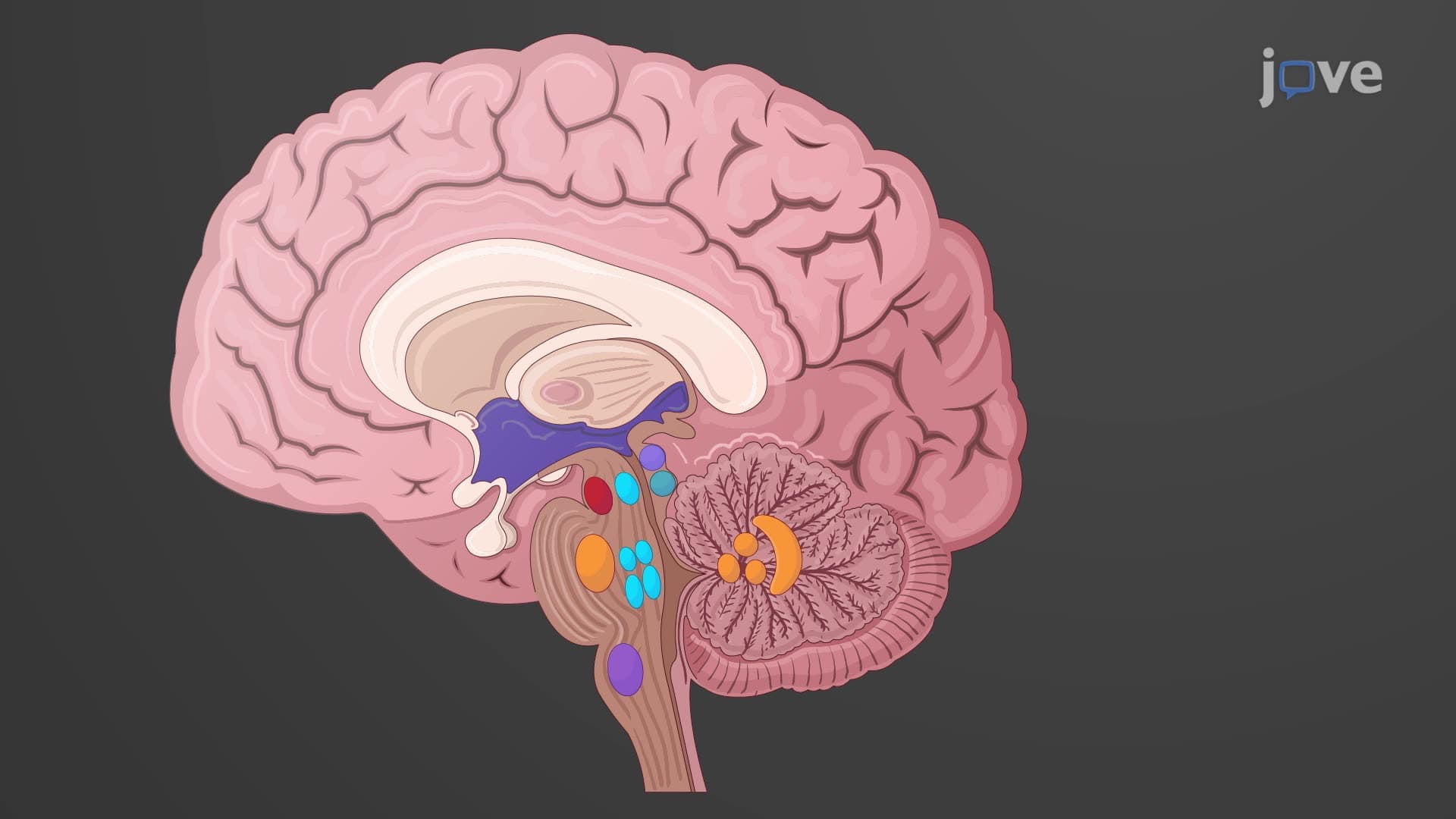
The preoptic area of the hypothalamus functions as the body's biological thermostat, integrating temperature information from thermoreceptors throughout the body. This region compares actual body temperature against the set point (98.6°F) and initiates appropriate responses. When normal body temperature explained in AP Biology courses, students discover how this neural control involves both autonomic responses (like shivering and sweating) and behavioral adaptations (seeking warmth or coolness).
Clinical Implications and Pathophysiology
Understanding body temperature normal range (97.8-99.1°F orally) helps healthcare professionals distinguish normal variations from pathological states. Fever hyperthermia temperature above 100.4°F indicates immune system activation, while hypothermia cold temperature below 95°F can cause cardiac arrhythmias and altered mental status. Johns Hopkins nursing students preparing for NCLEX exams study how medications like acetaminophen work by resetting the hypothalamic set point, demonstrating practical applications of thermal regulation biology in patient care.
Frequently Asked Questions
Body temperature is the measure of heat in human body tissues, normally maintained at 98.6°F (37°C) in the core. This precise temperature ensures optimal enzyme function, protein stability, and cellular metabolism. Even small deviations can disrupt vital physiological processes, making temperature regulation essential for survival.
MCAT Biology sections frequently test thermoregulation through passage-based questions involving heat production, hypothalamic control, and feedback mechanisms. Students encounter scenarios about athletes in extreme heat, fever responses, or metabolic heat generation. Understanding core vs. shell temperature concepts helps answer homeostasis and endocrine system questions.
AP Biology tests cover thermoregulation as part of homeostasis units, focusing on negative feedback loops, hypothalamic control, and behavioral vs. physiological responses. Free response questions often ask students to explain how mammals maintain constant body temperature despite environmental changes, requiring knowledge of heat production and conservation mechanisms.
Nurses and doctors rely on temperature patterns to diagnose infections, monitor surgical patients, and assess treatment effectiveness. For example, ICU nurses at Mayo Clinic track core temperatures in trauma patients to prevent hypothermia during surgery, while emergency physicians use fever patterns to distinguish bacterial from viral infections.
No advanced chemistry background is required. Basic understanding of enzyme function and protein structure helps, but the concept focuses more on physiology and anatomy. High school biology students successfully master this topic by focusing on the hypothalamus, blood flow mechanisms, and heat production by organs.
Create connections between concepts rather than memorizing isolated facts. Link 98.6°F to hypothalamic control, connect fever to immune responses, and associate hypothermia with cardiac risks. Use clinical scenarios like "What happens when a hiker's core temperature drops?" to make information memorable and applicable.
After mastering basic thermoregulation, explore endocrine control (thyroid hormones), behavioral thermoregulation in different species, and clinical temperature disorders. Advanced students can investigate heat shock proteins, brown adipose tissue thermogenesis, and pharmacological effects on temperature regulation for deeper understanding.
Related Micro-courses

25 Concepts

20 Concepts

37 Concepts