Loading subject page…

- Anatomy and Physiology
- Absorption of Nutrients
- Carbohydrate Absorption
Micro-course: Absorption of Nutrients
34,747 views
Learn key concepts and earn your certificate.



Carbohydrate Absorption

00:00
01:25
Video Summary: What Is Carbohydrate Absorption
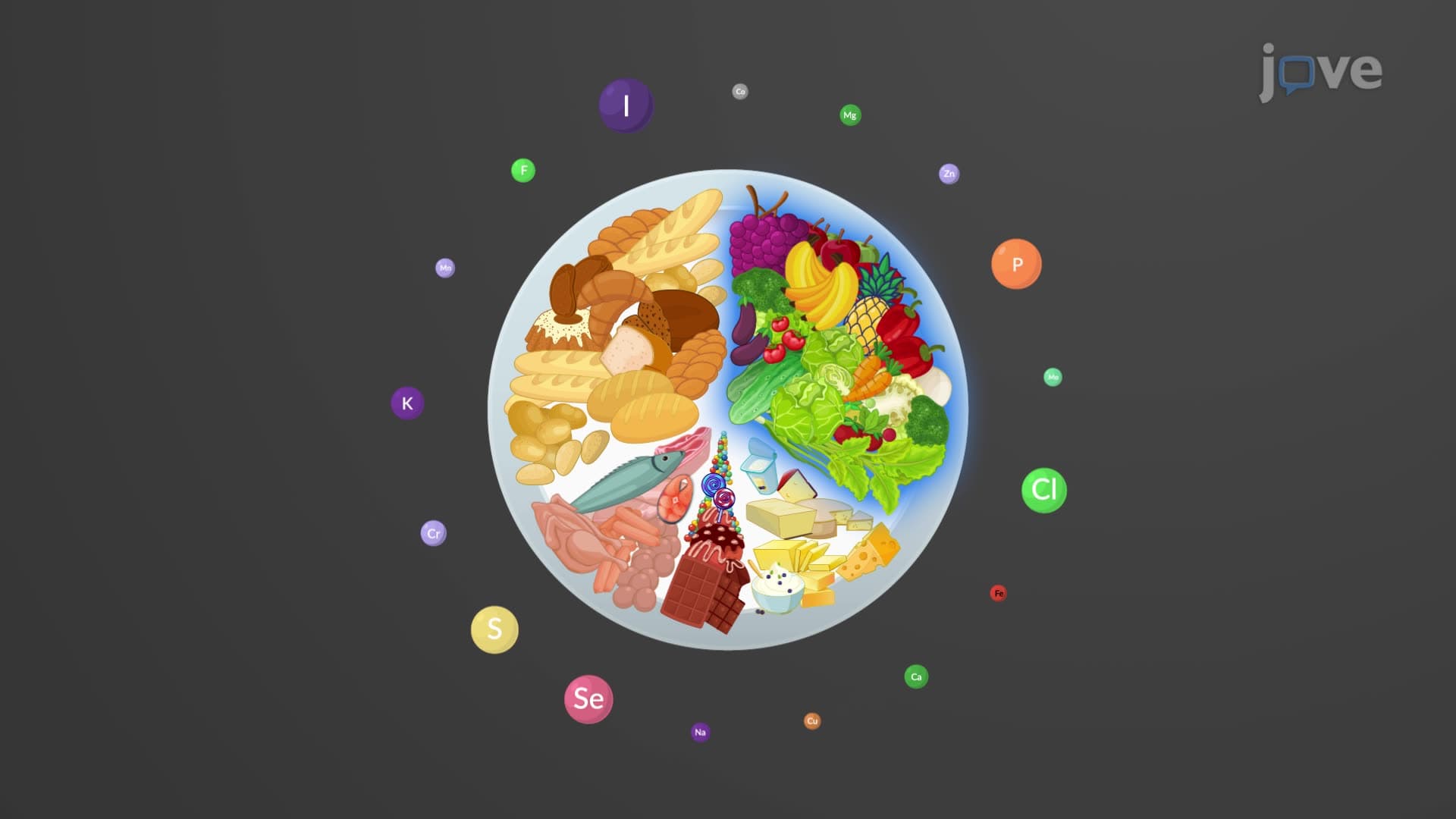
Every time you eat a slice of pizza, your body performs an intricate molecular dance to extract energy from complex carbohydrates. Carbohydrate absorption biology involves a sophisticated multi-step process where dietary starches are systematically broken down and transported across intestinal walls. When American students consume a typical high-carb breakfast like cereal or toast, specialized transporters in their small intestine work to capture glucose molecules and deliver them to the bloodstream. Understanding what is carbohydrate absorption reveals how our digestive system maximizes nutrient uptake efficiency. Watch the full video on JoVE Coach to master this concept with expert-led visuals and step-by-step explanations.
- Understand what is carbohydrate absorption and identify the key anatomical locations where this process occurs in the human digestive system
- Analyze the sequential enzymatic breakdown of complex carbohydrates from dietary starch to absorbable monosaccharides through salivary and pancreatic amylase action
- Compare the different transport mechanisms used by glucose, galactose, and fructose to enter enterocytes, including secondary active transport and facilitated diffusion
- Identify the role of brush border enzymes in converting oligosaccharides to monosaccharides and recognize their importance in the final digestion steps
- Evaluate the significance of SGLT1 transporters in glucose and galactose absorption and understand the sodium-dependent mechanism
- Apply knowledge of monosaccharide transport across basolateral membranes and trace the pathway to hepatic portal circulation
- Recognize clinical implications of carbohydrate malabsorption disorders and their impact on nutritional health
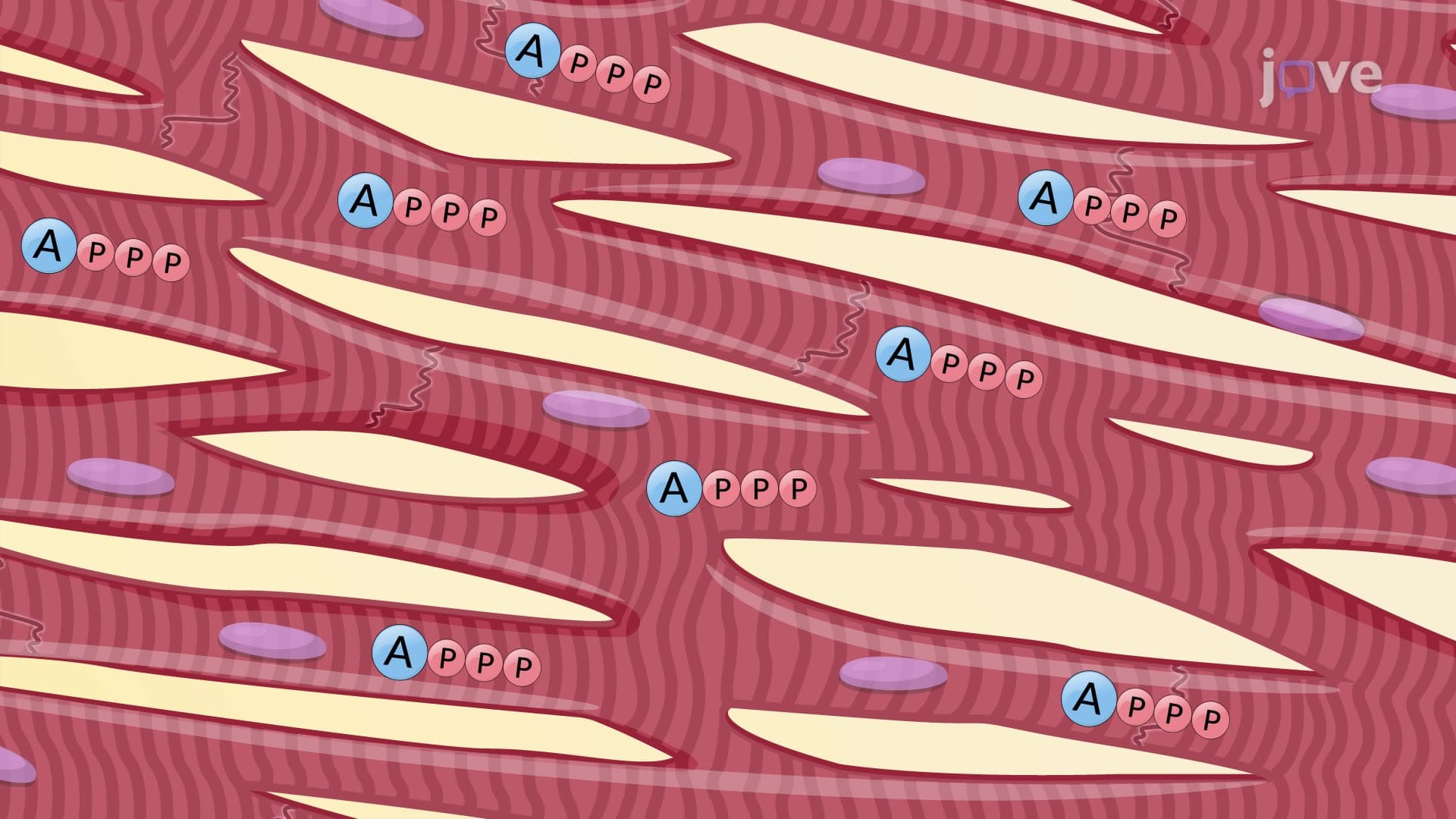
- Explore the integration of carbohydrate absorption with overall metabolic processes and energy homeostasis
Understanding Carbohydrate Absorption: From Complex to Simple
Carbohydrate absorption biology represents one of the most sophisticated nutrient uptake systems in human physiology. This process transforms complex dietary carbohydrates into simple sugars that can fuel cellular metabolism. For students preparing for the MCAT or AP Biology exams, mastering this concept is crucial for understanding broader metabolic pathways and digestive physiology.
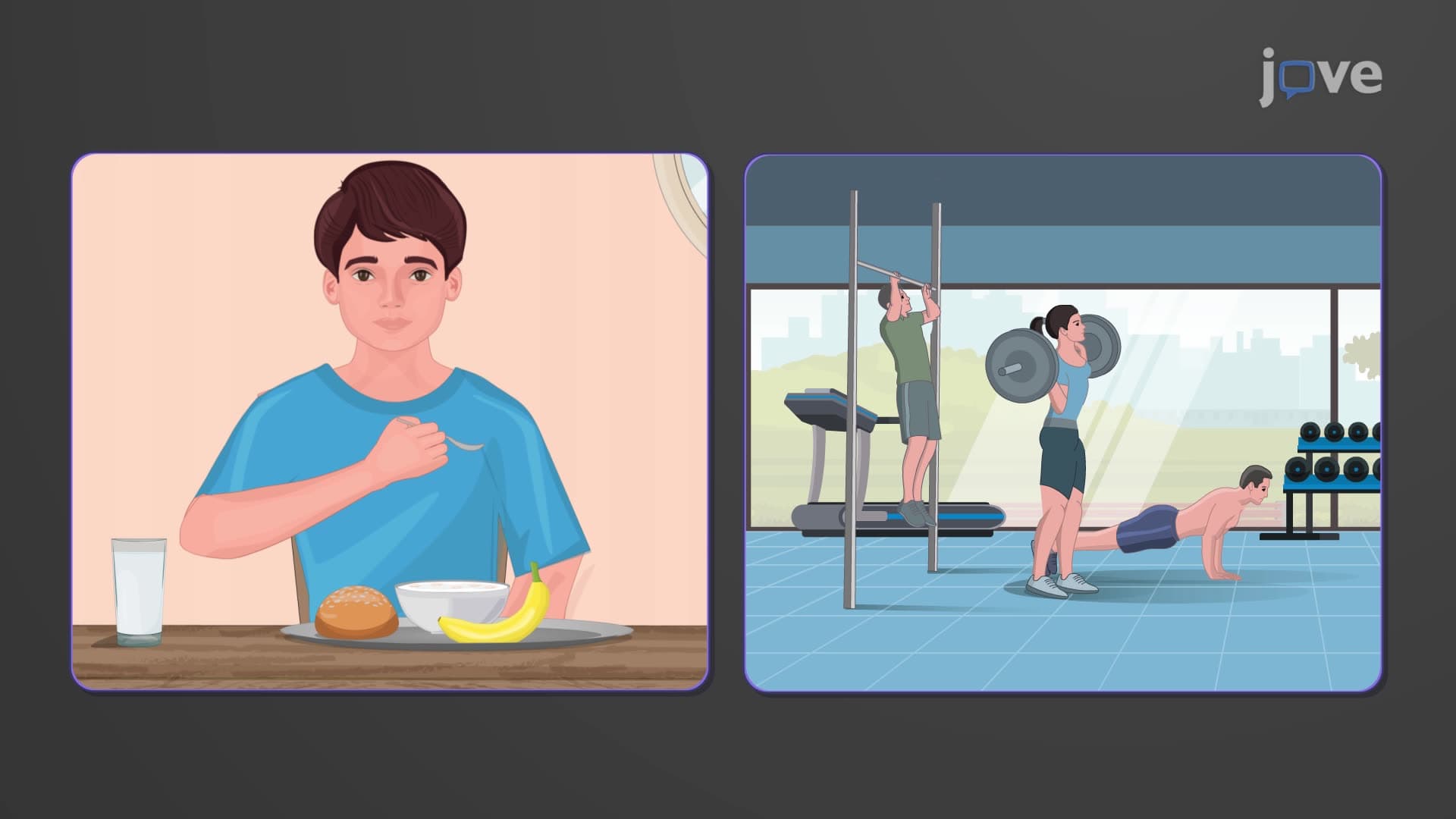
The journey begins when you consume carbohydrate-rich foods like pasta, bread, or rice. These foods contain primarily starch, a complex polysaccharide that requires systematic breakdown. American dietary guidelines recommend that 45-65% of daily calories come from carbohydrates, making this absorption process vital for meeting energy needs.
Enzymatic Breakdown and Brush Border Function
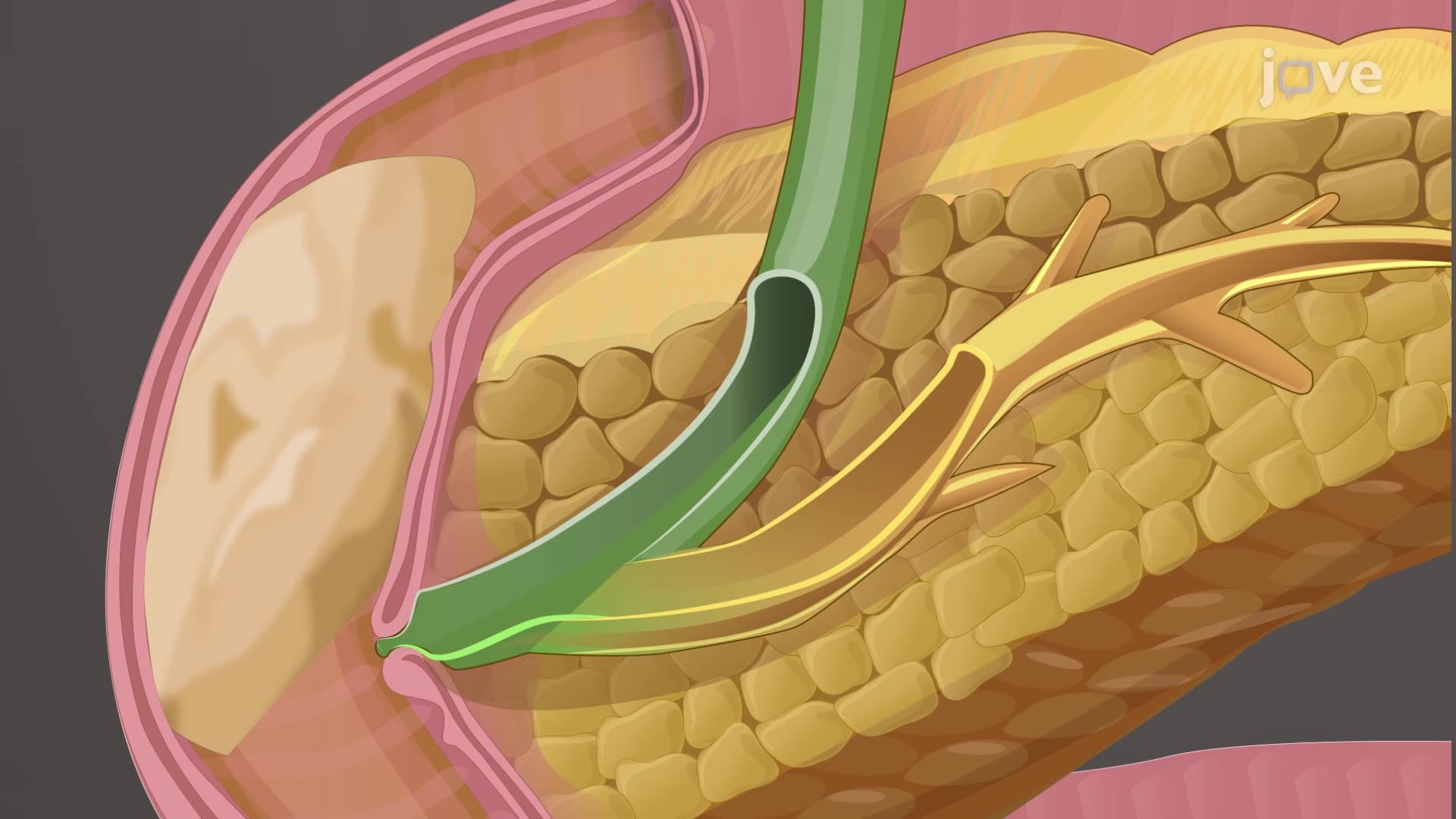
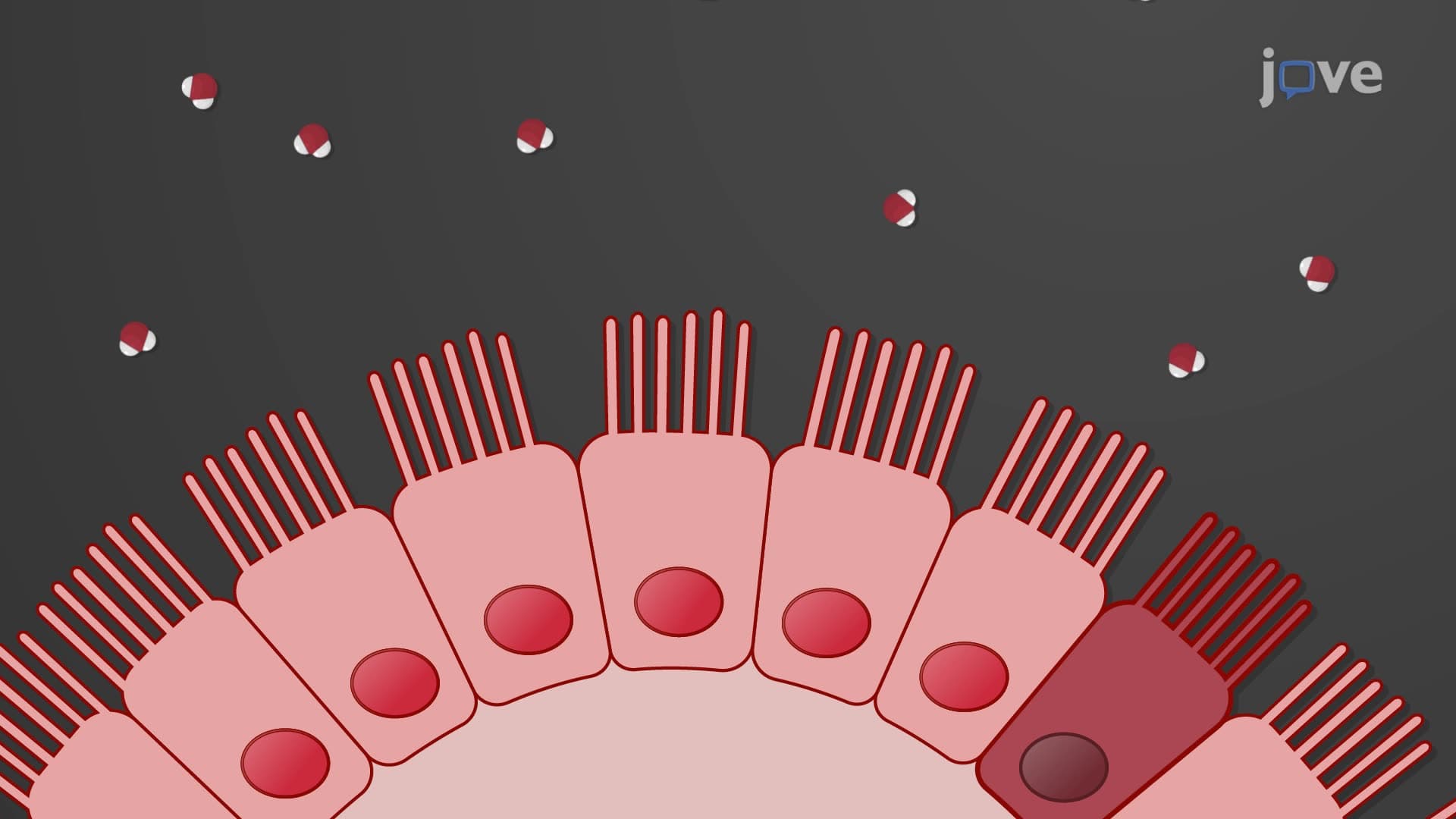
The initial digestion phase involves salivary amylase, which begins starch hydrolysis during chewing. However, the real action occurs in the small intestine, where pancreatic amylase completes the breakdown to oligosaccharides. The intestinal brush border then becomes the star player, housing specialized enzymes like maltase, sucrase, and lactase that convert these smaller chains into absorbable monosaccharides.
Students studying for college biochemistry courses should note that brush border enzyme deficiencies can lead to carbohydrate malabsorption disorders. Lactose intolerance, affecting approximately 65% of the global adult population and about 36% of Americans, results from reduced lactase activity and demonstrates the clinical significance of this process.
Transport Mechanisms and SGLT1 Function
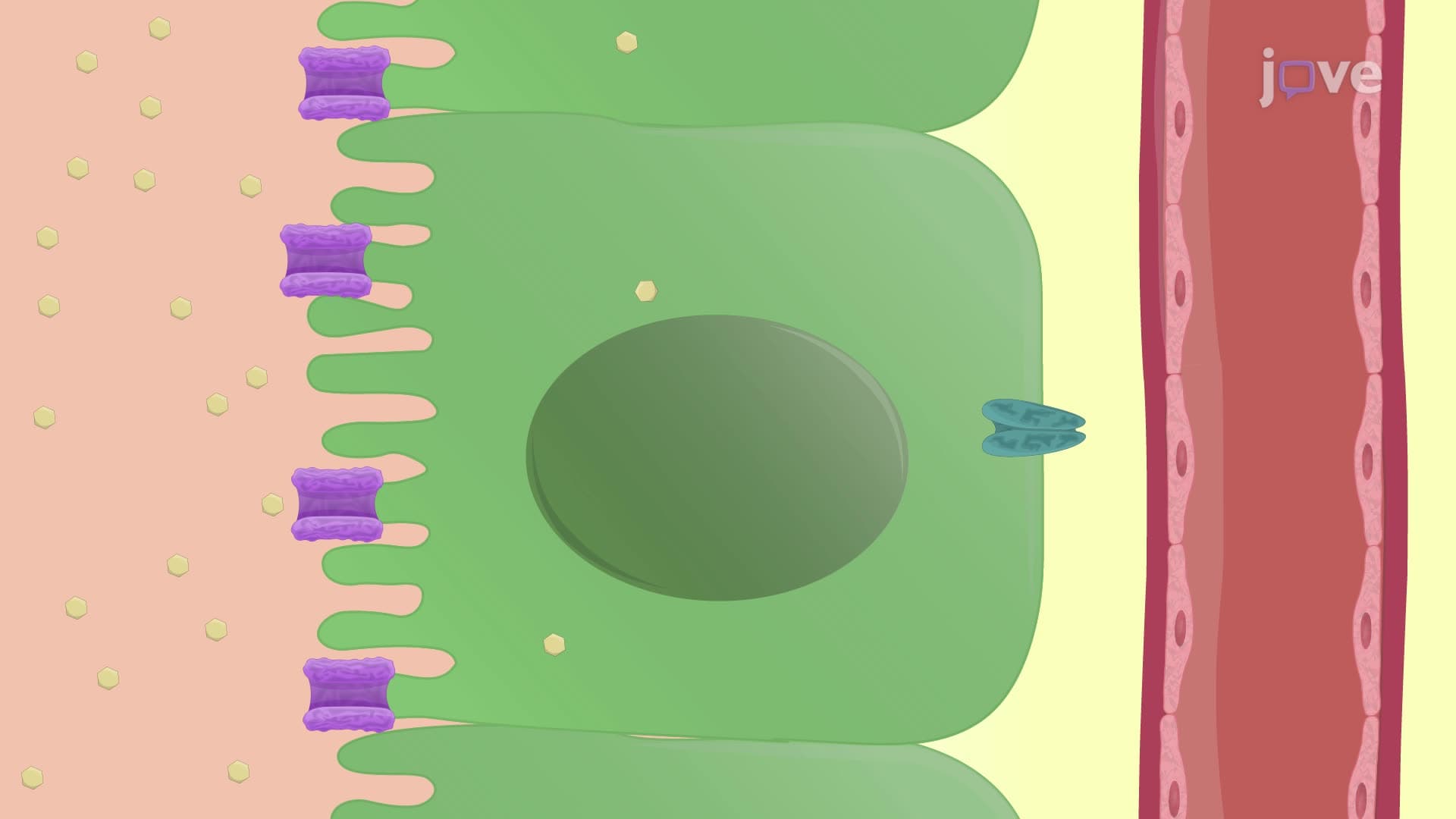
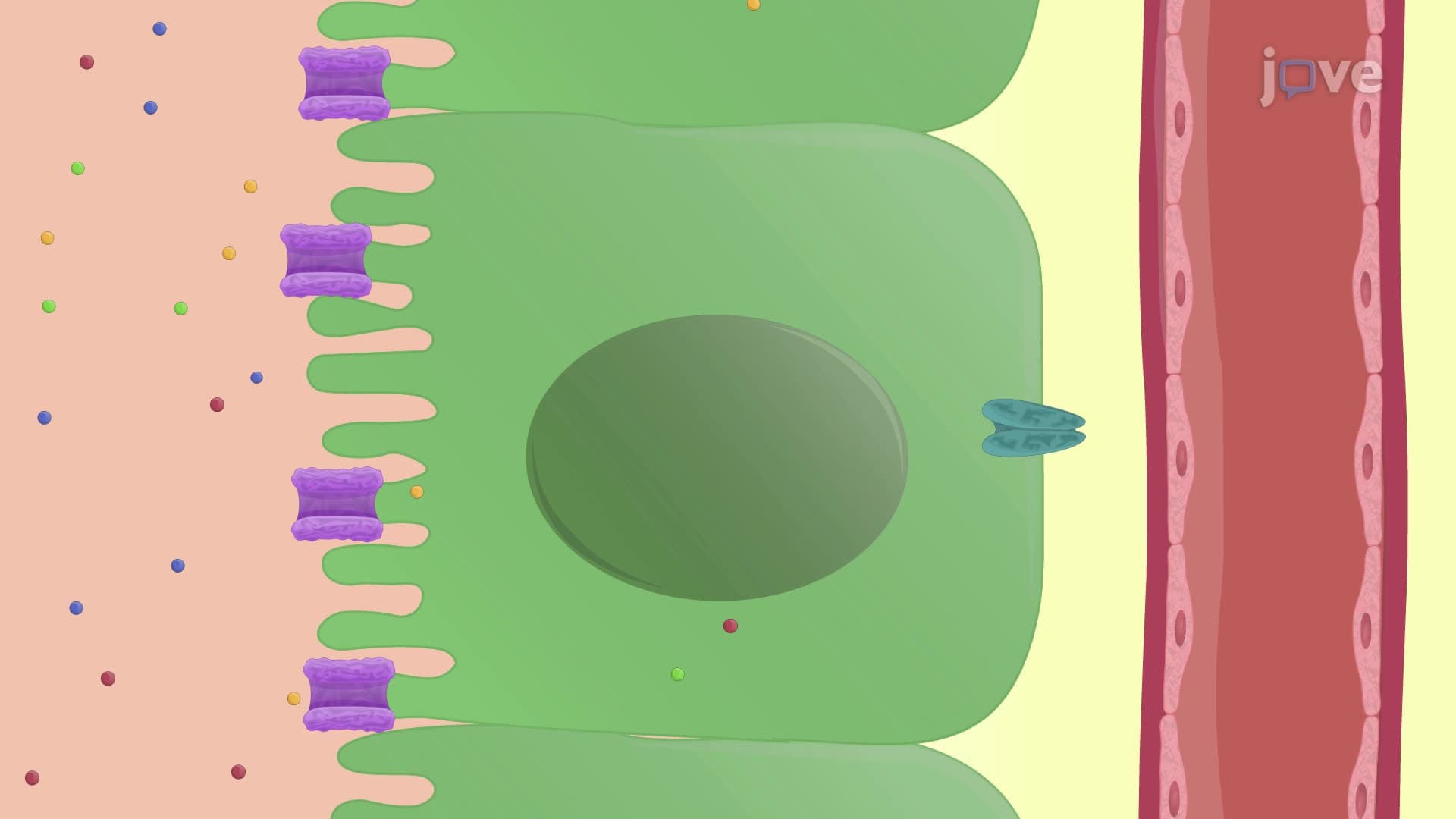
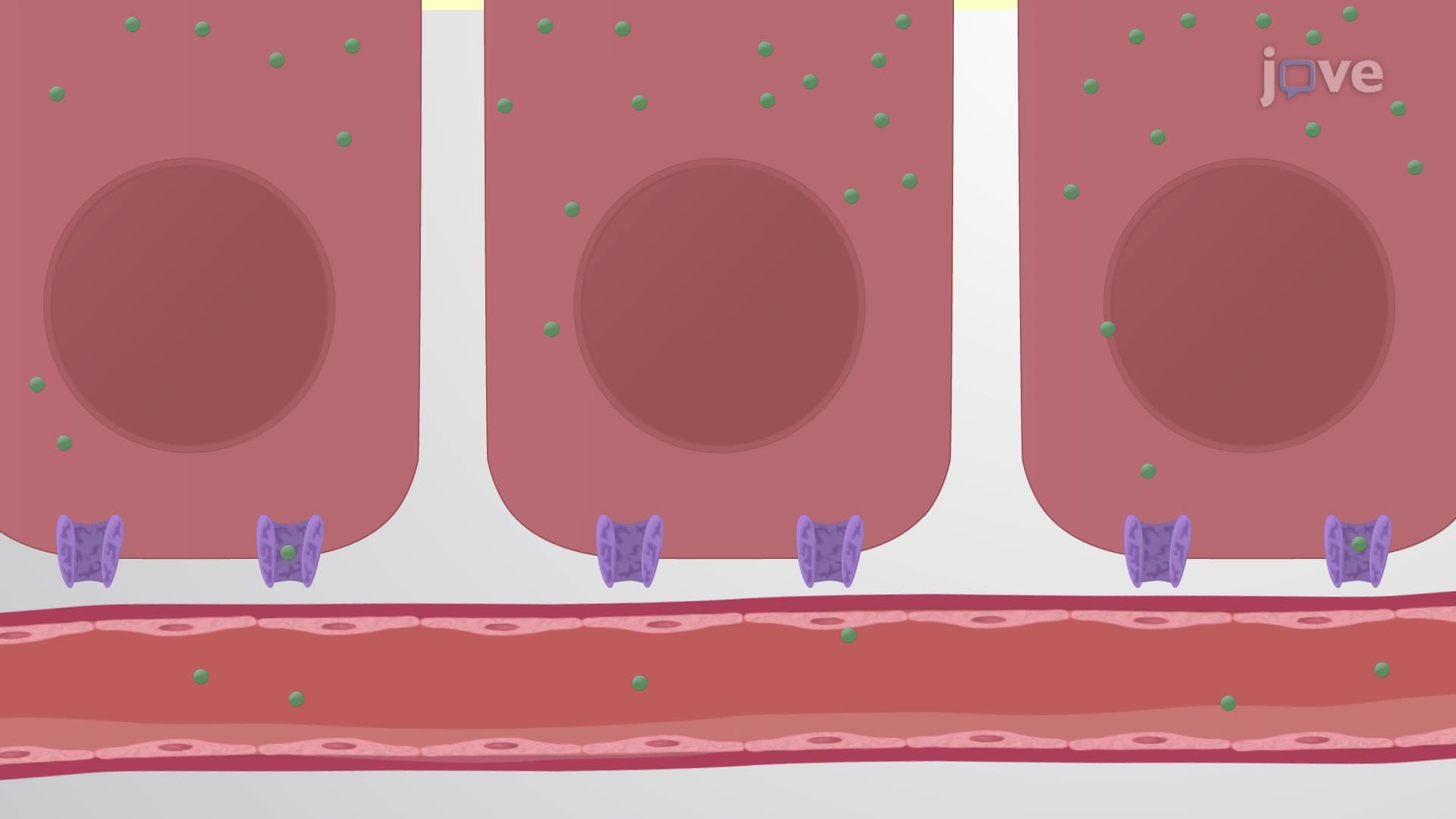
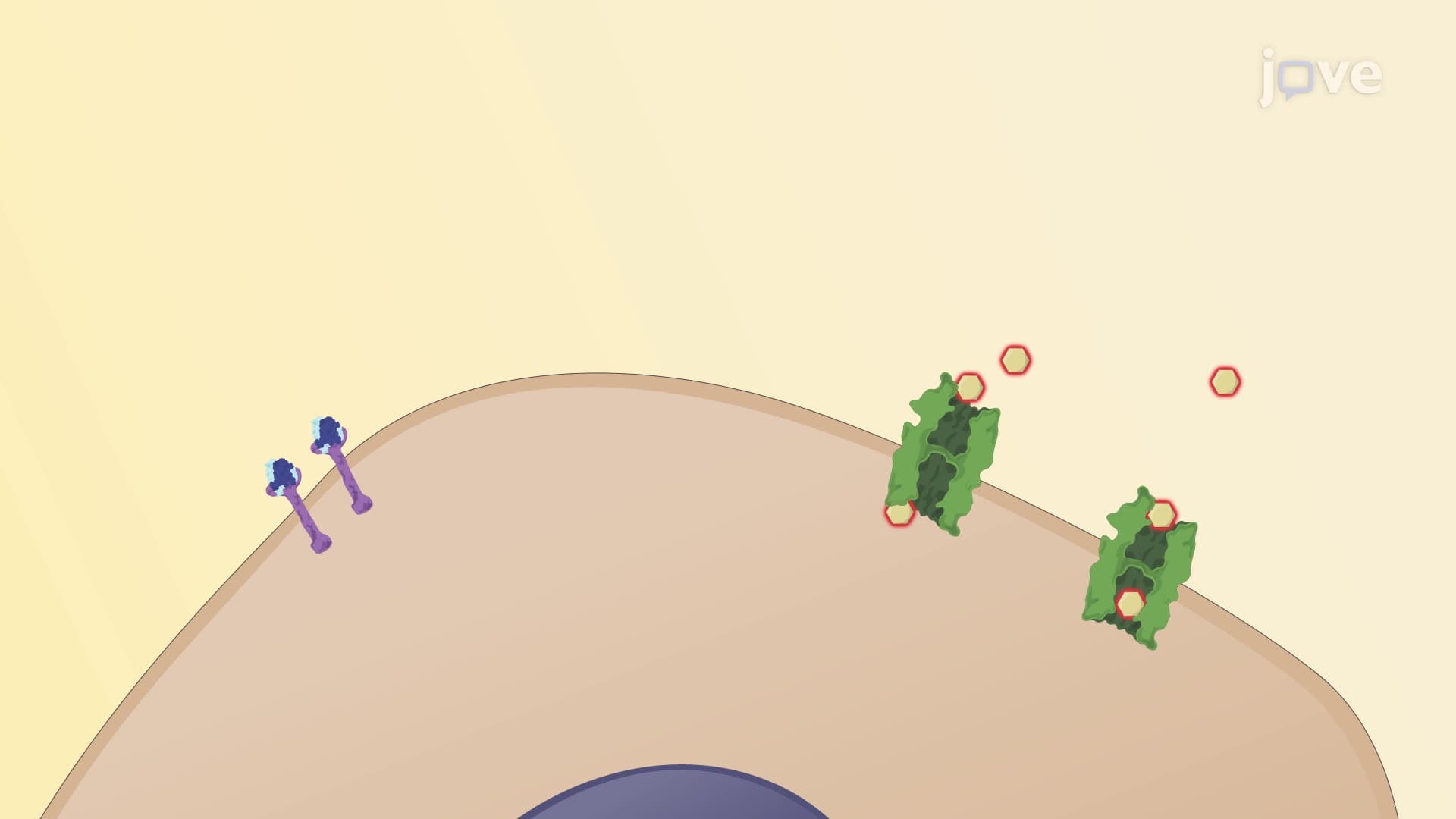
The absorption phase showcases glucose absorption intestine explained through sophisticated transport proteins. The sodium-glucose linked transporter 1 (SGLT1) employs secondary active transport, coupling glucose uptake with sodium movement down its concentration gradient. This mechanism ensures efficient glucose capture even at low intestinal concentrations.
Fructose absorption differs significantly, utilizing the GLUT5 transporter for facilitated diffusion. This distinction appears frequently on standardized exams and explains why fructose absorption can become saturated at high intake levels, potentially causing digestive discomfort when consuming large amounts of fruit or high-fructose corn syrup.
Clinical Applications and Portal Circulation
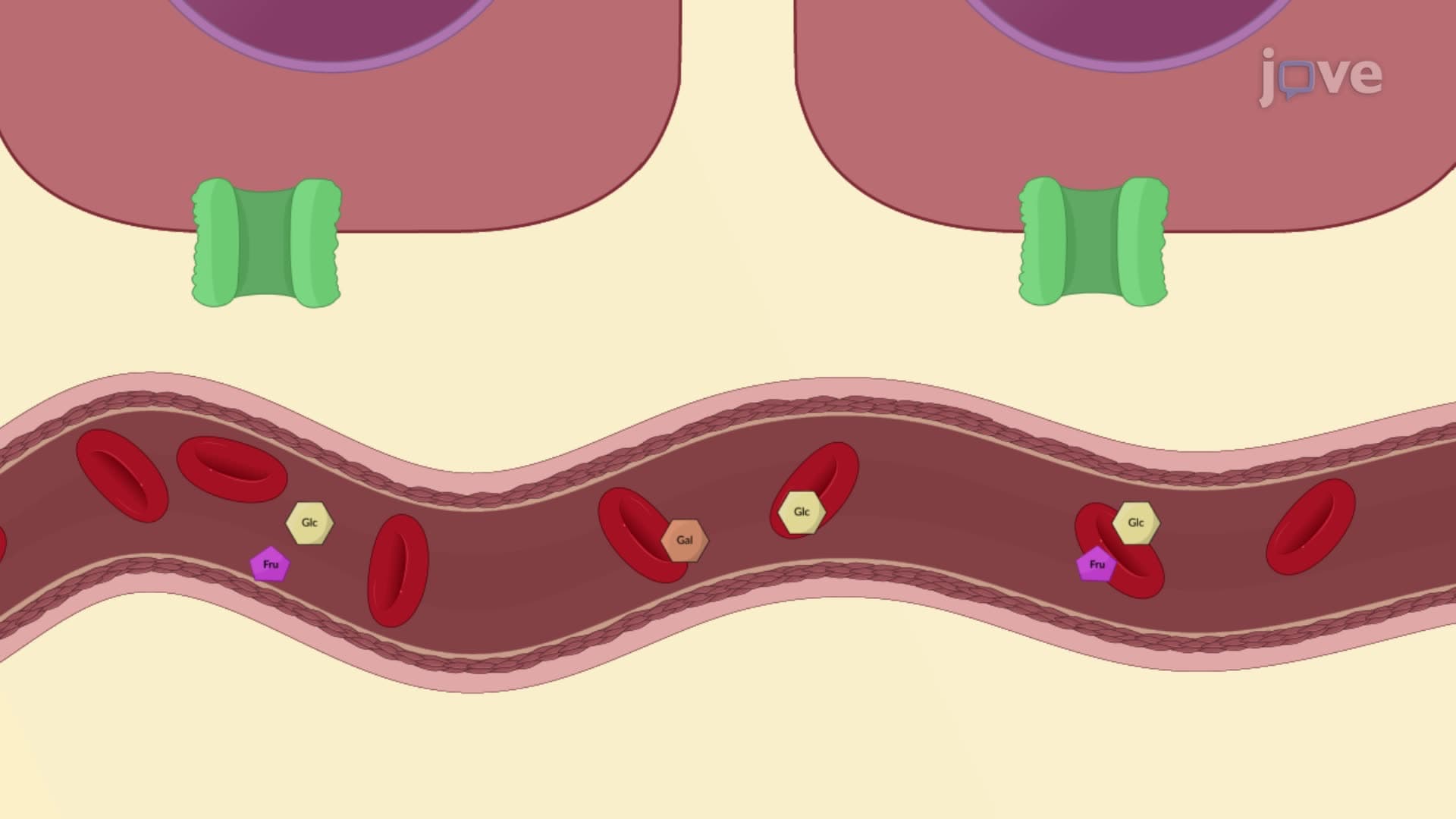
Once absorbed, monosaccharide absorption portal circulation delivers these sugars directly to the liver via the hepatic portal vein. This anatomical arrangement allows the liver to regulate blood glucose levels before sugar enters systemic circulation. Understanding this pathway is essential for nursing students taking the NCLEX or medical students preparing for the USMLE, as it connects to diabetes management and metabolic disorders.
The efficiency of this system ensures that over 95% of ingested carbohydrates are successfully absorbed in healthy individuals, demonstrating the remarkable optimization of human digestive physiology.
Frequently Asked Questions
Carbohydrate absorption is the process by which the digestive system breaks down complex carbohydrates into simple sugars and transports them across intestinal walls into the bloodstream. This process is essential because it provides the primary energy source for cellular metabolism, particularly for brain and muscle function. Without efficient carbohydrate absorption, the body cannot maintain adequate blood glucose levels or meet its energy demands. The process involves multiple steps including enzymatic digestion, brush border breakdown, and specialized transport mechanisms.
MCAT questions frequently test glucose absorption through SGLT1 transporters, which use secondary active transport coupled with sodium ions. You'll need to know that glucose and galactose share this transporter, while fructose uses GLUT5 for facilitated diffusion. Key concepts include the 2:1 sodium-to-glucose stoichiometry and the role of the sodium-potassium pump in maintaining the sodium gradient. Understanding these mechanisms helps answer questions about transport protein deficiencies and carbohydrate malabsorption disorders.
AP Biology covers carbohydrate absorption under digestive system physiology and membrane transport. Focus on enzyme specificity (amylase, brush border enzymes), transport mechanisms (active vs. passive), and surface area optimization through villi and microvilli. The College Board often includes questions about how structural adaptations enhance absorption efficiency. Students should understand how this process connects to cellular respiration and energy metabolism pathways.
College exams typically test the sequential steps from starch digestion to monosaccharide absorption, emphasizing anatomical locations and transport mechanisms. Professors often ask students to trace a glucose molecule from the intestinal lumen to hepatic portal circulation. Common question formats include identifying enzyme functions, comparing transport proteins, and explaining clinical conditions like lactose intolerance or glucose-galactose malabsorption syndrome.
Healthcare professionals use knowledge of carbohydrate absorption to optimize diabetes management strategies. Understanding absorption rates helps explain why complex carbohydrates cause slower blood glucose rises compared to simple sugars. This knowledge guides meal planning, insulin timing, and education about glycemic index concepts. Nurses and dietitians apply these principles when counseling patients about carbohydrate counting and postprandial glucose control.
While carbohydrate absorption involves sophisticated molecular mechanisms, high school students can master the core concepts with proper scaffolding. Start with the big picture of breaking down complex molecules into simple ones, then add layers of detail about specific enzymes and transporters. Focus on understanding the logical sequence rather than memorizing every molecular detail. Visual aids and analogies help make transport mechanisms more accessible to students without extensive biochemistry backgrounds.
Create a step-by-step flowchart tracing carbohydrates from mouth to portal circulation, including key enzymes and transport proteins at each stage. Use mnemonics like "SGLT1 Needs Two Sodiums" for transport stoichiometry. Practice drawing the process from memory and explaining it aloud to reinforce understanding. Connect each step to its physiological purpose rather than rote memorization. Focus on understanding cause-and-effect relationships between enzyme deficiencies and clinical symptoms.
Students ready for deeper exploration should study carbohydrate metabolism pathways like glycolysis and gluconeogenesis, hormonal regulation of blood glucose, and comparative absorption mechanisms across different species. Advanced topics include epigenetic regulation of transporter expression, the gut microbiome's role in carbohydrate metabolism, and emerging research on glucose sensing mechanisms. These concepts prepare students for upper-level biochemistry courses and research opportunities in metabolic physiology.
Related Micro-courses

25 Concepts

20 Concepts

37 Concepts