Loading subject page…

- Anatomy and Physiology
- Absorption of Nutrients
- Lipid Absorption
Micro-course: Absorption of Nutrients
34,747 views
Learn key concepts and earn your certificate.



Lipid Absorption

00:00
01:24
Video Summary: What Is Lipid Absorption
Ever wonder how that avocado toast you ate for breakfast actually becomes energy your body can use? Lipid absorption biology reveals the fascinating journey fats take from your small intestine to your bloodstream. Consider how patients with cystic fibrosis often struggle with fat malabsorption, leading to nutritional deficiencies-understanding what is lipid absorption helps explain why pancreatic enzyme supplements are crucial for these individuals. This complex process involves emulsification, micelle formation, and specialized transport through lymphatic vessels. Watch the full video on JoVE Coach to master this concept with expert-led visuals and step-by-step explanations.
- Understand what is lipid absorption and identify the key anatomical structures involved in this digestive process
- Analyze the role of bile salts in emulsifying dietary triglycerides and creating smaller fat droplets for enzyme action
- Recognize how pancreatic lipases break down triglycerides into fatty acids and monoglycerides through hydrolysis
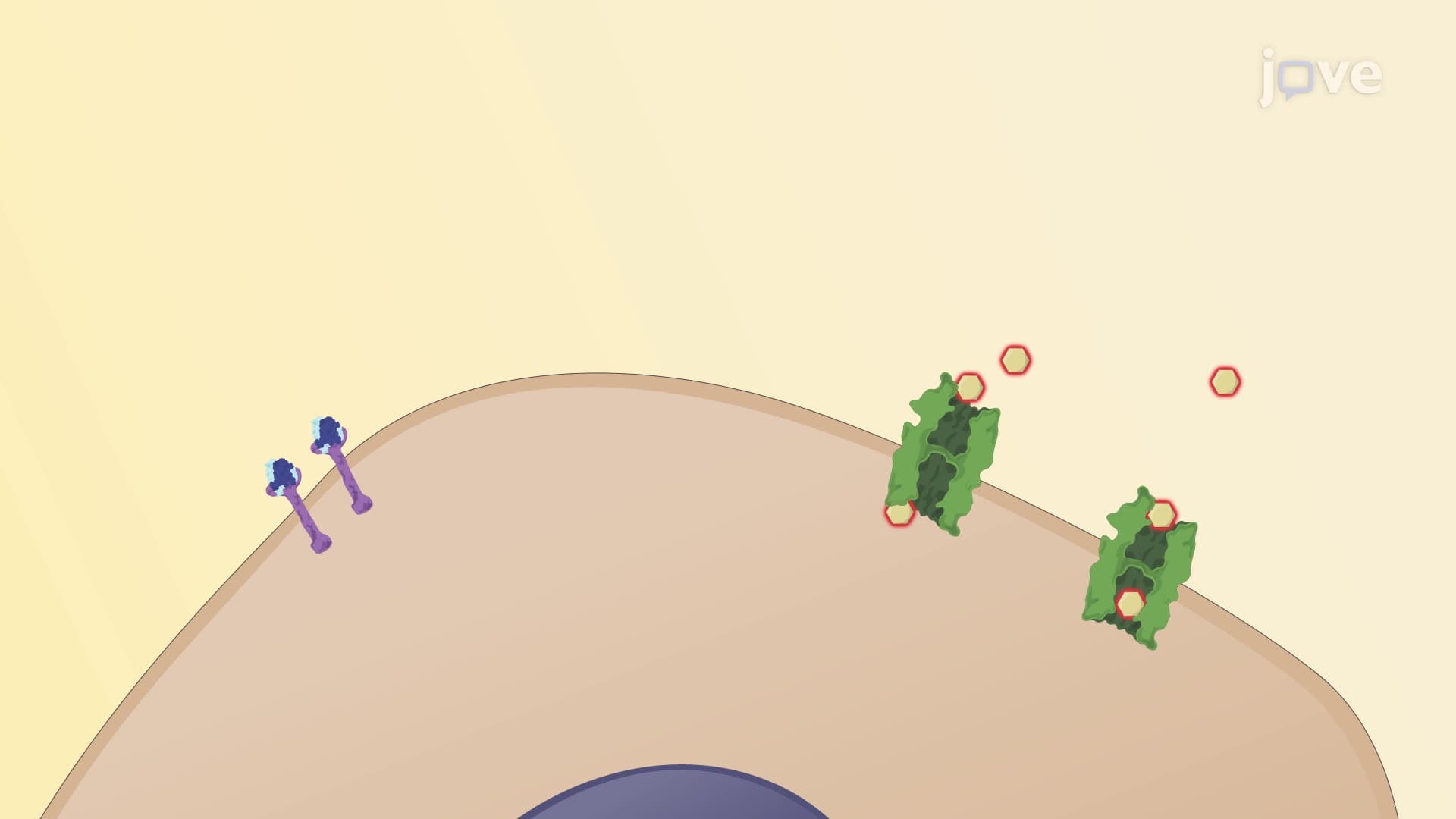
- Identify the formation and function of micelles in transporting lipid breakdown products to enterocyte membranes
- Evaluate the re-esterification process that occurs within enterocytes to reform triglycerides from absorbed components
- Apply knowledge of chylomicron formation and their transport through the lymphatic system to clinical scenarios
- Compare the absorption pathways of long-chain fatty acids versus medium-chain fatty acids in intestinal processing
- Explore how lipoprotein lipase facilitates the final breakdown of chylomicrons in peripheral tissues
Understanding Lipid Absorption: The Foundation Process
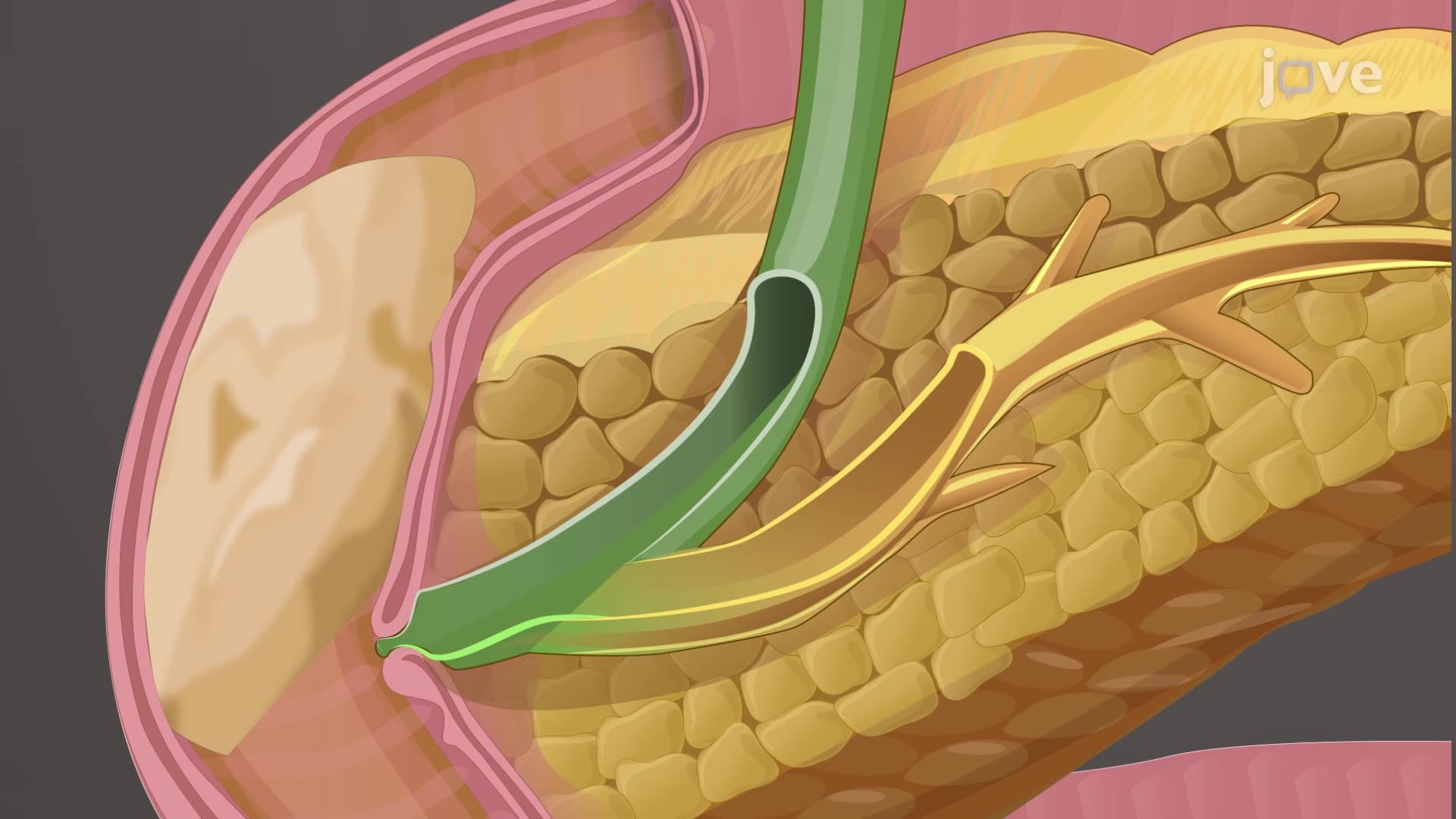
Lipid absorption biology represents one of the most sophisticated digestive processes in human physiology. Unlike water-soluble nutrients that can directly enter the portal circulation, fat absorption intestine explained requires multiple specialized steps due to the hydrophobic nature of lipids. This process begins in the duodenum, where dietary fats encounter bile salts released from the gallbladder-a critical step that students often encounter on AP Biology and college-level physiology exams.
The emulsification process transforms large fat globules into smaller droplets with increased surface area, allowing pancreatic lipases to function efficiently. This concept frequently appears on MCAT questions testing digestive physiology, particularly scenarios involving pancreatic insufficiency or bile duct obstruction.
Micelle Formation and Membrane Transport
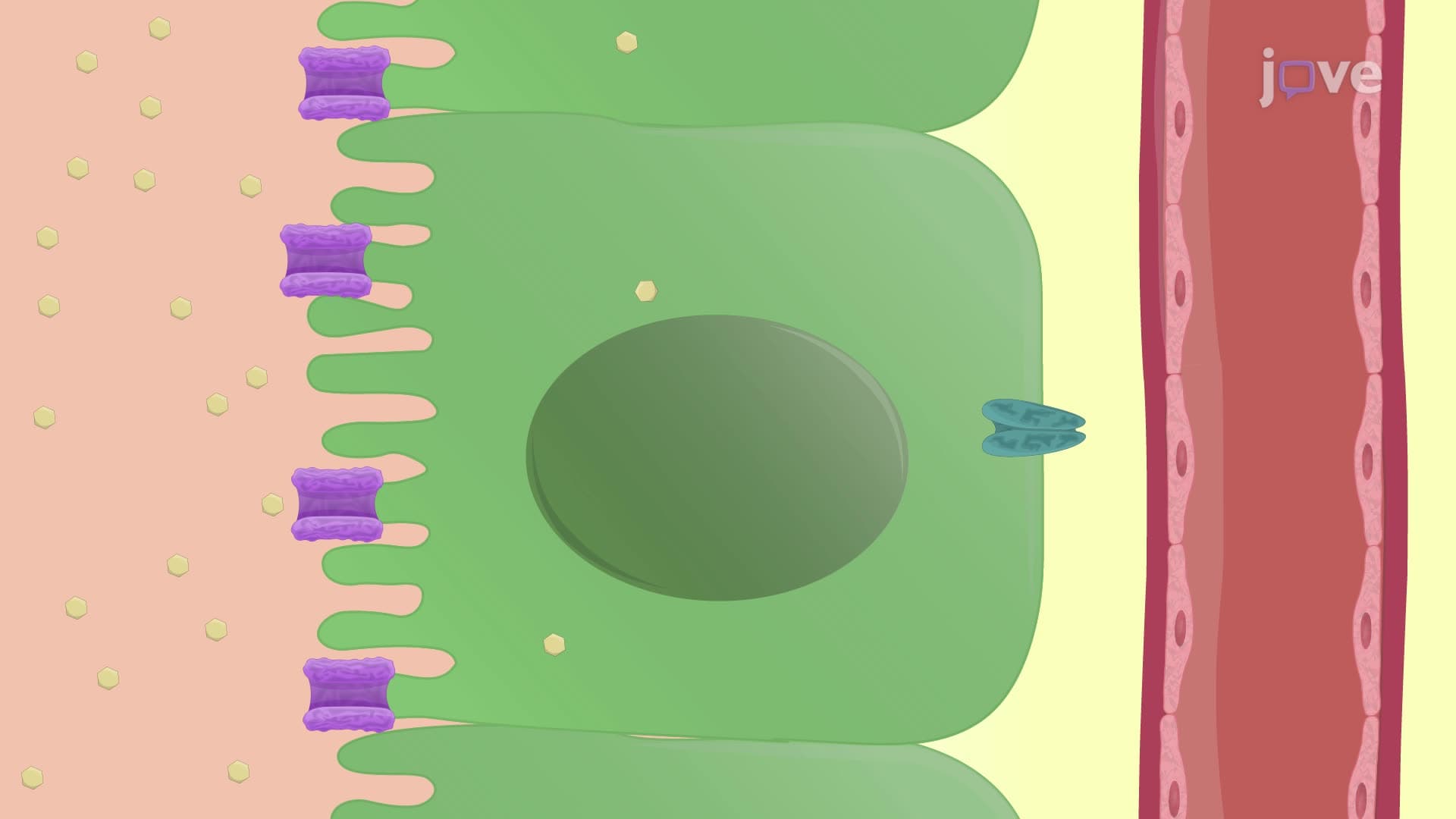
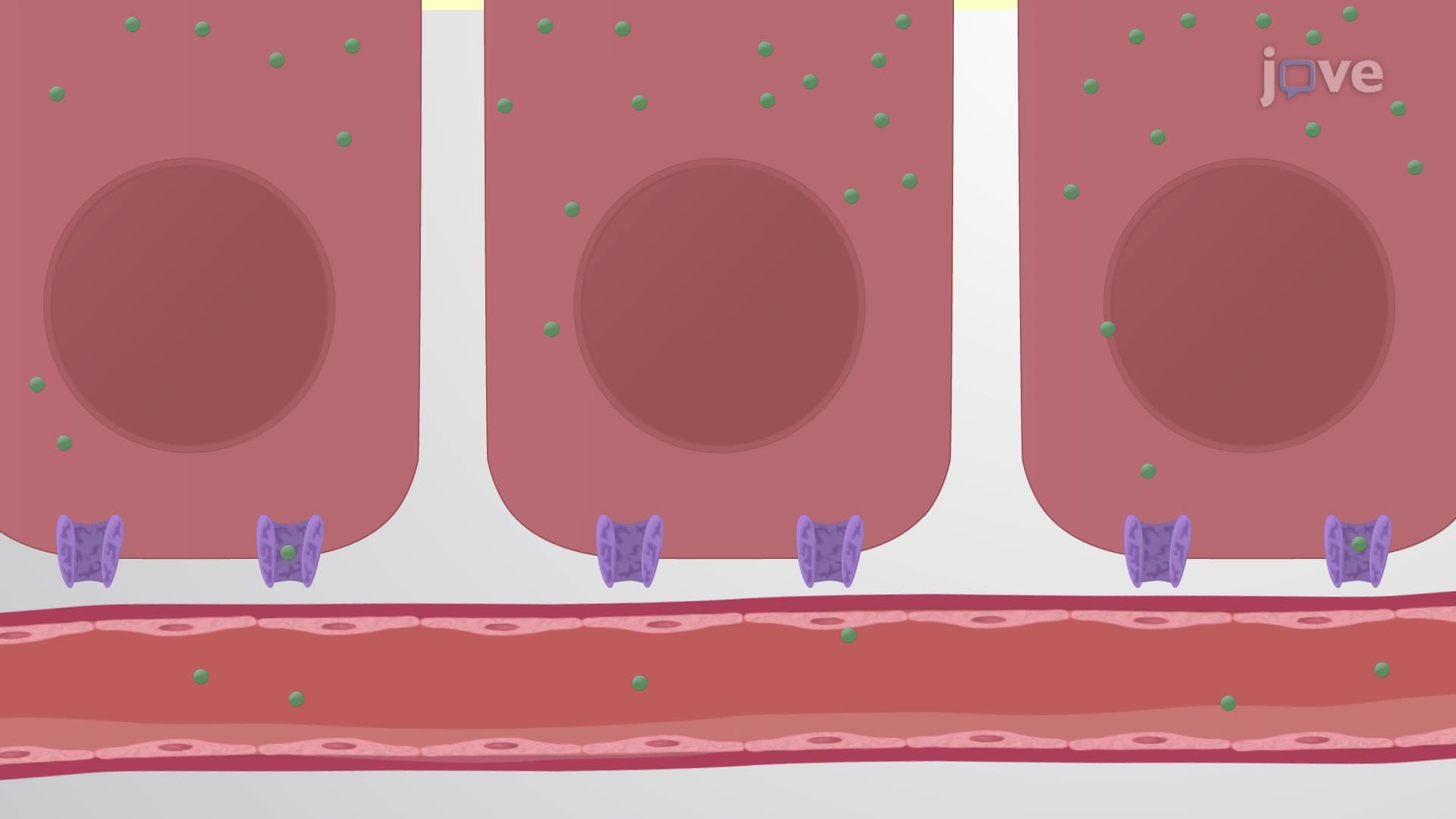
Micelle fat absorption intestine mechanisms demonstrate how the body solves the challenge of transporting hydrophobic molecules through aqueous environments. These spherical structures, composed of bile salts, lecithin, and lipid breakdown products, can navigate between intestinal microvilli to reach enterocyte membranes. Students studying for the USMLE Step 1 should understand that this process enables long chain fatty acid absorption through simple diffusion across the apical membrane.
The re-esterification process within enterocytes represents a metabolic investment-the body expends energy to rebuild triglycerides from the very molecules it just broke down. This apparent inefficiency actually serves important regulatory functions, allowing cells to control lipid composition and packaging.
Chylomicron Formation and Lymphatic Transport
Chylomicron lipid transport illustrates the body's elegant solution for moving large amounts of dietary fat. These lipoprotein particles, assembled in the endoplasmic reticulum of enterocytes, contain not only reformed triglycerides but also fat-soluble vitamins (A, D, E, K) and cholesterol esters. Understanding this process helps explain why patients with lymphatic disorders like chylous ascites often present with fat malabsorption symptoms.
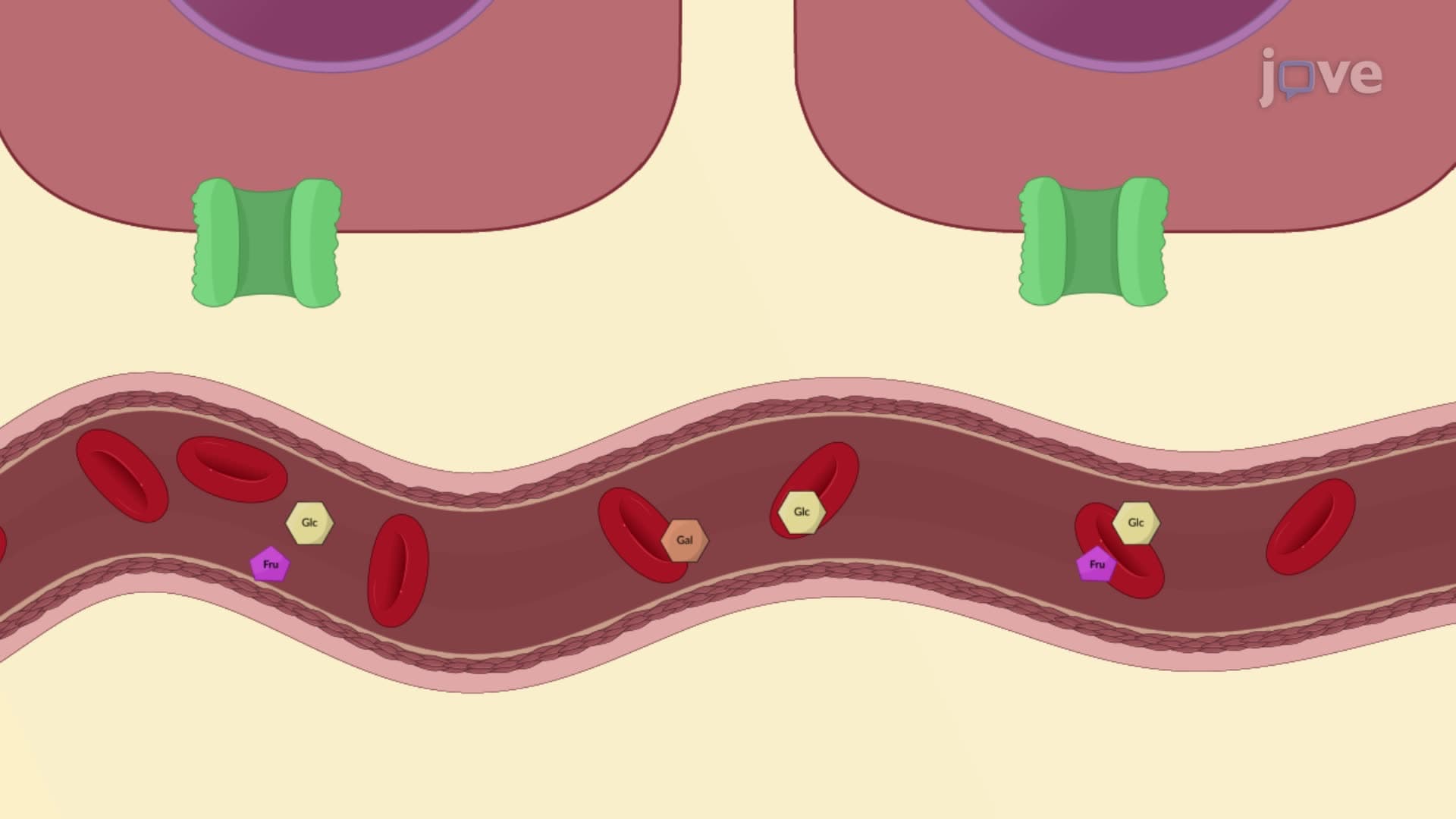
The lymph fat absorption intestine pathway differs significantly from other nutrient absorption routes. While glucose and amino acids enter the hepatic portal system directly, lipids travel through lacteals to the thoracic duct, bypassing the liver initially. This concept commonly appears on NCLEX-RN examinations in questions about malabsorption syndromes and nutritional assessment.
Clinical Applications and Metabolic Significance
Healthcare professionals regularly encounter lipid absorption disorders in clinical practice. Conditions like celiac disease, Crohn's disease, and pancreatic insufficiency all disrupt normal what is lipid absorption in digestion processes. Students preparing for health science careers should recognize that steatorrhea (fatty stools) indicates impaired lipid absorption and can lead to deficiencies in fat-soluble vitamins.
Frequently Asked Questions
Lipid absorption is the process by which dietary fats are broken down, absorbed, and transported from the small intestine to body tissues. Unlike water-soluble nutrients, fats require emulsification, micelle formation, and specialized lymphatic transport due to their hydrophobic nature. This multi-step process ensures efficient uptake of essential fatty acids and fat-soluble vitamins.
MCAT questions often focus on enzyme deficiencies, bile salt functions, and chylomicron transport pathways. AP Biology exams typically test emulsification processes and the role of micelles in membrane transport. Students should understand both the biochemical mechanisms and clinical implications of absorption disorders.
USMLE Step 1 covers pancreatic lipase deficiency, bile acid synthesis disorders, and malabsorption syndromes. Step 2 emphasizes clinical presentations like steatorrhea and fat-soluble vitamin deficiencies. Understanding normal absorption helps diagnose conditions like cystic fibrosis and celiac disease.
Consider a patient with pancreatic cancer affecting enzyme production. Without adequate lipase, dietary triglycerides remain undigested, leading to fatty stools and weight loss. This patient would require pancreatic enzyme replacement therapy (PERT) with meals, demonstrating how understanding absorption mechanisms guides treatment decisions in clinical practice.
Not at all! While the process involves multiple steps, breaking it down into digestible concepts makes it accessible. Focus first on emulsification (like soap breaking up grease), then enzyme action, and finally transport. Many students find the visual analogies help them grasp these molecular interactions effectively.
Create flowcharts showing the progression from dietary fat to chylomicron formation, emphasizing enzyme names and anatomical locations. Practice drawing the process from memory and connect each step to potential clinical disorders. Focus on understanding rather than memorization-this knowledge builds foundation for advanced metabolism courses.
Lipid absorption integrates with carbohydrate and protein digestion through shared anatomical structures and regulatory mechanisms. It connects to metabolism through fatty acid oxidation pathways and lipid synthesis. This knowledge also links to endocrinology through hormone regulation of lipid metabolism and cardiovascular physiology through lipoprotein transport.
Advanced students should investigate apolipoprotein functions, genetic disorders affecting lipid transport, and the relationship between gut microbiota and fat absorption. Understanding how different fatty acid chain lengths affect absorption pathways and exploring the molecular details of VLDL and HDL metabolism provide excellent preparation for medical school biochemistry.
Related Micro-courses

25 Concepts

20 Concepts

37 Concepts