Loading subject page…

Micro-course: Absorption of Nutrients
34,747 views
Learn key concepts and earn your certificate.










Obesity

00:00
01:24
Video Summary: What Is Obesity
Did you know that obesity biology explained through cellular changes shows how fat cells can actually multiply when they reach capacity? Obesity biology explained involves understanding how excess calories convert to triglycerides, causing adipose cells to enlarge and eventually proliferate. With over 36% of American adults classified as obese, this condition involves complex metabolic changes including insulin resistance and inflammatory responses. What is obesity becomes clearer when examining how enlarged fat cells release cytokines that promote diabetes risk. Watch the full video on JoVE Coach to master this concept with expert-led visuals and step-by-step explanations.
- Understand what is obesity as a clinical condition defined by BMI ≥30 and characterized by excessive adipose tissue accumulation
- Identify the cellular mechanisms behind obesity causes effects biology, including triglyceride storage and adipose cell proliferation
- Analyze how energy imbalance obesity develops when caloric intake consistently exceeds energy expenditure
- Compare normal versus obese adipose tissue function, including alpha-adrenergic receptor density and lipoprotein lipase activity
- Evaluate the metabolic consequences of obesity, particularly insulin resistance and inflammatory cytokine release
- Recognize the relationship between childhood overeating patterns and adult obesity development
- Explore hypothalamic regulation of food intake and how tumors can disrupt this control system
- Apply BMI obesity classification standards to assess clinical obesity risk in populations
What is Obesity: Clinical Definition and Biological Foundation
What is obesity in physiology and biology encompasses both clinical measurements and underlying cellular changes. Clinically, obesity occurs when Body Mass Index (BMI) reaches 30 kg/m² or higher, compared to the healthy range of 18.5-24.9 kg/m². However, the biological reality involves complex adipose tissue remodeling. When caloric intake exceeds energy expenditure, excess glucose and fatty acids convert to triglycerides through lipogenesis, primarily in liver and adipose tissue.
Adipose Tissue Expansion and Cellular Changes
The excess adipose obesity definition extends beyond simple fat accumulation. Initially, existing adipocytes (fat cells) enlarge through hypertrophy, storing additional triglycerides in lipid droplets. Once these cells reach maximum capacity-approximately 1 microgram of lipid per cell-they trigger hyperplasia, creating new adipocytes through preadipocyte differentiation. This dual expansion mechanism explains why severe obesity proves difficult to reverse, as adipocyte number remains relatively constant even after weight loss.
Metabolic Consequences and Insulin Resistance
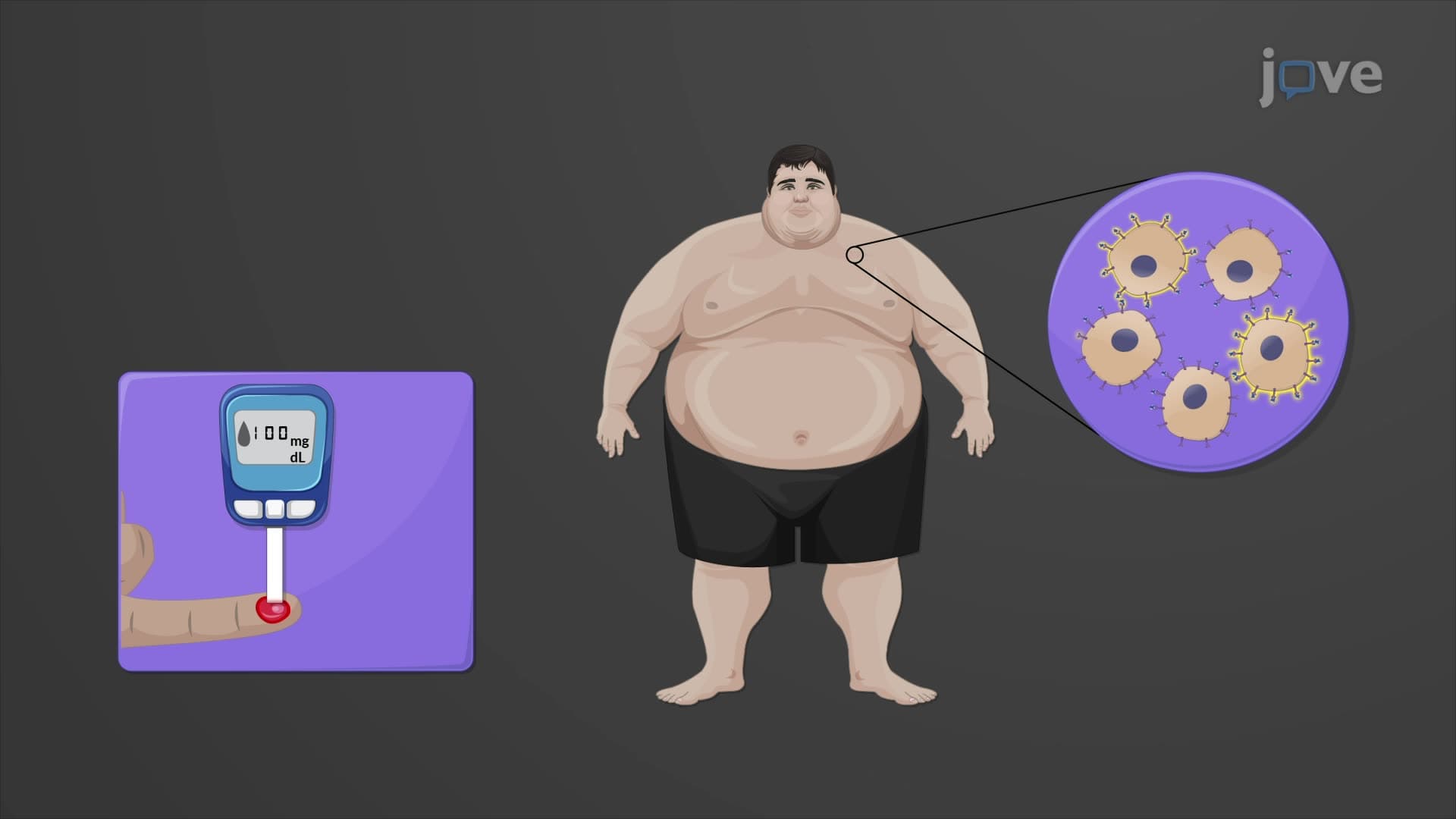
Obesity metabolic consequences involve systematic changes affecting glucose homeostasis. Enlarged adipocytes develop increased alpha-adrenergic receptor density, making them more responsive to stress hormones like norepinephrine. Simultaneously, these cells secrete pro-inflammatory cytokines including tumor necrosis factor-alpha (TNF-α) and interleukin-6 (IL-6), which interfere with insulin signaling pathways. This inflammatory cascade contributes to peripheral insulin resistance, forcing pancreatic beta cells to produce more insulin-a key step toward type 2 diabetes development.
Pathophysiological Mechanisms and Risk Factors
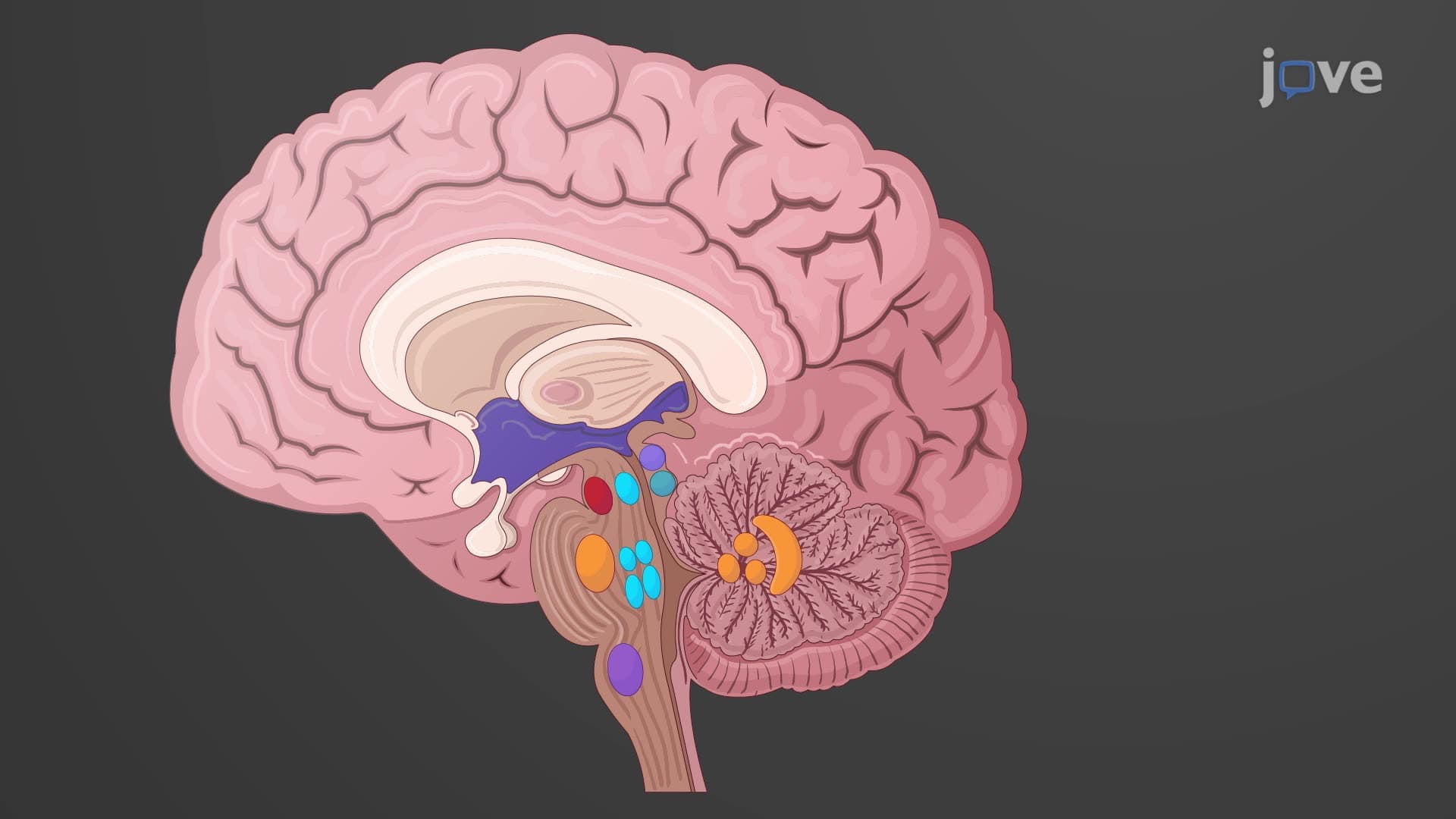
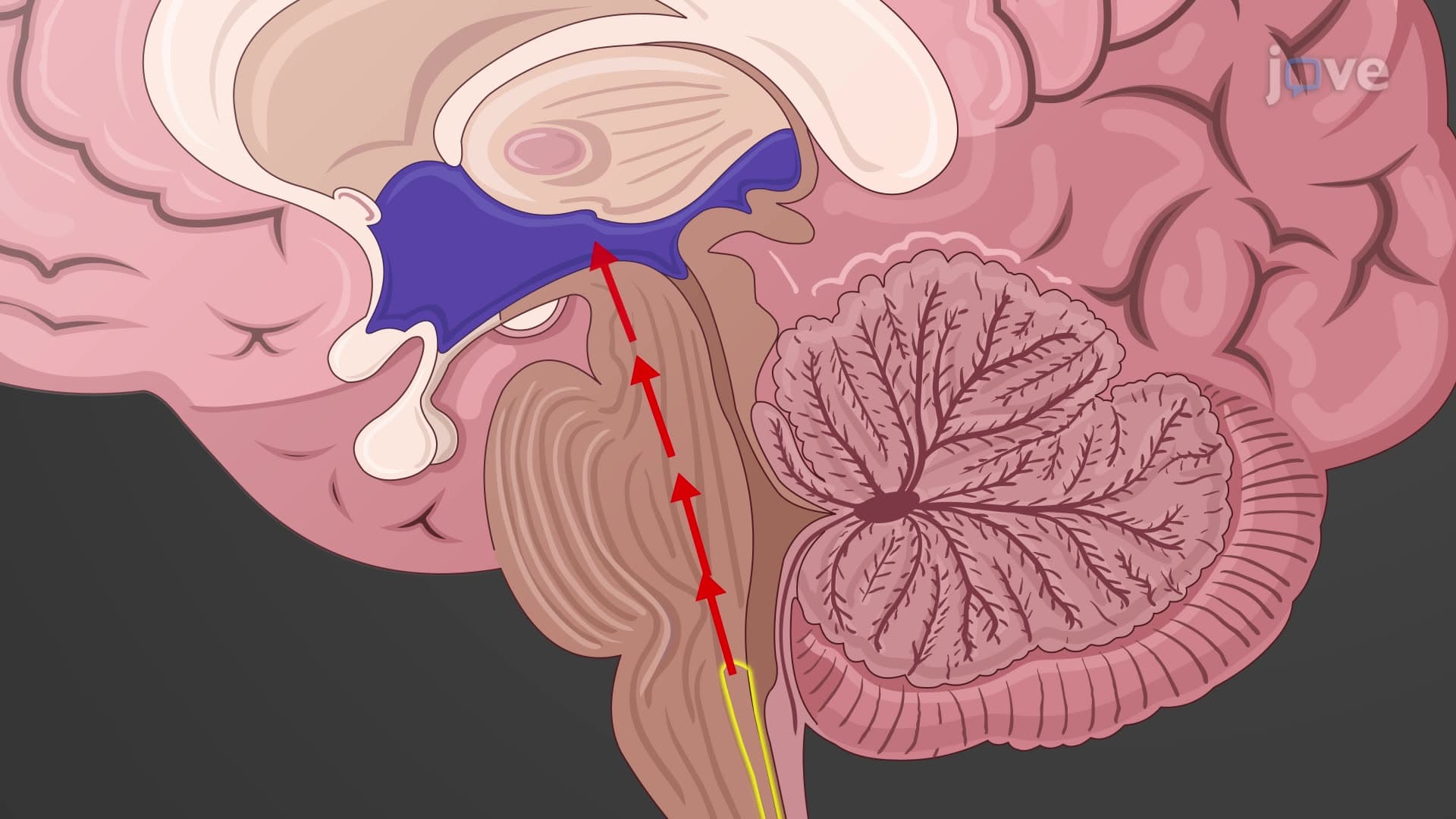
Obesity causes effects biology demonstrates how genetic, environmental, and developmental factors converge. Genetic variations affecting leptin signaling, melanocortin-4 receptor function, or fat mass and obesity-associated (FTO) gene expression influence obesity susceptibility. Environmental factors include childhood nutrition patterns-early adipocyte proliferation during growth periods establishes lifelong obesity risk. Hypothalamic lesions, whether from tumors or genetic disorders, disrupt appetite regulation through altered neuropeptide Y and pro-opiomelanocortin signaling.
Students preparing for AP Biology or college physiology courses should understand these mechanisms appear frequently in exam contexts, particularly questions linking cellular biology to disease pathophysiology. MCAT preparation requires integrating these concepts with endocrine system function and metabolic pathway regulation.
Frequently Asked Questions
Obesity is clinically defined as having a BMI of 30 kg/m² or higher, but biologically it represents excessive adipose tissue accumulation with enlarged and proliferated fat cells. This condition involves complex metabolic changes including insulin resistance, chronic inflammation, and altered hormone signaling. Understanding both definitions helps explain why obesity affects multiple body systems beyond just weight gain.
Obesity concepts frequently appear in AP Biology Unit 2 (Cell Structure and Function) and Unit 3 (Cellular Energetics) questions about metabolism and cellular responses. College physiology exams often test adipose tissue function, insulin signaling pathways, and metabolic syndrome development. These topics connect cellular biology with human health applications, making them popular exam subjects.
MCAT Biological and Biochemical Foundations sections frequently test lipid metabolism, insulin signaling, and adipose tissue endocrine functions related to obesity. Questions may involve analyzing experimental data about leptin resistance, interpreting BMI classifications, or explaining how inflammatory cytokines affect glucose homeostasis. Understanding cellular energy storage mechanisms proves essential for these applications.
Pediatric obesity rates in the US have tripled since the 1970s, with children who experience rapid weight gain before age 5 showing 5 times higher adult obesity risk. Early overfeeding promotes adipocyte hyperplasia during critical growth periods, establishing more fat cells that persist throughout life. This explains why childhood interventions prove more effective than adult weight loss attempts for long-term obesity prevention.
Basic biochemistry knowledge about carbohydrates, lipids, and proteins provides sufficient foundation for understanding obesity biology. You should know how triglycerides form from glycerol and fatty acids, and understand cellular energy storage concepts. Most high school biology and introductory college courses provide adequate preparation for grasping these metabolic processes and their clinical implications.
Create concept maps linking energy balance, adipose tissue function, and metabolic consequences to visualize relationships between processes. Practice drawing adipocyte expansion mechanisms and insulin resistance pathways to reinforce understanding. Use clinical examples like diabetes development to connect cellular processes with real health outcomes, making abstract concepts more memorable for exams.
Consider studying adipokine signaling (leptin, adiponectin, resistin), brown versus white adipose tissue differences, and epigenetic factors in obesity development. Advanced coursework might explore bariatric surgery mechanisms, pharmacological obesity treatments, or obesity's relationship to cardiovascular disease pathophysiology. These topics build naturally from fundamental obesity biology concepts.
Related Micro-courses

25 Concepts

20 Concepts

37 Concepts