Loading subject page…

- Anatomy and Physiology
- Absorption of Nutrients
- Protein Absorption
Micro-course: Absorption of Nutrients
34,747 views
Learn key concepts and earn your certificate.



Protein Absorption

00:00
01:12
Video Summary: What Is Protein Absorption
Did you know that your body breaks down and absorbs over 300 grams of protein daily-far more than most Americans consume in food? Protein absorption biology involves a sophisticated multi-step process where dietary proteins from sources like chicken or beans are systematically dismantled into amino acids in your digestive tract. The small intestine's specialized cells use intricate transport mechanisms to shuttle these building blocks into your bloodstream, much like how Harvard Medical School researchers study nutrient uptake in clinical nutrition studies. What is protein absorption becomes clearer when you understand this remarkable biological conveyor belt system. Watch the full video on JoVE Coach to master this concept with expert-led visuals and step-by-step explanations.
- Understand what is protein absorption and identify the sequential breakdown of dietary proteins from polypeptides to individual amino acids through enzymatic digestion
- Analyze amino acid absorption explained through specialized transport proteins, distinguishing between sodium-dependent and proton-dependent mechanisms in intestinal cells
- Recognize what is protein absorption in digestion by tracing the pathway from stomach pepsin activity through pancreatic enzyme action in the duodenum
- Compare the absorption mechanisms for free amino acids versus dipeptides and tripeptides at the intestinal brush border membrane
- Evaluate the role of enterocytes in the jejunum and ileum as the primary sites for protein absorption and amino acid processing
- Apply knowledge of cotransporter function to explain how amino acids cross cellular membranes against concentration gradients
- Identify the final destination of absorbed amino acids through portal circulation to the liver for metabolic processing
- Explore the integration between protein digestion and absorption as a coordinated physiological system essential for human nutrition
Understanding What is Protein Absorption: The Foundation
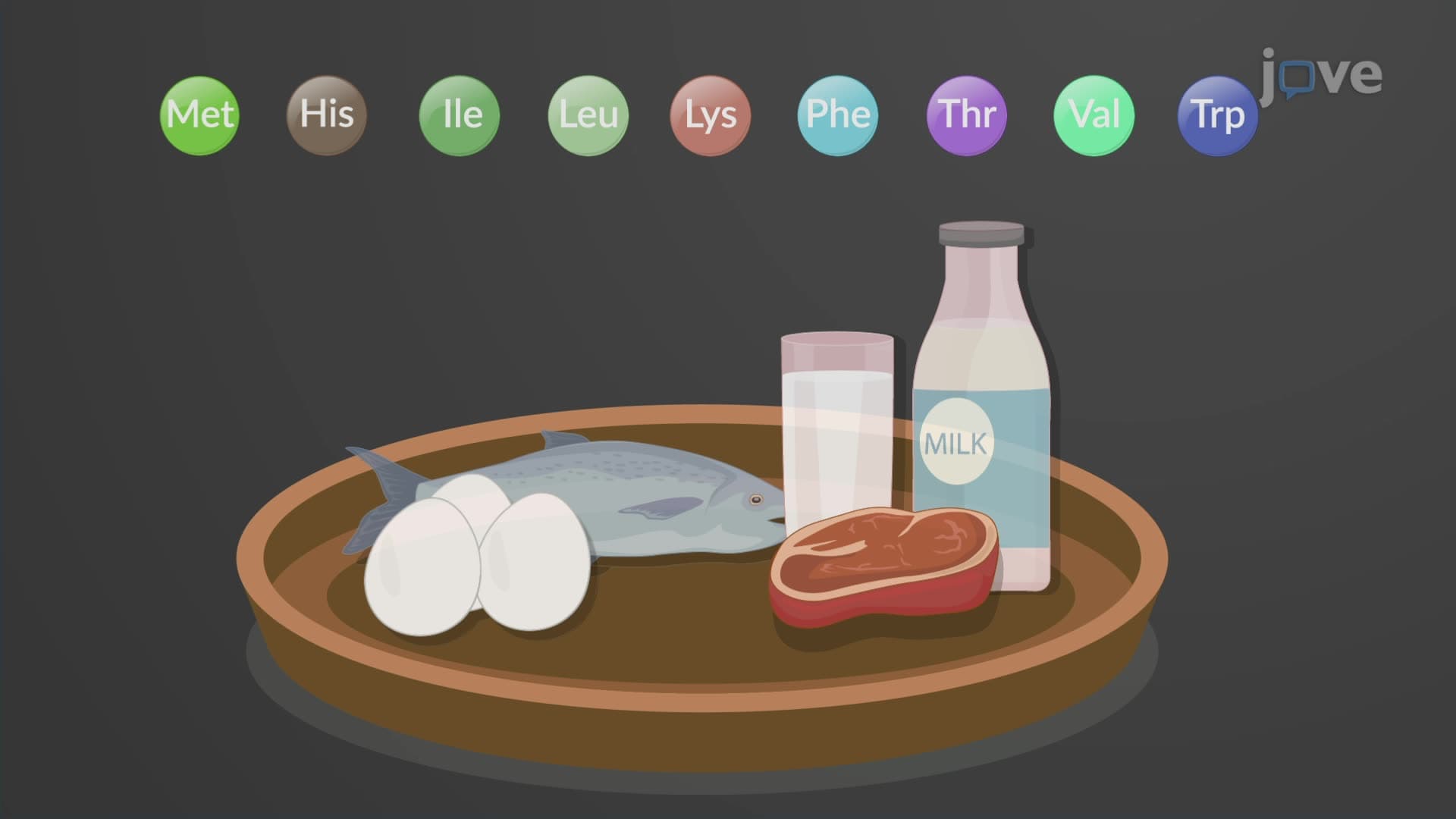
Protein absorption biology represents one of the most sophisticated nutrient processing systems in human physiology. Unlike simple sugars that can be absorbed directly, proteins must undergo extensive breakdown before your intestinal cells can utilize them. This process begins the moment protein-rich foods like a grilled salmon dinner or a peanut butter sandwich enter your stomach, where the acidic environment and pepsin enzyme initiate the first crucial step of protein dismantling.
The complexity of this system becomes evident when considering that your body processes not only dietary proteins but also endogenous proteins from cellular turnover and digestive enzymes themselves. Mayo Clinic researchers estimate that approximately 70% of daily protein processing comes from food sources, while 30% originates from your body's own cellular maintenance-highlighting why amino acid absorption explained requires understanding multiple protein sources.
Enzymatic Breakdown: The Digestive Assembly Line
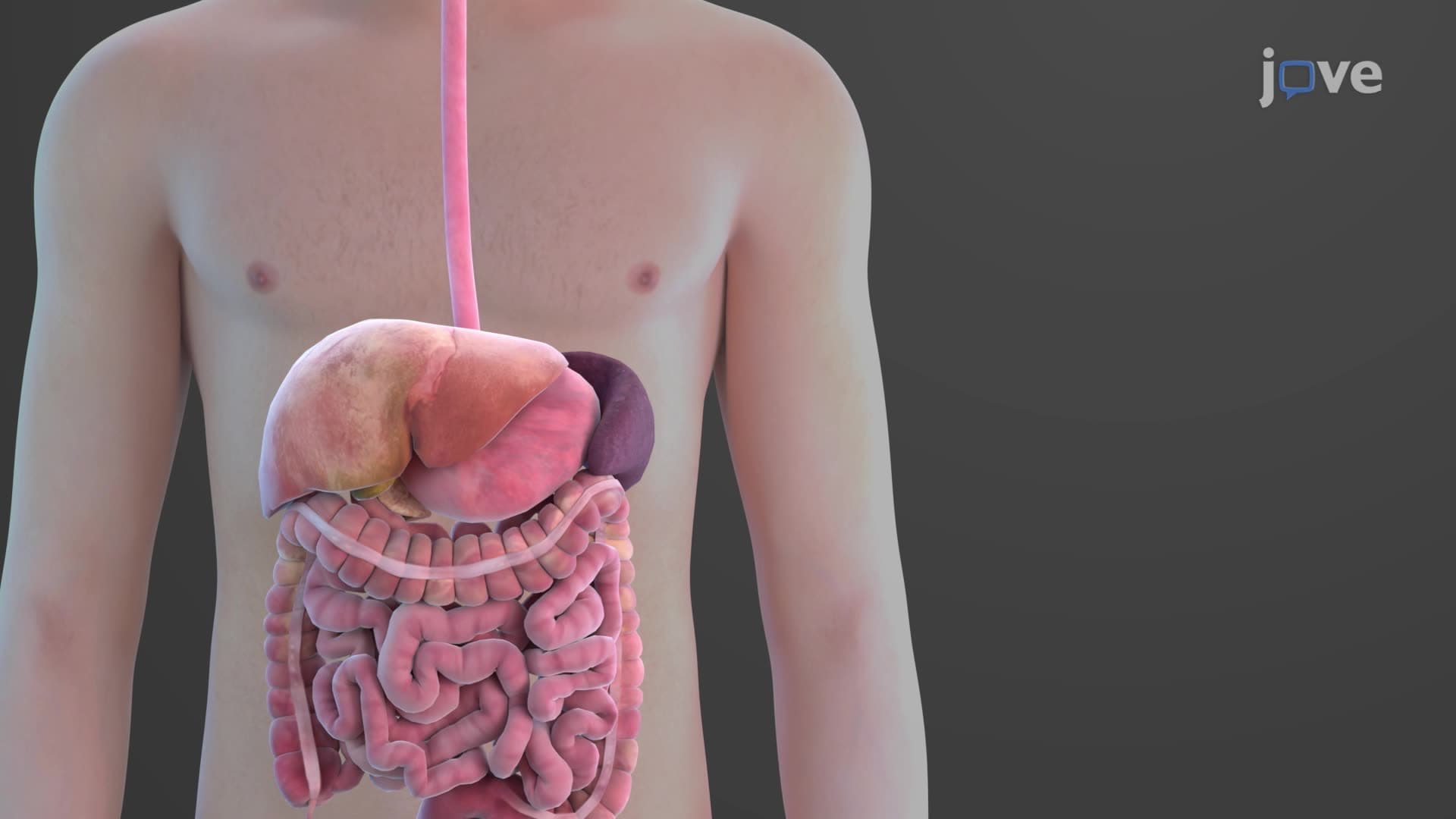
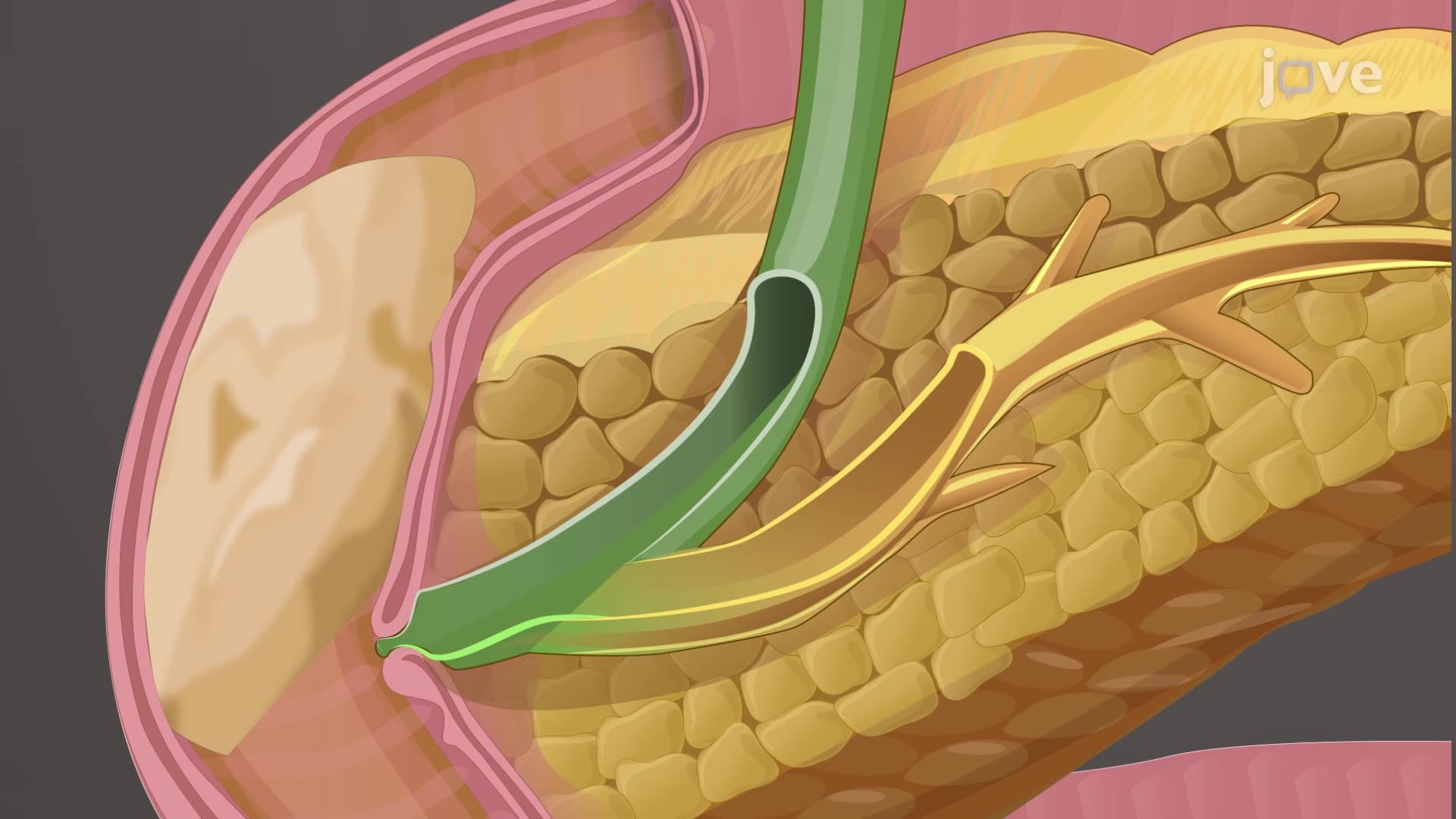
The journey from whole proteins to absorbable units involves a carefully orchestrated enzymatic cascade. After pepsin creates initial polypeptide fragments in the stomach, these protein pieces enter the duodenum as part of chyme-a semi-liquid mixture that triggers pancreatic enzyme release. Trypsin and chymotrypsin, the primary pancreatic proteases, work alongside intestinal brush border enzymes like carboxypeptidases to systematically reduce polypeptides into tripeptides, dipeptides, and free amino acids.
This enzymatic specificity is crucial for MCAT preparation, as students must understand how different enzymes target specific peptide bonds. Trypsin cleaves after basic amino acids (lysine and arginine), while chymotrypsin targets aromatic amino acids (phenylalanine, tryptophan, and tyrosine). These details frequently appear on AP Biology exams and college biochemistry courses, making thorough comprehension essential for academic success.
Cellular Transport Mechanisms: What is Protein Absorption in Digestion at the Molecular Level
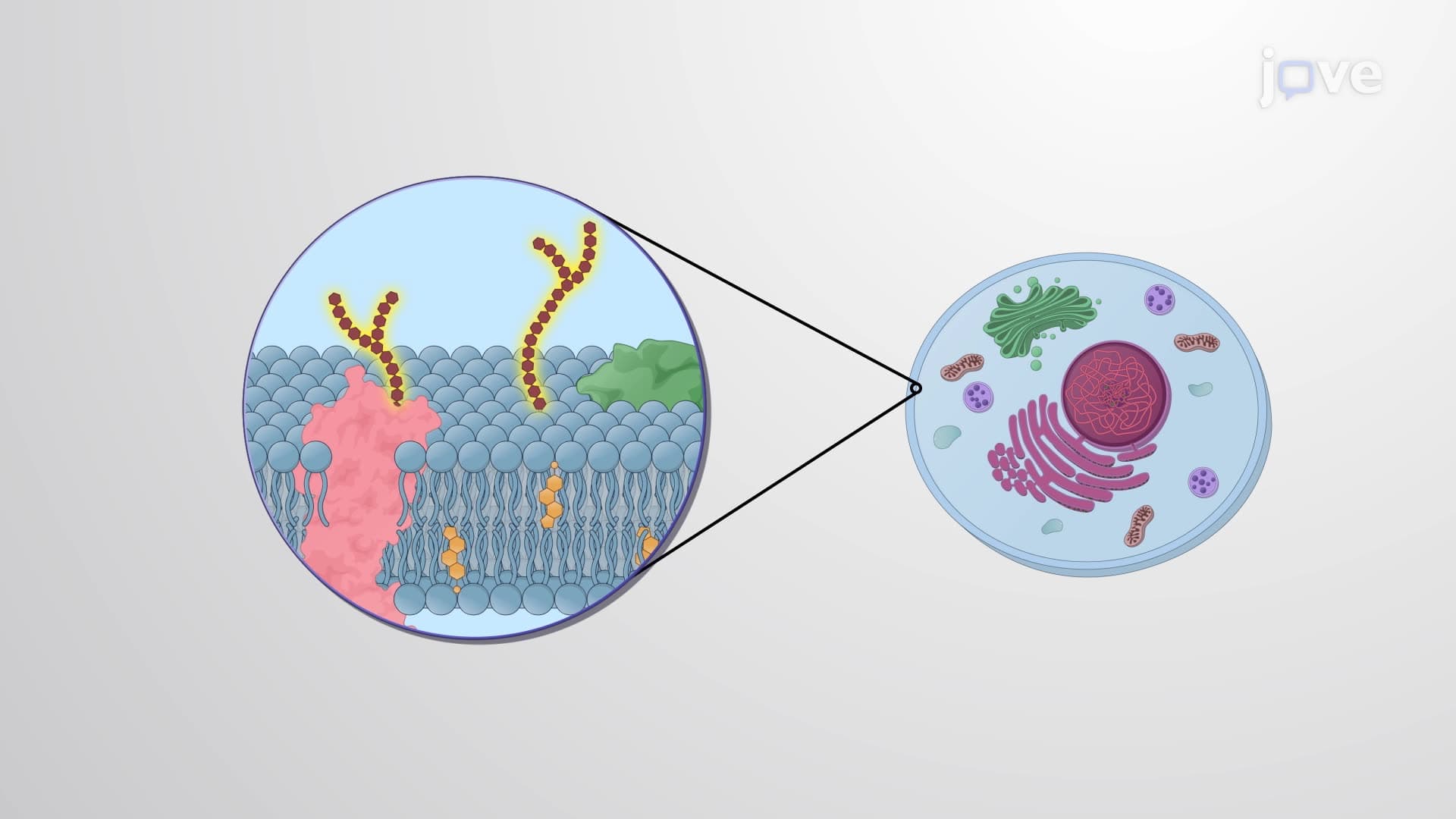
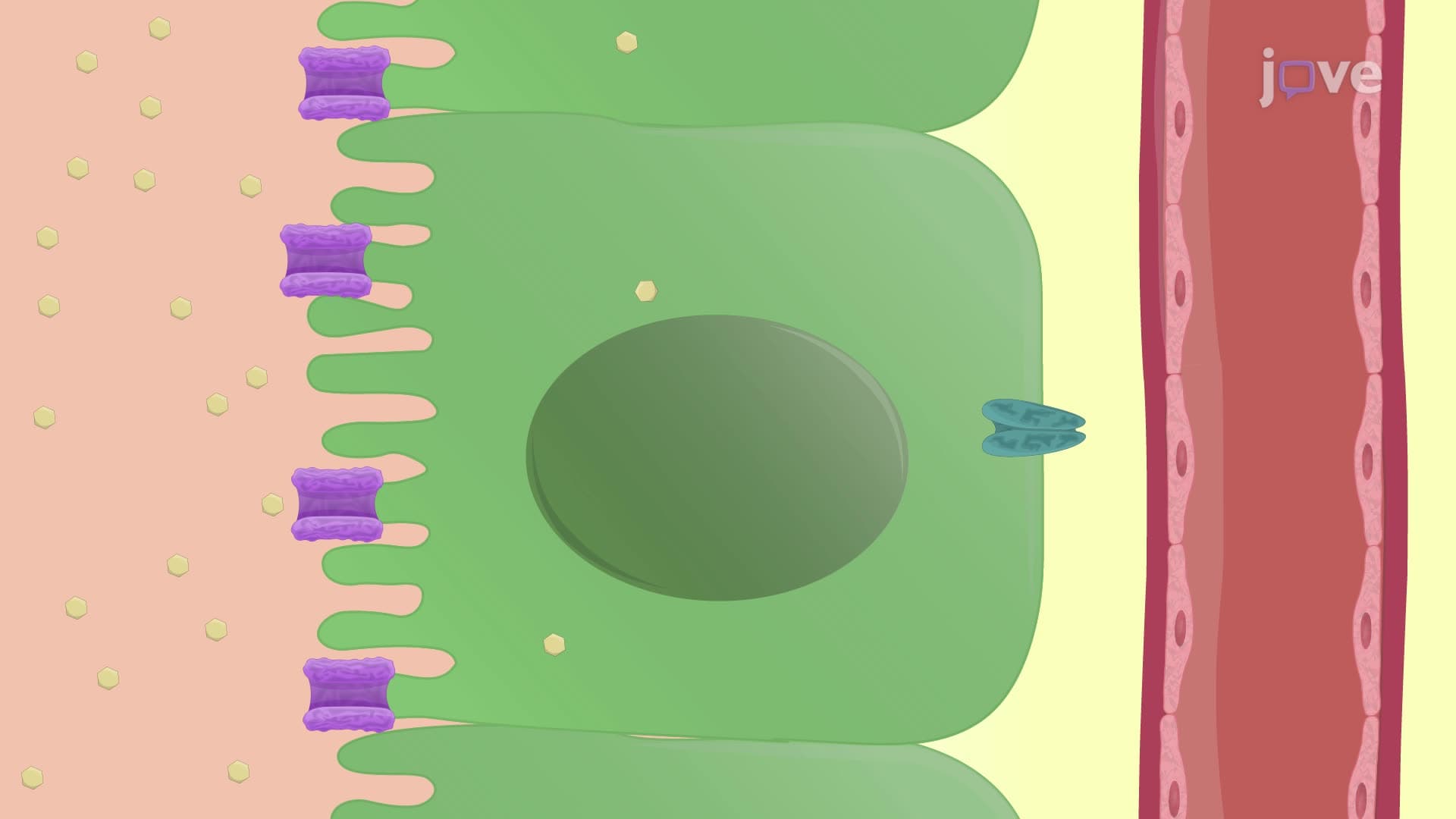
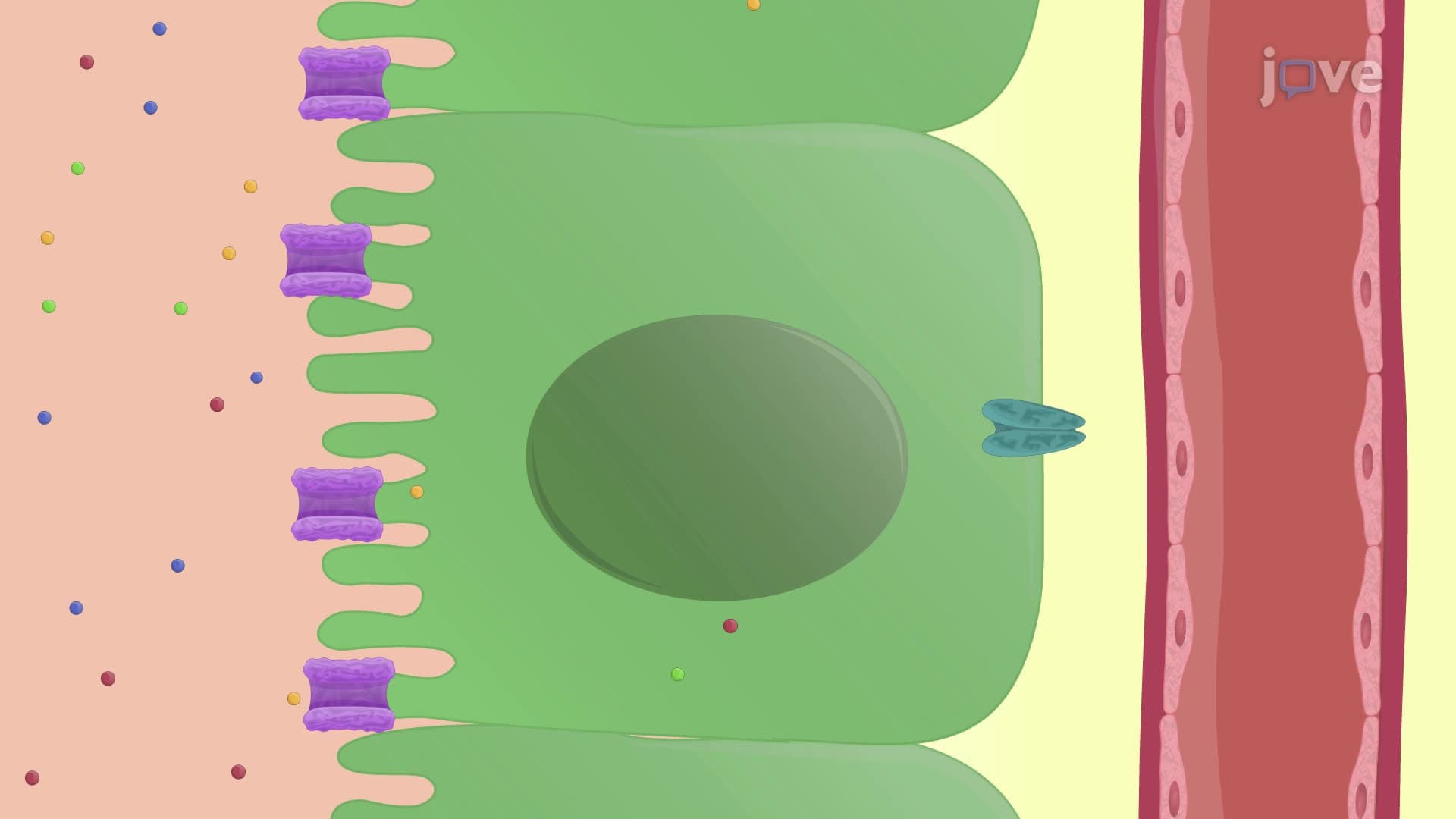
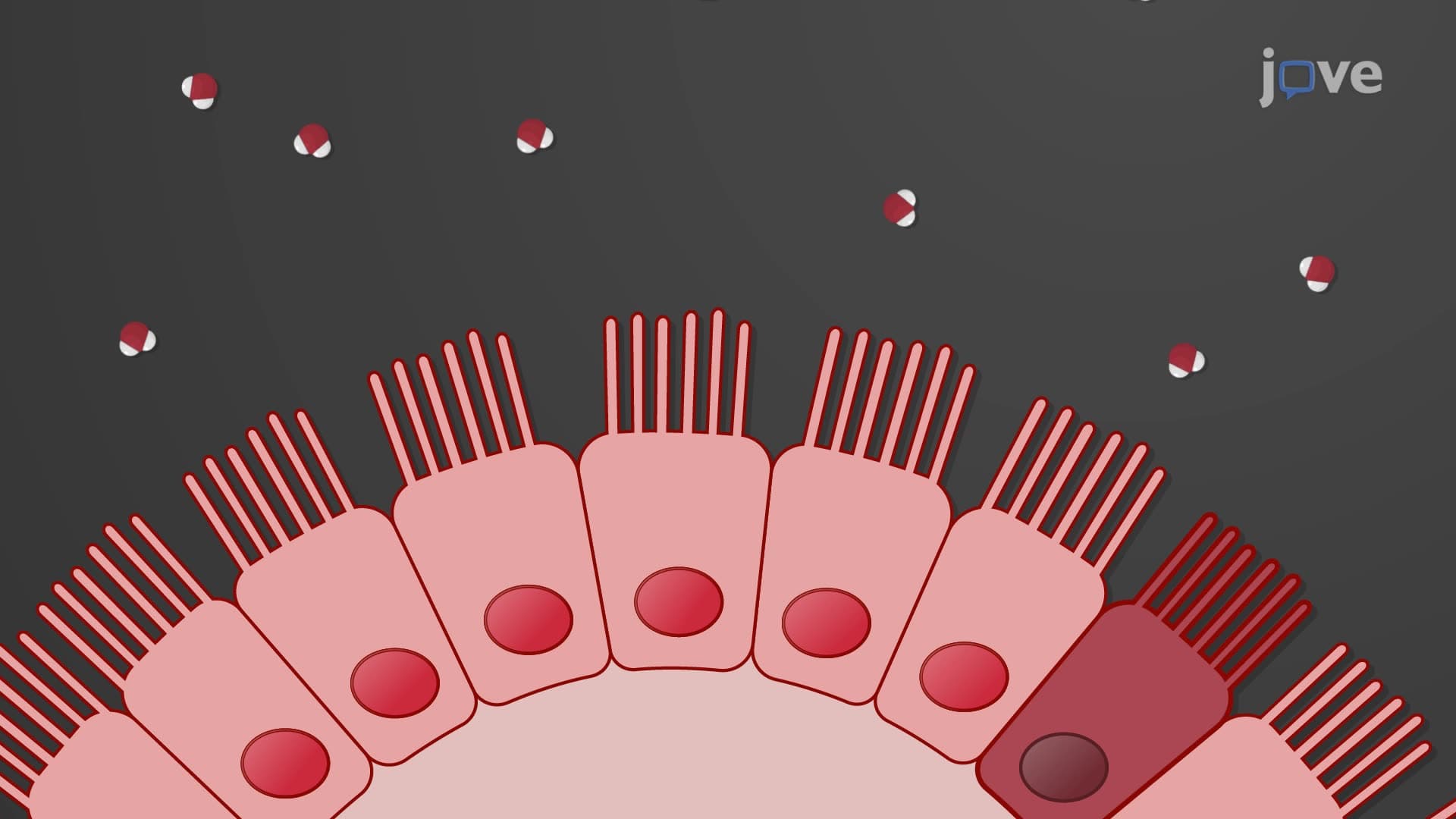
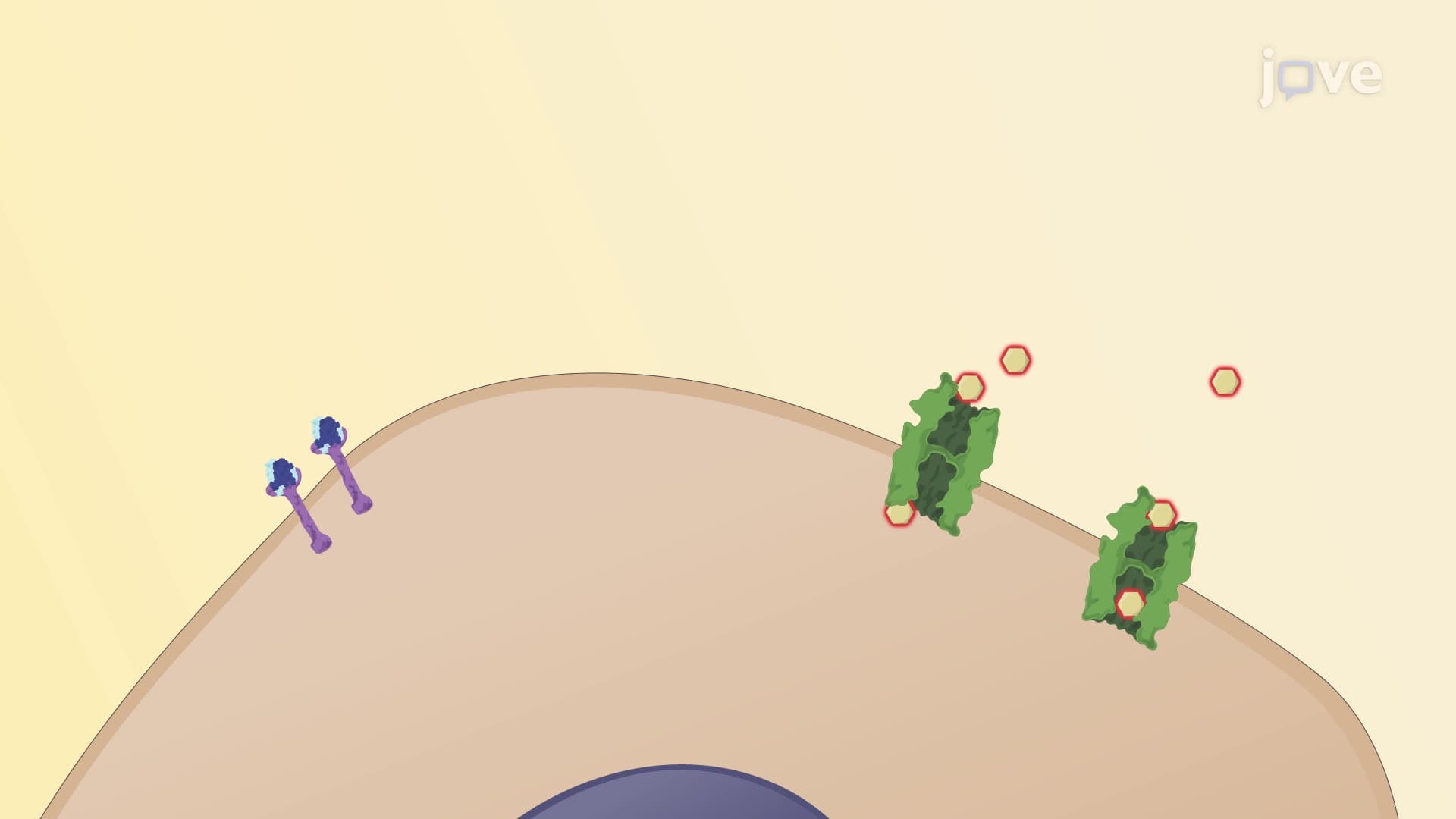
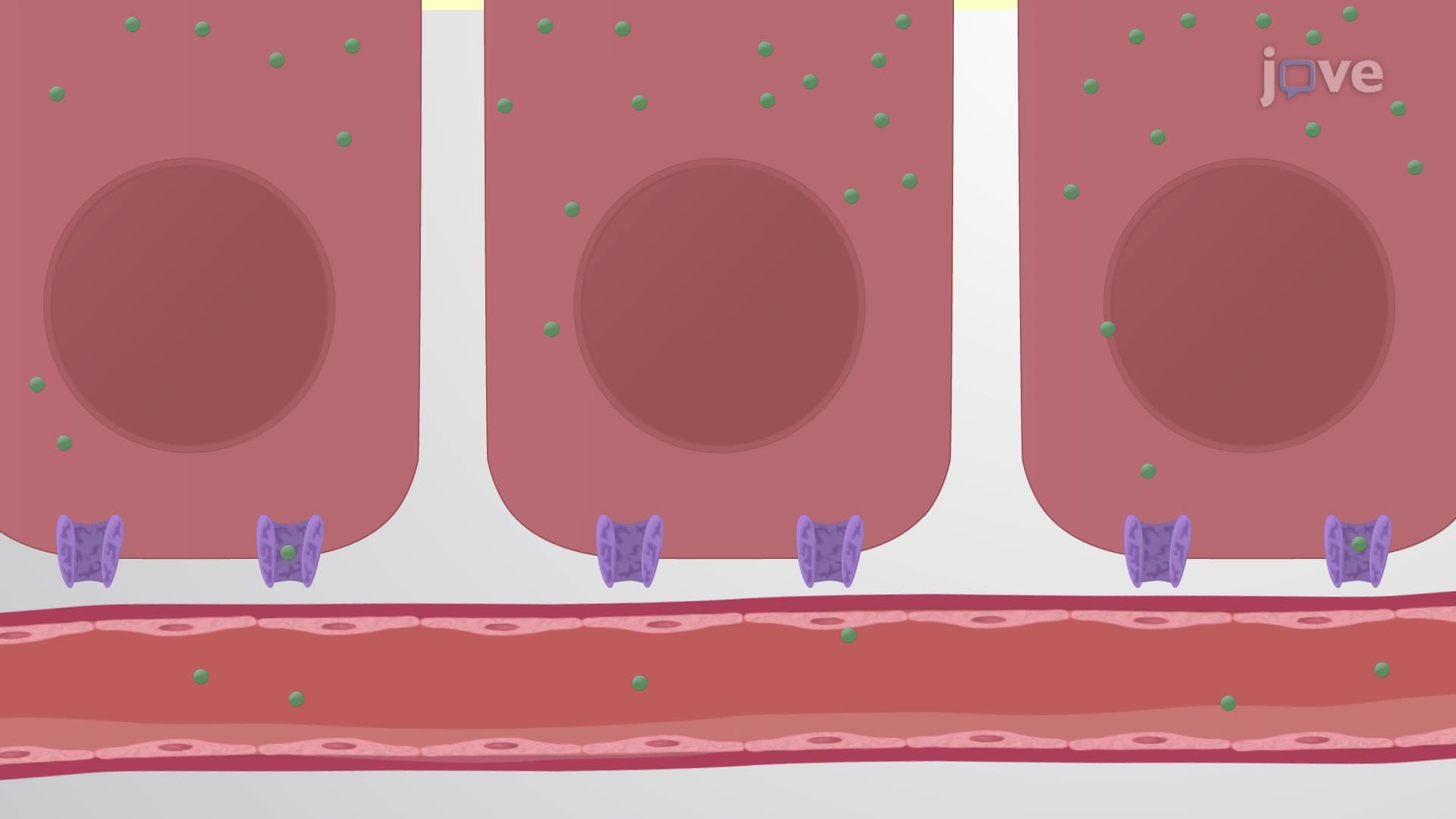
The actual absorption process occurs in enterocytes lining the jejunum and ileum, where sophisticated transport systems facilitate amino acid uptake. Free amino acids utilize sodium-dependent symporters (cotransporters) that harness the sodium gradient established by Na+/K+-ATPase pumps. This secondary active transport mechanism allows amino acids to move against their concentration gradient, ensuring efficient absorption even when intestinal amino acid levels are high.
Dipeptides and tripeptides employ a different strategy, using proton-dependent symporters (PEPT1 transporters) that capitalize on the intestinal pH gradient. Once inside enterocytes, cytoplasmic peptidases cleave these short chains into individual amino acids, which then exit via facilitated diffusion across the basolateral membrane. This dual transport system-different mechanisms for different-sized protein fragments-demonstrates the evolutionary sophistication of human digestive physiology and frequently appears in USMLE Step 1 questions.
Clinical Integration and Metabolic Destiny
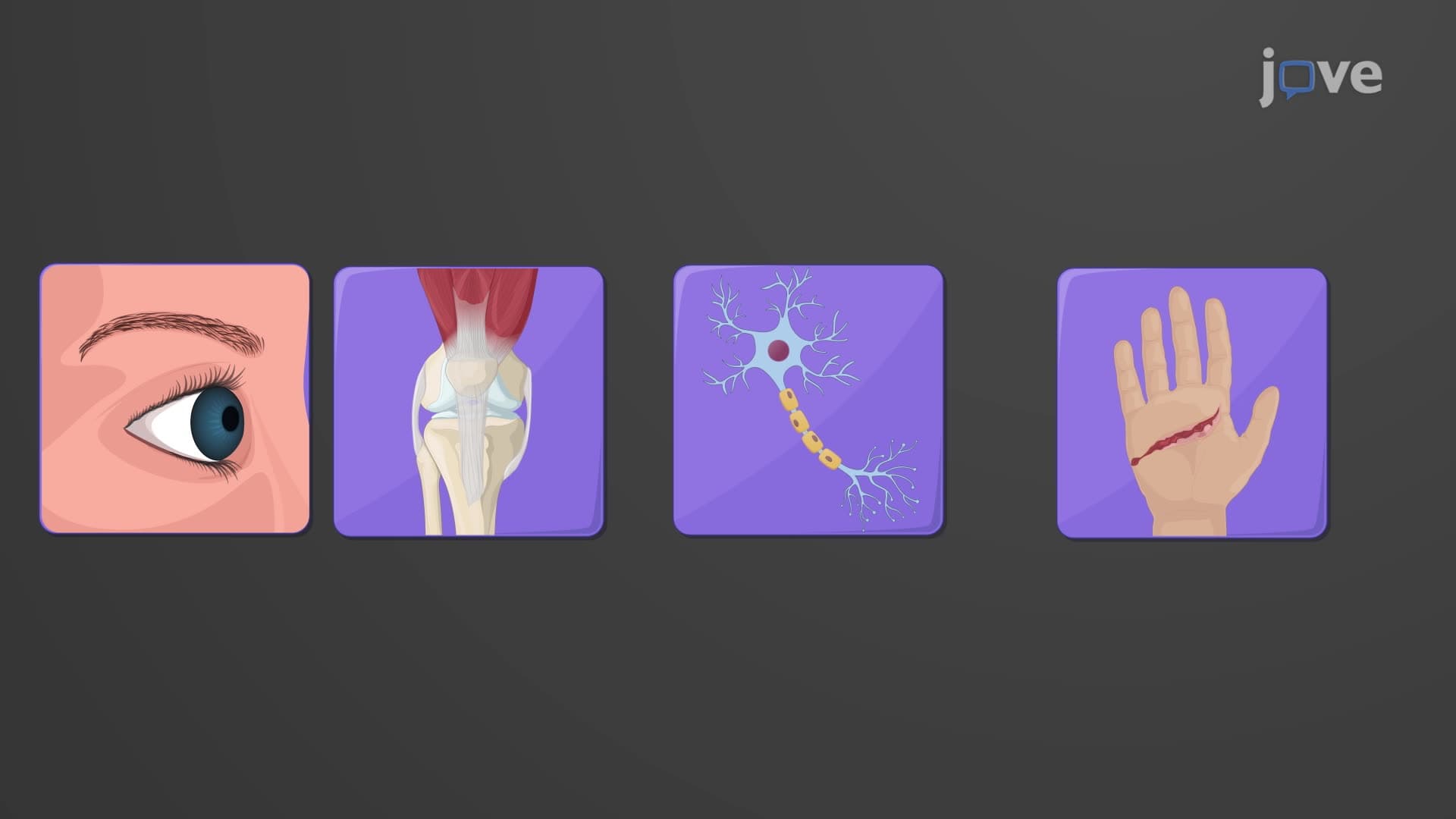
Following intestinal absorption, amino acids enter portal circulation, traveling directly to the liver before entering systemic circulation. This hepatic first-pass allows for immediate metabolic processing, including conversion to other amino acids, glucose production through gluconeogenesis, or protein synthesis for plasma proteins like albumin. Understanding this pathway proves essential for nursing students preparing for NCLEX exams, particularly when studying protein metabolism disorders or nutritional assessment protocols used in US hospitals.
Frequently Asked Questions
Protein absorption is the multi-step process where dietary proteins are broken down into amino acids and absorbed by intestinal cells. Unlike carbohydrates or fats, proteins require extensive enzymatic breakdown before absorption because whole proteins are too large to cross cellular membranes. This involves stomach acid, multiple enzymes, and specialized transport proteins working in sequence.
Understanding amino acid absorption mechanisms helps you tackle MCAT passages about digestive physiology and membrane transport. You'll recognize sodium-dependent cotransporters, understand why certain genetic mutations affect protein absorption, and predict how pH changes influence dipeptide transport. This knowledge connects biochemistry with physiology, a common MCAT integration theme.
AP Biology frequently tests enzyme specificity (trypsin vs. chymotrypsin), transport mechanisms across membranes, and the relationship between structure and function in digestive systems. You should know the difference between primary and secondary active transport, understand cotransporter function, and explain how surface area adaptations in the small intestine enhance absorption efficiency.
Human physiology, biochemistry, and nutrition courses provide the most comprehensive coverage. Introductory biology touches on basic concepts, while advanced courses explore transport kinetics, genetic variations in amino acid transporters, and clinical applications like protein malabsorption syndromes that gastroenterologists diagnose in US medical centers.
Healthcare professionals use this knowledge to assess patients with malabsorption disorders, design appropriate nutrition interventions, and understand how certain medications affect protein digestion. For example, proton pump inhibitors can reduce stomach acid production, potentially affecting initial protein breakdown in elderly patients at US healthcare facilities.
Not at all! While the molecular details are sophisticated, the basic concept follows logical steps: break down large molecules, transport smaller pieces, and deliver nutrients to the bloodstream. Start with the big picture, then add enzymatic and transport details gradually. Most successful AP Biology students master these concepts with consistent practice and visual aids.
Create flowcharts showing the progression from whole proteins to absorbed amino acids, including each enzyme and transport step. Practice drawing the process from memory, focusing on where each step occurs (stomach, duodenum, jejunum/ileum). Use active recall by explaining the process aloud, and connect concepts to clinical examples you might encounter in USMLE or nursing school examinations.
Branch into carbohydrate and lipid absorption to understand comparative digestive strategies, explore amino acid metabolism in the liver, or investigate how absorbed amino acids contribute to protein synthesis. Understanding hormonal regulation of digestion (like CCK and secretin) also builds naturally from this foundation.
Related Micro-courses

25 Concepts

20 Concepts

37 Concepts