Loading subject page…

- Anatomy and Physiology
- Absorption of Nutrients
- Thermoregulation
Micro-course: Absorption of Nutrients
34,747 views
Learn key concepts and earn your certificate.








Thermoregulation

00:00
01:26
Video Summary: What Is Thermoregulation
Ever wonder why you shiver when stepping outside during a Chicago winter, or why you sweat profusely during a Texas summer? Thermoregulation biology explained reveals how your body maintains a constant internal temperature of 98.6°F despite extreme environmental changes. This sophisticated process involves your hypothalamus coordinating responses like vasoconstriction, shivering, and sweating to keep you alive and functioning optimally. Watch the full video on JoVE Coach to master this concept with expert-led visuals and step-by-step explanations.
- Understand what is thermoregulation and its critical role in maintaining human homeostasis through negative feedback mechanisms
- Identify the key anatomical structures involved, including thermoreceptors, hypothalamus, and the endocrine system's regulatory pathways
- Analyze how the hypothalamus functions as the body's primary thermoregulatory control center, coordinating both heat-promoting and heat-losing responses
- Compare vasoconstriction and vasodilation mechanisms that control blood flow to regulate body temperature
- Evaluate the physiological processes of shivering thermogenesis and sweating as opposing temperature regulation strategies
- Apply knowledge of hormonal cascades involving TRH, TSH, epinephrine, and thyroid hormones in metabolic heat production
- Recognize how thermoreceptor feedback loops maintain core temperature within narrow physiological limits
- Explore real-world applications in clinical medicine, exercise physiology, and environmental adaptation
What is Thermoregulation: The Body's Internal Thermostat
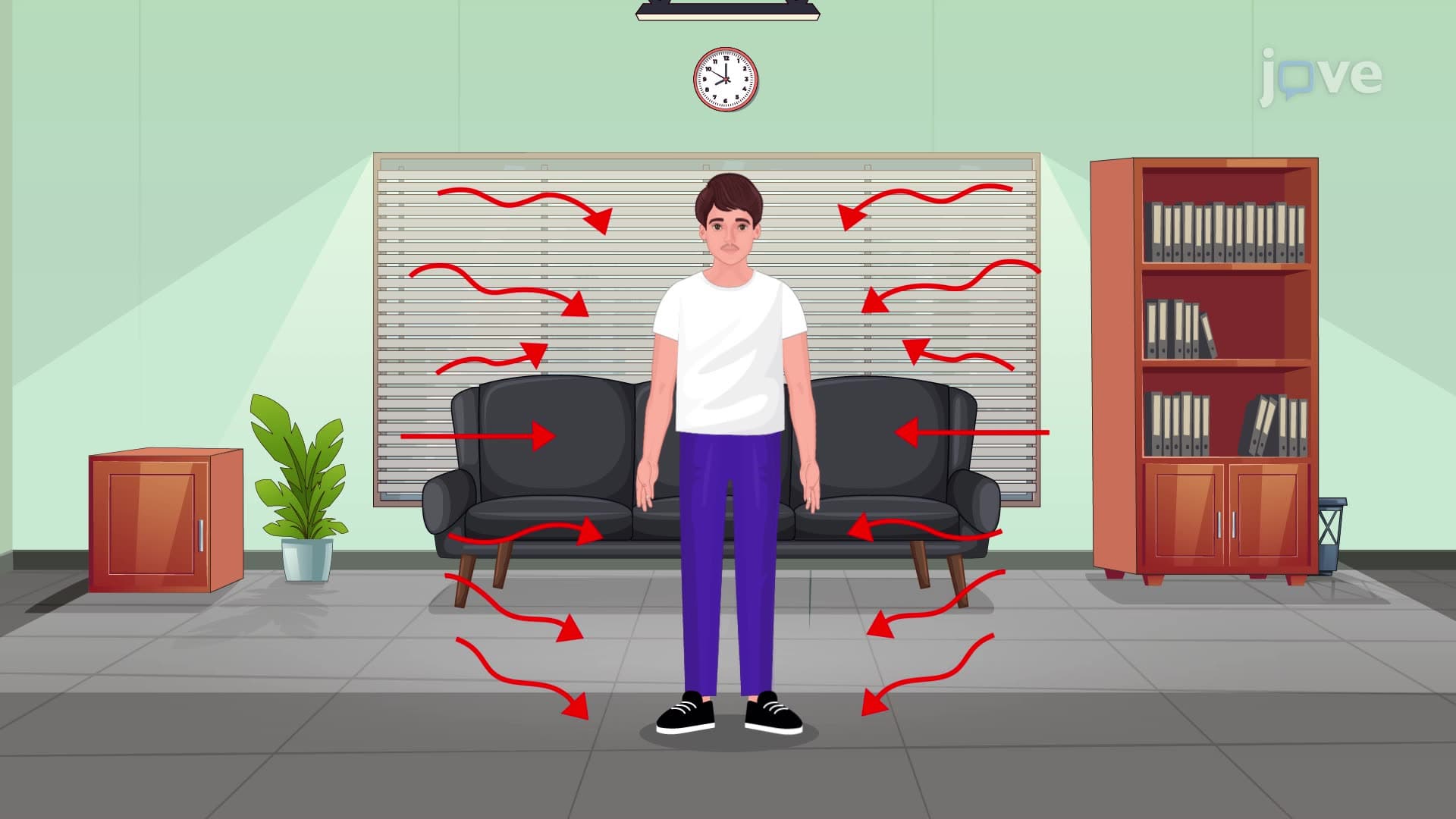
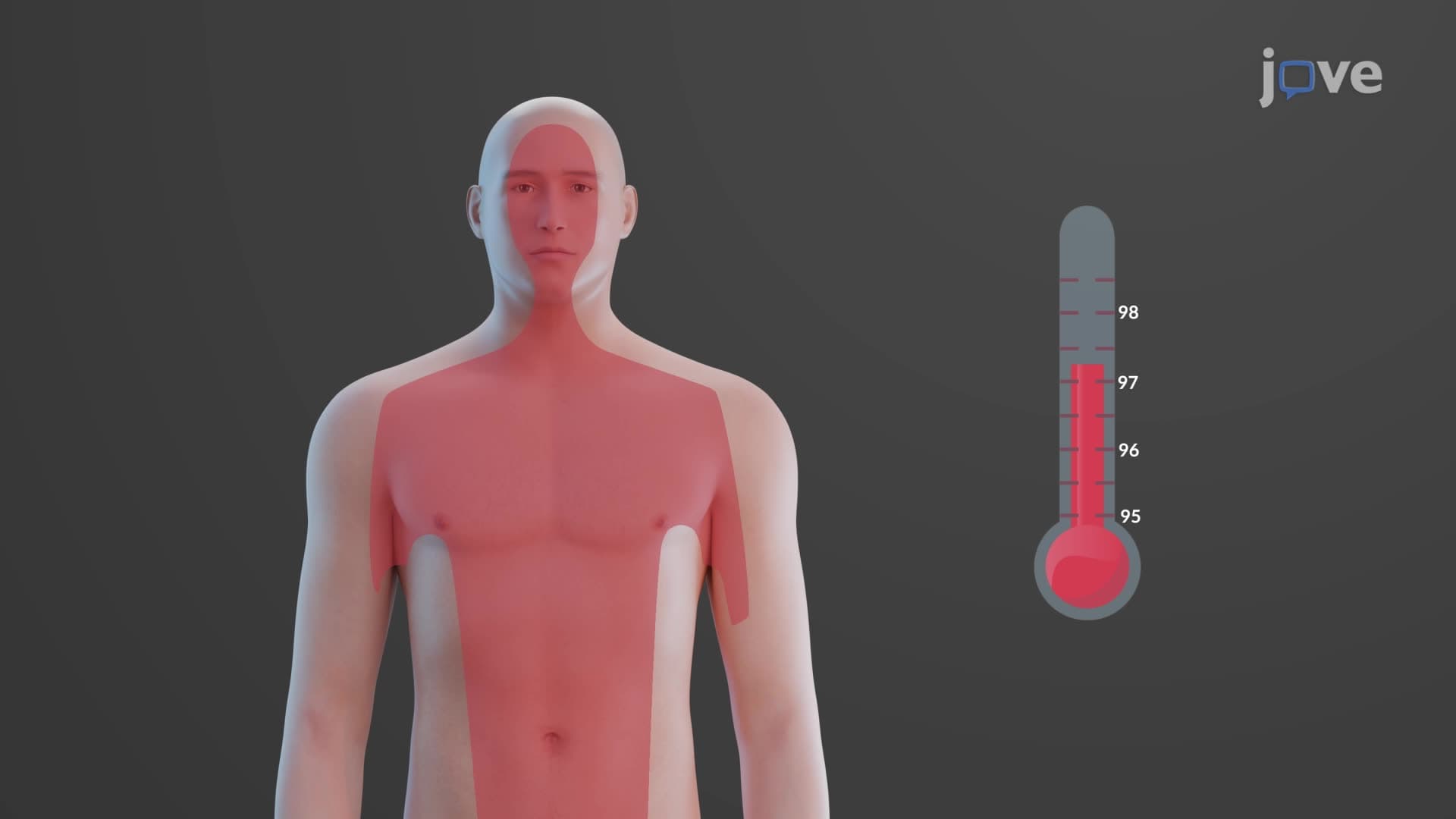
Body temperature regulation physiology represents one of the most sophisticated homeostatic mechanisms in human biology. Unlike cold-blooded reptiles that rely on external heat sources, humans maintain a core temperature around 98.6°F (37°C) regardless of environmental conditions. This process, essential for optimal enzyme function and cellular metabolism, operates through complex negative feedback loops coordinated by the hypothalamus.
The Hypothalamus Thermoregulation Center: Command and Control
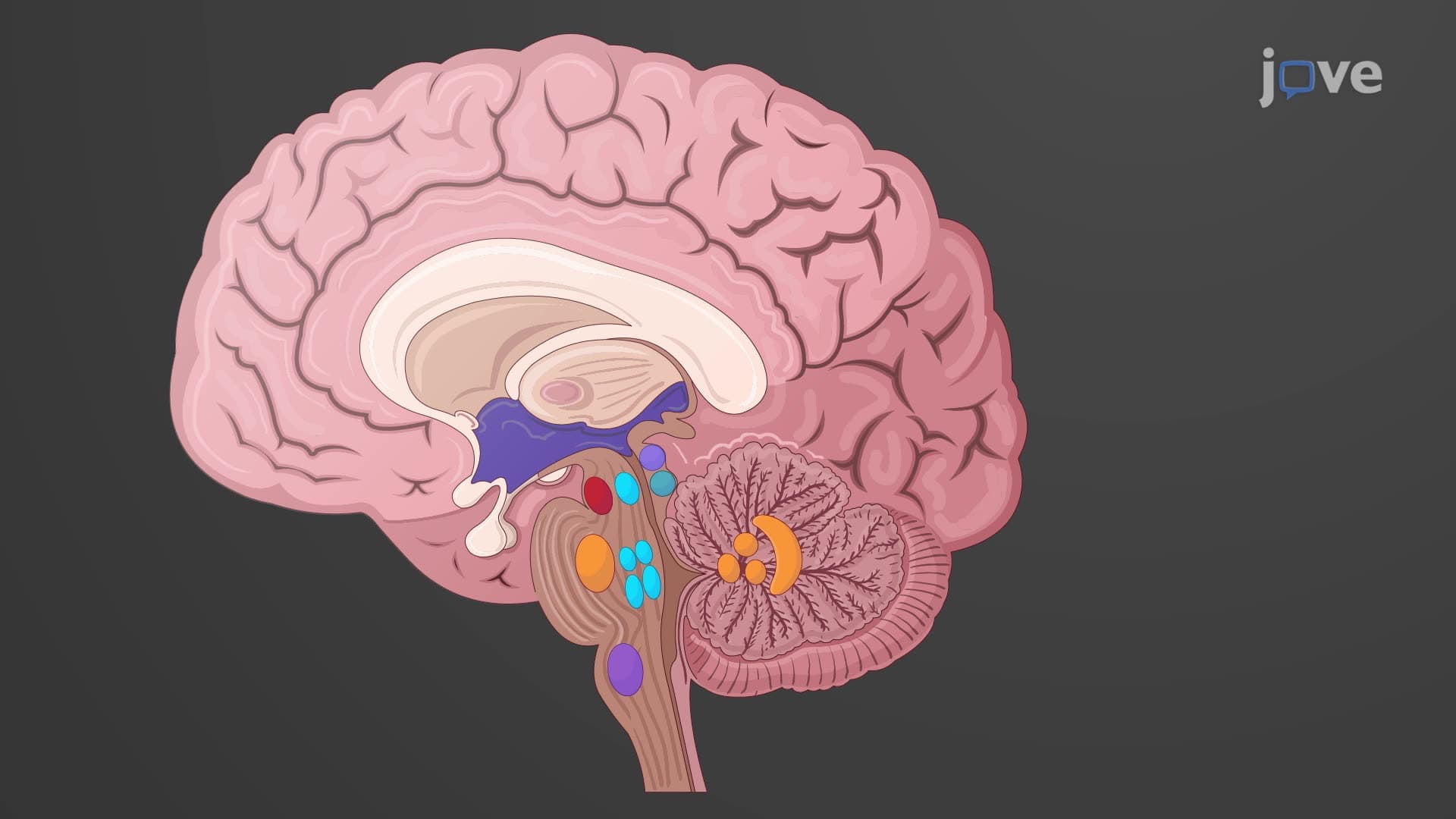
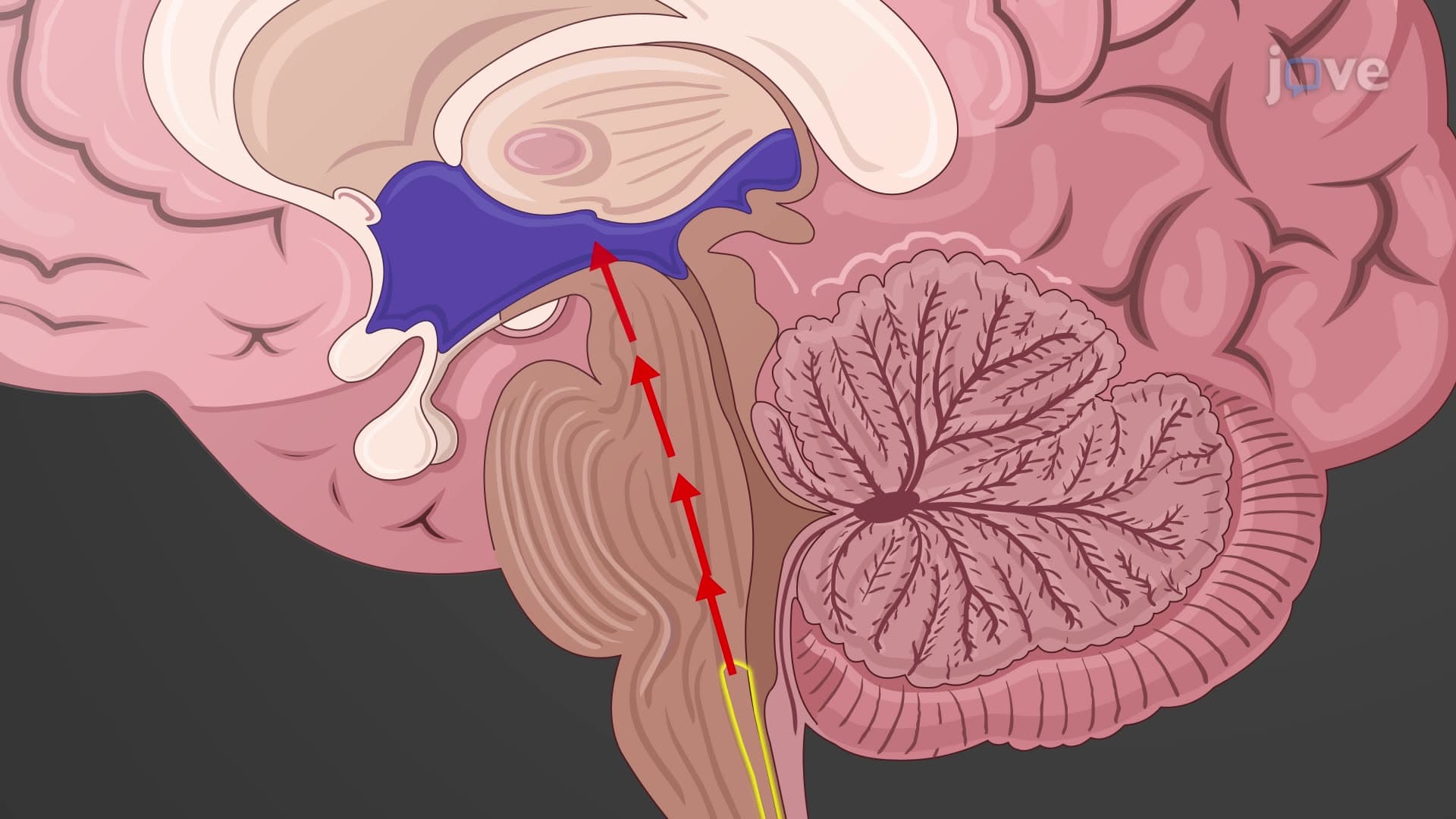
The hypothalamus thermoregulation center acts as your body's biological thermostat, containing both heat-promoting and heat-losing centers. When specialized thermoreceptors detect temperature changes-whether from your skin sensing cold air in Minnesota or your core temperature rising during a Florida marathon-they send signals to the hypothalamus. This brain region then initiates appropriate responses through neural and hormonal pathways, much like how a smart home system adjusts heating and cooling based on sensor input.
Heat Conservation and Production Mechanisms
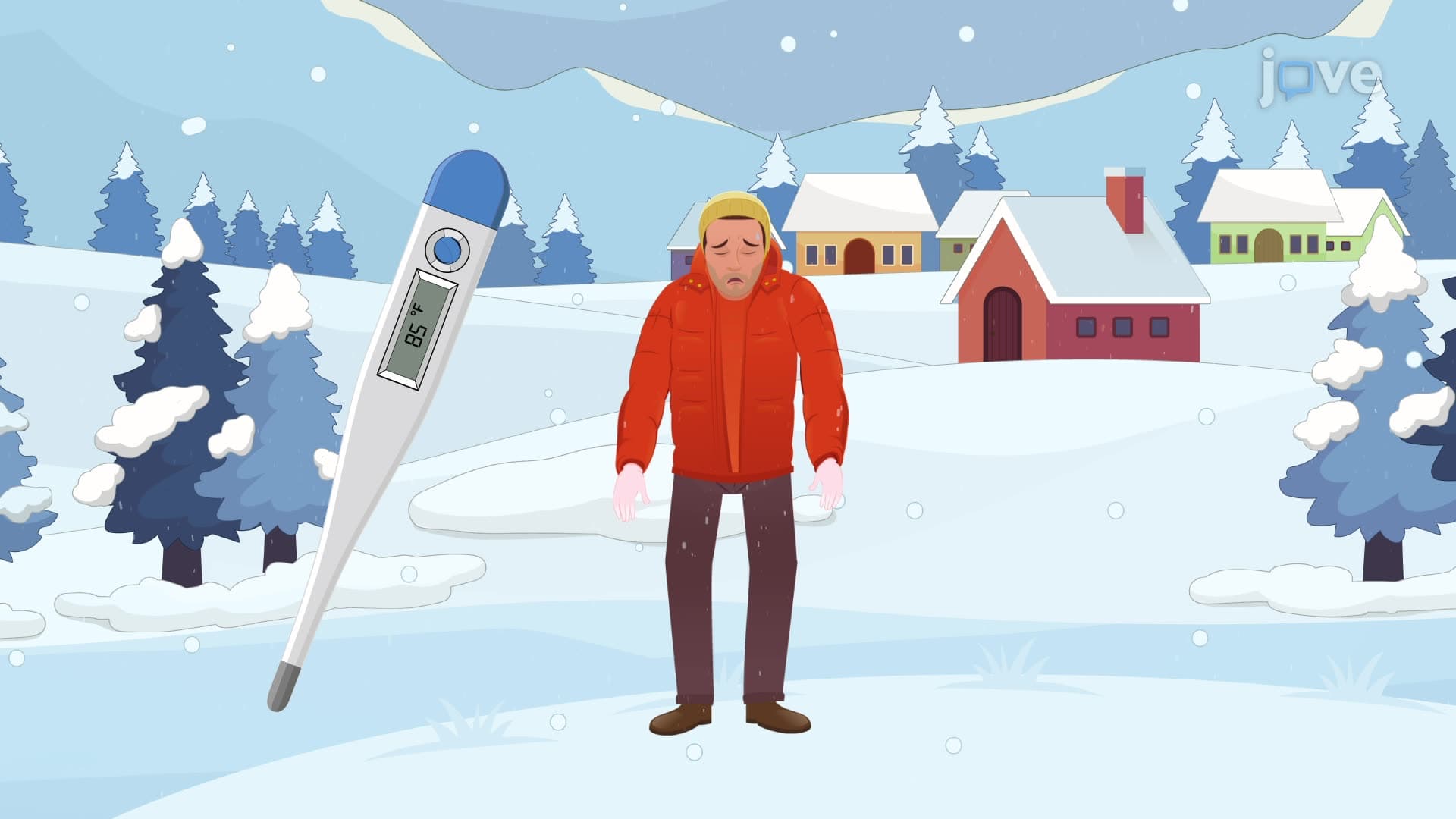
When core temperature drops, the body employs multiple strategies to generate and conserve heat. Shivering vasoconstriction heat responses include involuntary muscle contractions that can increase heat production by up to 400%. Simultaneously, vasoconstriction redirects warm blood away from the skin toward vital organs. The hypothalamus triggers a hormonal cascade: thyrotropin-releasing hormone (TRH) stimulates thyroid-stimulating hormone (TSH) release, ultimately increasing thyroid hormone production. Combined with epinephrine and norepinephrine release, this boosts cellular metabolism and heat generation throughout the body.
Heat Dissipation Through Cooling Mechanisms
Conversely, when body temperature rises-such as during intense exercise or fever-the sweating vasodilation cooling system activates. Vasodilation increases blood flow to skin surfaces, allowing heat transfer to the environment. Sweating provides additional cooling through evaporation, with each gram of sweat removing approximately 0.58 calories of heat energy. This dual approach can dissipate substantial amounts of heat, enabling athletes like marathon runners to maintain safe core temperatures during competition.
Understanding thermoregulatory response biology proves crucial for students preparing for AP Biology, pre-med coursework, and health science programs. MCAT questions frequently test knowledge of negative feedback mechanisms, while nursing students encounter thermoregulation concepts in pathophysiology courses when studying fever, hypothermia, and heat stroke.
Frequently Asked Questions
Thermoregulation is the biological process by which the human body maintains its core temperature around 98.6°F through coordinated physiological responses. It's essential because enzymes and cellular processes require specific temperature ranges to function properly, and even small deviations can impair organ function or prove fatal.
In human physiology, thermoregulation involves thermoreceptors detecting temperature changes and signaling the hypothalamus, which coordinates responses through both the nervous and endocrine systems. The process includes vasoconstriction/vasodilation, shivering, sweating, and hormonal regulation of metabolism to maintain thermal homeostasis.
MCAT questions often focus on negative feedback mechanisms, hormonal cascades (TRH-TSH-thyroid hormone), and integration with other body systems. AP Biology emphasizes homeostatic regulation, comparing thermoregulation across different organisms, and analyzing experimental data about temperature responses in various conditions.
Nursing exams emphasize clinical applications: recognizing signs of hyperthermia and hypothermia, understanding how medications affect temperature regulation, and implementing appropriate interventions. Focus on patient assessment, fever management, and complications in vulnerable populations like elderly patients or those with spinal cord injuries.
Create concept maps linking thermoreceptors → hypothalamus → effector responses, memorize the TRH-TSH-thyroid hormone pathway, and practice calculating heat loss/gain problems. Review case studies involving exercise physiology, fever responses, and environmental exposure to understand clinical applications.
Consider a firefighter battling wildfires in California: their body activates sweating and vasodilation to dissipate heat, while their protective gear challenges these cooling mechanisms. Understanding thermoregulation helps explain why firefighters need frequent hydration breaks and cooling strategies to prevent heat-related illness during extended operations.
Not at all! While the molecular details can be complex, the basic concepts build on familiar experiences like shivering when cold or sweating when hot. Start with the big picture of homeostasis, then gradually add details about the hypothalamus and specific mechanisms as your understanding grows.
Use active recall by drawing the feedback loops from memory, create mnemonics for hormone sequences (like "TRH Tells Thyroid to Start Heating"), and practice explaining the process to classmates. Connect each mechanism to personal experiences-you've felt every aspect of thermoregulation in action throughout your life.
Explore other homeostatic mechanisms like blood glucose regulation, fluid balance, and pH control to see how the body maintains multiple variables simultaneously. Consider studying comparative physiology to understand how different animals solve thermoregulatory challenges, or delve into clinical conditions where thermoregulation fails.
Related Micro-courses

25 Concepts

20 Concepts

37 Concepts