Loading subject page…


84,701 views

Video Summary: Chemical Factors Affecting Respiration Centers Explained
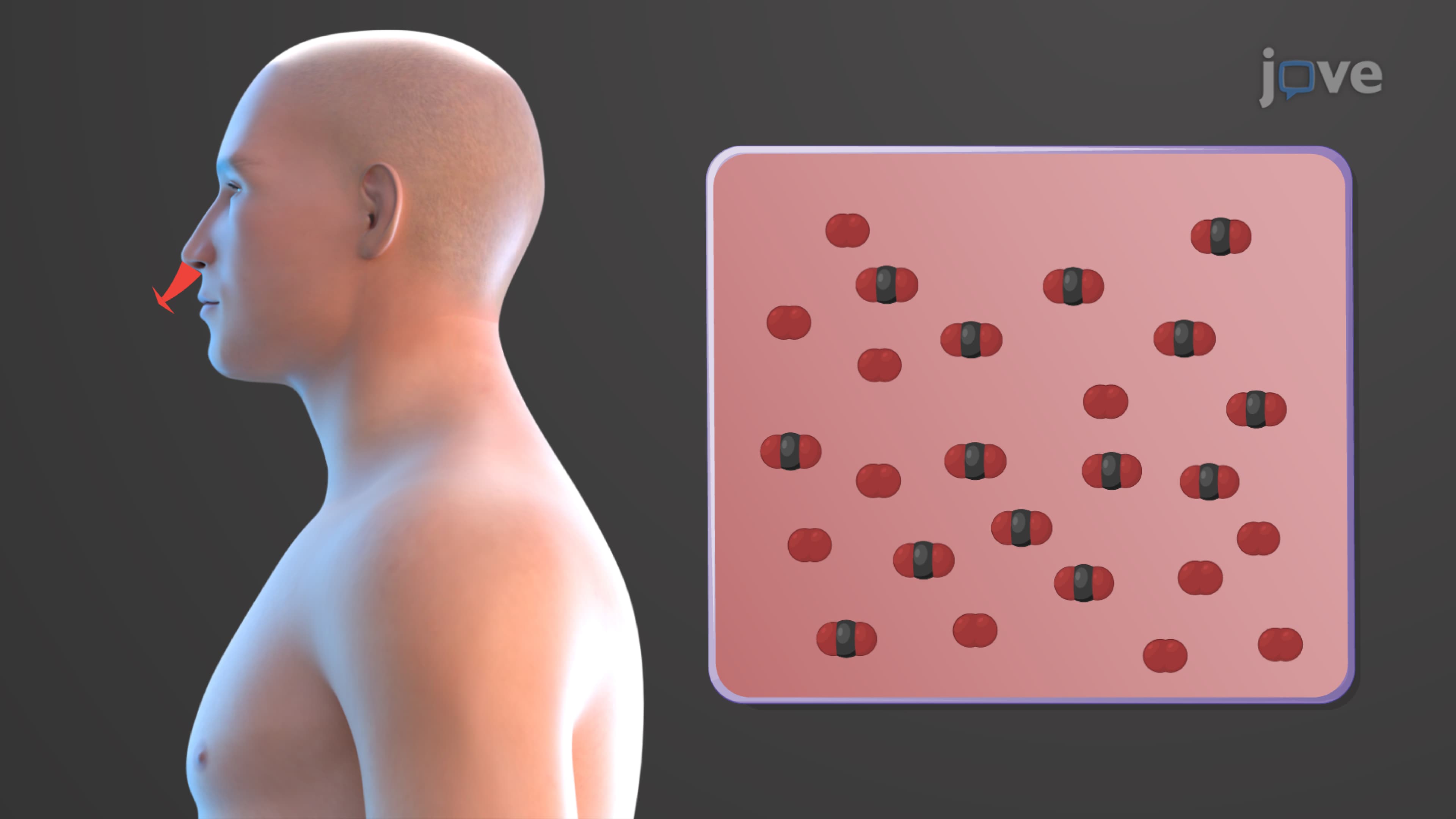
Ever wonder why you automatically breathe faster during a panic attack or after climbing stairs? Chemical factors respiration centers in your brainstem constantly monitor blood chemistry to adjust your breathing rate without conscious thought. When a marathon runner in Boston hits "the wall" at mile 20, their chemoreceptors detect rising CO2 levels and trigger deeper, faster breathing to maintain homeostasis. Chemical Factors Affecting Respiration Centers Explained demonstrates how CO2, pH, and oxygen levels create an intricate feedback system controlling every breath. Watch the full video on JoVE Coach to master this concept with expert-led visuals and step-by-step explanations.
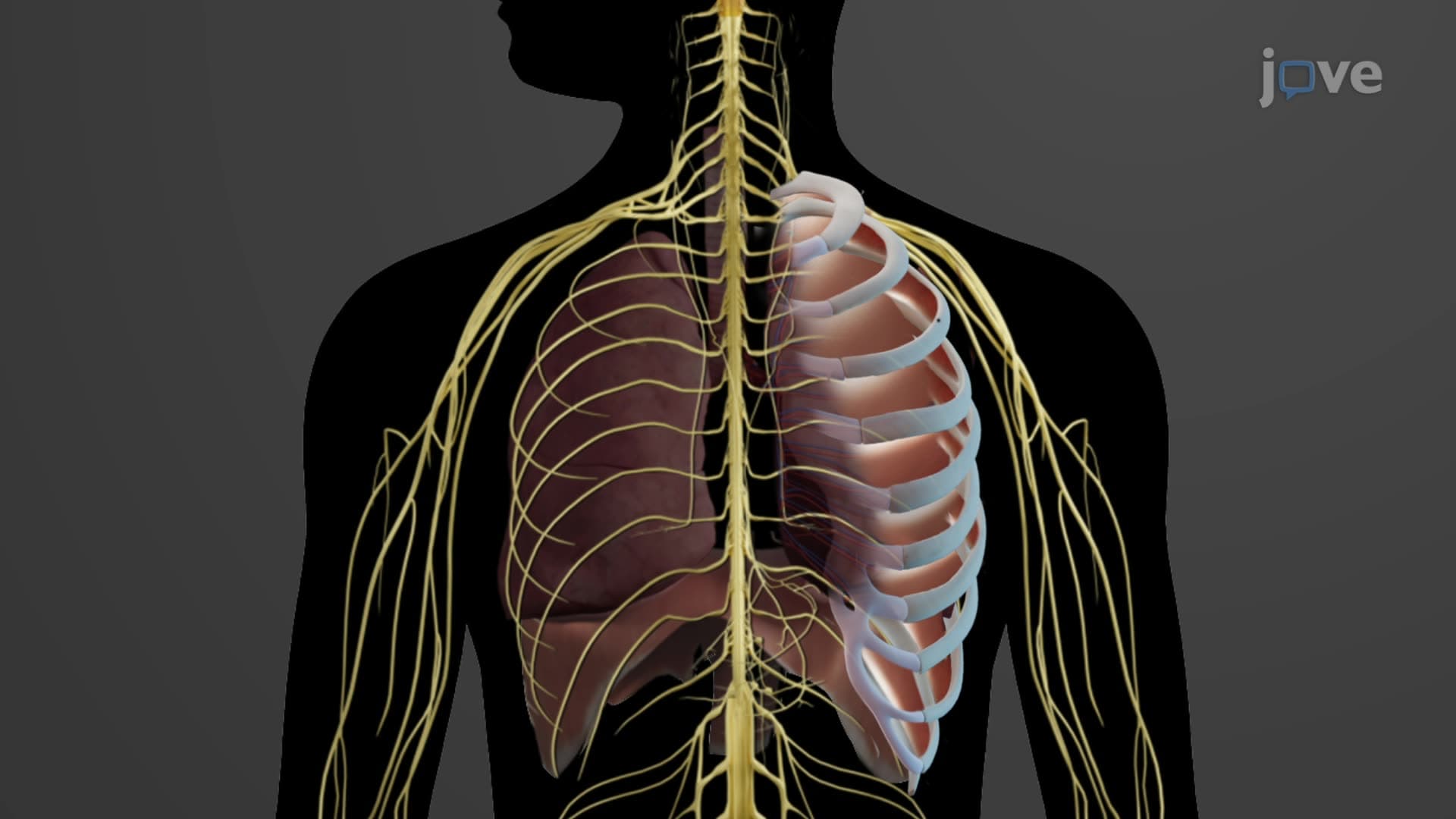
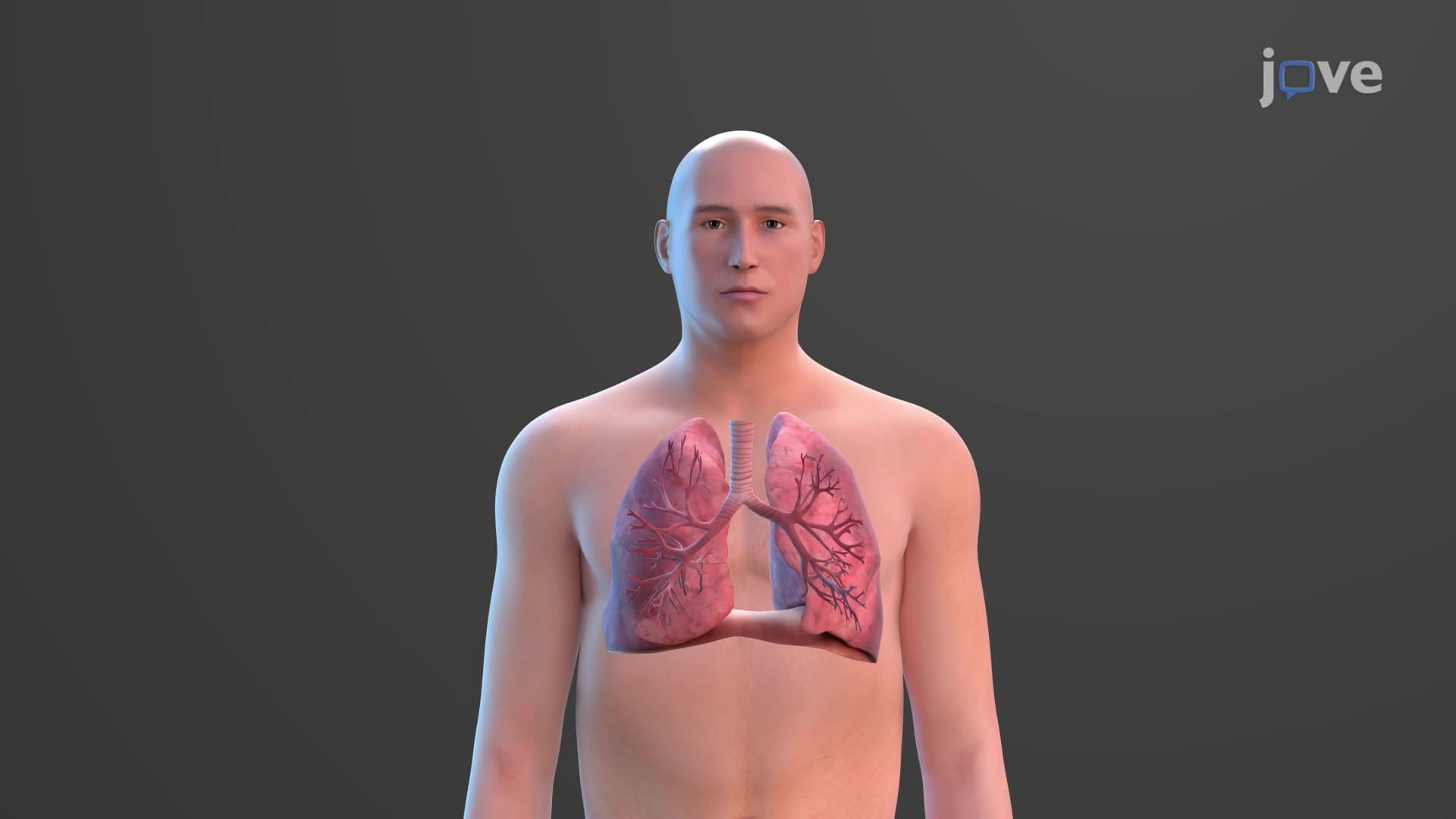
The human respiratory system operates through sophisticated chemical monitoring that makes every breath a precisely calibrated response to your body's metabolic needs. Unlike voluntary movements, breathing relies on involuntary chemoreceptor networks that detect minute changes in blood chemistry and adjust ventilation accordingly.
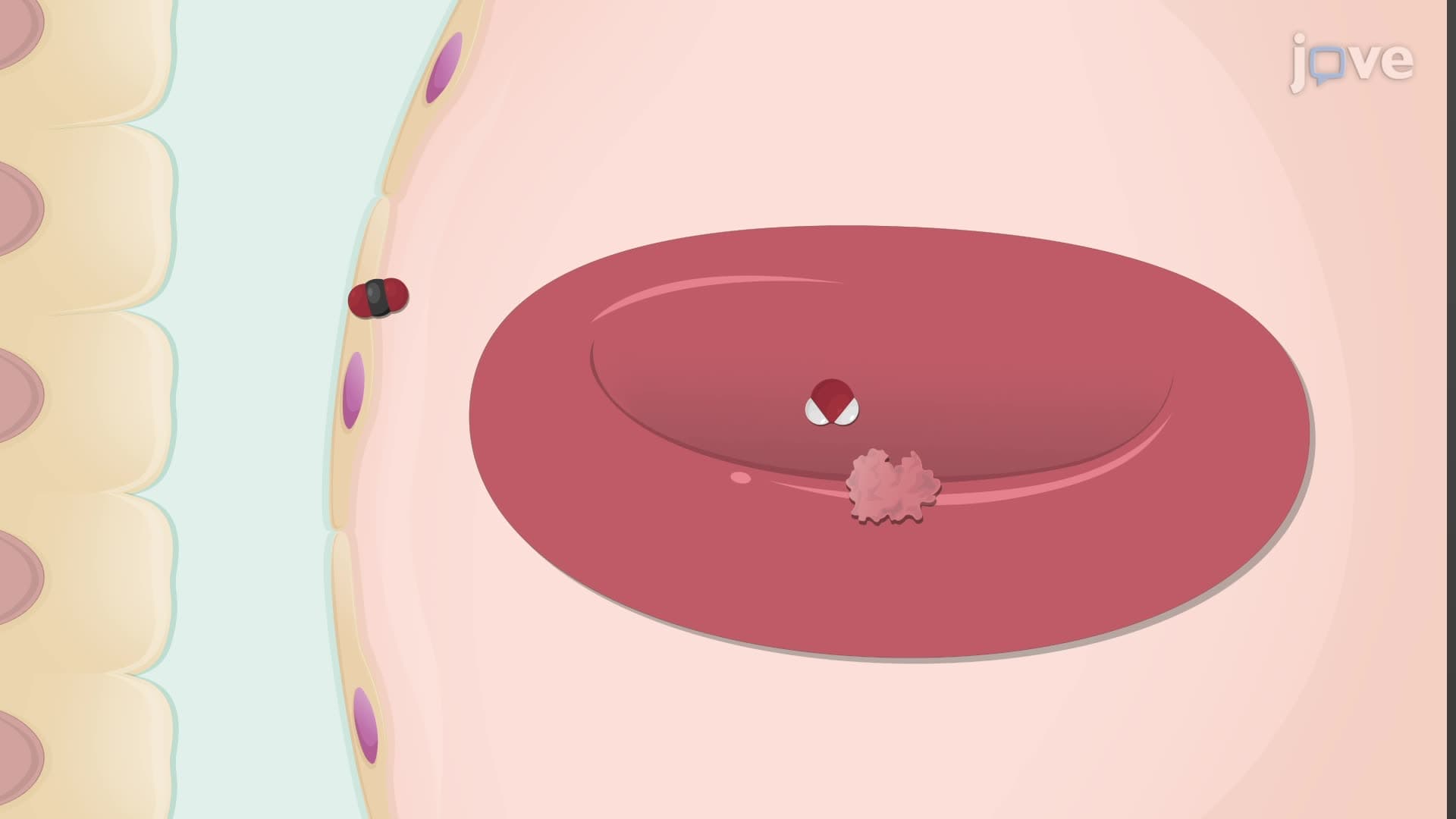
Located in the medulla oblongata, central chemoreceptors serve as your body's primary CO2 detection system. These specialized neurons don't actually sense CO2 directly-instead, they monitor cerebrospinal fluid pH changes. When blood CO2 levels rise (hypercapnia), CO2 crosses the blood-brain barrier and forms carbonic acid, which dissociates into hydrogen ions. This pH drop triggers central chemoreceptors to stimulate the respiratory control center, increasing breathing rate and depth.
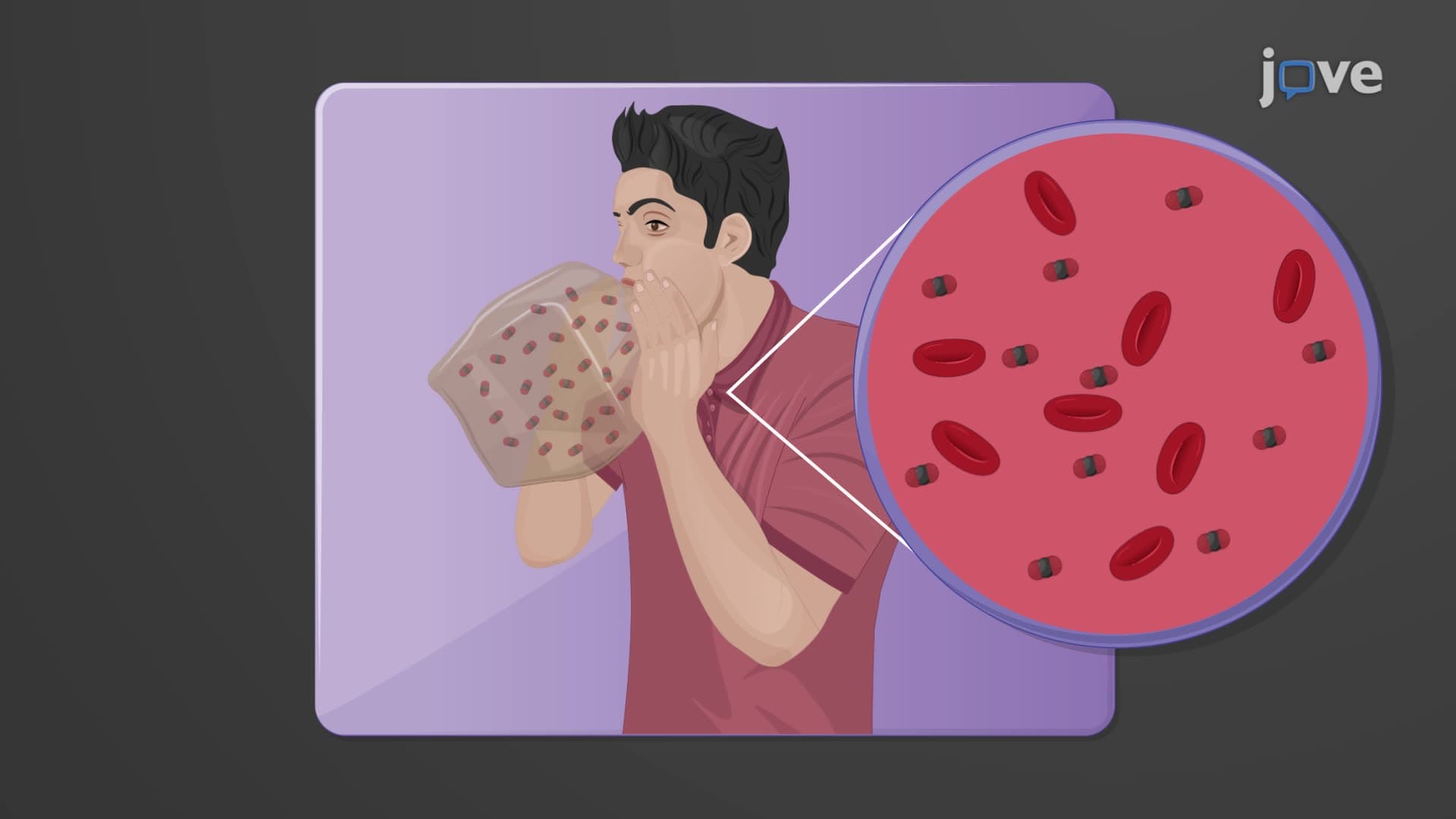
This mechanism explains why students holding their breath during swimming practice at a Texas high school pool eventually must surface-rising CO2 levels override conscious breath-holding as central chemoreceptors demand ventilation. For AP Biology students, understanding this CO2-pH relationship is crucial for exam questions about homeostatic regulation.
The carotid and aortic bodies house peripheral chemoreceptors that provide more diverse chemical monitoring. Unlike their central counterparts, these sensors respond directly to arterial CO2 levels, pH changes, and-critically-oxygen levels when they fall below 60 mmHg. This oxygen threshold represents approximately 90% hemoglobin saturation, the point where tissue oxygen delivery becomes compromised.
Medical students preparing for the MCAT encounter this concept when studying respiratory physiology, particularly how peripheral chemoreceptors enable rapid responses to hypoxemia. Mountain climbers ascending Colorado's 14,000-foot peaks experience this firsthand as peripheral chemoreceptors trigger hyperventilation in response to decreased atmospheric oxygen.
The interplay between central and peripheral chemoreceptors creates sophisticated feedback loops. When breathing increases due to low oxygen, the resulting CO2 decrease and pH increase normally inhibit further respiratory stimulation. However, at high altitudes or in certain disease states, this balance shifts.
For USMLE Step 1 preparation, students must understand how conditions like chronic obstructive pulmonary disease (COPD) alter normal chemoreceptor responses. COPD patients often develop CO2 retention, making peripheral oxygen sensors their primary breathing stimulus-a concept frequently tested on medical licensing exams.
Related Micro-courses