Loading subject page…

- Anatomy and Physiology
- The Respiratory System
- Other Factors Affecting Respiration Centers
Micro-course: The Respiratory System
84,701 views
Learn key concepts and earn your certificate.

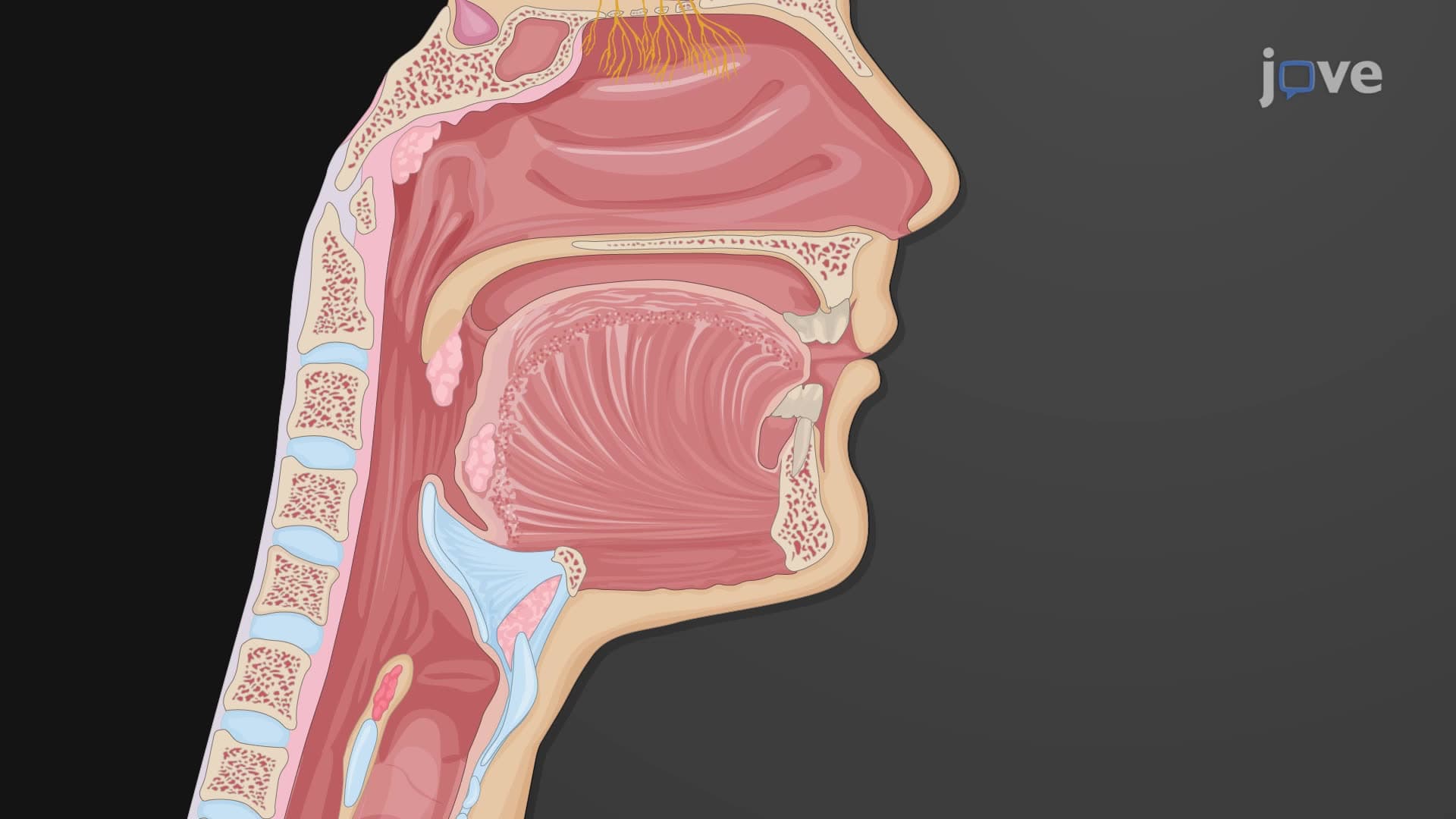
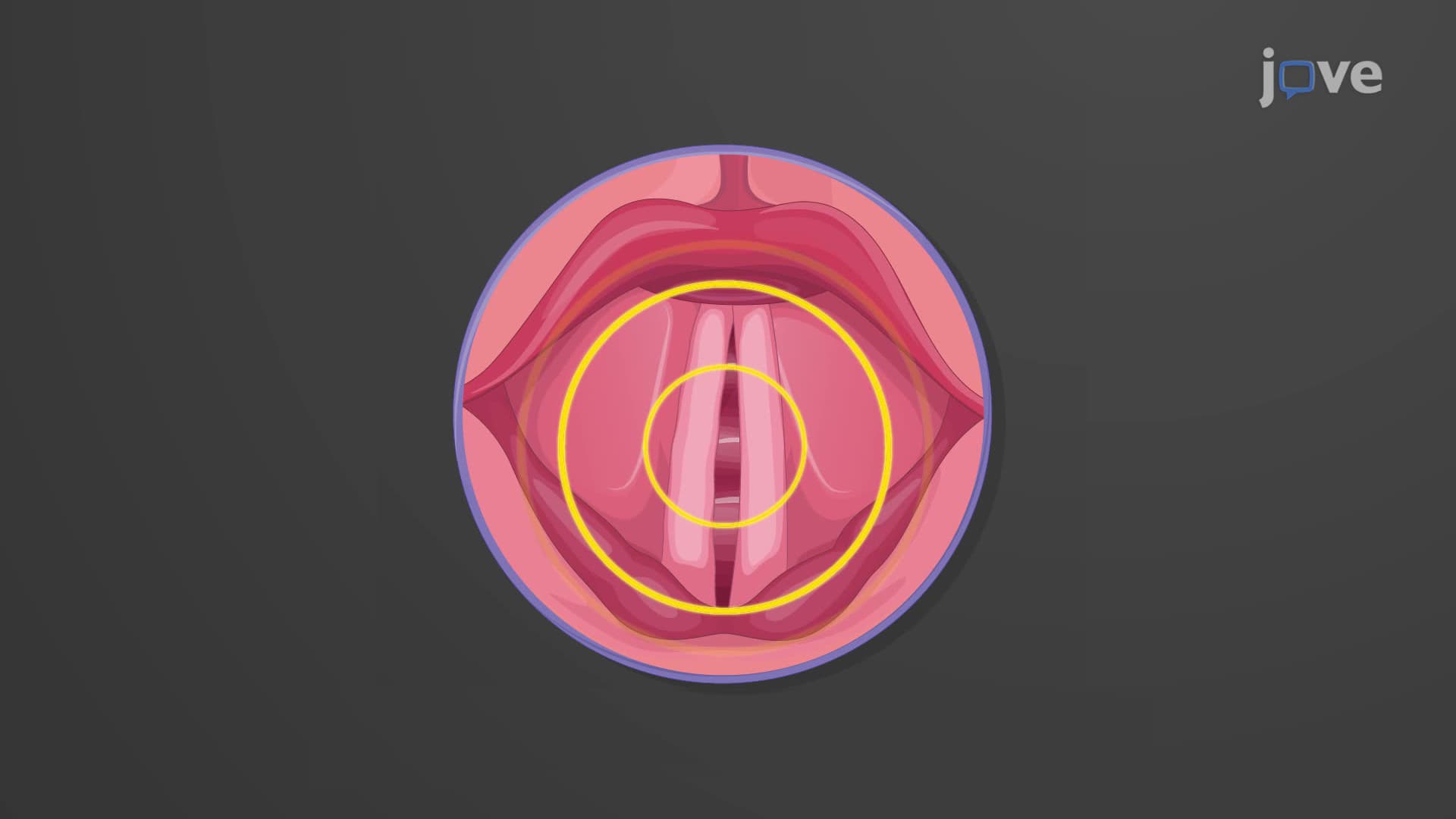
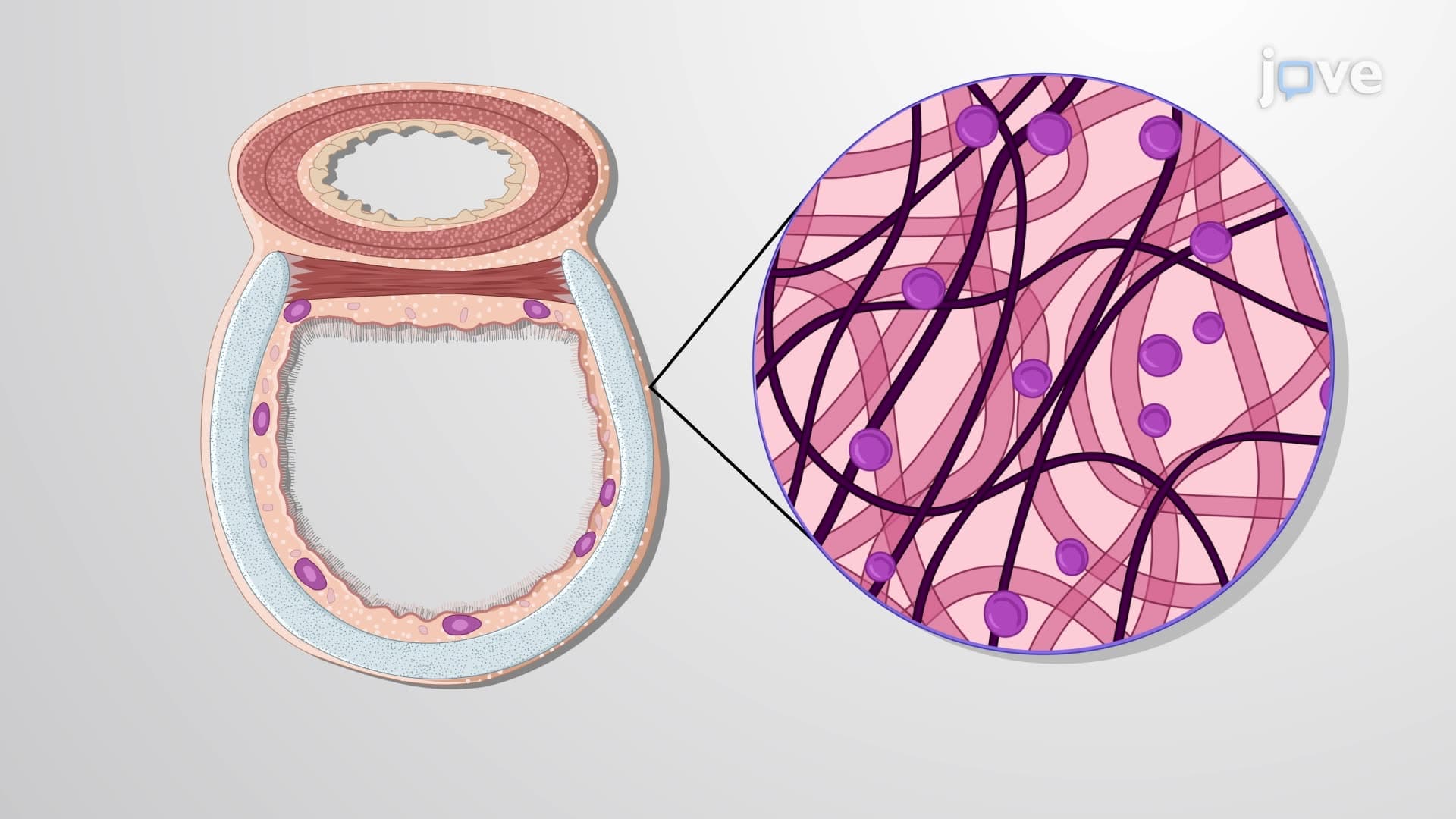
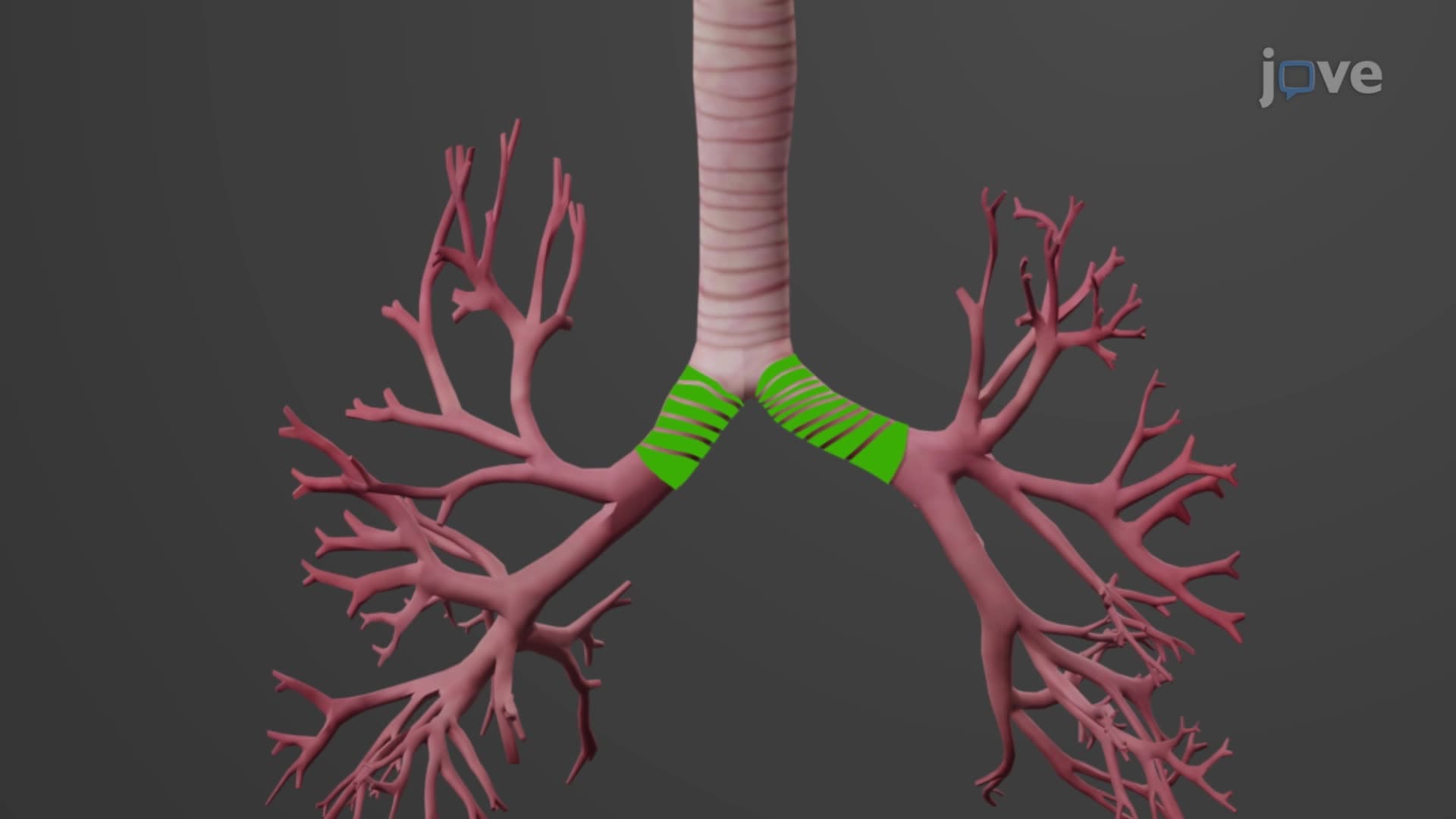
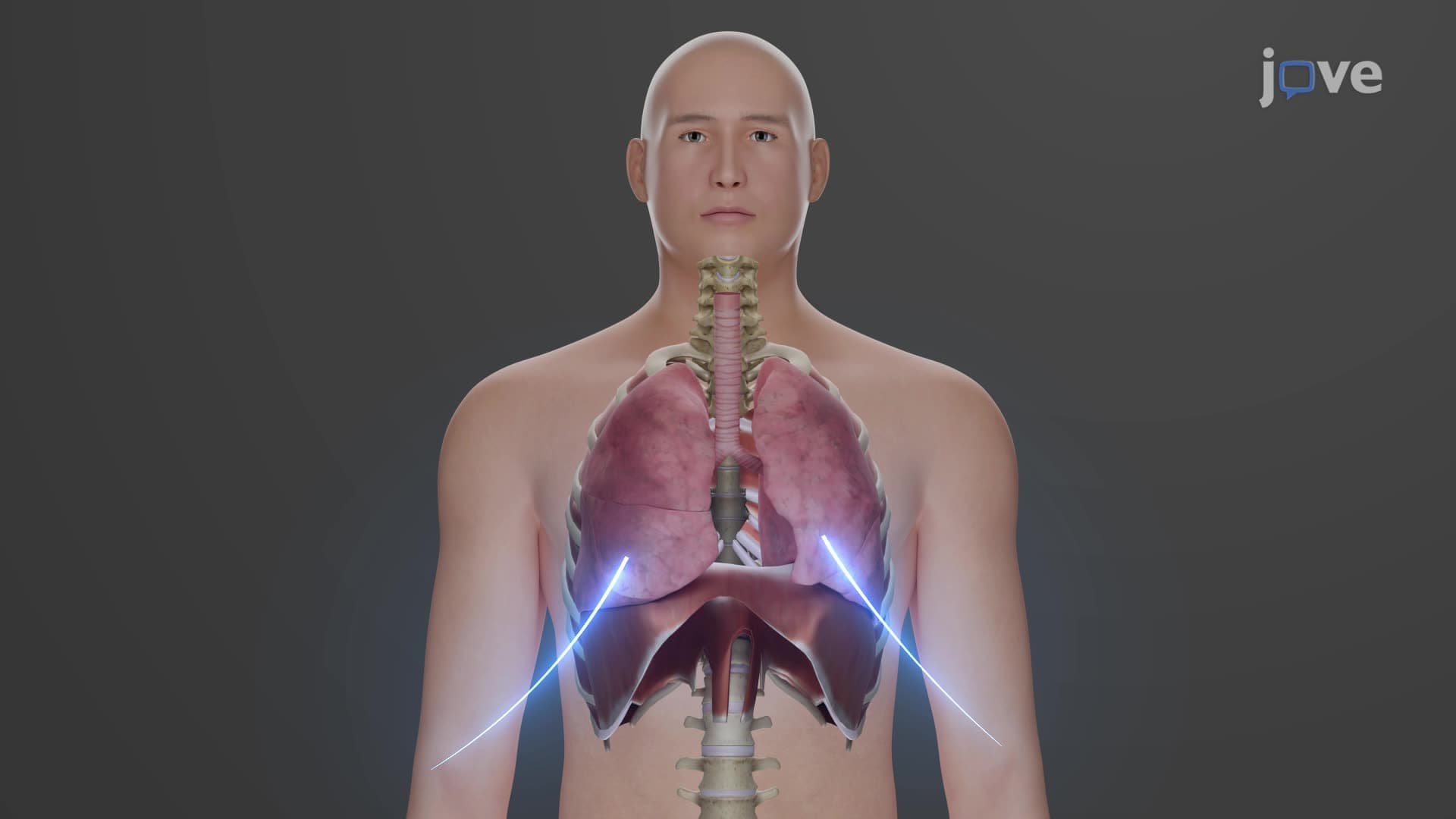
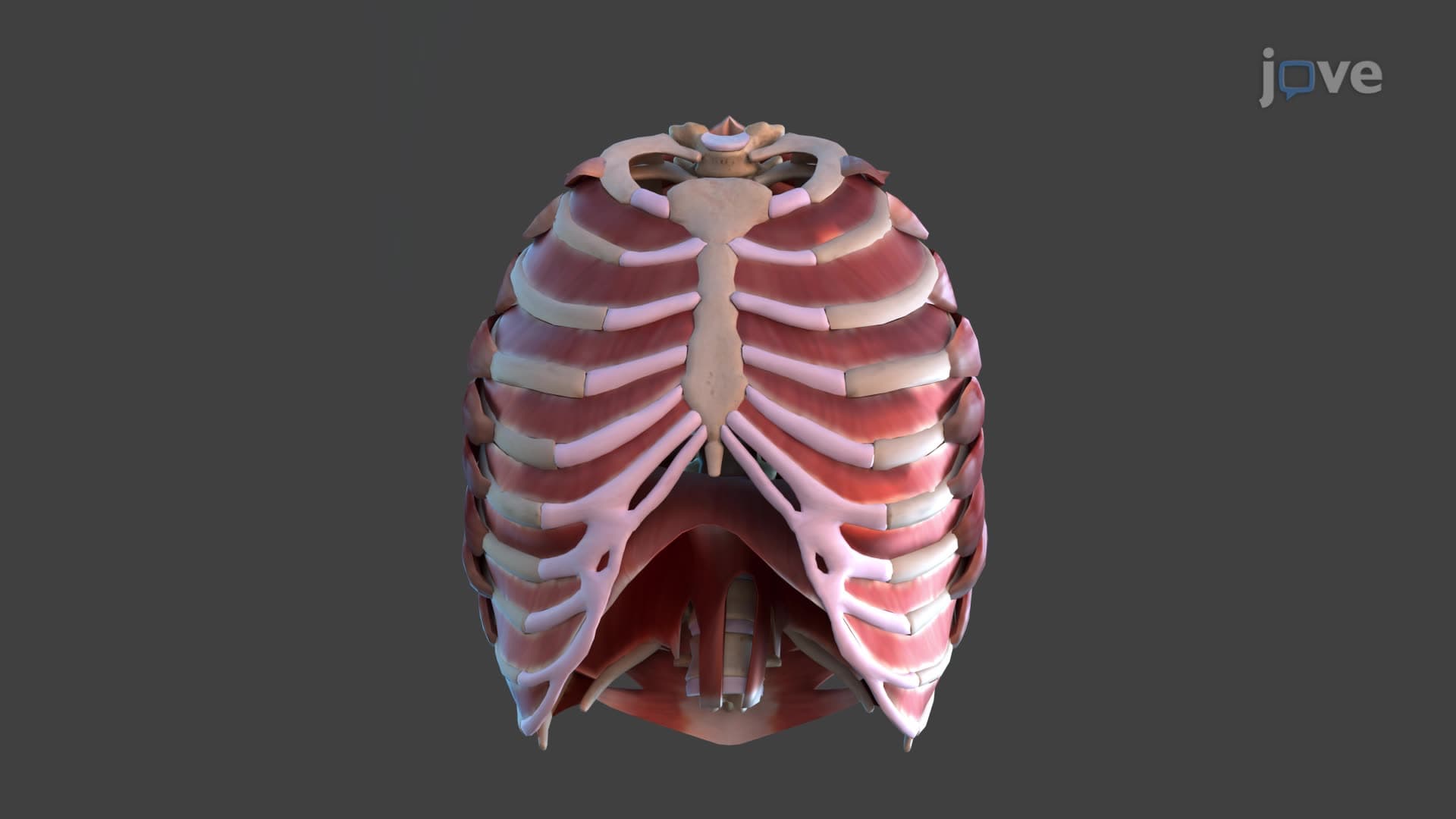
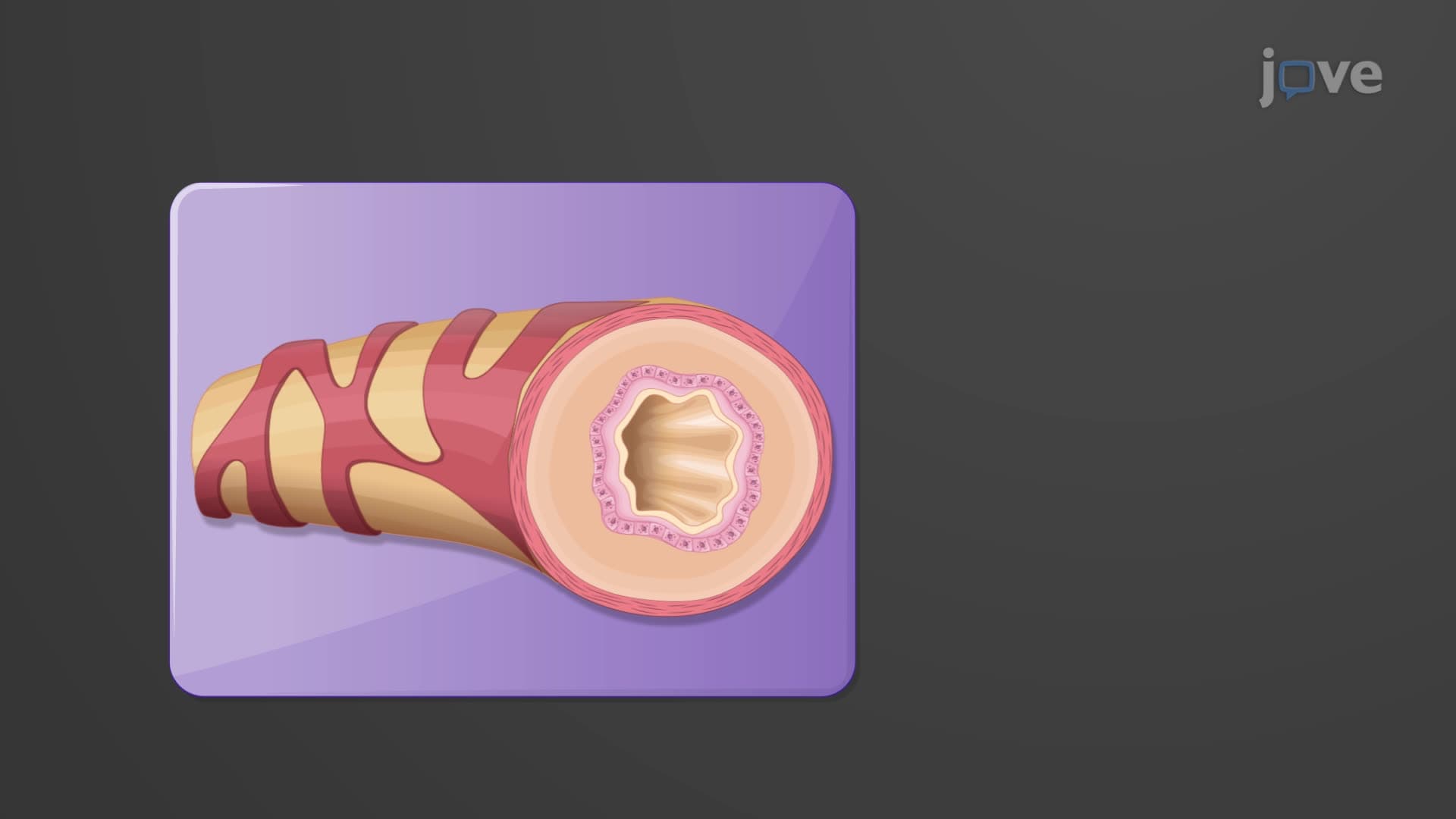
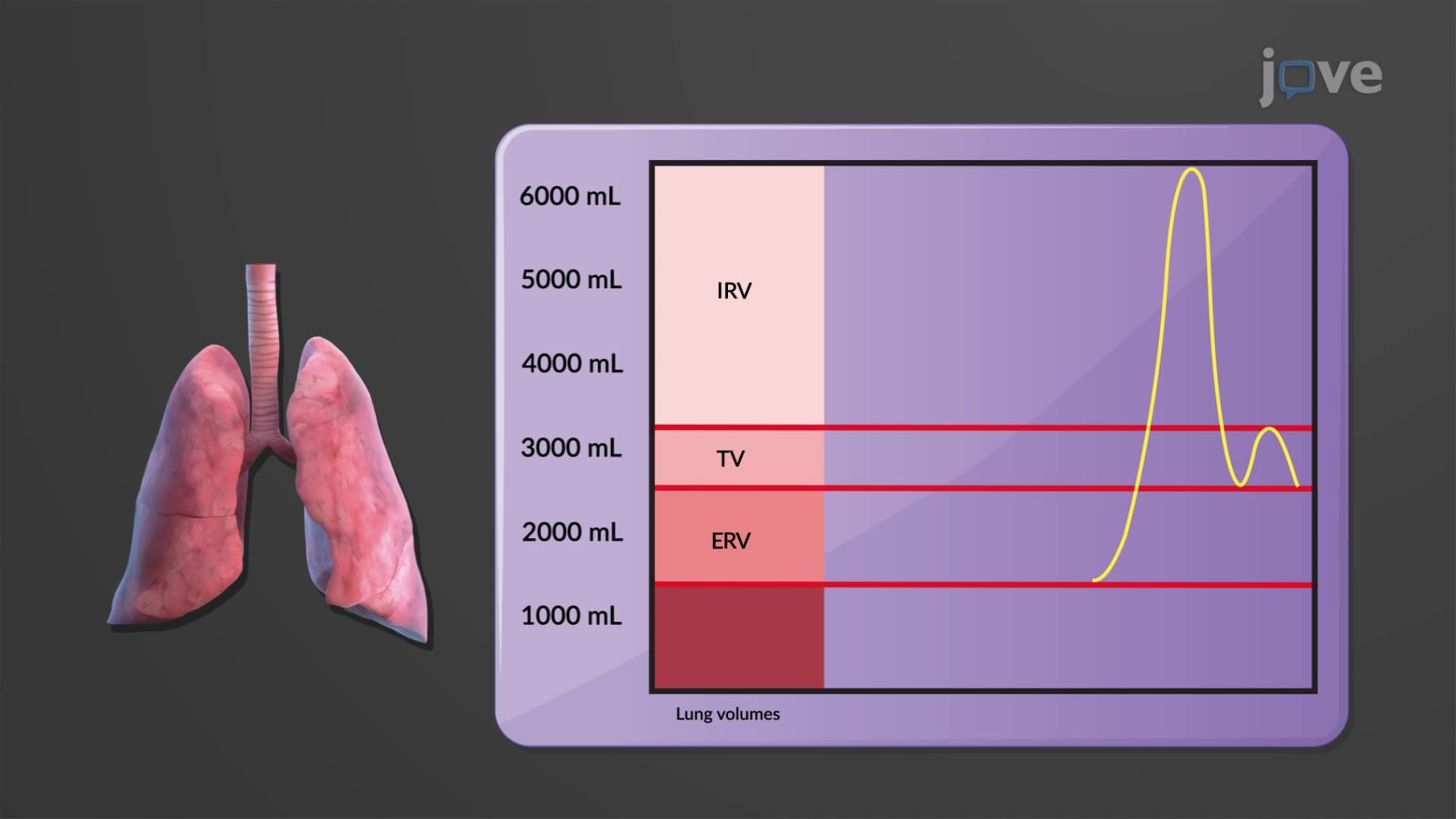

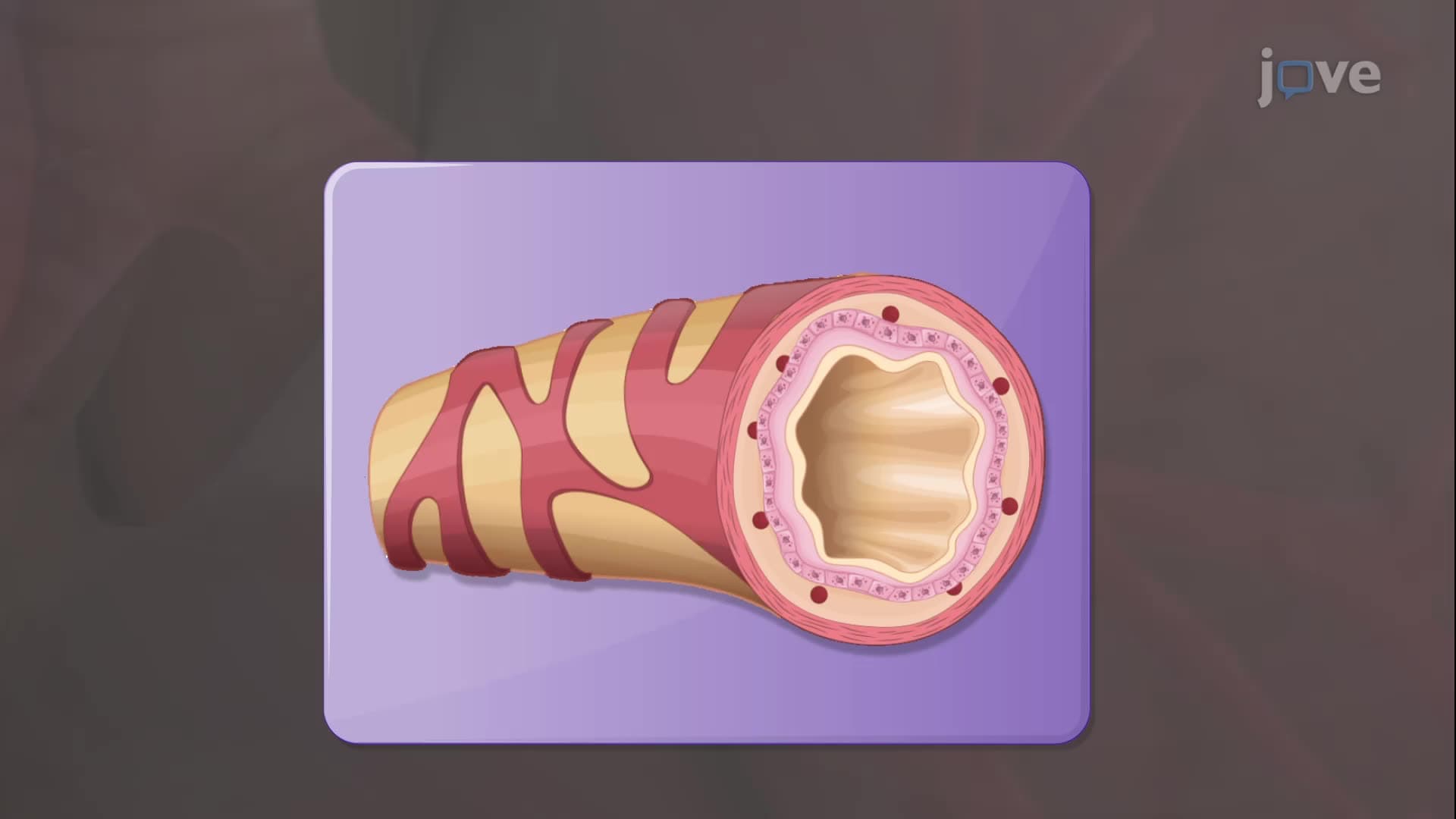
Other Factors Affecting Respiration Centers

00:00
01:17
Video Summary: Other Factors Affecting Respiration Centers Explained
Ever wonder why holding your breath during a free throw at a Lakers game feels automatic, or why a blast of cold air makes you gasp? Other factors affecting respiration centers go far beyond just oxygen and carbon dioxide levels in your blood. Temperature changes, physical irritants, lung stretch, pain, and even emotional states all influence how your respiratory control centers regulate breathing. For instance, when marathon runners experience elevated body temperature during the Boston Marathon, their breathing rate automatically increases to help cool the body. Watch the full video on JoVE Coach to master this concept with expert-led visuals and step-by-step explanations.
- Understand how other factors affecting respiration centers regulate breathing independently of chemical stimuli like CO2 and O2 levels
- Identify the role of stretch receptors in the Hering-Breuer reflex and how lung overinflation triggers protective respiratory responses
- Analyze the relationship between body temperature changes and breathing rate modifications during fever, exercise, and cold exposure
- Recognize how physical and chemical irritants in the upper respiratory tract trigger immediate protective responses like coughing and sneezing
- Compare the effects of somatic versus visceral pain on respiratory patterns through different neural pathways
- Evaluate how conscious control through the cerebral motor cortex can override automatic medullary breathing centers
- Apply knowledge of proprioceptor breathing reflexes to understand respiratory responses during physical activity and stress
- Explore the connection between emotional states and breathing patterns through hypothalamic and limbic system interactions
Understanding Other Factors Affecting Respiration Centers
While most students learn about chemical regulation of breathing through CO2 and O2 sensors, the respiratory system responds to numerous non-chemical stimuli that can dramatically alter breathing patterns. These other factors affecting respiration centers represent sophisticated protective and adaptive mechanisms that help maintain homeostasis and protect the respiratory tract from harm.
Temperature-Mediated Respiratory Control
Temperature regulation significantly impacts breathing rate through direct effects on respiratory centers. During hyperthermia-whether from fever or intense exercise like training for high school track meets-the body increases ventilation to enhance heat loss through expired air. Conversely, hypothermia slows breathing rate to conserve body heat and reduce metabolic demands. This temperature-respiration relationship is particularly relevant for MCAT test-takers studying thermoregulation, as it demonstrates how respiratory and thermoregulatory systems work together. Sudden cold exposure, such as jumping into a cold swimming pool, can trigger temporary apnea as the body's initial shock response.
Mechanical Reflexes and Protective Responses
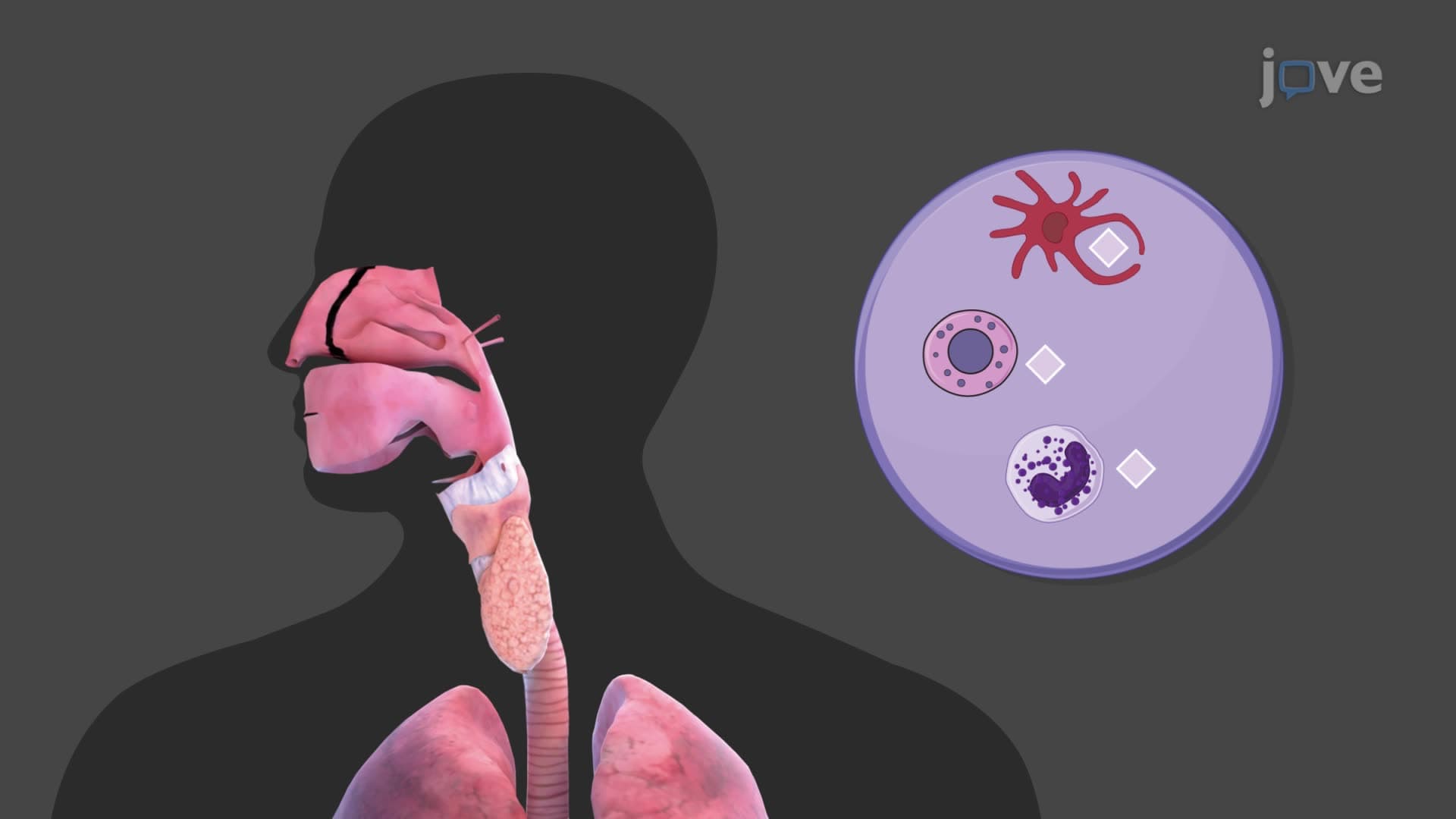
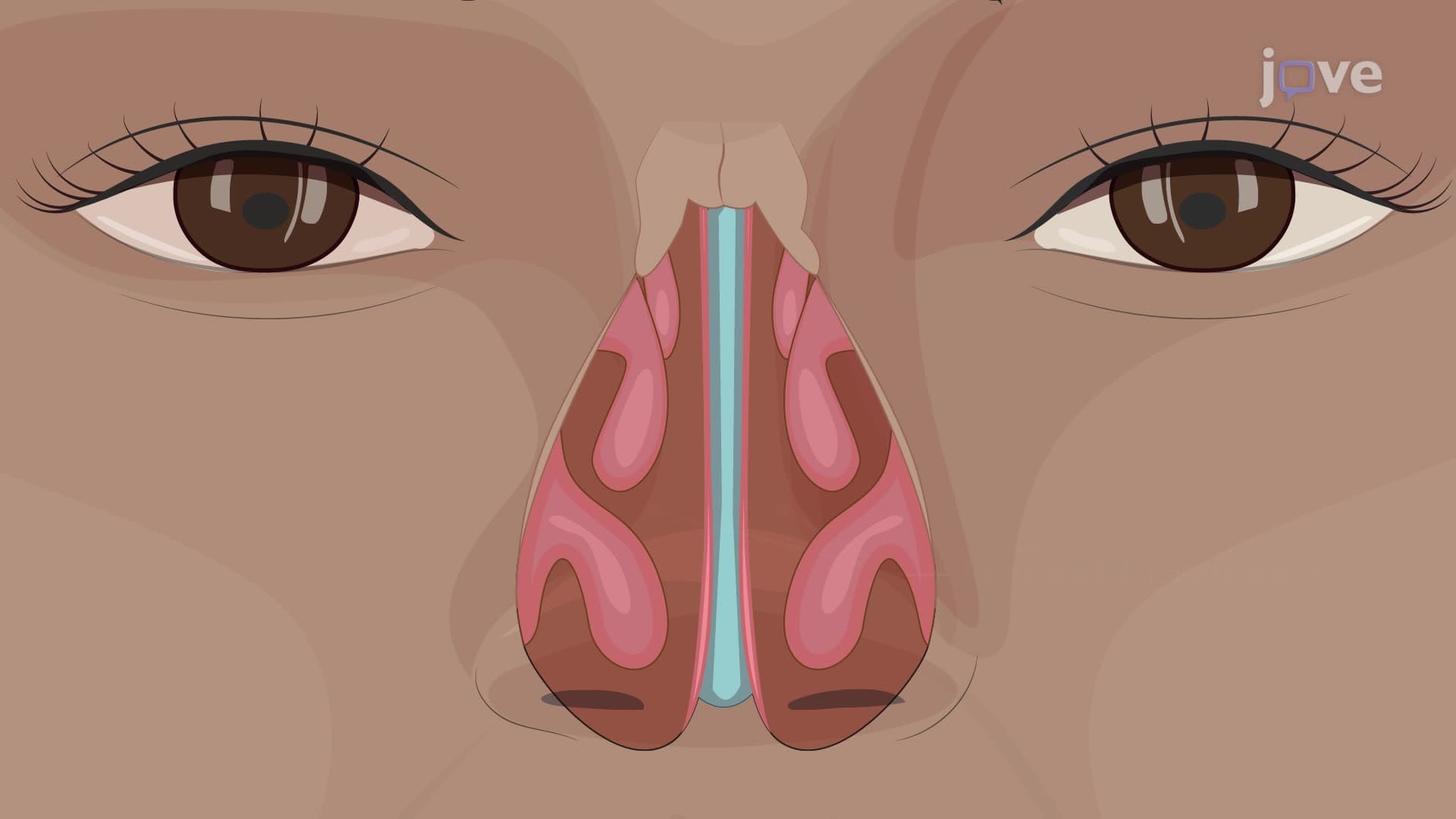
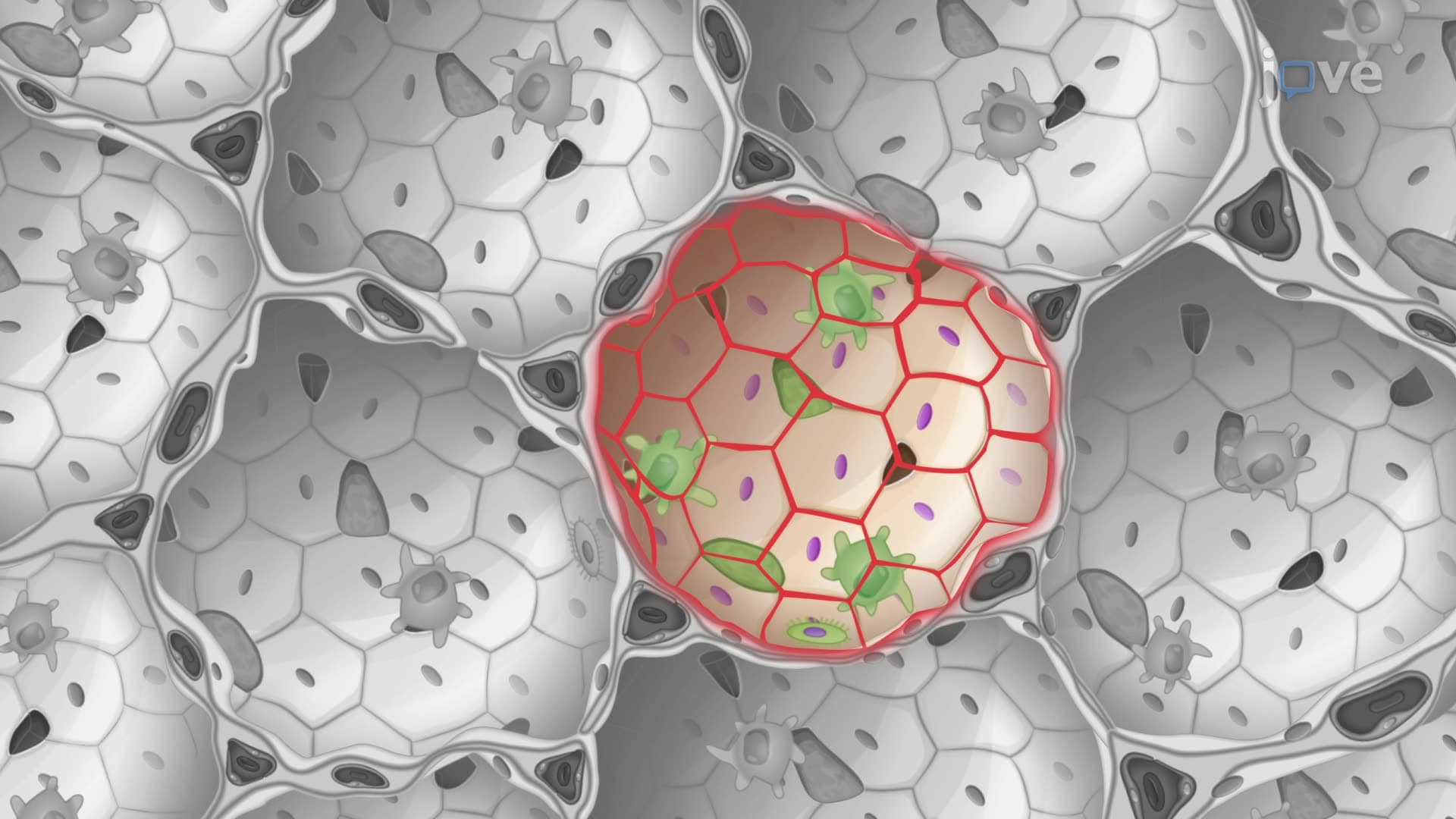
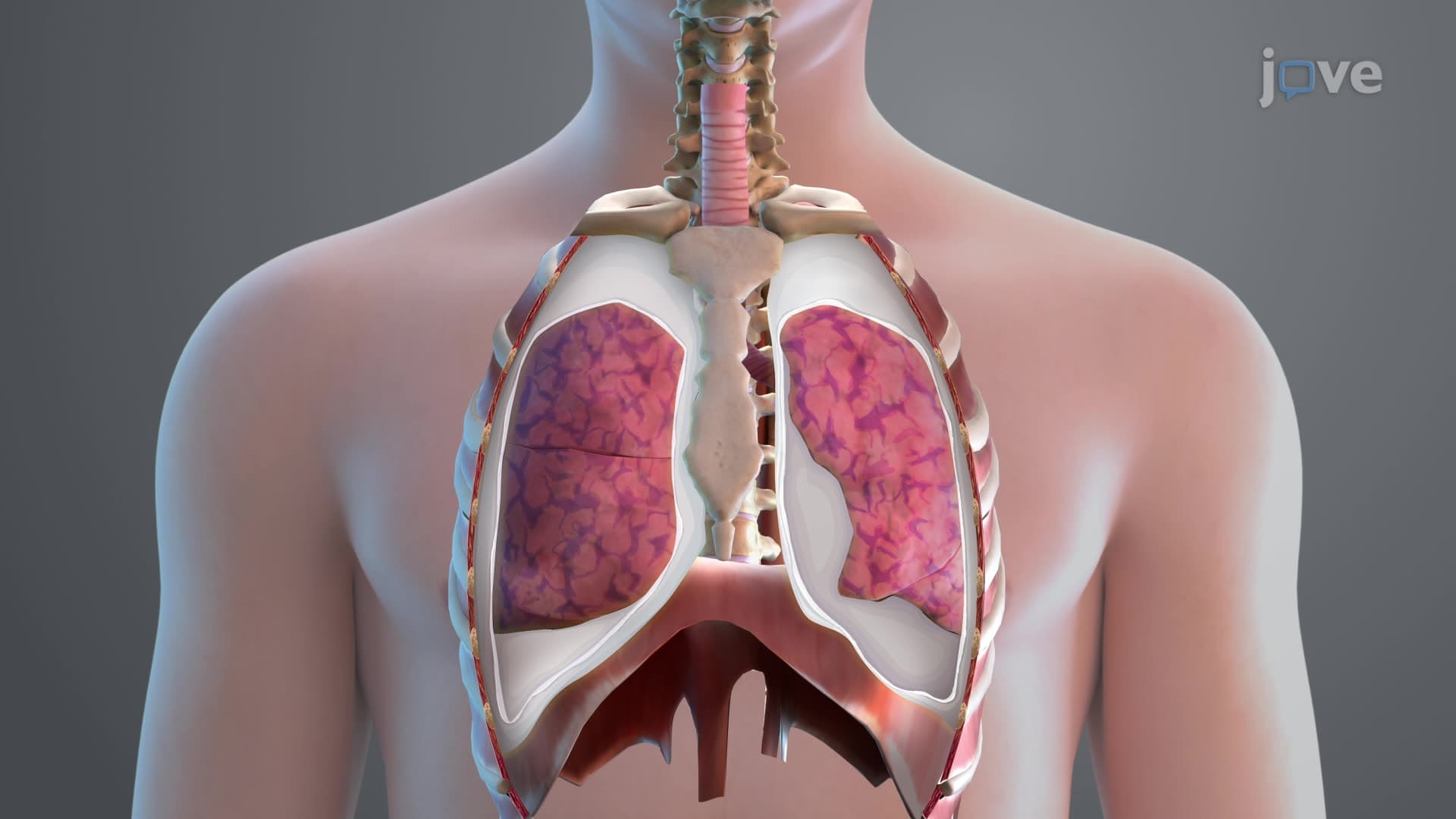
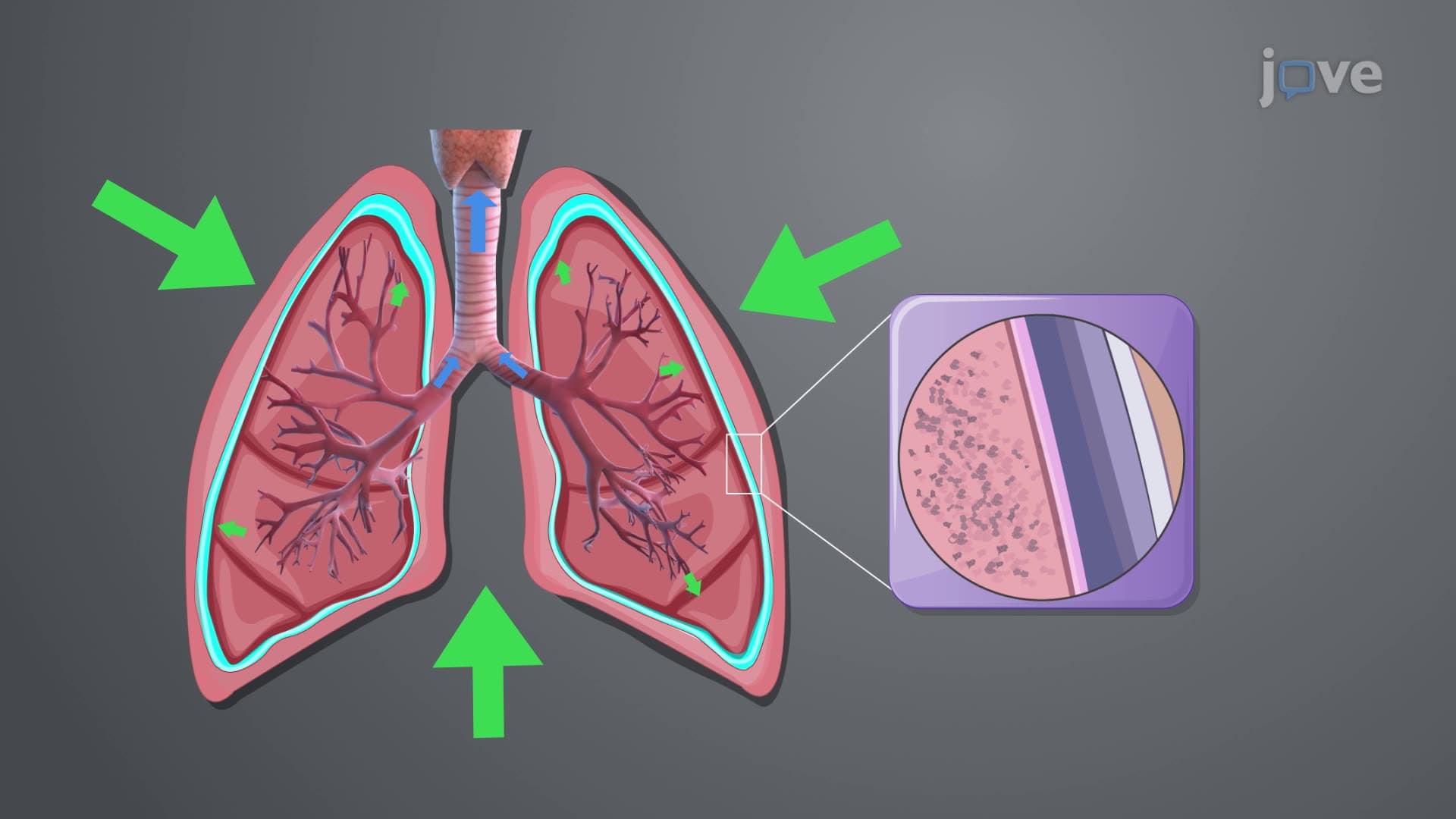
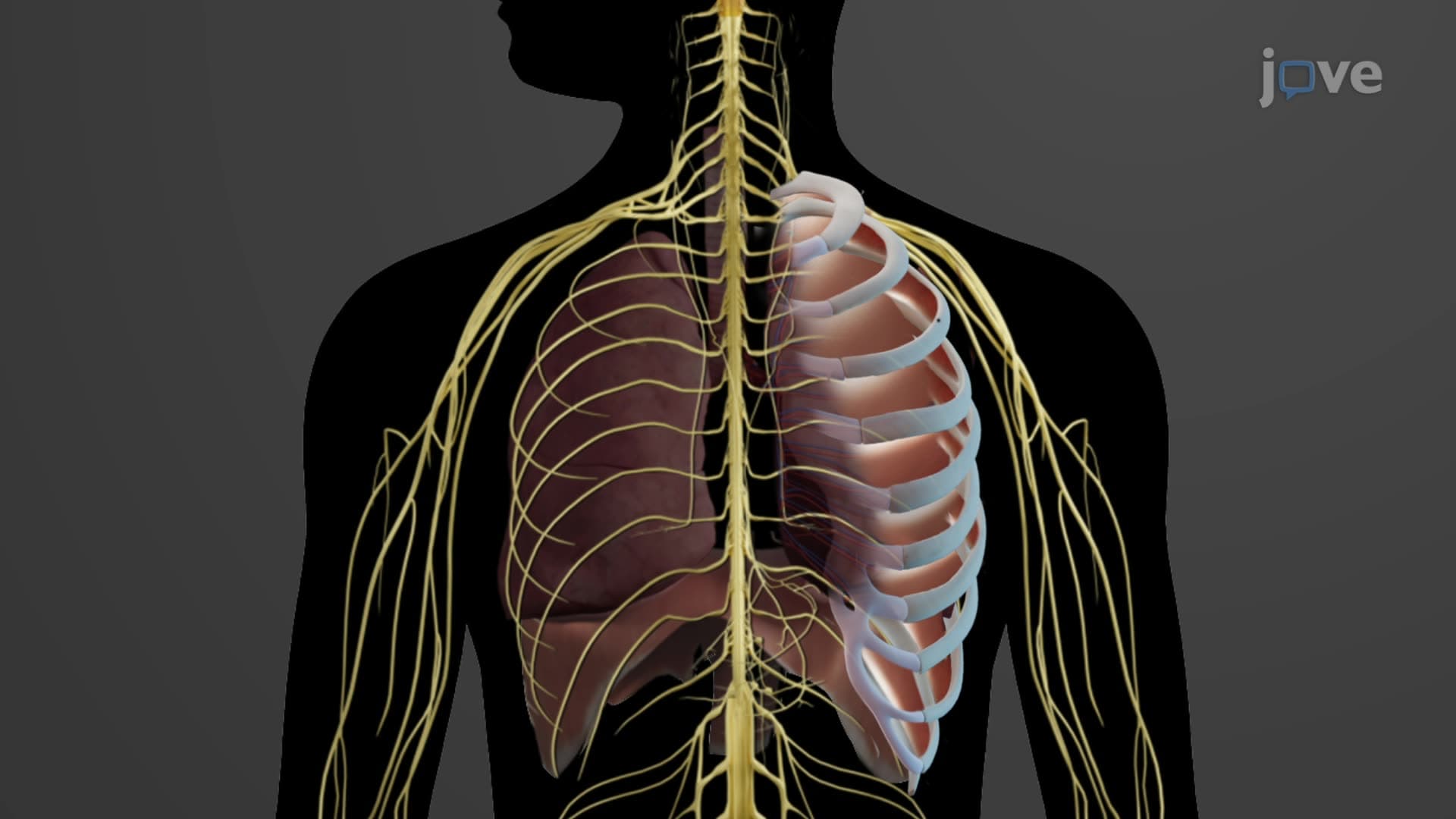
The Hering-Breuer reflex exemplifies how mechanical stretch receptors in bronchi and bronchioles prevent lung overinflation. When lung tissue stretches beyond normal limits-common during deep inspiration or mechanical ventilation in hospital settings-these proprioceptor breathing reflexes immediately halt inhalation and promote exhalation. This protective mechanism prevents alveolar damage and maintains optimal lung compliance. Physical and chemical irritants in the larynx and pharynx trigger immediate cessation of breathing followed by protective responses like coughing or sneezing, effectively clearing potential threats from the respiratory tract.
Pain, Emotion, and Voluntary Control
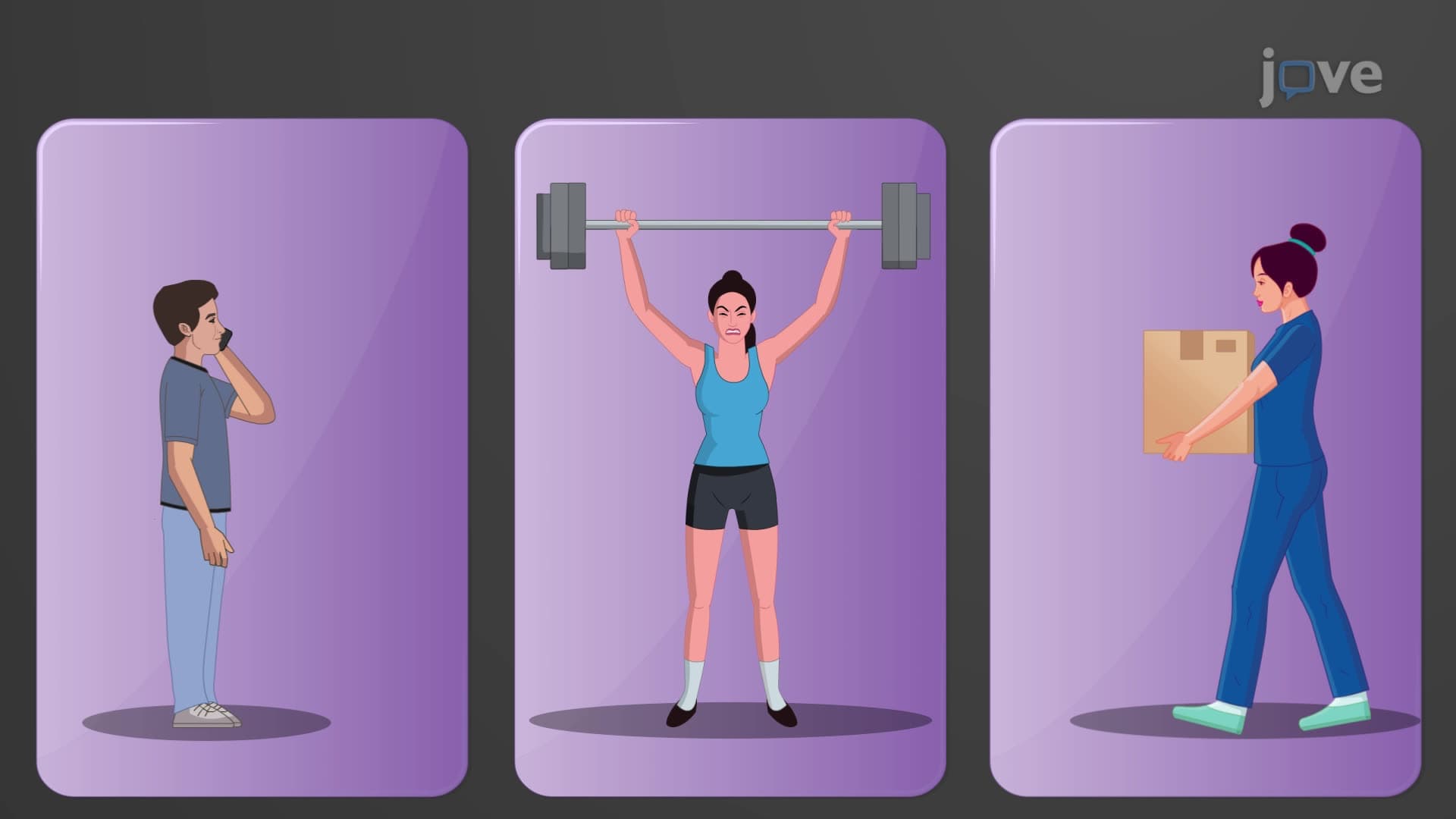
Pain perception creates complex respiratory responses depending on its origin. Somatic pain from injuries typically increases breathing rate through direct stimulation of respiratory centers, while visceral pain-such as abdominal discomfort-often decreases breathing through hypothalamic and limbic system pathways. These emotional breathing cortex connections explain why anxiety and stress dramatically alter breathing patterns, relevant for students studying psychophysiology in AP Psychology courses. Unlike automatic chemical regulation, voluntary breathing control through the cerebral motor cortex can completely override medullary centers, allowing conscious manipulation of breathing for activities like meditation, public speaking, or athletic performance-skills valuable for college students managing test anxiety.
Frequently Asked Questions
Other factors include temperature changes, mechanical stretch of the lungs, physical irritants, pain, emotional states, and voluntary control. These non-chemical stimuli work through specialized receptors and neural pathways to modify breathing rate and pattern independently of blood gas levels.
MCAT questions often test understanding of stretch receptor locations in bronchi/bronchioles and the reflex's protective function against overinflation. Expect scenarios involving mechanical ventilation or deep breathing exercises where you must identify when this reflex activates to prevent lung damage.
Focus on temperature effects, the Hering-Breuer reflex mechanism, and voluntary versus involuntary control pathways. AP Biology emphasizes homeostatic mechanisms, so understanding how these factors maintain respiratory homeostasis beyond chemical regulation is crucial for exam success.
During intense physical activity like football practice in Texas heat, elevated body temperature directly stimulates respiratory centers to increase breathing rate. This helps dissipate heat through expired air and meets increased oxygen demands, demonstrating integrated physiological responses to multiple stimuli.
No advanced chemistry background is required. These concepts focus on basic anatomy, physiology, and reflex mechanisms that high school students can master. Understanding involves recognizing stimulus-response relationships rather than complex chemical equations or molecular interactions.
Create categories: protective (irritants, stretch), adaptive (temperature, pain), and voluntary (cortical control). Use medical scenarios like ICU ventilation settings or athletic training examples to connect each factor with real-world applications that enhance retention.
Emotional breathing cortex connections work through the hypothalamus and limbic system to alter respiratory patterns. Anxiety typically increases breathing rate and depth, while relaxation or certain types of visceral pain can slow breathing, demonstrating the mind-body connection in respiratory control.
Explore respiratory pathophysiology including asthma mechanisms, sleep apnea, and ventilator management. Understanding normal non-chemical regulation provides the foundation for comprehending how diseases disrupt these protective and adaptive mechanisms in clinical settings.
Related Micro-courses