Loading subject page…

- Anatomy and Physiology
- The Respiratory System
- Physical Principles Governing Gas Exchange
Micro-course: The Respiratory System
84,701 views
Learn key concepts and earn your certificate.

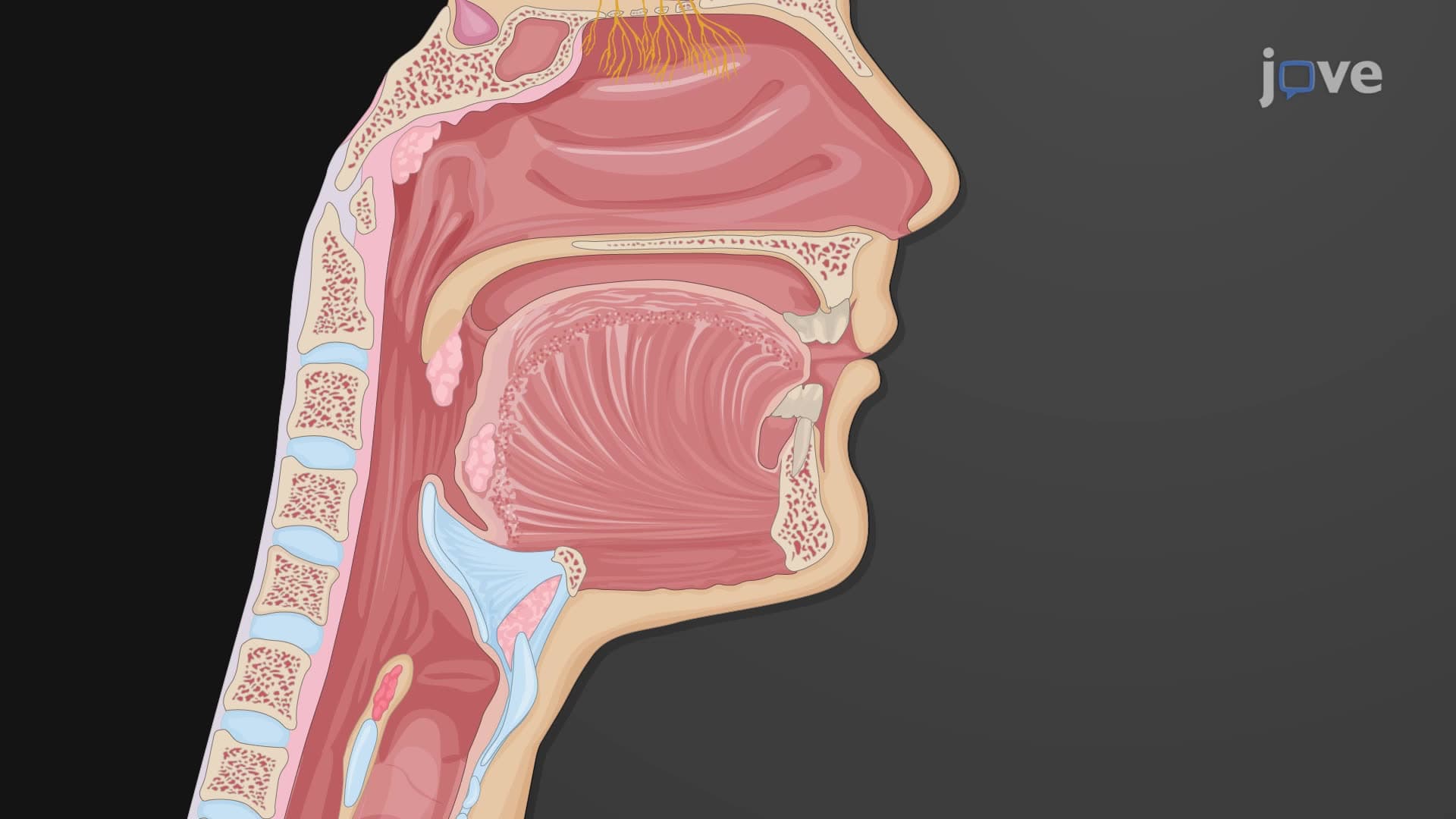
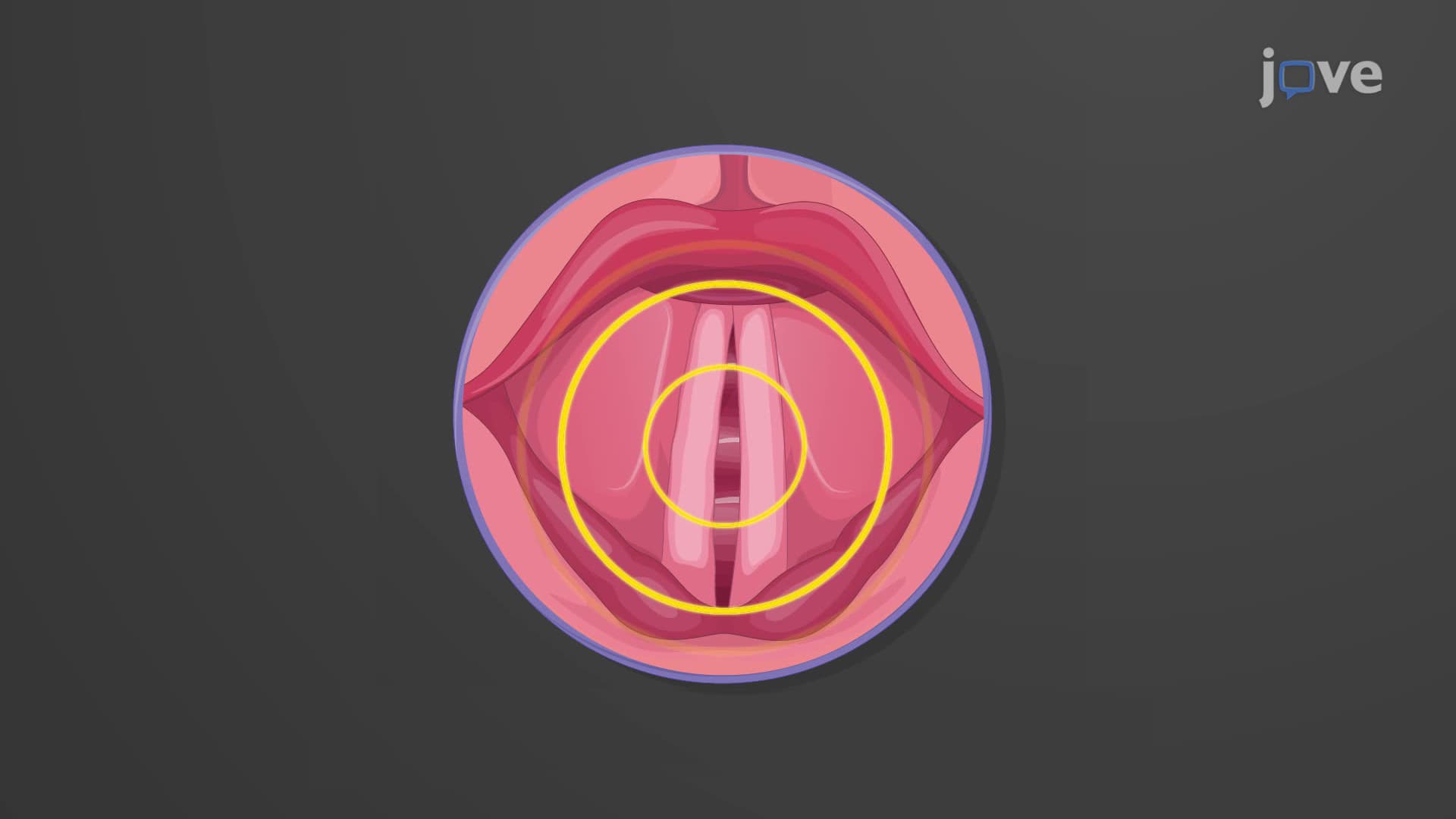
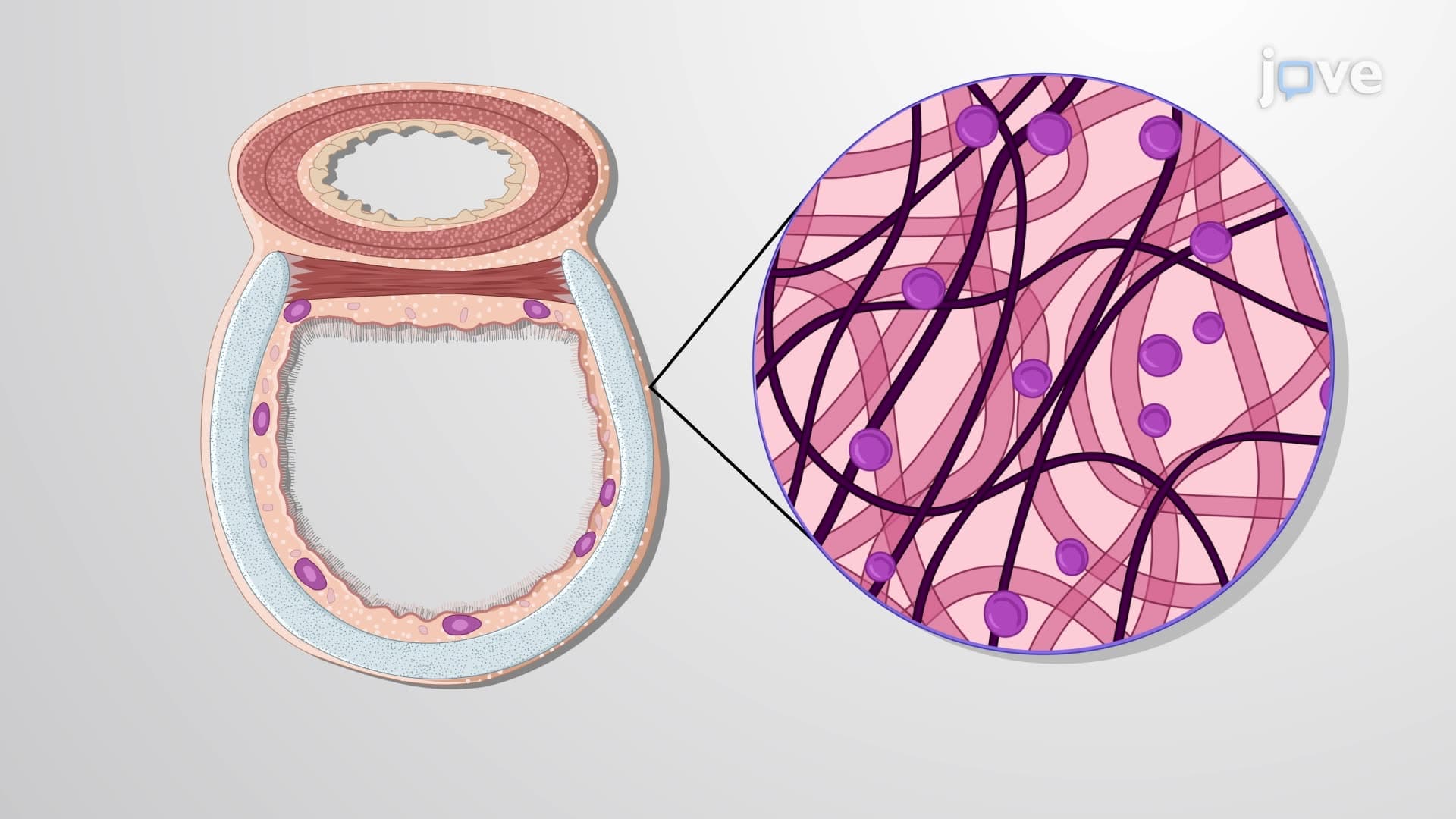
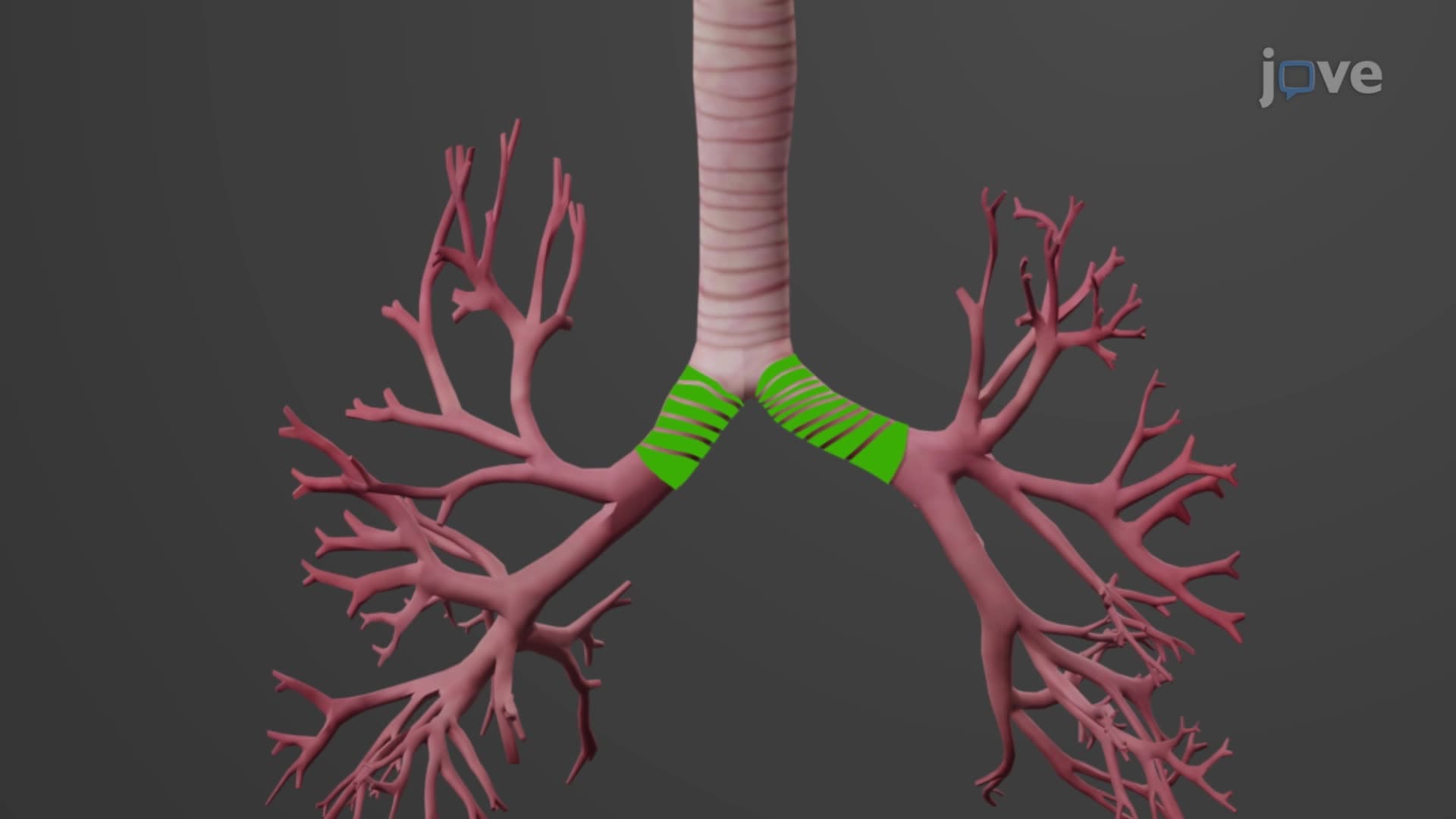
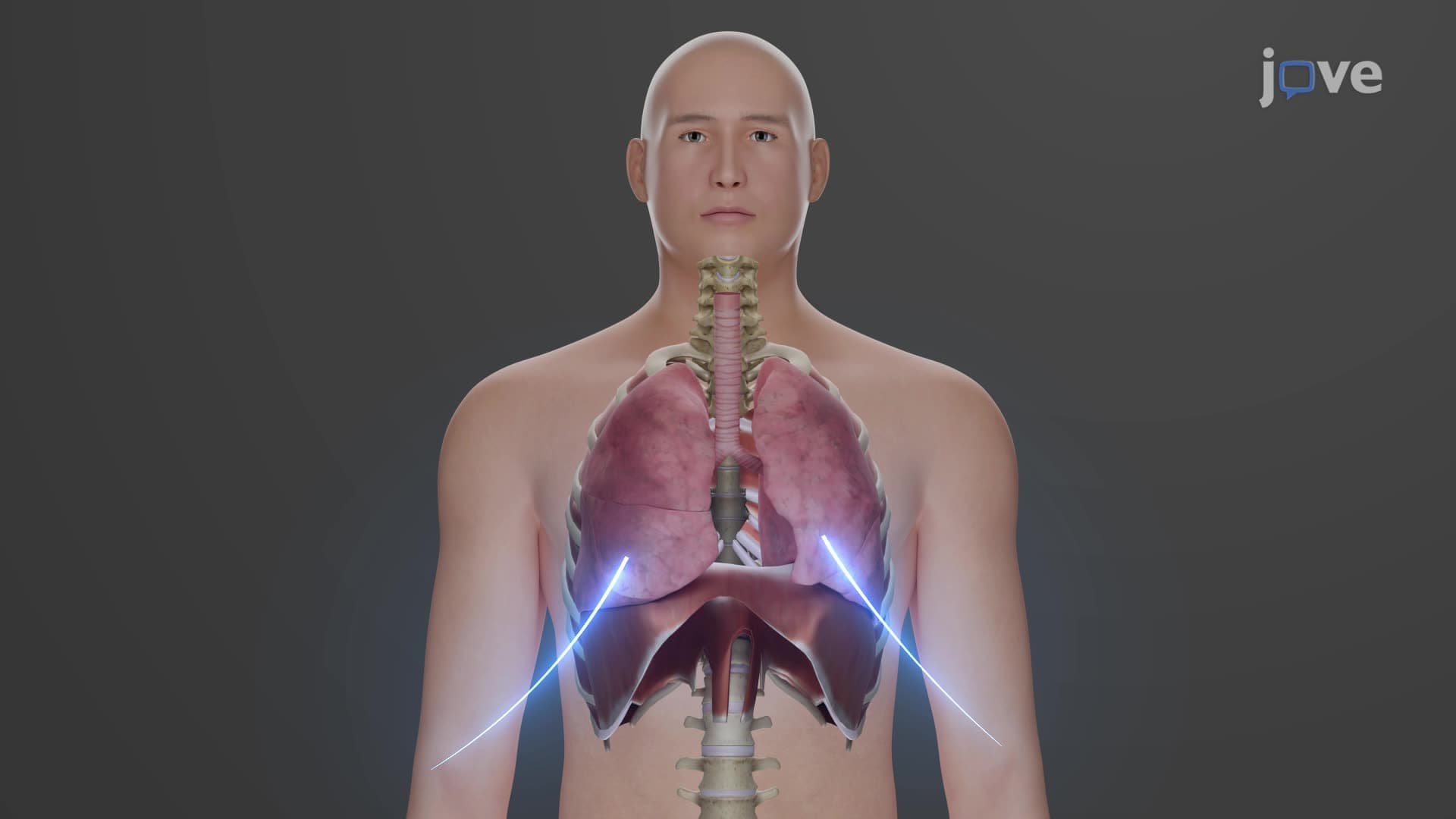
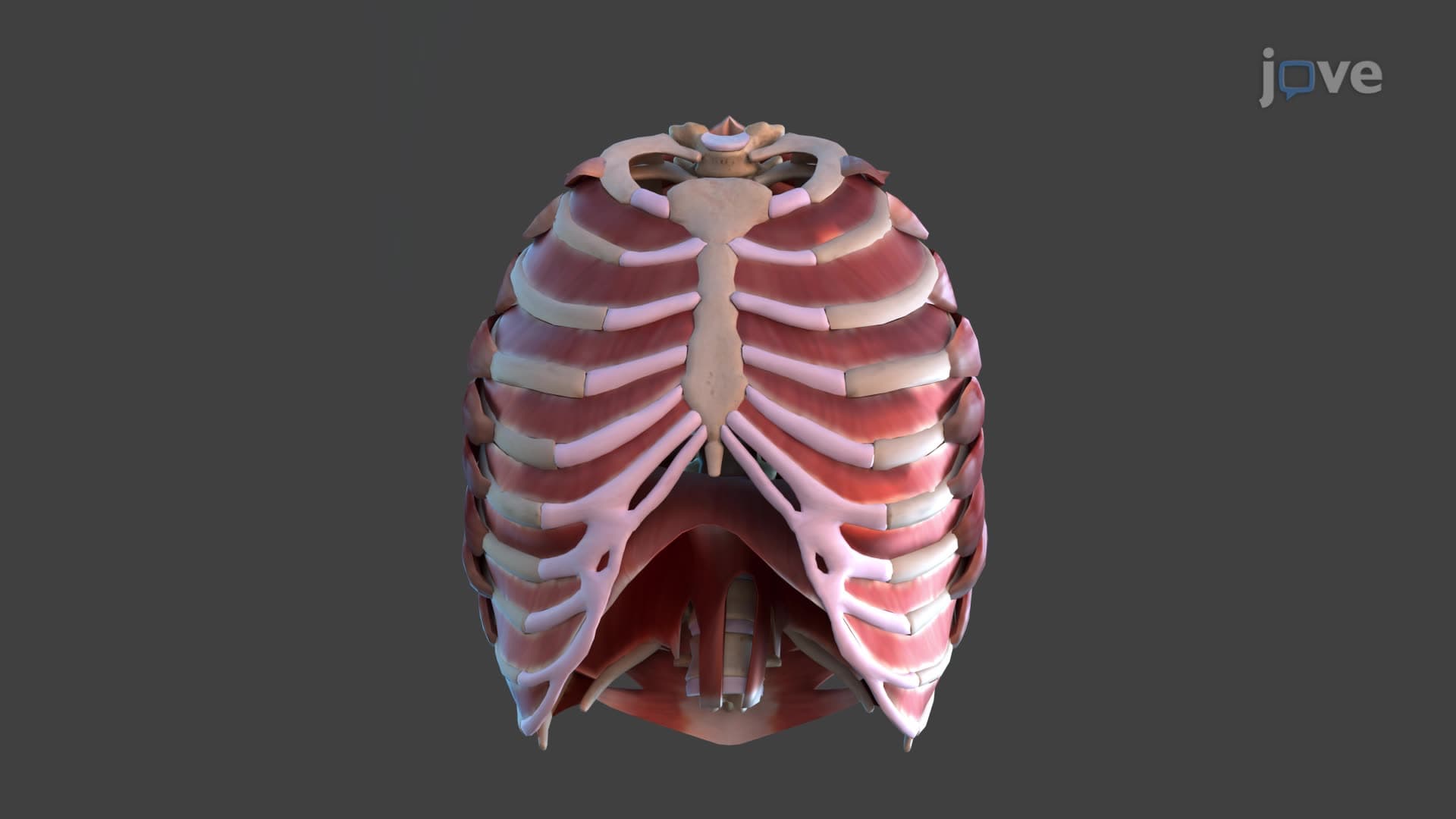
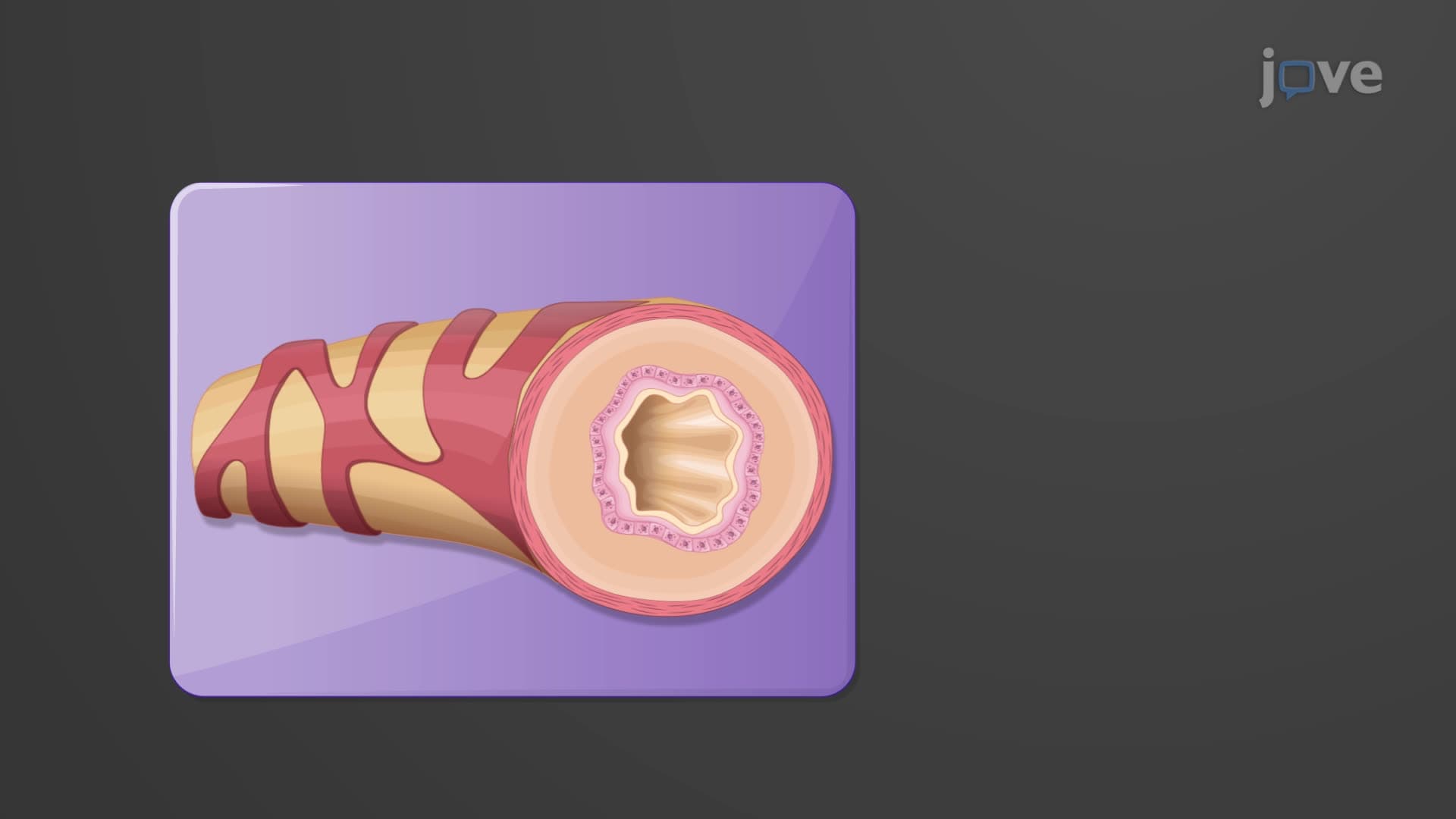
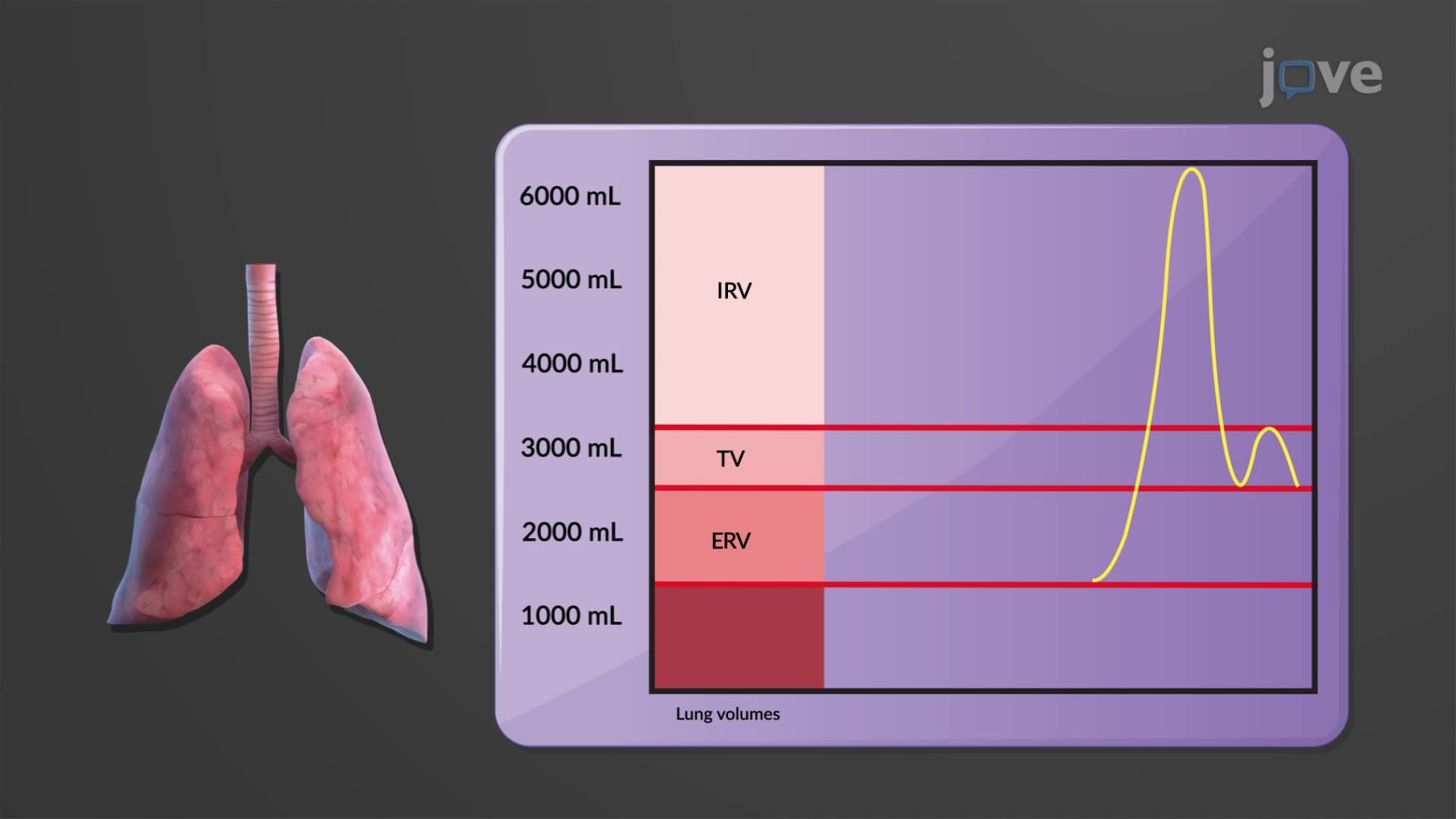

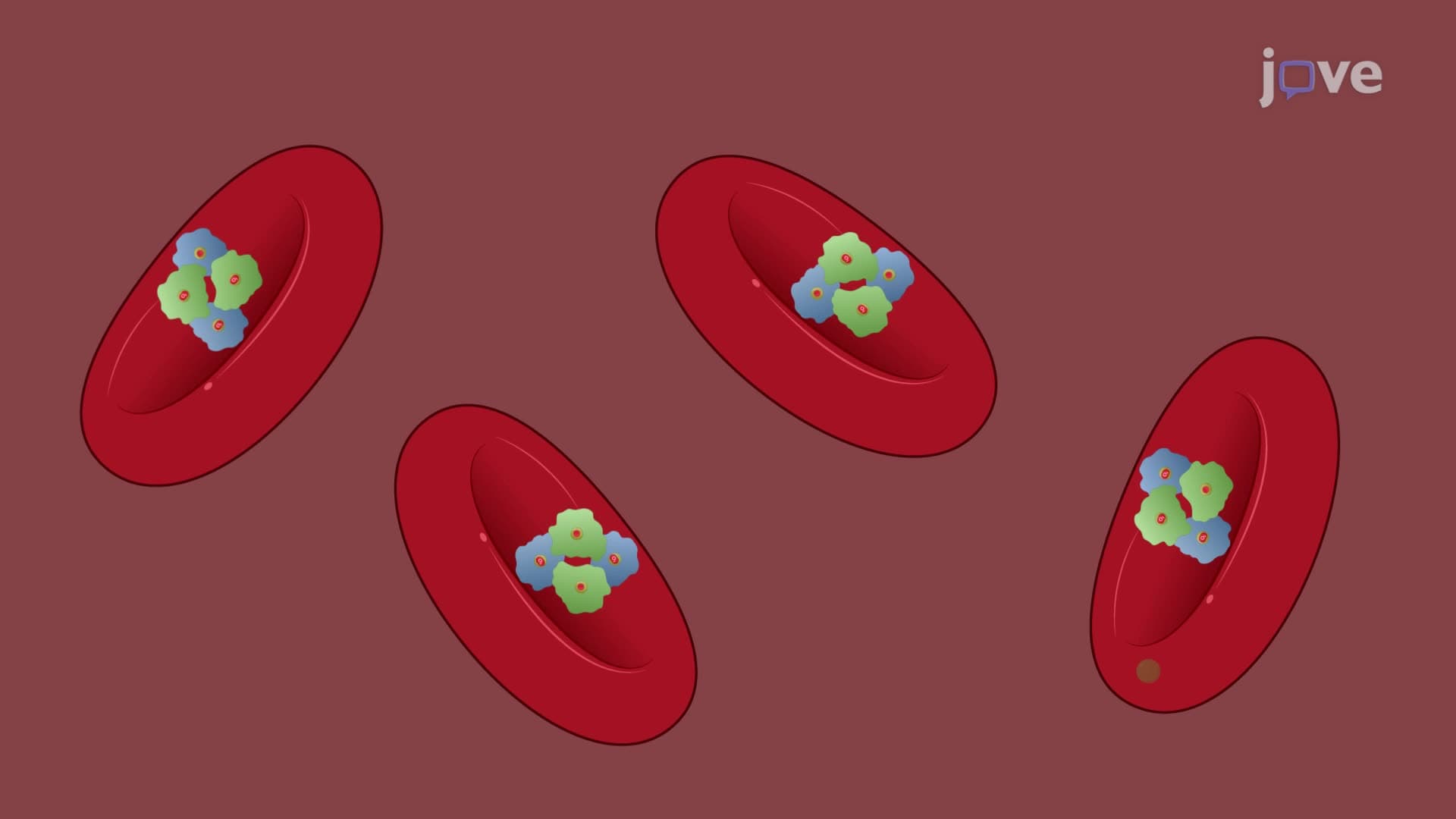
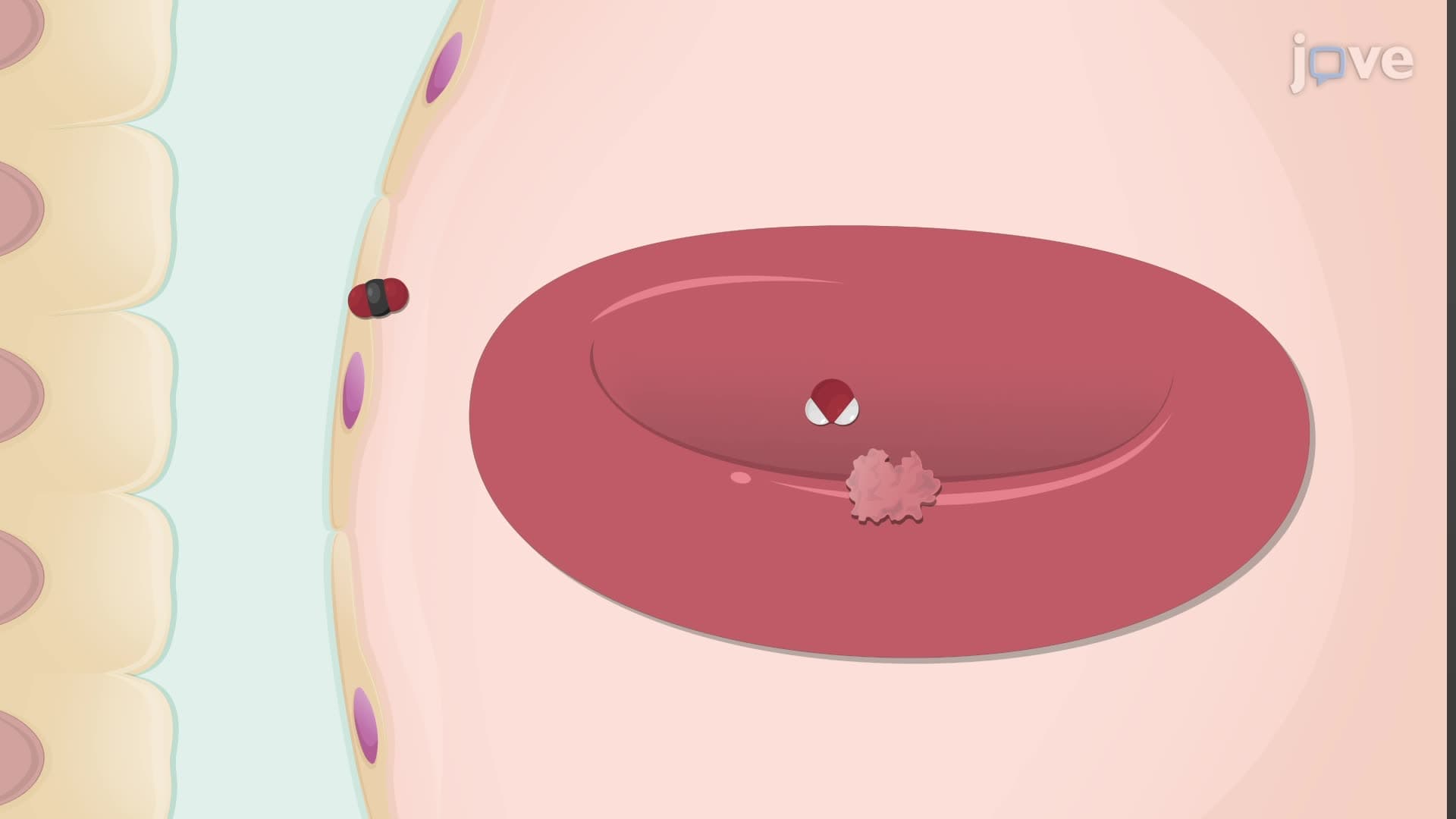

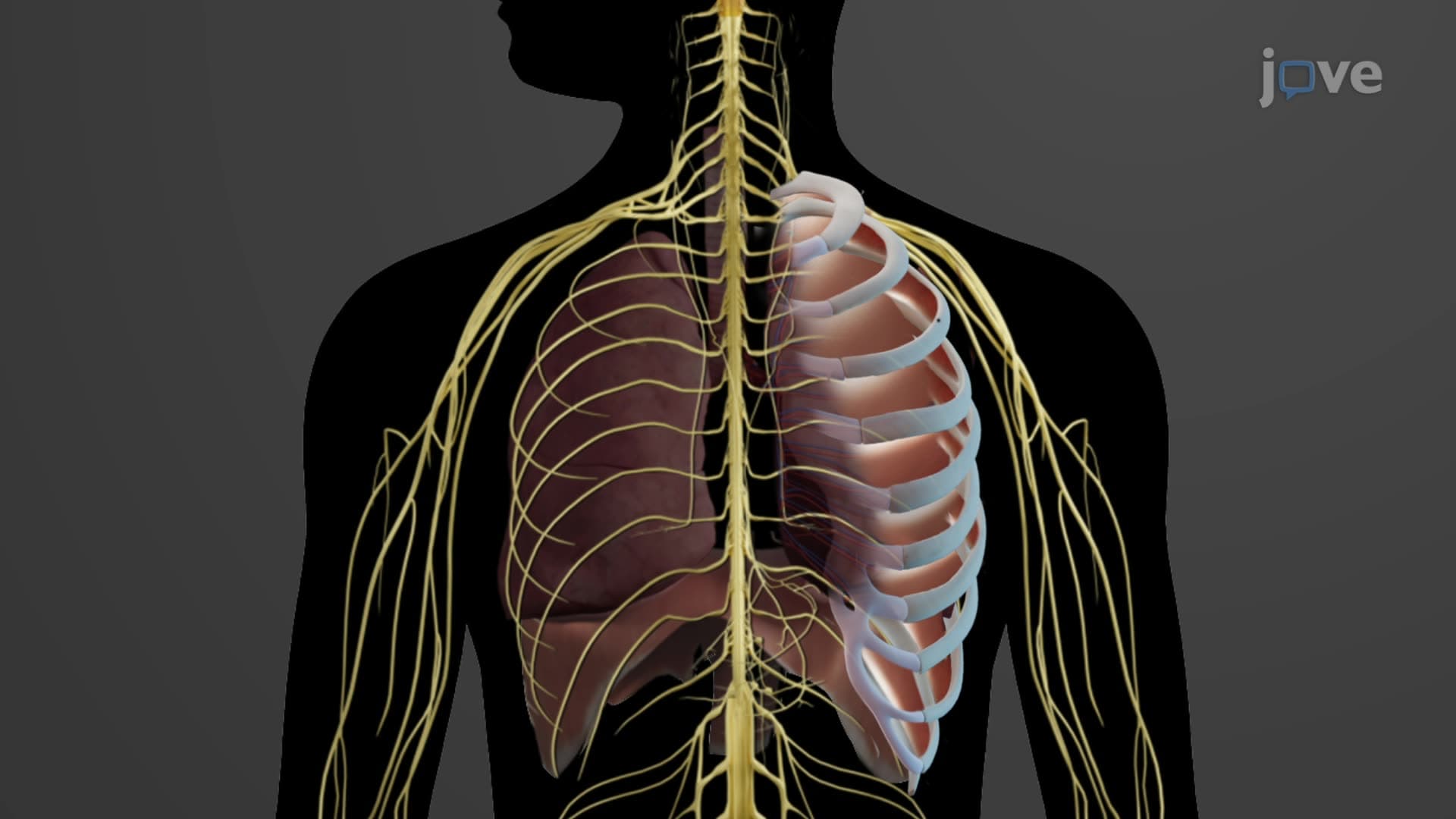
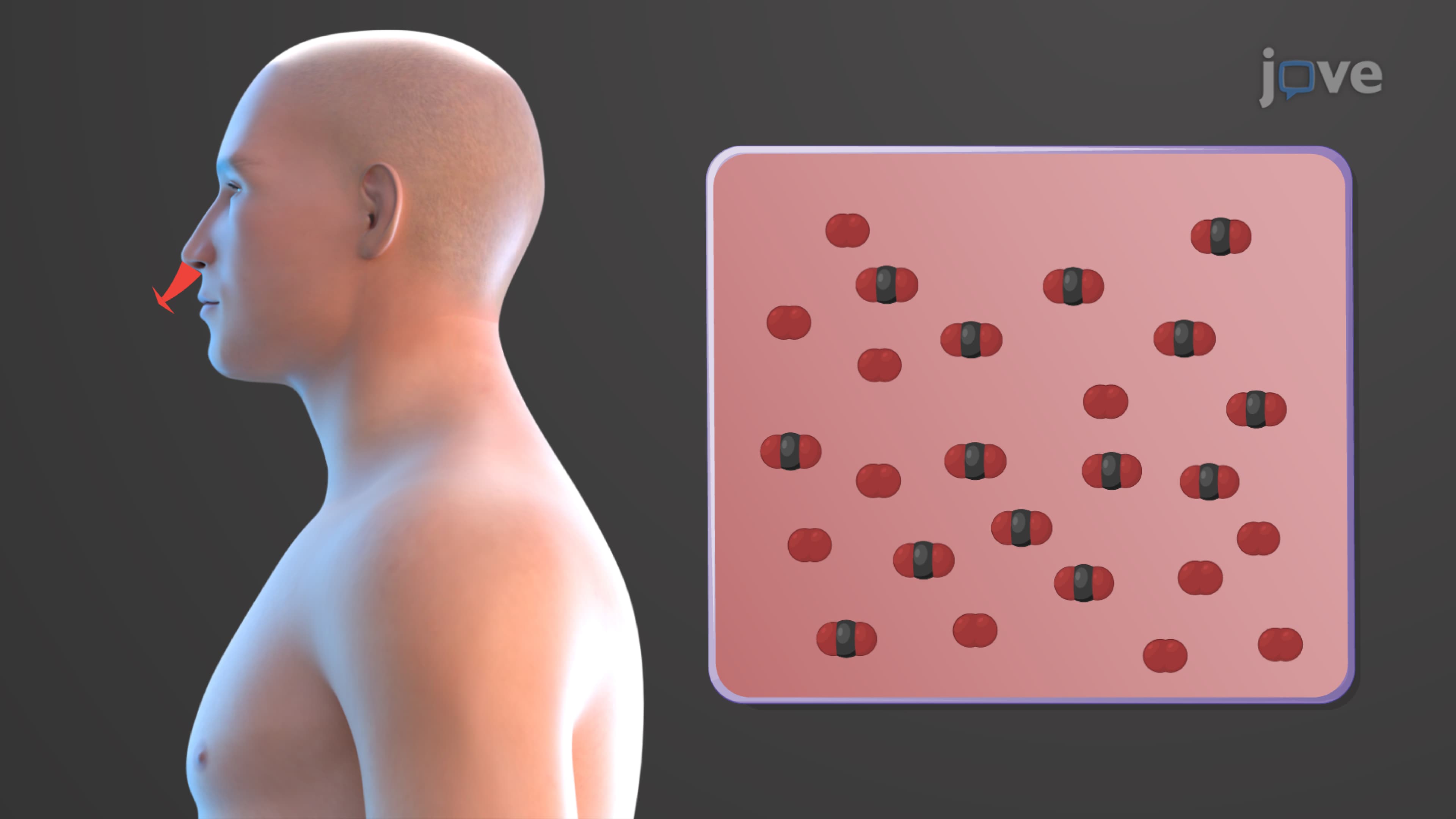

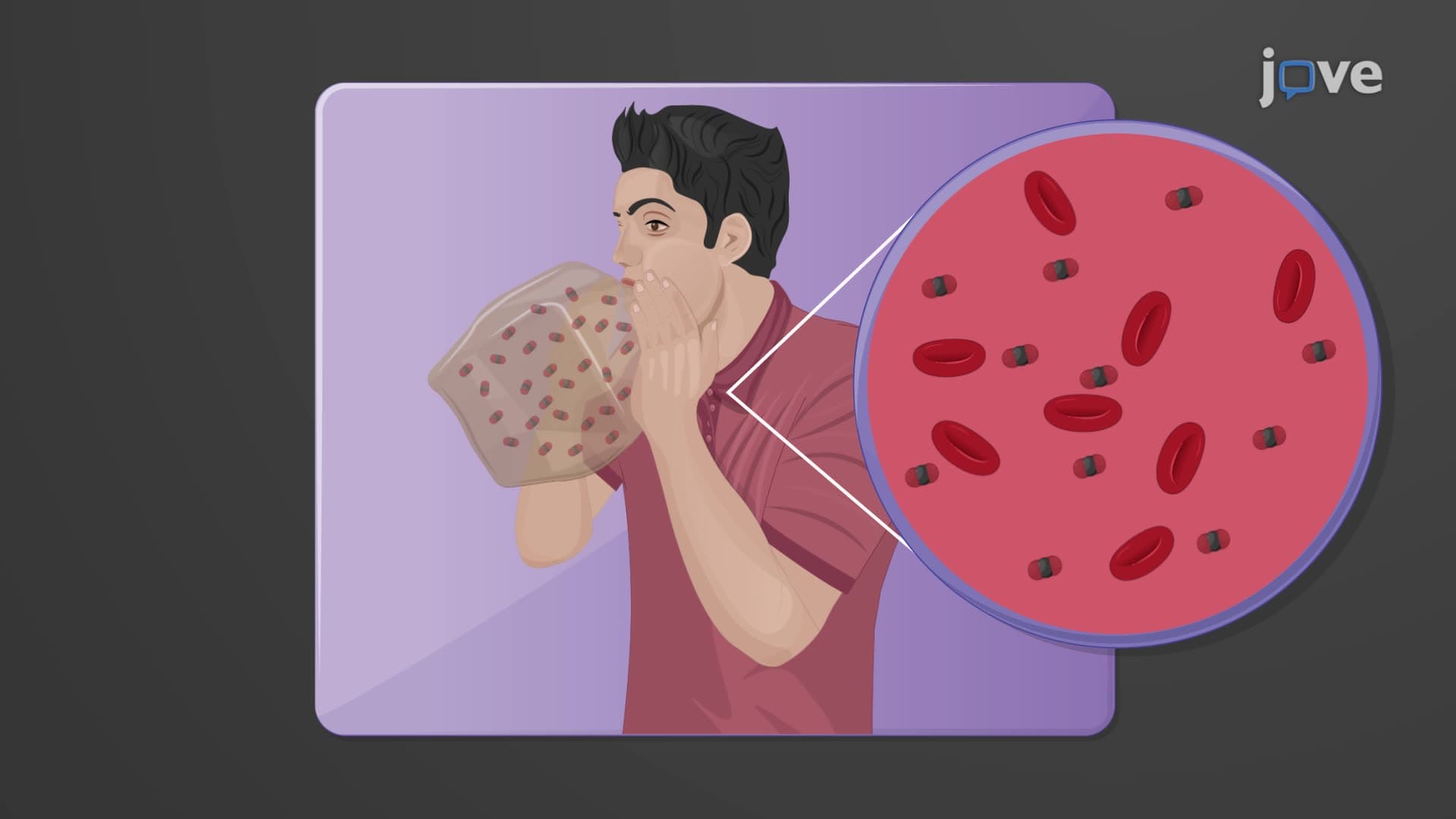
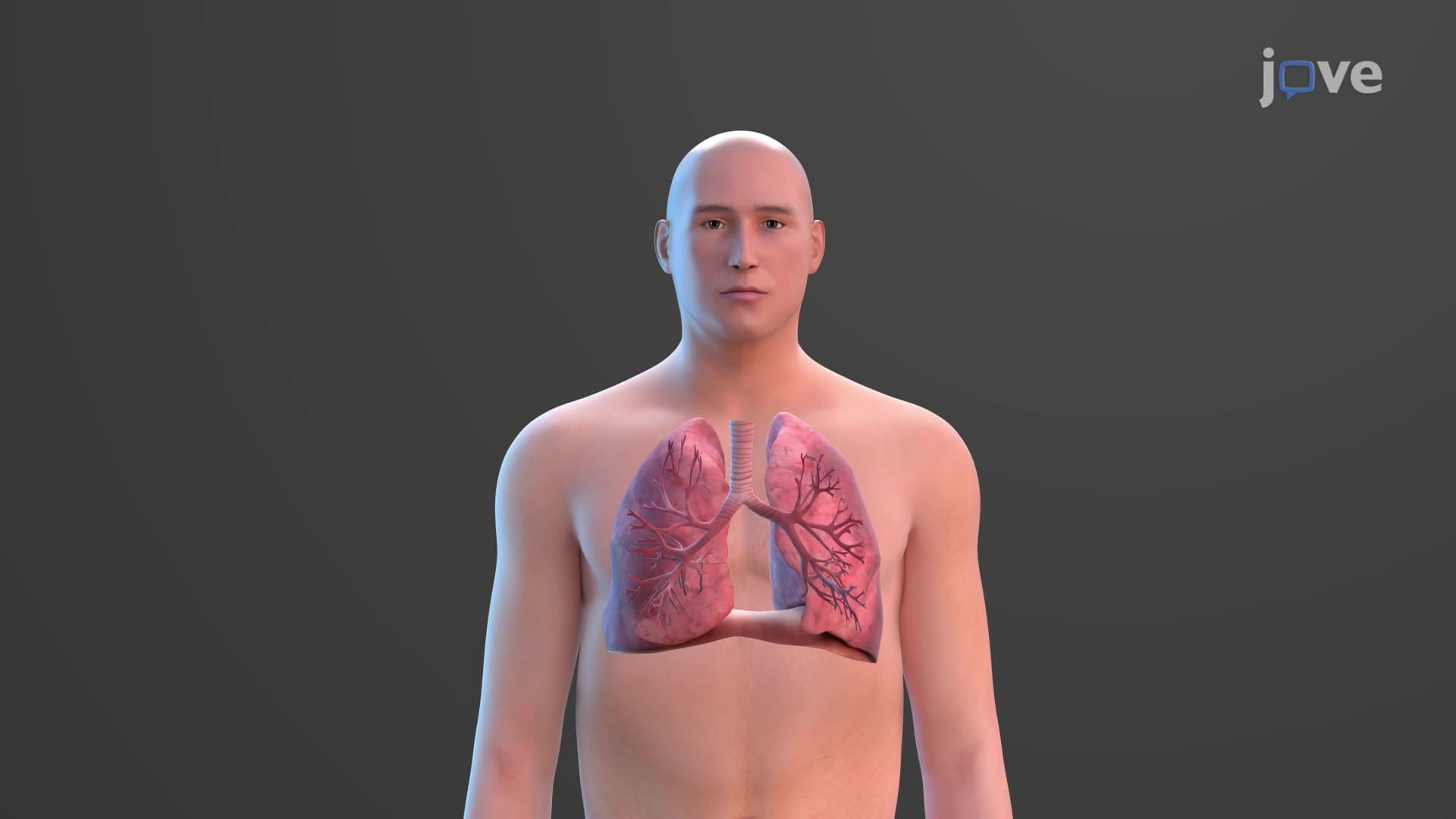
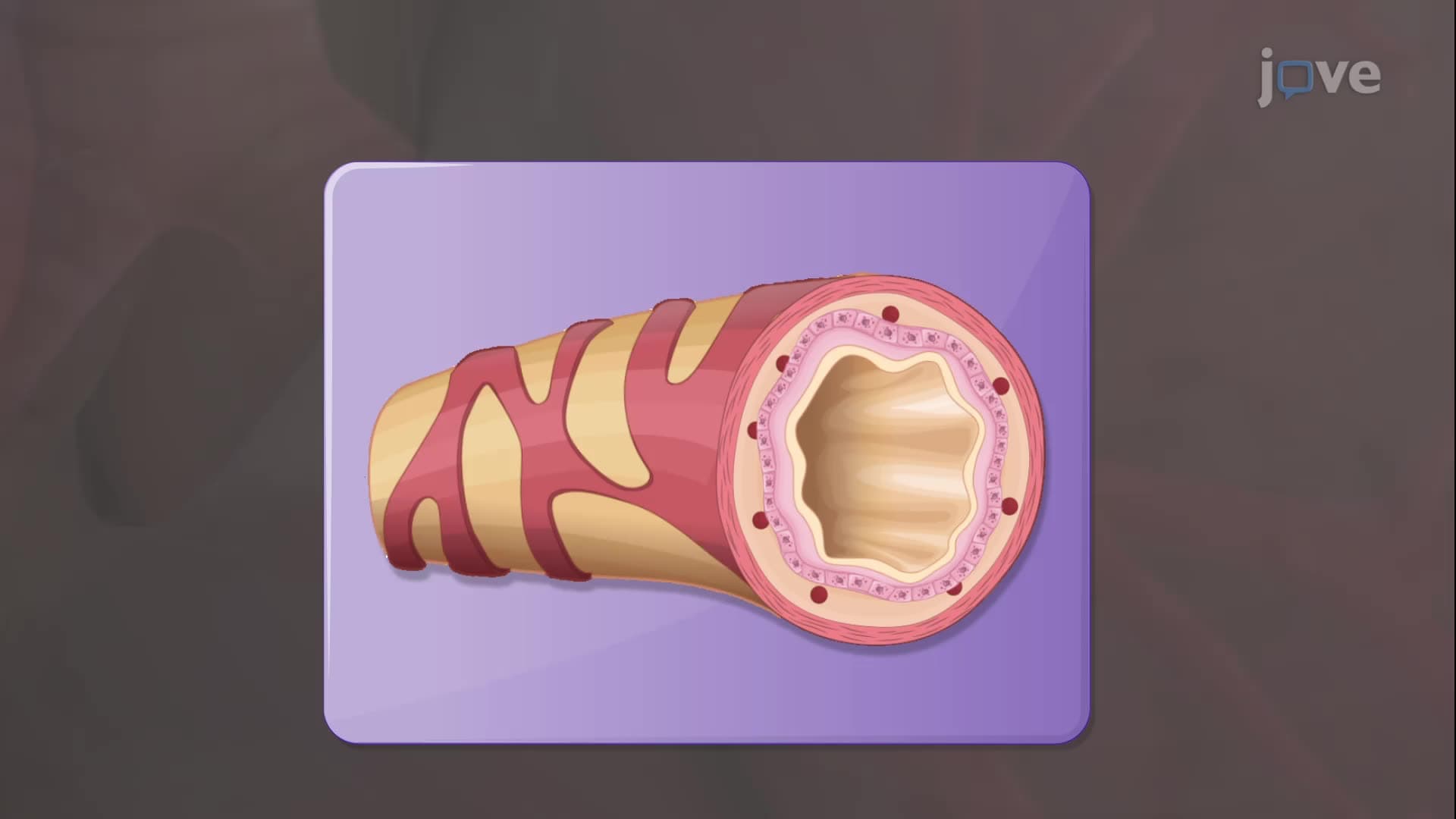
Physical Principles Governing Gas Exchange

00:00
01:16
Video Summary: Physical Principles Governing Gas Exchange Explained
Ever wondered why mountain climbers need oxygen masks at high altitudes while scuba divers worry about nitrogen narcosis? The gas exchange physical principles that govern how gases behave in our bodies explain these fascinating phenomena. At Denver's National Jewish Health respiratory center, doctors apply Dalton's Law and Henry's Law daily to understand how oxygen and carbon dioxide move between our lungs, blood, and tissues. These Physical Principles Governing Gas Exchange Explained form the foundation of respiratory physiology. Watch the full video on JoVE Coach to master this concept with expert-led visuals and step-by-step explanations.
- Understand the Physical Principles Governing Gas Exchange Explained through Dalton's Law and Henry's Law applications in respiratory physiology
- Identify how partial pressure gradients drive gas diffusion between alveoli, blood, and tissues
- Analyze the relationship between gas solubility and dissolved gas concentrations using Henry's Law
- Compare the different solubilities of oxygen, carbon dioxide, and nitrogen in blood plasma
- Evaluate how altitude changes affect partial pressure calculations and gas exchange efficiency
- Apply Dalton's Law to calculate individual gas pressures in atmospheric and alveolar air mixtures
- Recognize the clinical significance of gas exchange principles in respiratory disorders and treatments
- Explore real-world applications of these principles in medical equipment design and patient care
Understanding Physical Principles Governing Gas Exchange
Gas exchange in the human respiratory system operates on fundamental physical laws that determine how efficiently our bodies can obtain oxygen and eliminate carbon dioxide. These principles of respiratory gas exchange are essential for anyone studying biology, chemistry, or preparing for healthcare careers.
Dalton's Law and Partial Pressure Dynamics
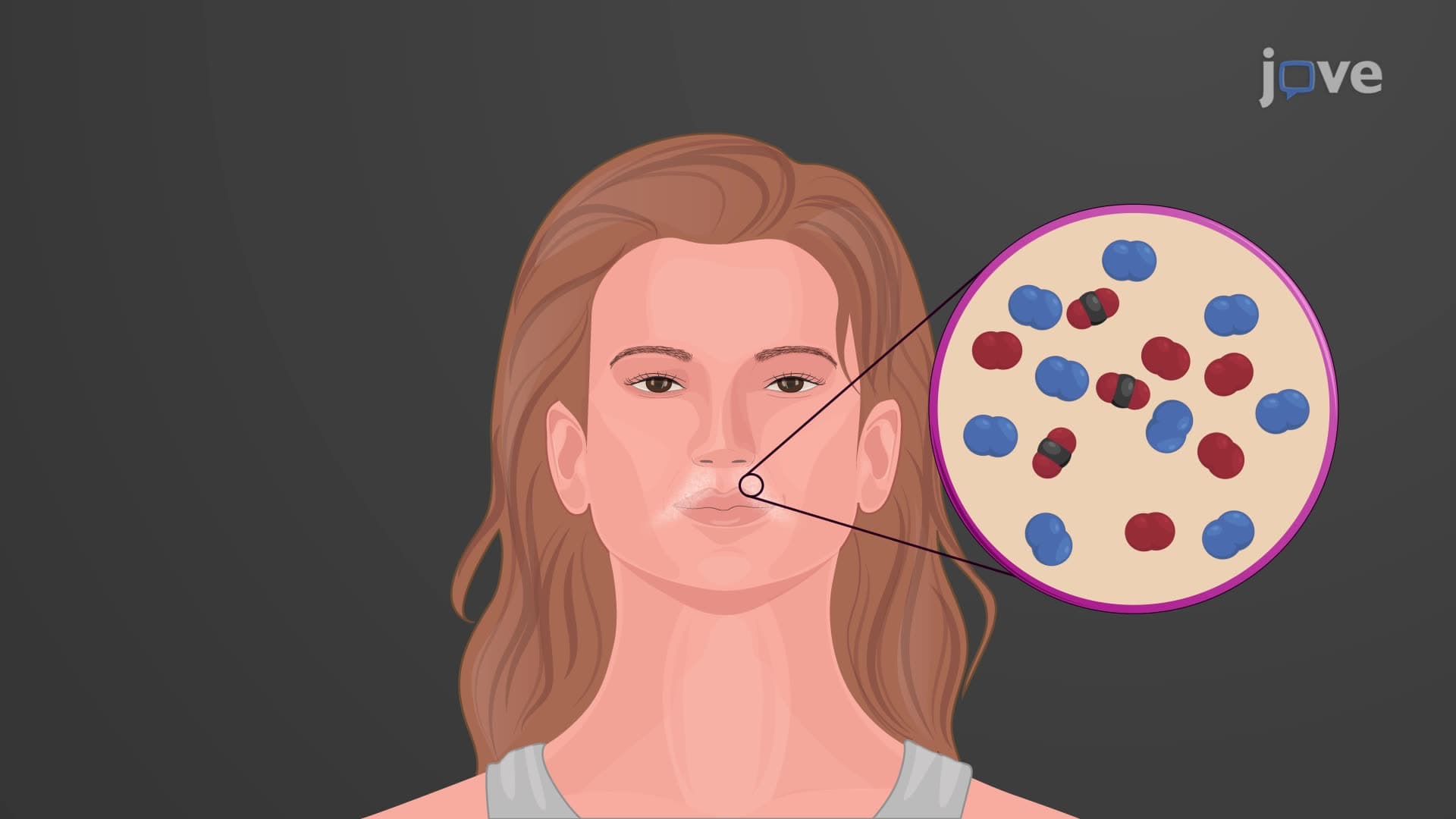
Dalton's Law states that each gas in a mixture exerts pressure independently, creating what we call partial pressure. At sea level, atmospheric pressure totals 760 mmHg, with oxygen comprising about 21% of the mixture. This means oxygen's partial pressure equals 760 × 0.21 = 160 mmHg. Understanding Dalton partial pressure gas calculations is crucial for AP Biology students and appears frequently on MCAT practice questions.
In clinical settings like those at Mayo Clinic's pulmonary function labs, technicians use these calculations to assess patients with chronic obstructive pulmonary disease (COPD). When alveolar oxygen partial pressure drops below normal values, it indicates impaired gas exchange requiring medical intervention.
Henry's Law and Gas Solubility Applications
Henry's Law governs how much gas dissolves in blood plasma, stating that dissolved gas quantity is proportional to both partial pressure and the gas's inherent solubility. Carbon dioxide demonstrates remarkably high solubility-about 20 times more soluble than oxygen in blood. This explains why Henry gas solubility law applications show that even small CO2 partial pressure changes significantly affect blood chemistry.
Nitrogen's low solubility explains why it normally has minimal physiological effects. However, under increased pressure during deep-sea diving, enough nitrogen dissolves to cause narcosis-a condition well-documented in US Navy diving manuals and studied at Duke University's hyperbaric medicine center.
Clinical Applications and Gradient-Driven Diffusion
The diffusion gradient gas exchange process drives respiratory function through pressure differences. In healthy lungs, oxygen partial pressure in alveoli (100 mmHg) exceeds that in venous blood (40 mmHg), creating a 60 mmHg gradient favoring oxygen uptake. Similarly, CO2 moves from tissues (46 mmHg) to alveoli (40 mmHg) following its pressure gradient.
These concepts appear regularly on USMLE Step 1 examinations and nursing school entrance exams like the HESI A2. Students preparing for these assessments should master pressure gradient calculations and understand how diseases like pulmonary edema disrupt normal exchange processes.
Frequently Asked Questions
The main physical principles are Dalton's Law (partial pressures in gas mixtures) and Henry's Law (gas solubility in liquids). Dalton's Law explains how each gas exerts independent pressure, while Henry's Law determines how much gas dissolves in blood based on pressure and solubility. Together, these laws govern oxygen uptake and carbon dioxide elimination in our lungs.
MCAT questions often test partial pressure calculations using Dalton's Law, especially in passages about altitude or lung disease. AP Biology focuses more on conceptual understanding of pressure gradients driving diffusion. Both exams may ask about Henry's Law applications, particularly comparing CO2 and O2 solubility differences. Practice calculating partial pressures and interpreting blood gas analysis data.
USMLE Step 1 heavily emphasizes acid-base balance, oxygen-hemoglobin dissociation curves, and pathophysiology of respiratory failure. You'll encounter questions about high-altitude physiology, carbon monoxide poisoning, and ventilation-perfusion matching. Understanding partial pressure gradients helps explain conditions like pneumonia, pulmonary embolism, and COPD exacerbations.
Critical care physicians at hospitals like Johns Hopkins use arterial blood gas analysis to assess patient oxygenation and acid-base status. Mechanical ventilator settings depend on understanding pressure gradients and gas solubility. For example, increasing inspired oxygen concentration raises alveolar partial pressure, improving oxygen diffusion into hypoxemic patients' blood.
Basic algebra skills are sufficient for most gas exchange calculations. You need to understand proportional relationships and percentage calculations. The key concepts-pressure gradients drive diffusion, and soluble gases dissolve more readily-are intuitive once you grasp the underlying physics. Most high school chemistry students can master these principles with practice.
Create concept maps linking Dalton's Law, Henry's Law, and diffusion gradients to specific examples. Practice calculating partial pressures using real atmospheric data. Use clinical vignettes to apply concepts-for instance, how does pneumonia affect gas exchange? Drawing diagrams of alveolar-capillary units while working through problems reinforces visual learning and improves retention.
Nurses use these principles daily when interpreting pulse oximetry readings, adjusting oxygen therapy, and recognizing respiratory distress signs. NCLEX-RN questions often test understanding of oxygen delivery devices and their effects on inspired gas concentrations. Understanding partial pressure concepts helps explain why certain patients need specific oxygen delivery methods.
After mastering basic principles, explore ventilation-perfusion relationships, oxygen transport mechanisms, and respiratory control systems. Advanced physiology courses cover topics like hypoxic pulmonary vasoconstriction, altitude acclimatization, and mechanical ventilation strategies. These concepts form the foundation for understanding complex respiratory pathophysiology in graduate-level health sciences programs.
Related Micro-courses