Loading subject page…


84,701 views

Video Summary: What are Factors Affecting Pulmonary Ventilation
Every breath you take involves four critical pulmonary ventilation factors working together in perfect harmony. When athletes train at high altitudes in Colorado, these same mechanisms determine whether they can maintain peak performance or struggle with shortness of breath. Understanding what are factors affecting pulmonary ventilation reveals how pressure gradients, surface tension, lung compliance, and airway resistance control our respiratory efficiency. Watch the full video on JoVE Coach to master this concept with expert-led visuals and step-by-step explanations.
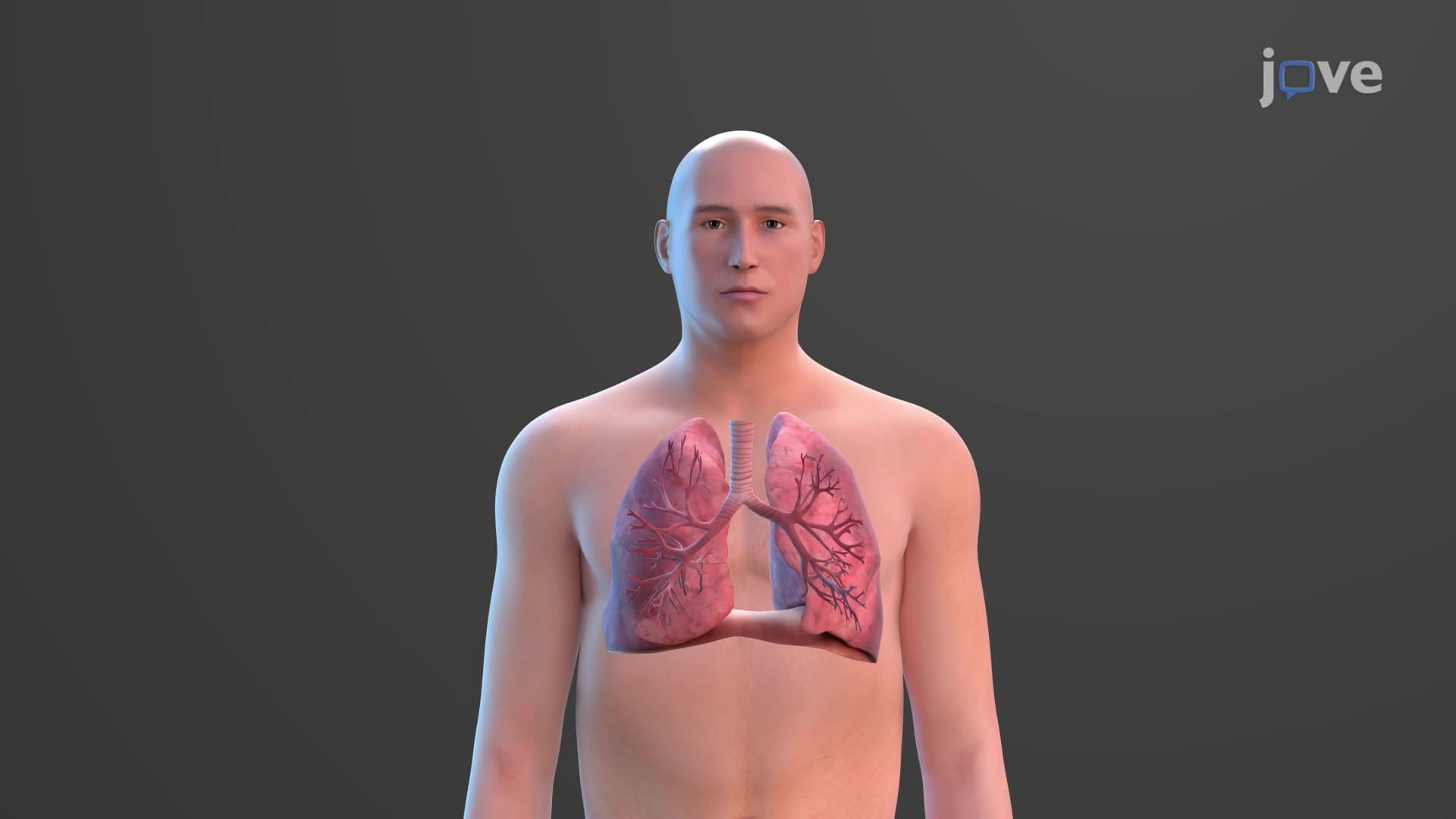
Pulmonary ventilation factors represent the fundamental mechanisms that enable efficient breathing in healthy individuals. These interconnected systems work continuously to ensure adequate oxygen delivery and carbon dioxide removal from body tissues. Medical professionals frequently assess these factors when diagnosing respiratory conditions in US hospitals, making this knowledge essential for students pursuing healthcare careers.
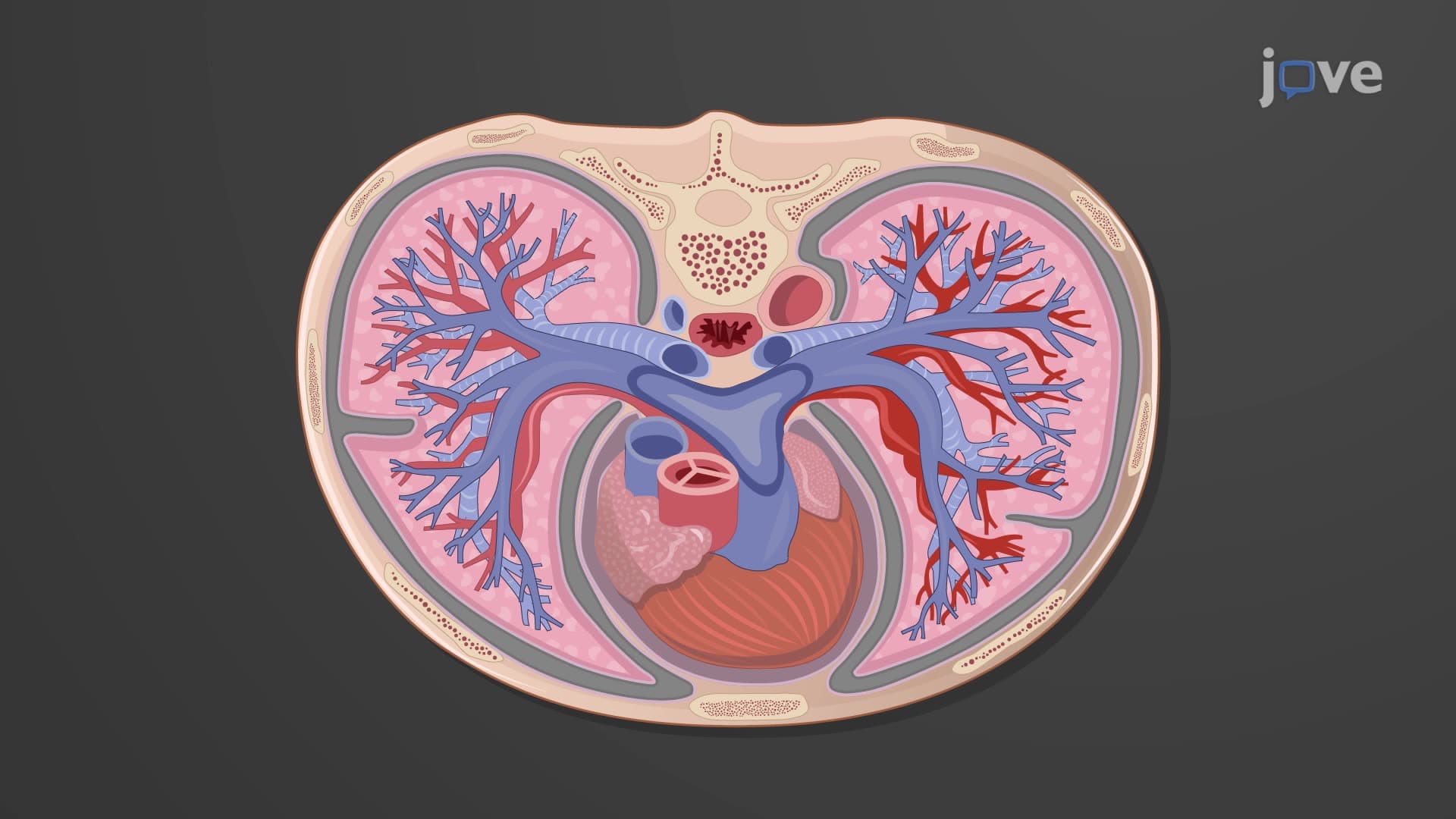
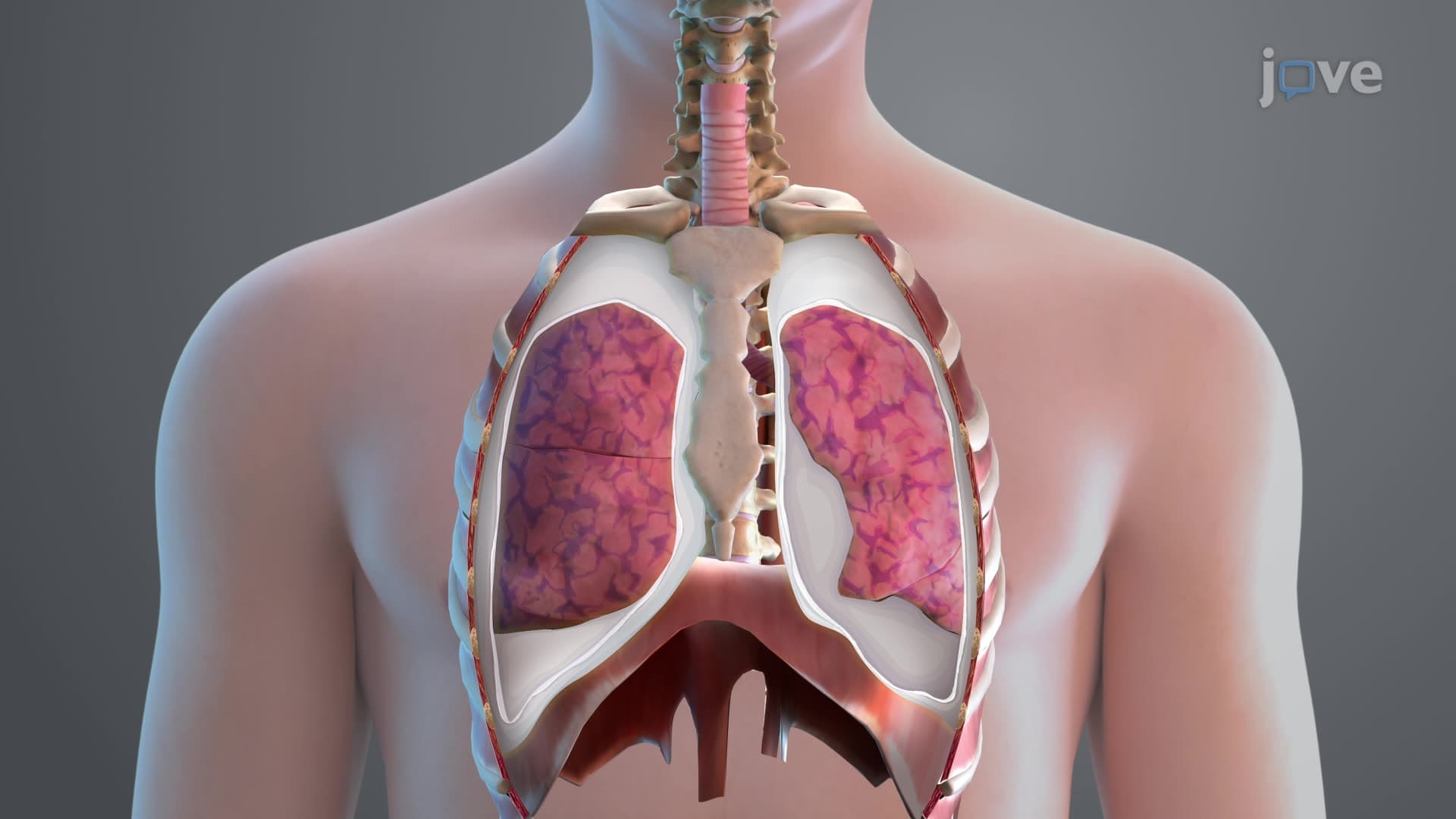
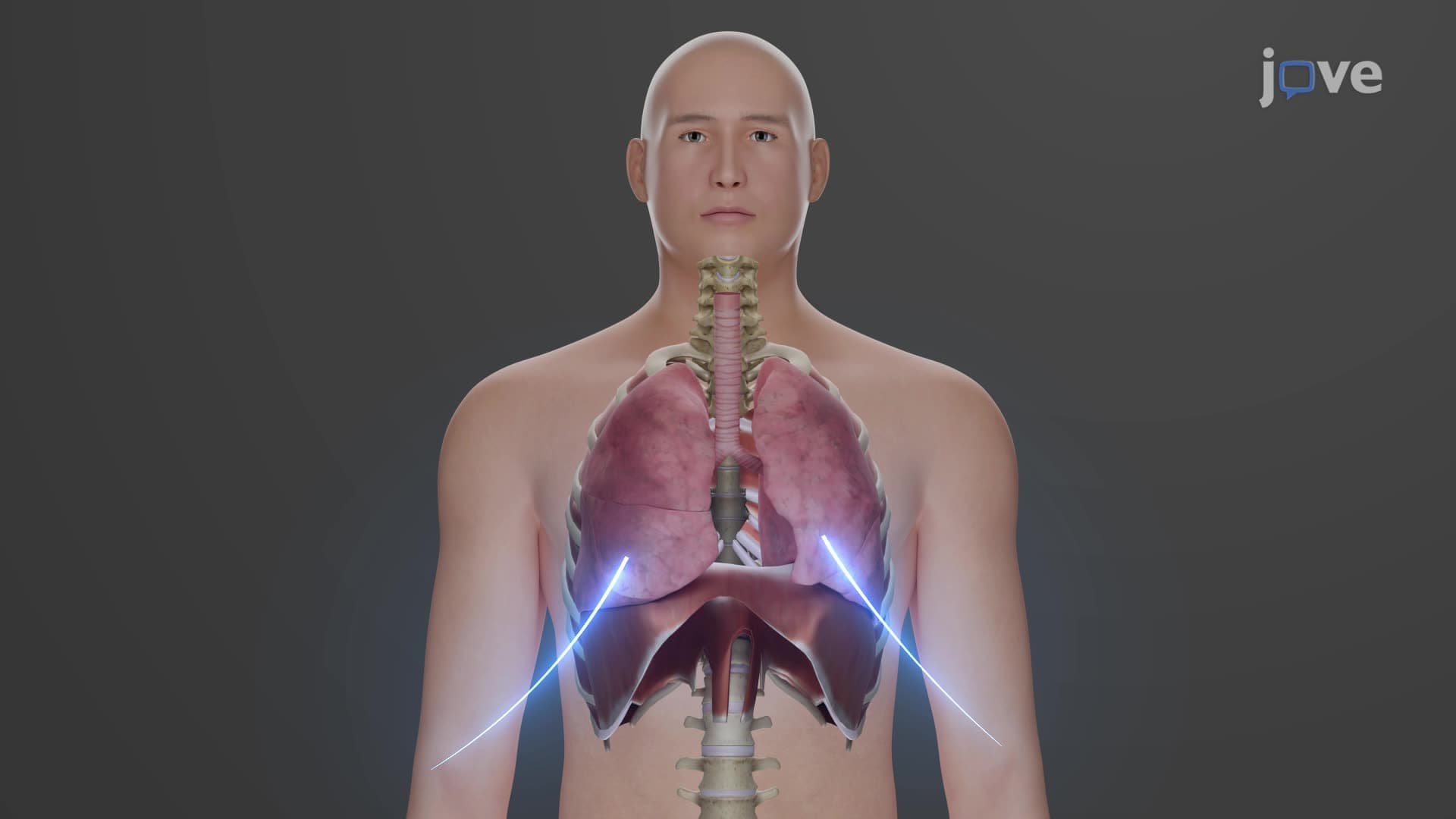
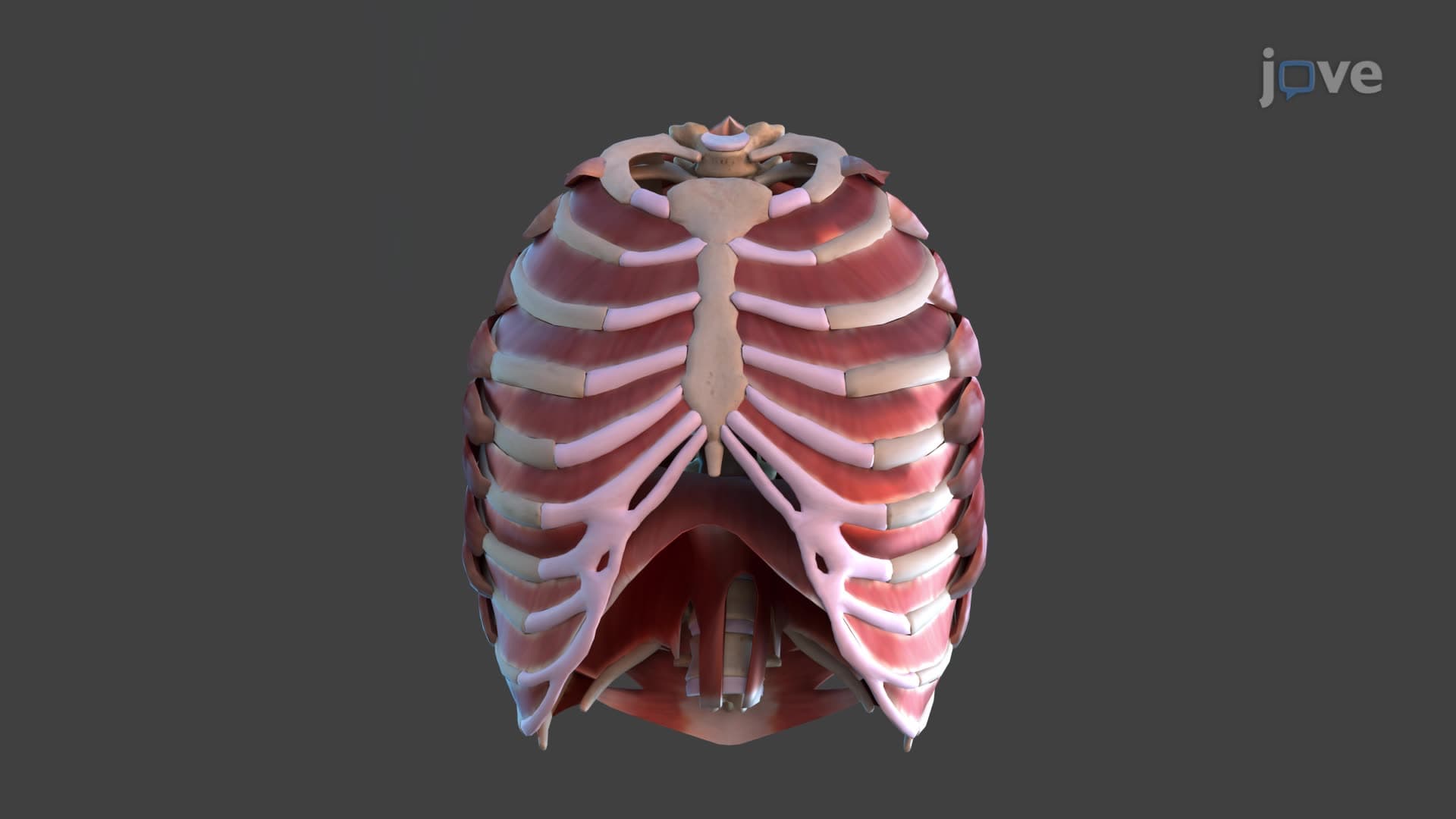
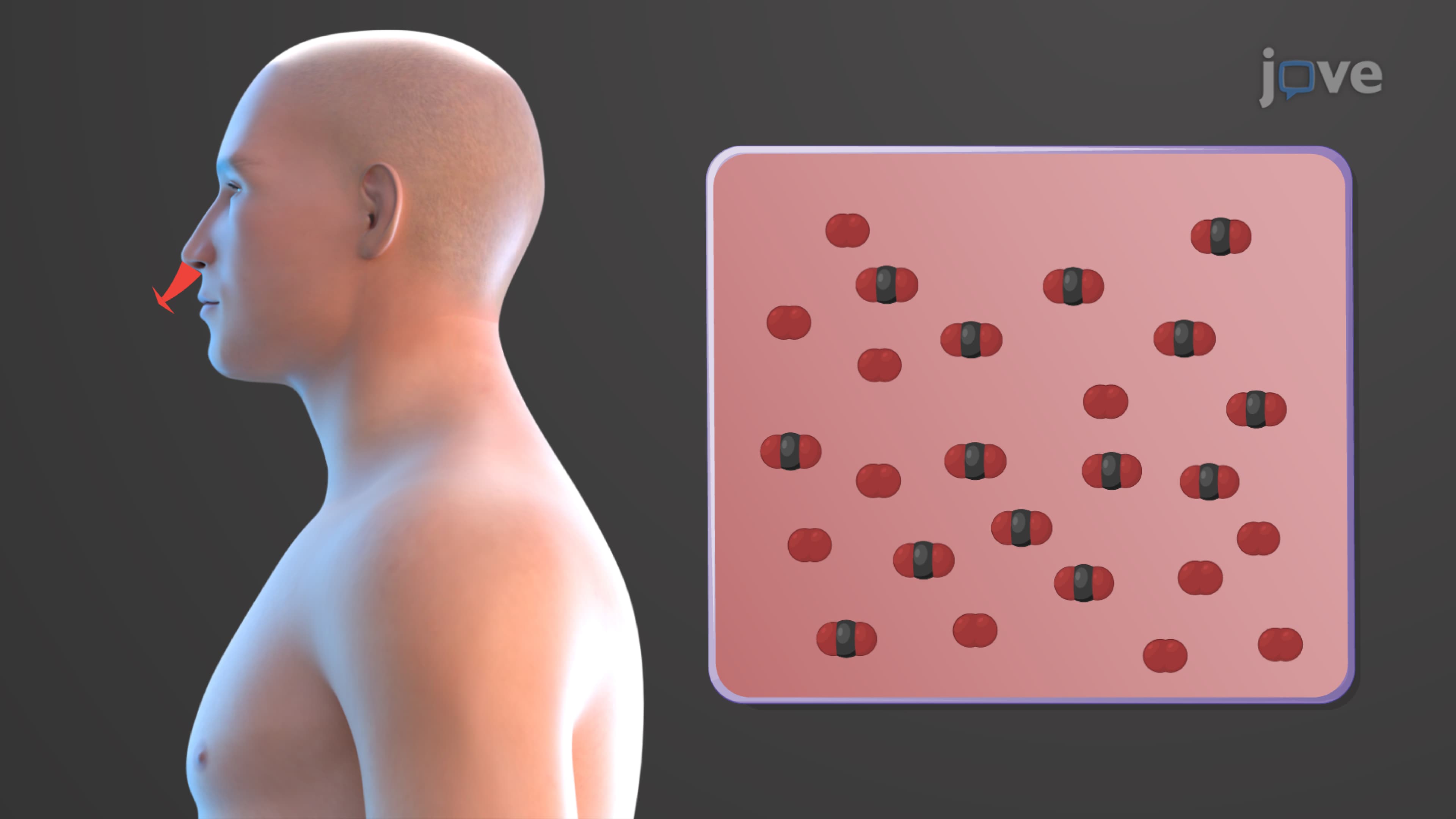
The primary driving force for factors affecting breathing explained centers on pressure differentials between atmospheric air and the lungs. During inspiration, the diaphragm contracts and intercostal muscles expand the thoracic cavity, creating negative pressure within the lungs relative to atmospheric pressure. This pressure gradient, typically measuring 1-3 mmHg difference, draws air into the alveoli through the respiratory tract. Students preparing for the MCAT should understand that Boyle's Law governs this relationship: as lung volume increases, internal pressure decreases proportionally.
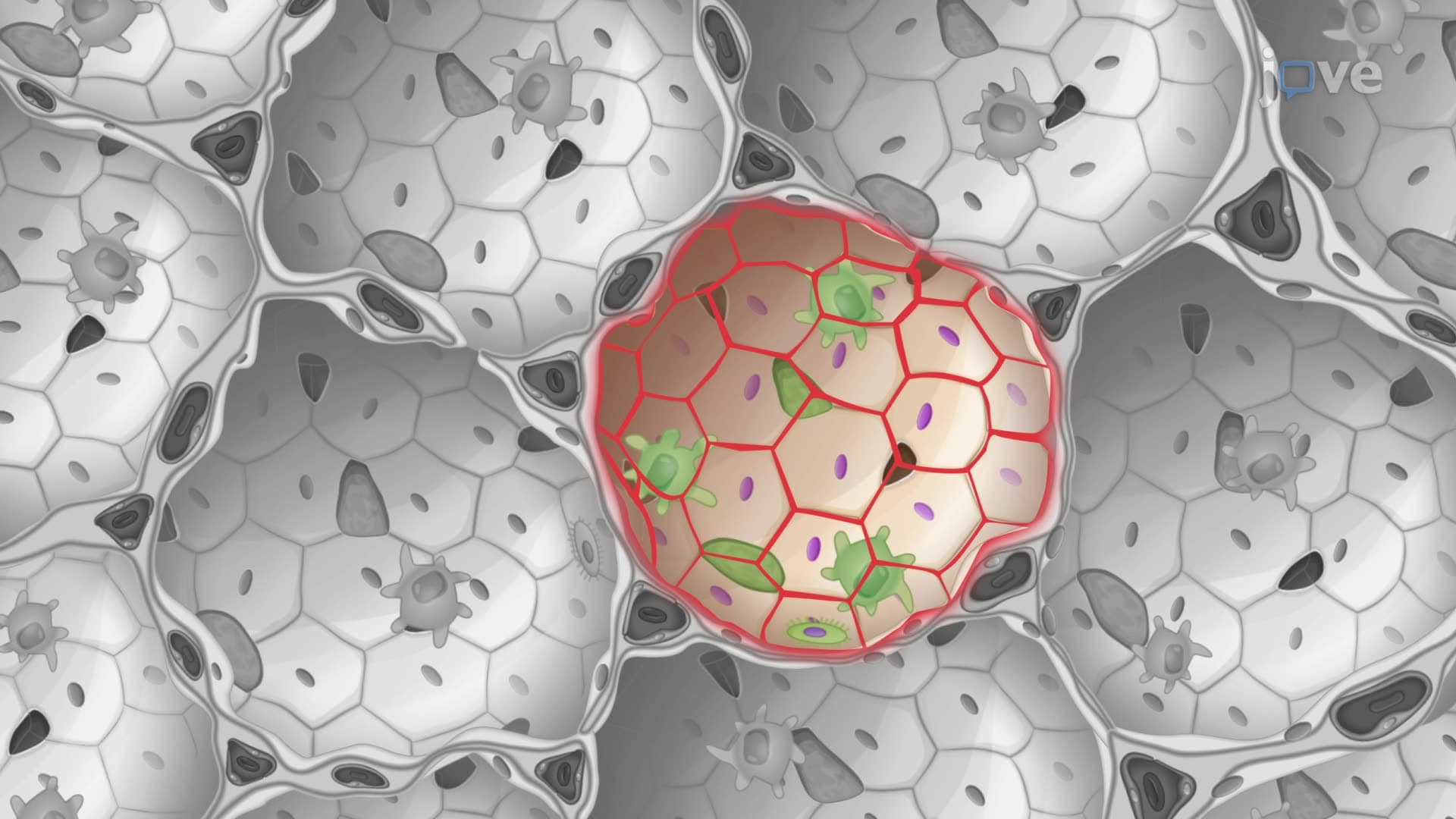
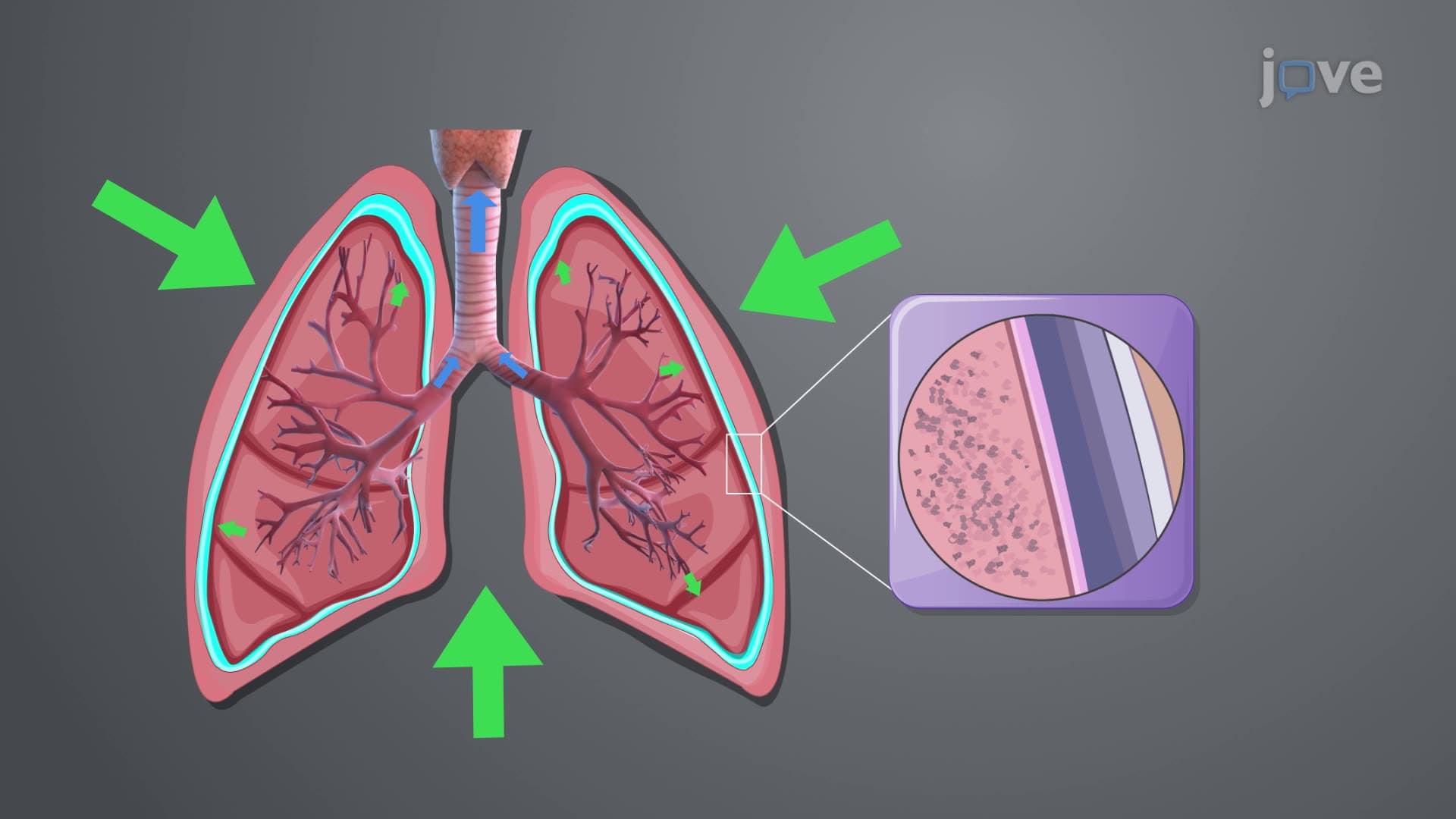
Surface tension alveolar forces present one of the most critical challenges to efficient ventilation. Water molecules in the thin alveolar fluid layer create significant surface tension that would normally collapse these tiny air sacs. Pulmonary surfactant, composed primarily of dipalmitoylphosphatidylcholine and surfactant proteins, dramatically reduces this surface tension from approximately 70 dynes/cm to just 25 dynes/cm. This surfactant compliance factor enables newborns to take their first breath and prevents alveolar collapse during expiration. Respiratory distress syndrome in premature infants demonstrates the clinical importance of adequate surfactant production.
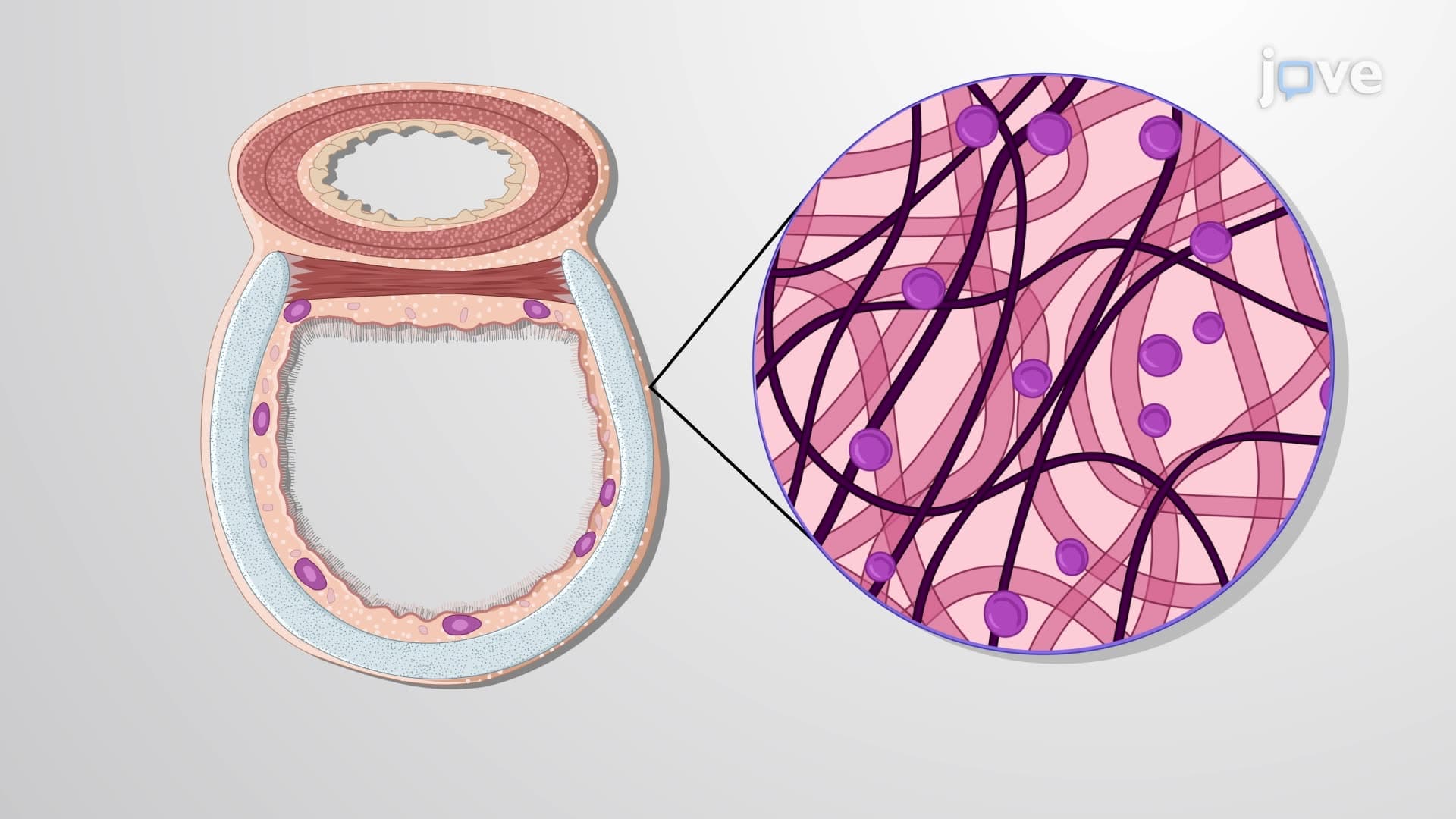
Lung compliance ventilation measures how easily lung tissue stretches during inspiration. High compliance indicates flexible, easily expandable lungs, while low compliance suggests stiff, difficult-to-inflate tissue. Normal lung compliance ranges from 0.1-0.2 L/cmH2O in healthy adults. Elastic fibers within lung parenchyma provide the recoil force necessary for passive expiration, similar to a stretched rubber band returning to its original shape. Conditions like pulmonary fibrosis reduce compliance, making breathing more laborious and explaining why patients with restrictive lung diseases experience shortness of breath.
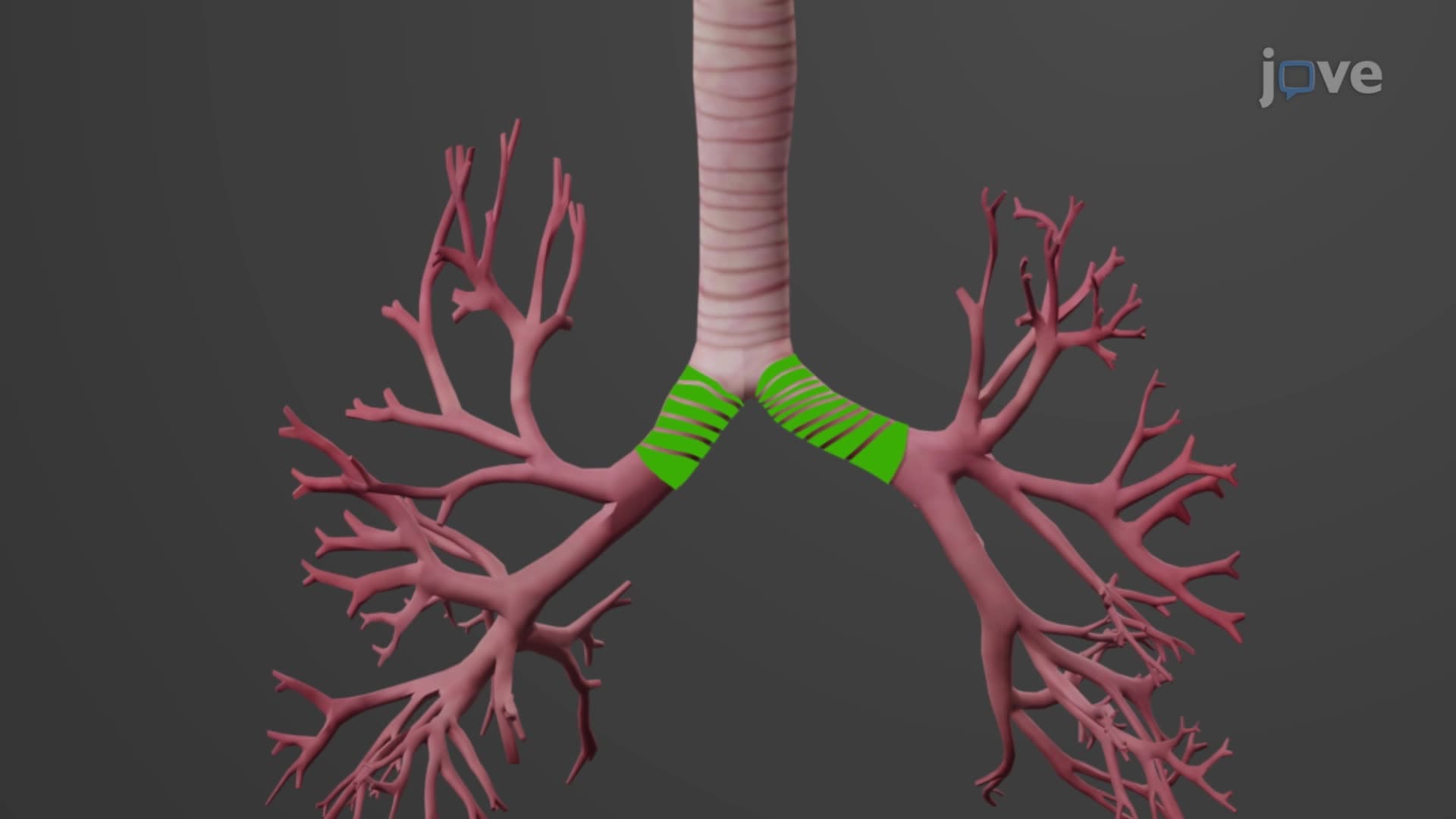
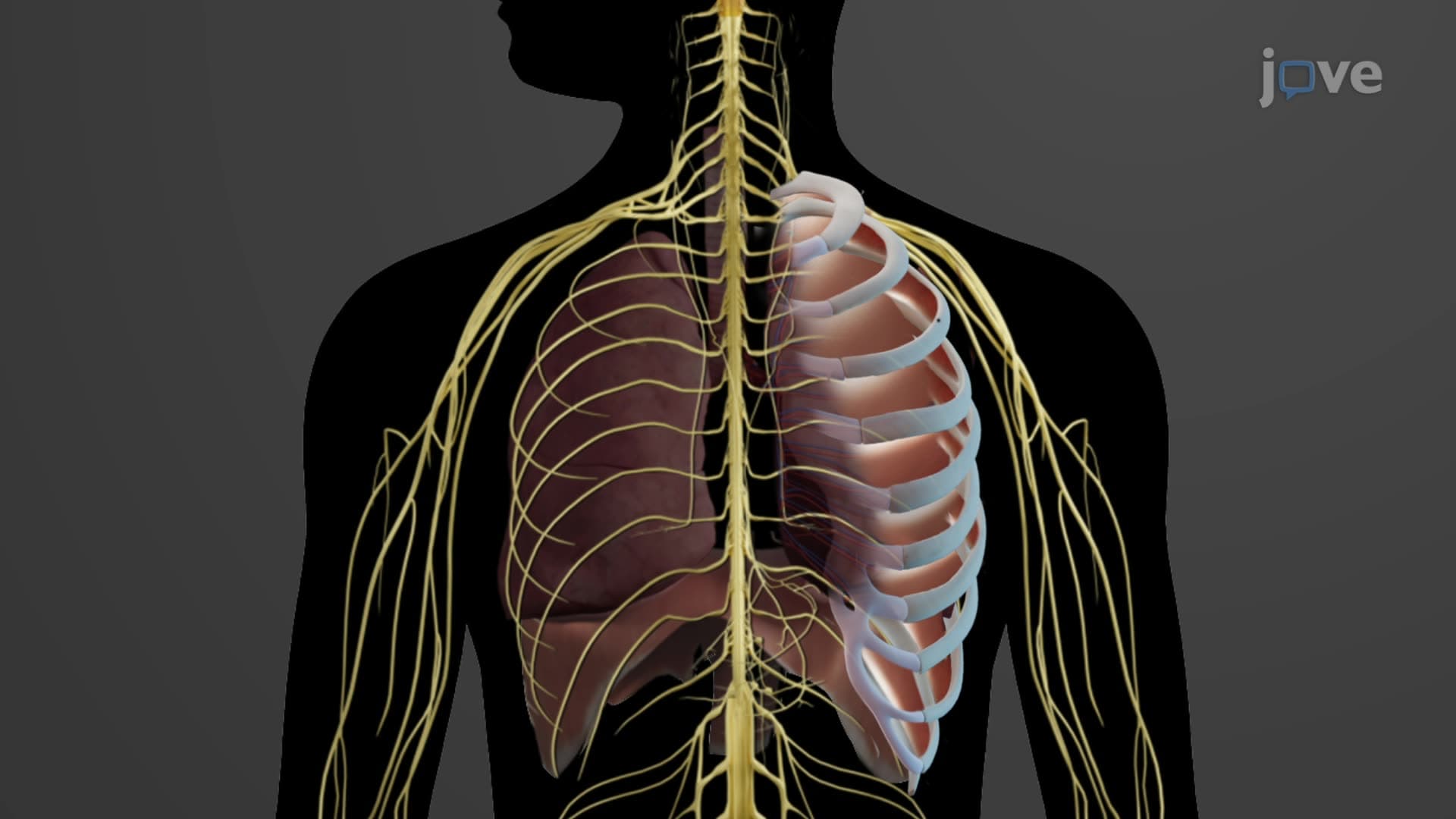
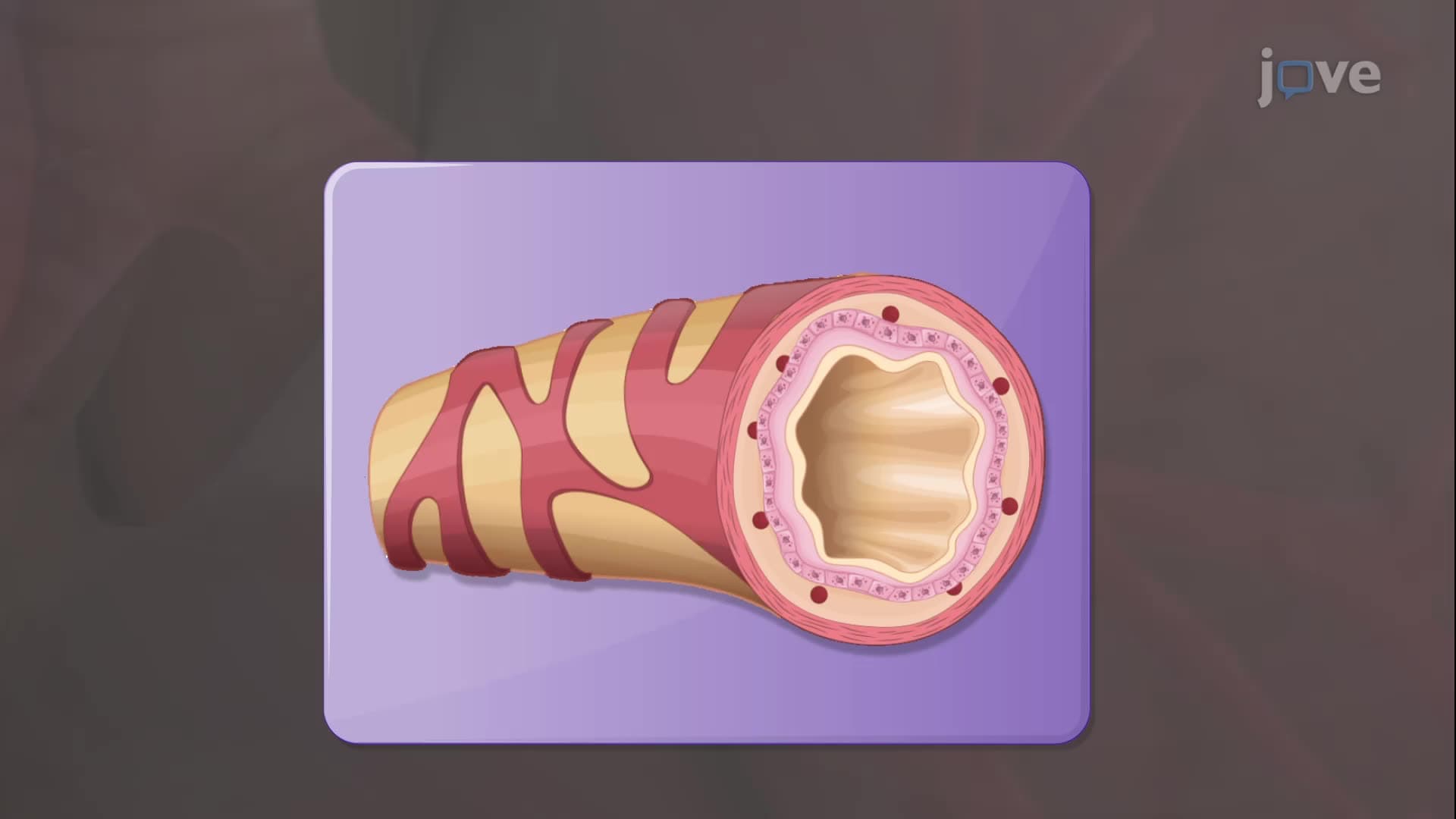
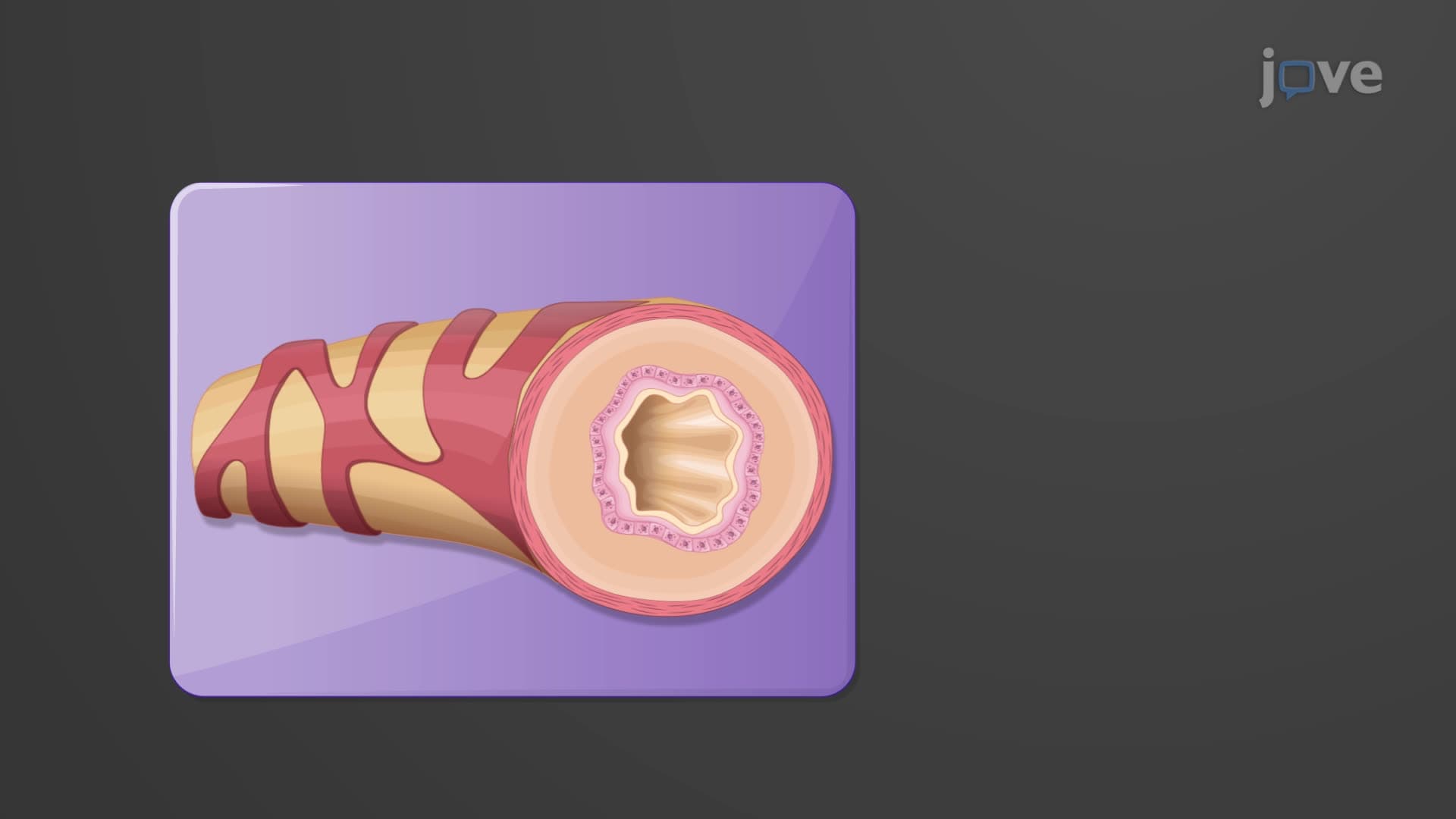
Airway resistance ventilation depends primarily on bronchiole diameter, which varies under autonomic nervous system control. Sympathetic stimulation releases epinephrine and norepinephrine, causing bronchodilation through beta-2 adrenergic receptors. This mechanism explains why epinephrine auto-injectors help during severe asthma attacks. Conversely, parasympathetic activation via vagal nerve stimulation triggers bronchoconstriction through muscarinic receptors. AP Biology students should recognize this as a classic example of antagonistic autonomic control maintaining physiological homeostasis.
Related Micro-courses