Loading subject page…


84,702 views


Video Summary: What are Other Pulmonary Disorders
Every year, approximately 37 million Americans live with chronic lung disease, making pulmonary disorders biology types a critical area of medical study. From asthma affecting 1 in 13 people to tuberculosis cases in major US cities like New York, what are other pulmonary disorders encompasses conditions that significantly impact respiratory function and quality of life. Watch the full video on JoVE Coach to master this concept with expert-led visuals and step-by-step explanations.
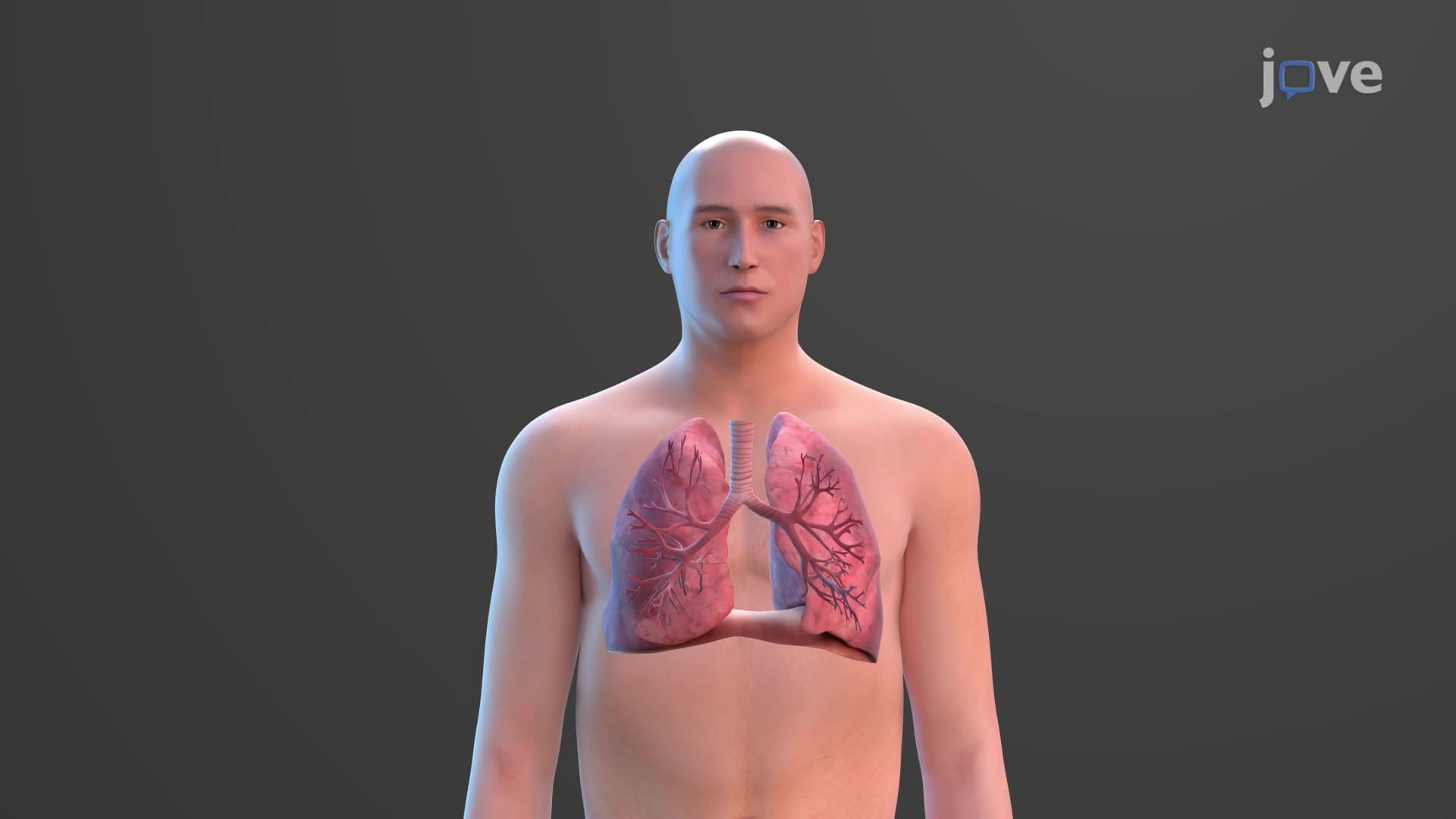
Pulmonary disorders biology types encompass a diverse range of conditions affecting the respiratory system, each with distinct causes, symptoms, and treatment approaches. Beyond common conditions like pneumonia, several major disorders significantly impact millions of Americans and represent critical concepts in respiratory medicine.
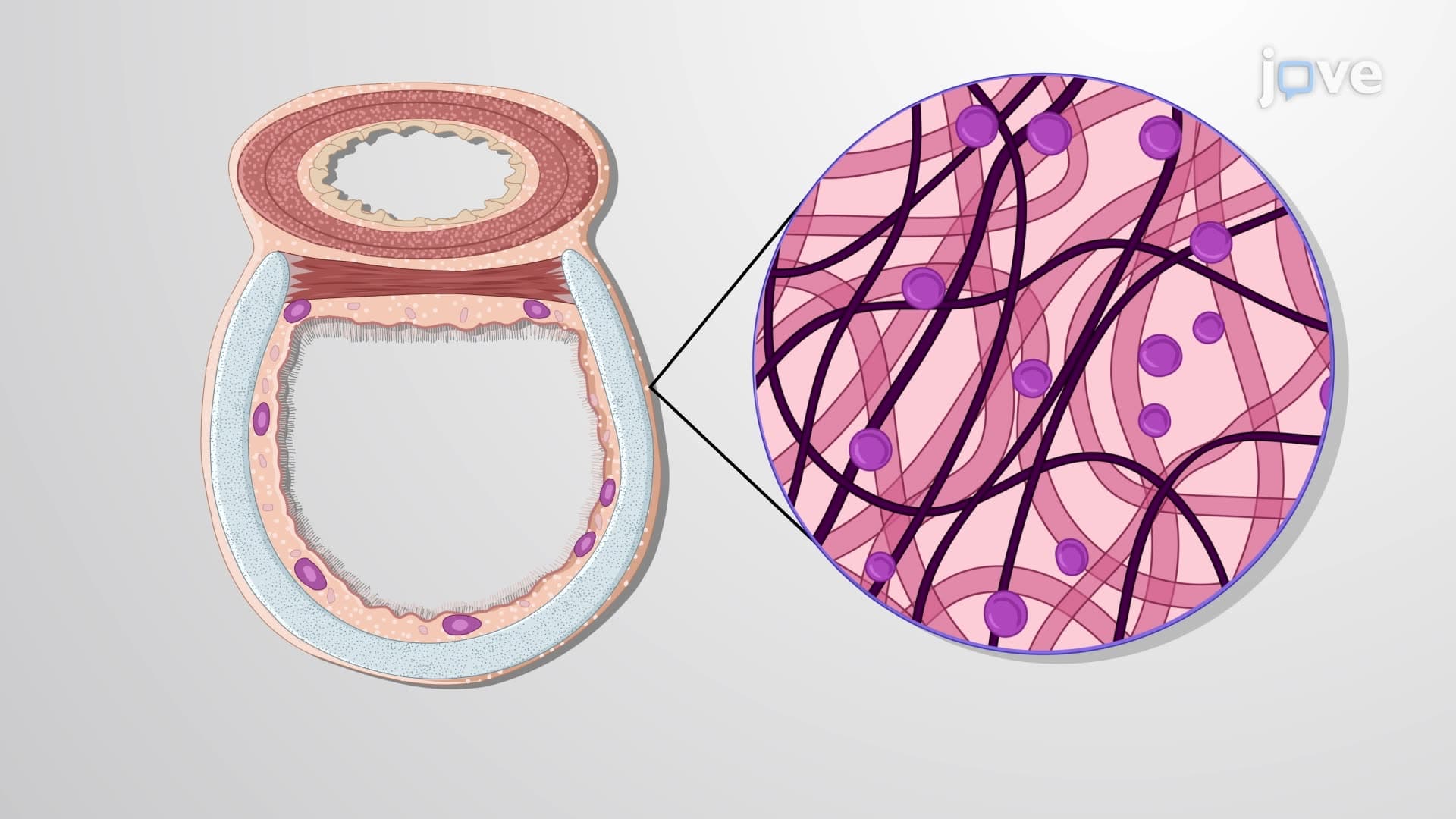
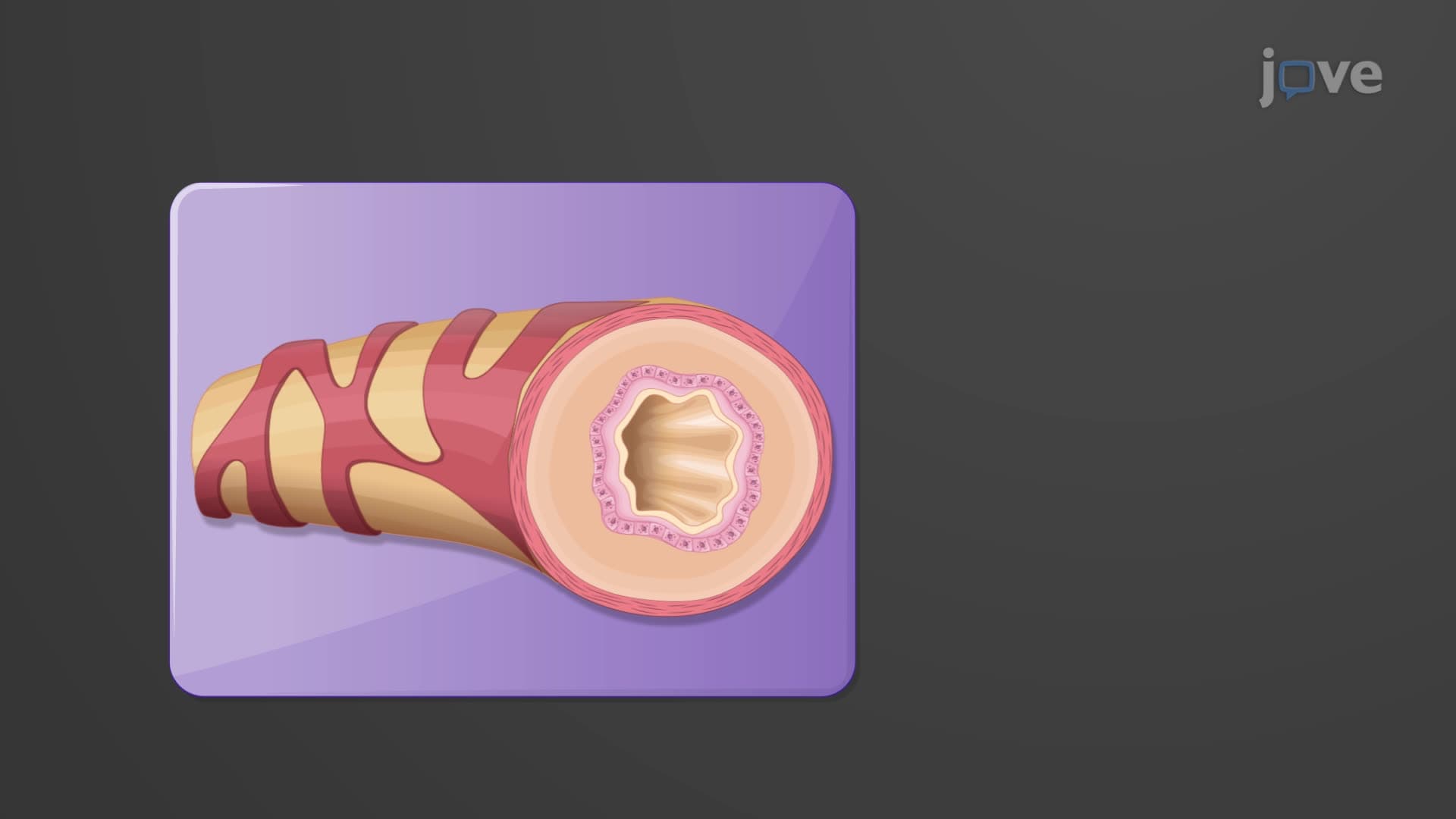
Asthma stands as one of the most prevalent lung disorders explained in clinical practice, affecting over 25 million Americans according to the CDC. This chronic inflammatory condition involves complex interactions between genetic predisposition and environmental triggers. The hallmark asthma bronchospasm disorder occurs when smooth muscles surrounding the bronchioles contract excessively, while inflammatory mediators cause airway swelling and increased mucus production.
Students preparing for the MCAT or AP Biology exams should understand that asthma's pathophysiology involves both immediate hypersensitivity (Type I) reactions and delayed inflammatory responses. Treatment with beta-2 adrenergic agonists like albuterol works by binding to specific receptors on bronchial smooth muscle, causing relaxation and bronchodilation. Anti-inflammatory medications such as inhaled corticosteroids address the underlying inflammatory component.
Tuberculosis remains a significant public health concern, with approximately 7,900 cases reported annually in the United States. This infectious disease, caused by *Mycobacterium tuberculosis*, demonstrates the complex relationship between pathogen virulence and host immunity. The bacteria's unique waxy cell wall makes it particularly resistant to standard disinfectants and enables it to survive within macrophages.
Pneumonia lung infection differs from TB in its acute presentation, while TB often remains latent for years before becoming active. Understanding this distinction is crucial for students taking the NCLEX or HESI A2 nursing exams, where infectious disease concepts frequently appear.
Lung cancer pulmonary represents the leading cause of cancer death in the United States, with smoking accounting for approximately 85% of cases. The disease exemplifies how environmental carcinogens can cause cumulative cellular damage over time. Students should understand the difference between small cell and non-small cell lung cancer, as this classification directly influences treatment decisions and prognosis.
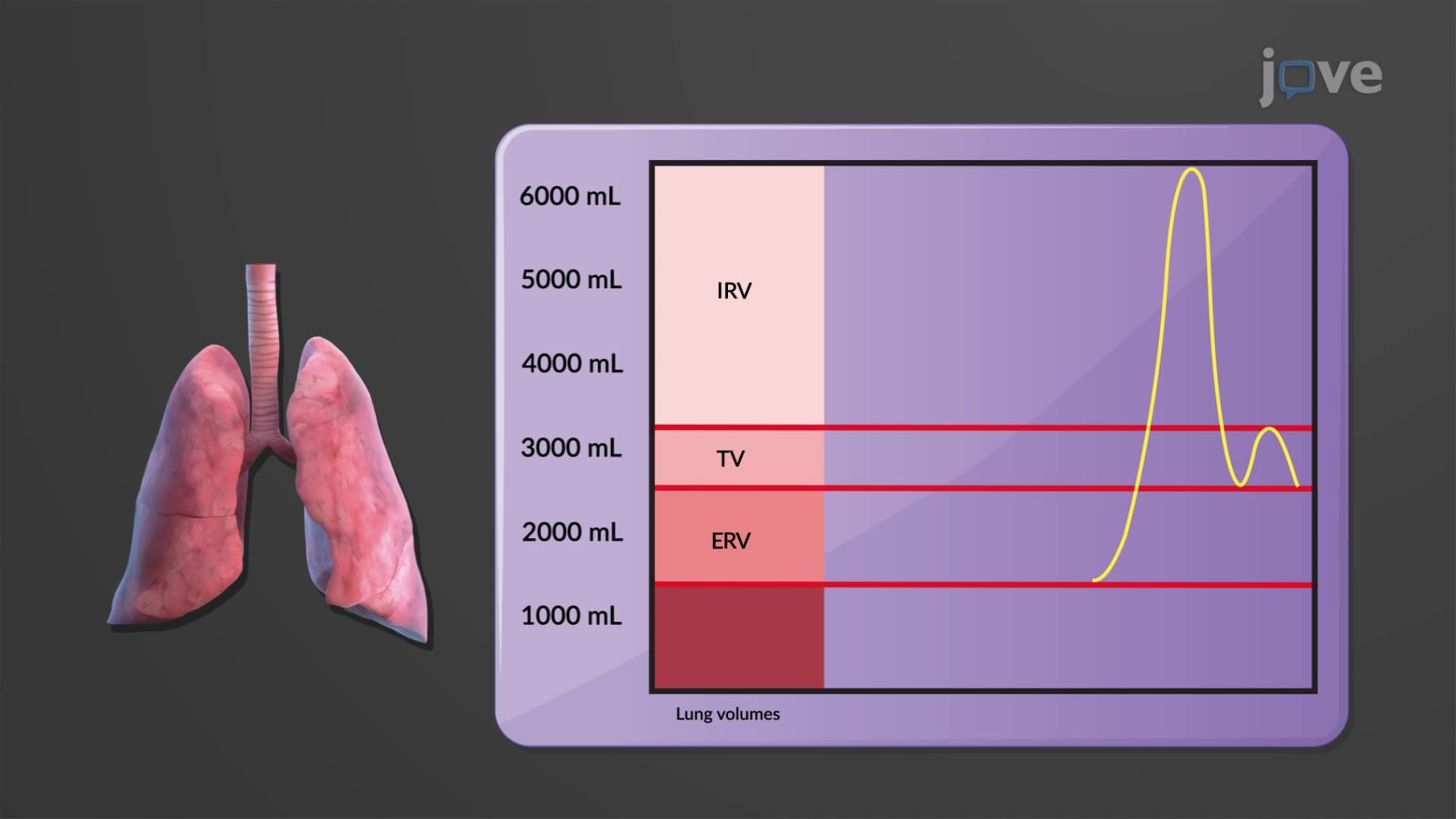
Respiratory disorder classification systems help healthcare providers systematically approach diagnosis and treatment. Restrictive disorders like pulmonary fibrosis restrictive disease limit lung expansion, while obstructive disorders like asthma impede airflow. This fundamental distinction appears regularly on college physiology exams and professional healthcare certification tests.
Related Micro-courses