Loading subject page…


84,705 views

Video Summary: What Is Alveoli and Alveolar Ducts
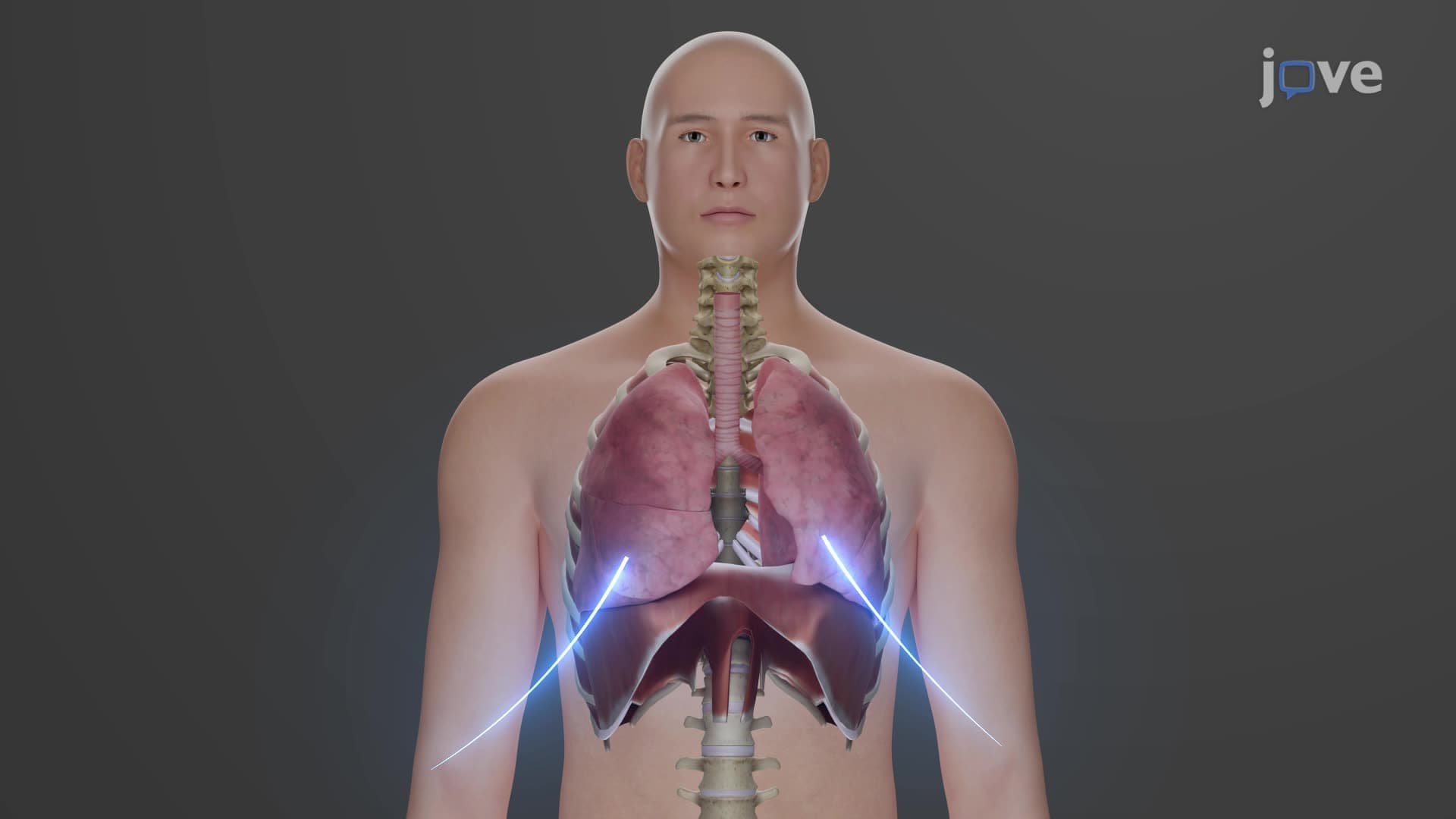
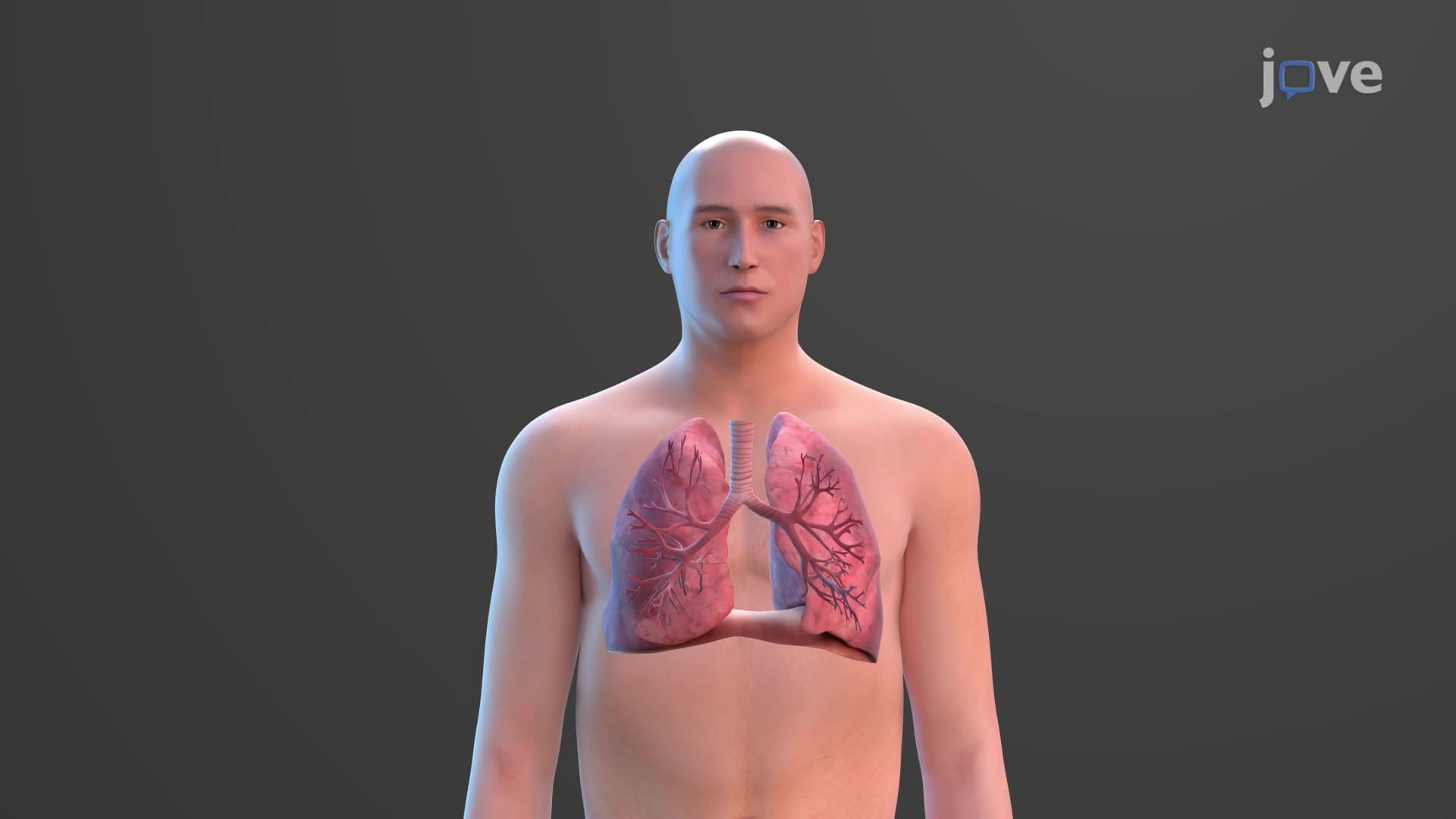
Every breath you take involves 300 million tiny air sacs working together-that's twice the number of people in the United States! The alveoli alveolar ducts anatomy represents the most intricate part of your respiratory system, where life-sustaining gas exchange occurs at the cellular level. When a patient at Johns Hopkins Hospital receives oxygen therapy, clinicians rely on understanding how alveolar ducts transport air to these microscopic chambers. What is Alveoli And Alveolar Ducts becomes crucial knowledge for anyone studying human physiology. Watch the full video on JoVE Coach to master this concept with expert-led visuals and step-by-step explanations.
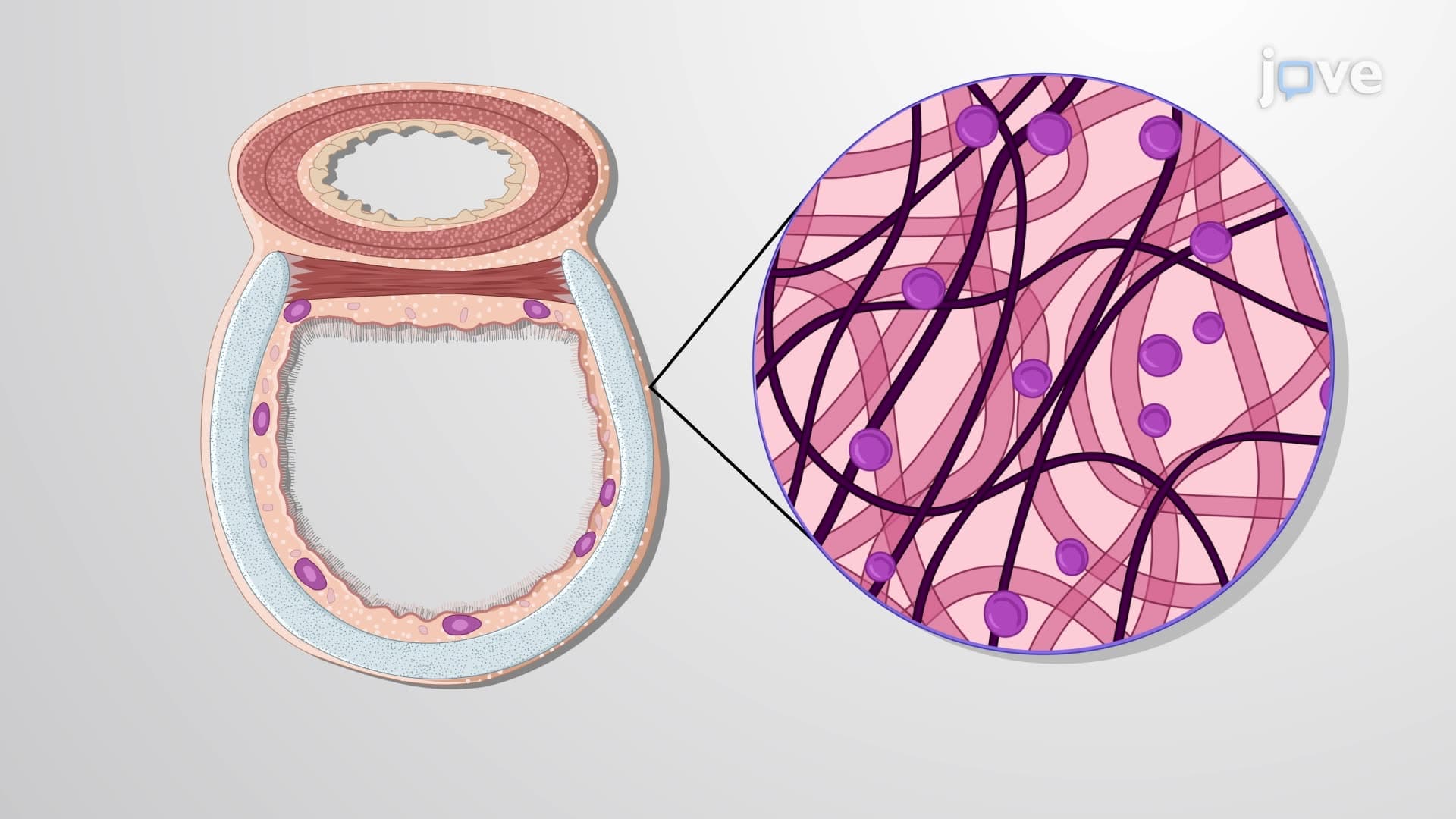
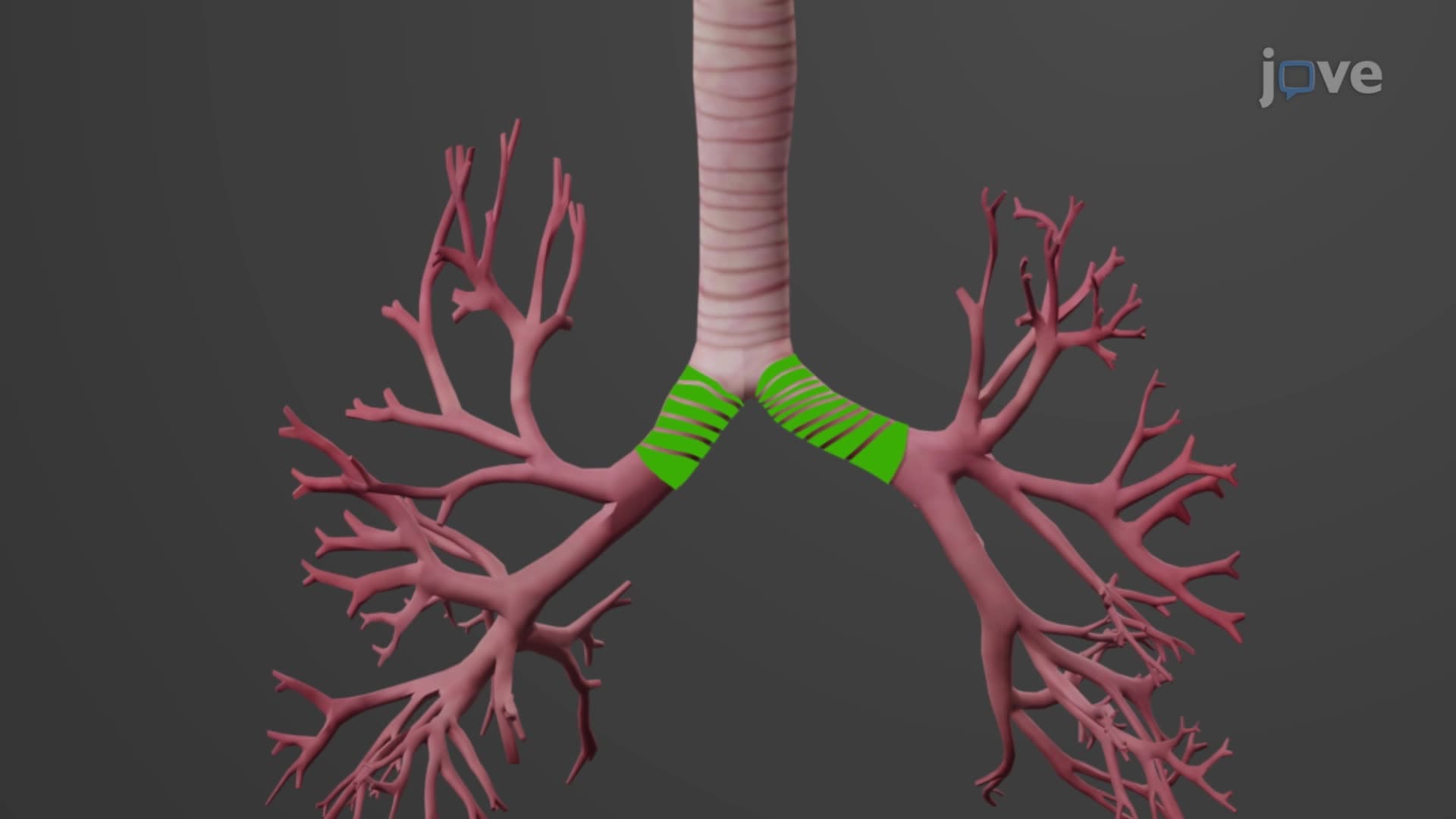
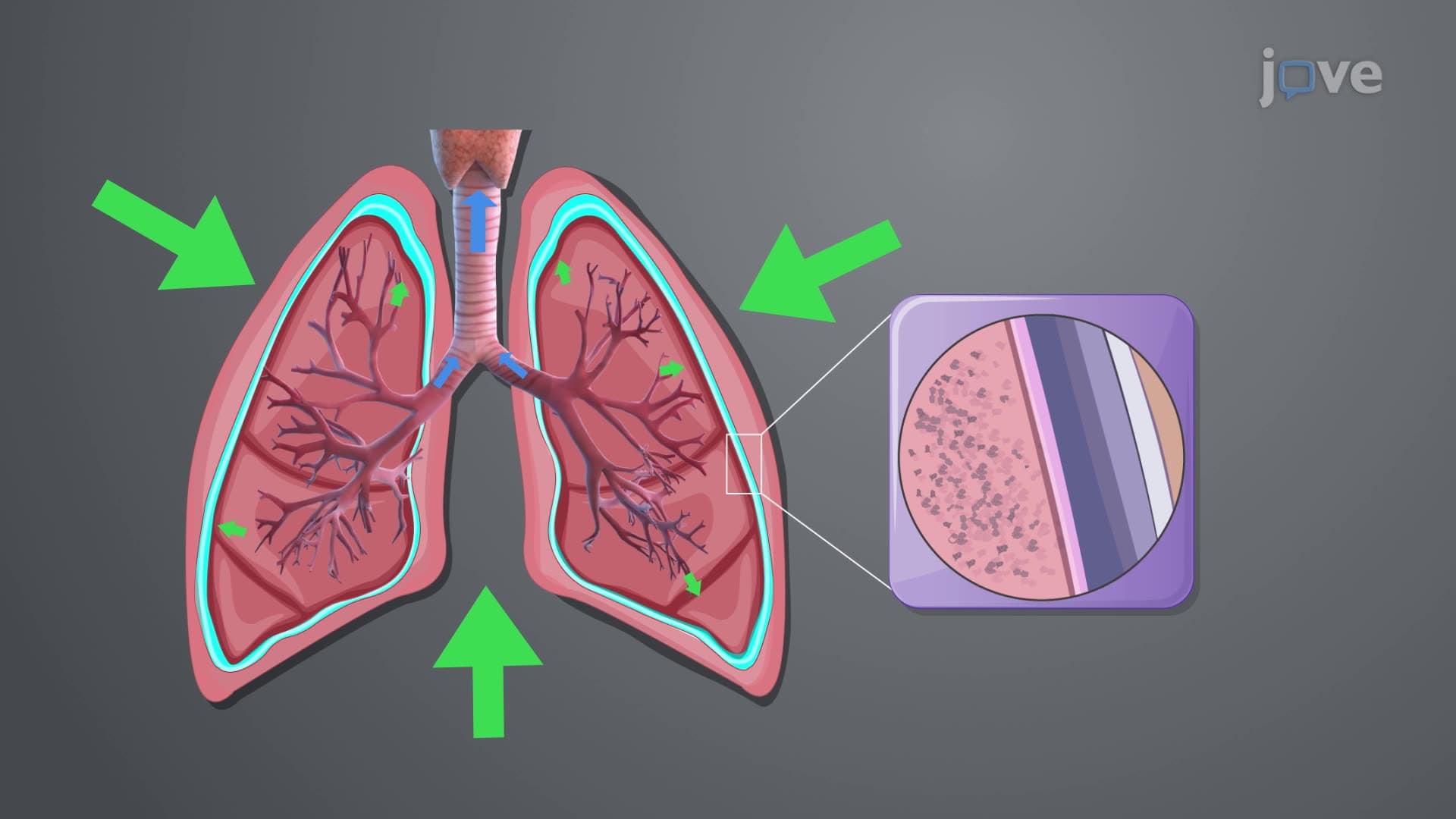
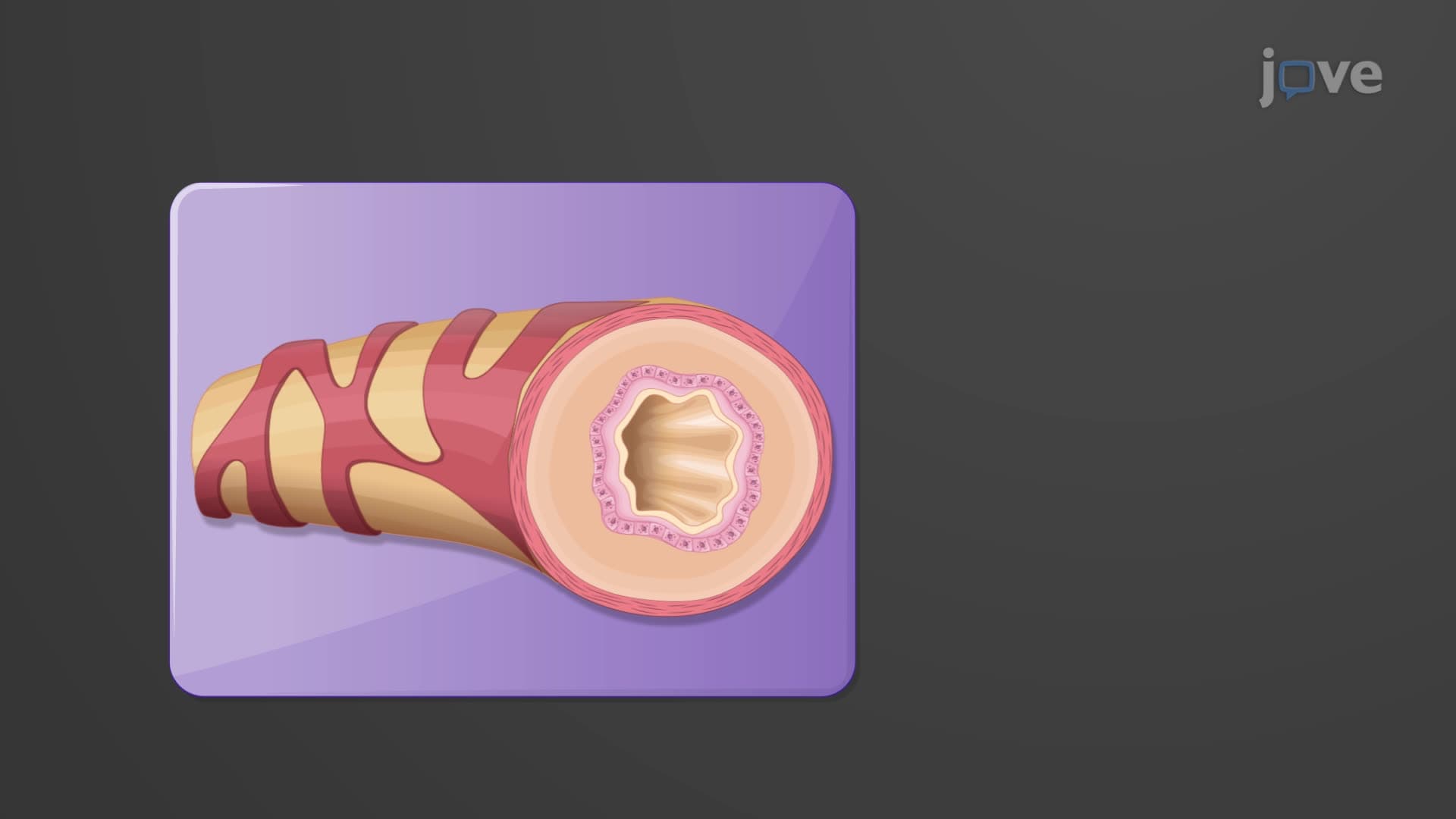
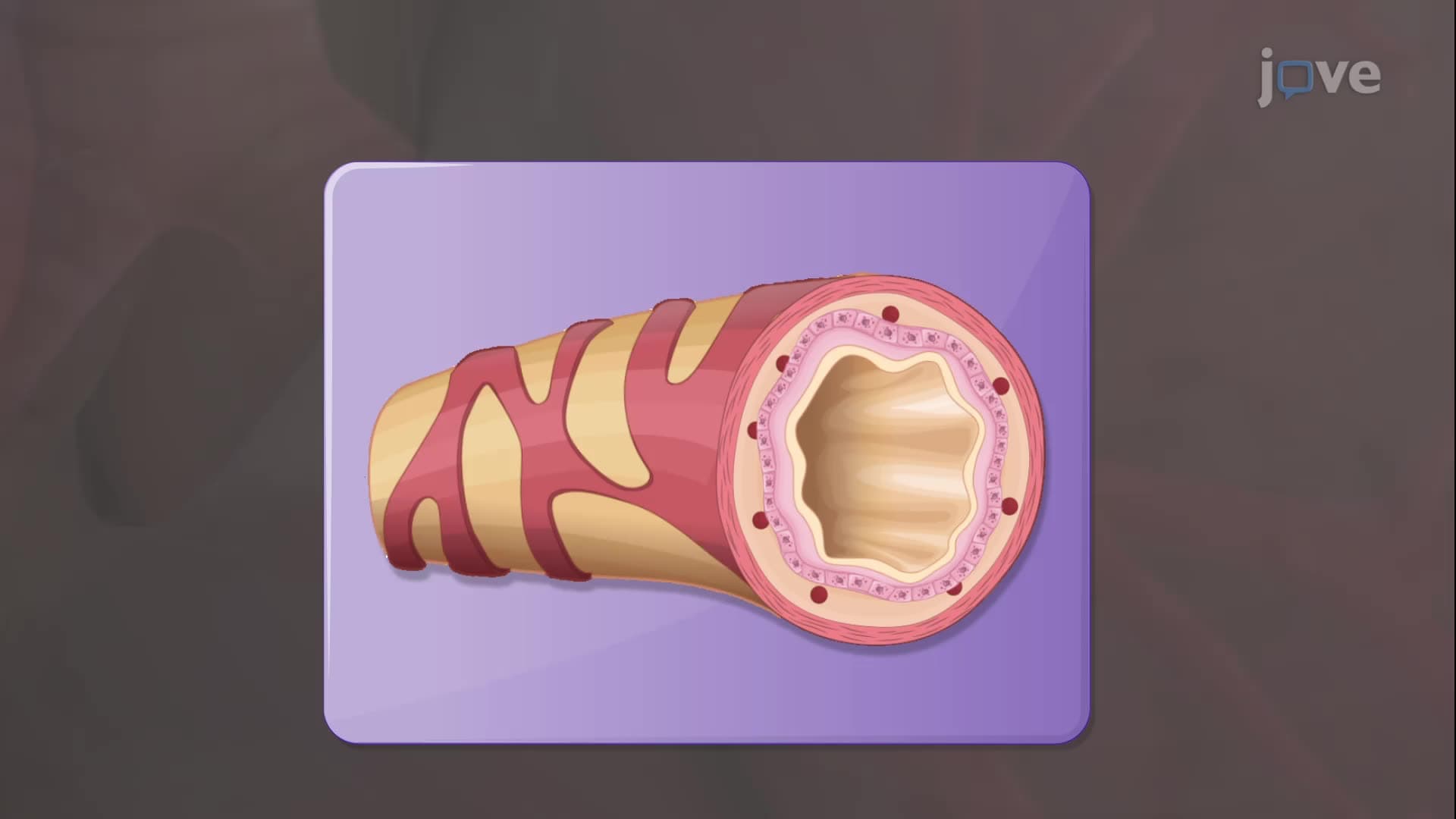
The lung alveoli structure function represents one of biology's most elegant engineering solutions. Within each pulmonary lobule, terminal bronchioles branch into respiratory bronchioles, marking the transition from the conducting zone to the respiratory zone. These microscopic structures lead to alveolar ducts-thin-walled passages lined with simple squamous epithelium that serve as the final airways before reaching the gas exchange sites.
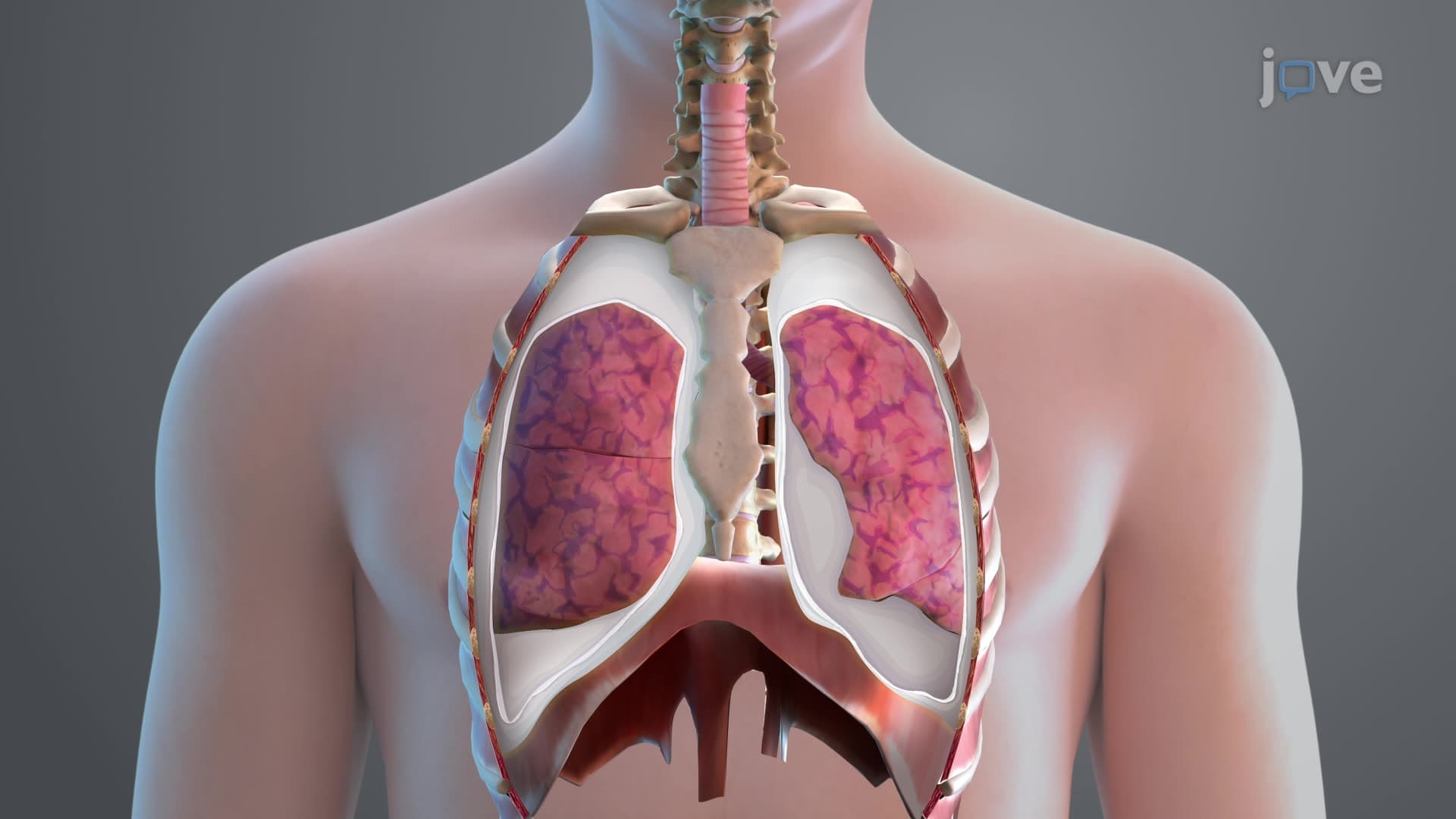
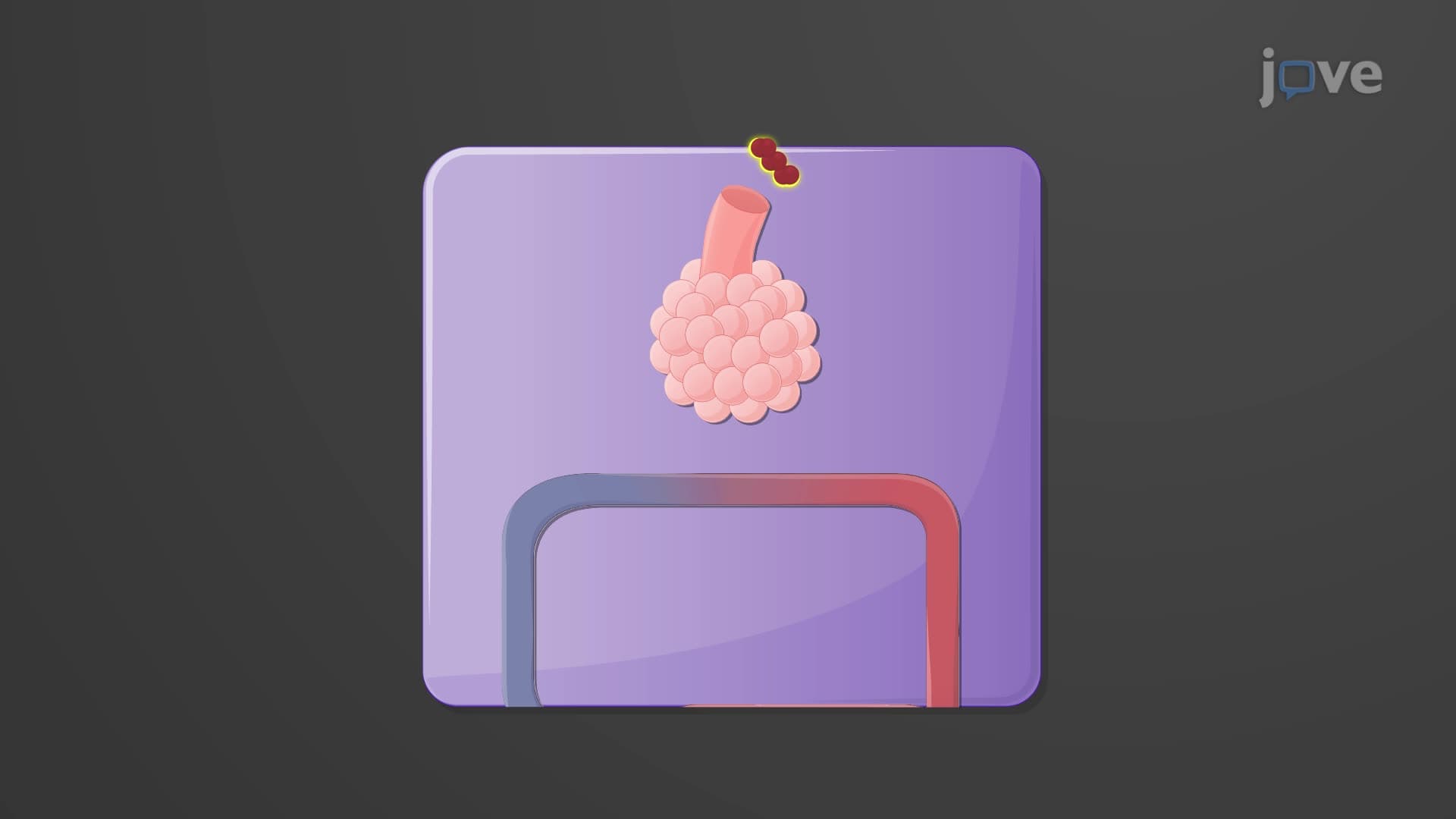
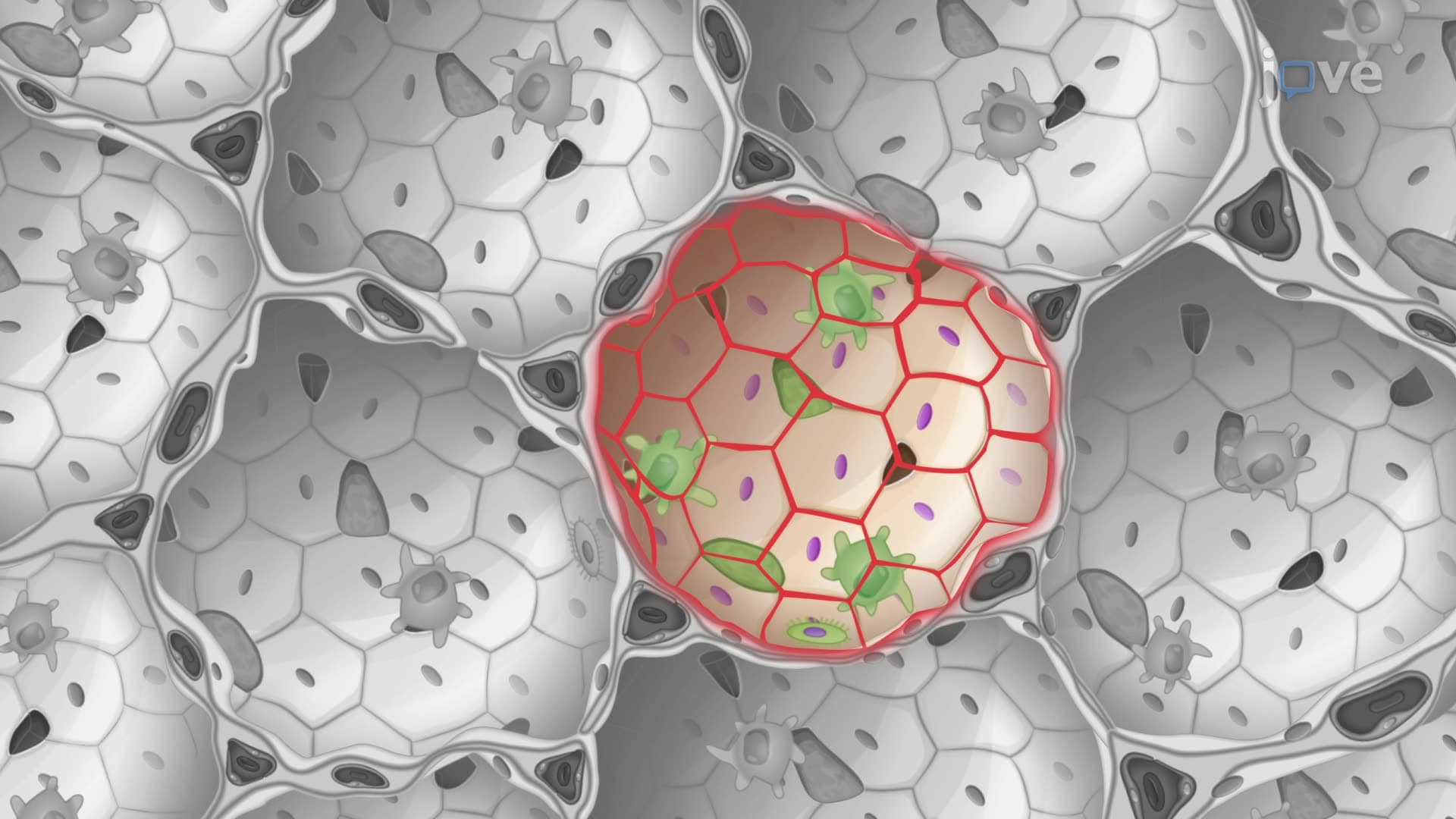
What are alveoli and alveolar ducts in anatomy becomes clearer when examining their grape-cluster arrangement. Alveolar ducts terminate in alveolar sacs, which contain multiple alveoli-the actual sites of gas exchange. This design maximizes surface area while minimizing the distance gases must travel. At UCLA Medical School, students learn that this arrangement provides approximately 70 square meters of gas exchange surface in healthy adult lungs, equivalent to half a tennis court packed into your chest cavity.
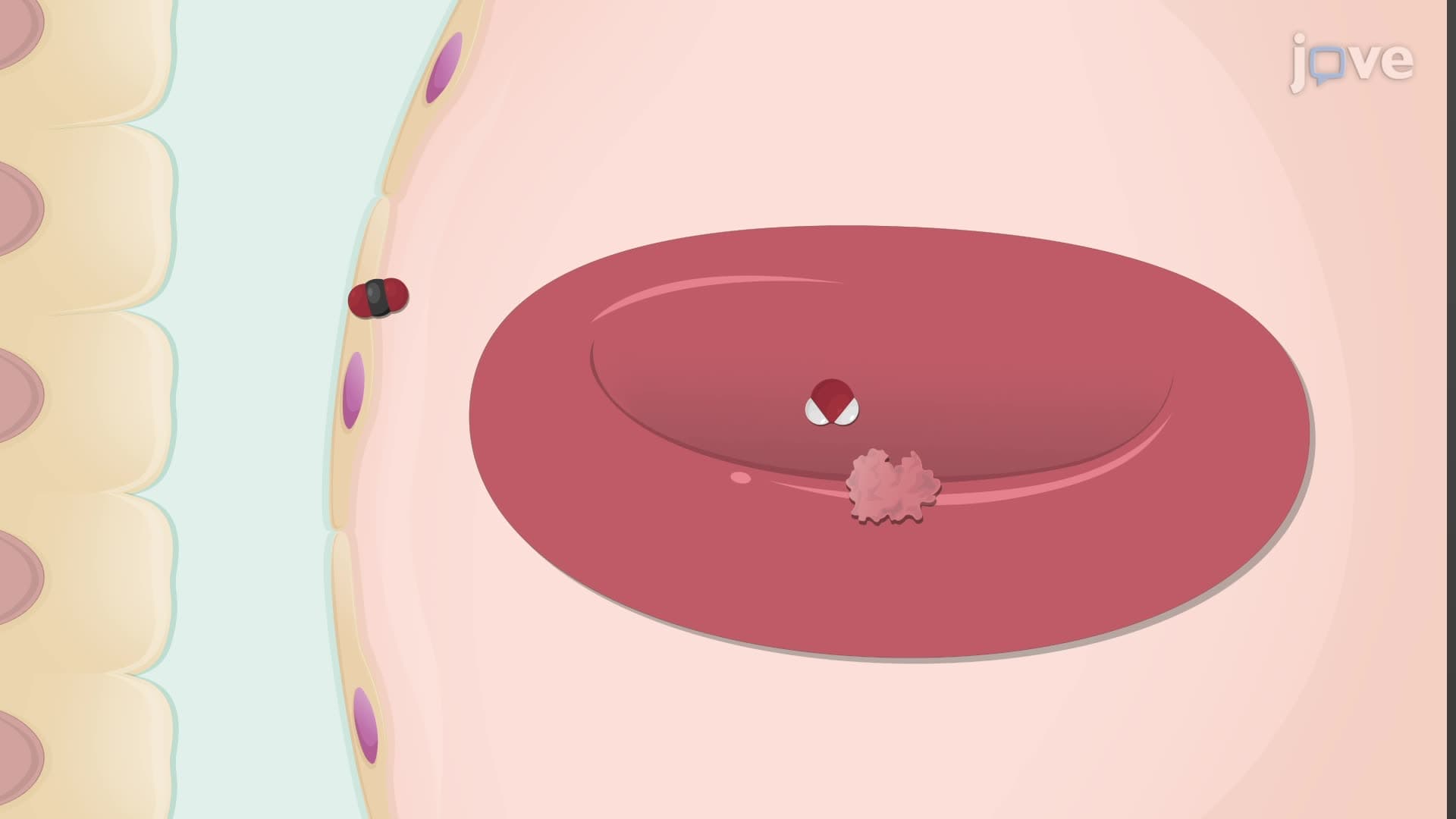
The type I II alveolar cell composition determines alveolar function. Type I pneumocytes cover 95% of the alveolar surface despite comprising only 40% of lung cells. These extremely thin cells (0.1 micrometers thick) facilitate rapid gas diffusion. Type II pneumocytes, though covering less surface area, serve critical functions by producing surfactant-a phospholipid mixture that reduces surface tension and prevents alveolar collapse during expiration.
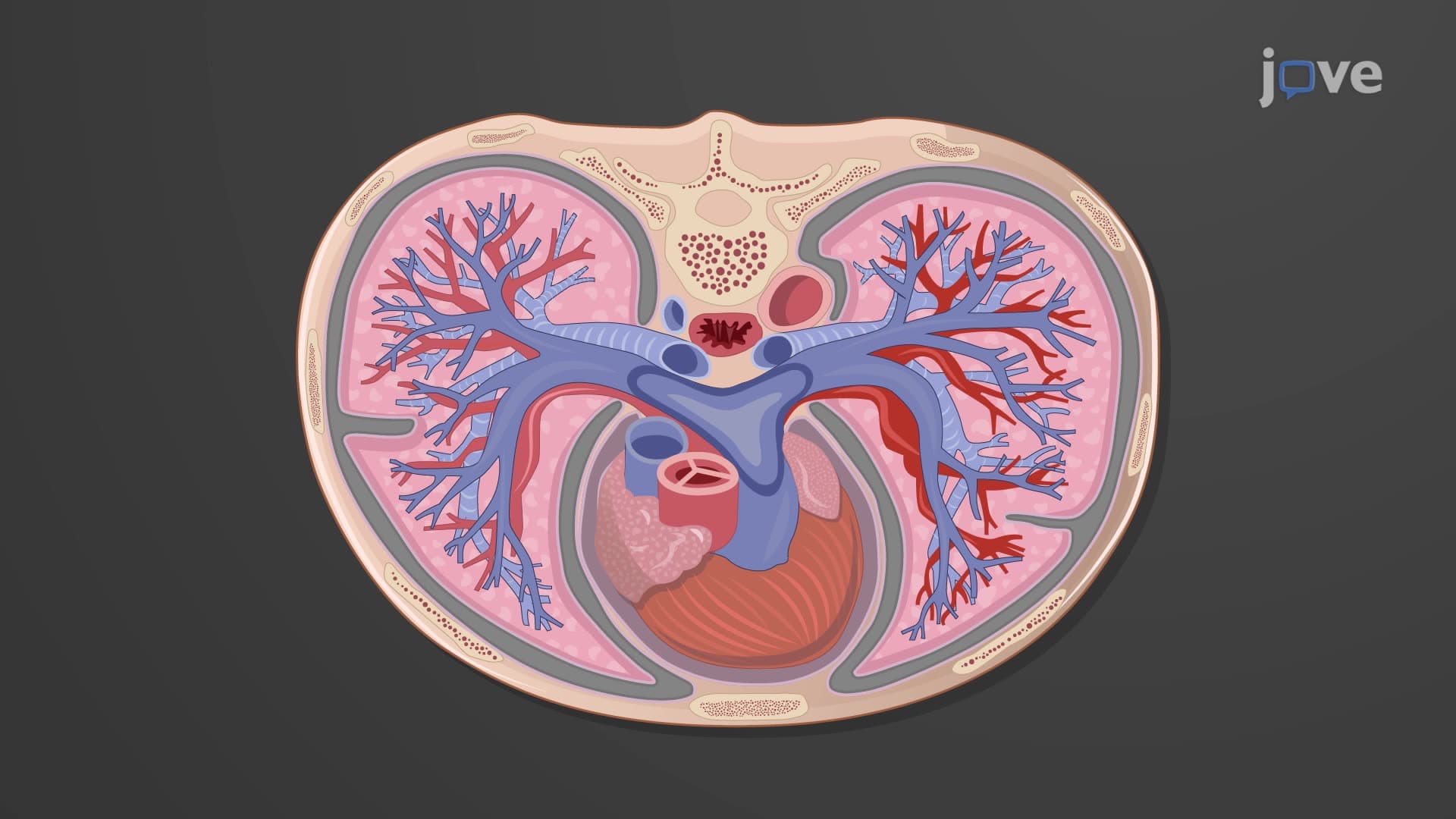
The alveolar macrophage surfactant system works alongside structural components to maintain lung health. Alveolar macrophages, also called dust cells, patrol the airways removing bacteria, dust particles, and cellular debris. This defense mechanism becomes particularly important in urban environments like Los Angeles, where air pollution challenges respiratory health. The gas exchange alveoli surface relies on the intimate contact between alveolar walls and surrounding capillaries, separated by only the thin respiratory membrane.
Medical students preparing for the USMLE Step 1 exam frequently encounter questions about alveolar wall anatomy and its clinical significance. Understanding how surfactant deficiency causes respiratory distress syndrome in premature infants, or how pneumonia disrupts the alveolar-capillary interface, requires mastery of these fundamental structures.
Related Micro-courses