Loading subject page…


84,702 views

Video Summary: What Is Carbon Dioxide Transport
Every minute, your body produces about 200 mL of carbon dioxide that must be efficiently removed from tissues and transported to your lungs for elimination. CO2 transport blood biology involves three distinct pathways that work simultaneously to prevent dangerous CO2 buildup in your system. For instance, during intense exercise at high school athletics events across the US, your body increases CO2 production dramatically, yet these transport mechanisms adapt seamlessly. What is Carbon Dioxide Transport? reveals how your circulatory system manages this critical waste removal process through plasma dissolution, hemoglobin binding, and bicarbonate formation. Watch the full video on JoVE Coach to master this concept with expert-led visuals and step-by-step explanations.
Carbon dioxide transport explained through three interconnected pathways that ensure efficient waste removal from cellular metabolism. Unlike oxygen transport, which relies primarily on hemoglobin binding, CO2 utilizes multiple strategies that work simultaneously to prevent toxic accumulation in body tissues.
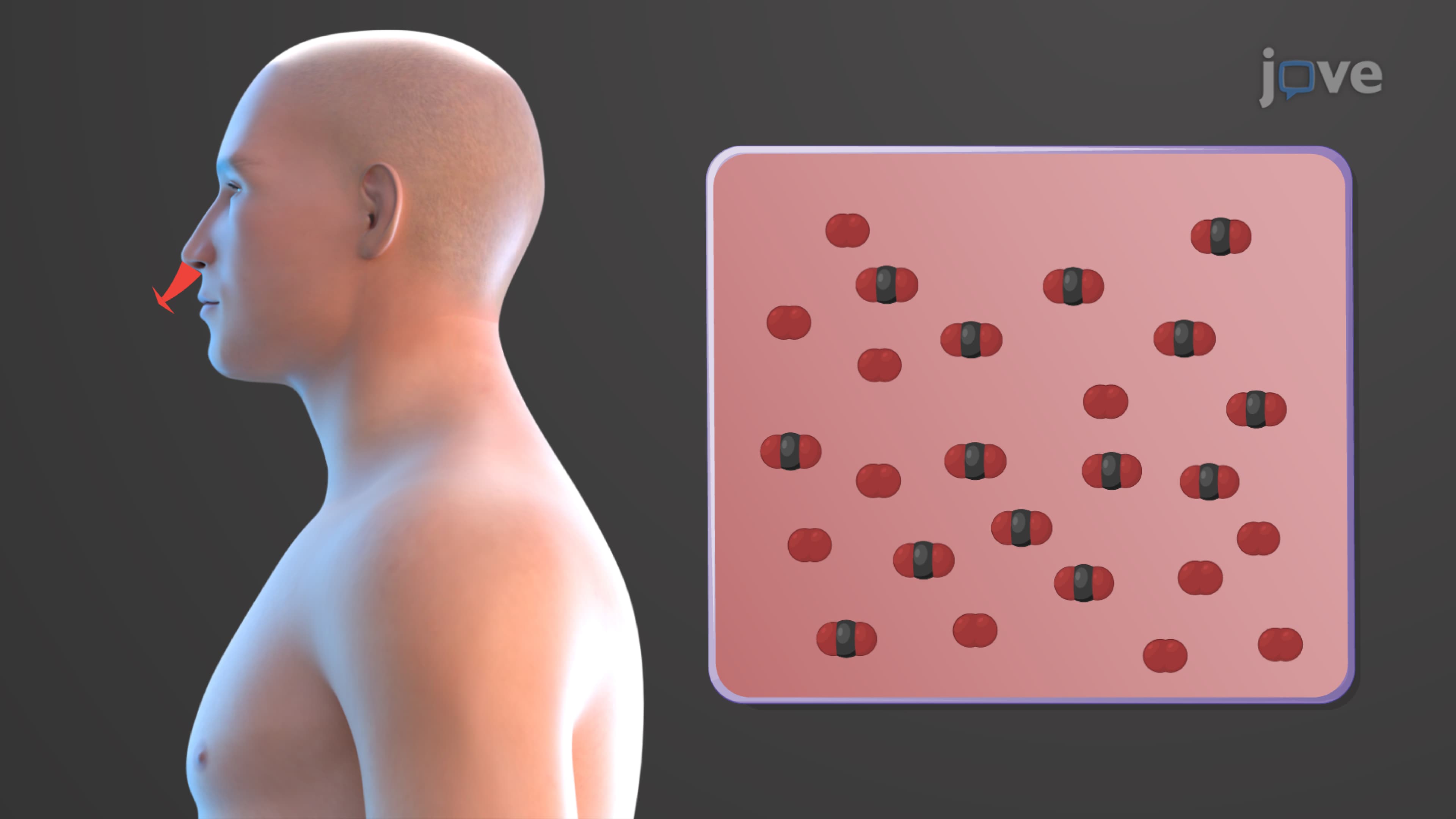
The simplest pathway involves dissolved CO2 blood plasma, accounting for 7-10% of total transport. This fraction follows Henry's Law, where CO2 solubility depends directly on partial pressure. In tissue capillaries, where PCO2 reaches 45-50 mmHg due to cellular respiration, more CO2 dissolves into plasma. Conversely, in pulmonary capillaries where PCO2 drops to 40 mmHg, dissolved CO2 readily diffuses into alveolar air for elimination. This mechanism is particularly important during MCAT preparation, as students must understand gas solubility principles for both respiratory and renal physiology sections.
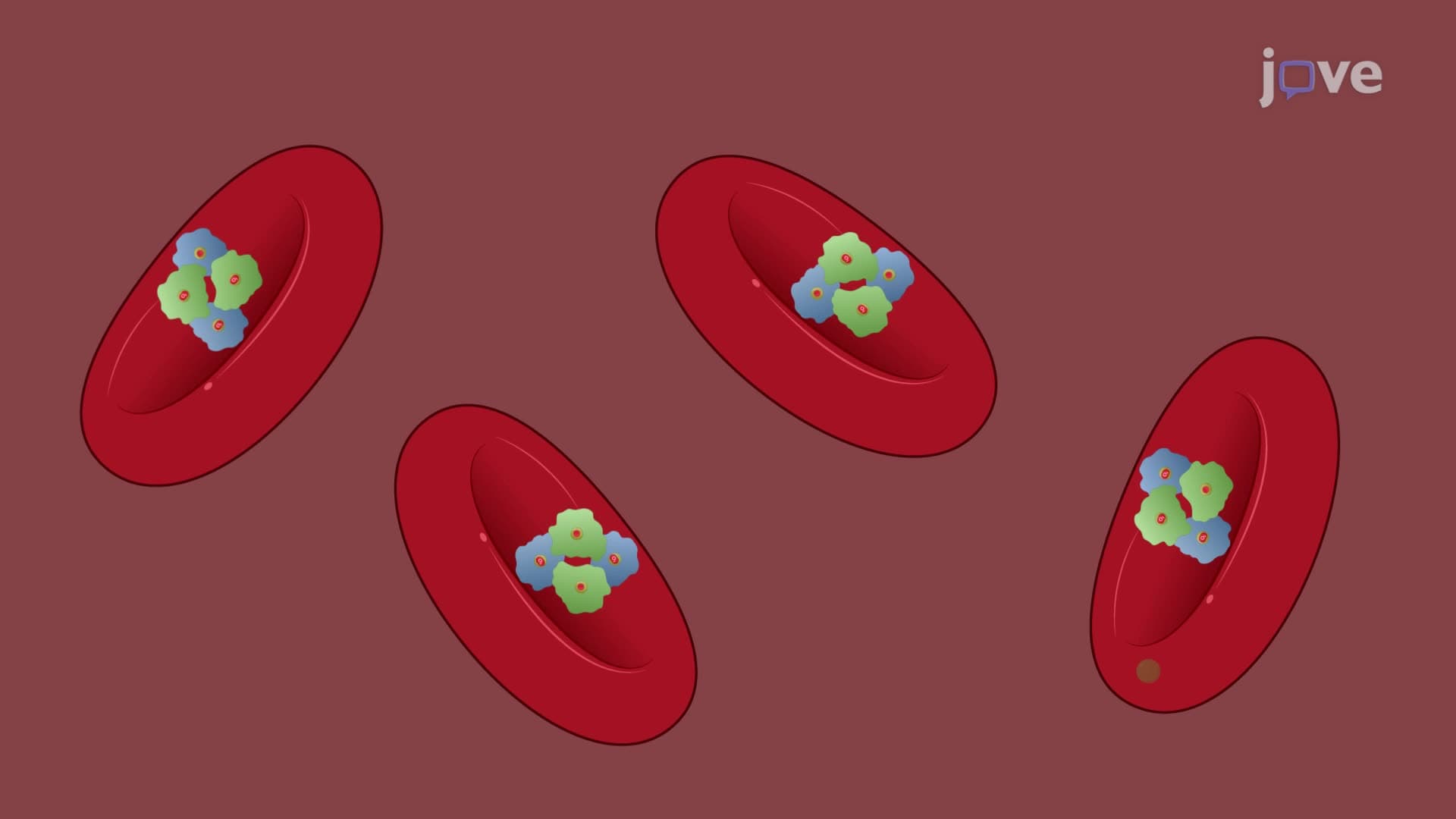
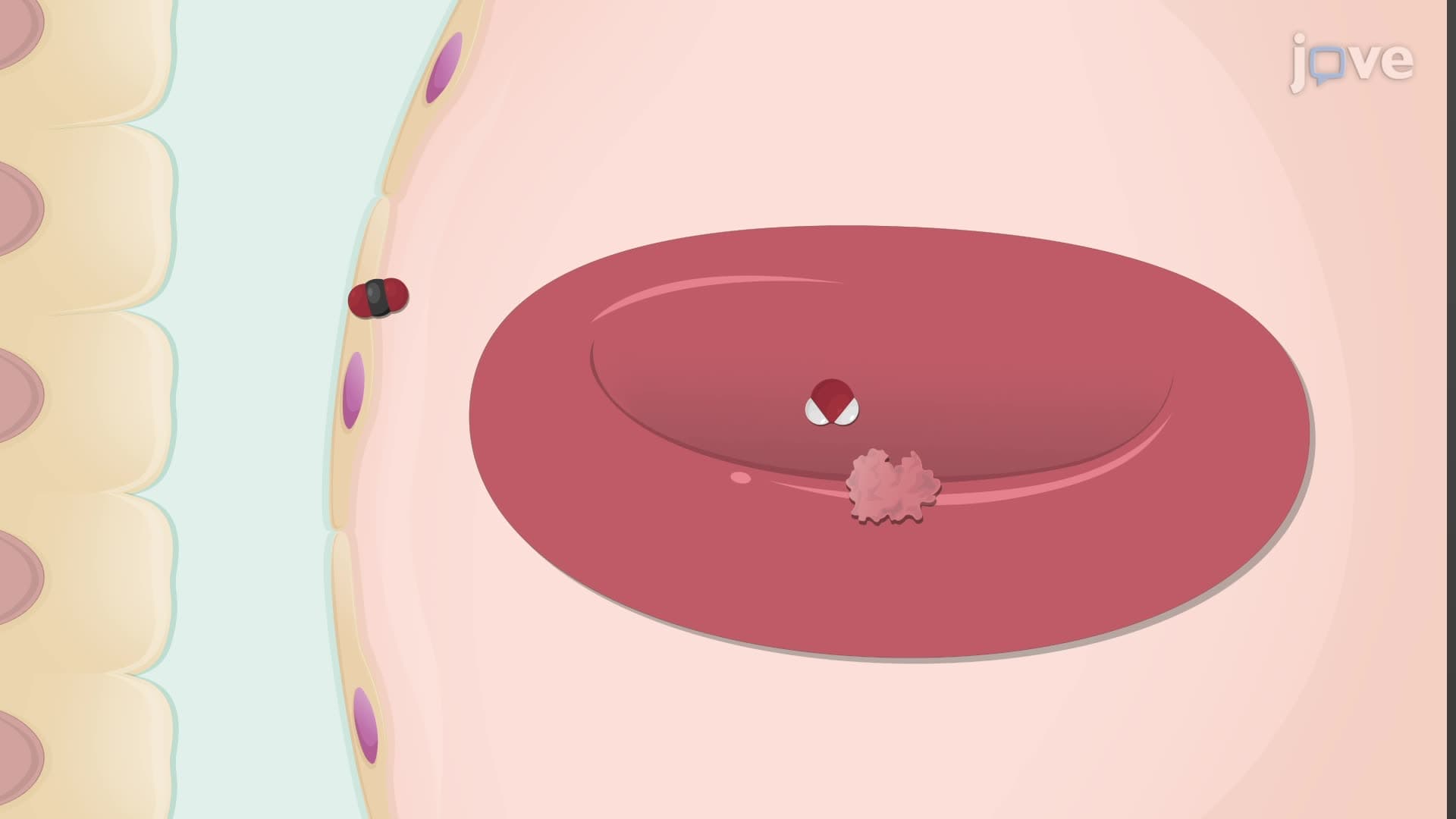
Carbaminohemoglobin CO2 represents 20-23% of transport, occurring when CO2 binds directly to amino groups on hemoglobin's globin chains-not the heme groups that carry oxygen. This binding increases in high-PCO2 environments (tissues) and decreases in low-PCO2 areas (lungs). The Haldane effect describes how deoxygenated hemoglobin has higher CO2-binding affinity, creating efficient coupling between oxygen delivery and CO2 pickup. College students studying for AP Biology exams should note this reciprocal relationship between O2 and CO2 transport.
The dominant mechanism involves bicarbonate CO2 transport, handling approximately 70% of CO2 removal. Inside red blood cells, carbonic anhydrase rapidly converts CO2 and water into carbonic acid (H2CO3), which immediately dissociates into bicarbonate (HCO3-) and hydrogen ions (H+). The chloride shift CO2 transport mechanism then exchanges bicarbonate ions out of RBCs for chloride ions entering, maintaining electrical neutrality.
This system reverses at pulmonary capillaries where low PCO2 drives bicarbonate back into RBCs, reforming CO2 for elimination. Understanding this CO2 transport mechanism is crucial for USMLE Step 1 success, particularly in acid-base physiology questions involving respiratory compensation for metabolic disorders.
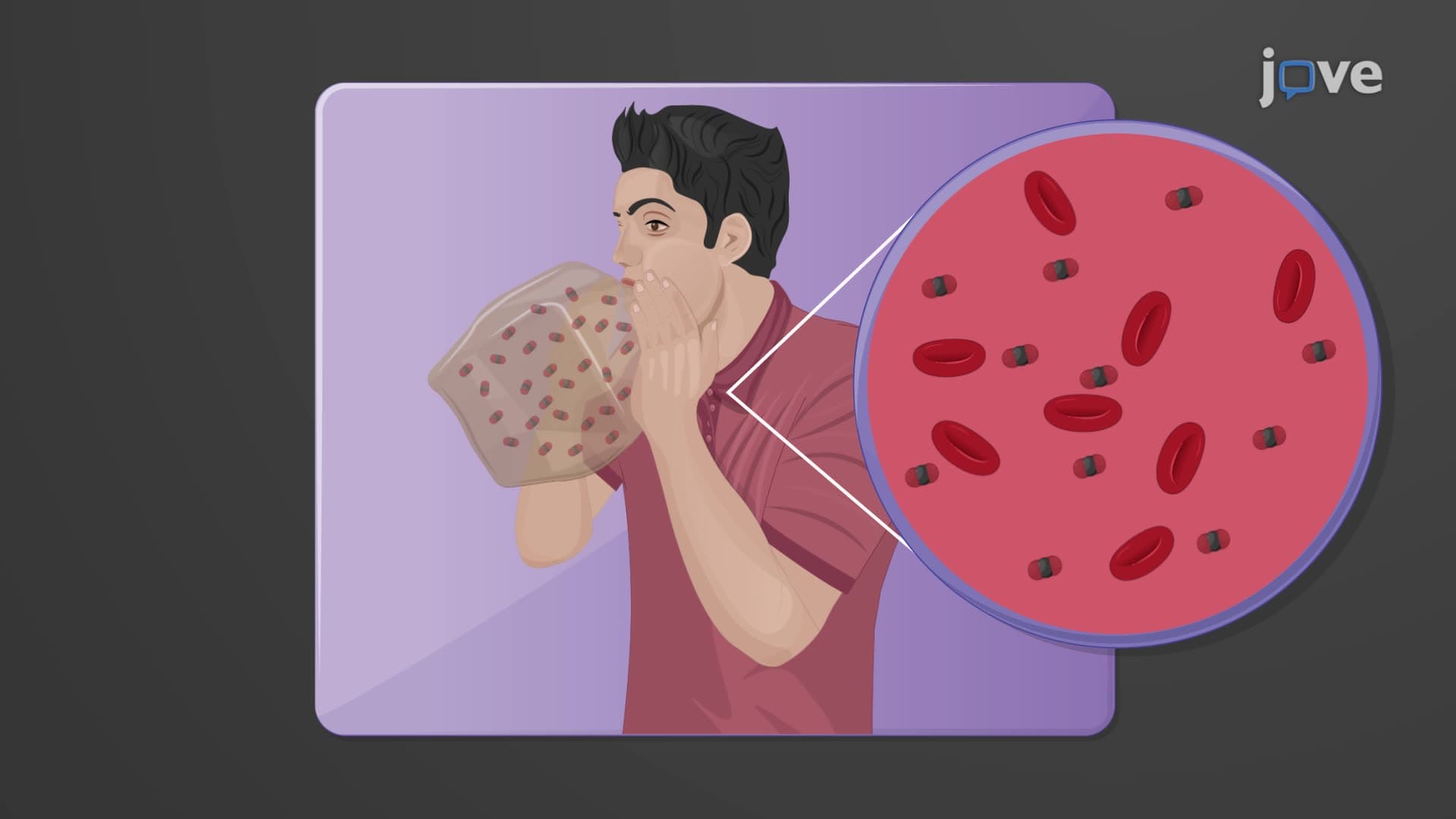
In US medical schools, students often encounter clinical scenarios where disrupted CO2 transport affects patients with chronic obstructive pulmonary disease (COPD) or mountaineering accidents at high altitudes like Colorado's Rocky Mountains, making this concept directly applicable to future healthcare practice.
Related Micro-courses