Loading subject page…


84,701 views
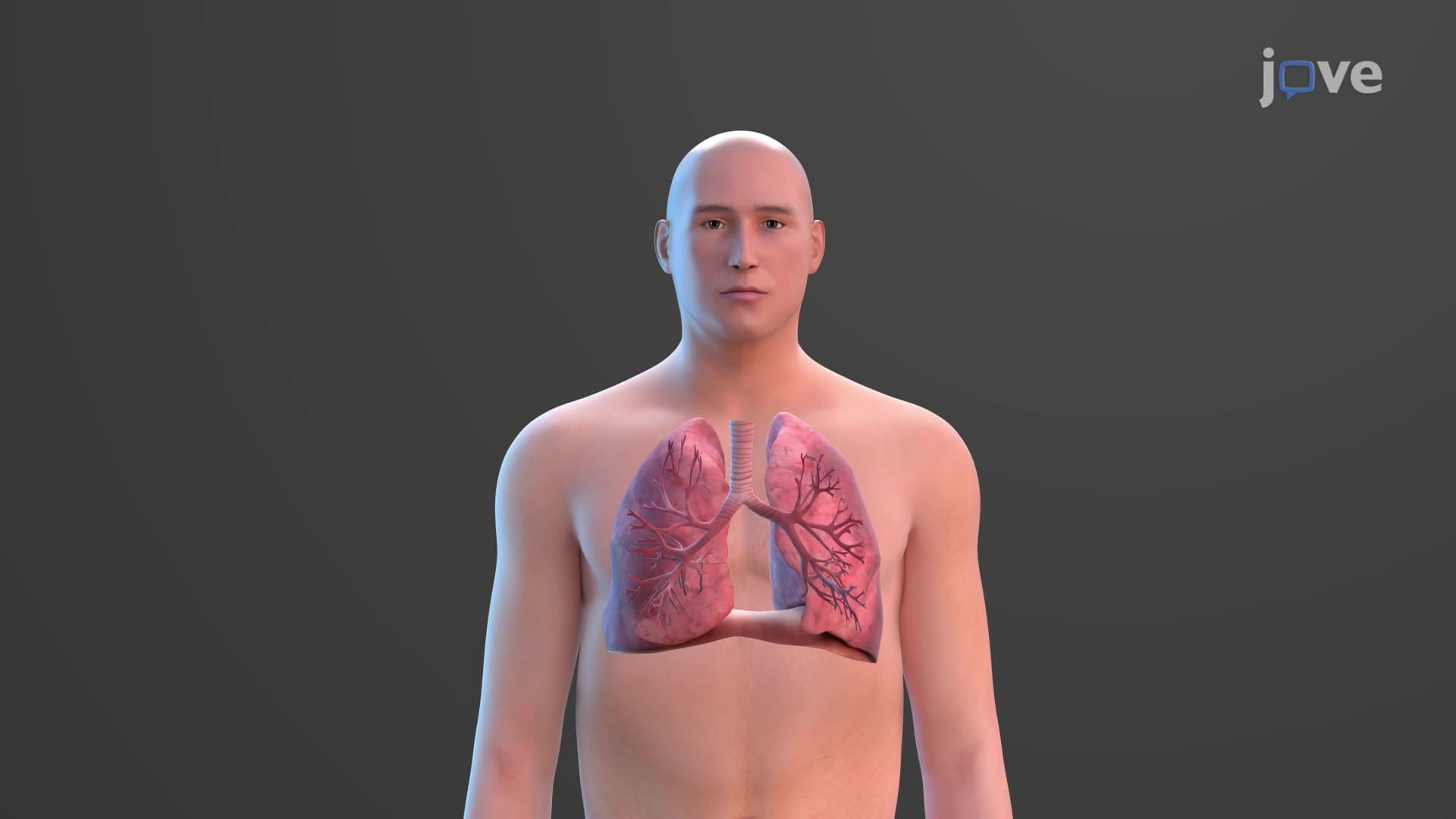

Video Summary: What Is Chronic Obstructive Pulmonary Disease
Did you know that COPD explained biology reveals why over 16 million Americans struggle to breathe every day? COPD explained biology shows how What is Chronic Obstructive Pulmonary Disease becomes a progressive condition where airways become permanently damaged, making simple tasks like climbing stairs exhausting. Consider a 55-year-old construction worker in Texas who developed severe breathing problems after decades of smoking-this represents the typical COPD patient profile in America. Watch the full video on JoVE Coach to master this concept with expert-led visuals and step-by-step explanations.
Chronic obstructive pulmonary disease represents a complex respiratory disorder affecting millions of Americans, characterized by persistent airflow limitation that progressively worsens over time. Unlike reversible conditions such as asthma, COPD involves permanent structural changes to lung tissue that cannot be fully reversed through treatment. This distinction becomes crucial when students encounter respiratory questions on the MCAT or AP Biology exams, where understanding irreversible versus reversible airway obstruction separates strong answers from mediocre ones.
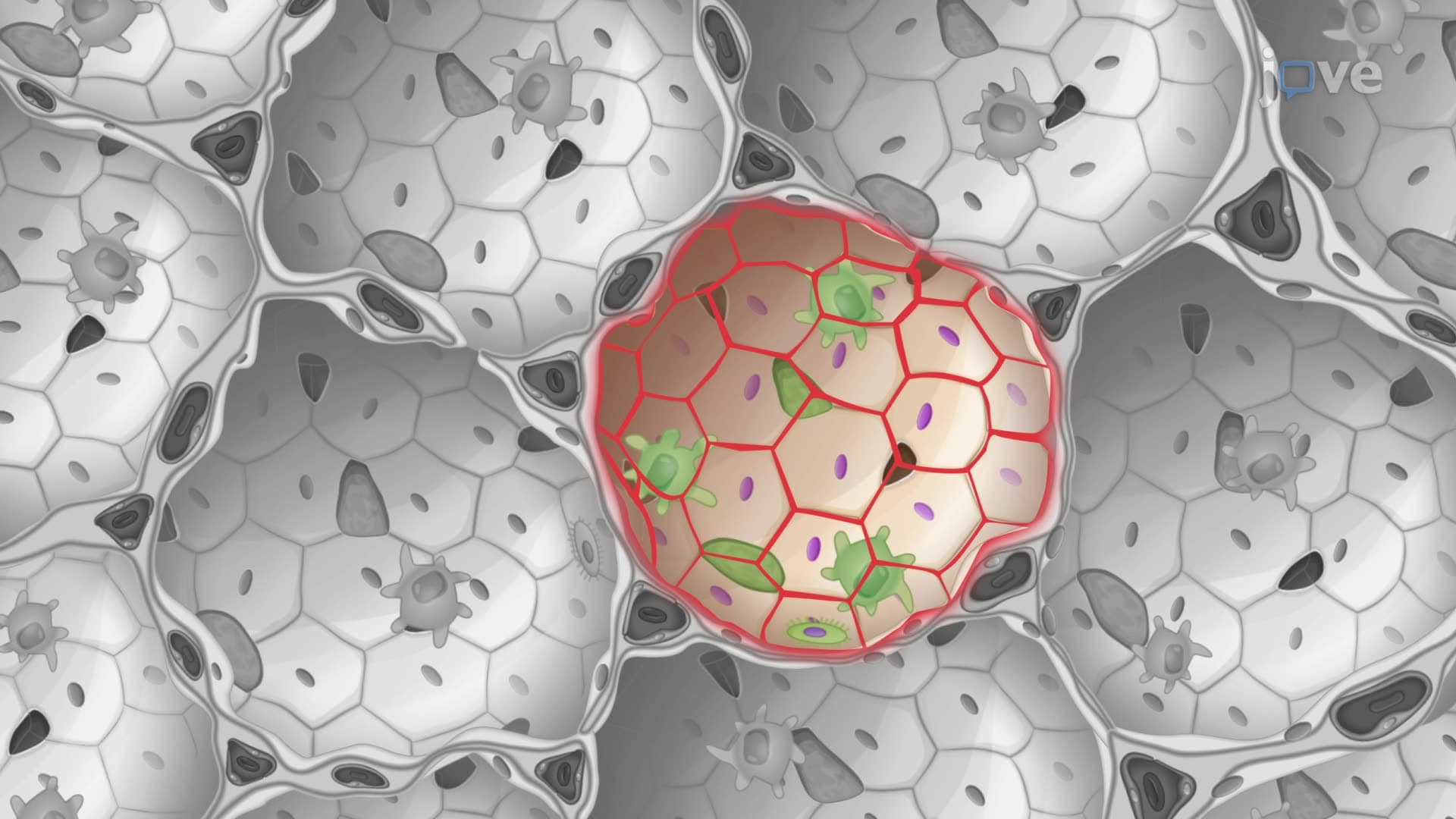
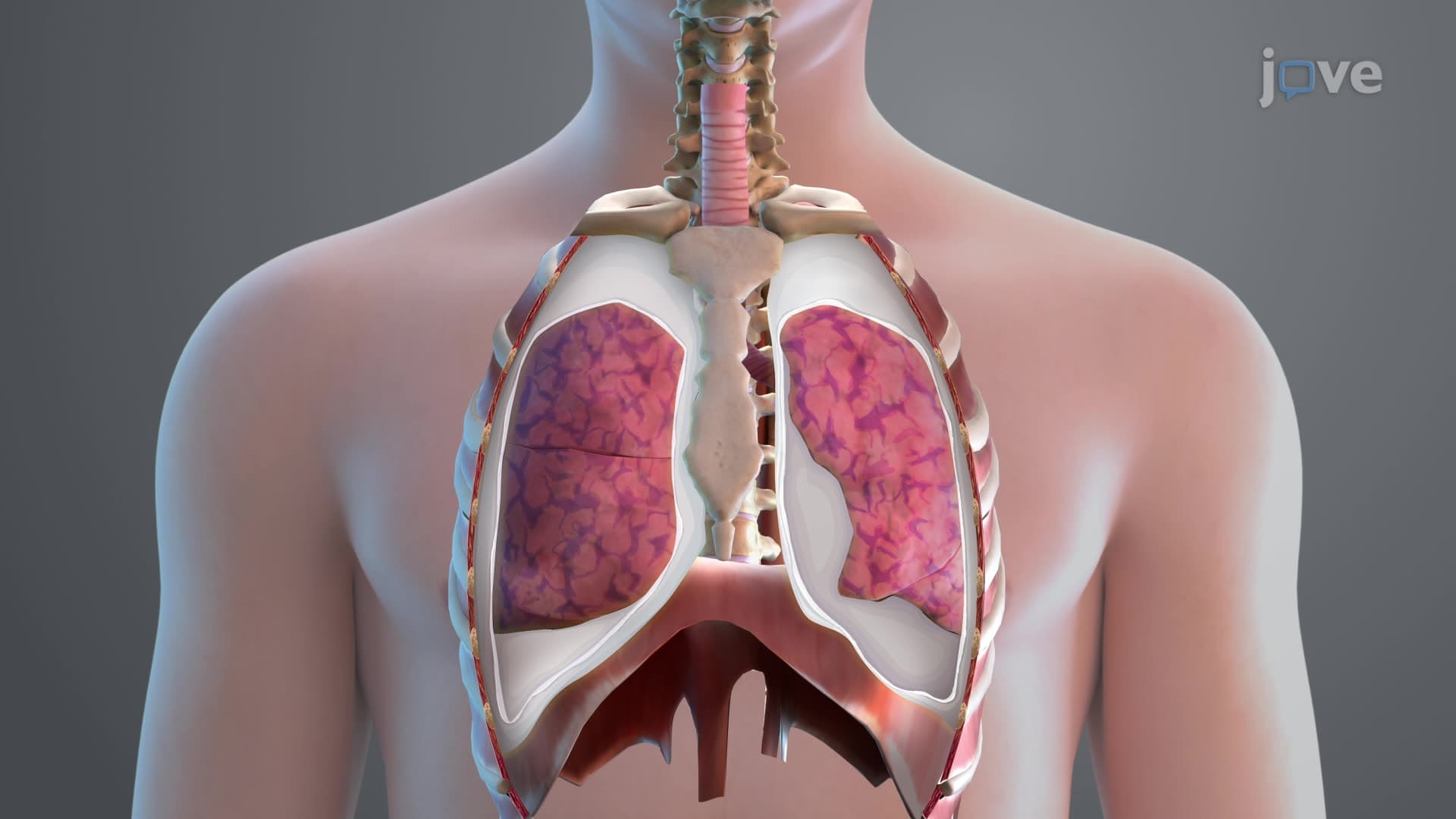
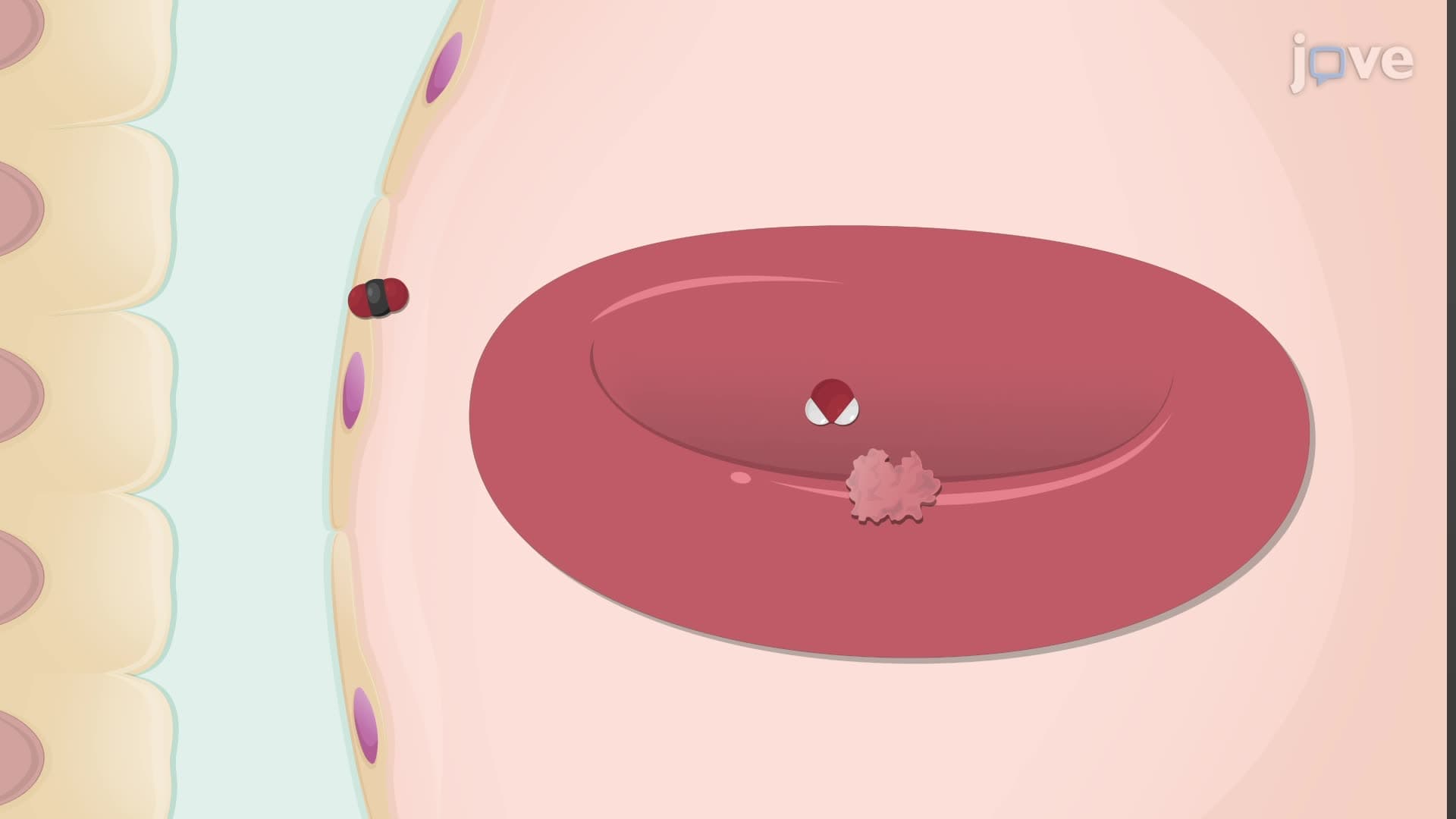
Emphysema chronic bronchitis COPD often coexist in patients, but each condition damages lungs through distinct mechanisms. Emphysema destroys alveolar walls-the tiny air sacs where oxygen and carbon dioxide exchange occurs. Imagine a bunch of grapes (normal alveoli) gradually merging into larger, fewer bubbles (emphysematous changes). This process reduces surface area for gas exchange while decreasing lung elasticity, making exhalation particularly difficult. Patients develop the characteristic "barrel chest" appearance as trapped air forces the ribcage to expand permanently.
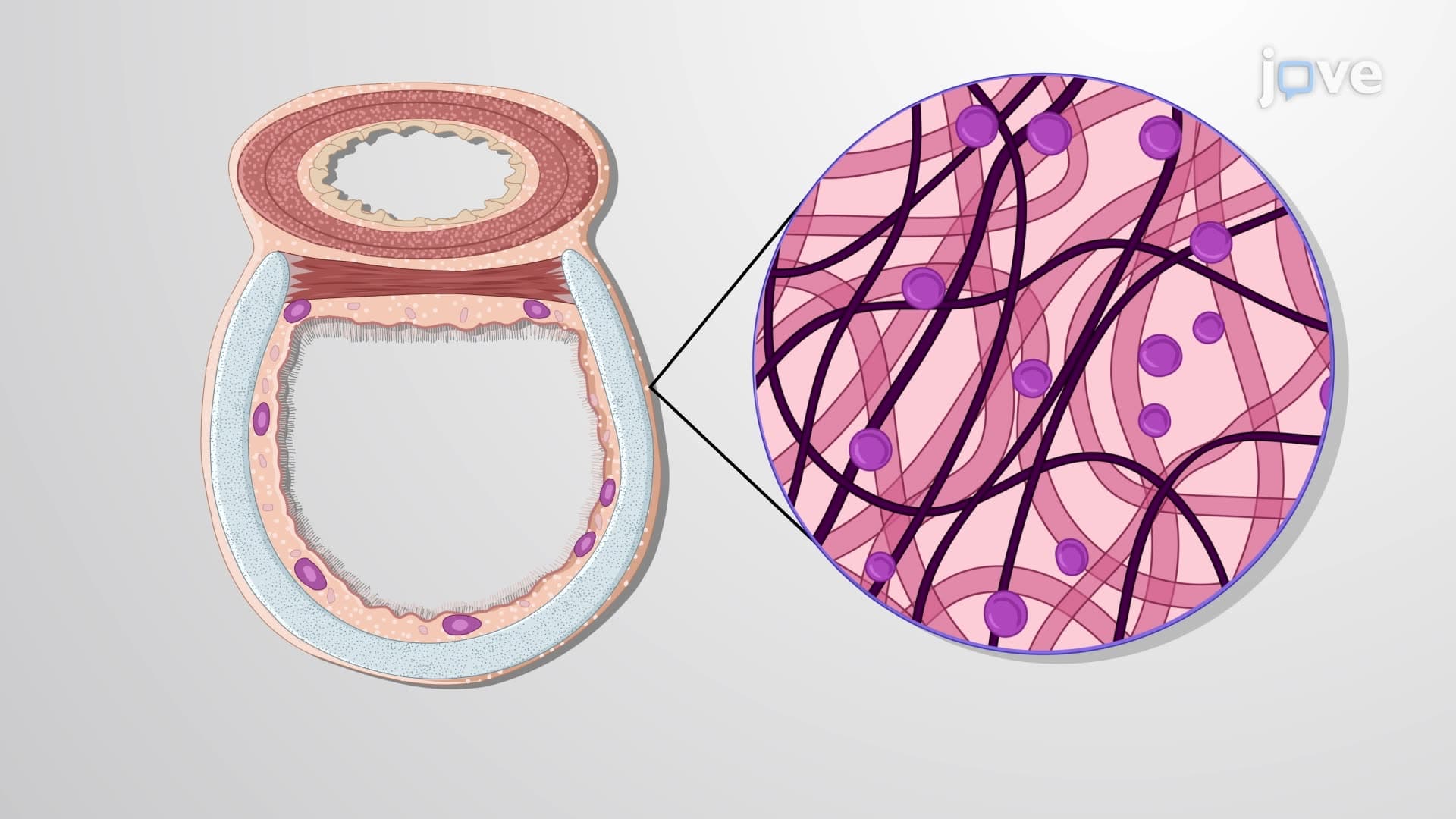
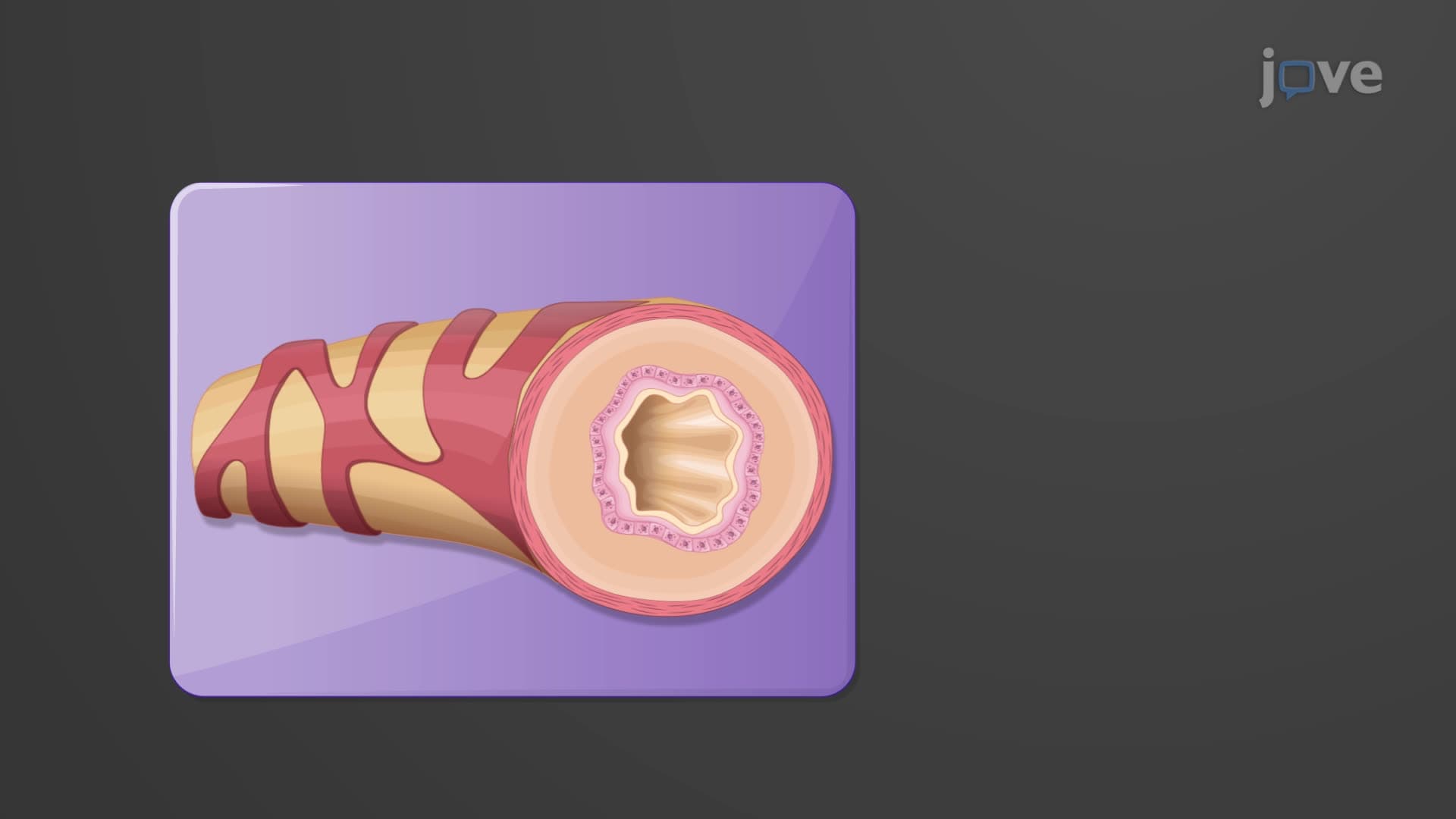
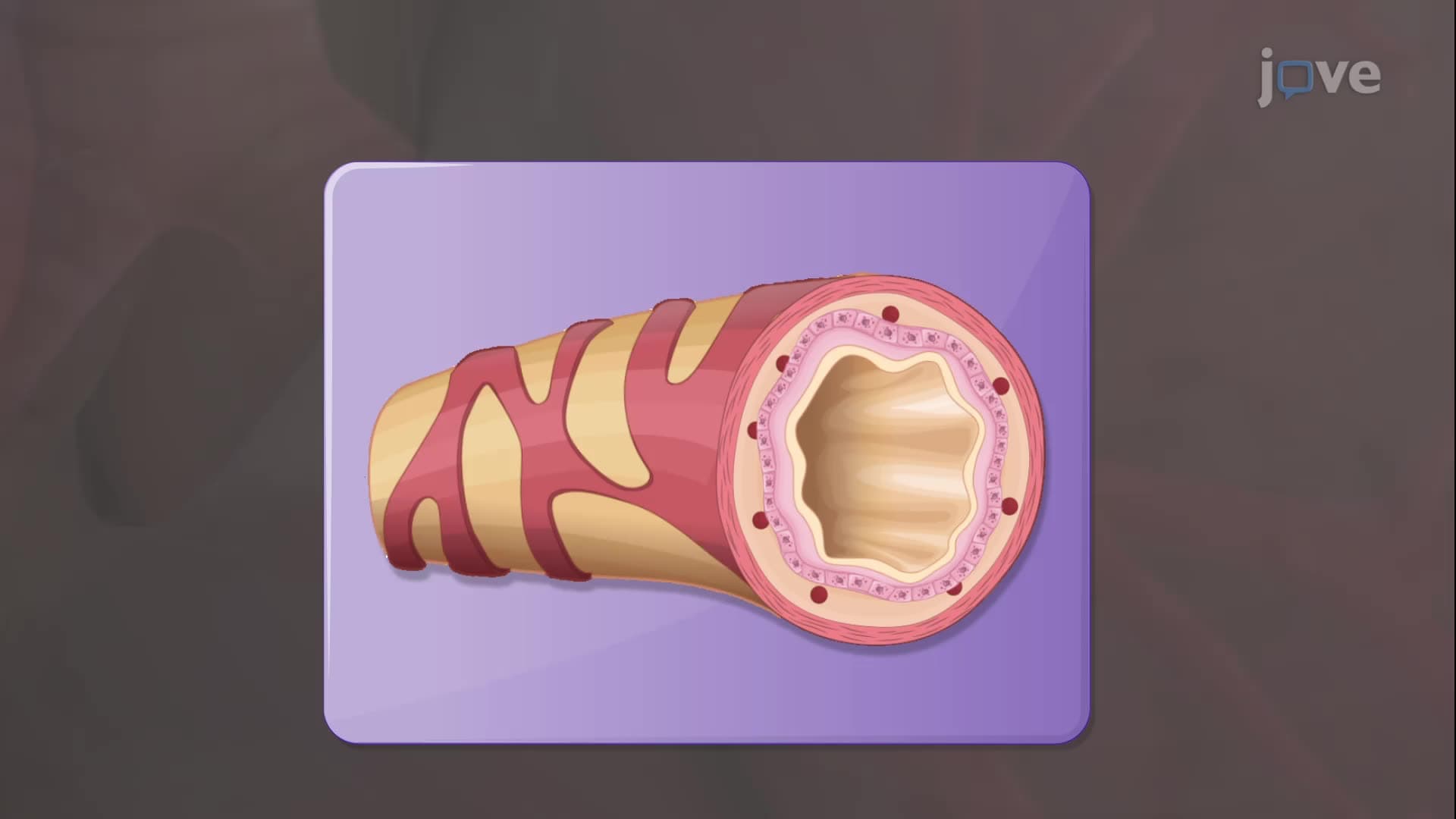
Chronic bronchitis, conversely, involves inflammation of the bronchial tubes, leading to excessive mucus production and airway wall thickening. The airflow obstruction COPD creates in chronic bronchitis resembles trying to breathe through a straw coated with thick honey. This explains why these patients experience frequent respiratory infections-the excess mucus provides an ideal breeding ground for bacteria like Streptococcus pneumoniae, commonly seen in US emergency departments.
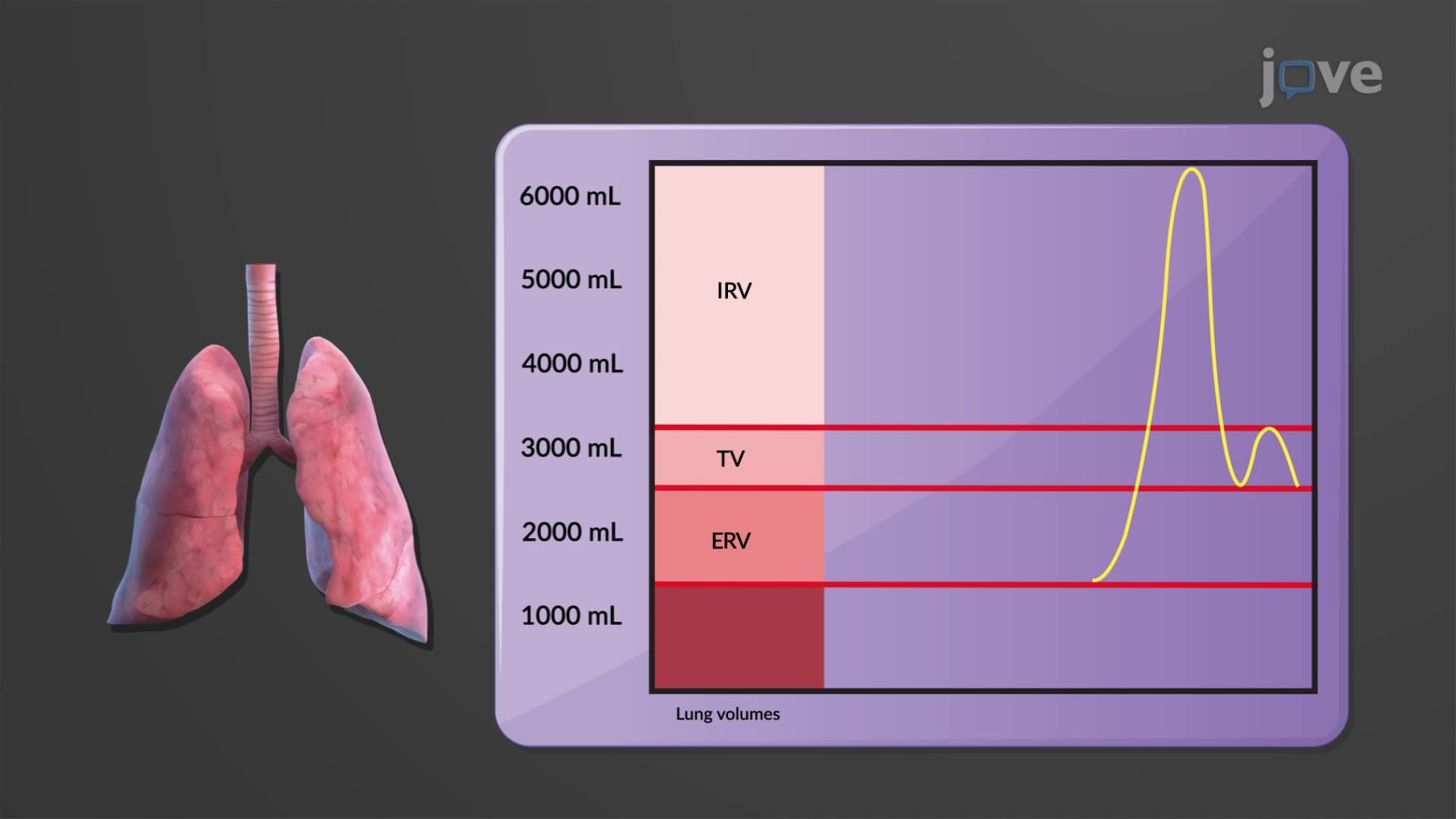
COPD smoking risk factor dominates the epidemiological landscape, accounting for approximately 85-90% of cases in the United States. However, occupational exposures-such as coal dust in Appalachian mining communities or chemical fumes in industrial areas of the Midwest-also contribute significantly. The obstructive lung disease pattern becomes evident through pulmonary function testing, where FEV1 COPD diagnosis relies on specific criteria: FEV1/FVC ratio less than 0.70 confirms airflow obstruction, while FEV1 percentage predicts disease severity.
For college students preparing for health science programs, understanding that COPD diagnosis requires both clinical symptoms AND objective pulmonary function test abnormalities helps distinguish it from other respiratory conditions on standardized exams like the HESI A2 or TEAS.
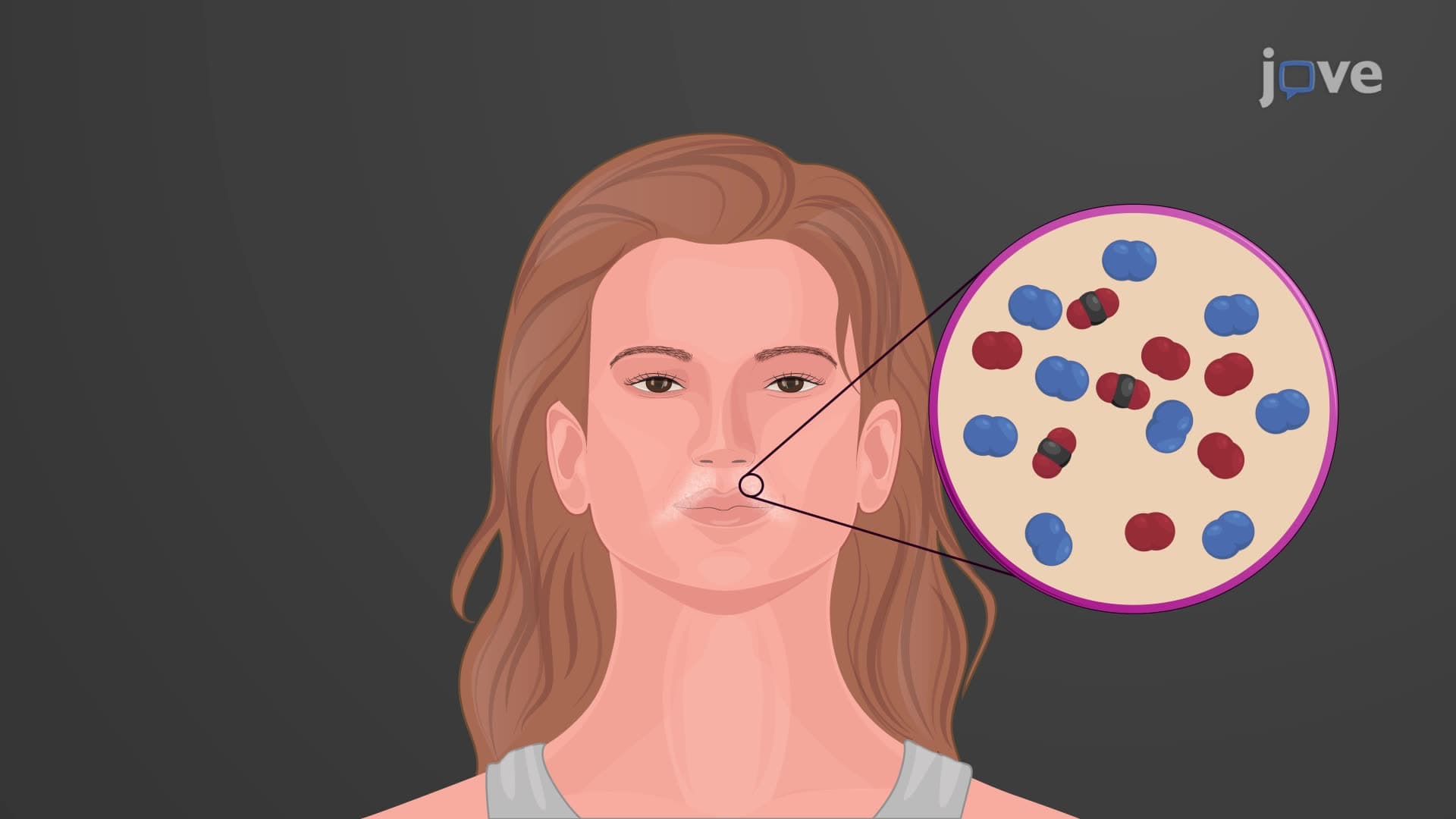
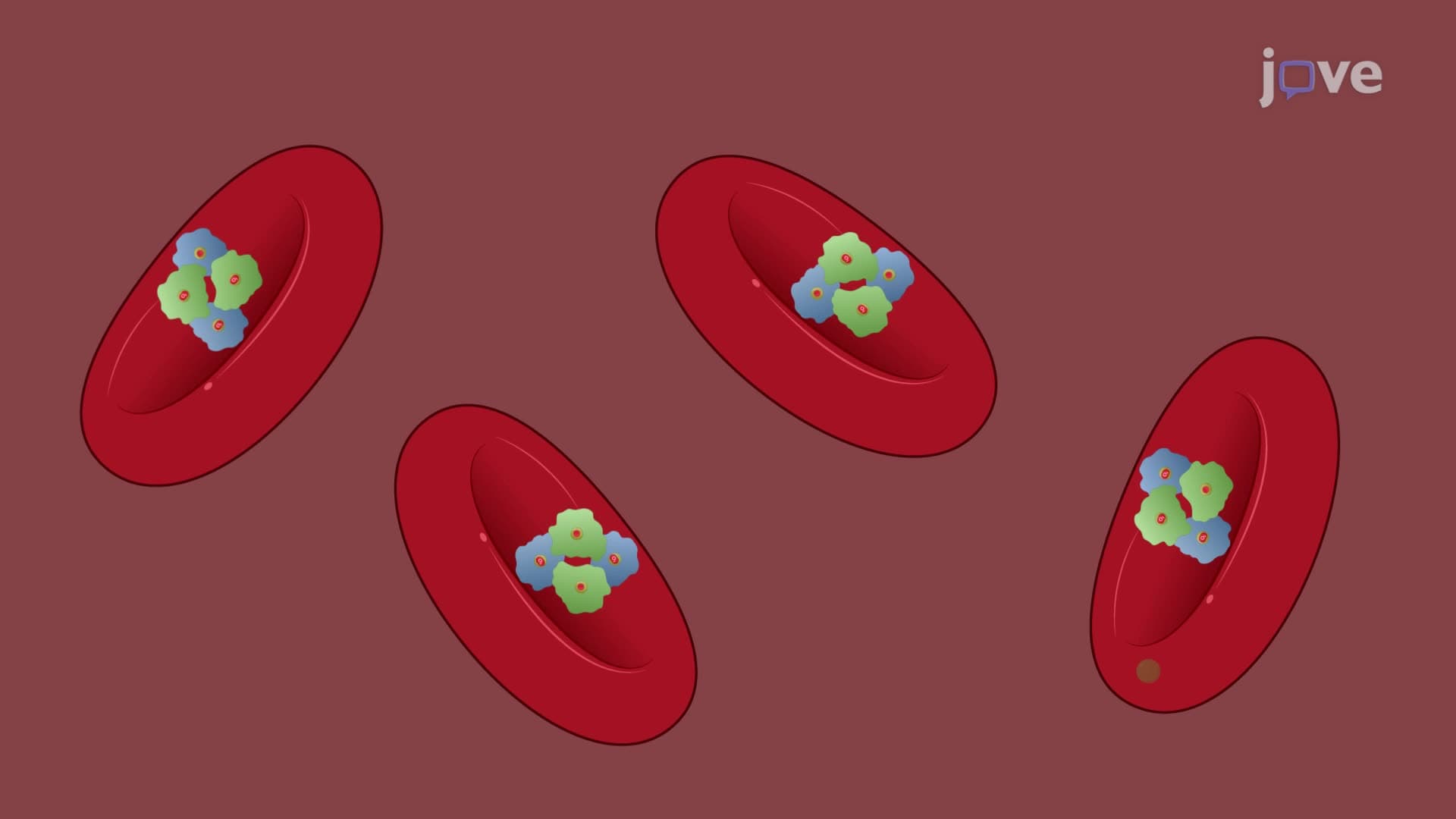
Modern COPD management emphasizes bronchodilator therapy using medications like albuterol (short-acting) or tiotropium (long-acting), which students might encounter in pharmacology courses or NCLEX preparation. Inhaled corticosteroids reduce airway inflammation, while oxygen therapy becomes necessary when blood oxygen levels drop below 88%-a threshold frequently tested in nursing school examinations and medical licensing exams.
Related Micro-courses