Loading subject page…


84,701 views

Video Summary: What Is External and Internal Respiration
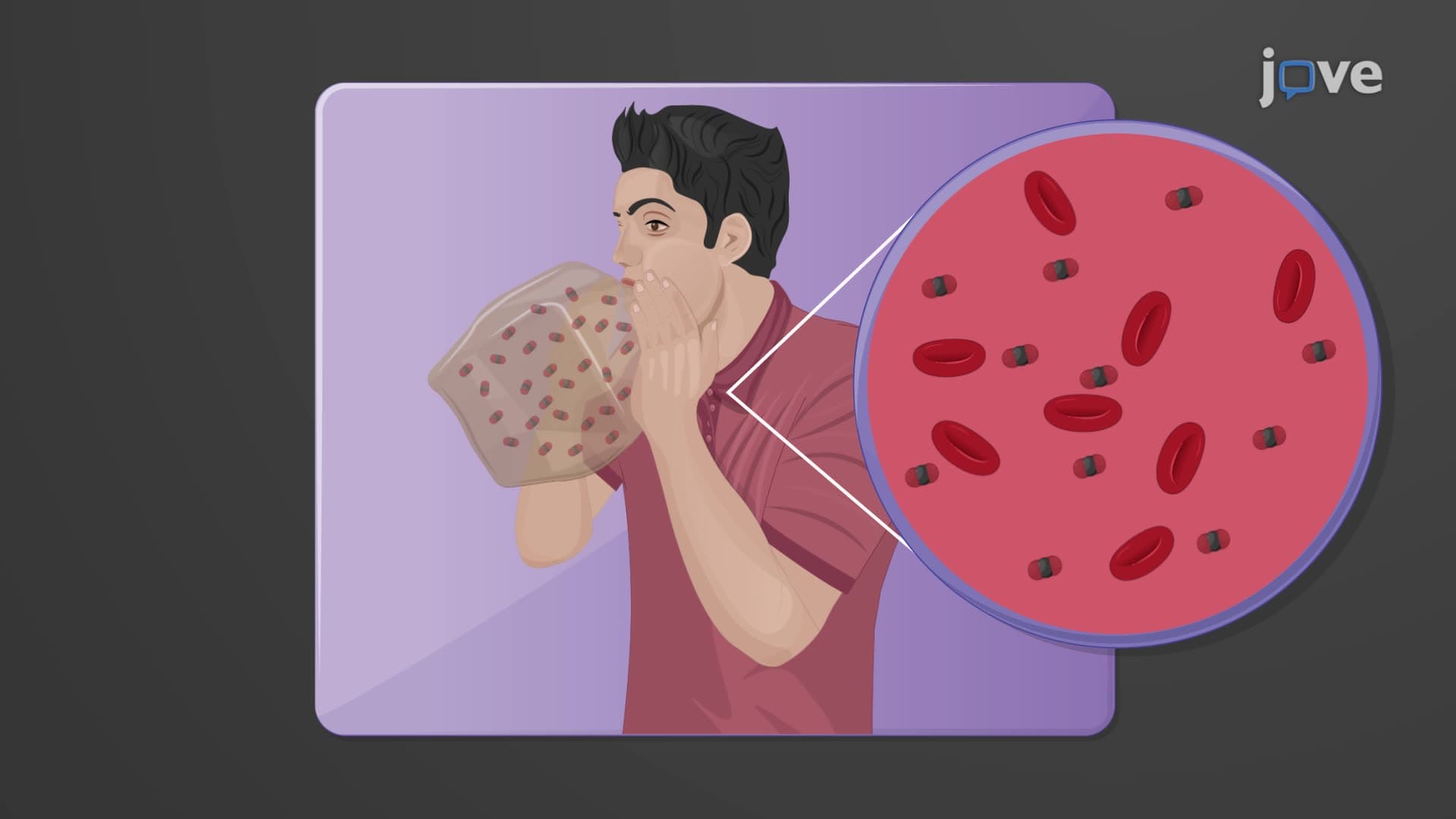
Every minute, your lungs process about 6 liters of air while your heart pumps 5 liters of blood, yet most people don't realize these systems work together through external internal respiration biology to keep every cell alive. At Denver's high altitude (5,280 feet), visitors often experience shortness of breath because external respiration-gas exchange in the lungs-becomes less efficient due to lower oxygen partial pressure. What is external and internal respiration becomes clear when you understand that external respiration loads oxygen into blood at the lungs, while internal respiration delivers that oxygen to working muscles during a marathon. Watch the full video on JoVE Coach to master this concept with expert-led visuals and step-by-step explanations.
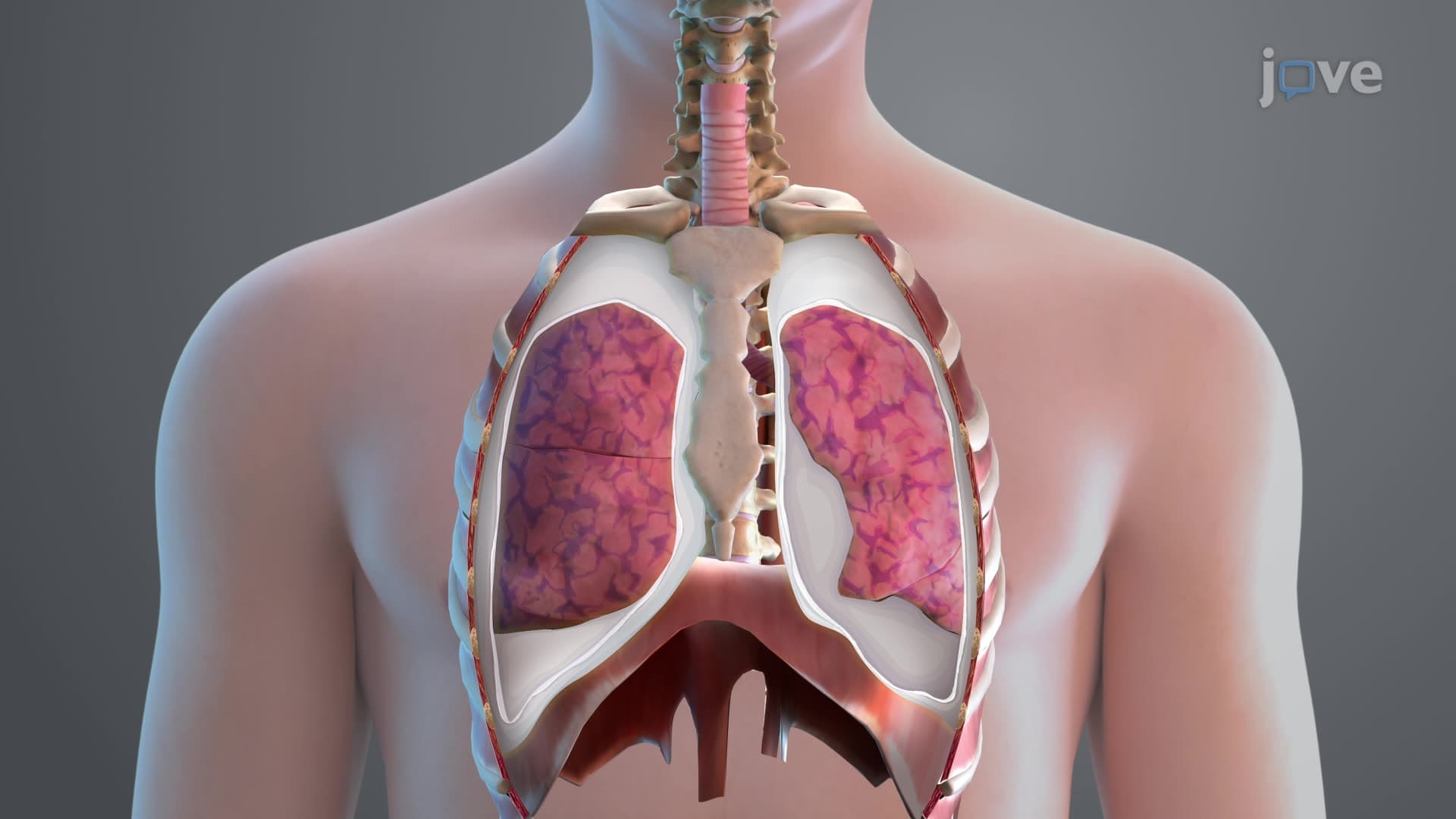
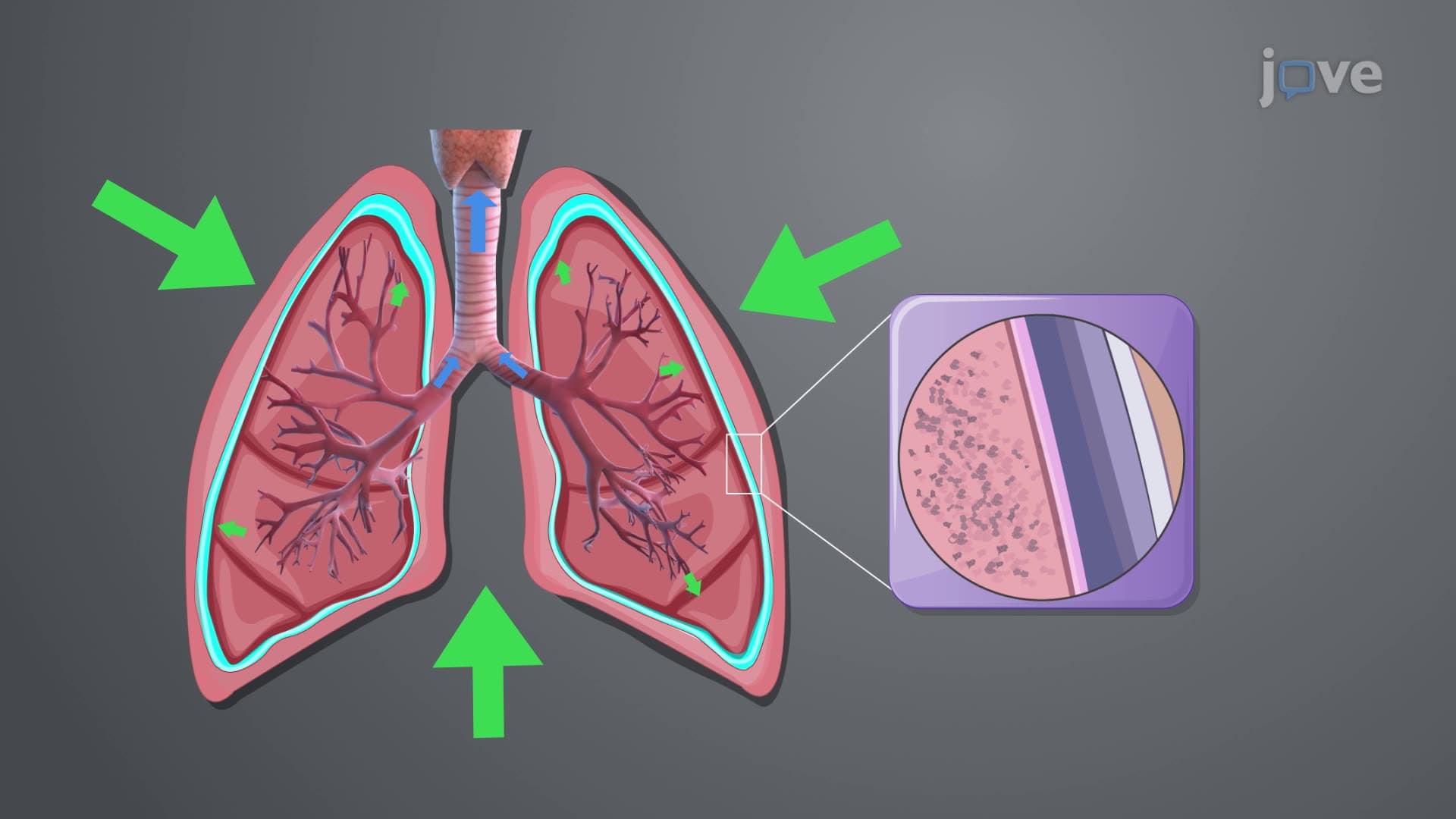
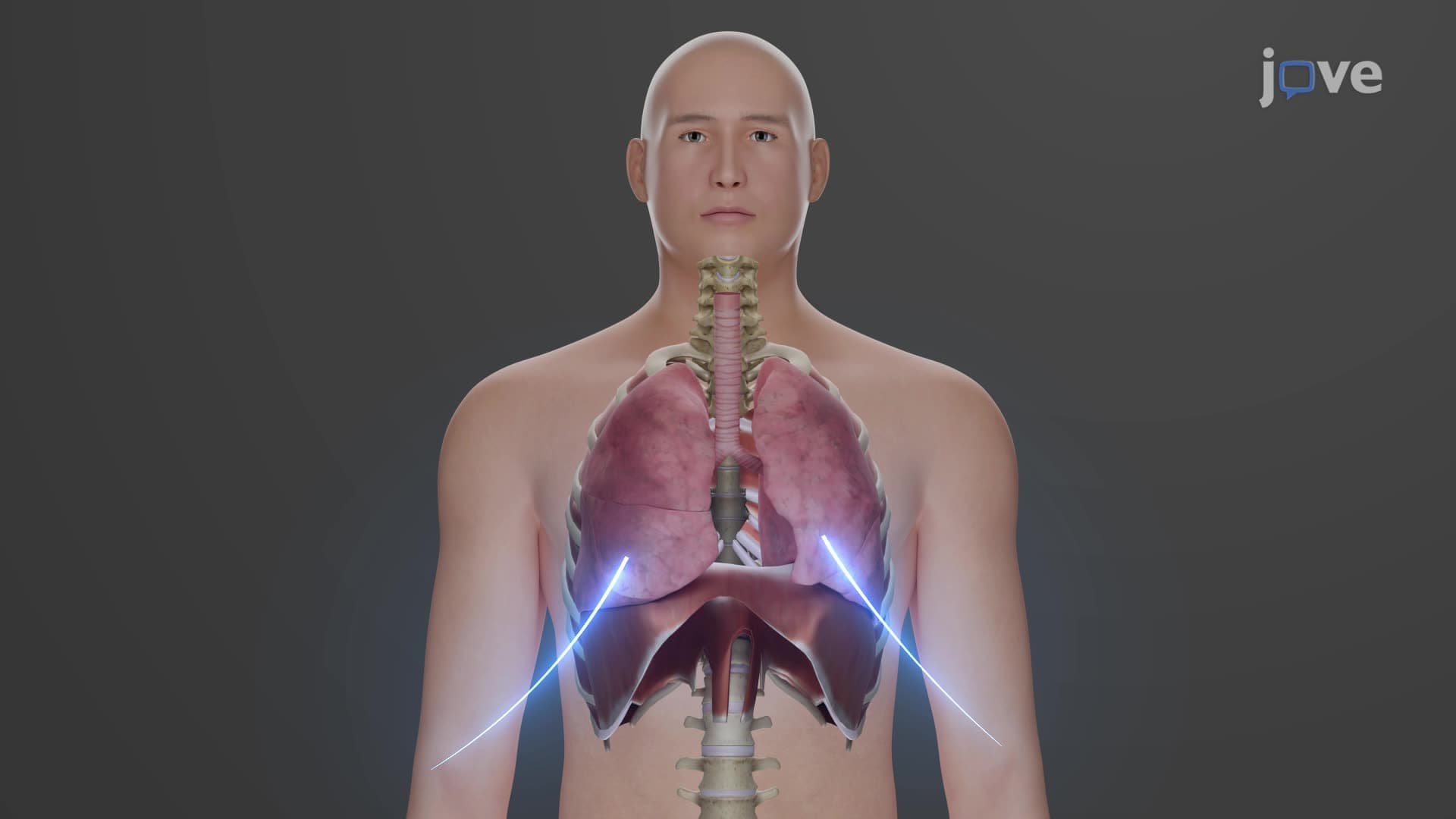
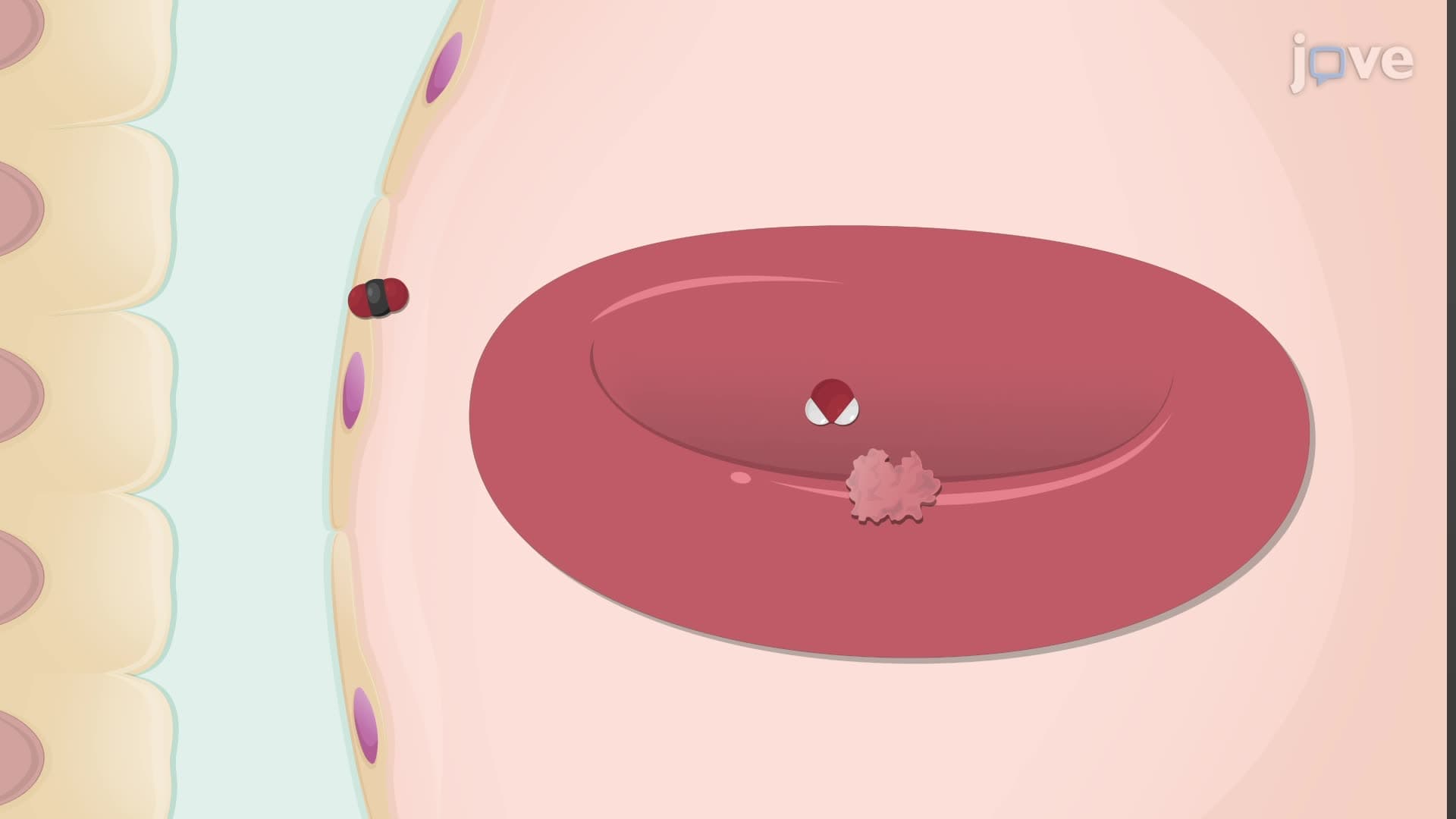
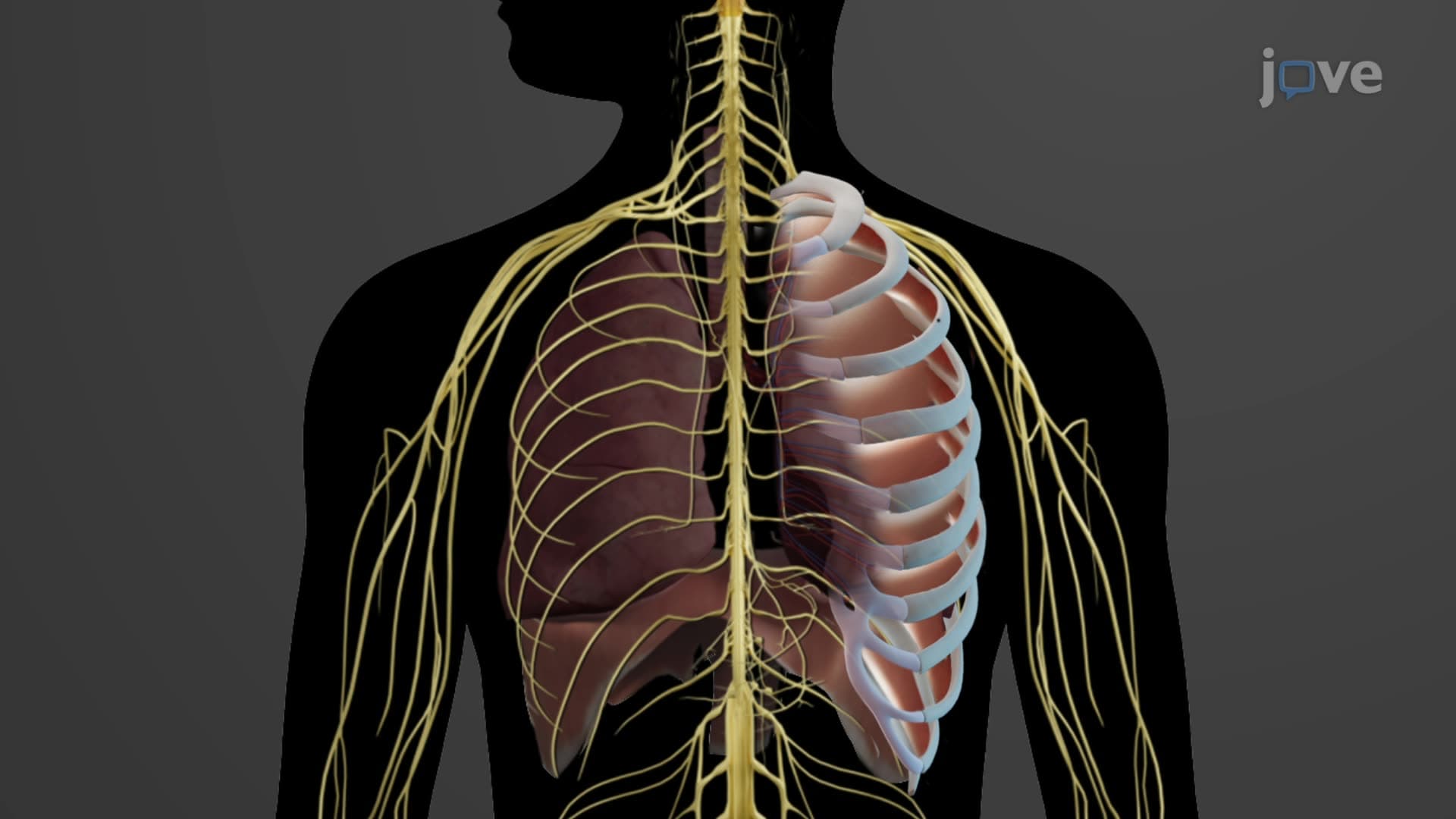
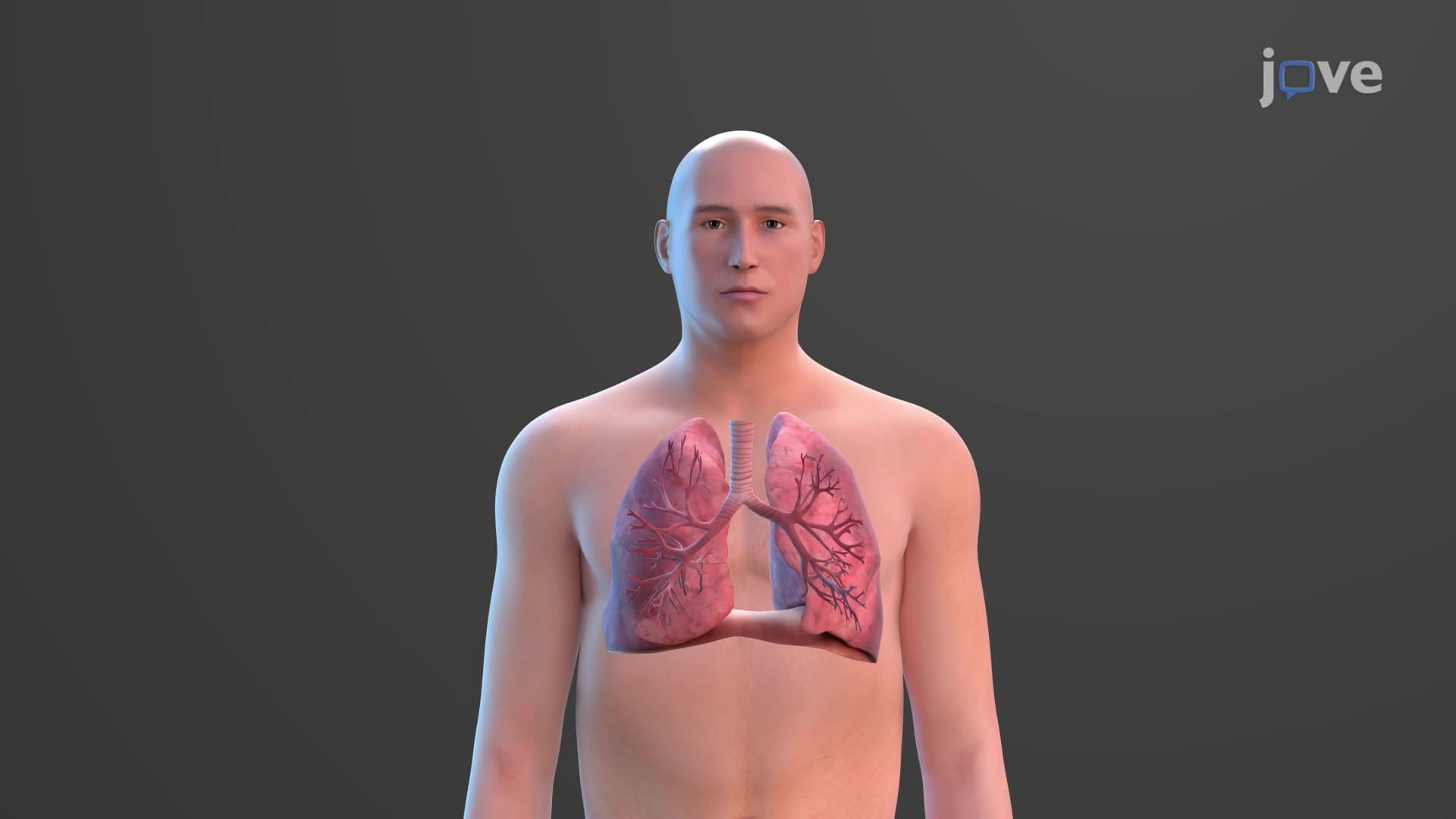
What is external and internal respiration represents one of biology's most elegant examples of coordinated system function. These complementary processes ensure continuous oxygen delivery and carbon dioxide removal at both organ and cellular levels. External respiration occurs exclusively in the lungs, where pulmonary external respiration gas exchange takes place across the respiratory membrane. Internal respiration happens throughout body tissues, where systemic internal tissue respiration supports cellular metabolism.
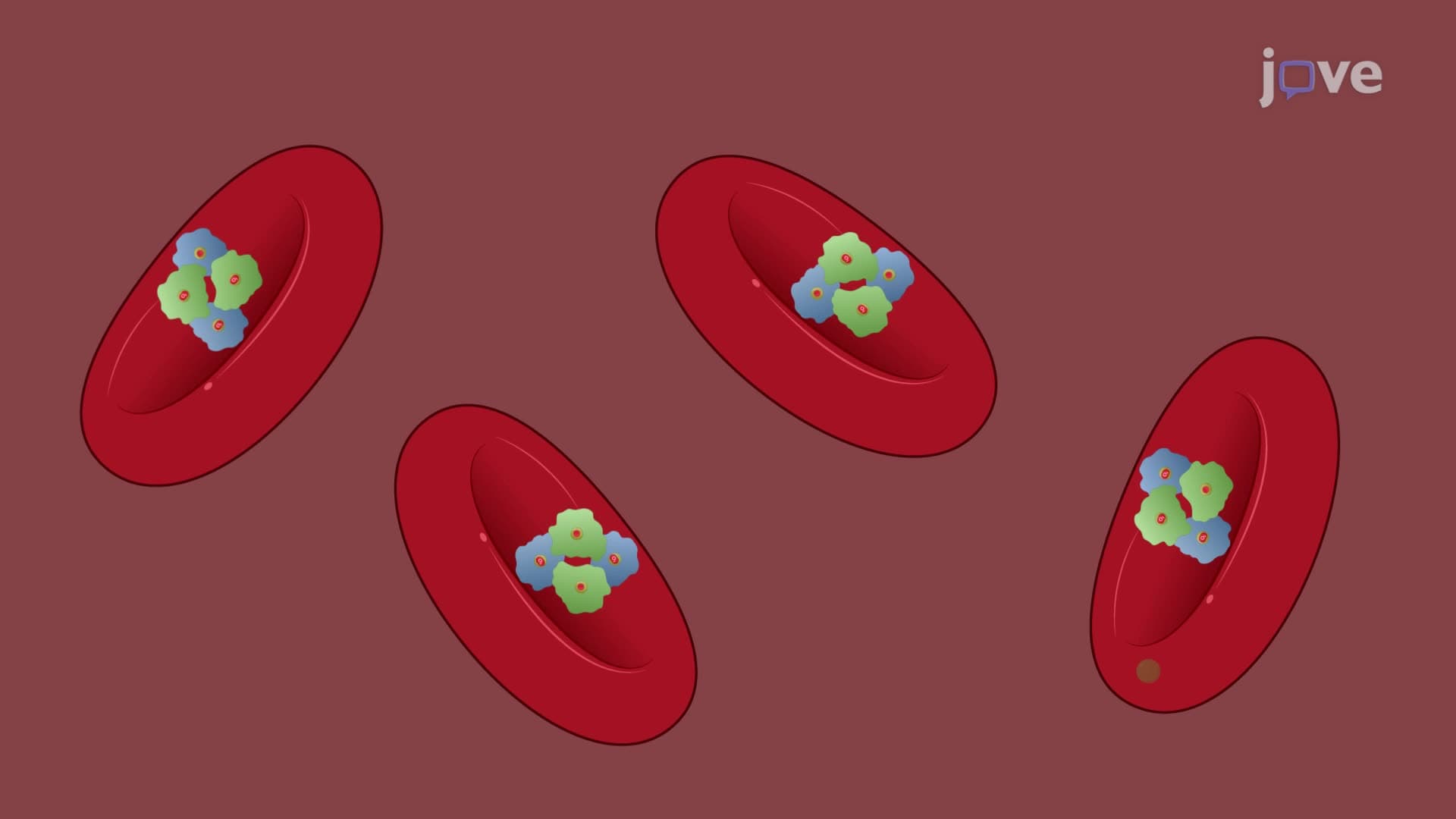
The distinction becomes clinically significant when considering conditions like pneumonia, which primarily affects external respiration, versus carbon monoxide poisoning, which disrupts internal respiration by preventing oxygen release from hemoglobin.
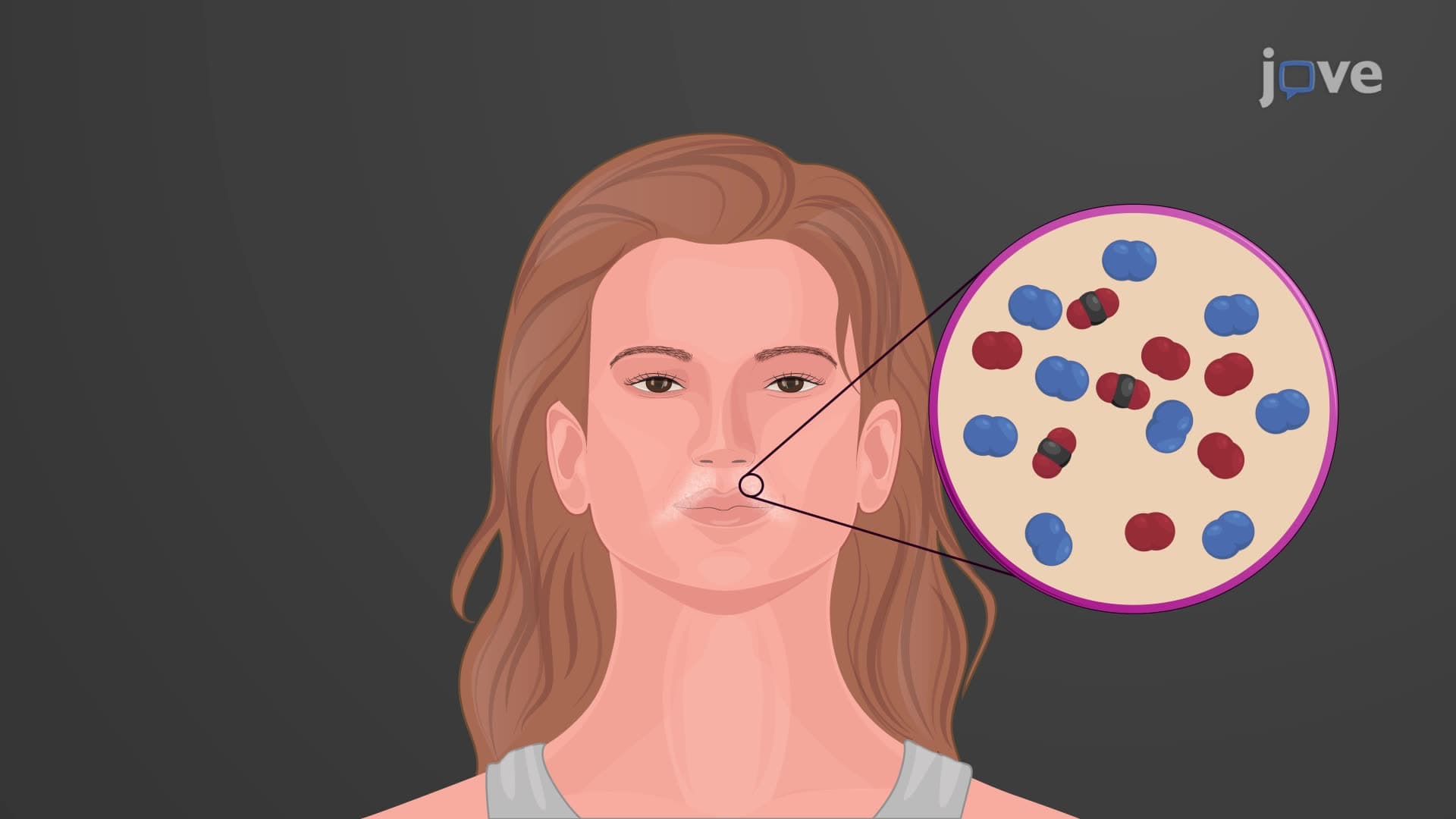
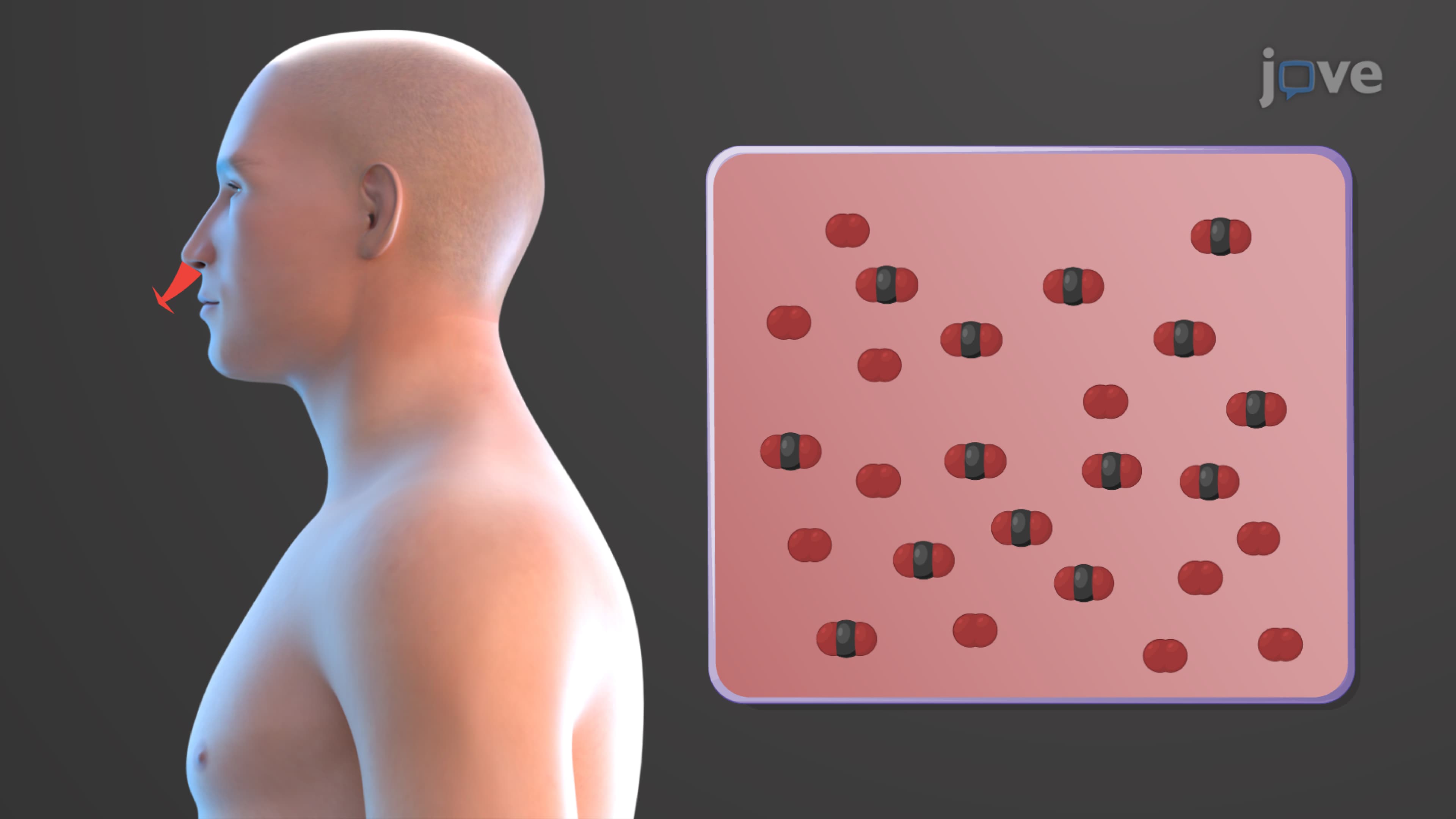
Pulmonary systemic respiration explained relies on partial pressure differences that create driving forces for gas diffusion. In external respiration, alveolar PO₂ (105 mmHg) exceeds venous blood PO₂ (40 mmHg), creating a 65 mmHg gradient that drives oxygen into pulmonary capillaries. Simultaneously, venous PCO₂ (45 mmHg) surpasses alveolar PCO₂ (40 mmHg), promoting carbon dioxide elimination.
These gradients reverse during internal respiration. Arterial PO₂ (100 mmHg) exceeds tissue PO₂ (40 mmHg or lower), facilitating oxygen unloading internal to active cells. Meanwhile, cellular metabolism elevates tissue PCO₂ above capillary levels, driving CO₂ into systemic circulation.
Medical professionals routinely assess both gas exchange two types when diagnosing respiratory disorders. Pulse oximetry measures external respiration efficiency, while arterial blood gas analysis evaluates overall gas exchange effectiveness. MCAT questions frequently test understanding of partial pressure relationships, while AP Biology exams emphasize the connection between cellular respiration and gas transport.
For college anatomy and physiology courses, students must differentiate between ventilation (air movement), external respiration (lung gas exchange), and internal respiration (tissue gas exchange). O2 CO2 exchange external efficiency directly impacts internal respiration capability, making this integration crucial for understanding exercise physiology and disease pathophysiology.
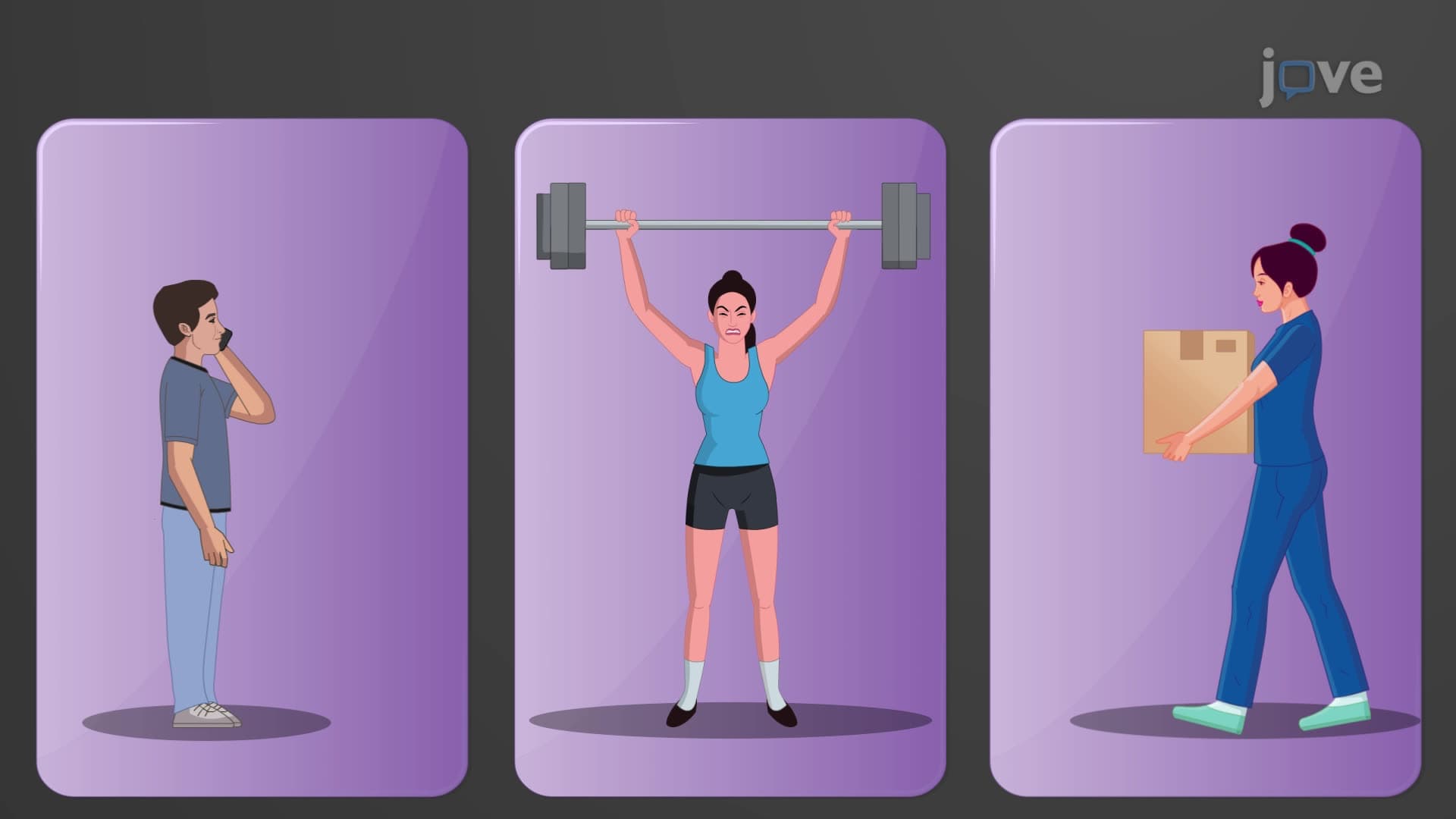
Emergency medical technicians rely on understanding both processes when treating patients. High-flow oxygen therapy primarily improves external respiration, while conditions like sepsis impair internal respiration by damaging cellular oxygen utilization. Athletes training at Colorado's Olympic Training Center experience enhanced external respiration capacity, which improves internal respiration efficiency during competition at sea level.
Related Micro-courses