Loading subject page…

- Anatomy and Physiology
- The Respiratory System
- Hyperpnea and Hyperventilation
Micro-course: The Respiratory System
84,701 views
Learn key concepts and earn your certificate.




Hyperpnea and Hyperventilation

00:00
01:25
Video Summary: What Is Hyperpnea and Hyperventilation
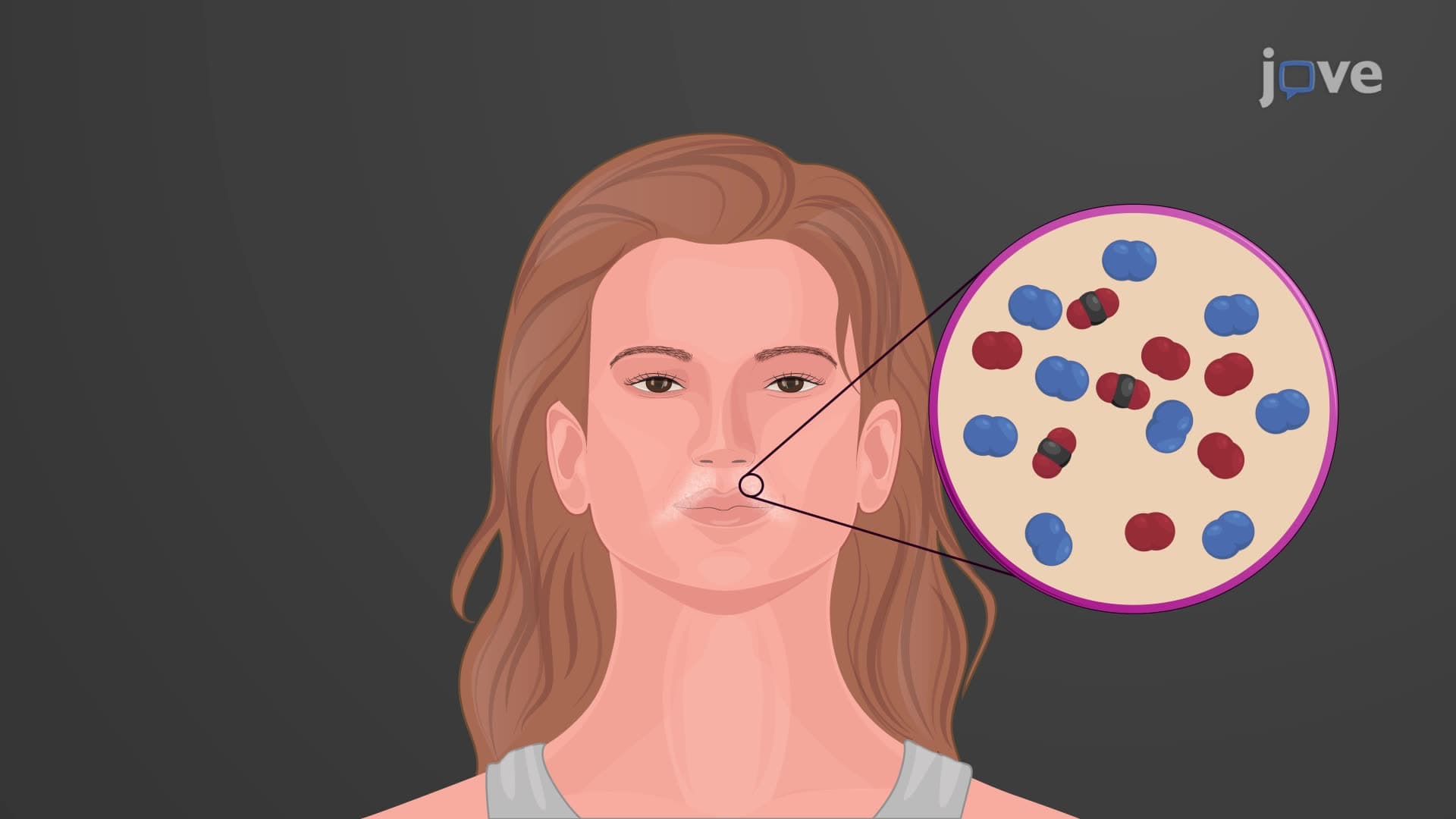
Ever wonder why marathon runners breathe heavily during a race, but panic attack sufferers feel dizzy despite rapid breathing? Hyperpnea hyperventilation biology reveals two fundamentally different breathing responses in the human body. During the Boston Marathon, runners experience hyperpnea as their bodies naturally adjust breathing to meet increased oxygen demands, while anxiety-induced hyperventilation disrupts normal CO₂ levels and can cause fainting. Understanding what is hyperpnea and hyperventilation helps explain these contrasting physiological responses. Watch the full video on JoVE Coach to master this concept with expert-led visuals and step-by-step explanations.
- Understand what is hyperpnea and hyperventilation by distinguishing between metabolic-driven and pathological breathing patterns
- Identify the physiological triggers that cause hyperpnea during exercise versus the psychological factors leading to hyperventilation
- Analyze how CO₂ levels differ between hyperpnea (maintained) and hyperventilation (decreased) and their effects on blood chemistry
- Compare the body's respiratory control mechanisms during normal exercise response versus anxiety-induced breathing changes
- Evaluate the clinical symptoms of hyperventilation including cerebral vasoconstriction, dizziness, and peripheral tingling
- Apply knowledge of gas exchange principles to explain why breathing into a paper bag helps hyperventilation episodes
- Recognize the role of medullary respiratory centers in maintaining homeostasis during increased breathing types explained in physiology
- Explore the connection between respiratory alkalosis and hyperventilation in clinical settings
Understanding Hyperpnea and Hyperventilation: Two Distinct Breathing Responses
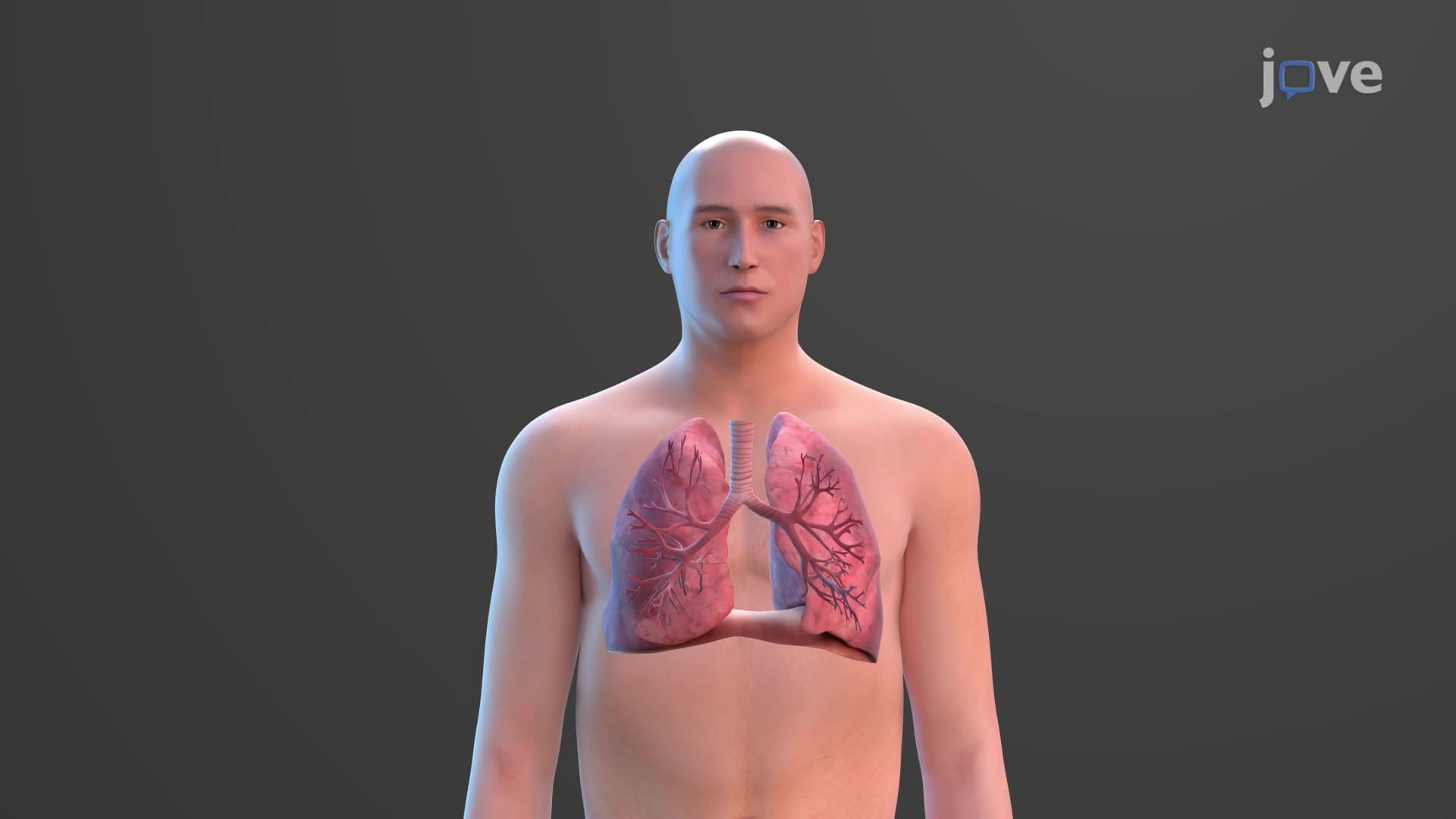
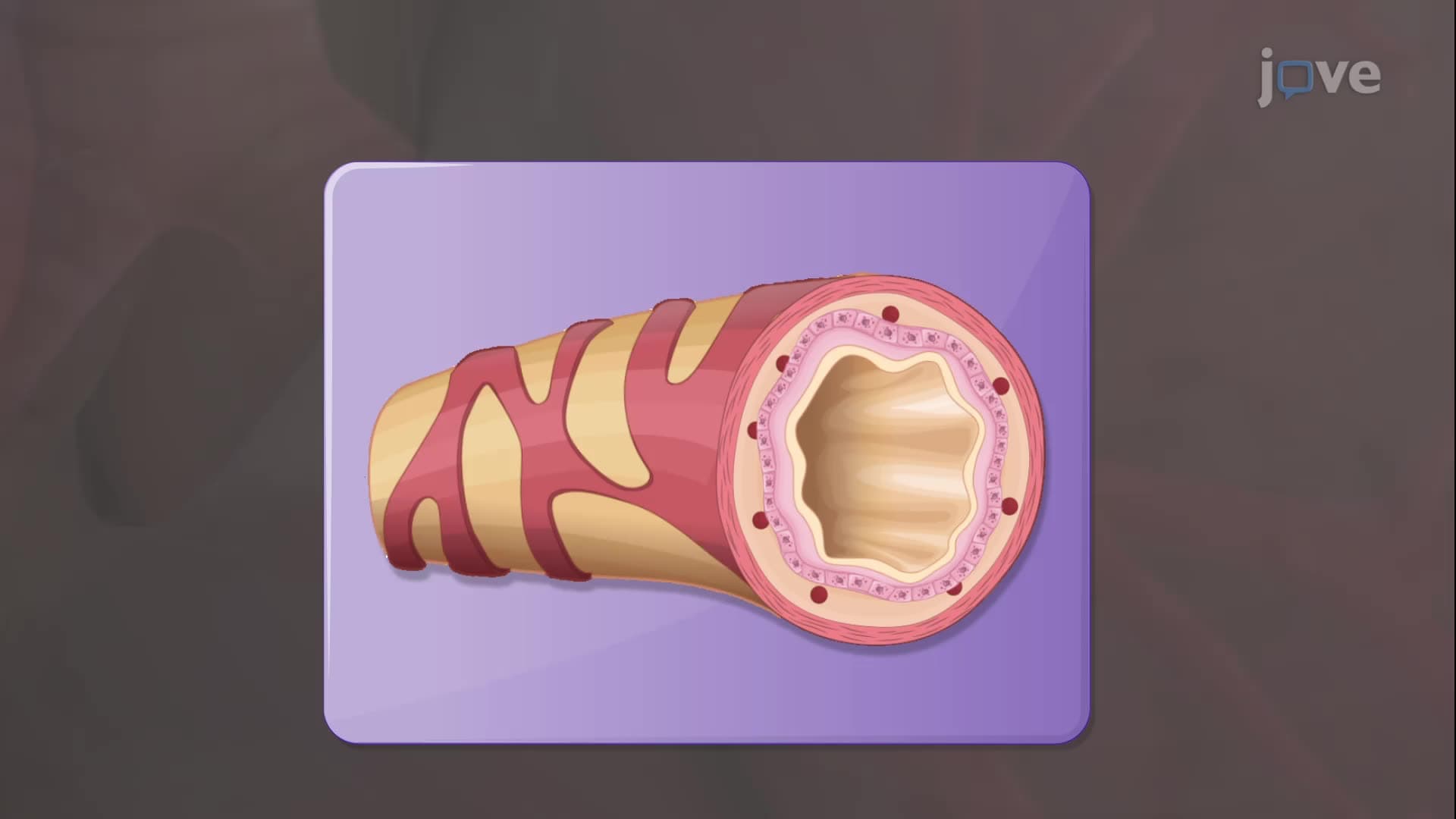
The respiratory system demonstrates remarkable precision in maintaining homeostasis, but hyperpnea hyperventilation biology reveals two dramatically different scenarios where breathing increases. While both conditions involve elevated respiratory rate or depth, their underlying mechanisms, triggers, and physiological consequences differ significantly.
Hyperpnea: The Body's Adaptive Exercise Response
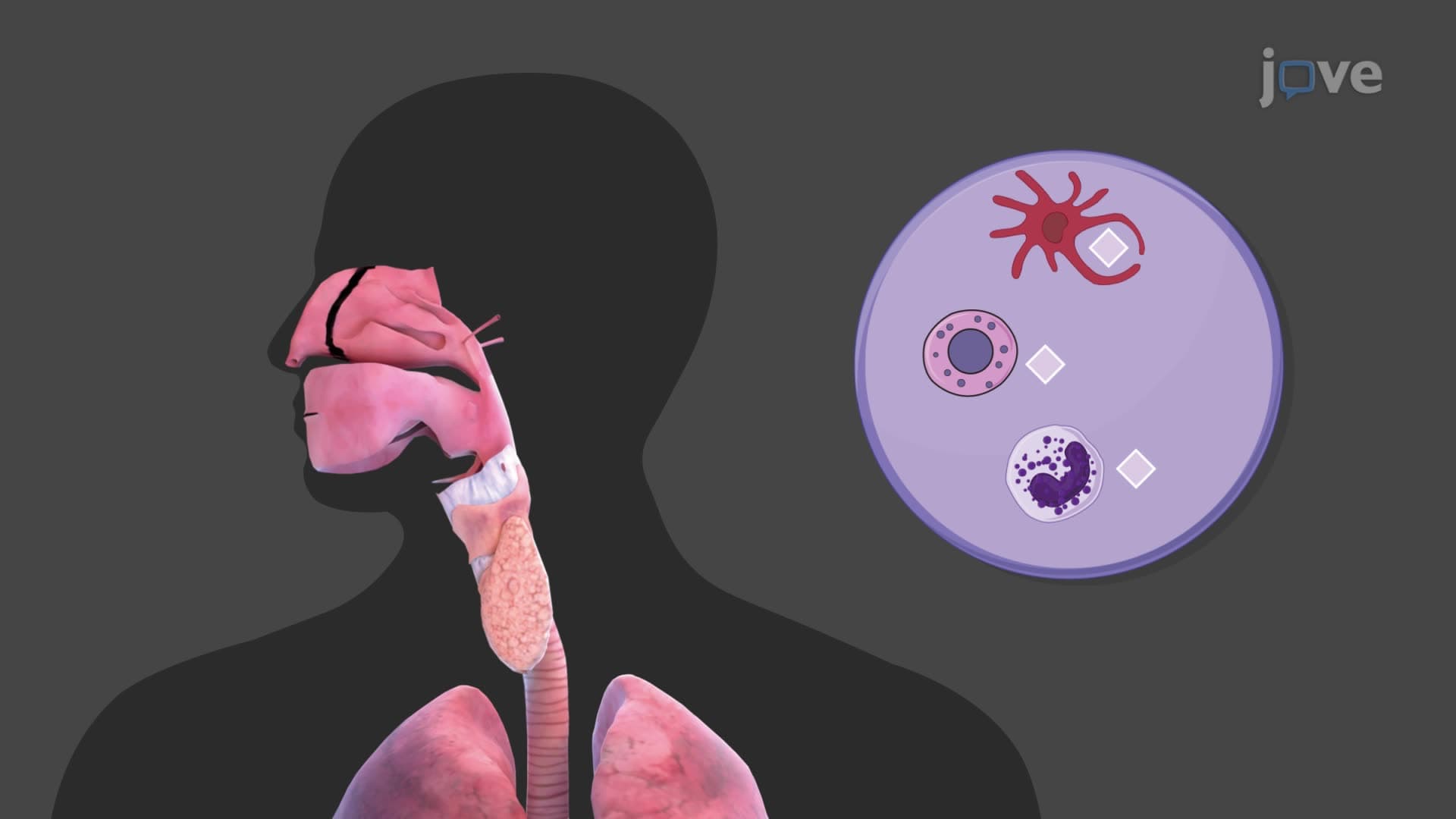
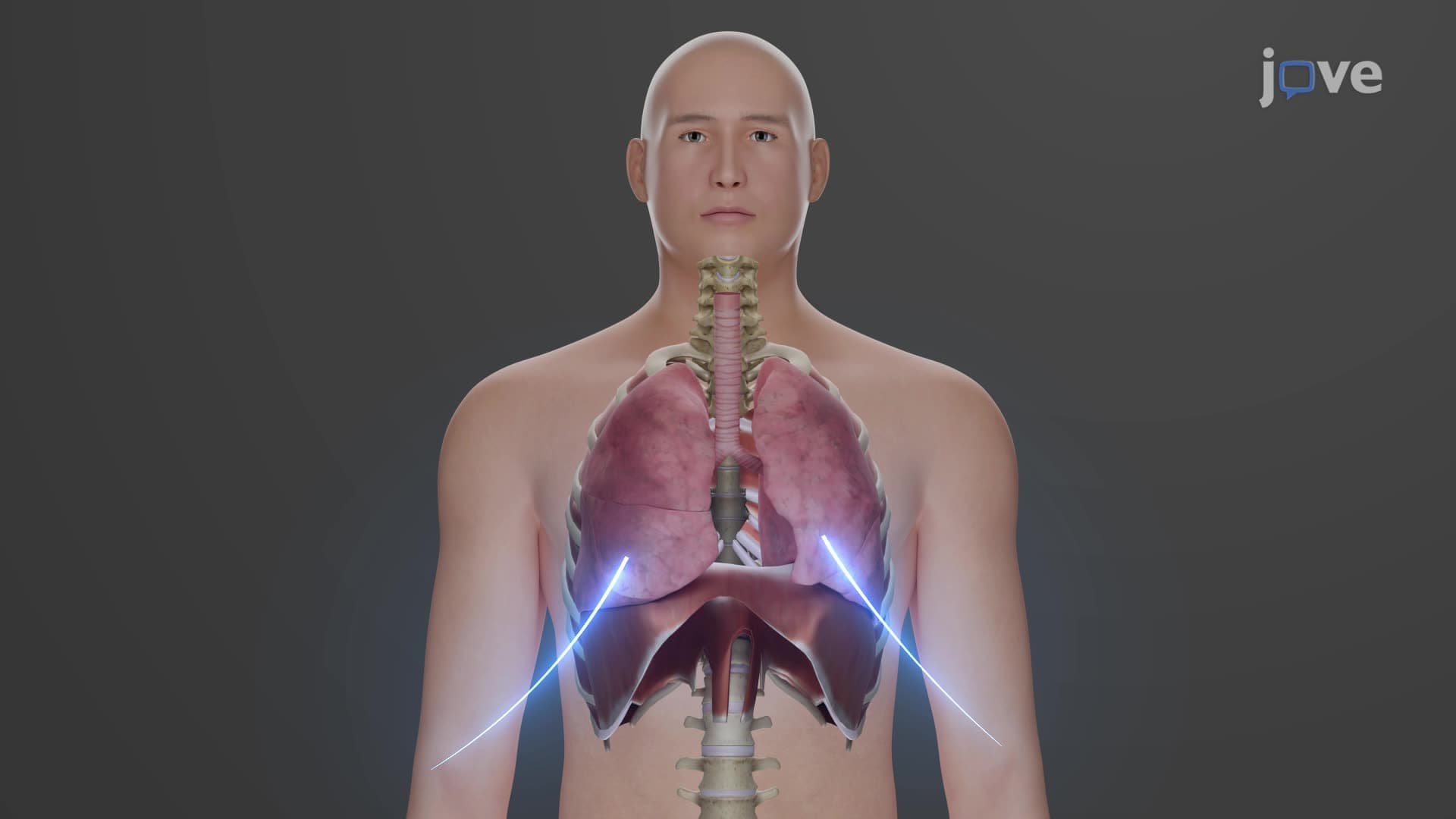
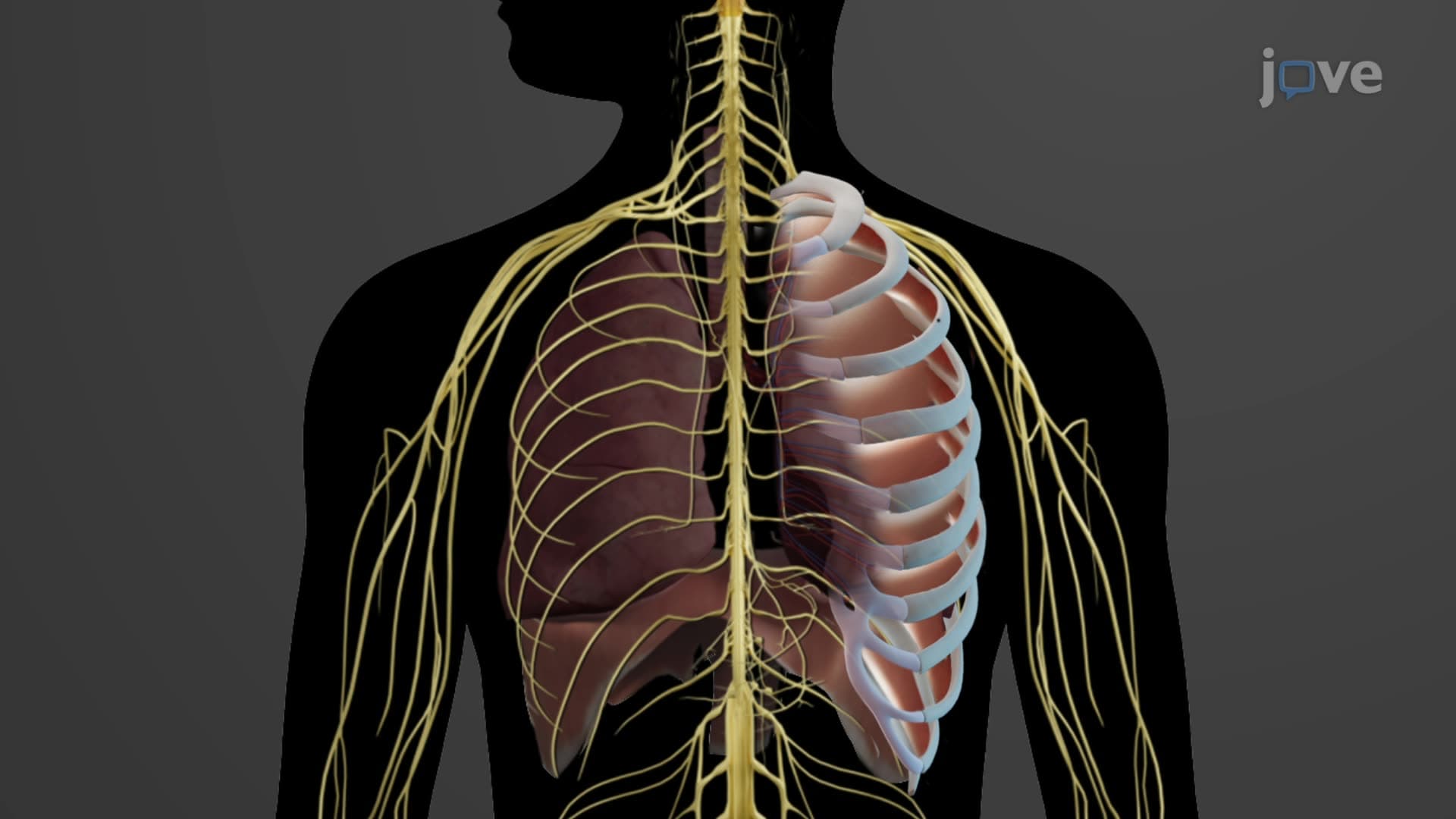
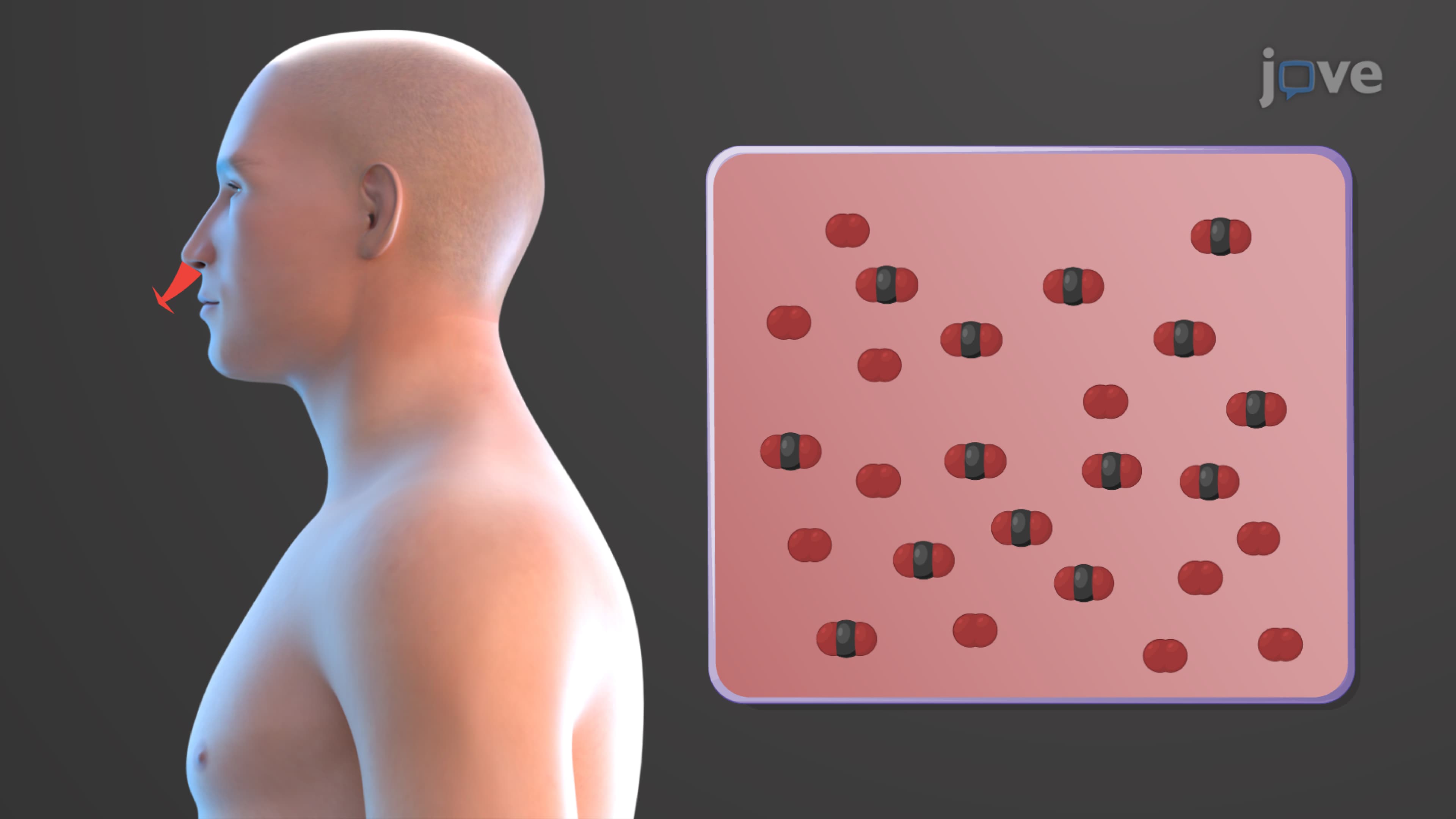
Hyperpnea represents the respiratory system functioning at its finest-a perfectly calibrated response to increased metabolic demands. When University of Oregon track athletes train at Hayward Field, their breathing naturally intensifies to match their muscles' oxygen consumption and CO₂ production. The medullary respiratory center, located in the brainstem, continuously monitors blood chemistry through specialized chemoreceptors.
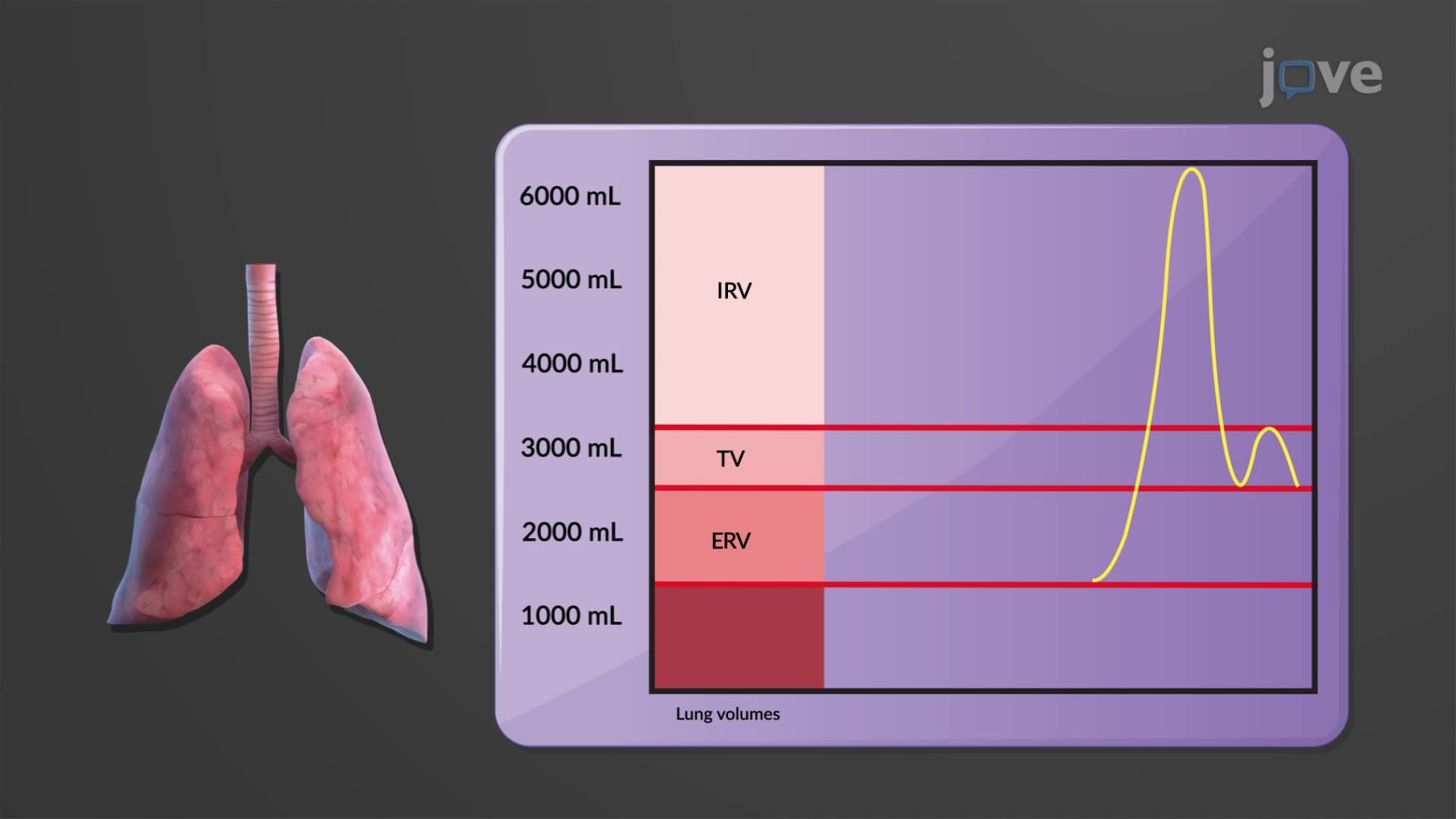
During hyperpnea exercise response, these control centers make precise adjustments to maintain arterial oxygen and carbon dioxide levels within narrow physiological ranges. A cross-country runner's breathing rate might increase from 12 breaths per minute at rest to 40 during intense exercise, yet their blood gas levels remain stable. This represents increased breathing types explained through normal physiological adaptation, not pathological dysfunction.
Hyperventilation: When Breathing Disrupts Homeostasis
Hyperventilation presents the opposite scenario-breathing that exceeds the body's actual metabolic needs. Common in emergency departments across the United States, hyperventilation frequently occurs during panic attacks, anxiety disorders, or acute stress responses. Unlike hyperpnea, hyperventilation CO₂ decrease creates a cascade of physiological problems.
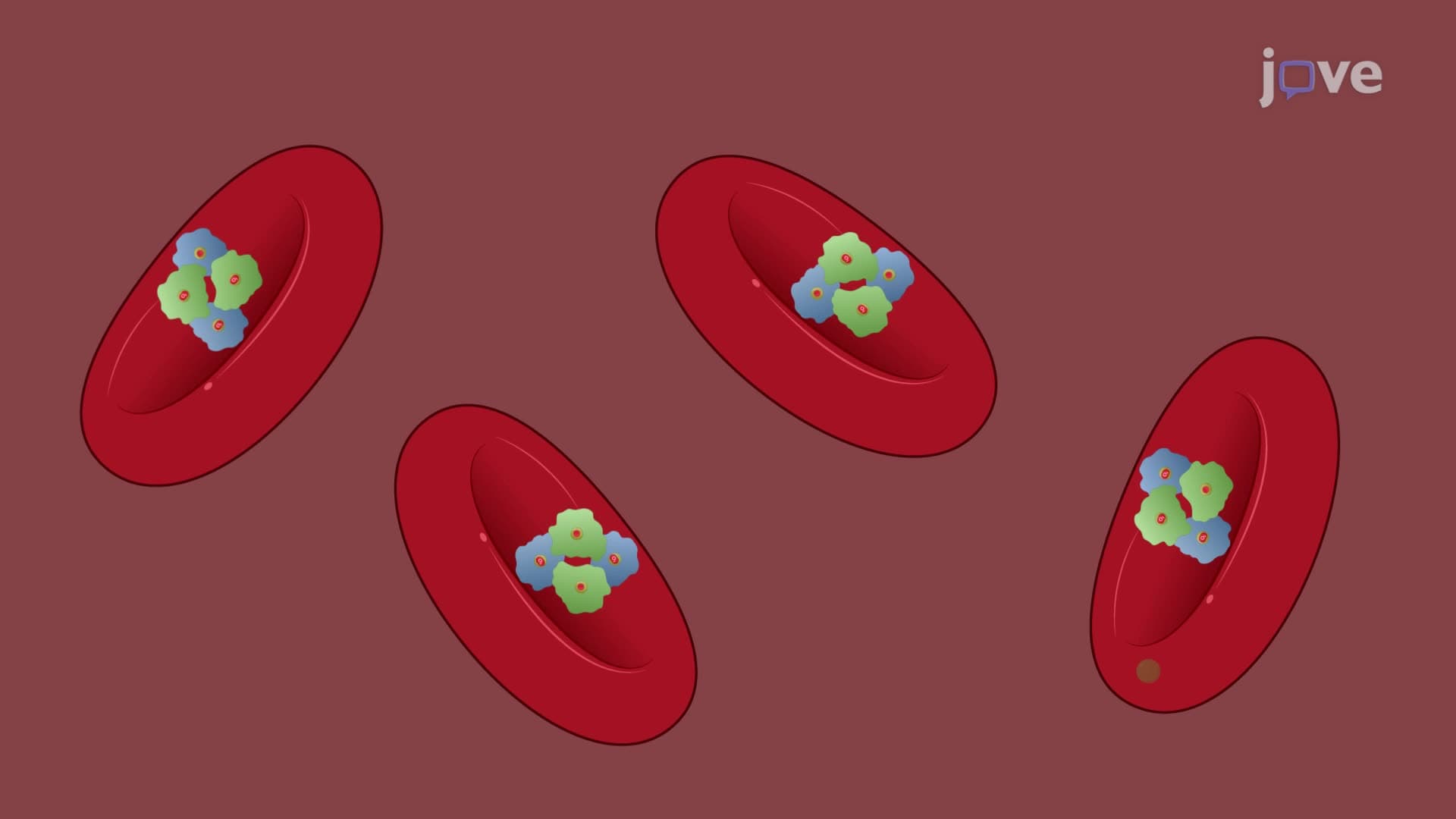
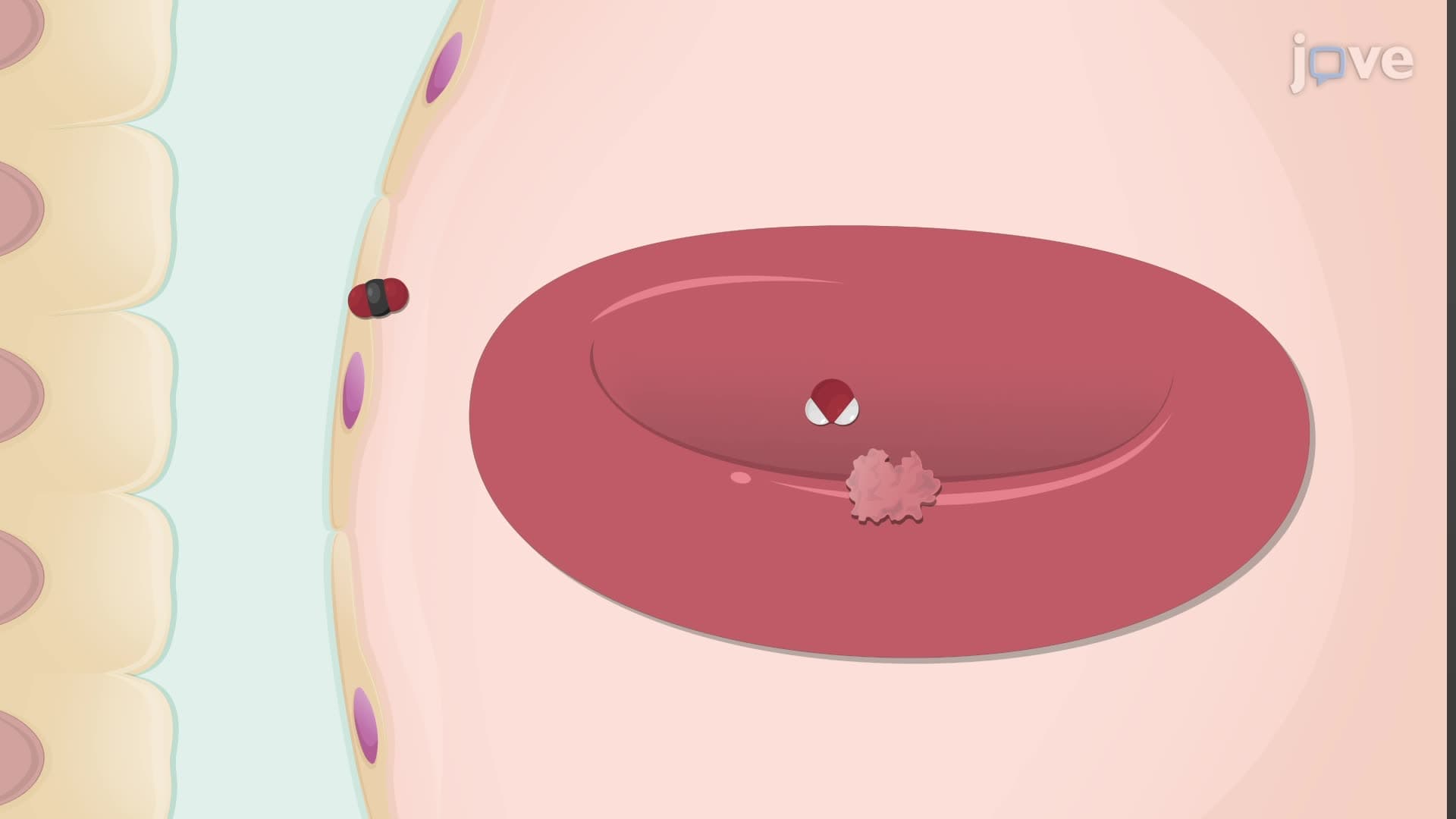
When breathing becomes excessive relative to CO₂ production, blood carbon dioxide levels drop below normal ranges, causing respiratory alkalosis. This pH shift triggers cerebral vasoconstriction, reducing blood flow to the brain and producing characteristic symptoms: dizziness, lightheadedness, and potential fainting. Additionally, alkalosis hyperventilation affects calcium binding to proteins, leading to hypocalcemia symptoms including tingling in extremities and muscle spasms around the mouth and fingers.
Clinical Applications and Treatment Approaches
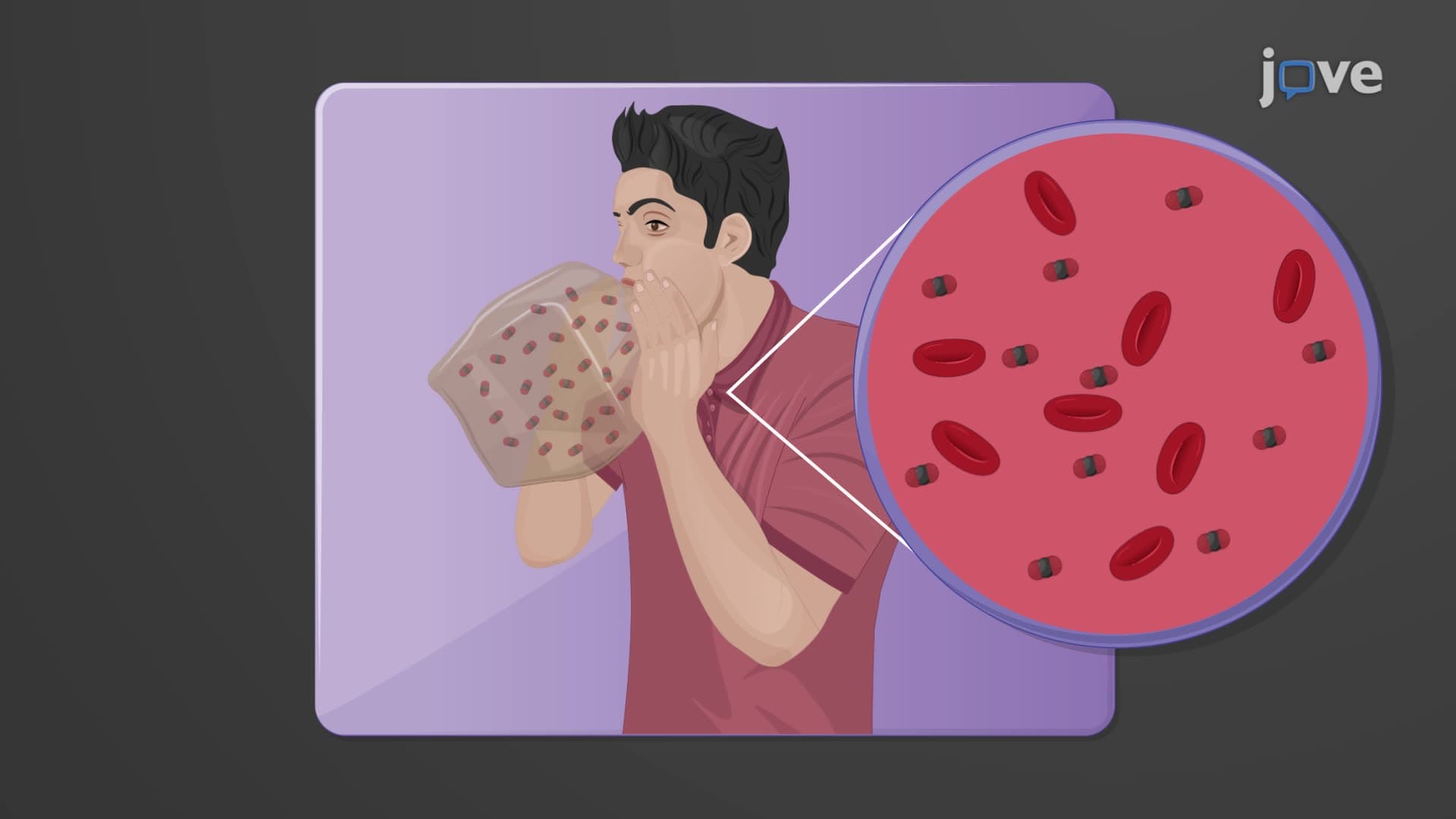
Understanding hyperpnea vs hyperventilation proves crucial for healthcare professionals and students preparing for the MCAT or nursing boards. The classic paper bag technique works by increasing inspired CO₂ concentration, helping restore normal blood chemistry during hyperventilation episodes. However, this intervention would be inappropriate and potentially dangerous during true hyperpnea, where increased breathing serves essential metabolic functions.
Medical students studying for USMLE Step 1 should recognize that tachypnea breathing increase can result from various causes-hyperpnea during exercise, hyperventilation during anxiety, or pathological conditions like pneumonia or metabolic acidosis. Each requires different therapeutic approaches based on underlying physiology.
Frequently Asked Questions
Hyperpnea is increased breathing that matches metabolic needs during exercise, maintaining normal blood gas levels, while hyperventilation is excessive breathing that lowers CO₂ below normal ranges. Hyperpnea represents healthy adaptation; hyperventilation creates physiological imbalance. Both increase respiratory rate or depth but serve completely different purposes in the body.
MCAT questions often test your ability to distinguish these concepts through scenarios-runners experiencing hyperpnea maintain normal pH and CO₂, while anxiety patients show respiratory alkalosis from hyperventilation. Expect questions about gas exchange, acid-base balance, and respiratory control mechanisms. Practice identifying which condition matches given blood gas values and clinical symptoms.
Absolutely-these concepts frequently appear in respiratory physiology units and acid-base balance chapters. AP Biology emphasizes homeostasis and feedback mechanisms, making hyperpnea vs hyperventilation perfect examples of normal versus disrupted regulation. College physiology courses often include detailed questions about medullary control centers and chemoreceptor responses during both conditions.
Consider a UCLA basketball player during March Madness versus a student having test anxiety before the SATs. The athlete experiences hyperpnea-increased breathing that perfectly matches increased oxygen needs and CO₂ production. The anxious student shows hyperventilation-rapid breathing unrelated to metabolic demands, potentially causing dizziness and requiring intervention like controlled breathing techniques.
Basic acid-base chemistry helps, but you can master these concepts with high school-level understanding. Focus on the relationship between CO₂ levels and blood pH rather than complex chemical equations. Understanding that CO₂ + water forms carbonic acid provides sufficient background for grasping why hyperventilation causes alkalosis and associated symptoms.
Create comparison charts highlighting triggers, CO₂ levels, symptoms, and treatments for each condition. Practice with clinical scenarios-given symptoms, determine whether someone has hyperpnea or hyperventilation. Use active recall by explaining these concepts aloud to classmates or family members. Visual learners benefit from drawing the feedback loops controlling normal breathing versus disrupted patterns.
Investigate respiratory alkalosis and metabolic acidosis compensation mechanisms, dive deeper into brainstem respiratory control centers, and explore pathological breathing patterns like Cheyne-Stokes respiration. Understanding normal hyperpnea and pathological hyperventilation provides excellent groundwork for studying complex respiratory disorders and their physiological basis.
These breathing patterns illustrate fundamental principles of homeostasis, negative feedback, and pathophysiology that appear throughout medical education. From understanding exercise physiology to diagnosing anxiety disorders, distinguishing adaptive versus maladaptive responses becomes crucial for healthcare providers. This knowledge foundation supports advanced study in pulmonology, emergency medicine, and psychiatric conditions affecting respiratory function.
Related Micro-courses