Loading subject page…

Micro-course: The Respiratory System
84,701 views
Learn key concepts and earn your certificate.
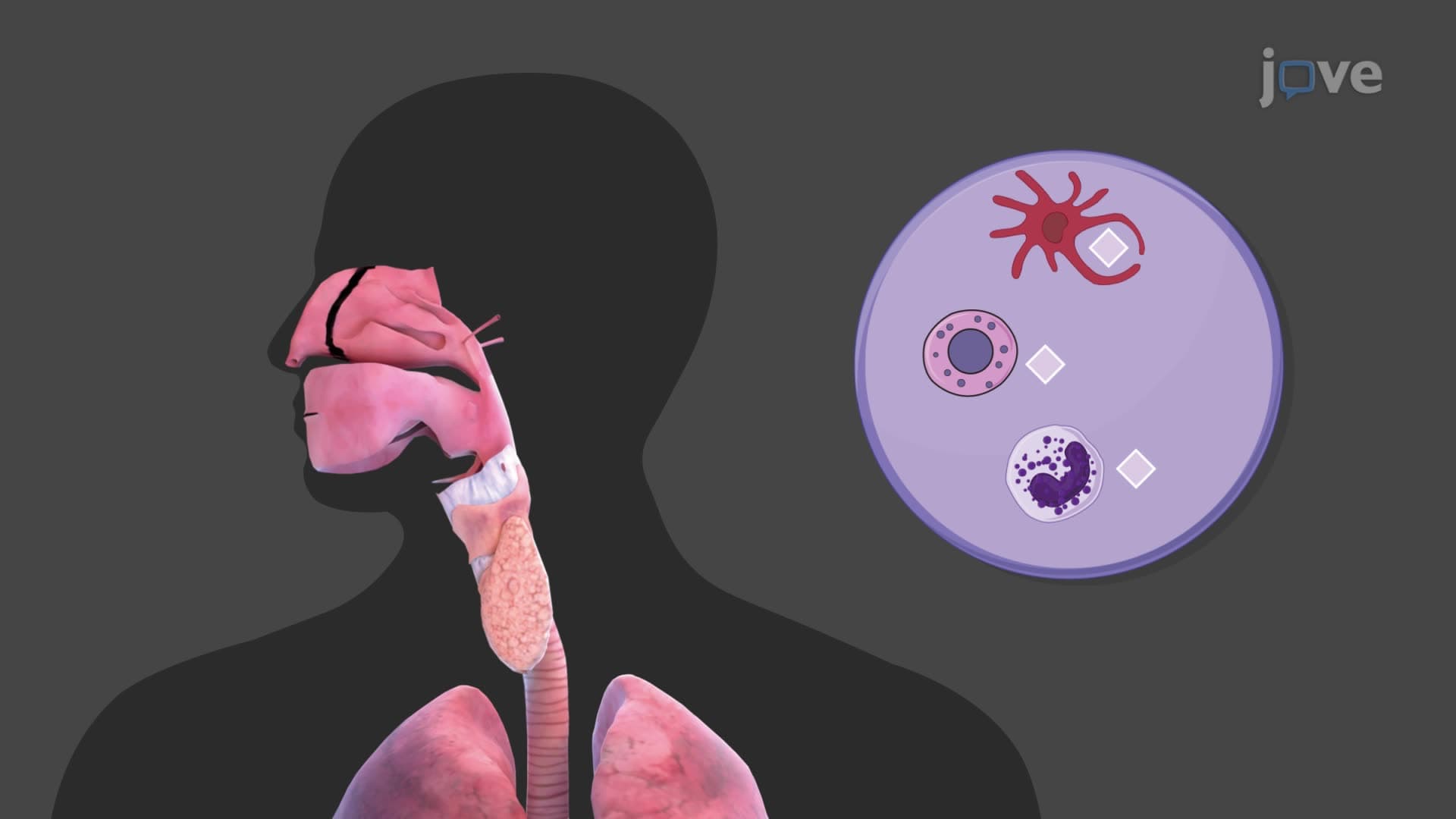

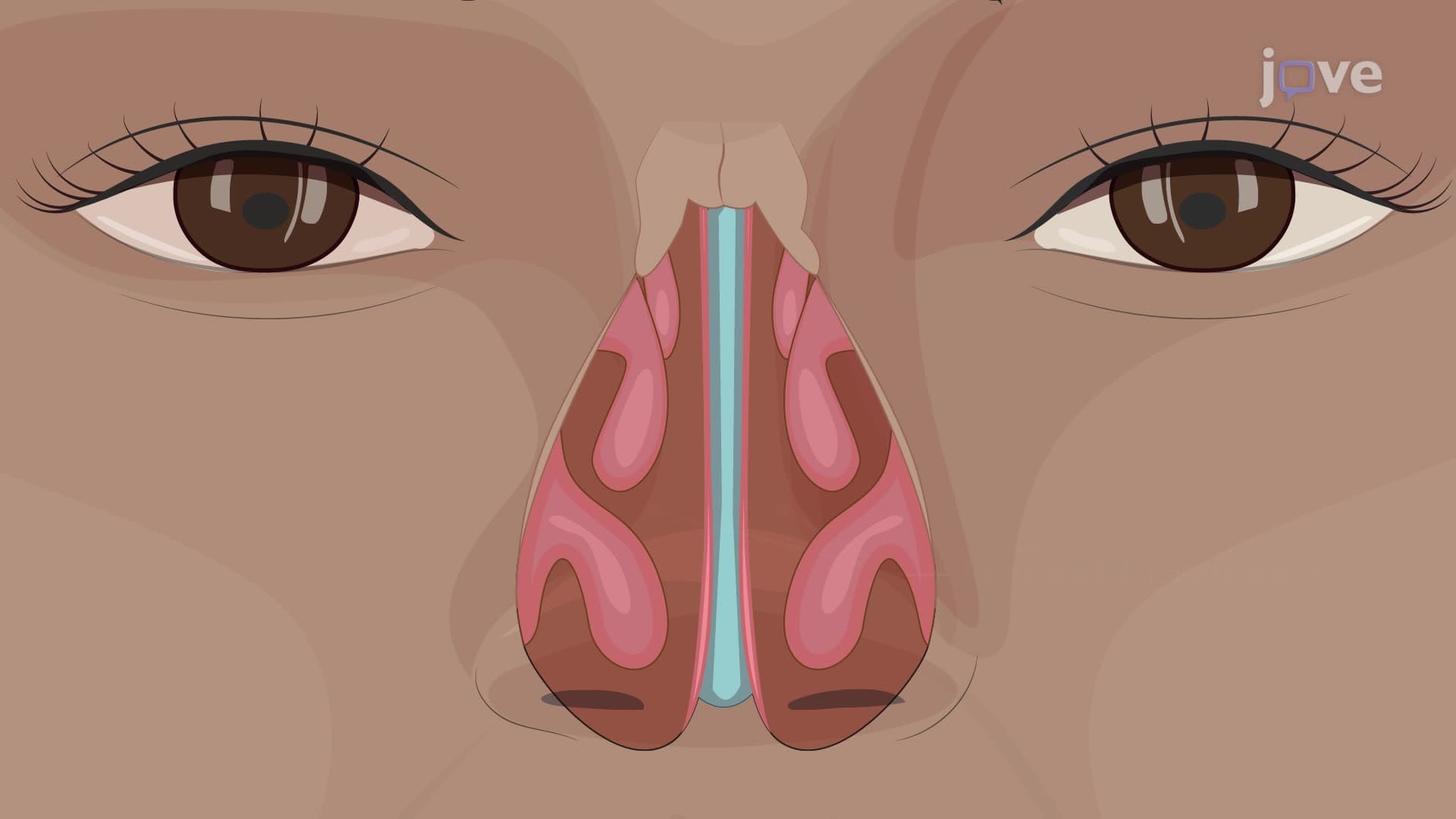
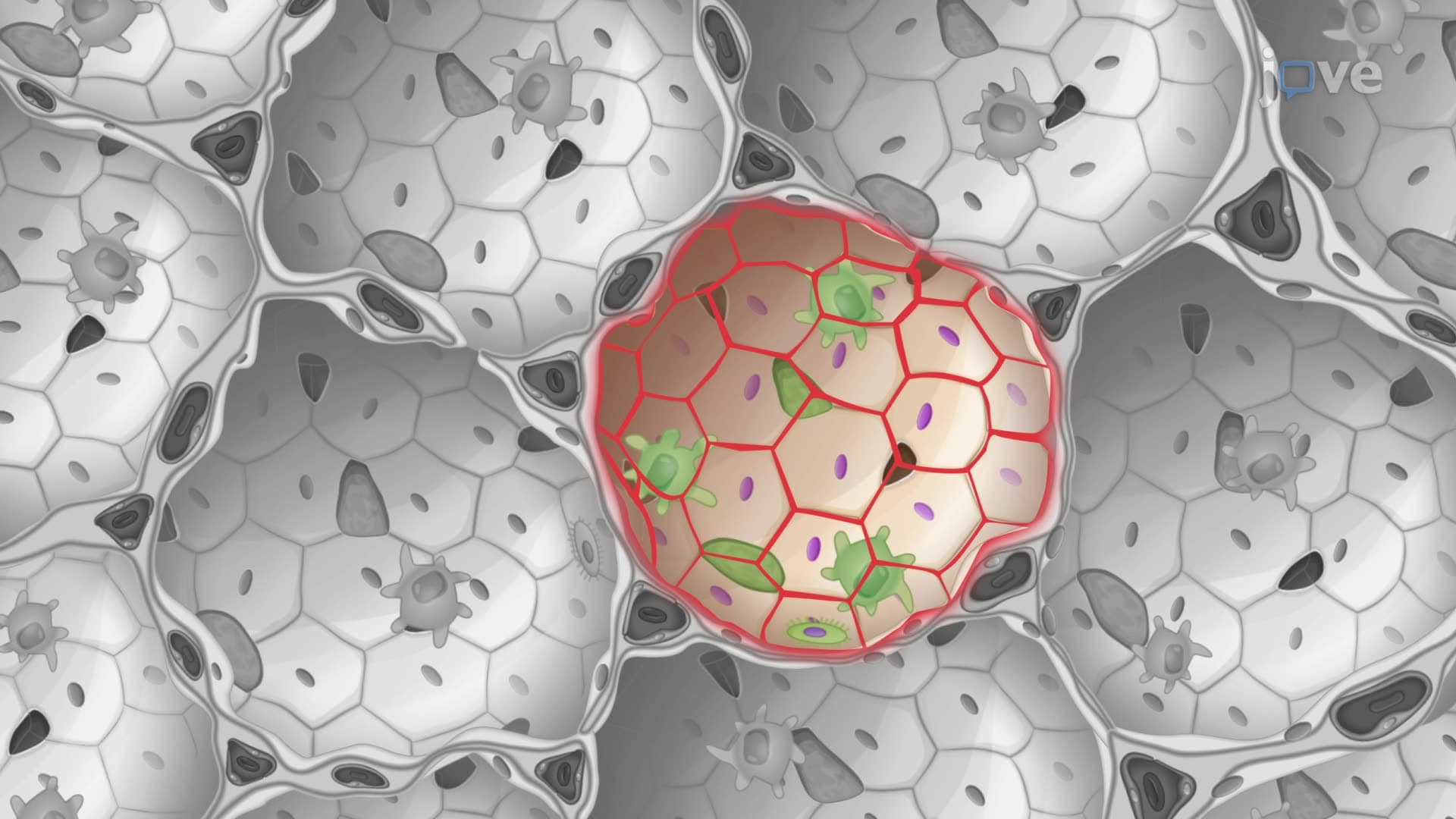
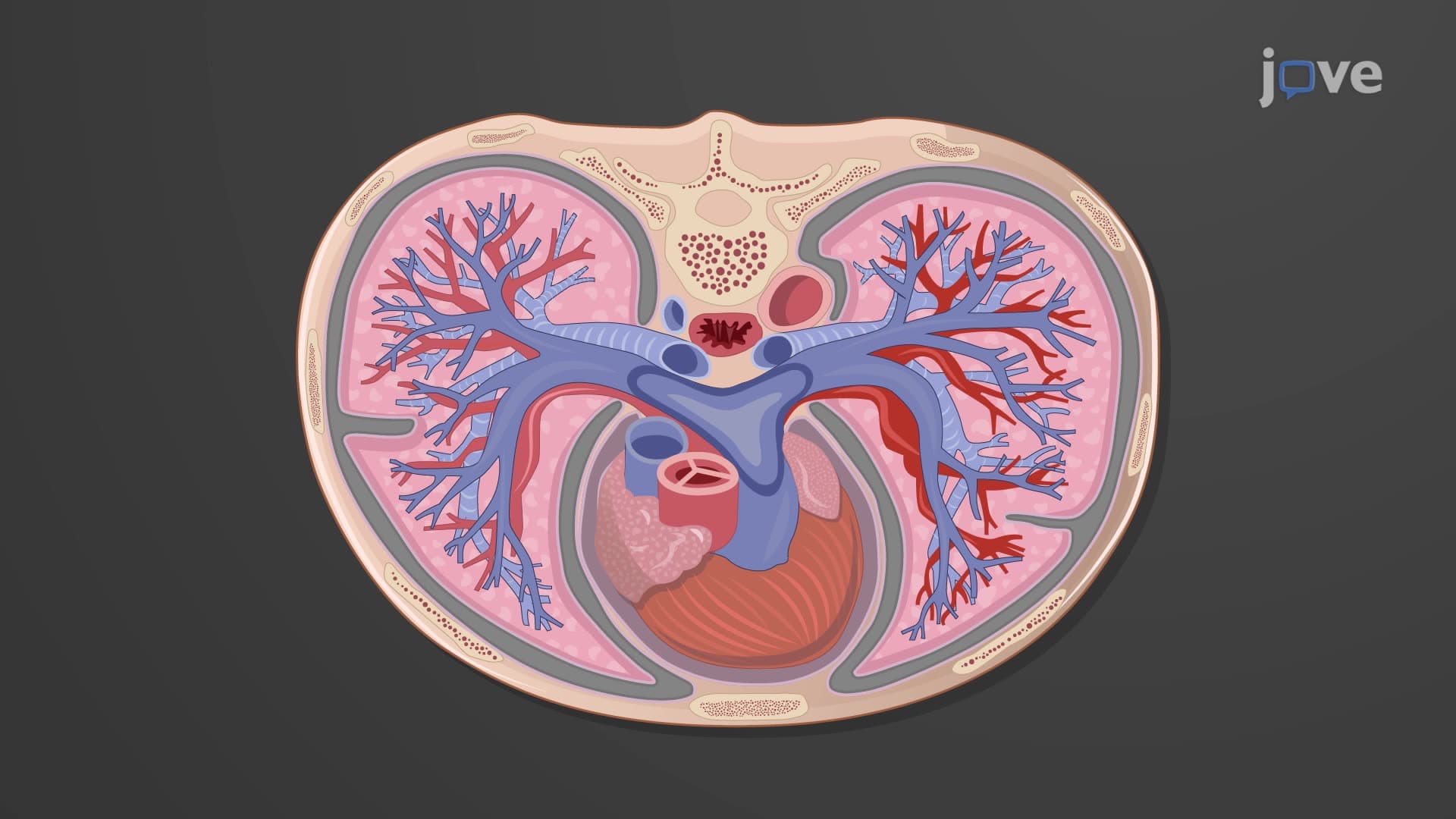
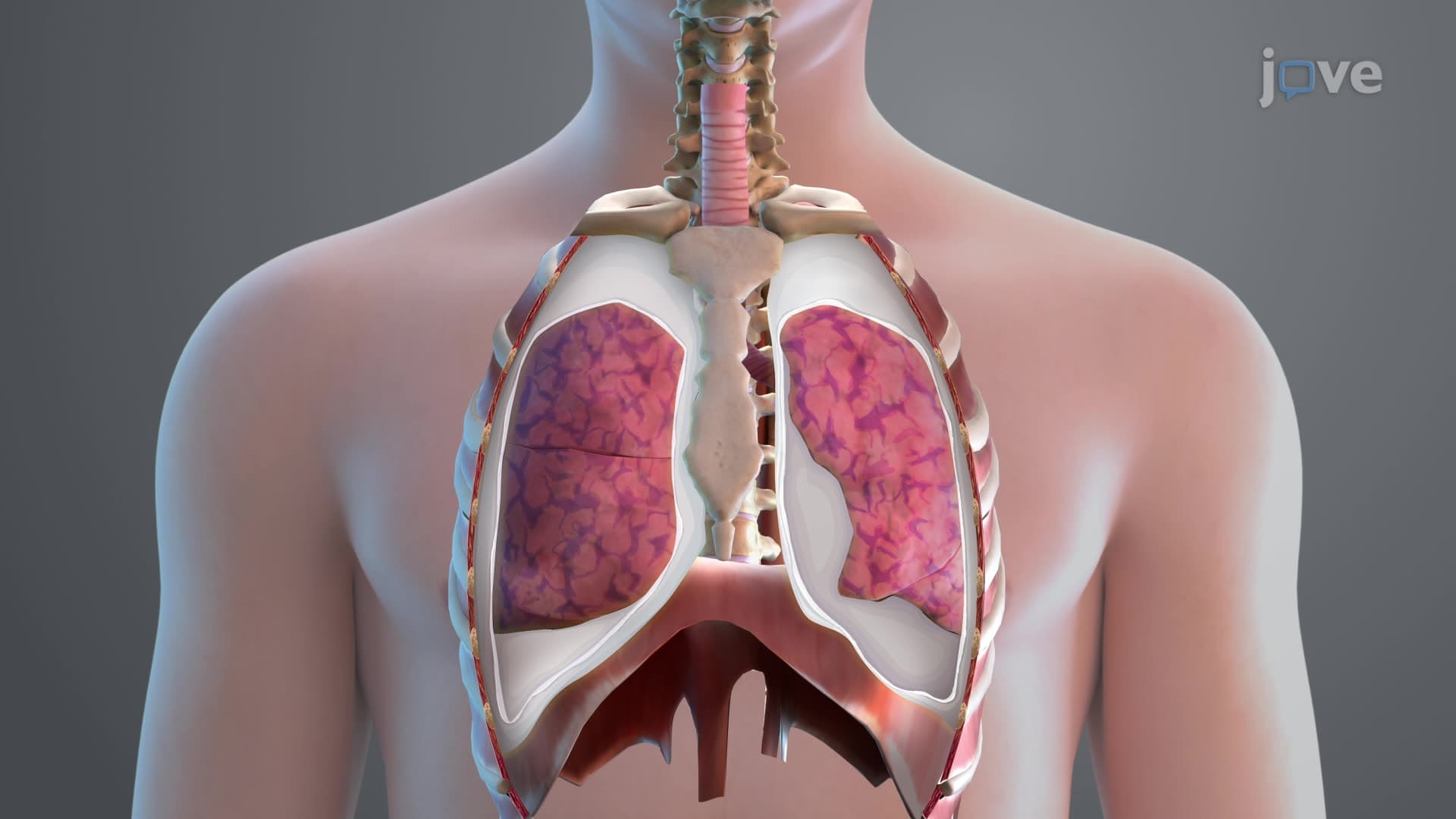
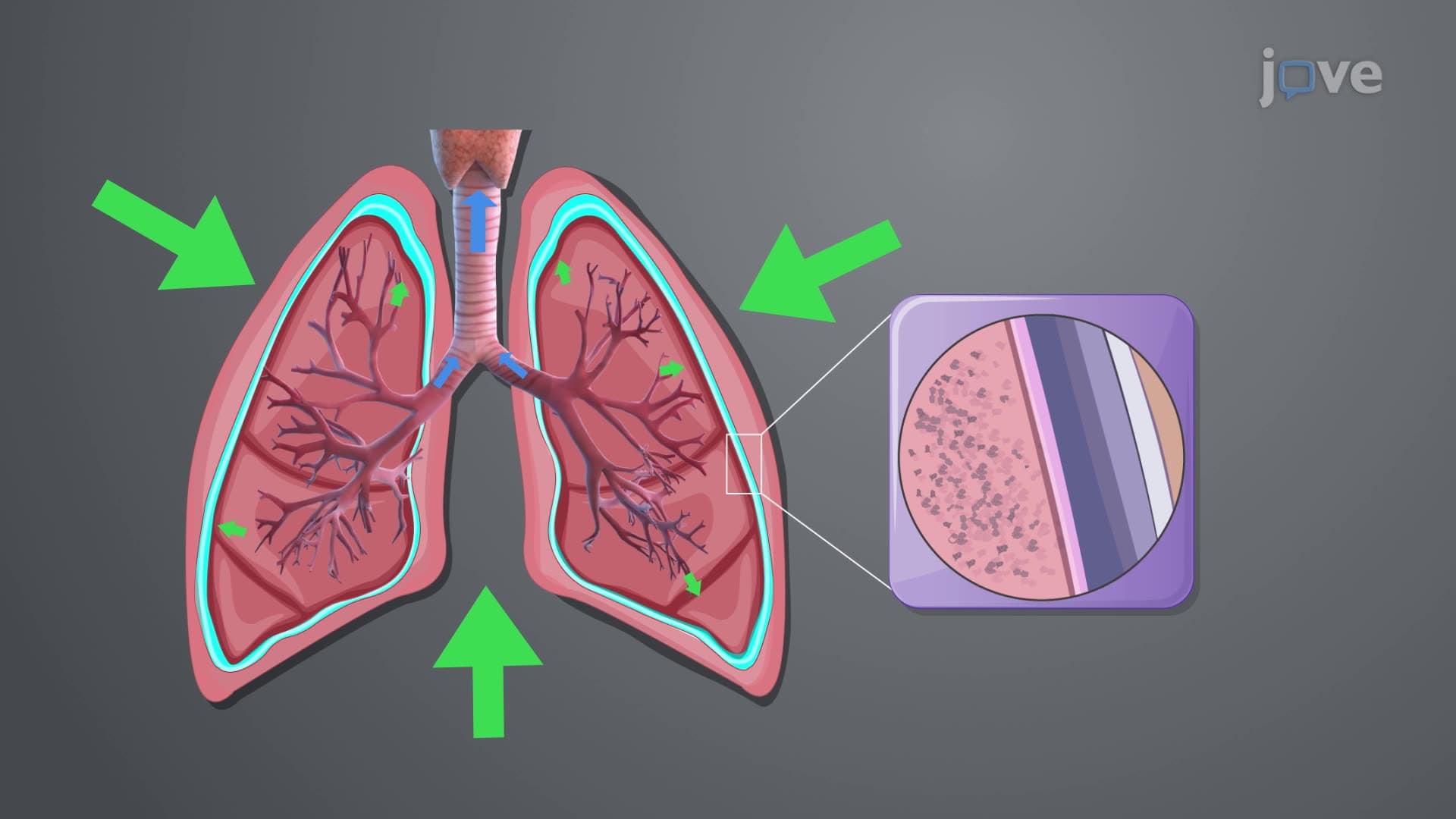


Hypoxia


00:00
01:23
Video Summary: What Is Hypoxia
Did you know that carbon monoxide poisoning from faulty home furnaces affects thousands of Americans each year, creating a deadly form of hypoxia biology explained through blocked oxygen transport? Hypoxia occurs when body tissues cannot access adequate oxygen supply, categorized into four distinct types: anemic, ischemic, histotoxic, and hypoxemic. Emergency rooms across the US regularly treat patients experiencing oxygen deficiency hypoxia from conditions ranging from carbon monoxide exposure to severe asthma attacks. Watch the full video on JoVE Coach to master this concept with expert-led visuals and step-by-step explanations.
- Understand what is hypoxia and distinguish between its four primary classifications: anemic, ischemic, histotoxic, and hypoxemic types
- Identify the physiological mechanisms behind oxygen deficiency hypoxia and how each type disrupts normal cellular respiration
- Analyze the specific causes of anemic hypoxia, including red blood cell deficiencies and hemoglobin abnormalities
- Compare ischemic hypoxia (poor circulation) with histotoxic hypoxia (cellular toxin interference) in clinical scenarios
- Evaluate hypoxemic hypoxia characteristics, particularly low arterial oxygen partial pressure from pulmonary diseases
- Recognize carbon monoxide poisoning as a special case of hypoxemic hypoxia with unique binding mechanisms
- Apply knowledge of cyanosis as a visible hypoxia symptom for early detection and clinical assessment
- Explore real-world connections between environmental factors and different hypoxia classifications in emergency medicine
Understanding What is Hypoxia: The Foundation of Oxygen Transport
What is hypoxia represents a critical concept in respiratory physiology where tissues receive insufficient oxygen to maintain normal cellular function. This condition affects millions of Americans annually, from high-altitude hikers in Colorado's Rocky Mountains to patients with chronic obstructive pulmonary disease (COPD). Understanding hypoxia cause classification helps medical professionals and students grasp why oxygen delivery can fail at multiple points in the respiratory-circulatory pathway.
The Four Types of Oxygen Deficiency Hypoxia
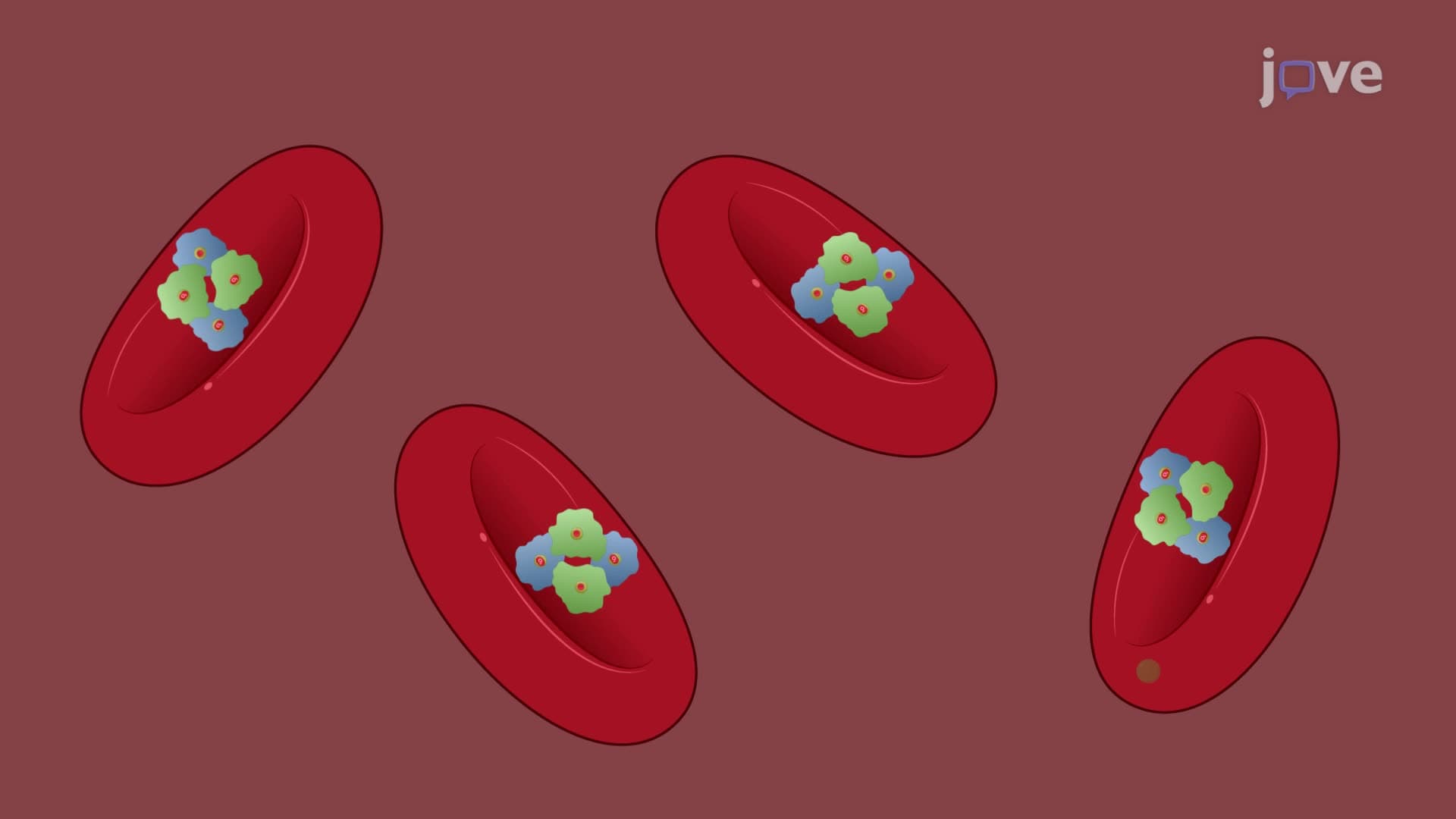
Anemic Hypoxia occurs when blood cannot carry adequate oxygen due to reduced red blood cells or defective hemoglobin. Sickle cell anemia, common among African Americans, exemplifies hypoxic anemic hypoxia where abnormal hemoglobin shapes prevent efficient oxygen binding. Iron deficiency anemia, affecting approximately 10 million Americans, also reduces oxygen-carrying capacity despite normal lung function.
Ischemic Hypoxia (also called stagnant histotoxic hypoxia) results from poor blood circulation preventing oxygen delivery to tissues. Heart attacks, strokes, and peripheral artery disease create localized ischemic conditions. Emergency medical technicians frequently encounter this during cardiac arrests where circulation stops entirely.
Histotoxic Hypoxia prevents cells from utilizing delivered oxygen due to cellular toxins. Cyanide poisoning, though rare, demonstrates how toxins can block cellular respiration at the mitochondrial level. Carbon monoxide exposure from house fires or faulty furnaces represents a more common example affecting thousands annually.
Hypoxemic Hypoxia: When Lungs Cannot Oxygenate Blood
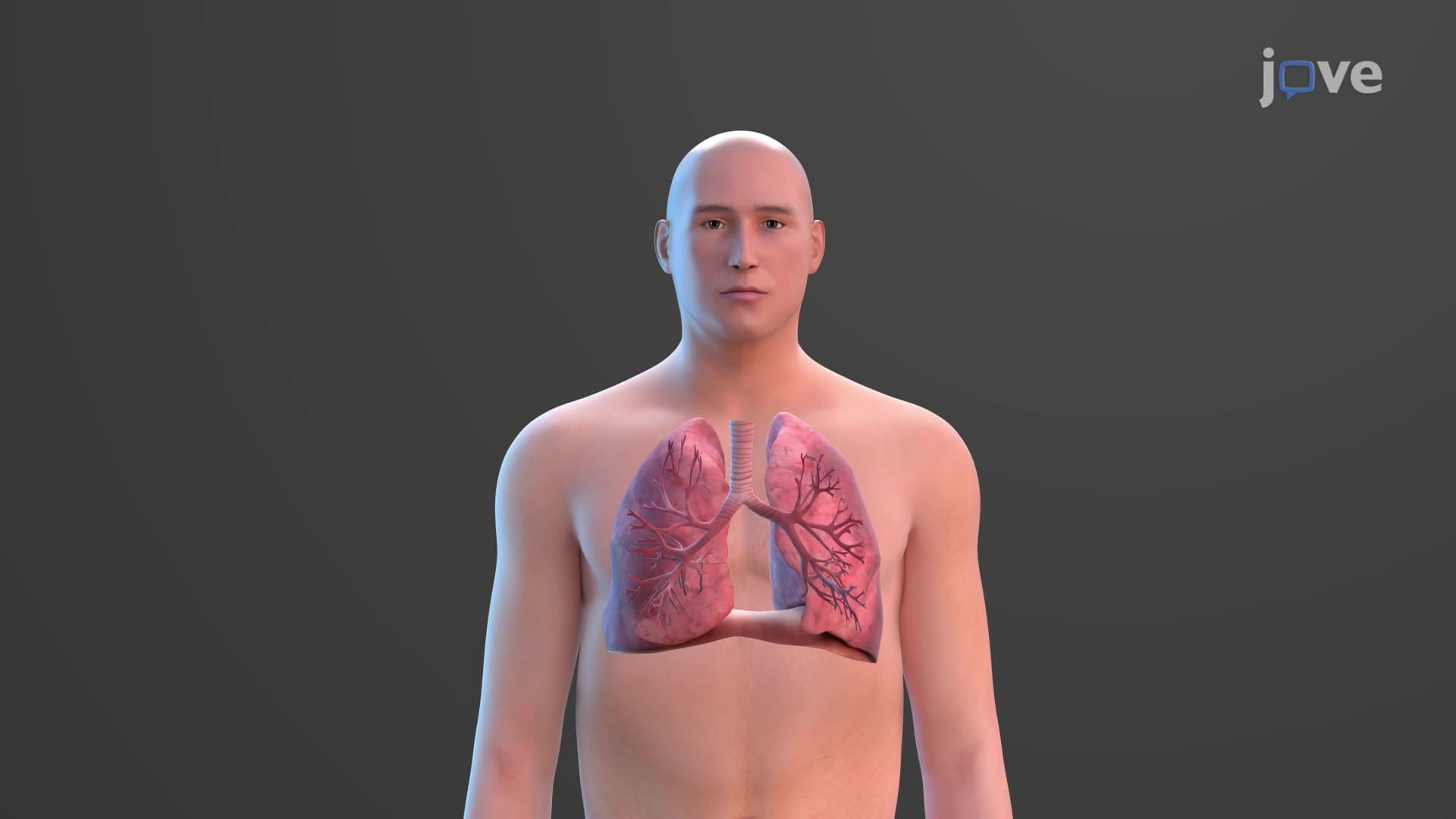
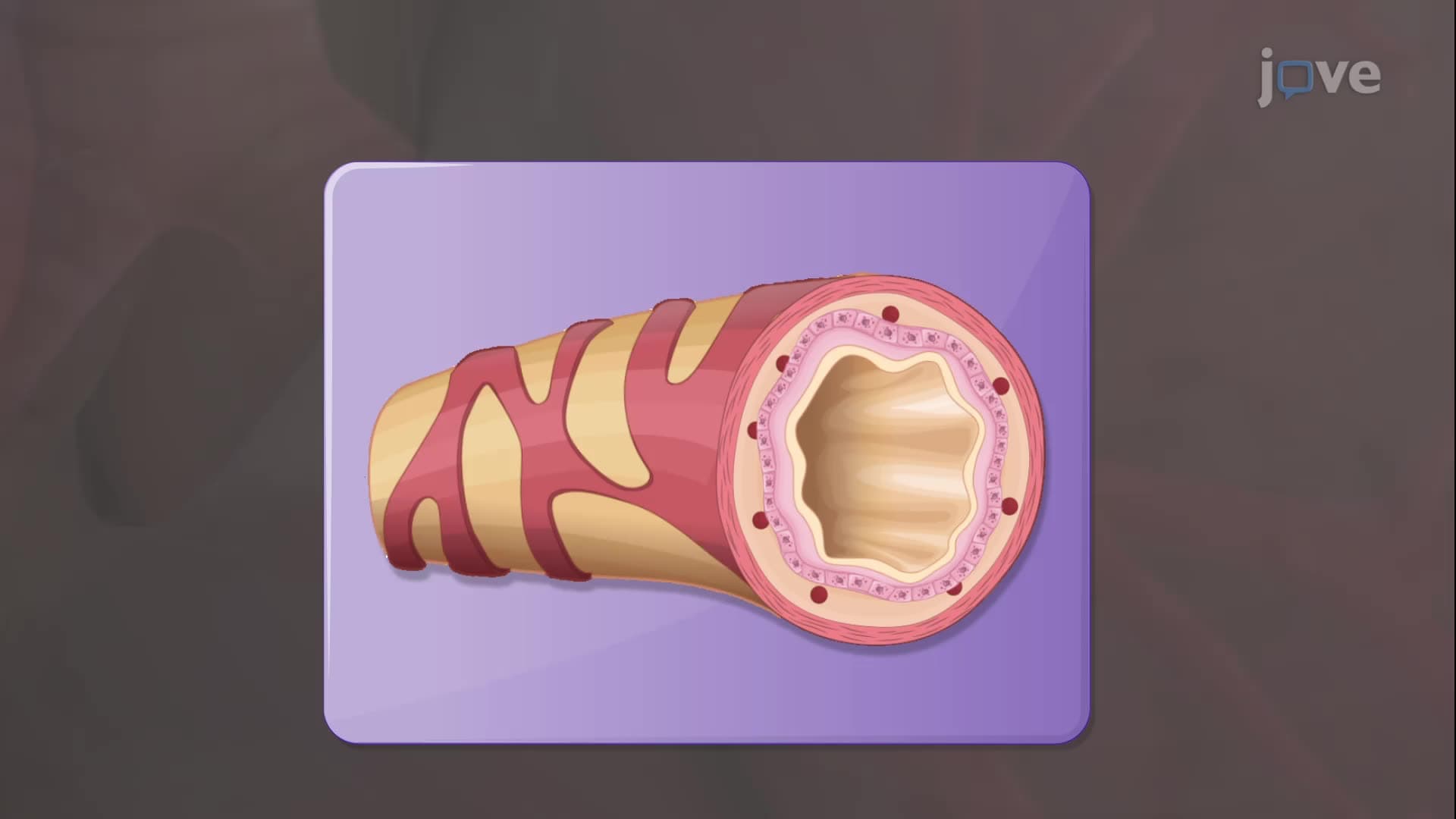
What is hypoxia in respiratory physiology becomes most apparent in hypoxemic cases where arterial blood oxygen levels drop. Pneumonia, asthma attacks, and COVID-19 complications frequently cause hypoxemic hypoxia in American hospitals. High-altitude environments like Denver, Colorado (5,280 feet elevation) naturally create mild hypoxemic conditions as atmospheric pressure decreases.
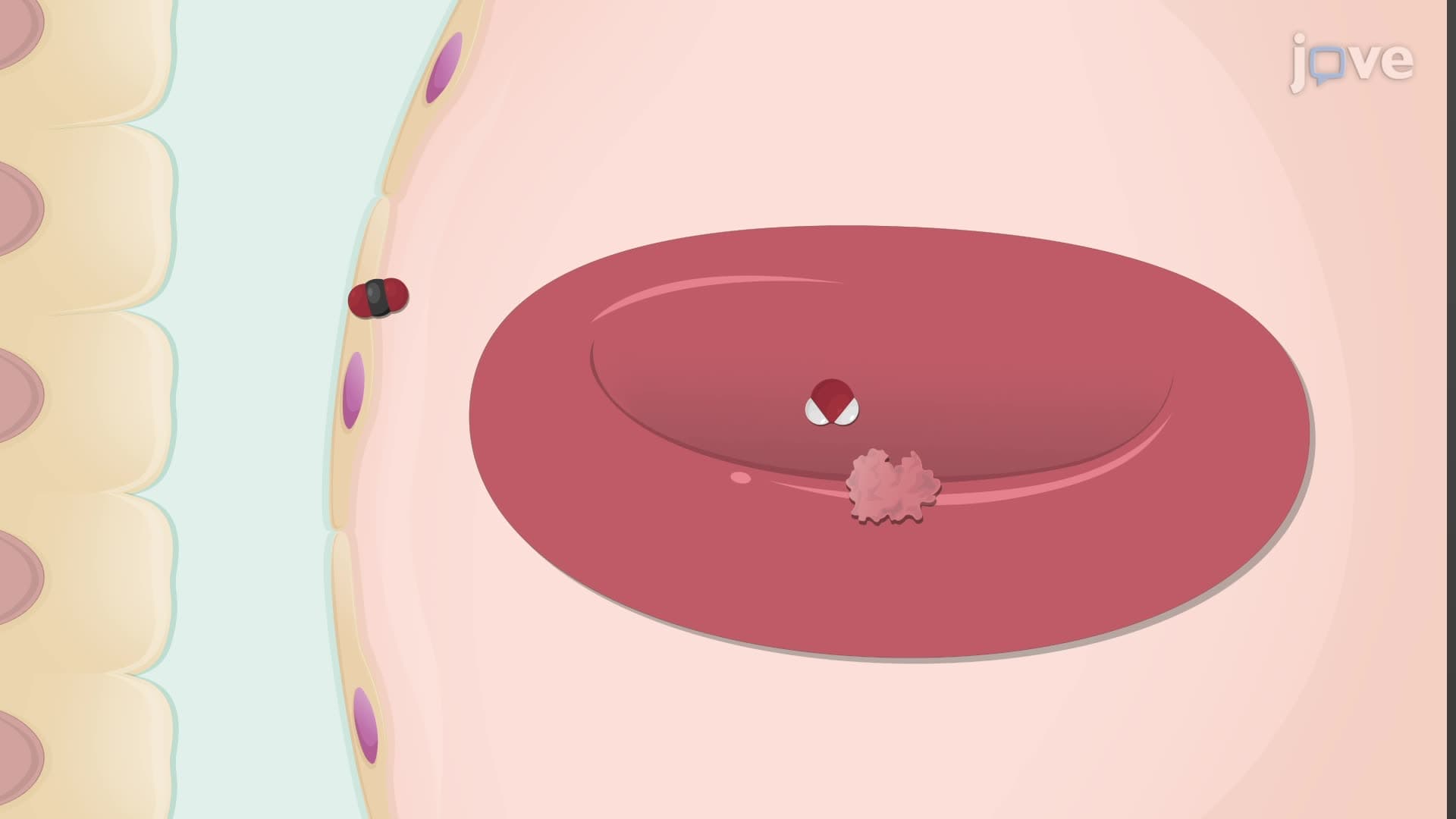
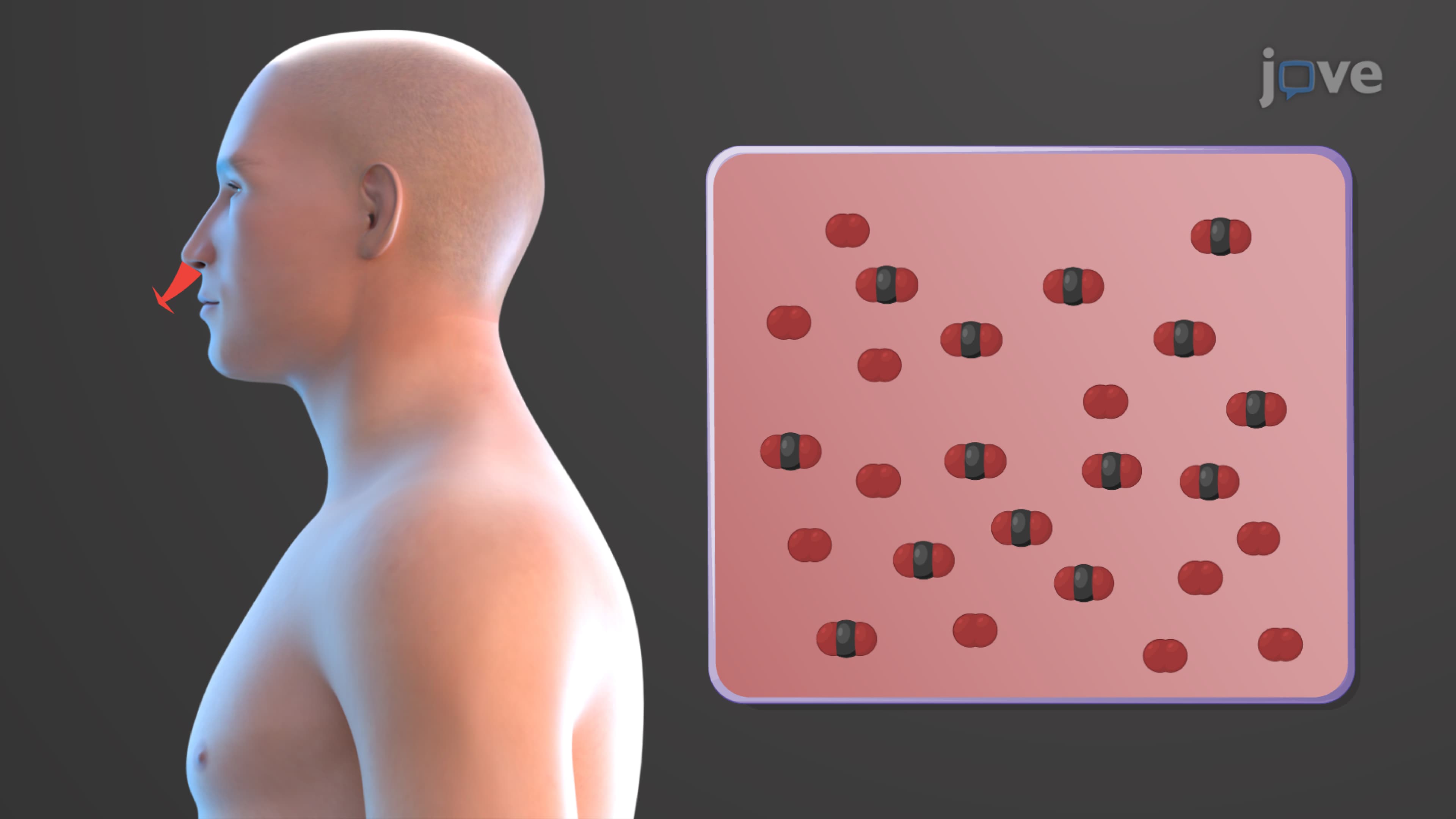
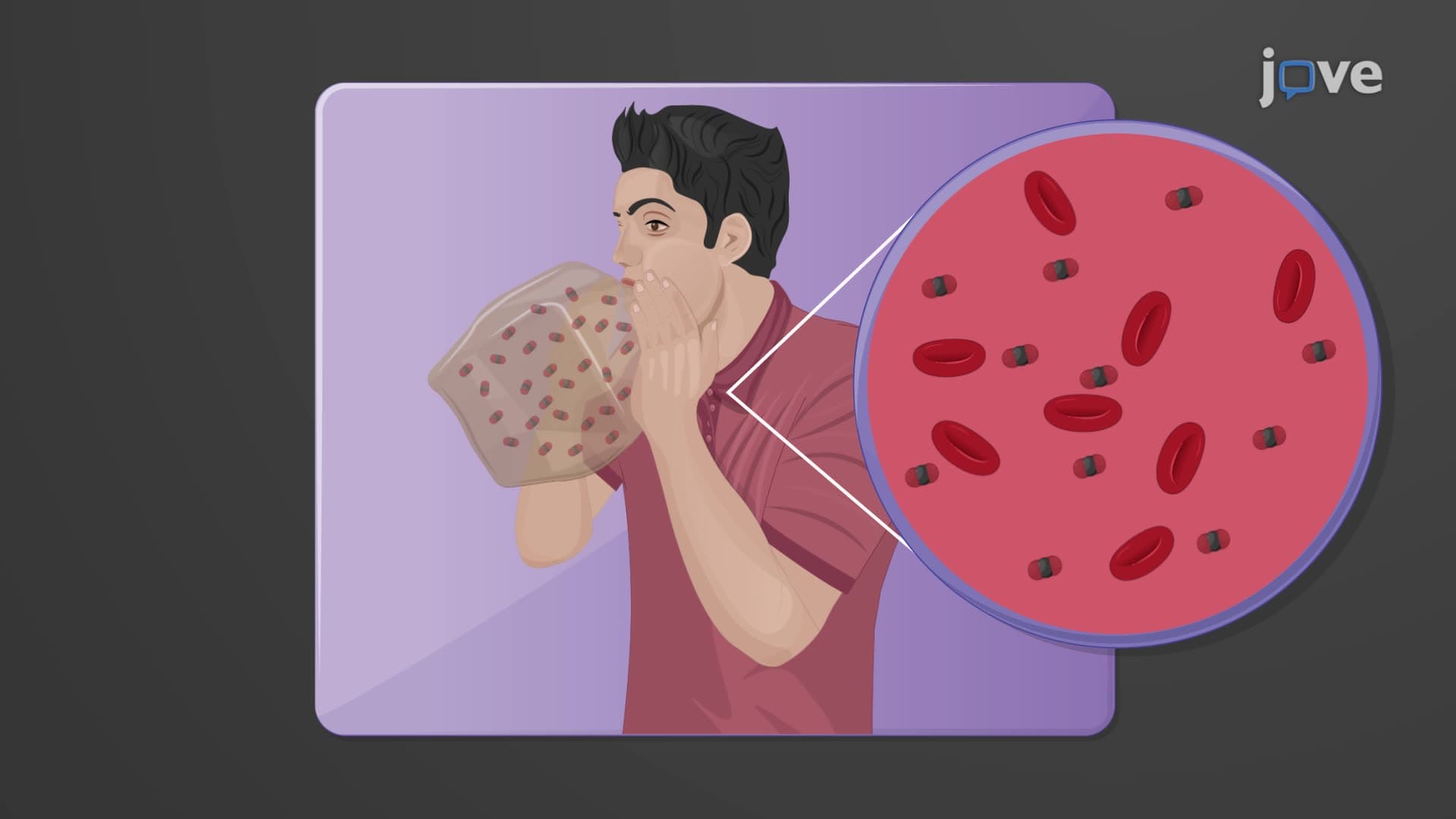
Carbon monoxide poisoning deserves special attention as a unique hypoxemic variant. CO binds hemoglobin with 200 times greater affinity than oxygen, creating carboxyhemoglobin that cannot transport oxygen. The CDC reports over 400 Americans die annually from unintentional CO poisoning, making this a crucial public health concern.
Clinical Recognition and Academic Applications
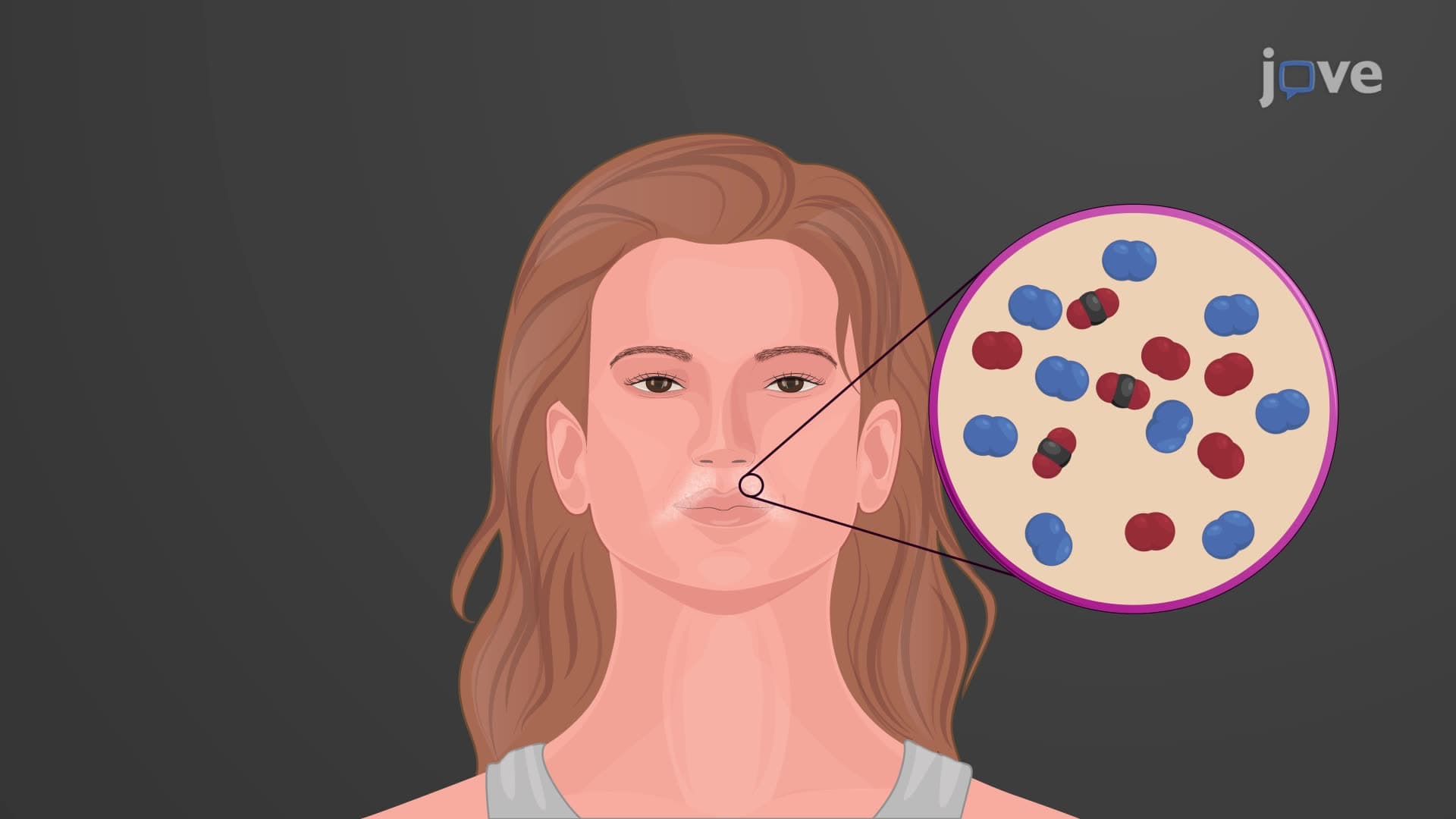
Cyanosis hypoxia symptom appears as bluish discoloration in fingernails, lips, and mucous membranes, providing visible evidence of tissue oxygen deficiency. Healthcare providers learn to recognize central versus peripheral cyanosis during clinical rotations. This concept appears frequently on MCAT passages, AP Biology exams, and nursing school assessments like NCLEX and HESI A2, often combined with cardiovascular and respiratory system questions.
Frequently Asked Questions
Hypoxia refers to inadequate oxygen delivery to body tissues, while hypoxemia specifically describes low oxygen levels in arterial blood. Hypoxemia represents just one type of hypoxia (hypoxemic hypoxia), whereas hypoxia encompasses four distinct categories including problems with blood circulation, oxygen-carrying capacity, and cellular utilization.
MCAT passages frequently test carbon monoxide poisoning mechanisms, comparing different hypoxia types, and analyzing oxygen-hemoglobin dissociation curves. AP Biology exams focus on cellular respiration disruption and physiological adaptations to oxygen deficiency. College physiology courses emphasize clinical correlations and diagnostic approaches for each hypoxia classification.
Nursing exams emphasize patient assessment skills, particularly recognizing cyanosis and other hypoxia symptoms. Questions often present clinical scenarios requiring students to identify hypoxia types based on patient history and vital signs. HESI A2 and TEAS exams include basic hypoxia physiology within respiratory system content.
Mountain climbers in Colorado experience hypoxemic hypoxia from low atmospheric pressure, while carbon monoxide poisoning from faulty home furnaces creates another hypoxemic variant. Sickle cell patients demonstrate anemic hypoxia, heart attack victims show ischemic hypoxia, and cyanide exposure illustrates histotoxic hypoxia mechanisms.
Not at all, hypoxia builds on basic biology concepts like cellular respiration and circulatory system function covered in freshman biology. The four-type classification system provides a logical framework that connects to everyday health experiences. Many students find clinical examples more engaging than abstract physiological concepts.
Use the mnemonic "AIHI" (Anemic, Ischemic, Histotoxic, Hypoxemic) and associate each with memorable examples: Anemic = anemia, Ischemic = heart attack, Histotoxic = toxins like cyanide, Hypoxemic = lung problems or altitude. Practice identifying types from clinical scenarios rather than just memorizing definitions.
Explore oxygen-hemoglobin dissociation curves, high-altitude physiological adaptations, and pulse oximetry principles. Advanced students should investigate hypoxia-inducible factors (HIFs) in molecular biology and their roles in cancer research and therapeutic applications.
Healthcare professionals use hypoxia knowledge daily for patient assessment, emergency response, and treatment planning. Recognizing different hypoxia types guides appropriate interventions, oxygen therapy helps hypoxemic cases but won't resolve carbon monoxide poisoning, which requires hyperbaric oxygen treatment.
Related Micro-courses