Loading subject page…


84,705 views
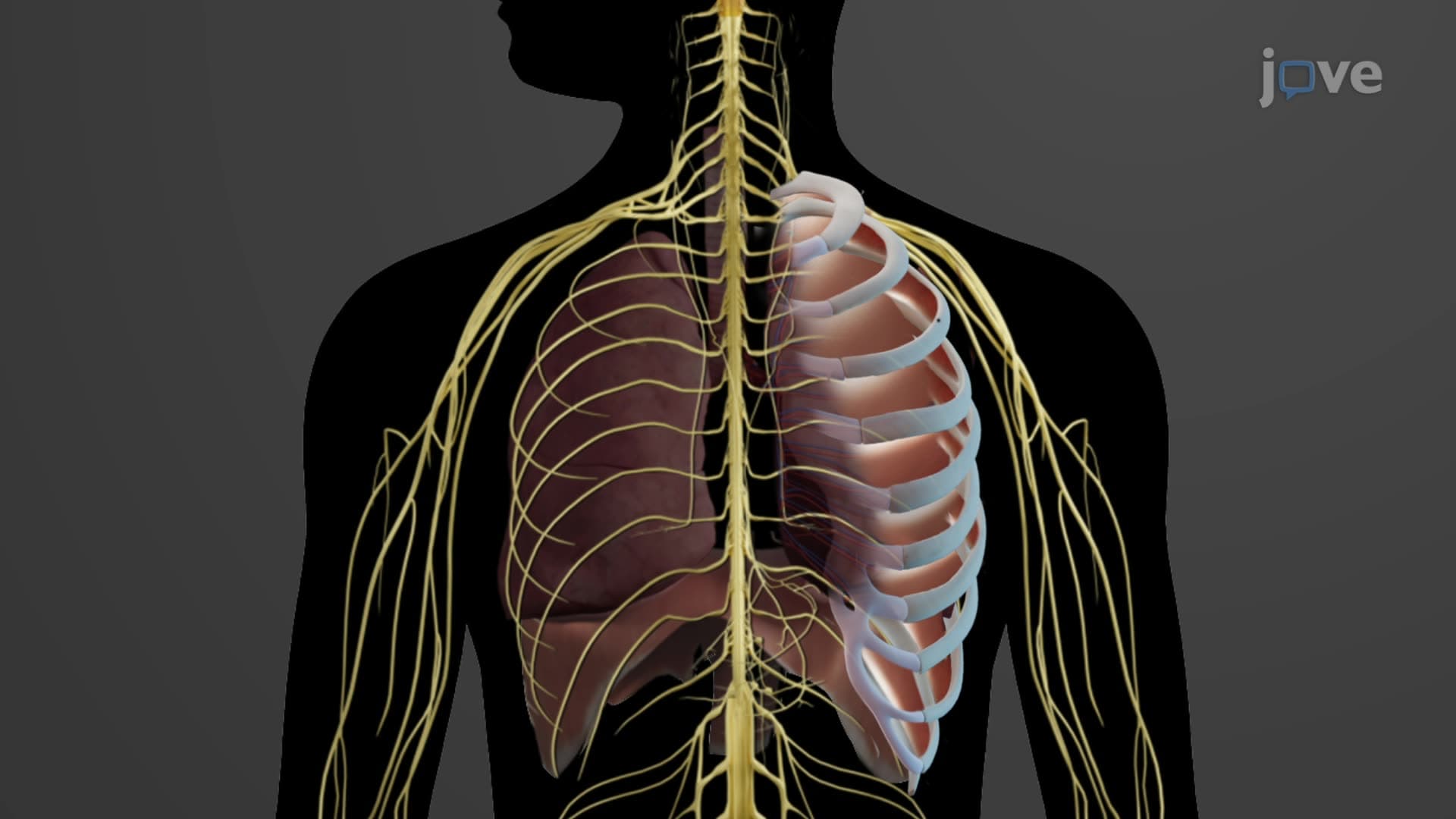

Video Summary: What Is Neural Control of Respiration
Every minute, your body automatically adjusts your breathing rate without conscious thought-but how does your brain orchestrate this life-sustaining process? The neural control respiration biology involves sophisticated brainstem centers that regulate every breath you take. Consider how patients with sleep apnea at Johns Hopkins Hospital require CPAP machines because their neural respiratory control becomes disrupted during sleep. Understanding what is the neural control of respiration reveals how groups of specialized neurons in your medulla and pons work together to maintain proper oxygen and carbon dioxide levels. Watch the full video on JoVE Coach to master this concept with expert-led visuals and step-by-step explanations.
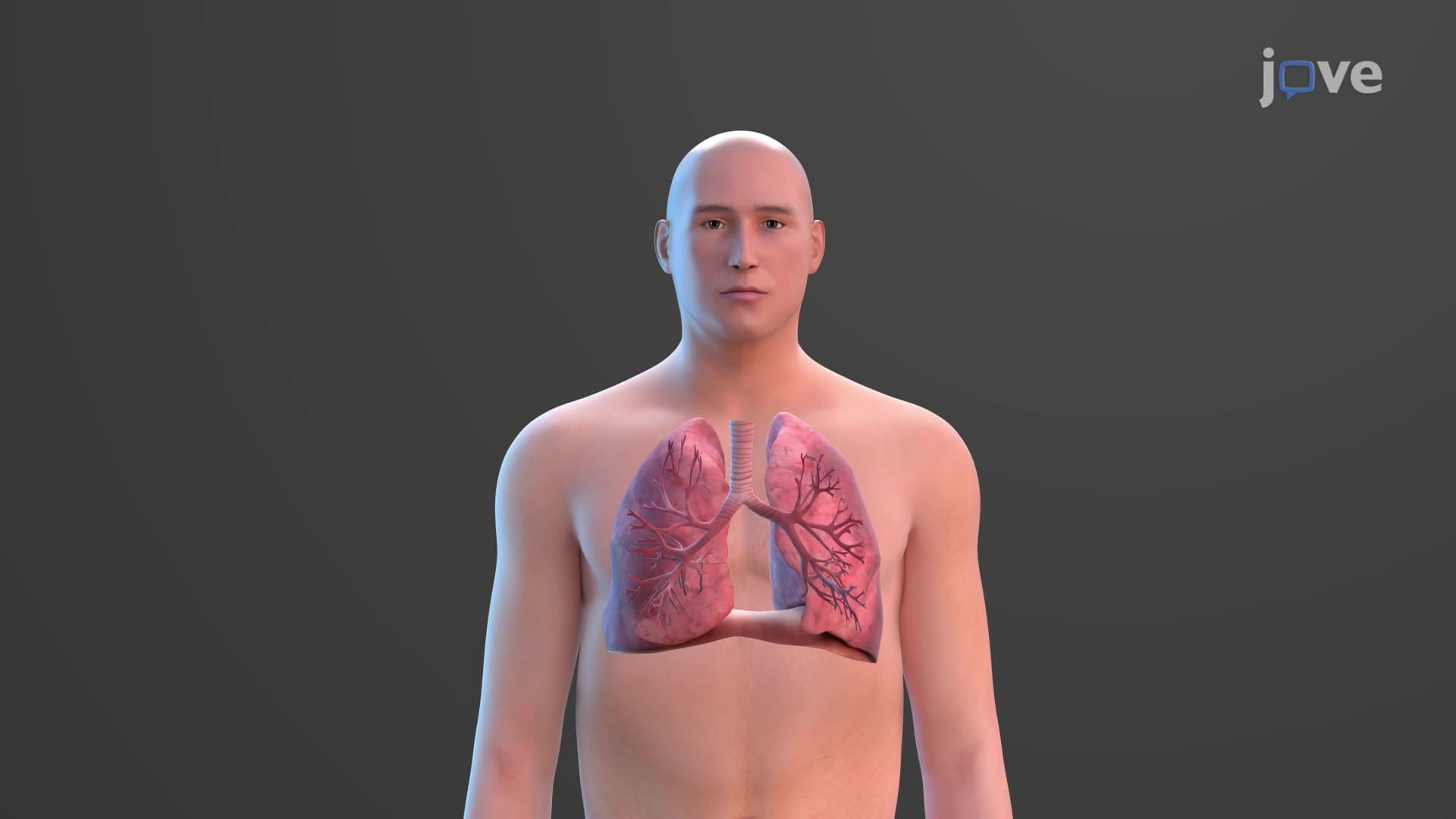
The neural control of respiration represents one of the most critical autonomic functions, operating through a sophisticated network of brainstem neurons that ensure continuous oxygen delivery and carbon dioxide removal. Unlike conscious movements, breathing neural regulation explained through automatic brainstem control means you don't need to remember to breathe-even during sleep or when focused on complex tasks.
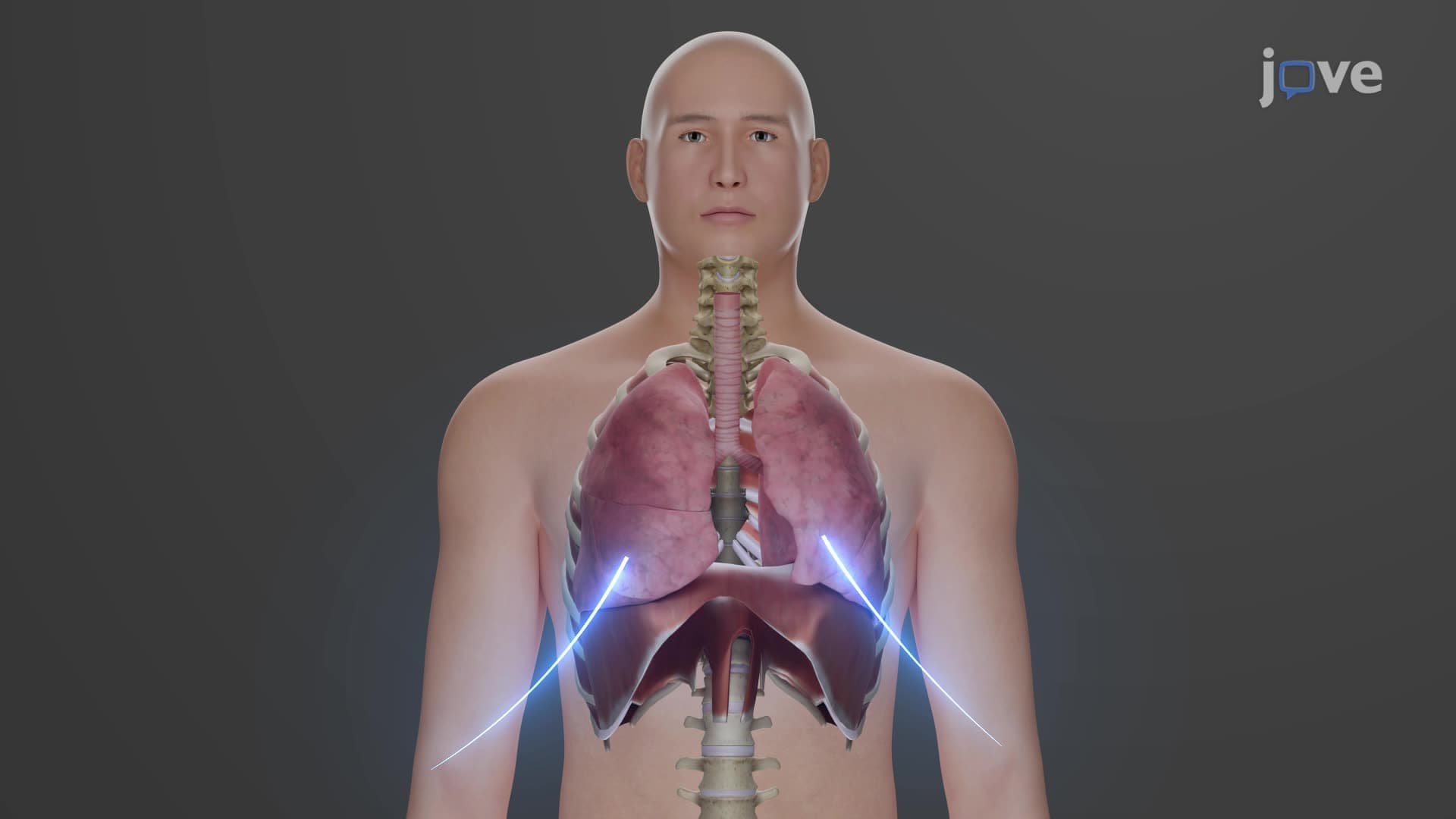
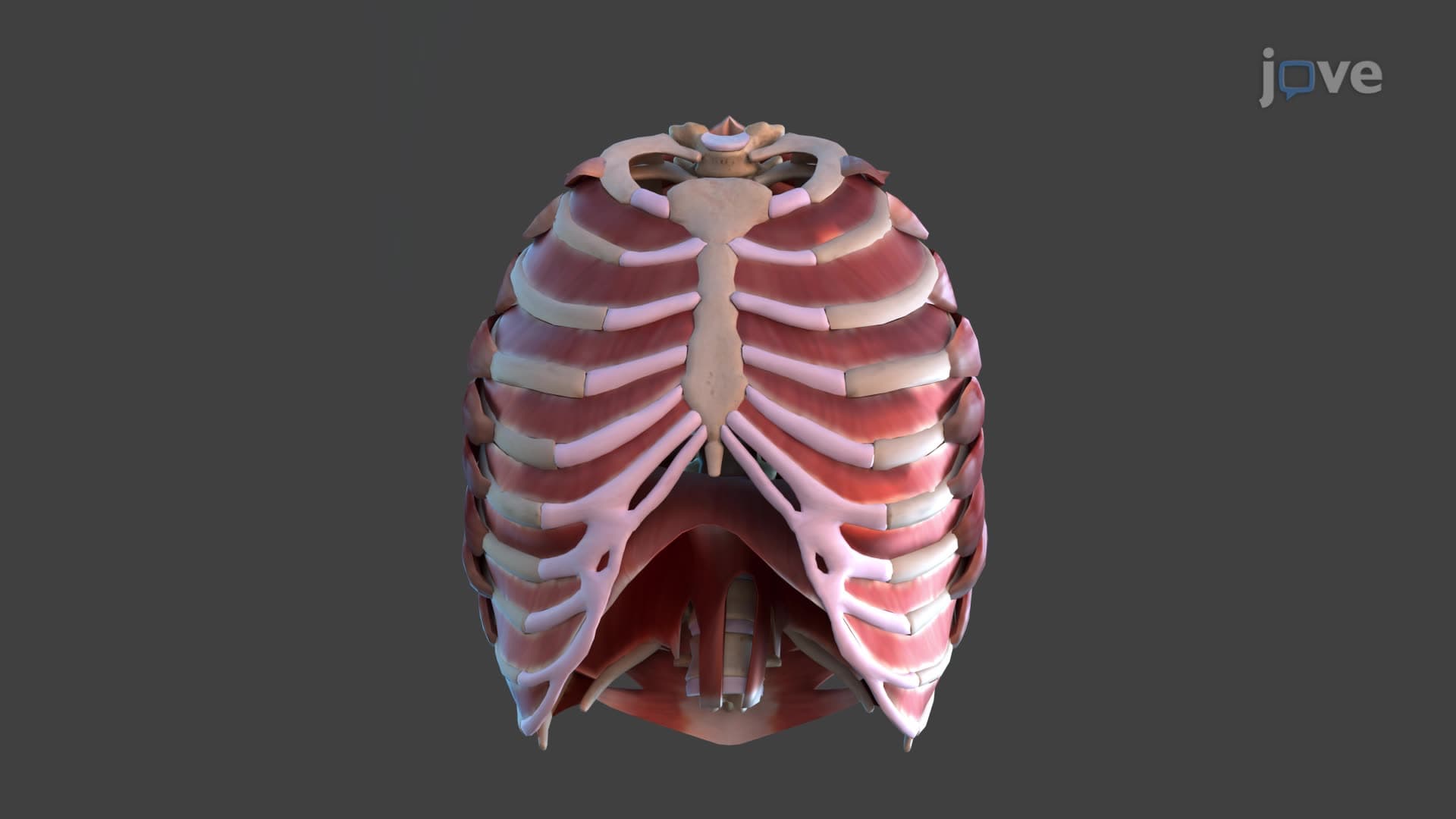
Located in the medullary respiratory center, two distinct neuronal groups orchestrate most respiratory activity. The dorsal ventral respiratory group work in coordinated fashion but serve different functions. The dorsal respiratory group (DRG) acts as the primary driver for normal, quiet breathing. These neurons send rhythmic impulses through the phrenic nerve to your diaphragm and via intercostal nerves to external intercostal muscles between your ribs. This creates the active phase of breathing-inhalation-followed by passive relaxation that produces exhalation.
The ventral respiratory group (VRG) contains the pre-Bötzinger complex, which functions as your body's breathing pacemaker. This neural cluster generates the fundamental rhythmic breathing neural patterns by controlling how frequently DRG neurons fire. During exercise or stress, additional VRG neurons activate accessory breathing muscles in your neck, chest, and abdomen to increase ventilation. This explains why athletes at the U.S. Olympic Training Center can dramatically increase their breathing capacity during intense workouts.
The pons respiration control system provides sophisticated modulation of basic breathing rhythms. The pontine respiratory group receives input from higher brain centers and sensory systems, then adjusts VRG activity accordingly. This brainstem respiratory control mechanism explains how you can hold your breath while swimming, speak in long sentences, or automatically breathe faster during physical exertion.
Understanding neural respiratory control proves essential for MCAT preparation, AP Biology exams, and college-level physiology courses. Medical students studying for USMLE Step 1 must grasp these concepts to understand conditions like central sleep apnea, where brainstem lesions disrupt normal breathing patterns. Healthcare professionals at institutions like the Mayo Clinic regularly encounter patients whose respiratory neural control has been compromised by stroke, trauma, or neurological diseases, making this knowledge clinically vital.
Related Micro-courses