Loading subject page…


84,704 views
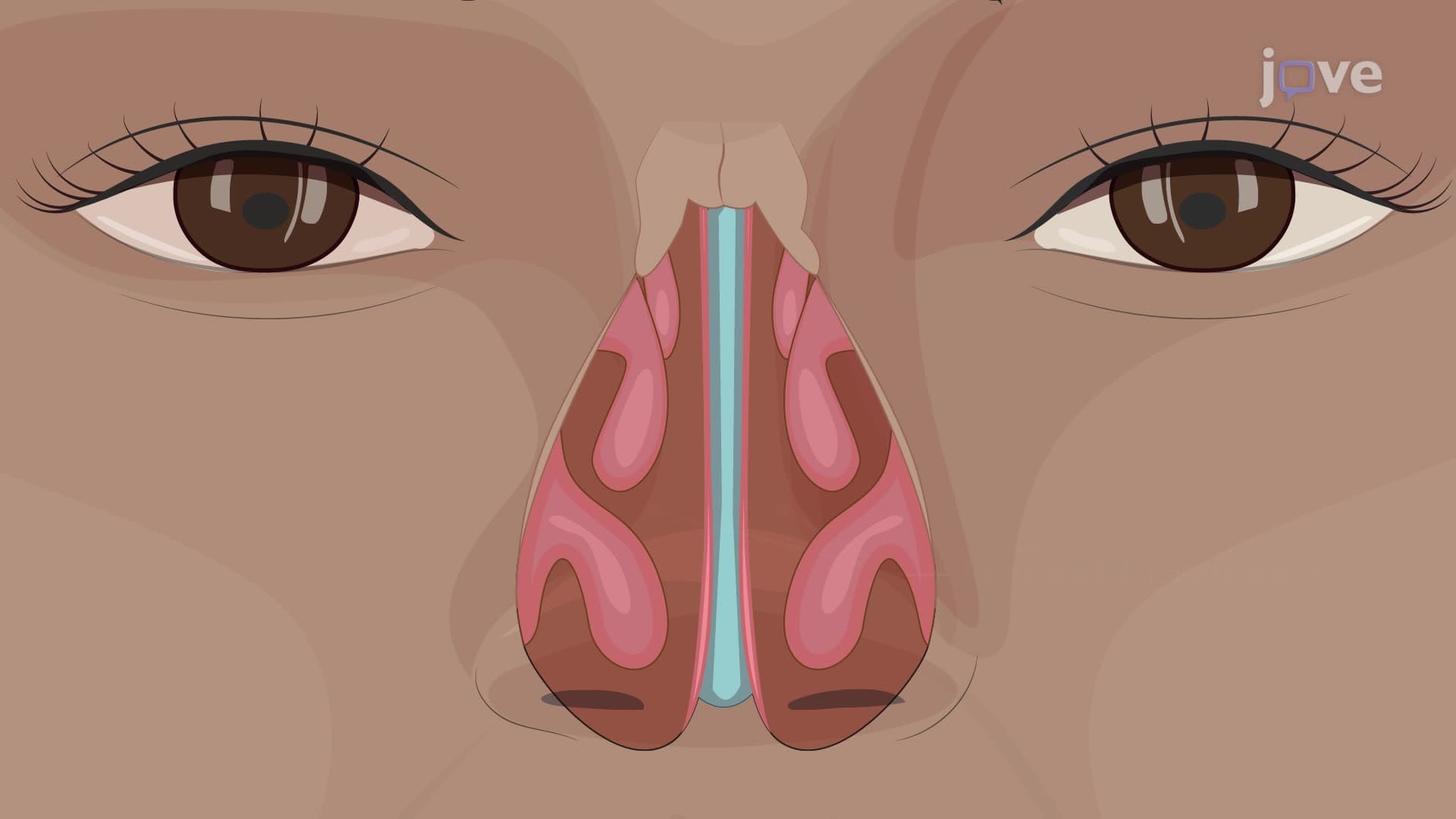

Video Summary: What Is Nose and Nasal Cavity
Ever wonder why your nose runs when it's cold outside, or why you can taste food better when you smell it first? The nose nasal cavity anatomy reveals a sophisticated filtration and warming system that processes over 20,000 breaths daily. Consider how medical students at Johns Hopkins University study this intricate structure to understand respiratory disorders like sinusitis, which affects 37 million Americans annually. What is Nose And Nasal Cavity becomes clearer when you realize it's not just a simple air tube, but a complex organ with multiple chambers, filtering mechanisms, and warming systems that prepare air for your lungs. Watch the full video on JoVE Coach to master this concept with expert-led visuals and step-by-step explanations.
The nose nasal cavity anatomy represents one of the most sophisticated air conditioning systems in the human body. Unlike a simple tube, this structure functions as a multi-stage filtration, warming, and humidification system that processes approximately 500 cubic feet of air daily. Medical students studying for the MCAT frequently encounter questions about this anatomy because it exemplifies how structure directly supports function in biological systems.
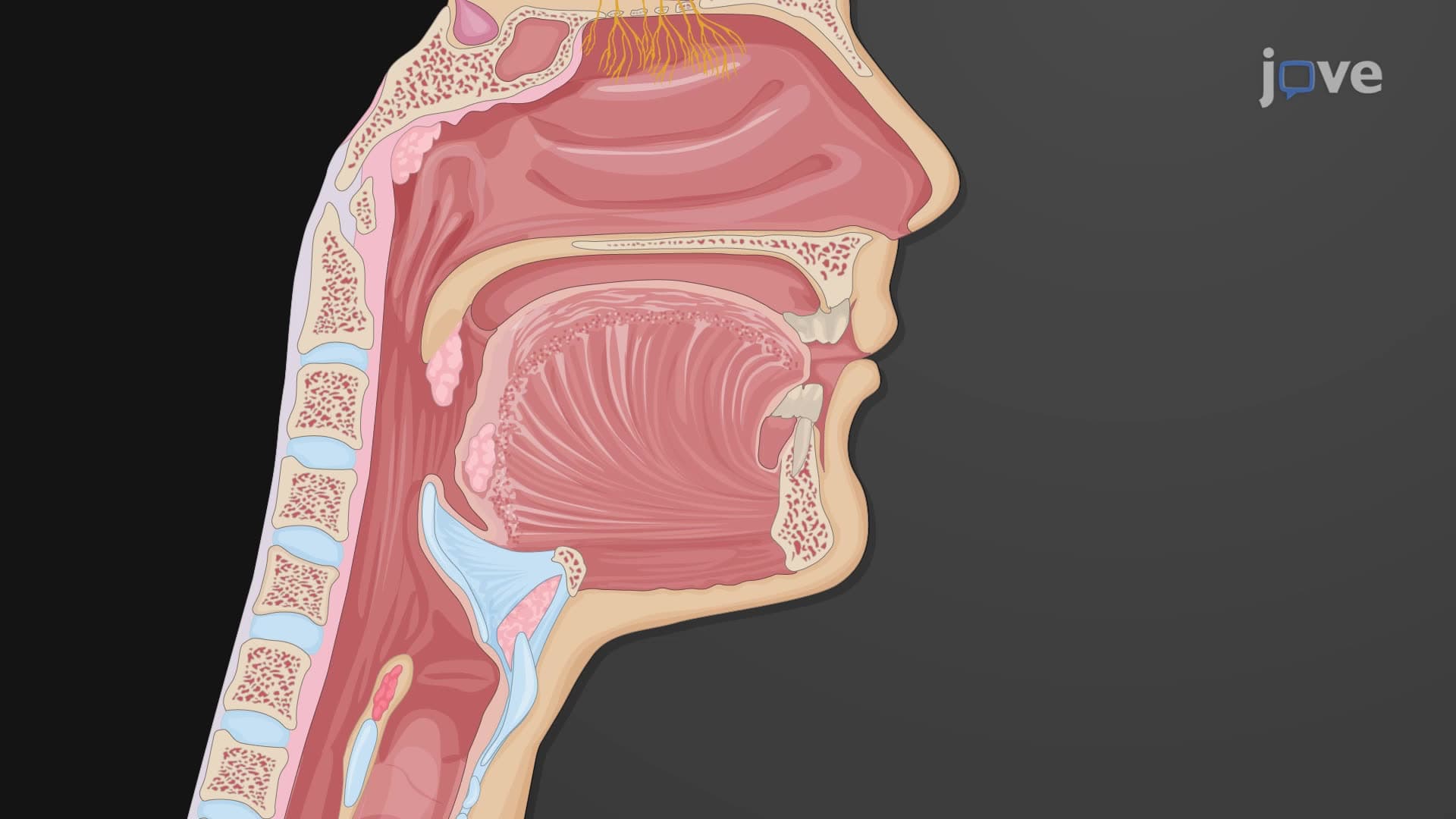
The external nose receives structural support from both bony and cartilaginous components. The frontal bone, nasal bones, and maxillae provide the rigid foundation, while flexible cartilage allows for movement and shape variation. This hybrid architecture explains why nose injuries in contact sports like football can involve either fractures (bone) or deformation (cartilage). The two nostrils, or external nares, serve as the primary entry points, each leading to a nasal vestibule lined with coarse hairs that trap larger particles-your first line of defense against environmental contaminants.
The nasal cavity structure function becomes apparent when examining its internal organization. The nasal septum divides the space into right and left chambers, though this division is rarely perfectly symmetrical in real individuals. Each chamber contains three shelf-like projections called conchae (superior, middle, and inferior), which create corresponding spaces called meatuses. This arrangement dramatically increases surface area-similar to how radiator fins maximize heat transfer. Students preparing for AP Biology exams should note how this increased surface area directly correlates with enhanced air conditioning efficiency.
The paranasal sinus nasal relationship demonstrates remarkable engineering efficiency. Four paired sinuses (frontal, ethmoid, sphenoid, and maxillary) surround the nasal cavity, lined with mucous membrane that contributes to the nasal cavity warming filtering process. These air-filled spaces not only reduce skull weight but also produce mucus that adds moisture to inspired air. The olfactory nasal mucosa in the superior region contains specialized chemoreceptors that enable smell detection-crucial information for USMLE Step 1 preparation, where students must understand both respiratory and sensory functions.
Clinical applications become evident when considering conditions like sinusitis, which affects the nasal airway anatomy and demonstrates how structural problems can impair function. Understanding these connections helps pre-med students grasp why otolaryngologists (ENT doctors) must master both anatomical detail and physiological principles when treating patients at institutions like the Mayo Clinic or Cleveland Clinic.
Related Micro-courses