Loading subject page…


84,705 views

Video Summary: What Is Overview of Respiratory System
Every breath you take involves a remarkable 23,000 daily cycles through your body's most vital transport network. Understanding the respiratory system overview biology reveals how oxygen from California's coastal air travels through specialized structures to fuel cellular processes nationwide. This intricate breathing system anatomy overview demonstrates how upper and lower respiratory tract components work together seamlessly. Watch the full video on JoVE Coach to master this concept with expert-led visuals and step-by-step explanations.
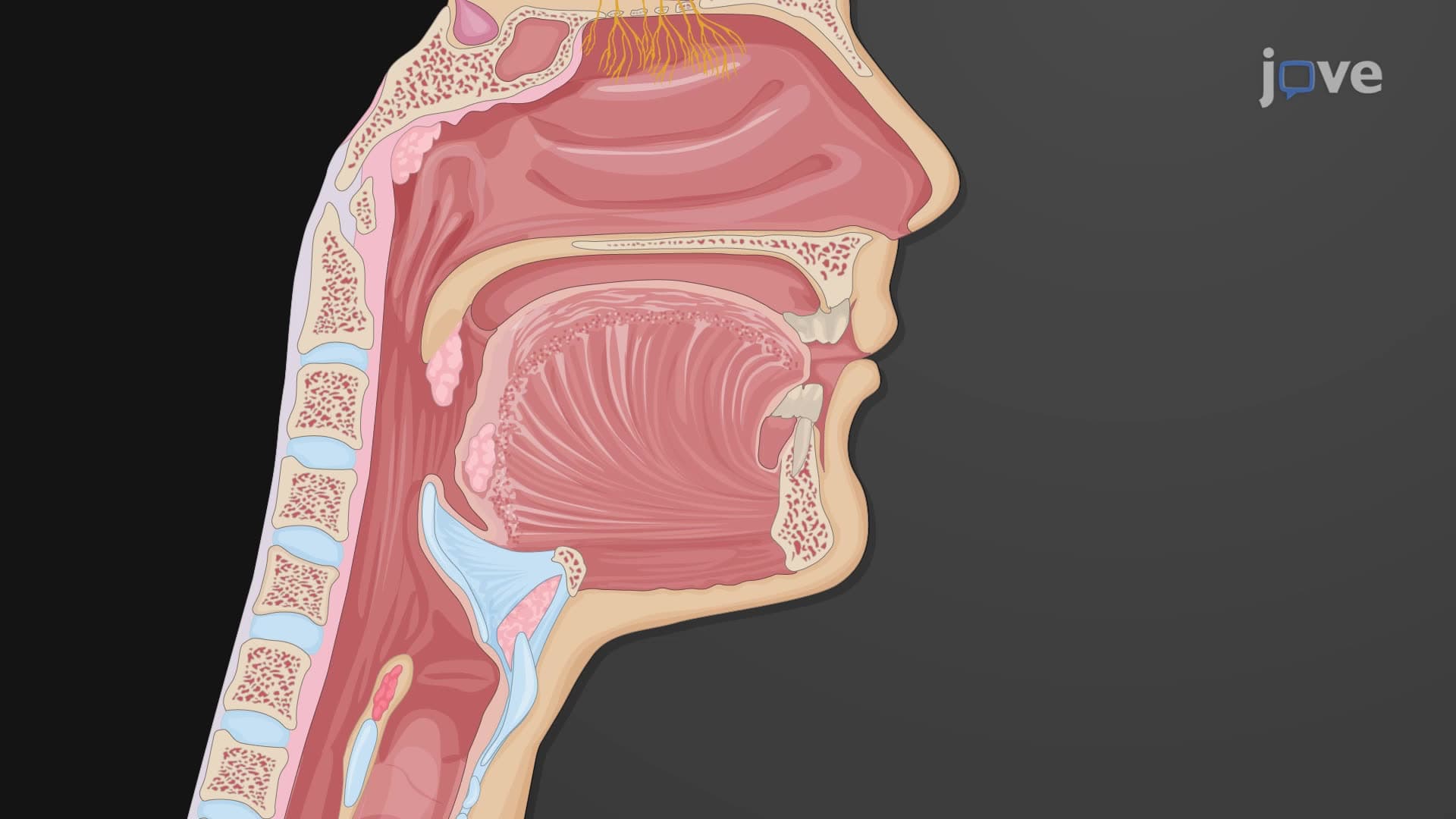
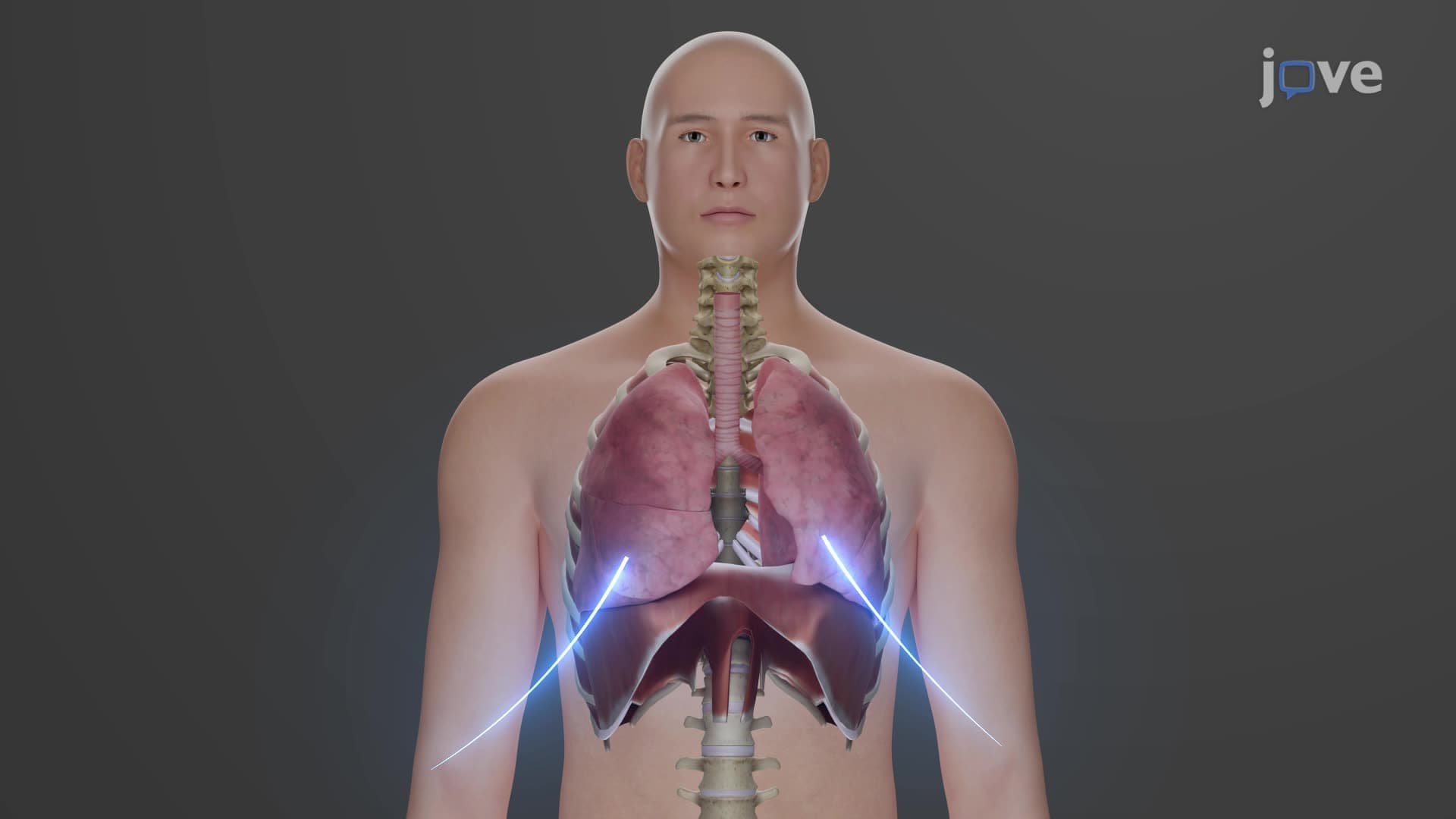
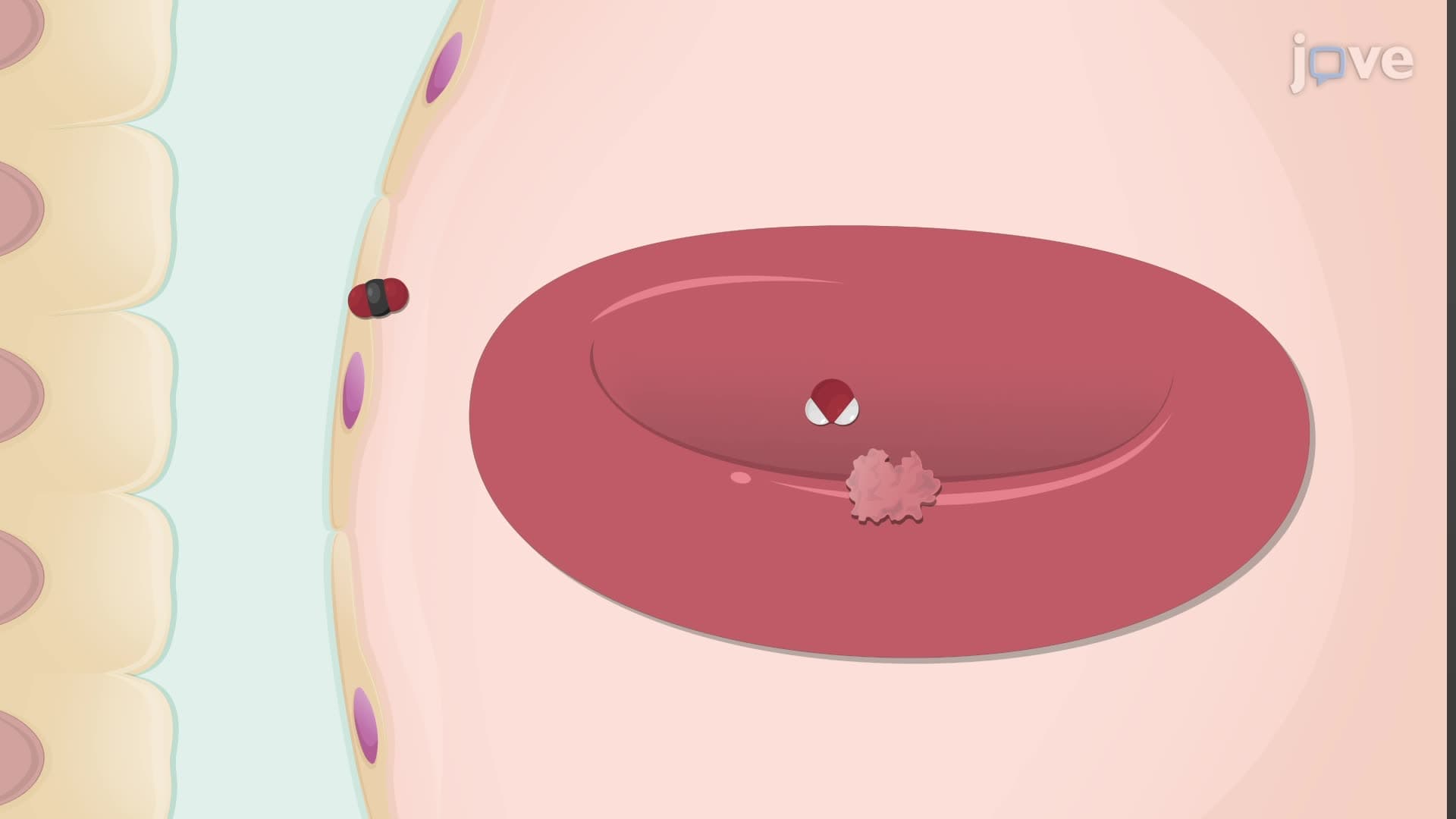
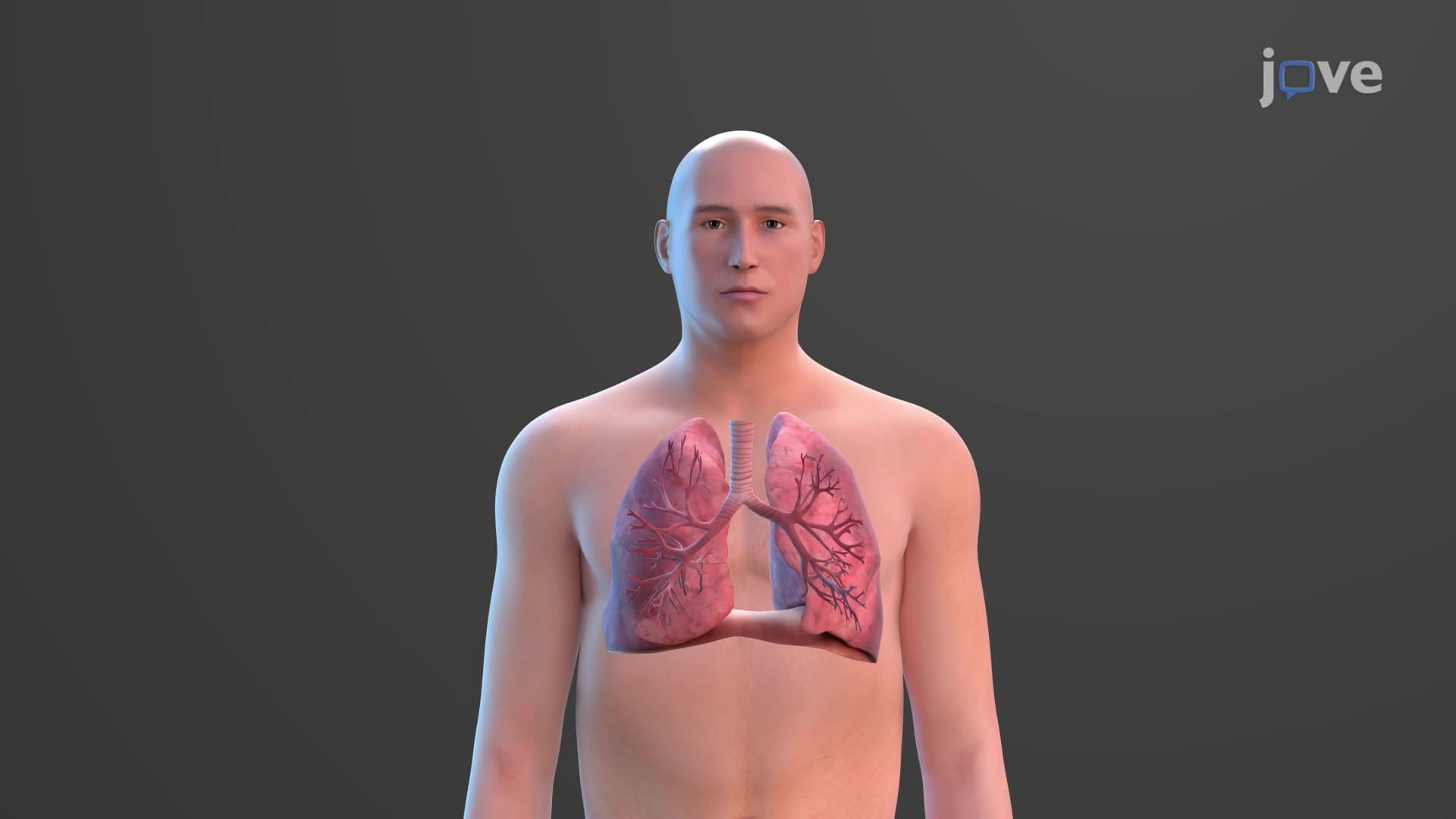
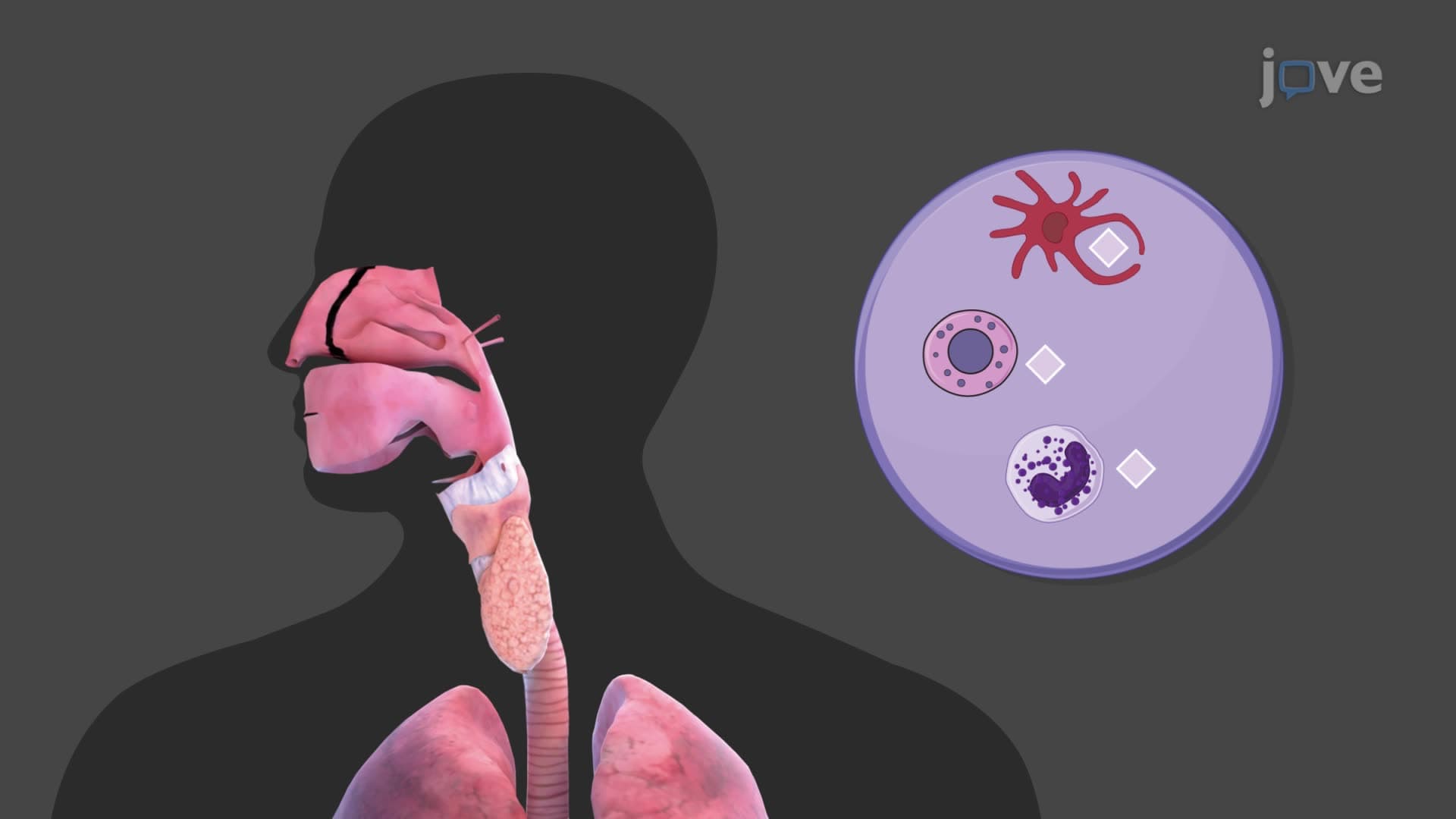
The human respiratory system represents one of biology's most elegant examples of form following function. This complex network divides into two primary regions: the upper respiratory tract (nose through pharynx) and lower respiratory tract (larynx through alveoli). Each component serves specific roles in the four-stage process of respiration: ventilation, external respiration, transport, and internal respiration.
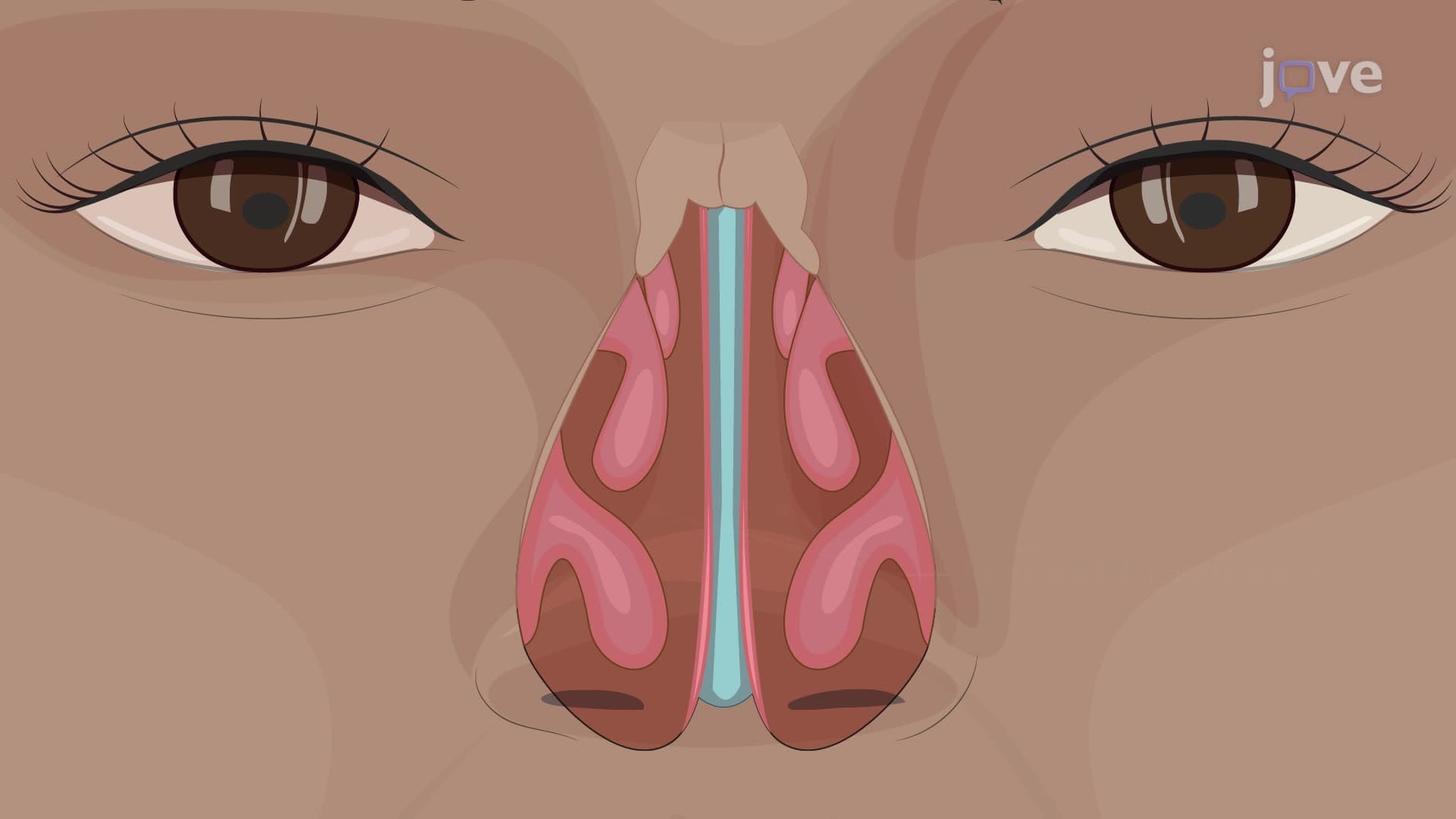
The upper respiratory system functions as your body's sophisticated air conditioning unit. The nasal cavity, lined with ciliated mucous membrane, filters particles larger than 10 micrometers-equivalent to removing dust particles from incoming air. The paranasal sinuses, including the frontal, ethmoid, sphenoid, and maxillary sinuses, reduce skull weight while providing resonance for speech. Healthcare professionals at institutions like Johns Hopkins frequently encounter sinusitis cases where these air-filled spaces become inflamed, demonstrating their clinical relevance.
The pharynx serves triple duty as a passageway for air, food, and speech production. This 5-inch muscular tube connects nasal and oral cavities to the larynx, playing crucial roles that students encounter in AP Biology exams when studying respiratory-digestive system interactions.
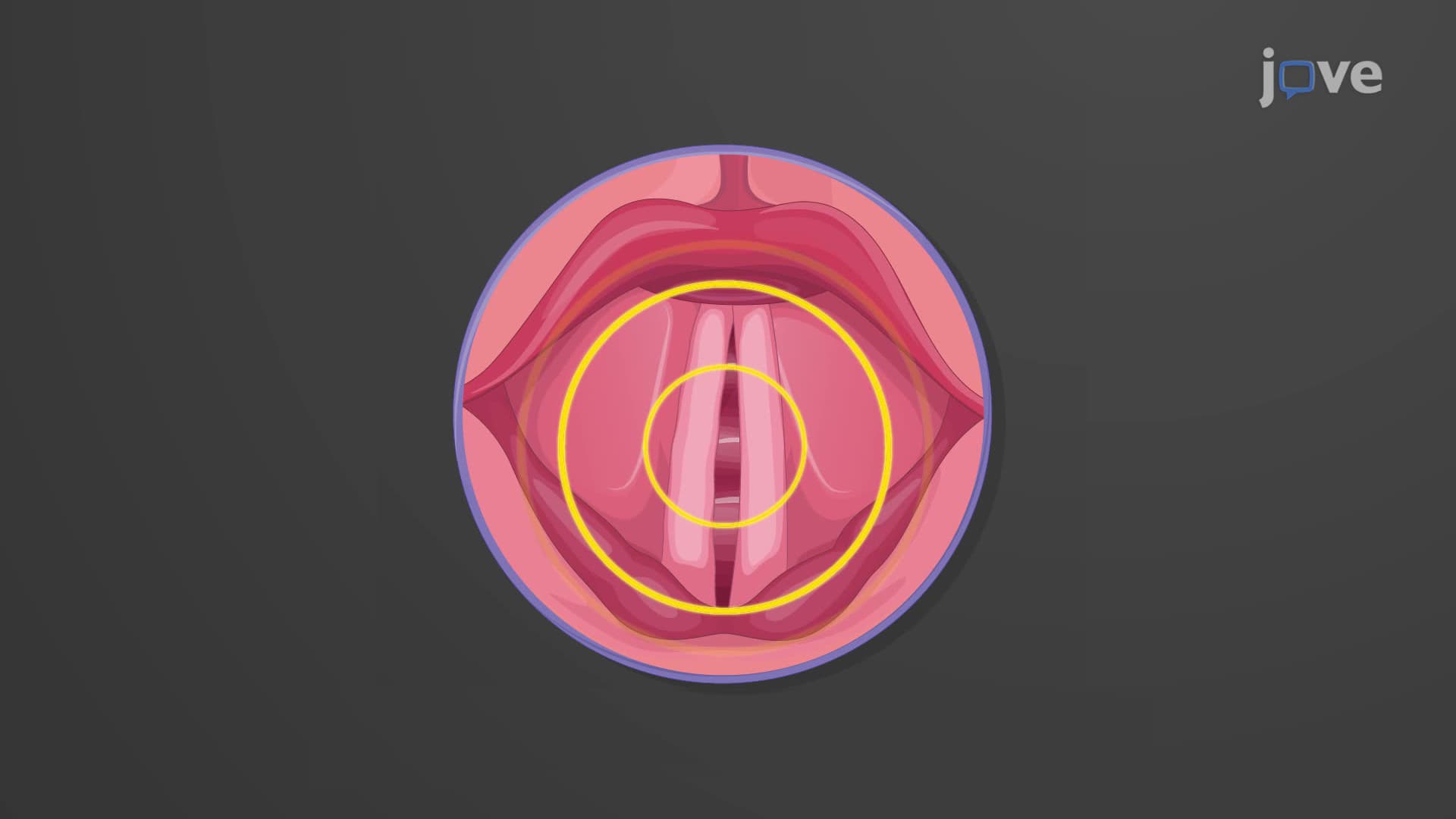
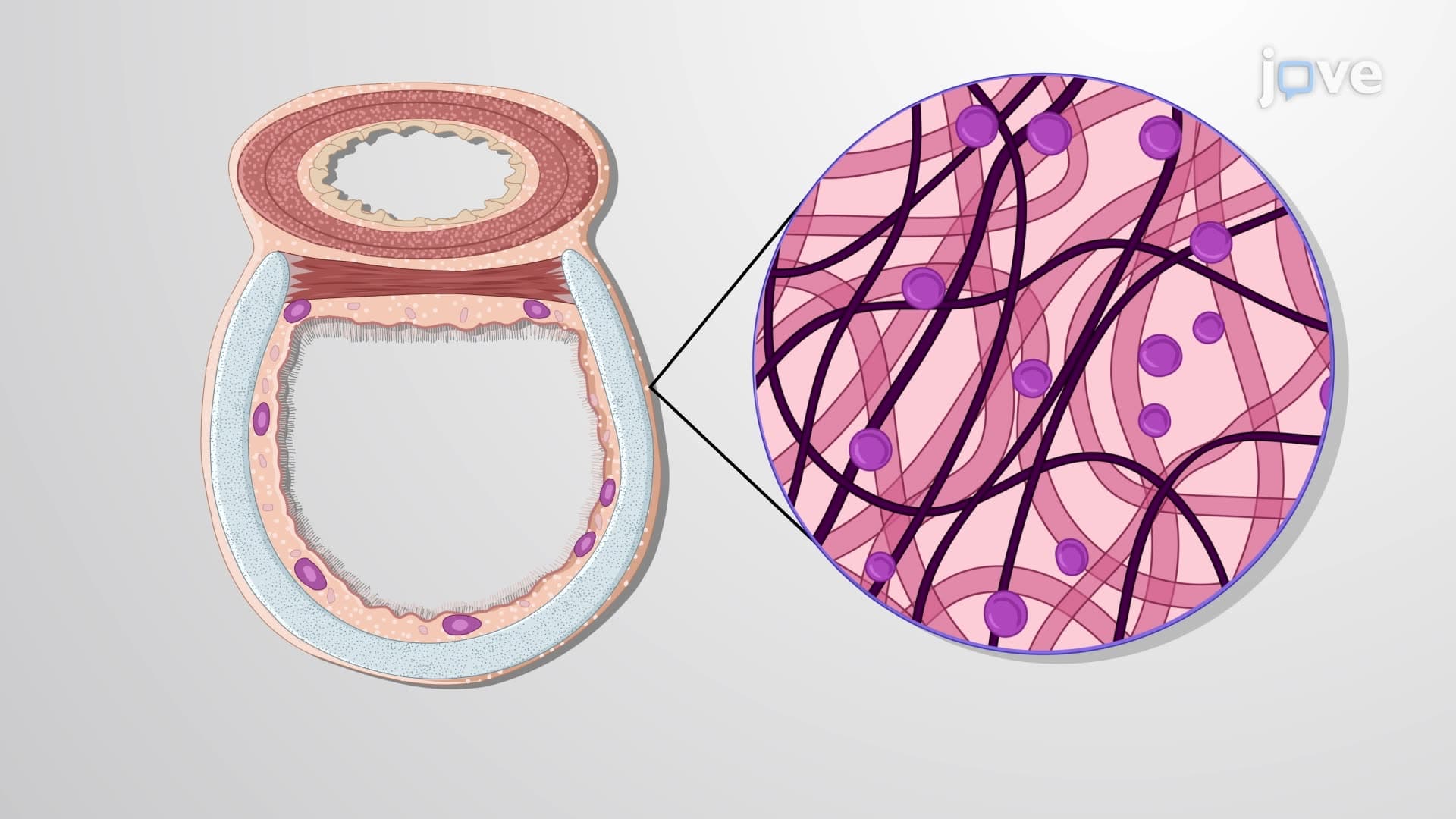
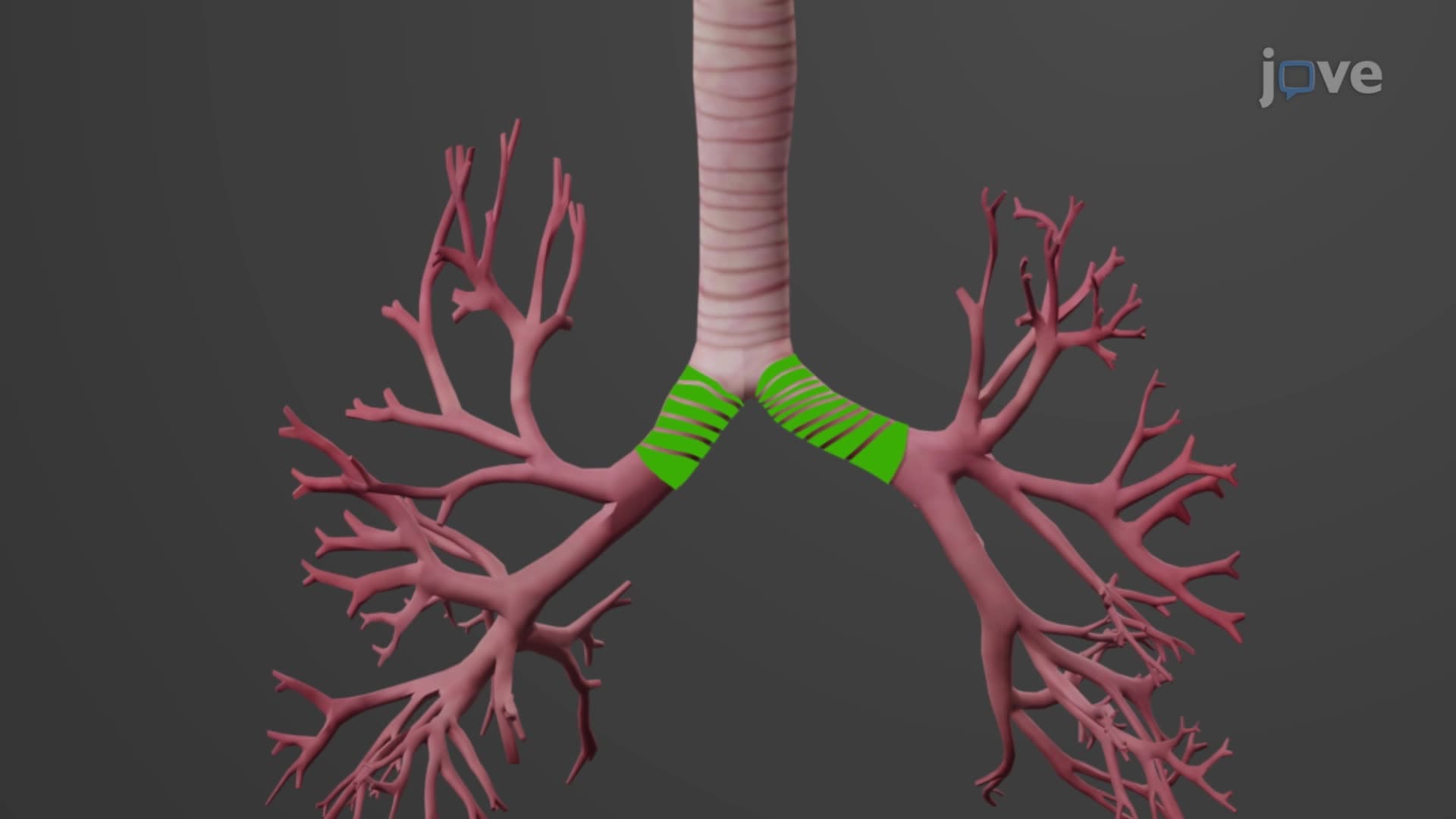
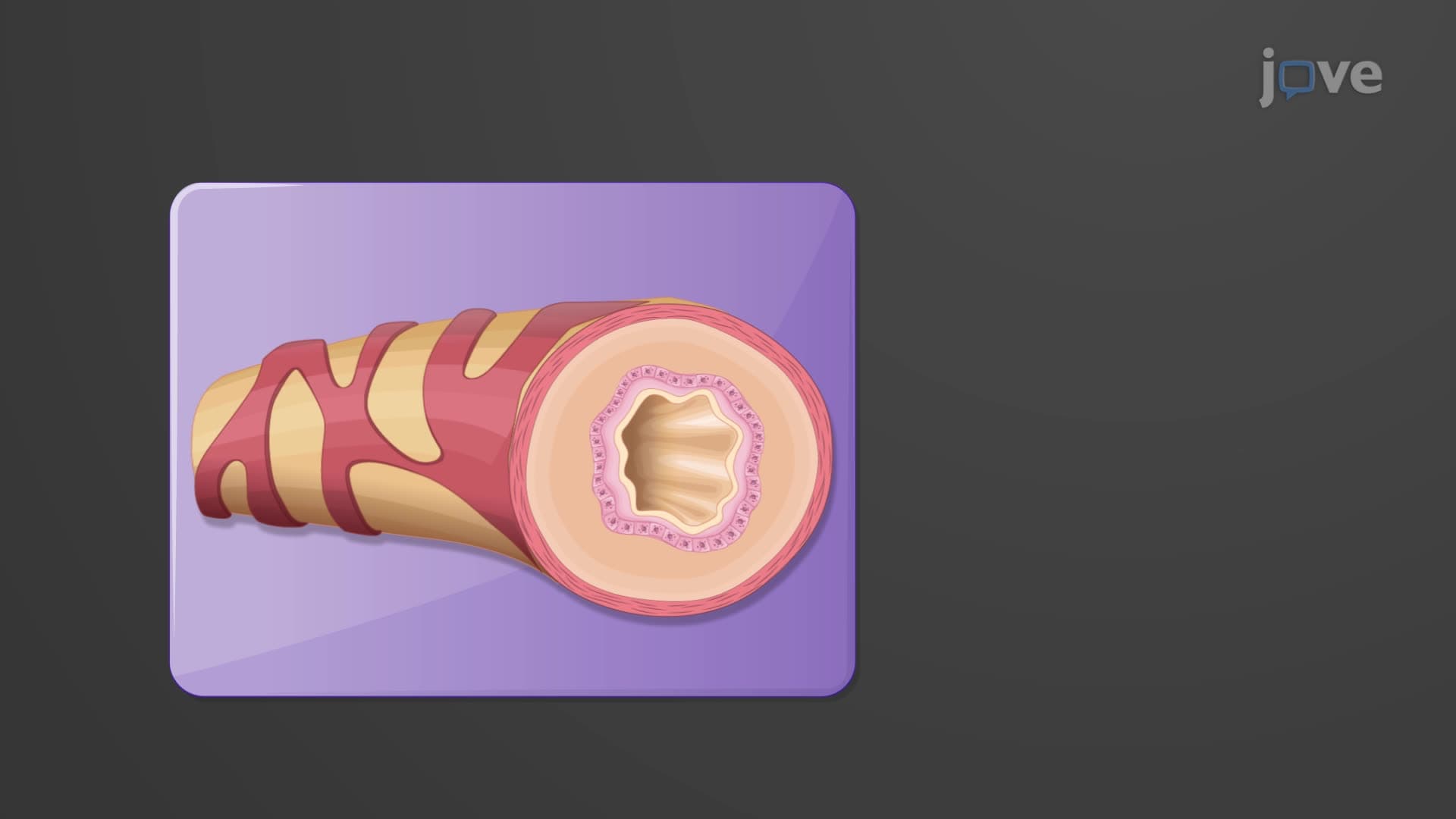
The lower respiratory system divides into conducting and respiratory zones. The conducting zone-larynx through terminal bronchioles-moves air without gas exchange. The trachea's C-shaped cartilage rings prevent collapse during inspiration, a concept frequently tested in MCAT respiratory physiology sections.
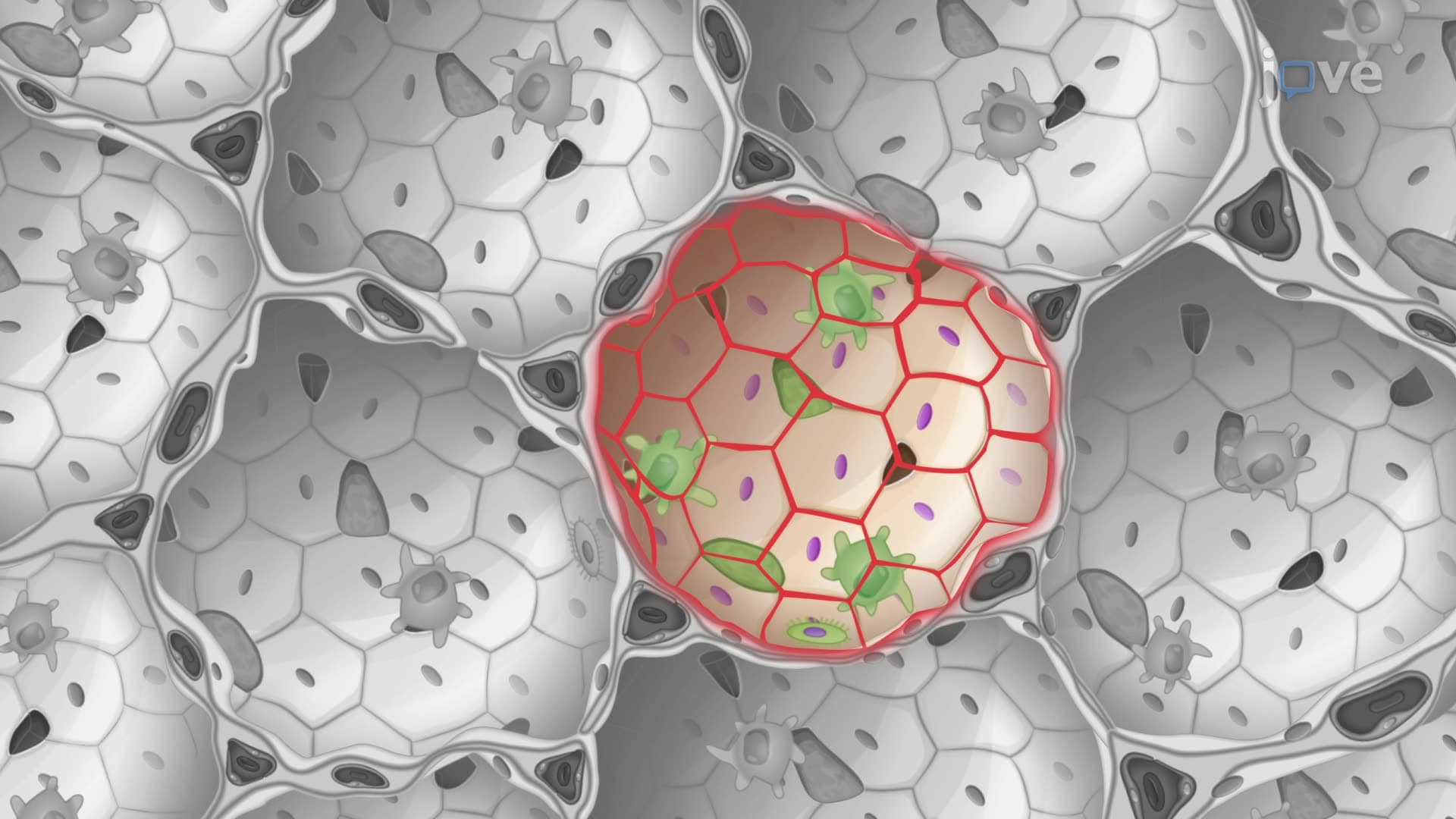
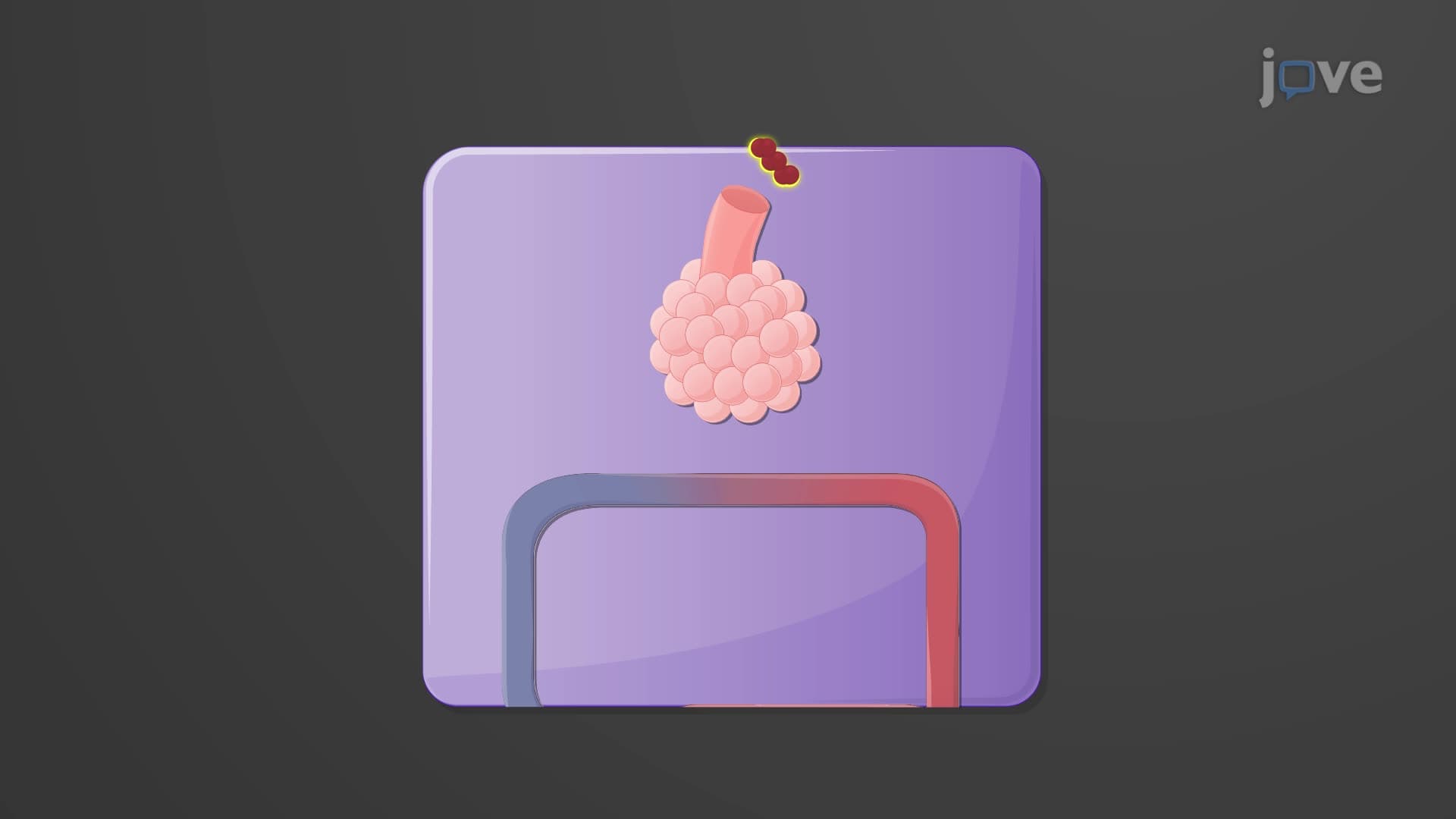
The bronchial tree demonstrates remarkable engineering: 23 generations of branching create approximately 300 million alveoli in healthy adult lungs. These grape-like clusters provide 70 square meters of surface area-roughly equivalent to a tennis court-for gas exchange. Medical students studying for USMLE Step 1 must understand how this extensive surface area enables efficient oxygen uptake and carbon dioxide removal.
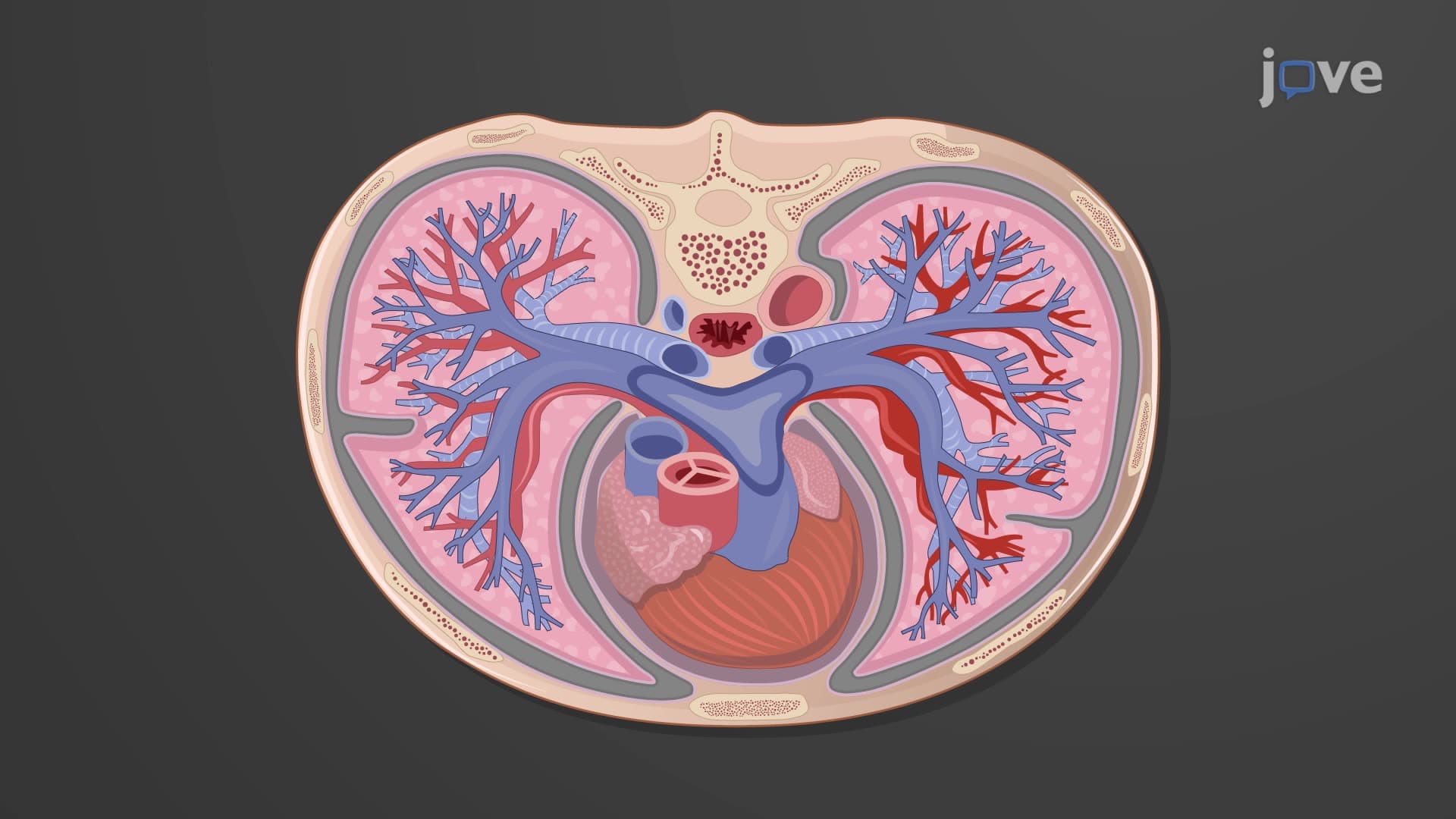
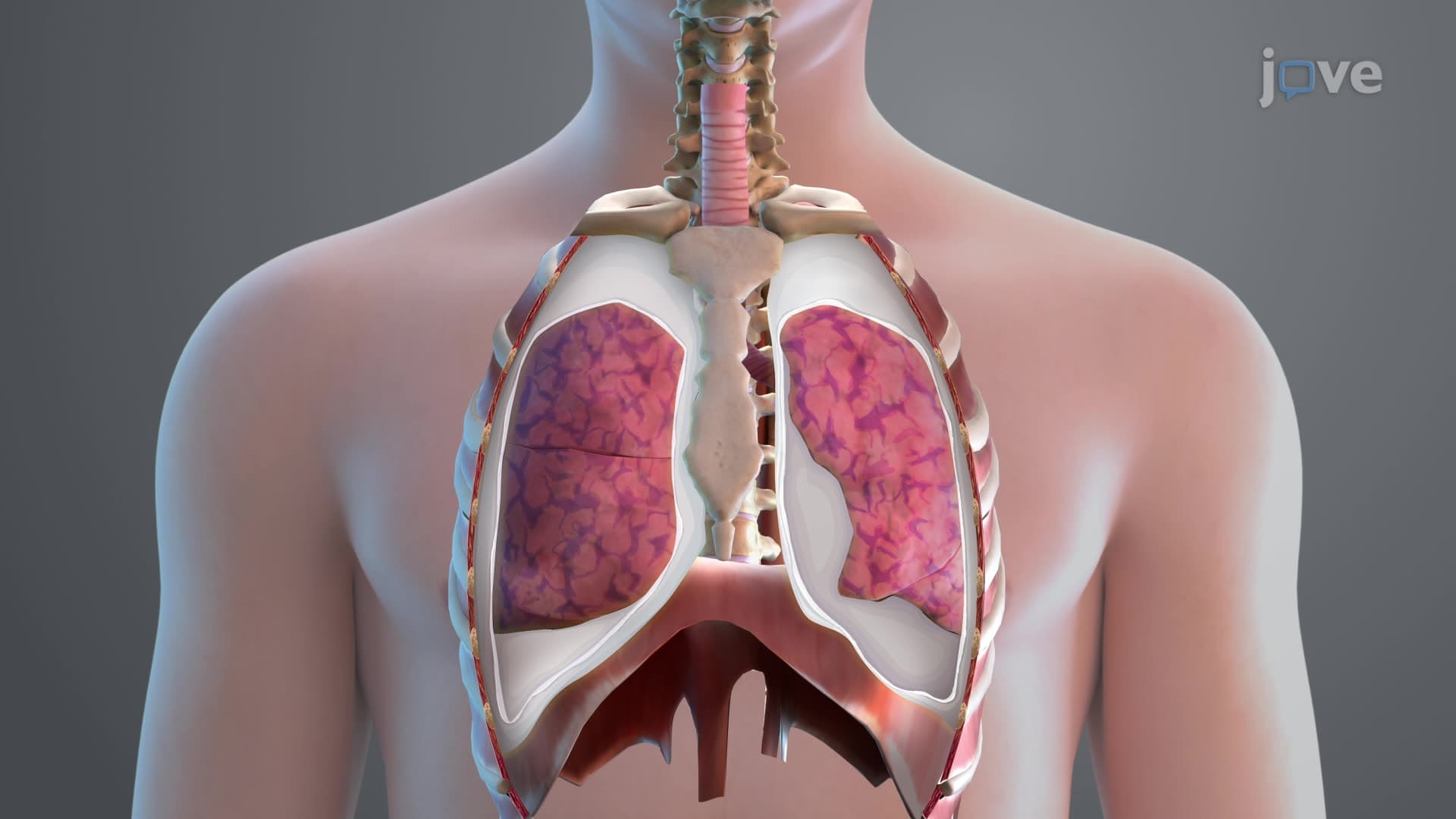
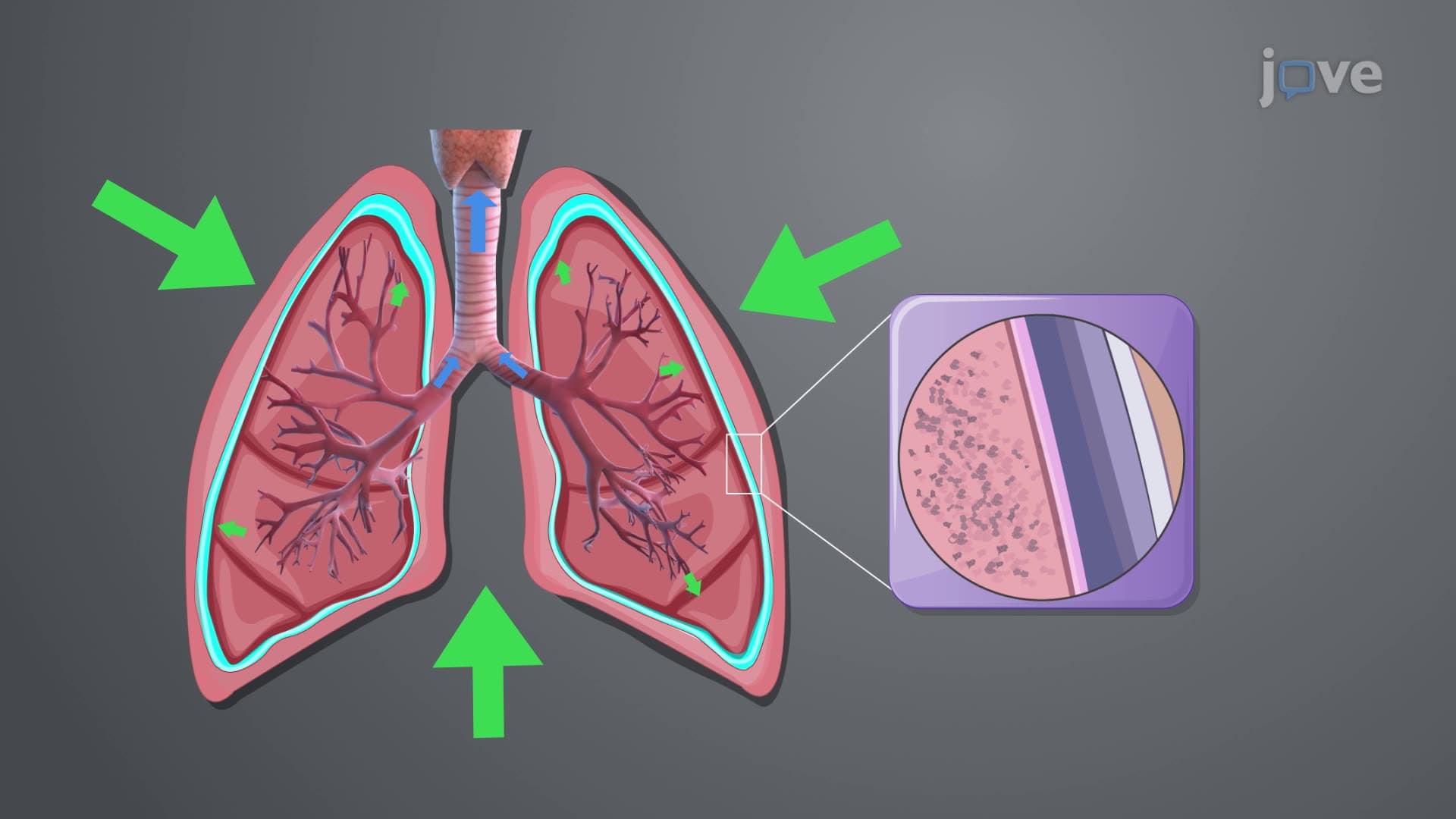
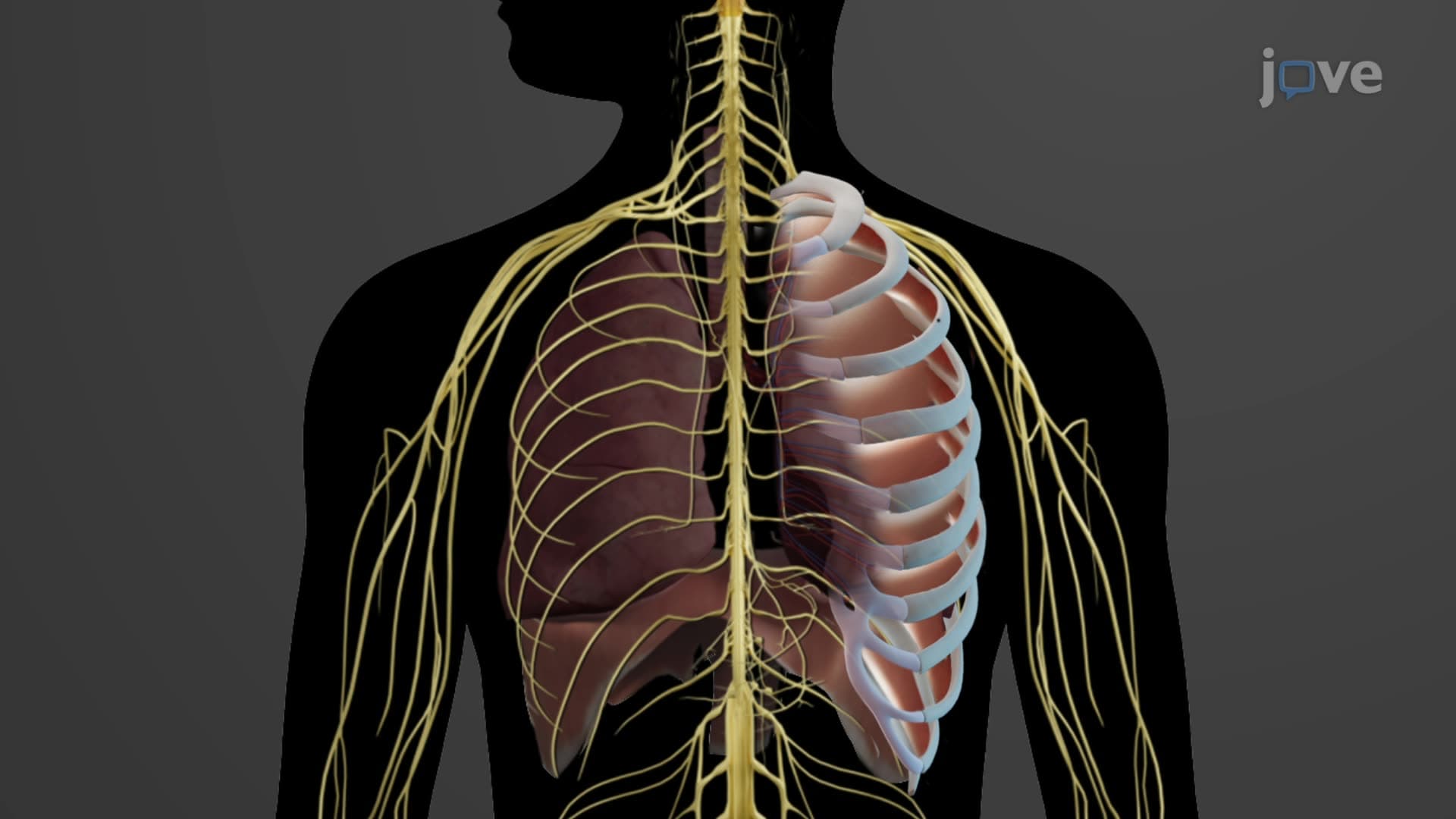
Understanding respiratory anatomy proves essential for healthcare careers. Respiratory therapists working in hospitals like Massachusetts General Hospital rely on this knowledge daily when treating patients with COPD, asthma, or pneumonia. The pleural membranes' role in maintaining negative pressure becomes critical when diagnosing conditions like pneumothorax, where air accumulates in the pleural space.
College students preparing for health professional programs should recognize how respiratory system dysfunction affects other body systems, particularly cardiovascular function-a connection emphasized in nursing school prerequisite courses and NCLEX-RN examinations.
Related Micro-courses