Loading subject page…

- Anatomy and Physiology
- The Respiratory System
- Pressure Relationships in Thoracic Cavity
Micro-course: The Respiratory System
84,701 views
Learn key concepts and earn your certificate.

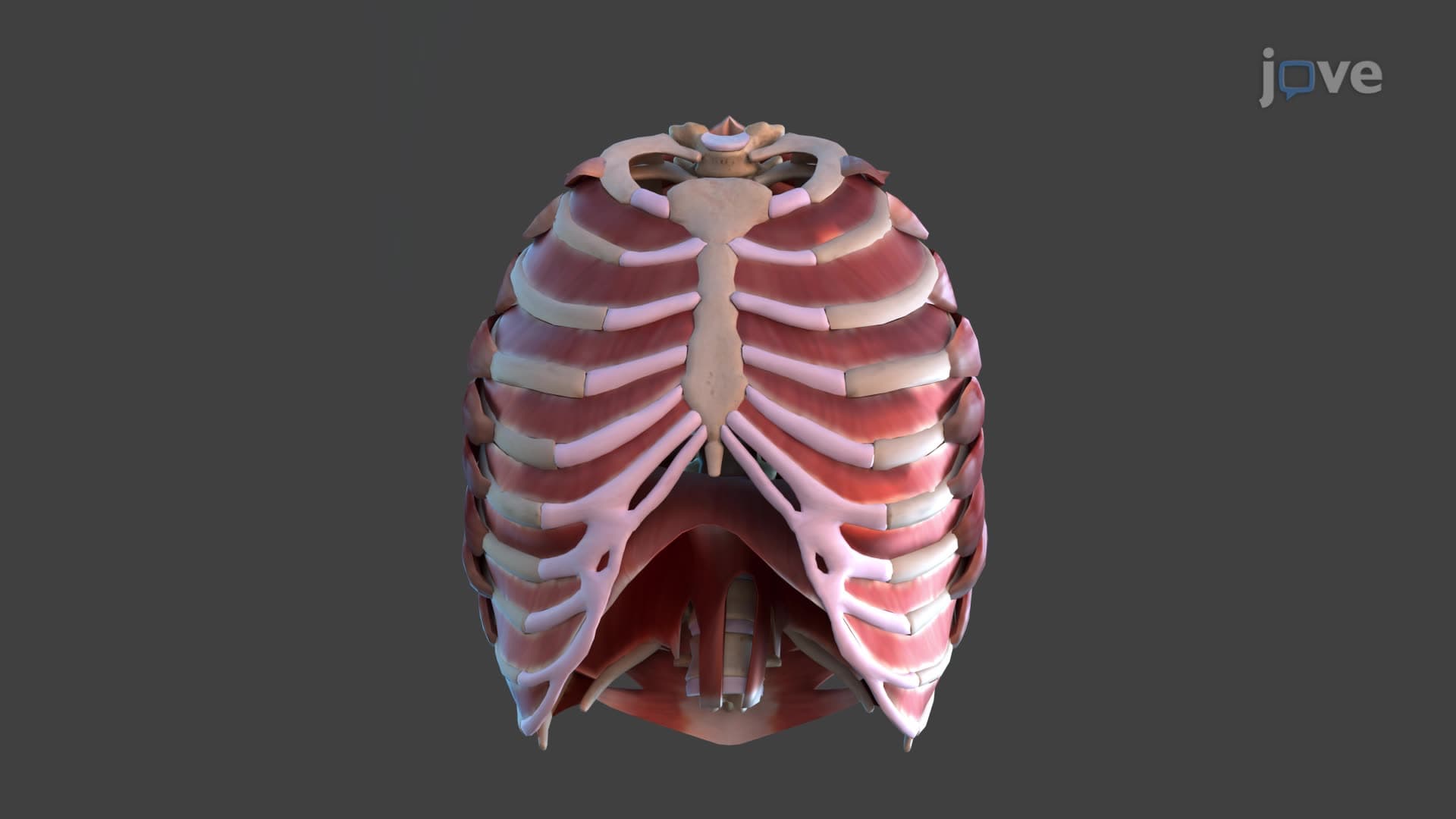
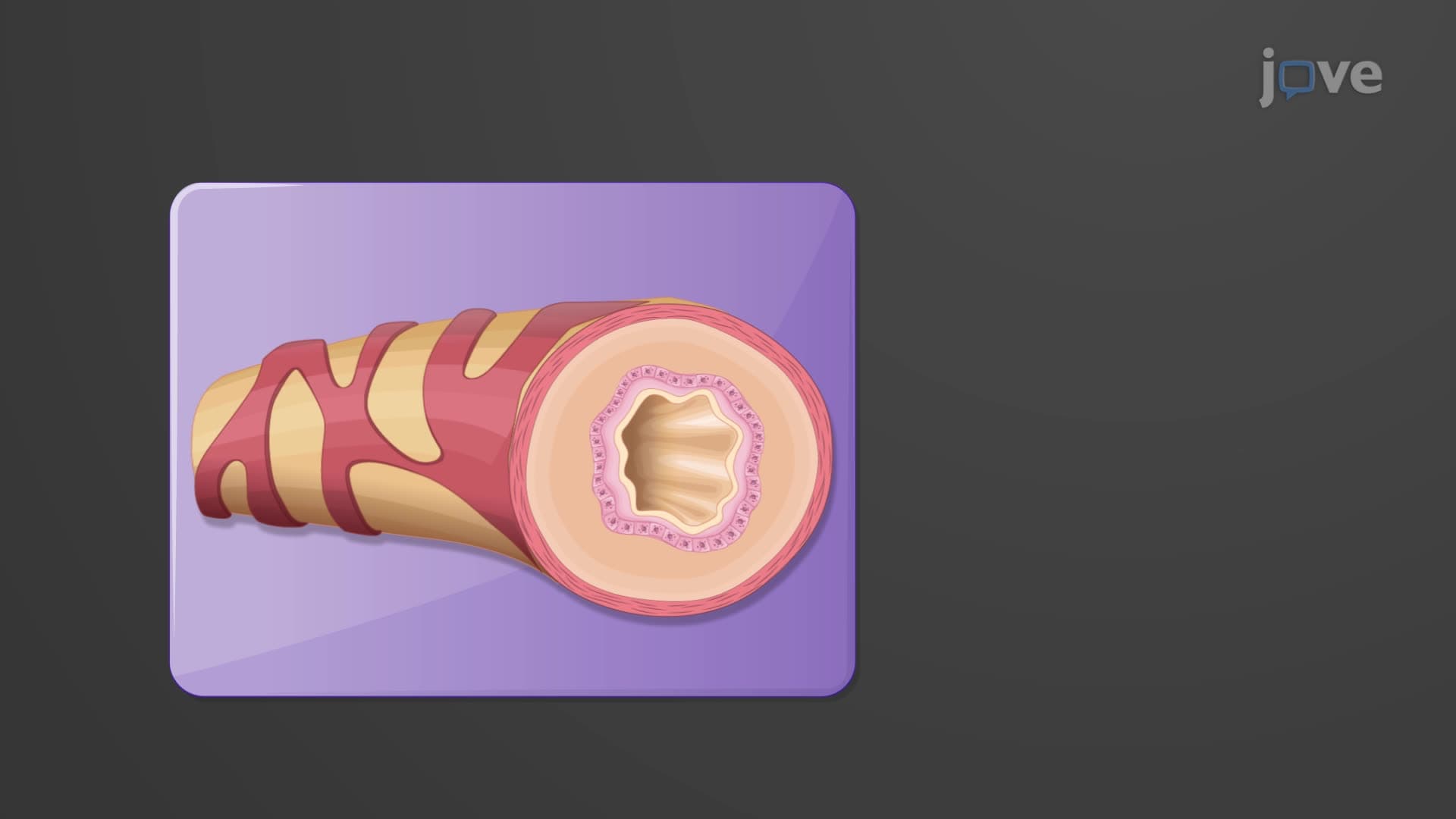
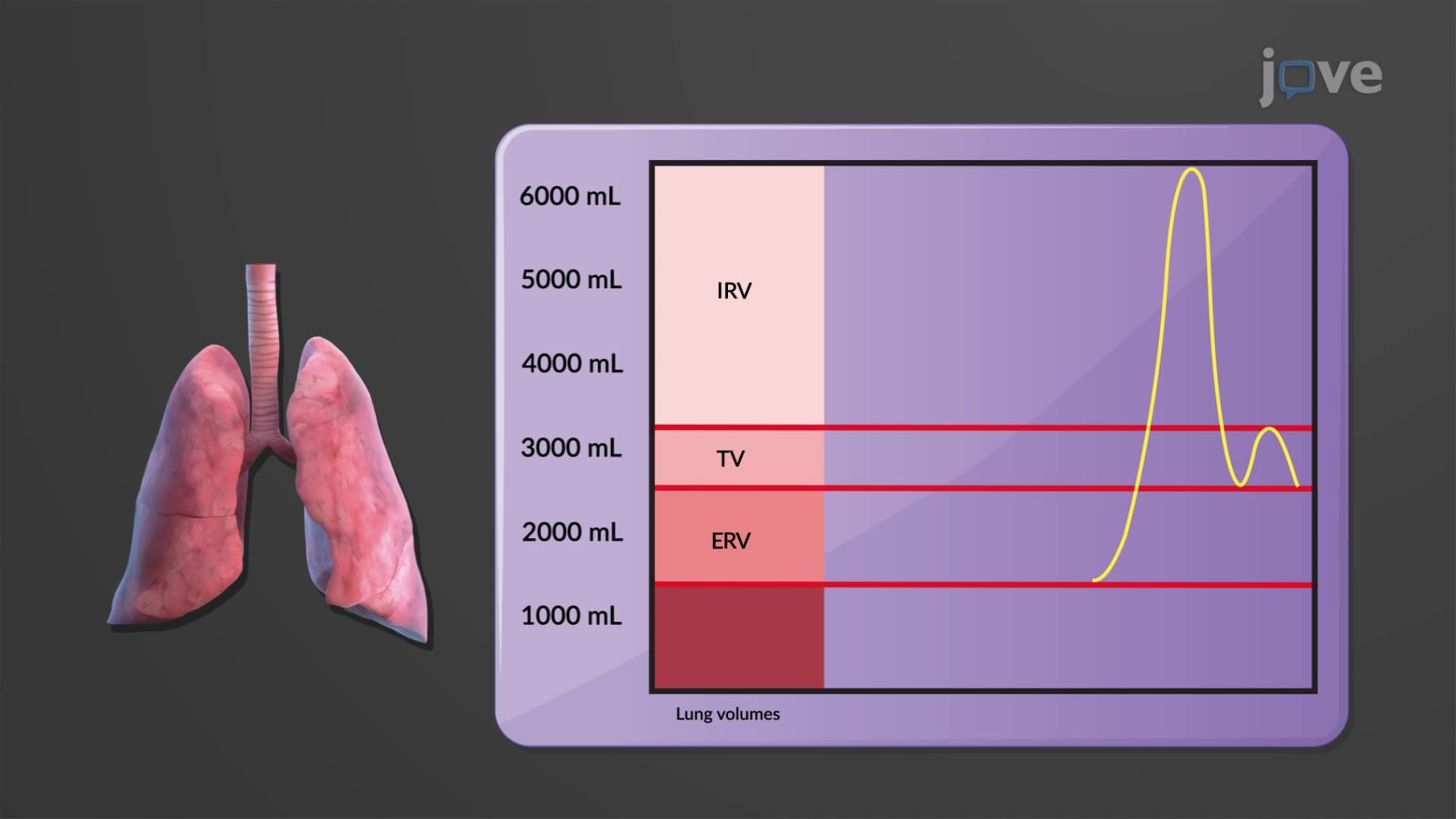
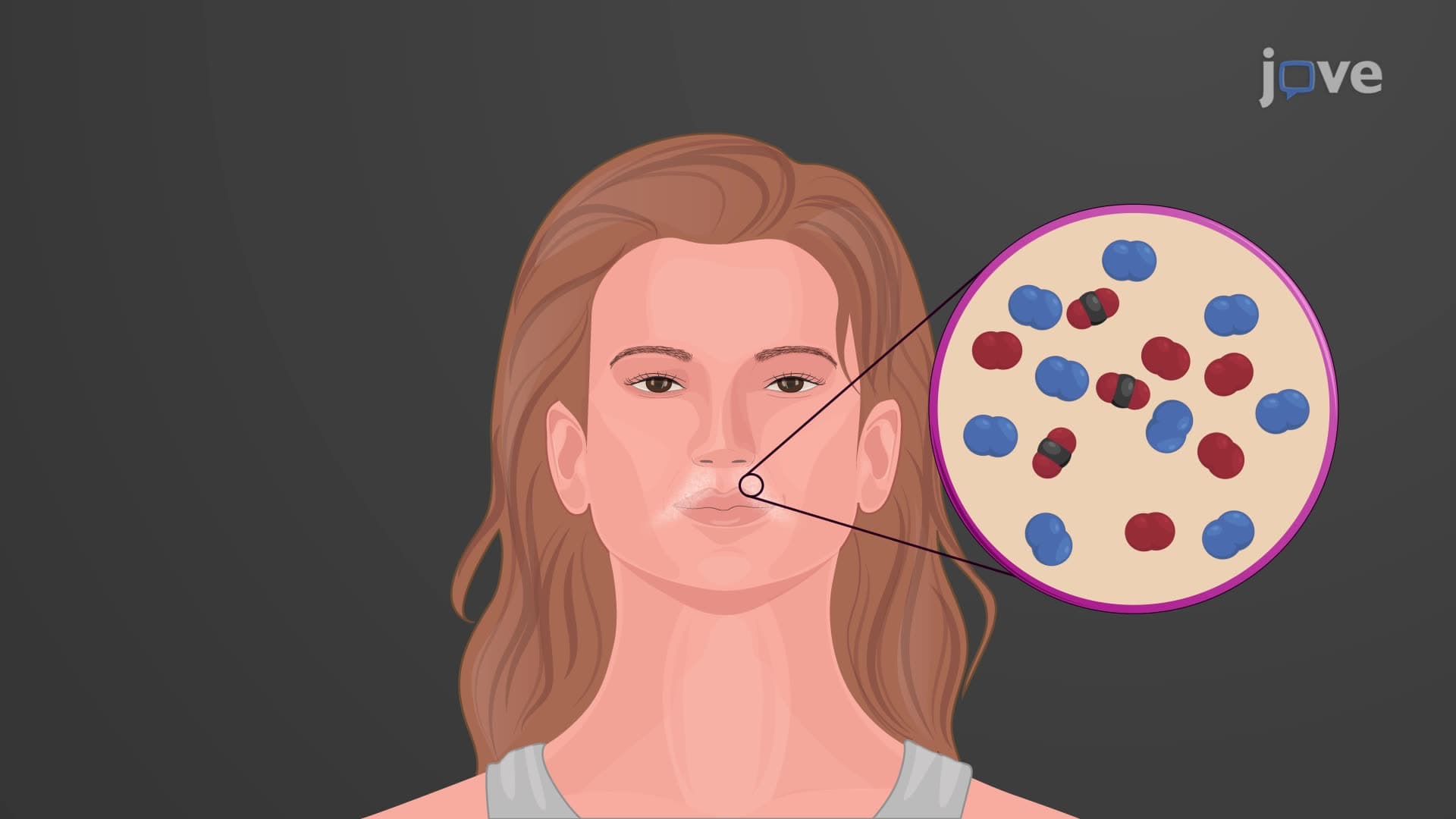



Pressure Relationships in Thoracic Cavity

00:00
01:24
Video Summary: What Is Pressure Relationships
Ever wondered why mountain climbers need oxygen masks at high altitudes while divers face completely different breathing challenges? Pressure relationships breathing dynamics explain how our respiratory system maintains life-sustaining gas exchange despite varying environmental conditions. From the emergency rooms at Johns Hopkins Hospital to high school biology labs across America, understanding what are pressure relationships reveals the intricate balance of forces that keep our lungs inflated and functional every second of every day. Watch the full video on JoVE Coach to master this concept with expert-led visuals and step-by-step explanations.
- Understand what is pressure relationships and how three distinct pressure types work together to enable breathing
- Identify the differences between intrapulmonary, intrapleural, and atmospheric pressures in respiratory physiology
- Analyze how transpulmonary pressure prevents lung collapse through pressure gradient mechanisms
- Compare normal pressure values (760 mmHg atmospheric, -4 mmHg intrapleural) with pathological conditions
- Evaluate the role of surface tension and chest wall elasticity in maintaining respiratory pressure biology explained
- Apply Boyle's law pressure volume relationships to predict breathing mechanics during inspiration and expiration
- Recognize how pressure gradient ventilation drives air movement in and out of the lungs
- Explore clinical applications of pressure relationships in mechanical ventilation and respiratory disorders
Understanding Pressure Relationships in Respiratory Physiology
What is pressure relationships in breathing represents one of the most elegant examples of physics applied to human biology. The respiratory system operates through a sophisticated interplay of three pressure systems that work continuously to sustain life. These pressure relationships breathing mechanics form the foundation for understanding both normal respiration and respiratory pathology taught in AP Biology, college physiology courses, and medical school curricula across the United States.
The Three Critical Pressures: A Detailed Analysis
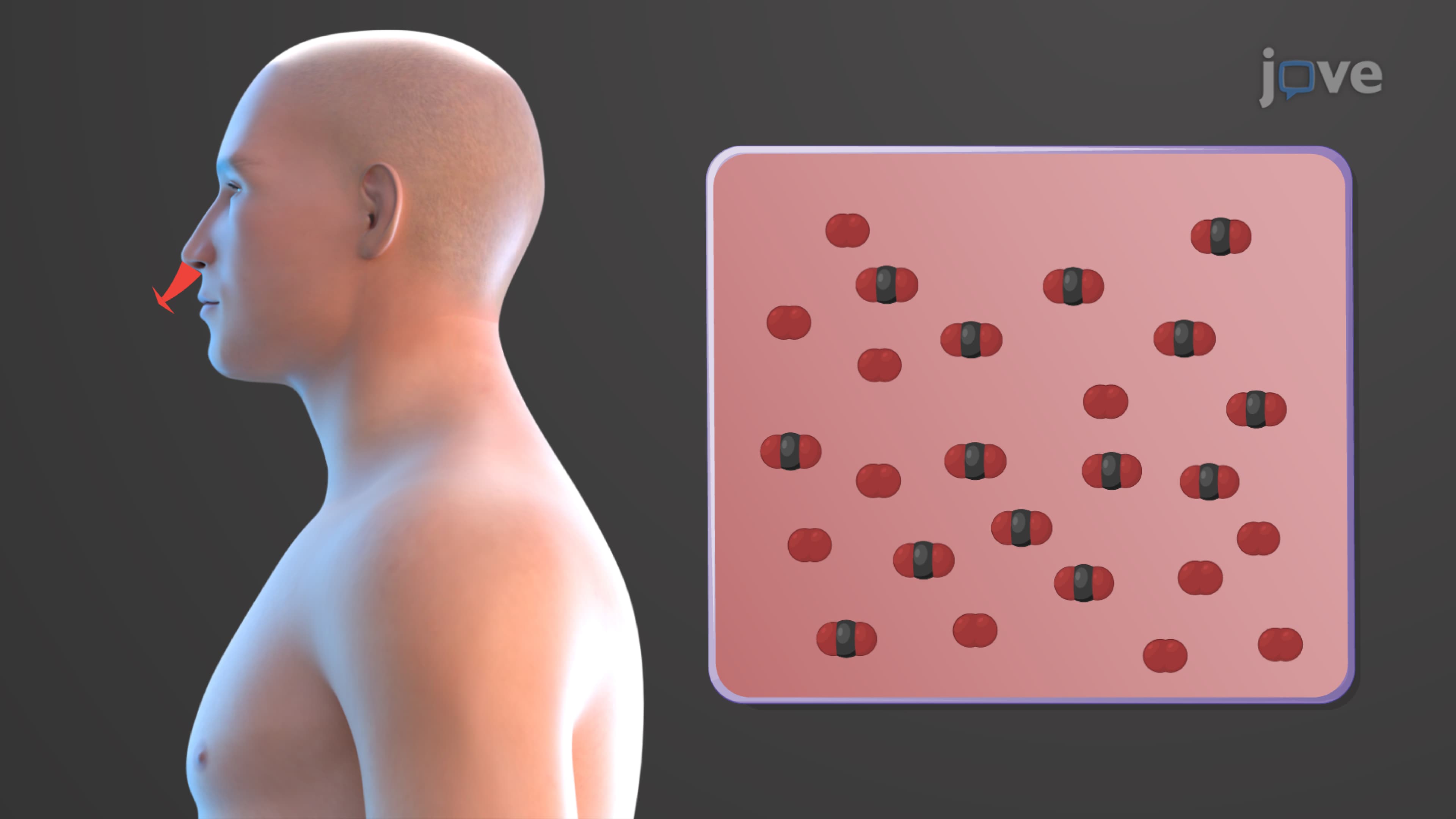
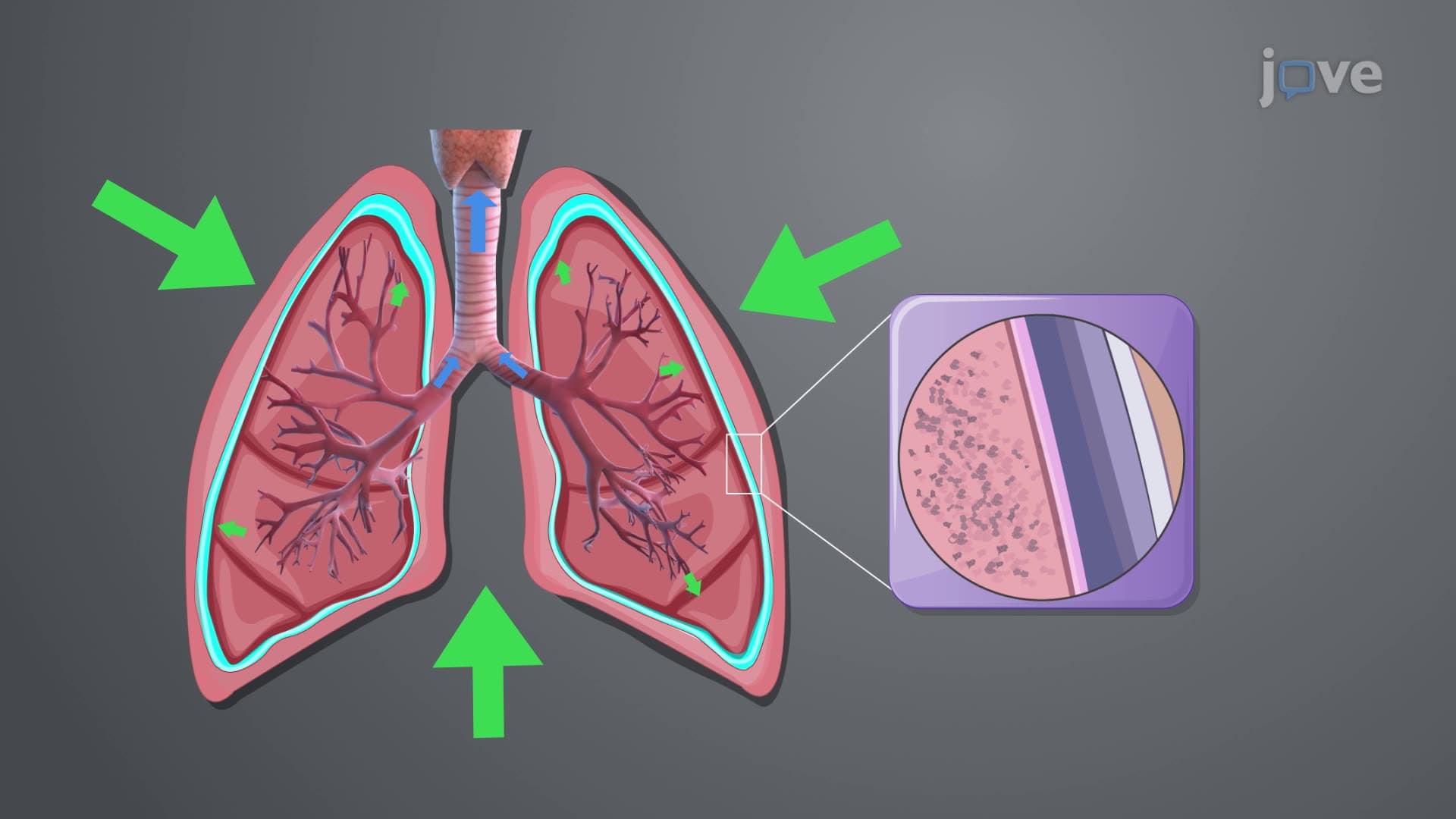
Atmospheric pressure serves as our reference point, measuring 760 mmHg at sea level-equivalent to one atmosphere. This pressure decreases with altitude, explaining why Denver's National Jewish Health respiratory hospital sees unique challenges compared to coastal medical centers. Intrapulmonary pressure (alveolar pressure) represents the pressure within the lung's air sacs, fluctuating during each breath cycle but ultimately equalizing with atmospheric pressure when no air flows.
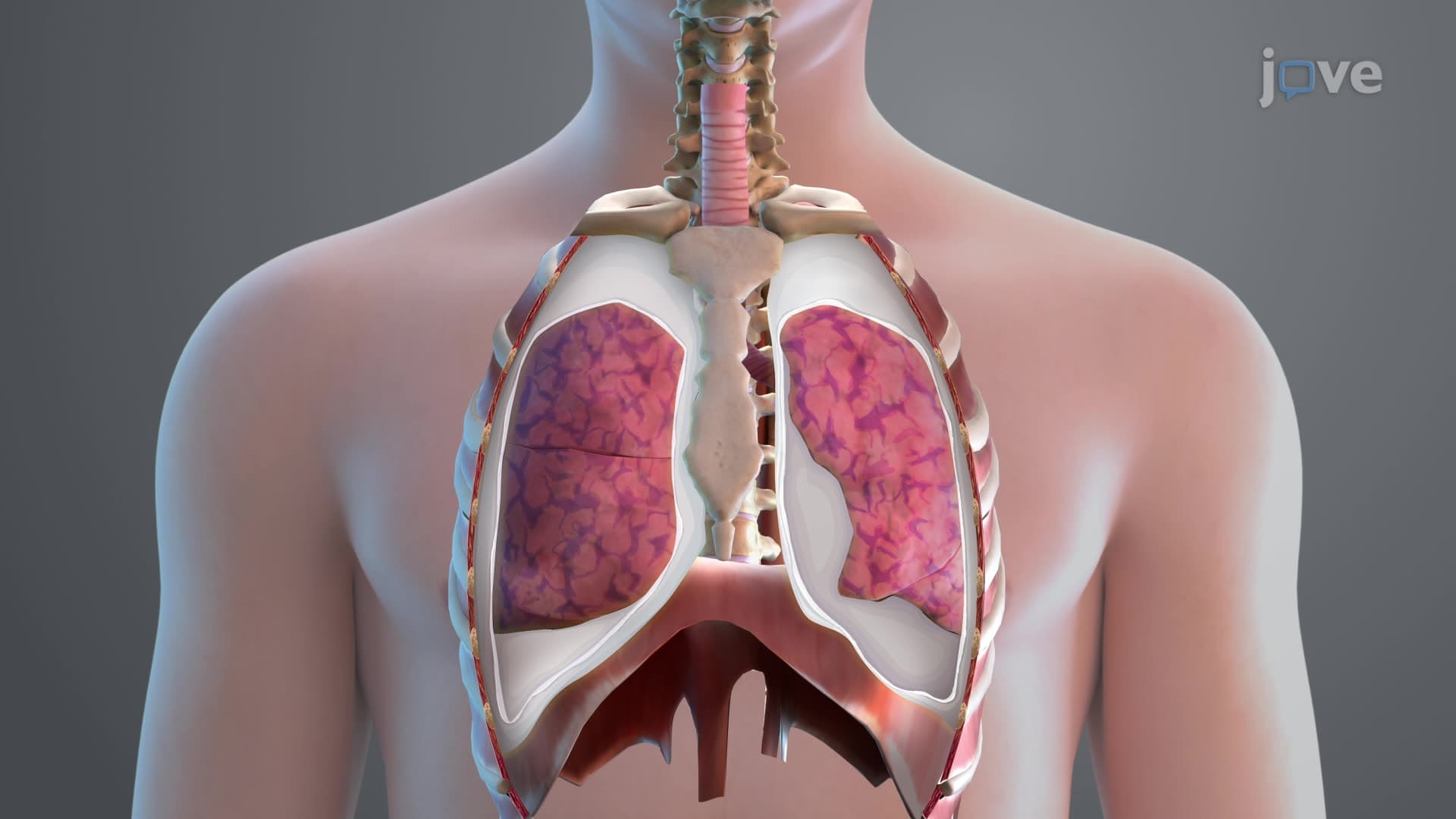
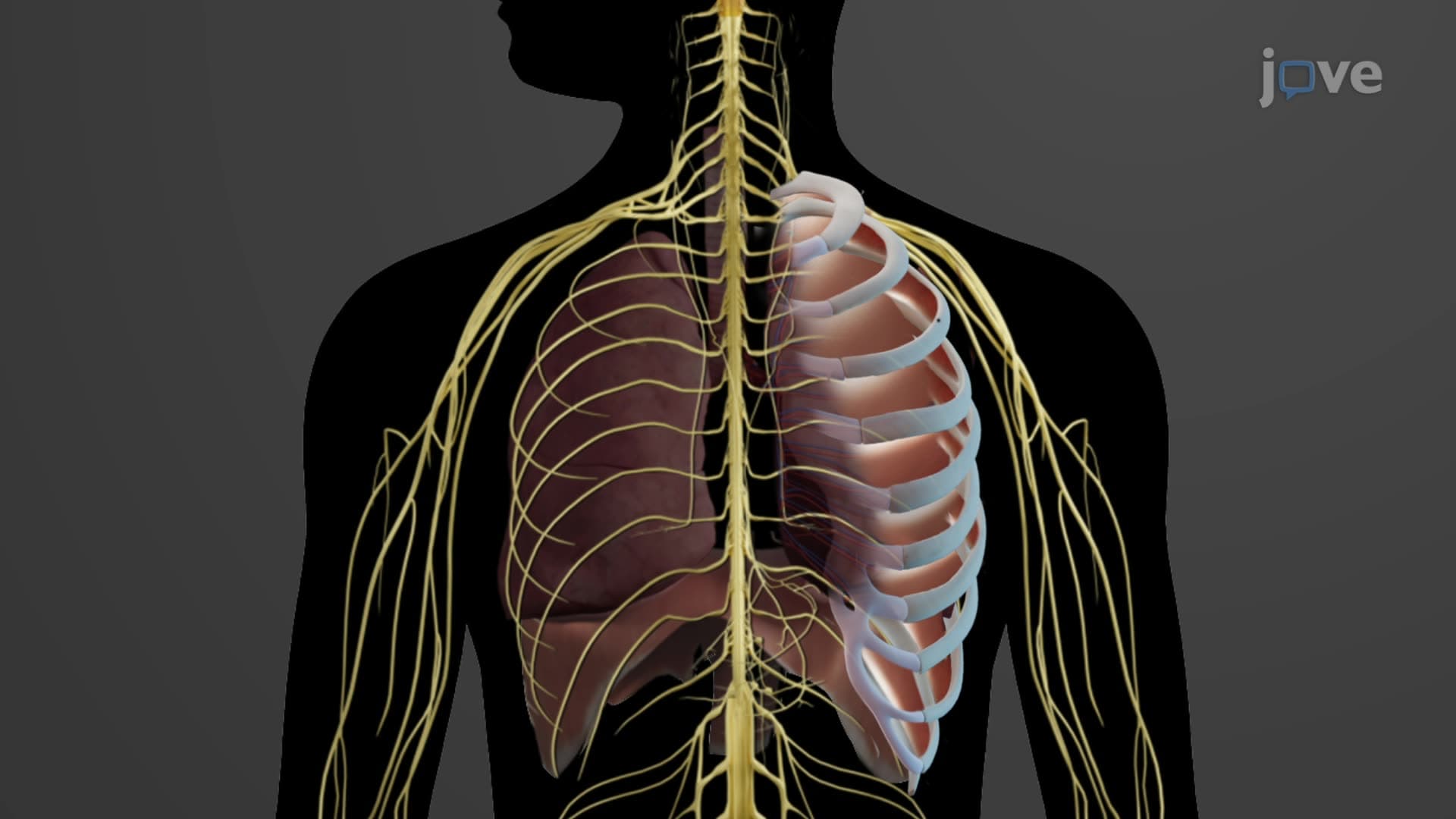
The most critical component, intrapleural pressure, normally measures -4 mmHg relative to atmospheric pressure. This negative pressure results from opposing forces: the lungs' natural elastic recoil and surface tension pulling inward, while chest wall elasticity pulls outward. The pleural membranes' adhesive properties create a sealed system that maintains this pressure differential-essential knowledge for MCAT respiratory physiology sections.
Transpulmonary Pressure: The Key to Lung Inflation
Transpulmonary pressure, calculated as intrapulmonary pressure minus intrapleural pressure, typically measures +4 mmHg during quiet breathing. This pressure gradient prevents alveolar collapse by counteracting the lungs' tendency to recoil. Understanding this concept proves crucial for nursing students preparing for NCLEX-RN exams and medical students tackling USMLE Step 1 respiratory questions.
When transpulmonary pressure increases, lung inflation improves-a principle applied in positive pressure ventilation used in intensive care units at major medical centers like Massachusetts General Hospital and Cleveland Clinic. Conversely, conditions like pneumothorax eliminate this pressure gradient, causing lung collapse and requiring immediate medical intervention.
Clinical Applications and Real-World Relevance
These pressure relationships breathing concepts extend beyond textbooks into clinical practice. Respiratory therapists at leading hospitals use these principles when calibrating mechanical ventilators, while pulmonologists apply pressure relationship knowledge when diagnosing restrictive lung diseases. Understanding Boyle's law pressure volume relationships helps explain why emphysema patients struggle with expiration-their damaged alveoli lose elastic recoil, reducing the driving pressure for air movement.
Frequently Asked Questions
Pressure relationships breathing involves three interconnected pressures that enable lung function: atmospheric (760 mmHg), intrapulmonary (varies with breathing), and intrapleural (-4 mmHg). These pressure gradients drive air movement and prevent lung collapse. Understanding these relationships helps explain normal breathing mechanics and respiratory disorders, making this concept essential for students pursuing healthcare careers or advanced biology studies.
MCAT questions often test transpulmonary pressure calculations and pathophysiology scenarios like pneumothorax. AP Biology exams focus on pressure gradient mechanisms and Boyle's law applications in breathing. Expect questions comparing pressure values during inspiration versus expiration, or analyzing how altitude changes affect respiratory pressure relationships.
NCLEX questions emphasize clinical applications, particularly recognizing signs of pneumothorax (loss of negative intrapleural pressure) and understanding mechanical ventilation principles. HESI A2 and TEAS exams test basic pressure gradient concepts and normal pressure values. Focus on how pressure changes affect patient assessment and intervention priorities.
Emergency departments use pressure relationship knowledge when treating collapsed lungs with chest tubes, which restore negative intrapleural pressure. Respiratory therapists adjust ventilator settings based on transpulmonary pressure principles at facilities like Mayo Clinic and Johns Hopkins. ICU nurses monitor patients for pressure-related complications during mechanical ventilation.
No advanced physics required-just basic understanding of pressure as force per unit area and Boyle's law (pressure and volume are inversely related). Most high school students master these concepts with practice. The math involves simple addition and subtraction of pressure values, making it accessible for students in introductory biology through advanced physiology courses.
Create pressure diagrams showing all three pressures during inspiration and expiration phases, then practice calculating transpulmonary pressure. Use clinical scenarios to apply concepts-like predicting what happens when intrapleural pressure becomes positive during pneumothorax. Flashcards work well for memorizing normal pressure values (760 mmHg atmospheric, -4 mmHg intrapleural).
Progress to gas exchange and diffusion principles, including partial pressure gradients for oxygen and carbon dioxide. Study lung compliance and airway resistance, which build on pressure relationship foundations. Advanced students should explore acid-base balance and respiratory control mechanisms, particularly relevant for pre-med and nursing students preparing for upper-level physiology courses.
Related Micro-courses