Loading subject page…

- Anatomy and Physiology
- The Respiratory System
- Pulmonary Cycle: Exhalation
Micro-course: The Respiratory System
84,701 views
Learn key concepts and earn your certificate.
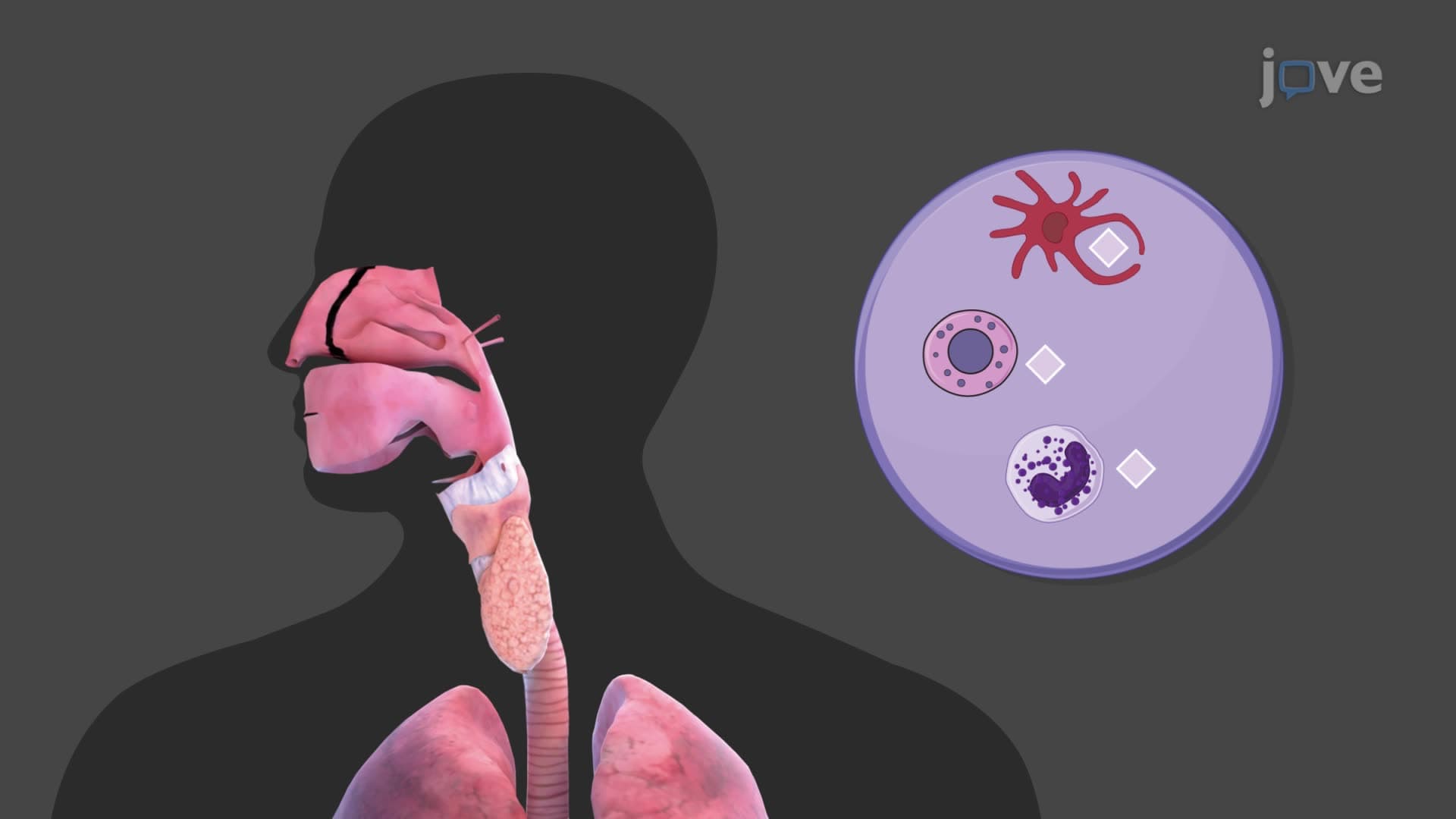

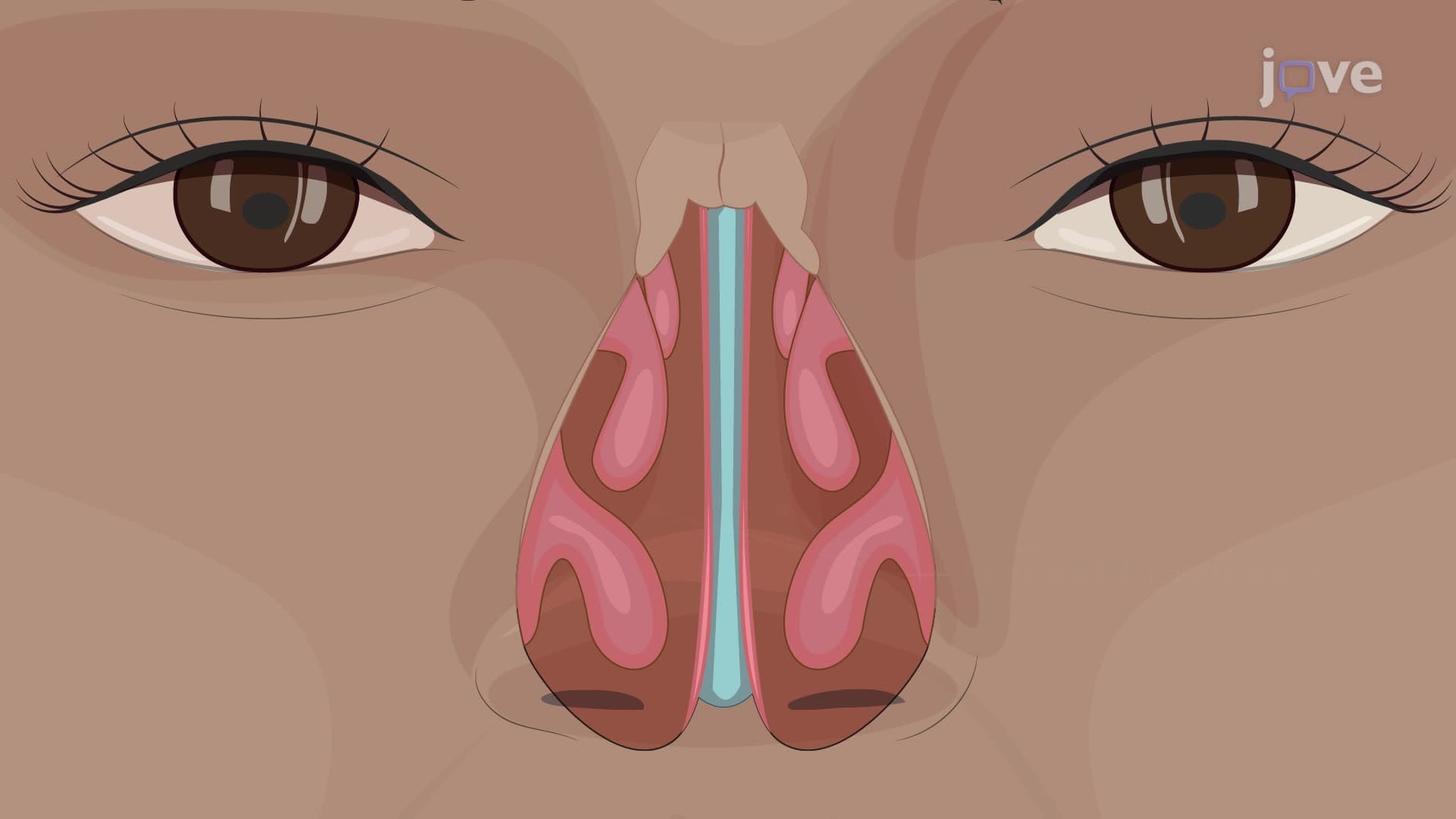



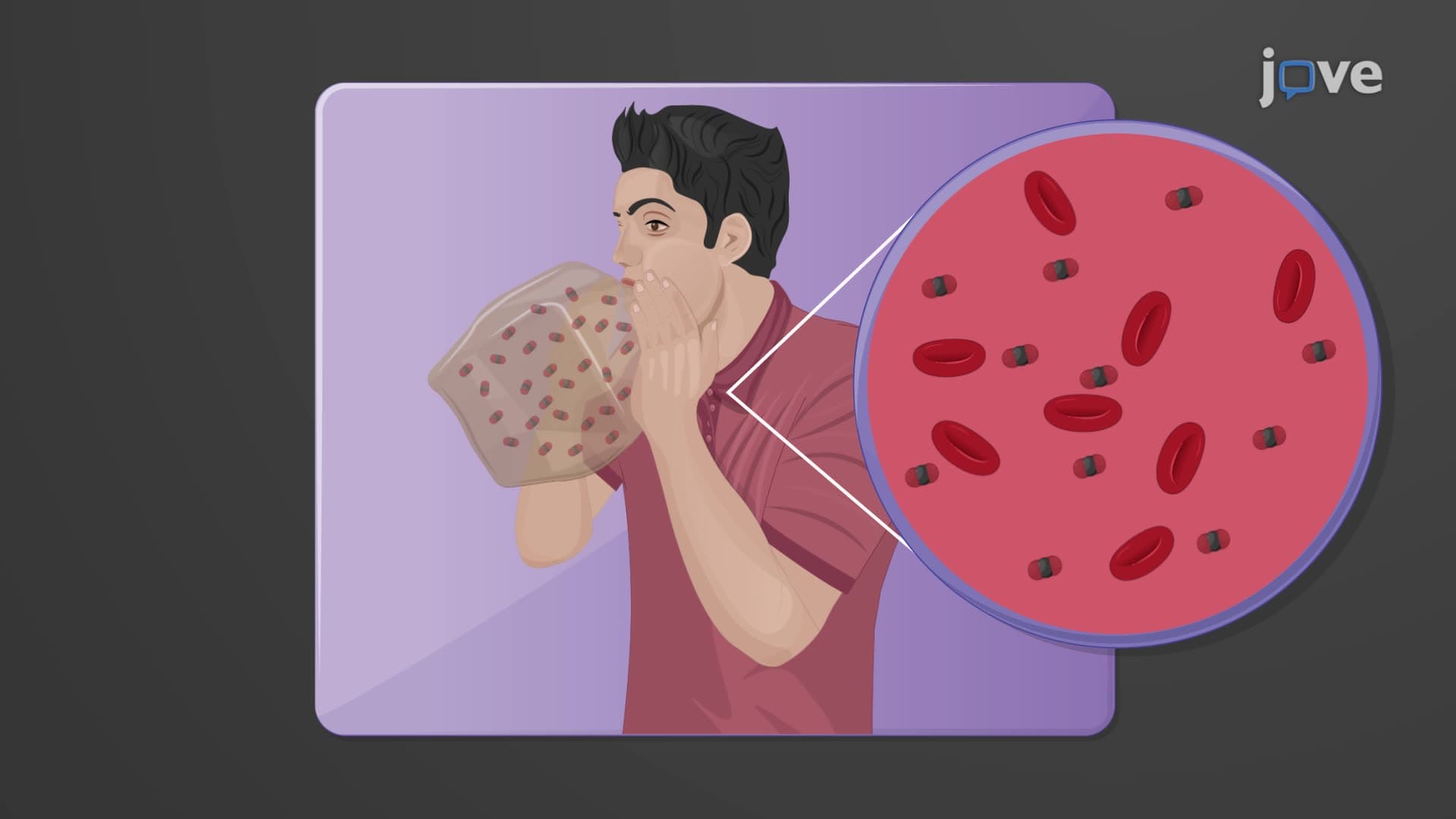
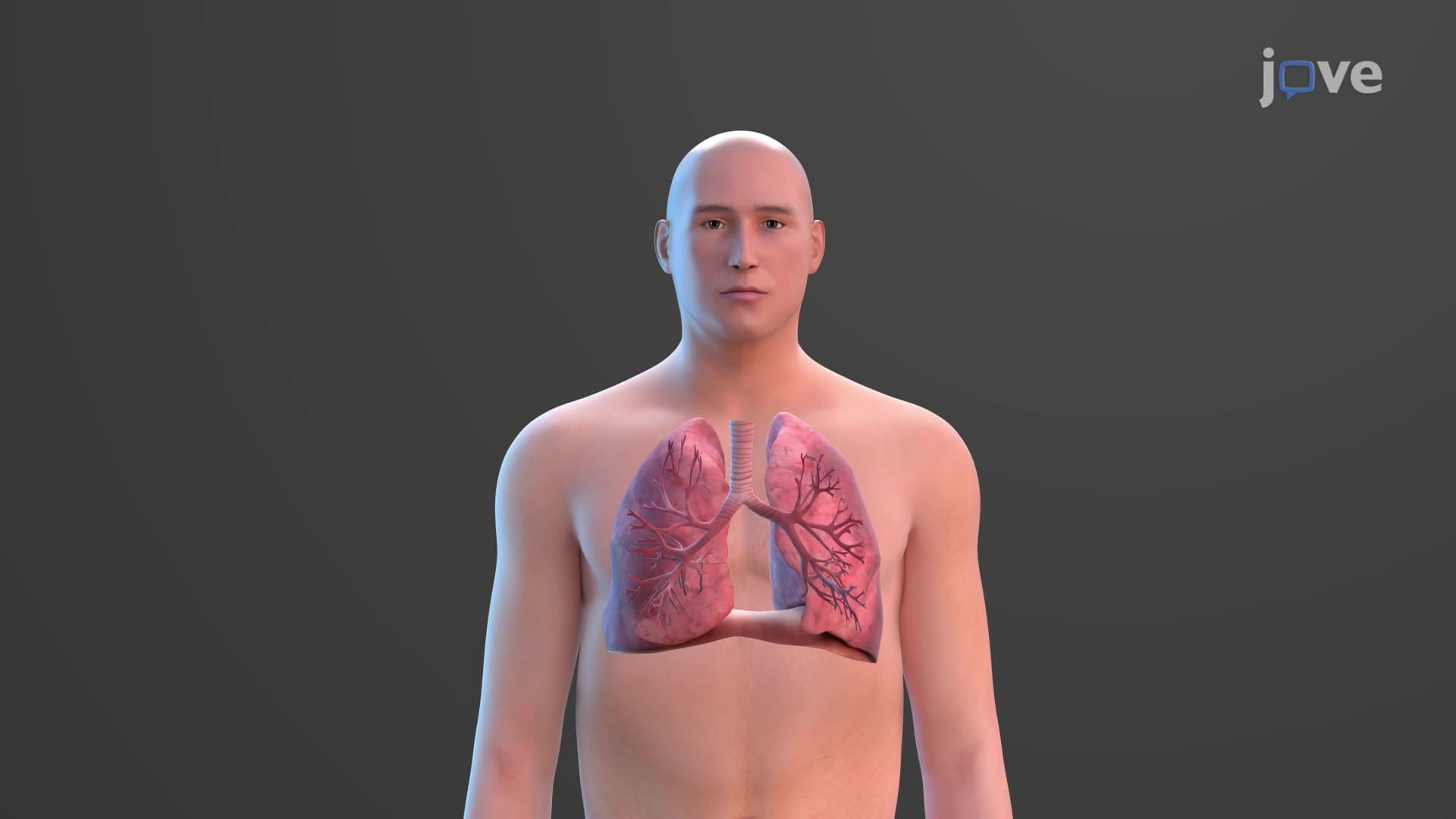
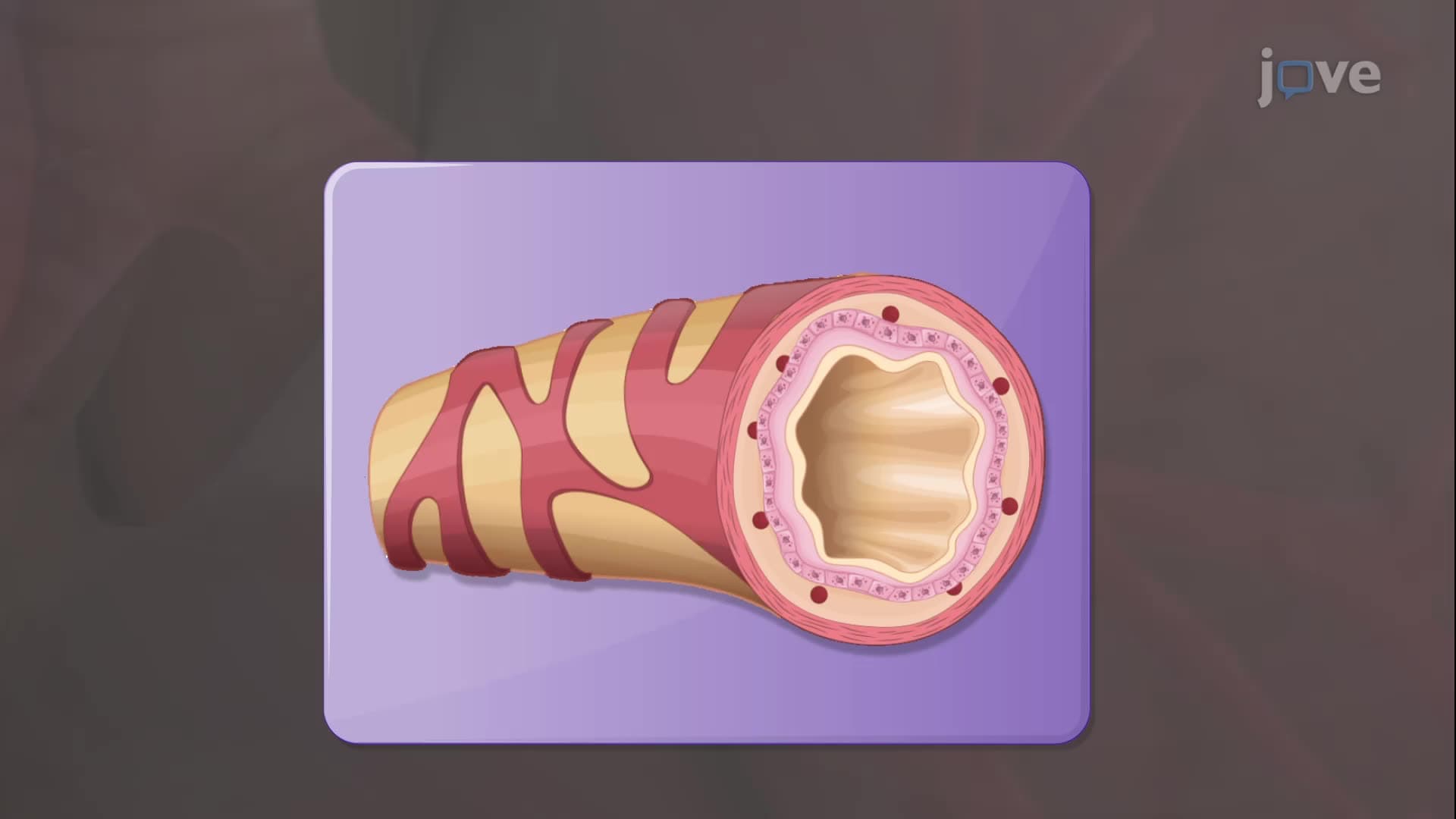
Pulmonary Cycle: Exhalation
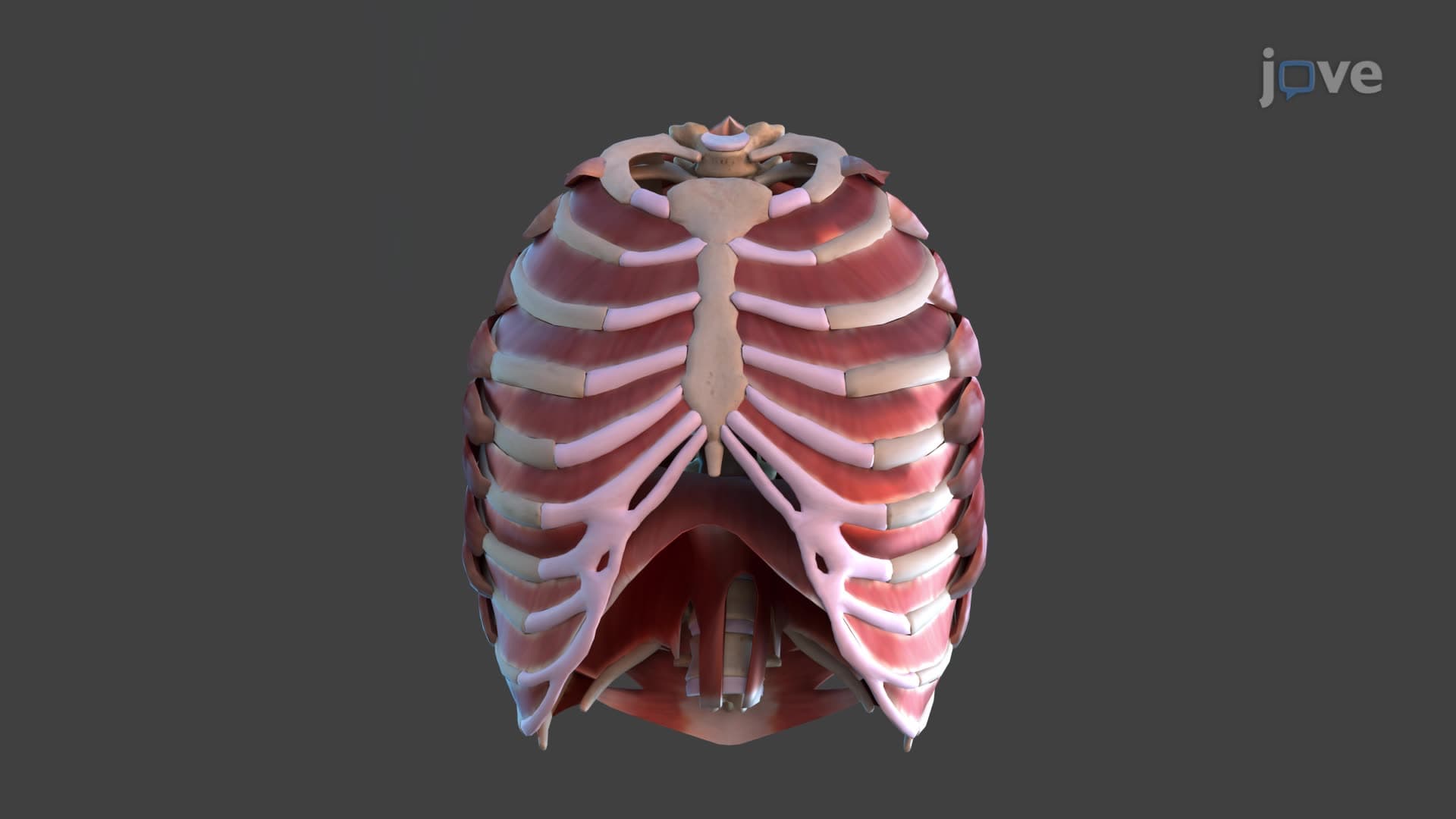

00:00
01:17
Video Summary: What Is Pulmonary Cycle Exhalation
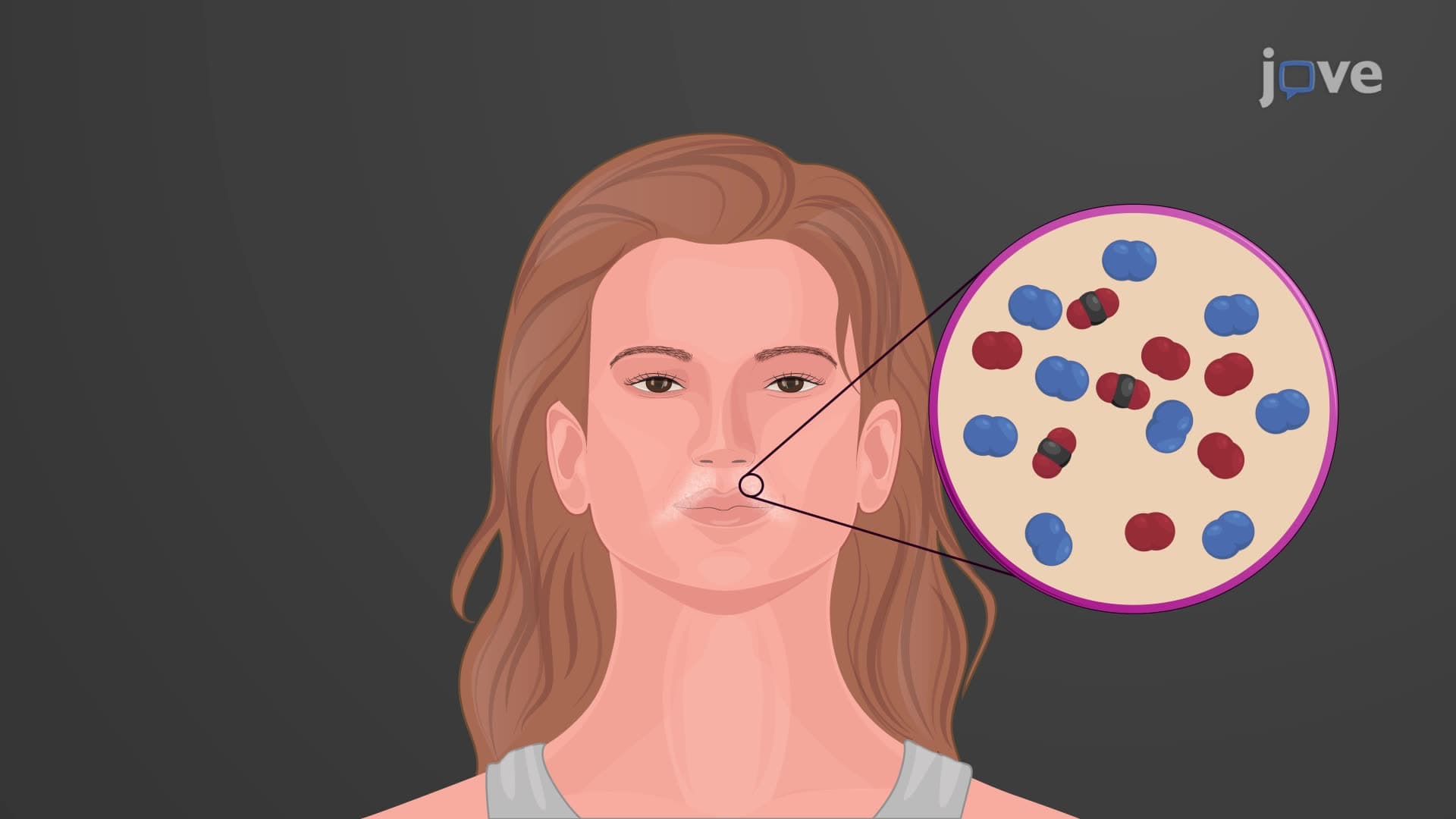
Every time you finish reading this sentence, you've just completed the pulmonary exhalation cycle without thinking about it-but what if this automatic process suddenly required conscious effort? Understanding what is pulmonary cycle exhalation reveals how your body efficiently removes carbon dioxide through a fascinating interplay of elastic recoil and pressure changes. Consider how patients with emphysema struggle with this normally effortless process, requiring additional muscle work that healthy individuals never notice. Watch the full video on JoVE Coach to master this concept with expert-led visuals and step-by-step explanations.
- Understand what is pulmonary cycle exhalation and distinguish between passive elastic recoil mechanisms and active muscular processes
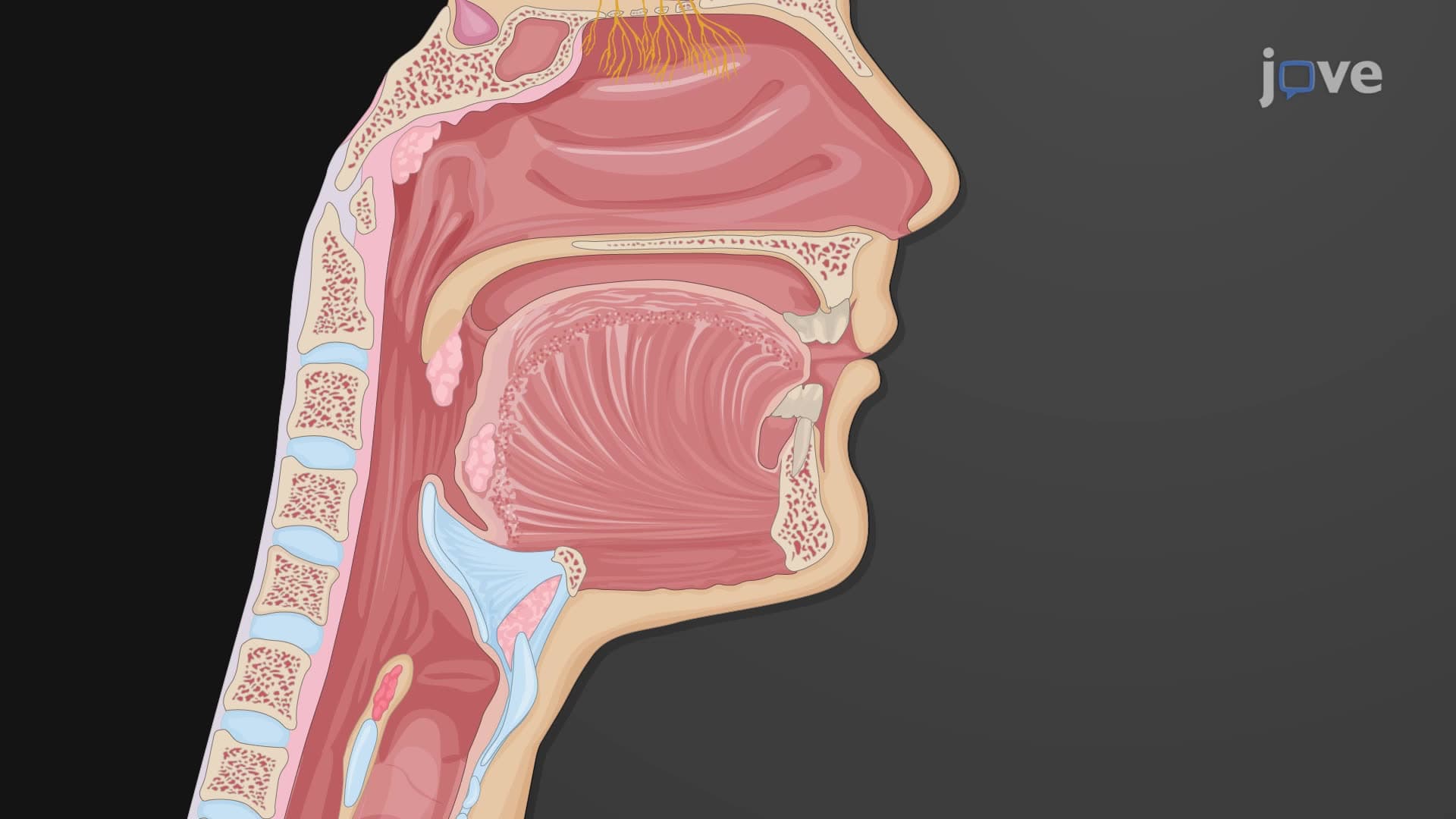
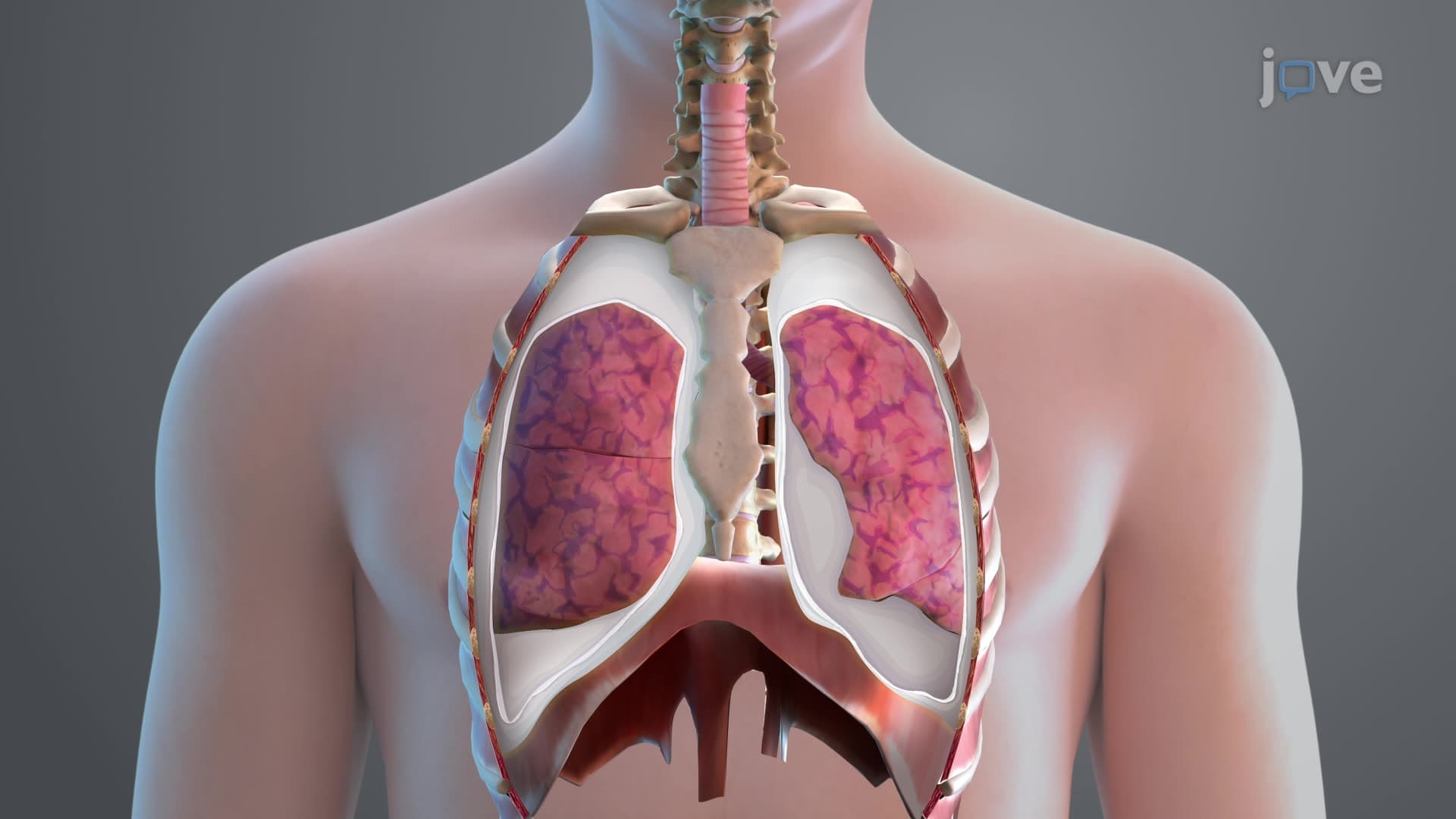
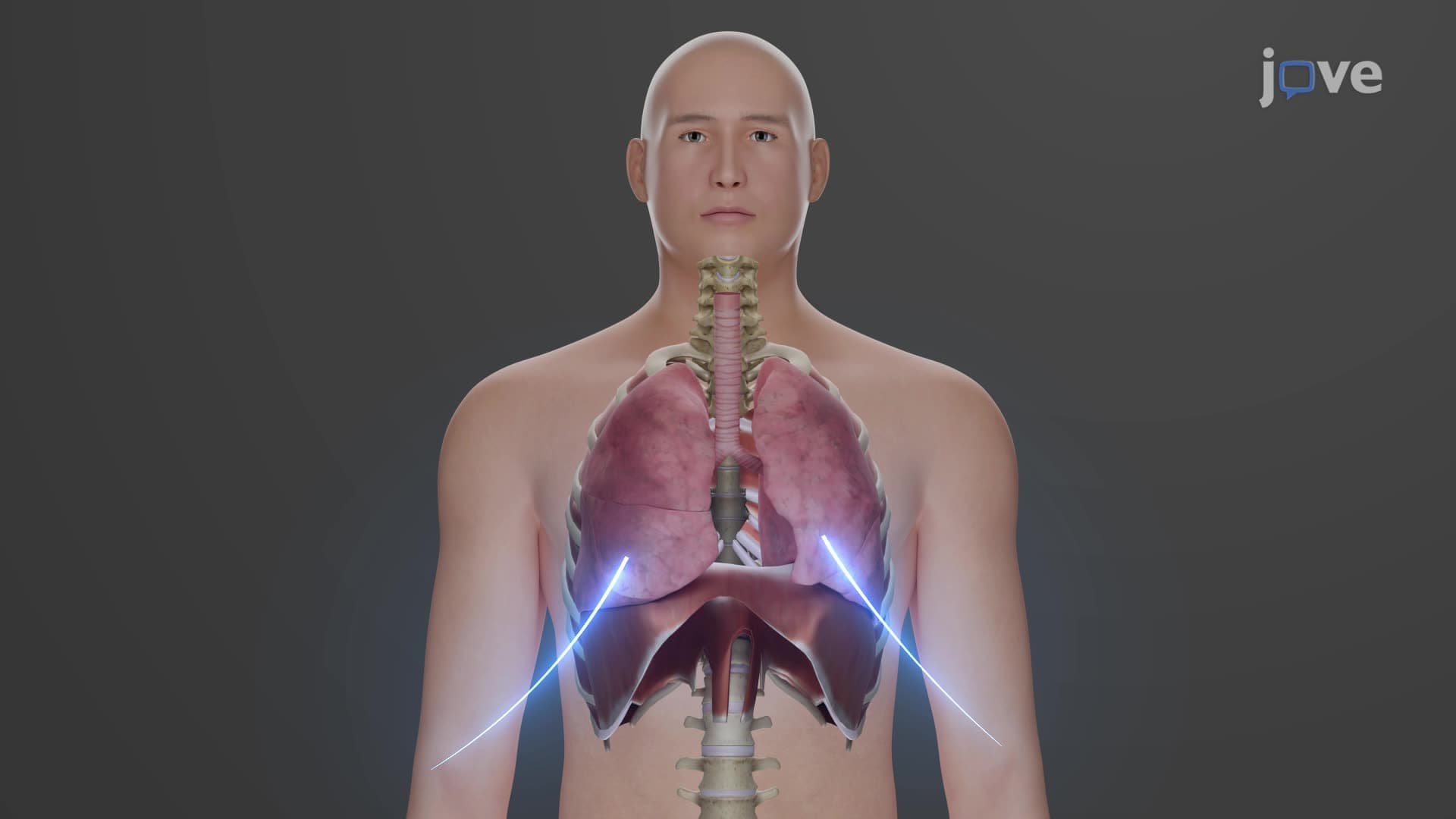
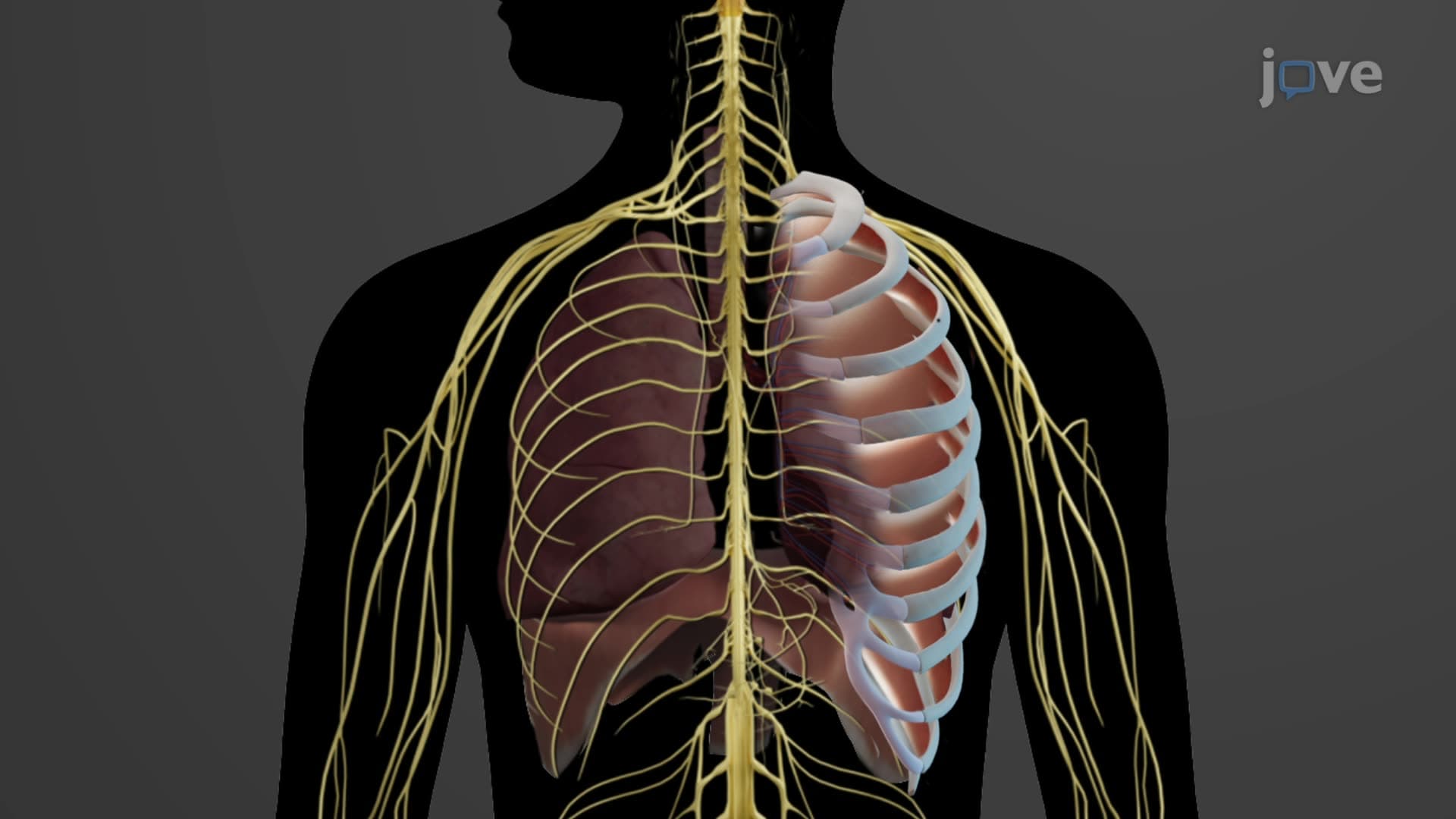
- Identify the anatomical structures involved in normal quiet exhalation, including the diaphragm, external intercostals, and pleural membranes
- Analyze how intrapulmonary pressure changes drive airflow during the expiratory phase of breathing
- Compare quiet breathing exhalation physiology explained versus forceful exhalation involving abdominal and intercostal muscle contraction
- Evaluate the role of lung elasticity and surface tension in passive expiratory muscle forced breathing
- Apply knowledge of lung volume decrease exhalation to understand respiratory disorders and their physiological basis
- Recognize pressure increase exhalation mechanisms that create the driving force for gas movement out of the lungs
- Explore clinical applications of exhalation physiology in diagnosing and treating respiratory conditions
Understanding the Pulmonary Cycle Exhalation Process
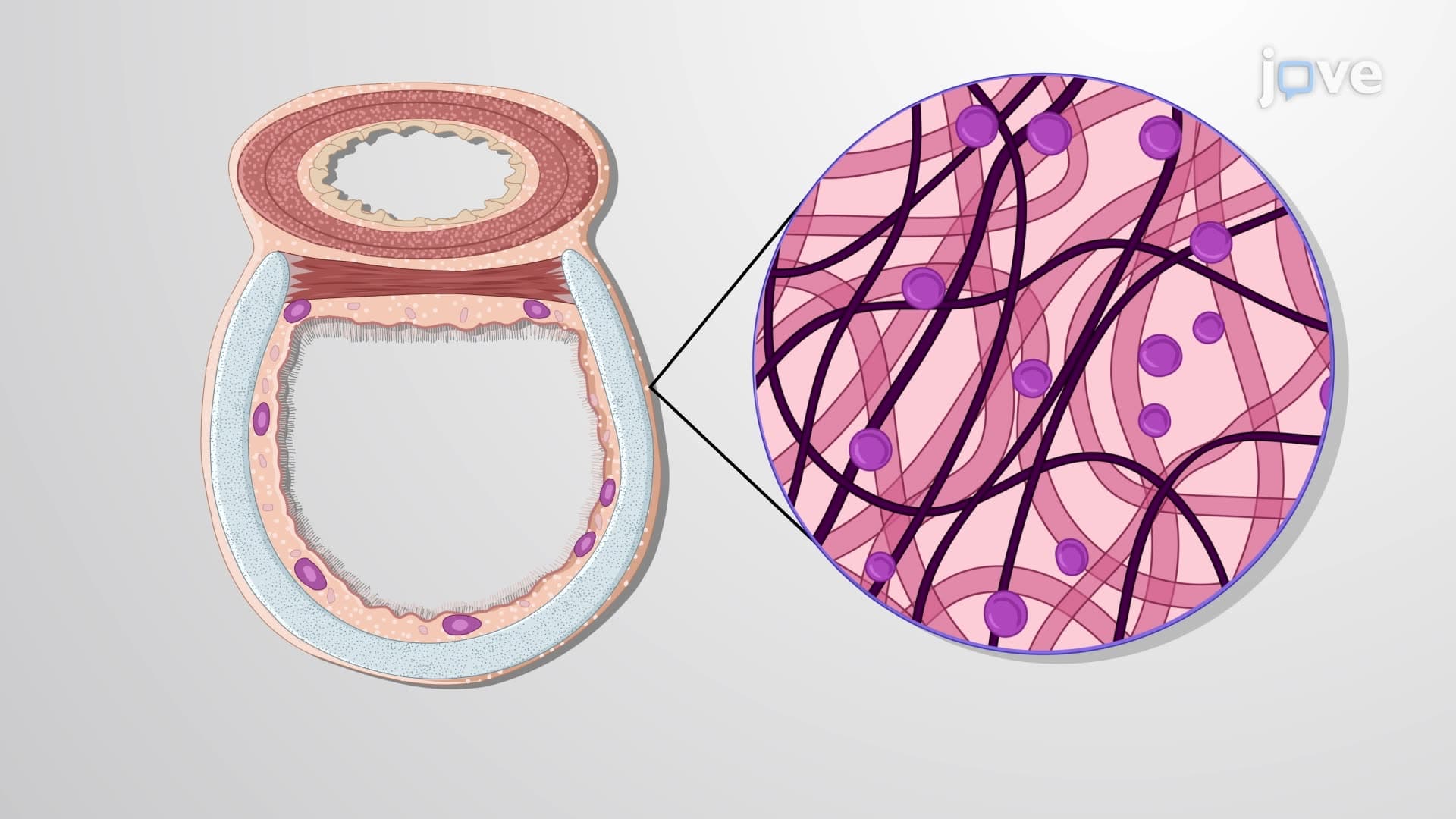
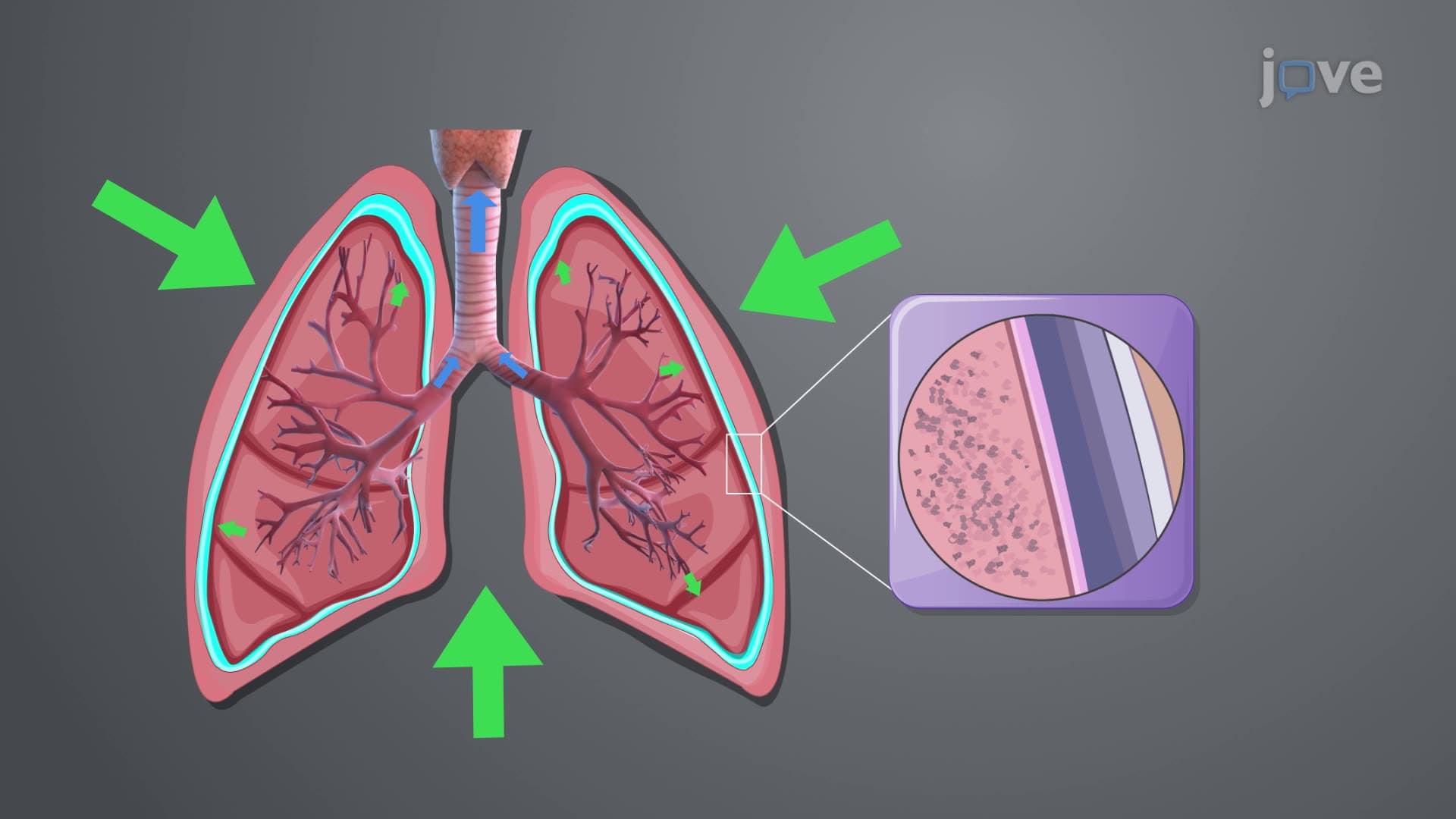
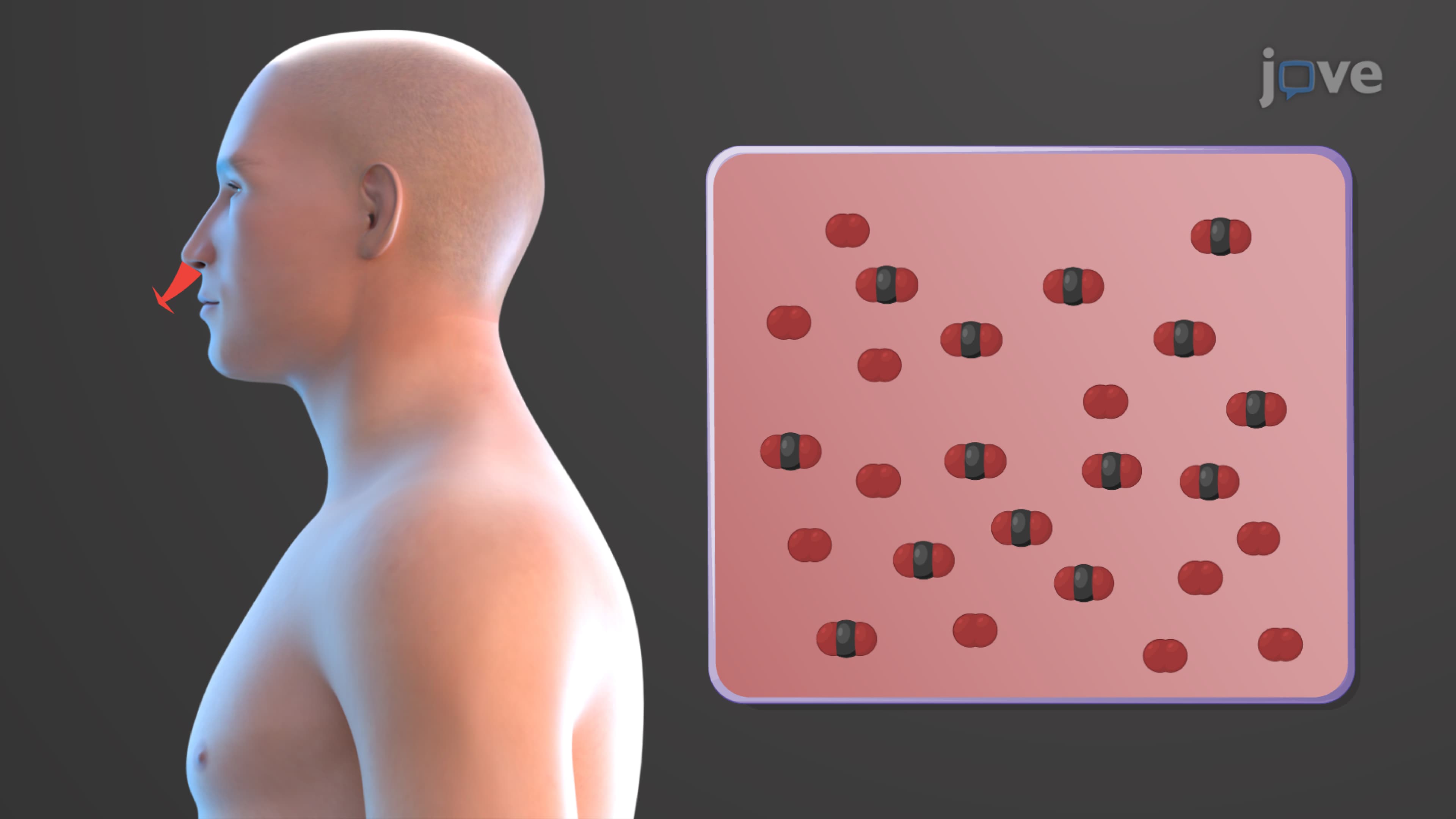
The pulmonary exhalation cycle represents one of the most elegant examples of passive physiological processes in human biology. Unlike inhalation, which requires active muscle contraction, normal exhalation relies primarily on the inherent elastic properties of lung tissue and the thoracic cavity. This passive elastic recoil exhalation occurs when inspiratory muscles relax, allowing stretched lung fibers to return to their resting length-much like releasing a stretched rubber band.
Mechanisms Driving Breathing Exhalation Physiology Explained
During quiet breathing, breathing exhalation physiology explained centers on three key mechanisms. First, elastic recoil of lung tissue provides the primary driving force as collagen and elastin fibers contract after being stretched during inspiration. Second, surface tension forces created by the thin fluid layer between visceral and parietal pleurae contribute additional recoil force. Third, as the diaphragm ascends and ribs descend following muscle relaxation, thoracic cavity dimensions decrease, causing lung volume decrease exhalation.
Students preparing for the MCAT or AP Biology exams should understand that this process creates a pressure increase exhalation of approximately 1 mmHg above atmospheric pressure. This seemingly small pressure difference efficiently drives airflow out of the lungs, demonstrating how the respiratory system maximizes efficiency while minimizing energy expenditure.
Quiet Versus Forced Exhalation Dynamics
What is the pulmonary cycle of exhalation becomes more complex during forceful breathing, such as during exercise or respiratory stress testing commonly performed in American hospitals. Forced exhalation involves expiratory muscle forced contraction, particularly the internal intercostals and abdominal muscles including the rectus abdominis, external obliques, and transverse abdominis. These muscles compress the thoracic cavity more dramatically, creating higher intrapulmonary pressures and faster airflow rates.
Clinical Applications and Real-World Relevance
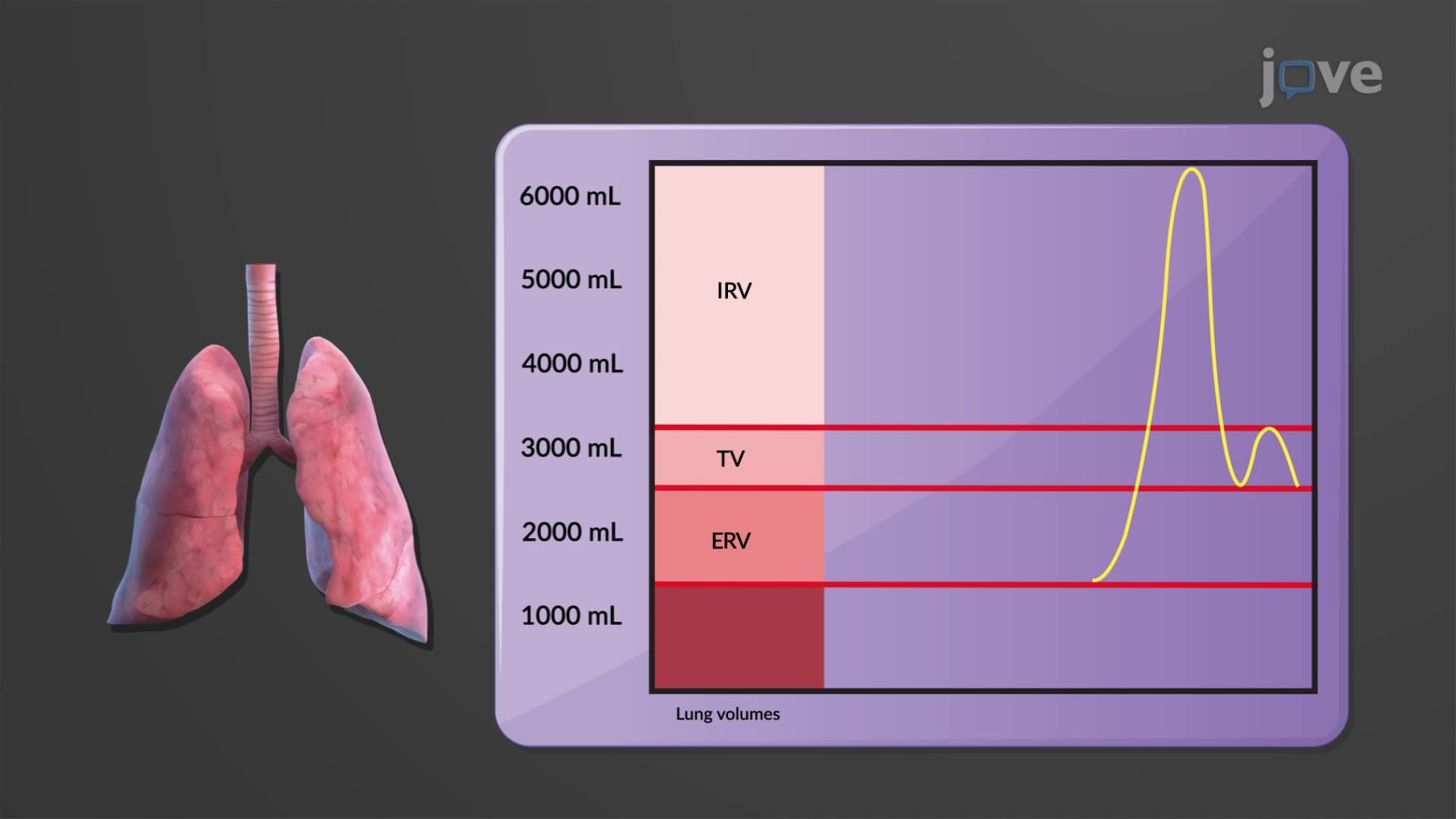
Understanding exhalation mechanics proves crucial for healthcare professionals treating conditions like chronic obstructive pulmonary disease (COPD), which affects over 16 million Americans according to the CDC. In COPD patients, loss of lung elasticity impairs passive recoil, requiring increased reliance on active muscle contraction even during quiet breathing. Pulmonary function tests administered in American medical facilities specifically measure exhalation parameters to assess respiratory health and disease progression.
Frequently Asked Questions
Pulmonary cycle exhalation is the passive process of expelling air from the lungs through elastic recoil rather than active muscle contraction. Unlike inhalation which requires diaphragm and intercostal muscle contraction, normal exhalation relies on lung elasticity and surface tension forces to reduce lung volume and increase intrapulmonary pressure above atmospheric levels.
MCAT questions frequently focus on pressure gradients, comparing quiet versus forced exhalation mechanisms, and relating exhalation defects to disease states. AP Biology exams emphasize the relationship between lung elasticity, thoracic cavity volume changes, and gas exchange efficiency. Students should understand both passive recoil mechanisms and active muscle involvement in forceful exhalation.
USMLE Step 1 extensively covers respiratory physiology including elastic recoil mechanisms, pleural pressure relationships, and pathophysiology of obstructive versus restrictive lung diseases. Key testable concepts include surface tension forces, compliance measurements, and how conditions like emphysema impair normal exhalation through loss of elastic recoil properties.
In American emergency departments, patients with asthma attacks demonstrate impaired exhalation due to airway constriction, requiring increased expiratory muscle effort. COPD patients lose lung elasticity, making passive exhalation inefficient and causing air trapping. Understanding normal exhalation mechanics helps healthcare providers recognize when patients must recruit accessory muscles for breathing.
No advanced physics background is required-basic pressure-volume relationships and elastic recoil concepts are sufficient. High school students can master these concepts by focusing on how stretched rubber bands return to original length, similar to how lung tissue recoils after inspiration. The key is understanding pressure gradients drive airflow from high to low pressure regions.
Create concept maps linking lung elasticity, pressure changes, and muscle relaxation to airflow direction. Practice drawing the thoracic cavity during exhalation, showing diaphragm ascent and rib descent. Use active recall by explaining the difference between quiet and forced exhalation without looking at notes, then verify your understanding against textbook explanations.
Exhalation physiology directly connects to gas exchange efficiency, respiratory control mechanisms, and acid-base balance regulation. Understanding exhalation mechanics provides foundation knowledge for studying ventilation-perfusion ratios, respiratory acidosis/alkalosis, and how conditions affecting lung compliance impact overall respiratory function.
Advanced topics include ventilator mechanics in intensive care units, pulmonary function testing interpretation, and respiratory muscle fatigue in critically ill patients. Understanding basic exhalation provides groundwork for studying mechanical ventilation modes, airway resistance calculations, and how respiratory therapists optimize patient breathing support in American hospitals.
Related Micro-courses