Loading subject page…


84,701 views
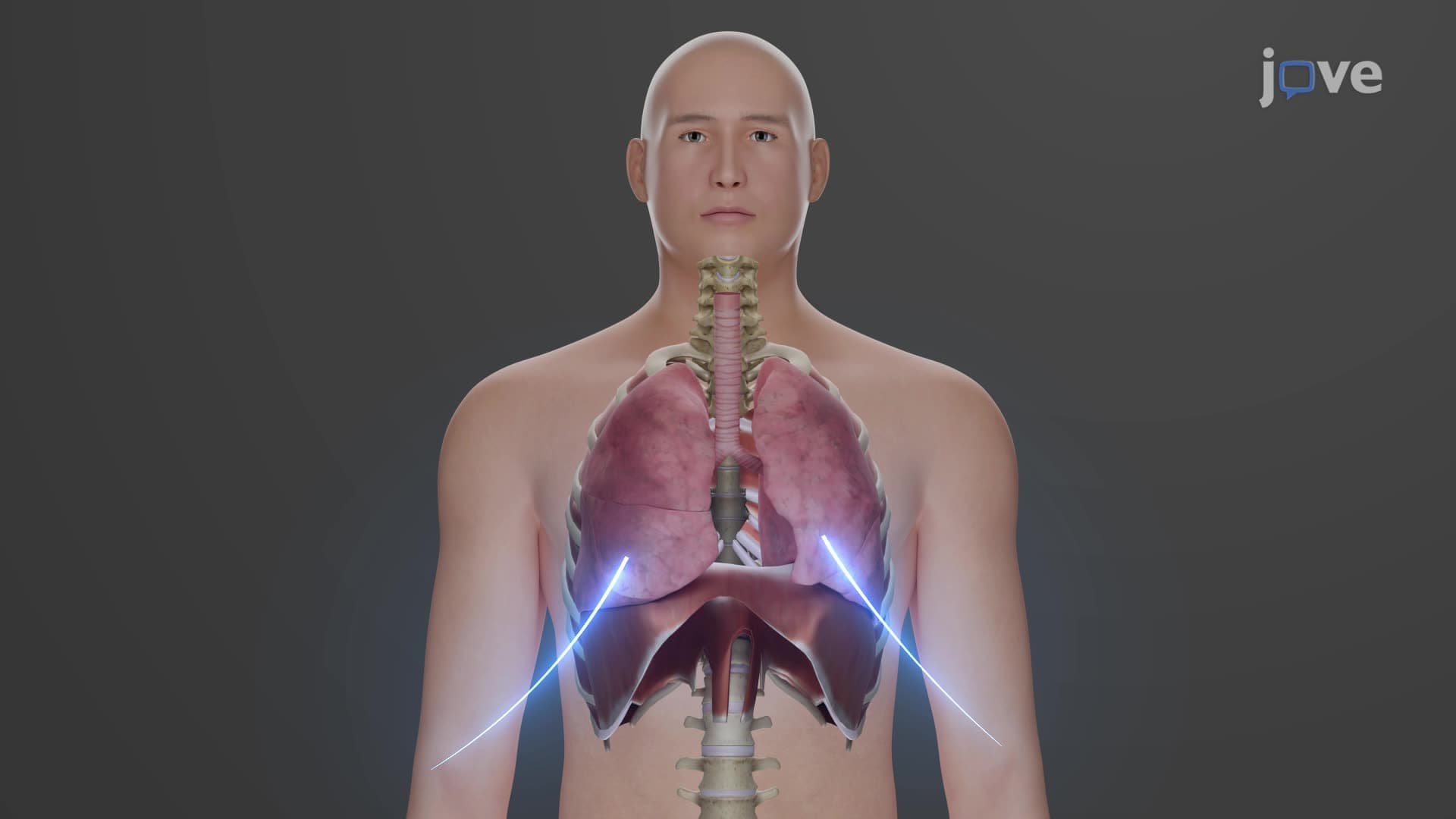

Video Summary: What Is Pulmonary Ventilation Inhalation
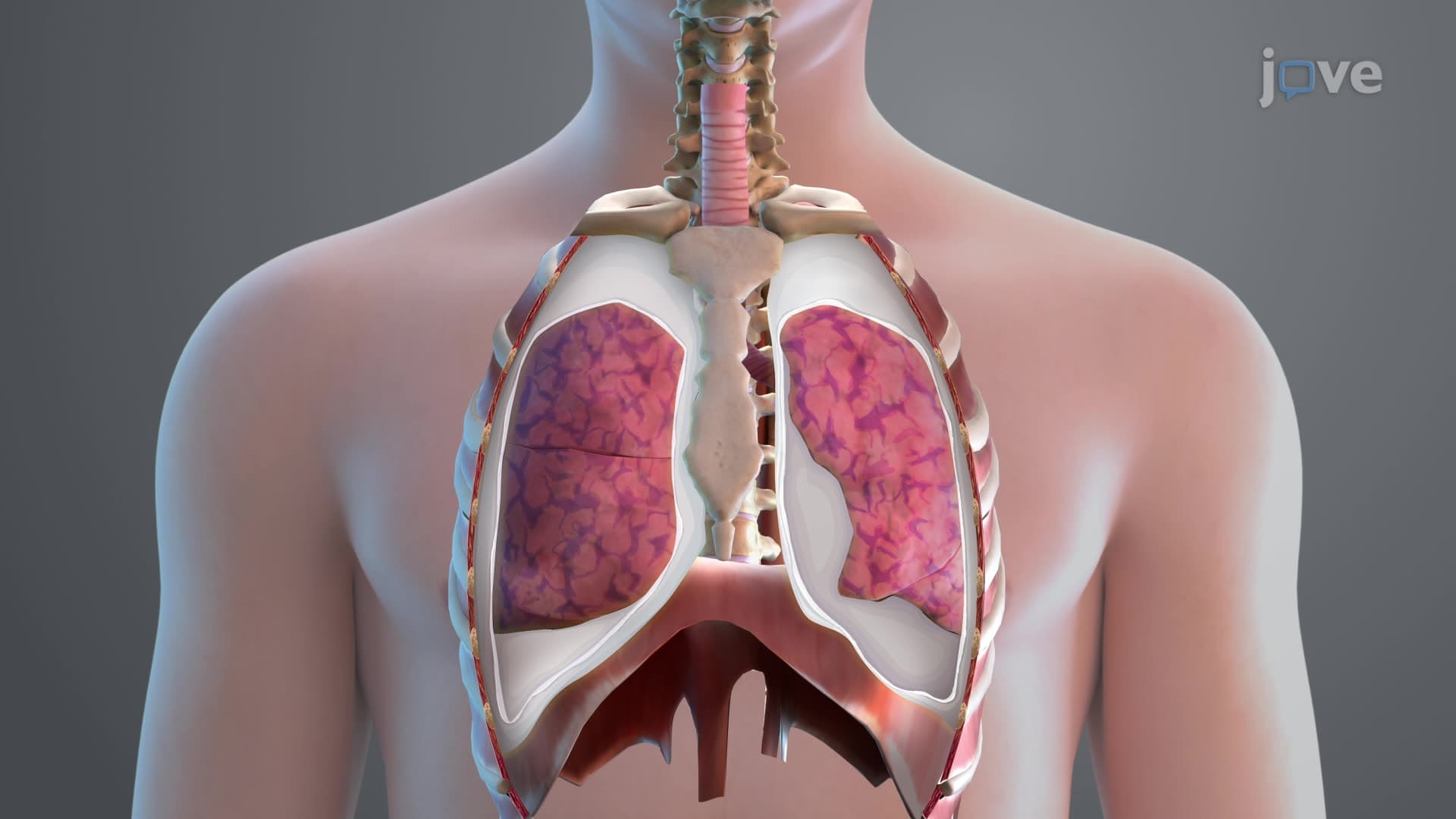
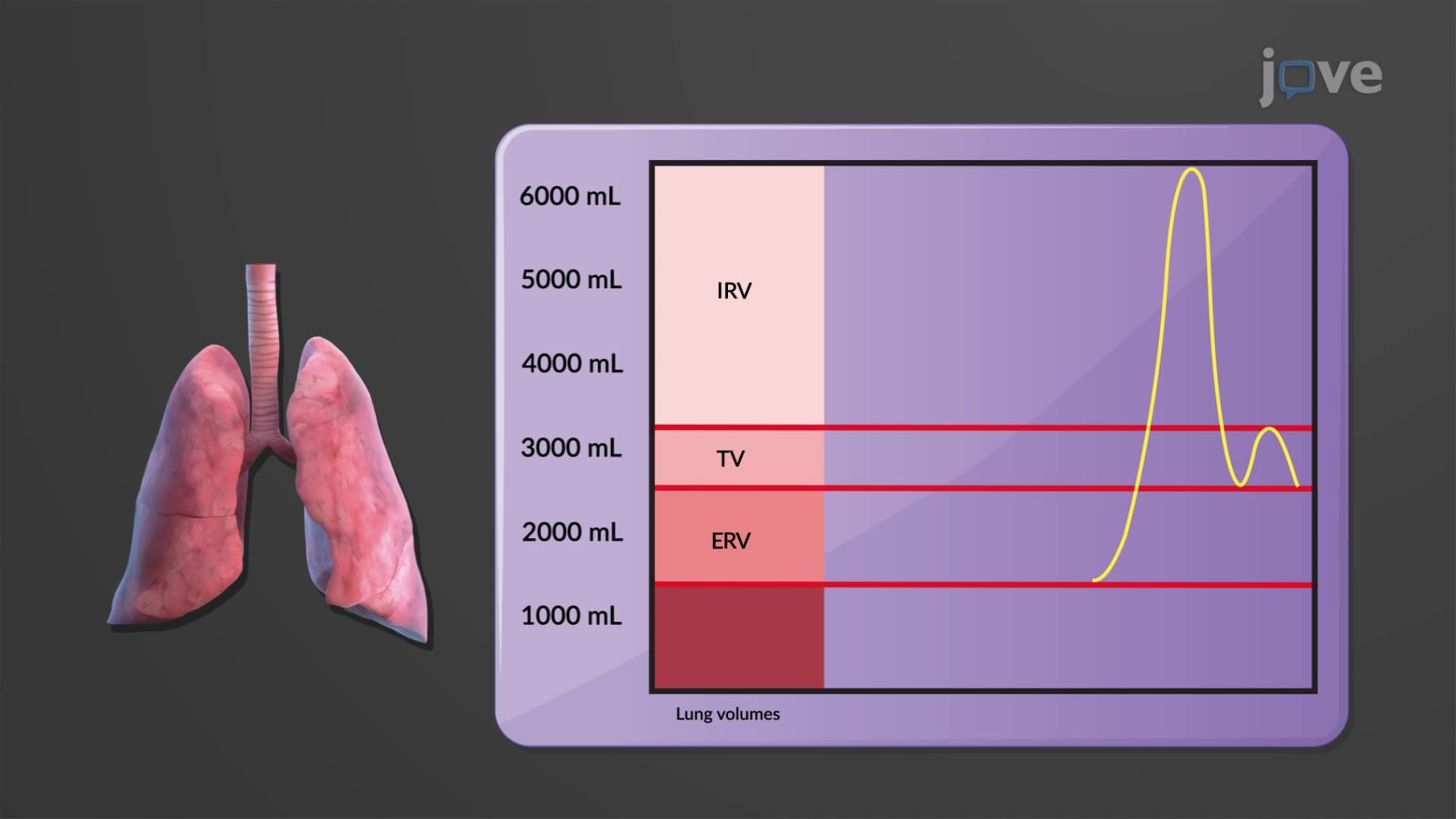
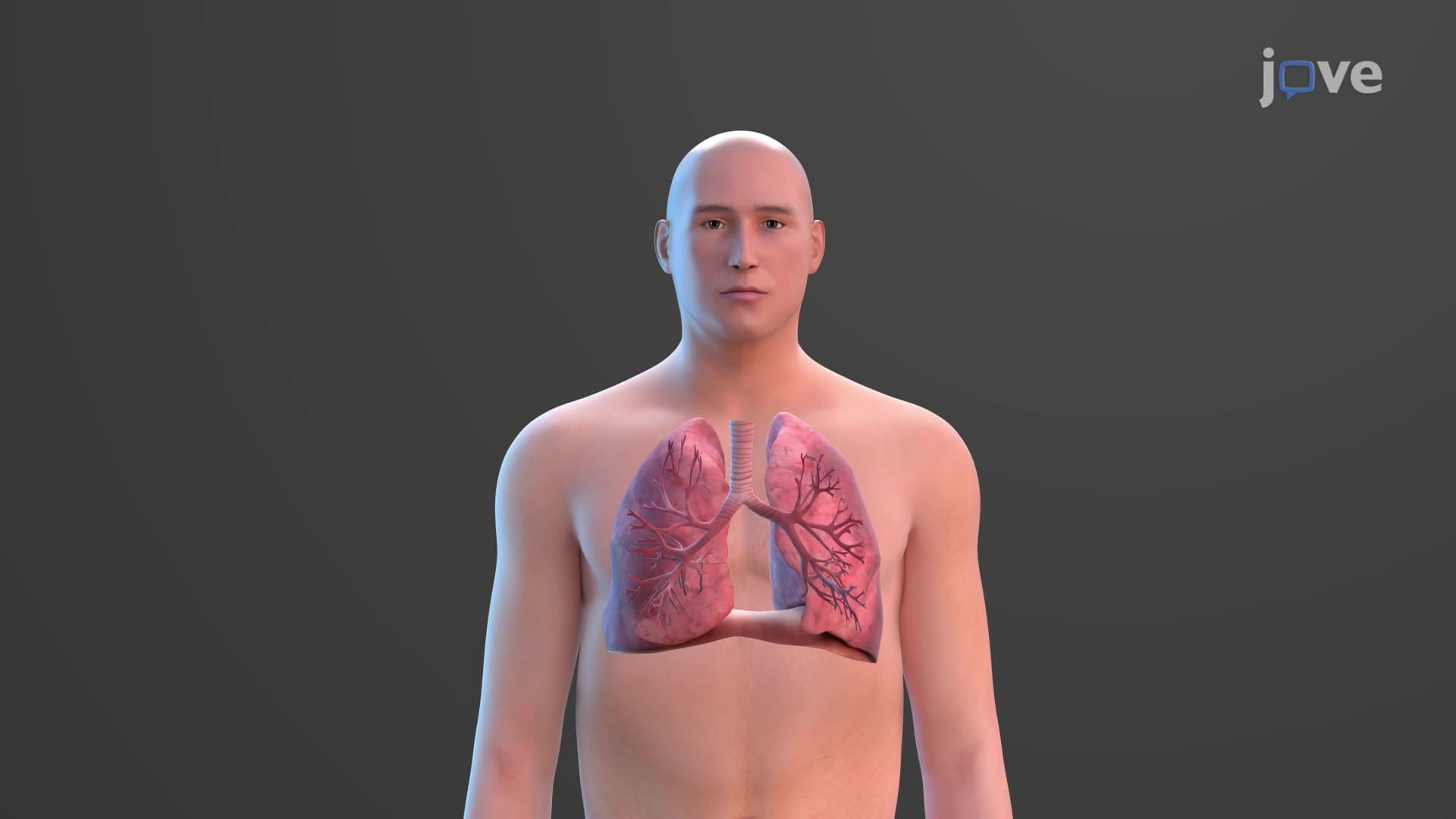
Every minute, your lungs perform an incredible feat-expanding by 500 ml of volume with just millimeters of movement to draw in life-sustaining oxygen. Pulmonary ventilation inhalation involves the coordinated contraction of respiratory muscles, particularly the diaphragm, which creates pressure differences that drive airflow into the lungs. A patient with a spinal cord injury at the C4 level may require mechanical ventilation because this process depends on precise neural control of breathing muscles. Understanding what is pulmonary ventilation inhalation reveals how your body maintains the delicate pressure gradients essential for survival. Watch the full video on JoVE Coach to master this concept with expert-led visuals and step-by-step explanations.
Pulmonary ventilation inhalation represents one of the most essential physiological processes in human biology, involving the coordinated movement of respiratory muscles to create pressure gradients that draw air into the lungs. This process occurs approximately 12-20 times per minute in healthy adults, yet most people remain unaware of its complex mechanical precision.
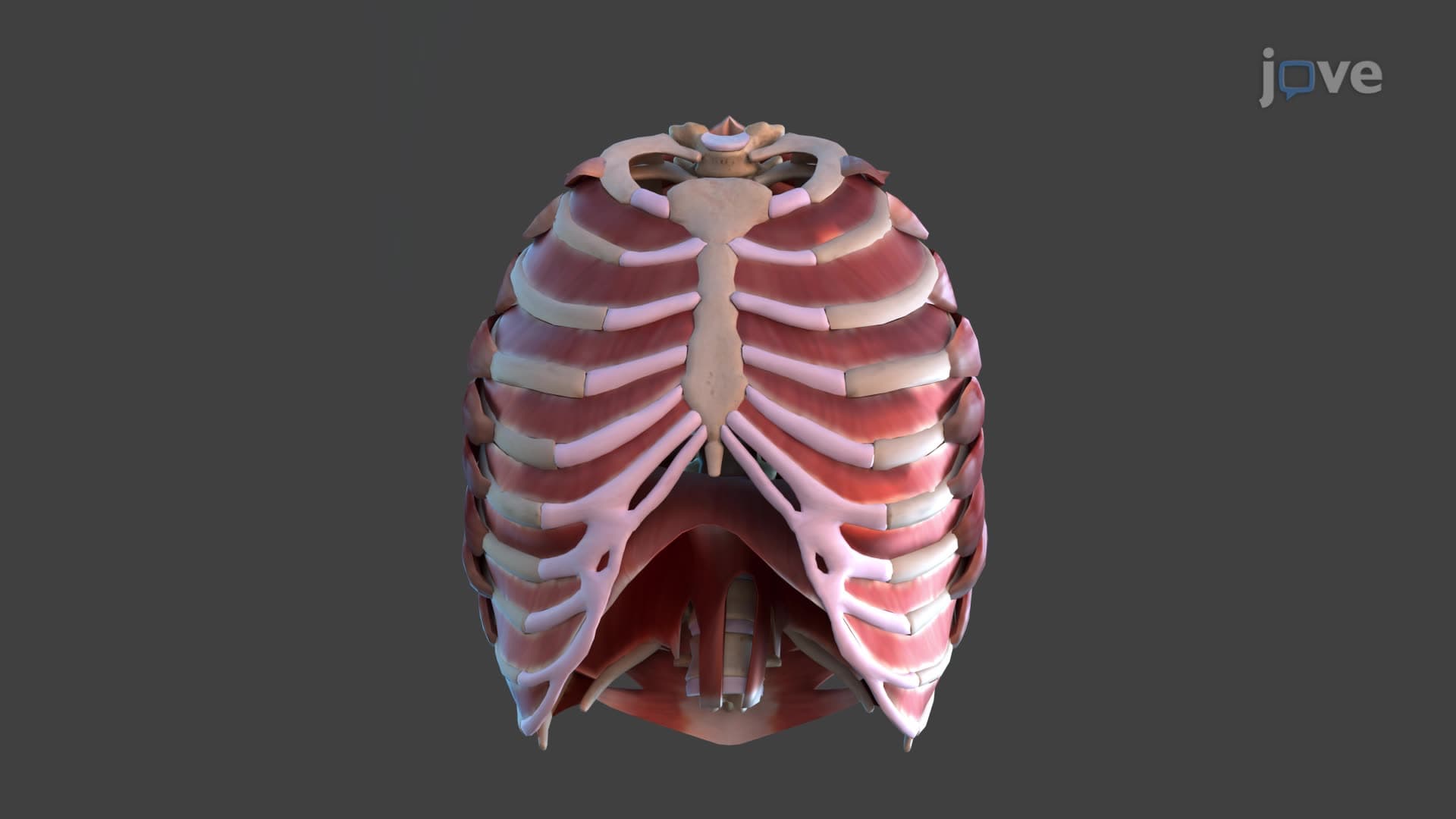
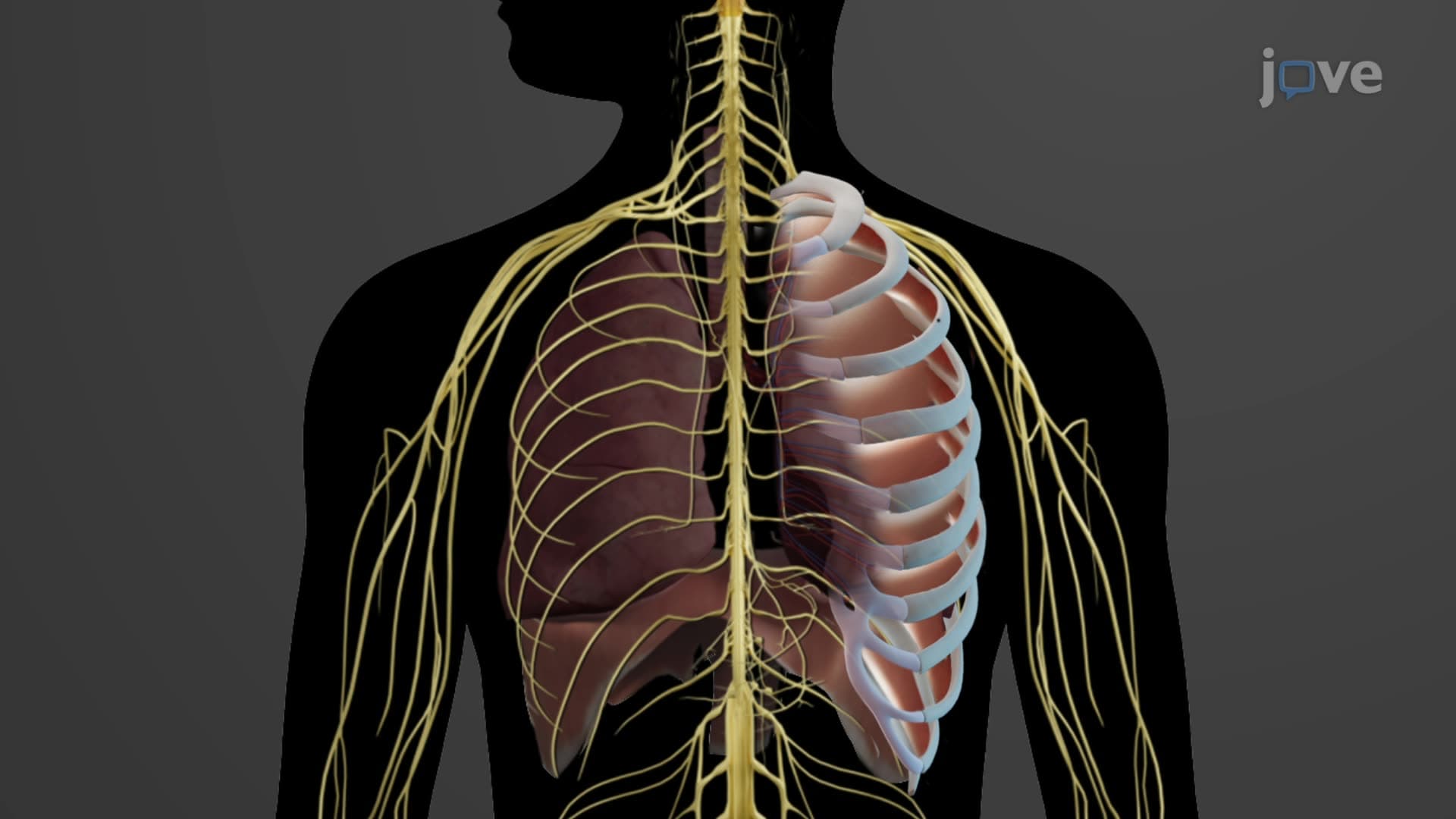
The diaphragm serves as the primary driver of inspiratory muscle breathing, contracting rhythmically under control of the phrenic nerve. When this dome-shaped muscle contracts, it flattens and descends approximately 1-3 centimeters, significantly increasing the vertical dimension of the thoracic cavity. This diaphragm contraction inhalation process is so efficient that it accounts for roughly 75% of the work during quiet breathing. Medical students studying for the MCAT often encounter questions about diaphragmatic paralysis, where patients must rely entirely on accessory muscles for breathing-a condition that dramatically illustrates the diaphragm's importance.
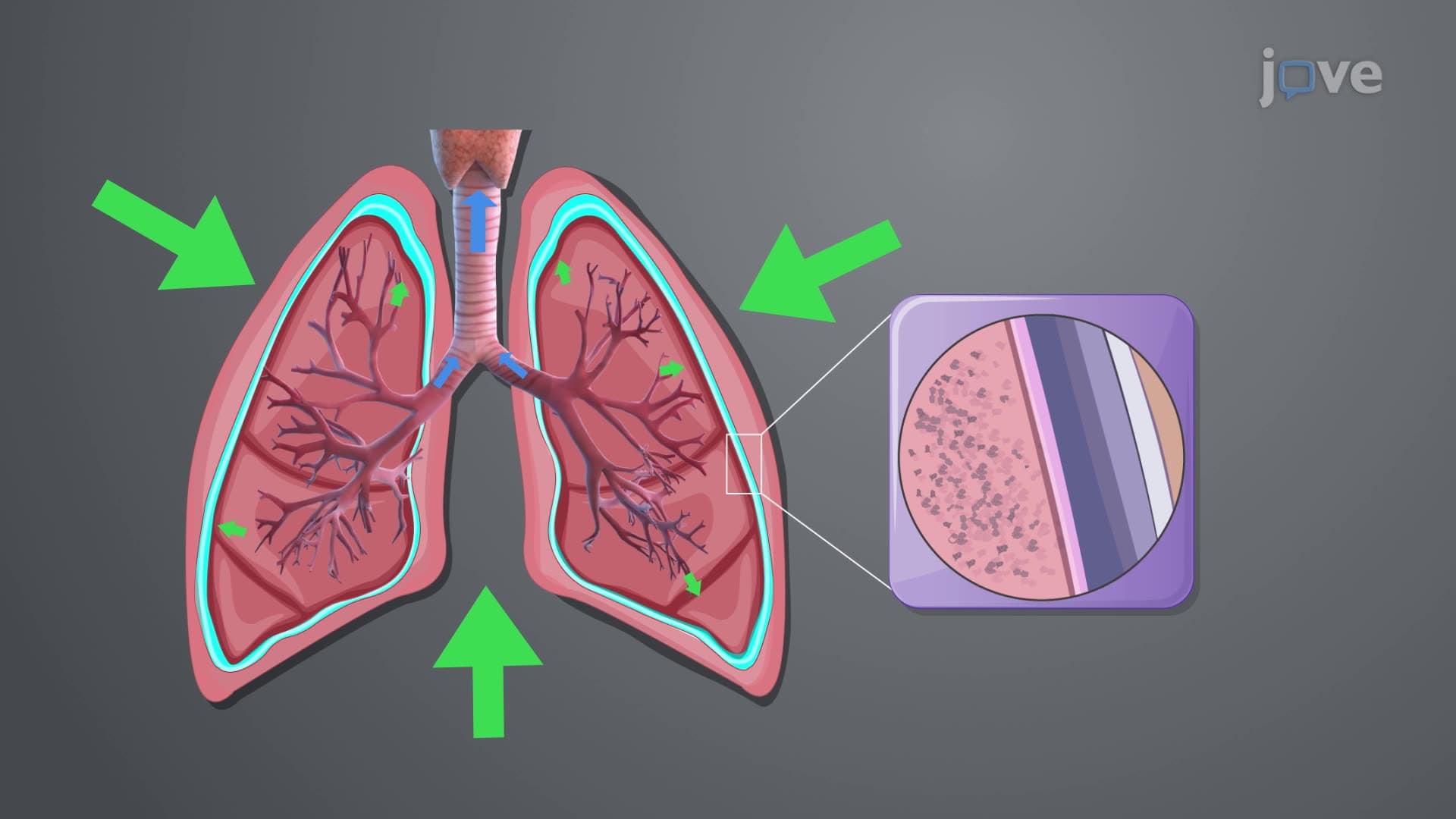
The mechanics of lung volume increase inhalation follow Boyle's Law, where pressure and volume maintain an inverse relationship. As thoracic dimensions expand, intrapulmonary pressure drops by approximately 1 mmHg below atmospheric pressure (760 mmHg at sea level). This pressure decrease inhalation creates the driving force for airflow. Simultaneously, intrapleural pressure becomes more negative, reaching approximately -6 mmHg relative to atmospheric pressure. These pressure relationships are frequently tested on AP Biology exams and college physiology courses, where students must demonstrate understanding of how small pressure changes drive substantial air movement.
Healthcare professionals regularly apply knowledge of breathing inhalation physiology explained in clinical settings. Respiratory therapists at major medical centers like Johns Hopkins or Mayo Clinic use this understanding when managing patients on mechanical ventilators or those with conditions like chronic obstructive pulmonary disease (COPD). The distinction between quiet forced inhalation becomes critical when assessing patients with respiratory distress-quiet breathing should occur effortlessly, while forced inhalation indicates increased work of breathing and potential pathology.
Understanding what is pulmonary ventilation inhalation process also proves essential for pre-health students preparing for entrance exams like the MCAT, where respiratory physiology questions frequently appear in the biological and biochemical foundations section. The concept bridges multiple disciplines, connecting anatomy (muscle structure), physiology (pressure-volume relationships), and physics (gas laws) in ways that demonstrate the integrated nature of human biology.
Related Micro-courses