Loading subject page…


84,705 views

Video Summary: What Is Respiratory Volumes and Capacities
Ever wonder how doctors measure lung function when testing athletes or diagnosing respiratory conditions? Respiratory volumes capacities biology concepts explain exactly how much air your lungs can hold and exchange during different breathing scenarios. When a patient visits a pulmonologist at Mayo Clinic for breathing difficulties, specialists use spirometry to measure these precise air volumes. Understanding what is respiratory volumes and capacities reveals the remarkable engineering of human lungs, from the small tidal breaths during rest to the massive air exchanges during intense exercise. Watch the full video on JoVE Coach to master this concept with expert-led visuals and step-by-step explanations.
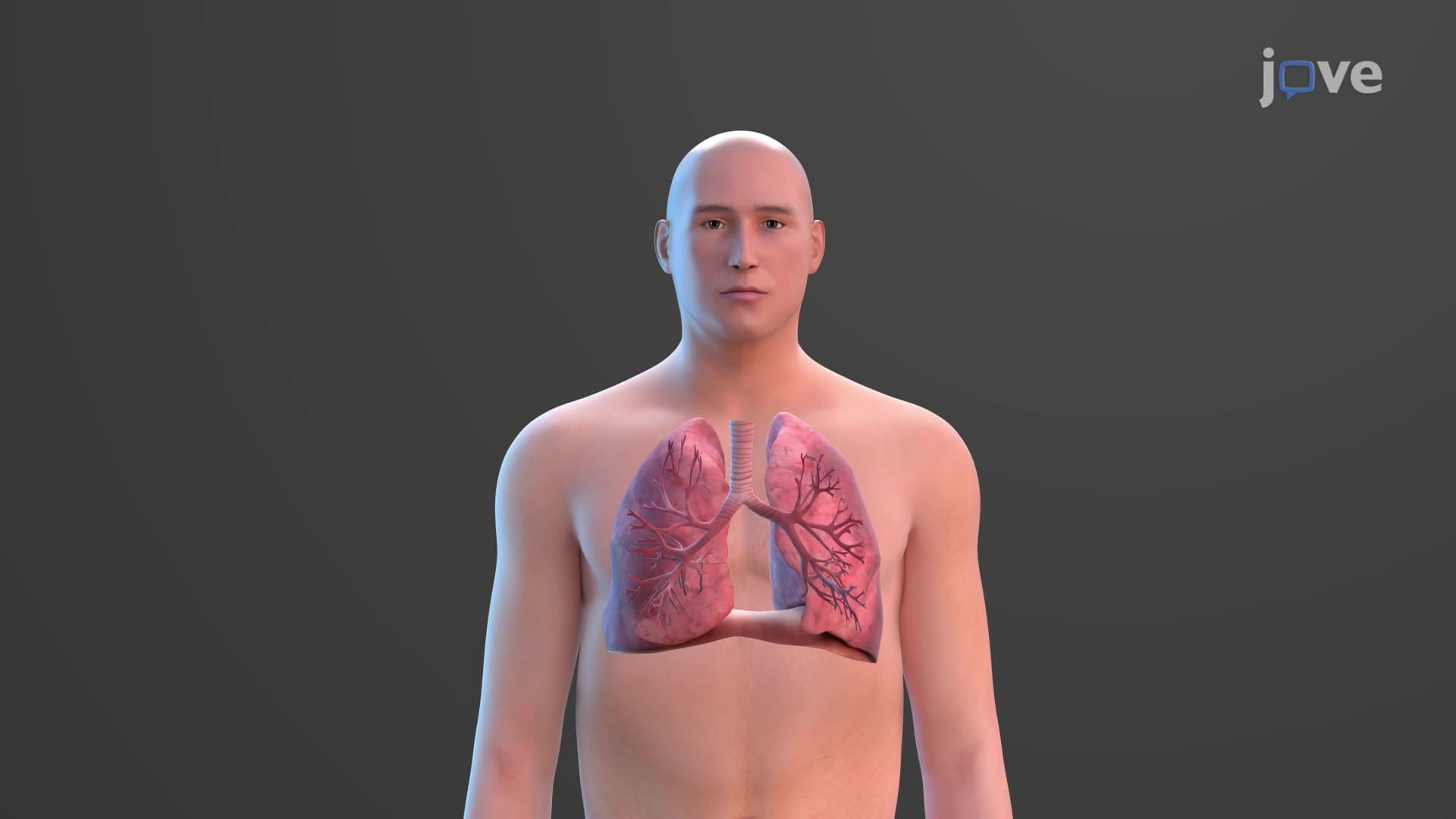
Lung volumes capacities explained form the foundation of respiratory physiology, representing measurable quantities of air that move in and out of our lungs during various breathing activities. These measurements provide critical insights into lung health and respiratory efficiency, making them essential tools in medical diagnosis and athletic performance assessment.
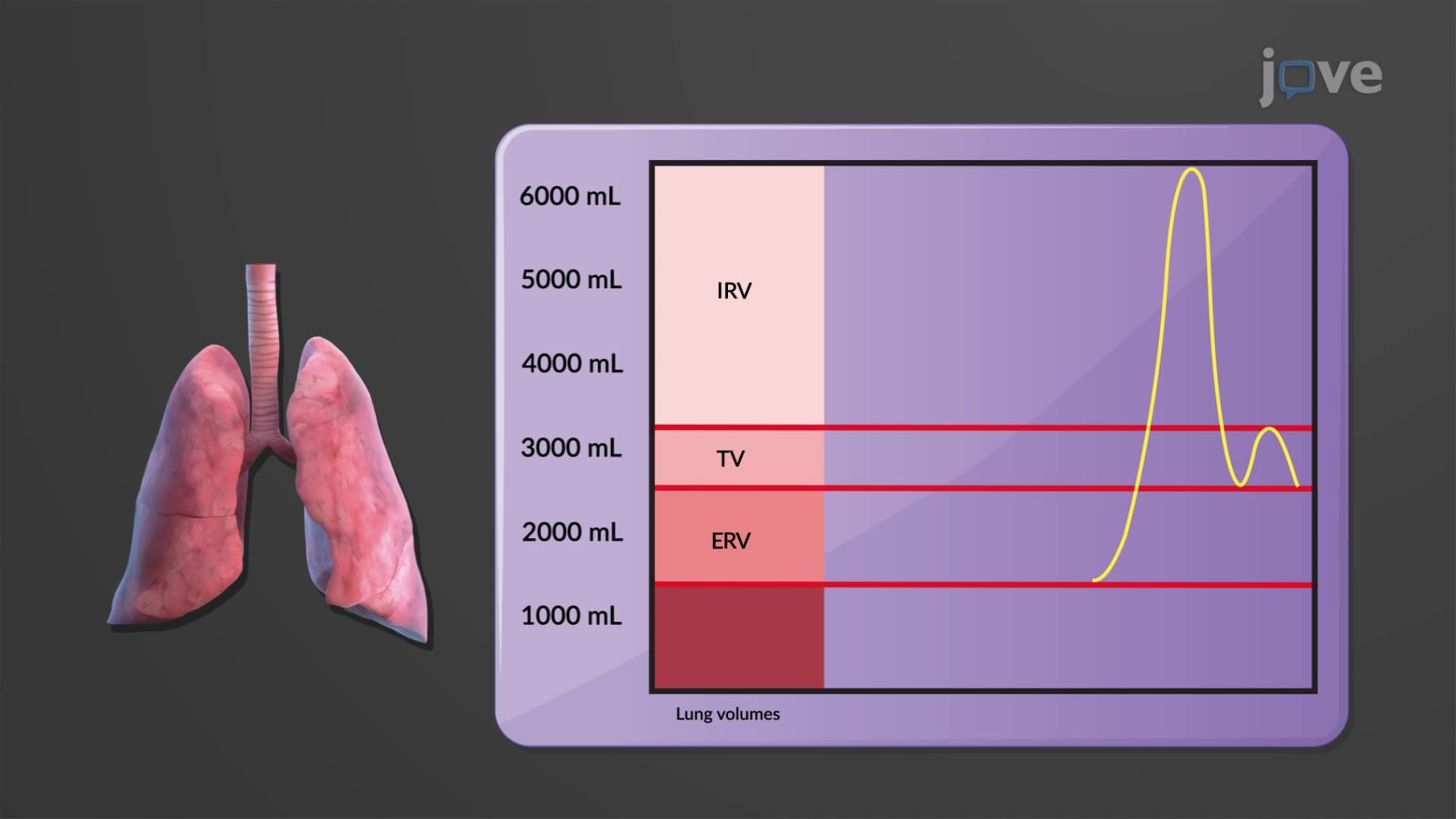
Tidal volume TV breathing represents the most basic measurement-approximately 500 mL of air exchanged during quiet, resting respiration. This volume remains relatively consistent throughout the day but can increase dramatically during exercise. Inspiratory reserve volume (IRV) measures the additional 3,100 mL of air you can inhale after a normal breath, while expiratory reserve volume (ERV) captures the extra 1,200 mL you can forcefully exhale. The residual volume (RV) of about 1,200 mL always remains in your lungs, preventing alveolar collapse and ensuring continuous gas exchange.
These volumes vary significantly based on factors like age, sex, height, and physical fitness. For instance, a varsity swimmer at UCLA might demonstrate IRV values 20-30% higher than sedentary peers due to enhanced respiratory muscle strength and lung elasticity.
Vital capacity VC lung measurements combine IRV, TV, and ERV, totaling approximately 4,800 mL in healthy young adults. This represents the maximum air volume you can exchange in one breath cycle and serves as a crucial indicator in pre-surgical assessments and athletic screening programs.
FRC residual volume lung (functional residual capacity) adds ERV and RV, representing the 2,400 mL of air remaining after normal expiration. This capacity maintains lung inflation and ensures efficient gas exchange between breaths.
Total lung capacity TLC encompasses all four volumes, reaching approximately 6,000 mL in healthy adults. TLC decreases with restrictive diseases like pulmonary fibrosis but may increase in obstructive conditions like emphysema.
These concepts frequently appear on MCAT respiratory system questions and AP Biology Unit 2 assessments. Medical schools emphasize spirometry interpretation, as abnormal values help diagnose conditions ranging from asthma to lung cancer. Understanding inspiratory expiratory reserve relationships also explains why patients with COPD struggle with exercise tolerance and why respiratory therapy focuses on improving these specific volumes.
Related Micro-courses