Loading subject page…

- Anatomy and Physiology
- The Special Senses
- Olfactory Receptors: Location and Structure
Micro-course: The Special Senses
78,917 views
Learn key concepts and earn your certificate.





Olfactory Receptors: Location and Structure

00:00
01:03
Video Summary: Olfactory Receptors Location and Structure Explained
Ever wonder why you can smell a pizza from three blocks away but lose your sense of smell during a cold? The olfactory receptors anatomy reveals how millions of specialized neurons in your nasal cavity detect thousands of different odors. Consider how a sommelier at Napa Valley wineries can distinguish subtle grape varietals-this remarkable ability stems from the precise location and structure of olfactory receptors positioned on your nasal cavity's roof. Watch the full video on JoVE Coach to master this concept with expert-led visuals and step-by-step explanations.
- Understand the olfactory receptors location and structure explained within the superior nasal cavity and their role in odor detection
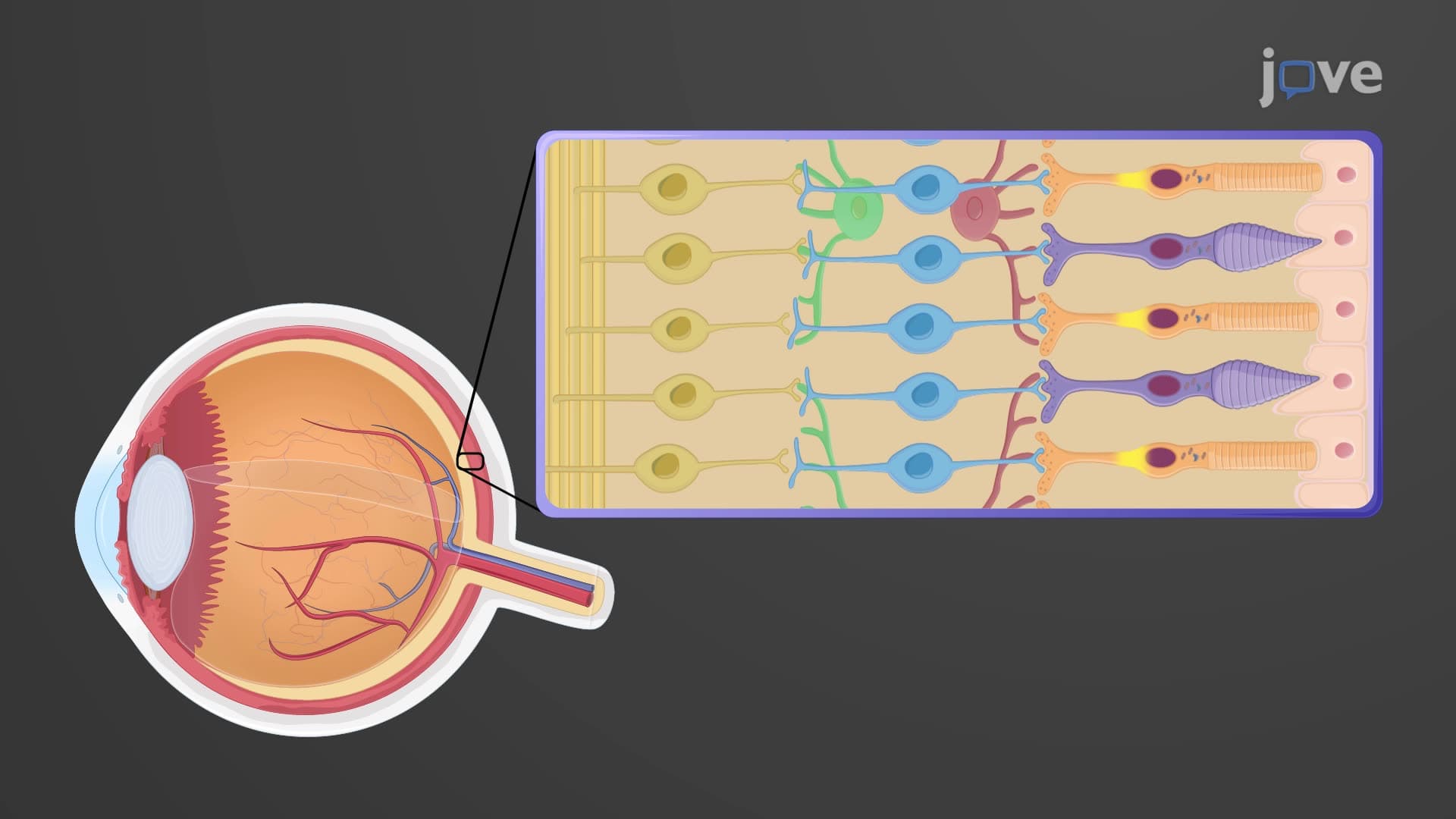
- Identify the five key components of olfactory epithelium: sensory neurons, supporting cells, stem cells, lamina propria, and olfactory glands
- Analyze how bipolar olfactory neurons extend dendrites with specialized cilia containing receptor proteins for chemical detection
- Compare the structural differences between olfactory sensory neurons and typical neurons found elsewhere in the nervous system
- Evaluate the functional significance of mucus production by olfactory glands in dissolving airborne odorant molecules
- Apply knowledge of olfactory stem cell regeneration cycles to explain why smell sensitivity changes over time
- Recognize the anatomical relationship between the olfactory epithelium and cribriform plate of the ethmoid bone
- Explore how receptor protein diversity enables discrimination between thousands of different chemical compounds
Olfactory Receptors Location and Structure Explained: Anatomical Organization
The olfactory system occupies a specialized region measuring approximately five square centimeters on the roof of each nasal cavity. Unlike other sensory systems, smell receptor location structure places these neurons directly in contact with the external environment. The olfactory epithelium covers the superior nasal concha and adjacent nasal septum, positioning these receptors optimally to sample inhaled air.
This strategic location differs significantly from other sensory organs. While your eyes and ears are protected by specialized structures, olfactory neurons extend directly into the nasal cavity's airstream. For students preparing for the AP Biology exam, understanding this direct environmental exposure explains both the system's sensitivity and vulnerability to damage from pollutants or infections.
Cellular Architecture of Olfactory Sensory Neurons
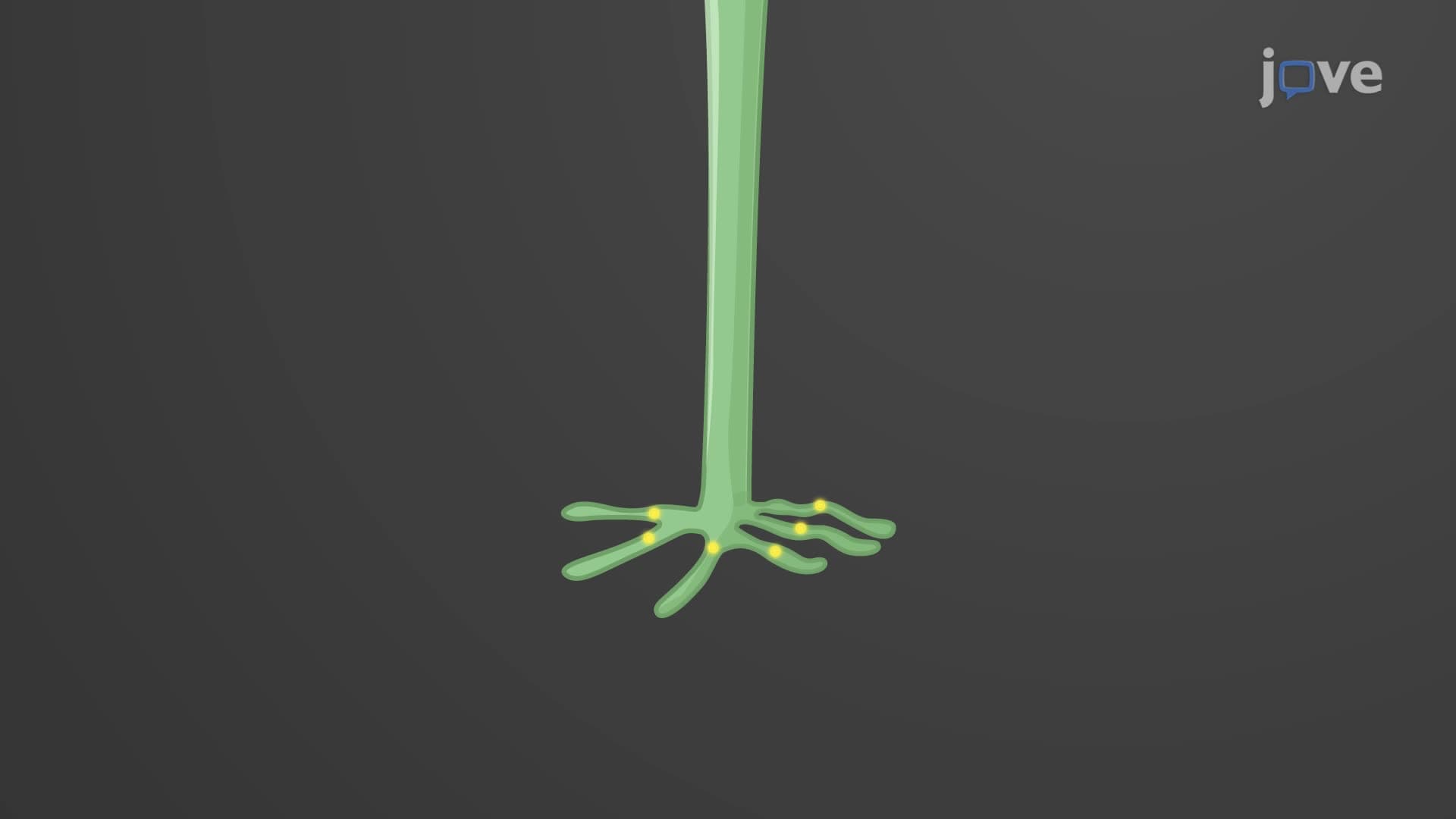
Each olfactory neuron represents a unique type of bipolar neuron with distinct structural features. The olfactory neuron bipolar design includes a cell body embedded within the epithelium, an apical dendrite extending toward the nasal cavity surface, and an axon projecting through the cribriform plate olfactory pathway to the brain.
The apical dendrite terminates in a specialized knob bearing 10-30 non-motile cilia. These olfactory cilia contain the actual receptor proteins-each neuron typically expresses only one type of olfactory receptor protein from a family of nearly 1,000 different genes. This specificity allows individual neurons to respond selectively to particular chemical structures, forming the basis for odor discrimination tested extensively on the MCAT.
Supporting Structures and Regenerative Capacity
The olfactory epithelium receptor system includes crucial supporting elements often overlooked in introductory courses. Columnar supporting cells provide structural integrity and metabolic support, similar to glial cells in the central nervous system. Olfactory glands secrete mucus containing specialized proteins that concentrate odorants and facilitate their interaction with receptor proteins.
Perhaps most remarkably, olfactory stem cells at the epithelium's base continuously replace aged neurons every 30-60 days. This regenerative capacity, unique among mammalian sensory neurons, explains why smell function can recover after certain injuries. For USMLE Step 1 preparation, remember that this regeneration occurs through the cribriform plate-head trauma affecting this delicate bone structure can permanently damage olfactory function.
Clinical and Practical Applications
Understanding nasal olfactory location has direct medical relevance. Rhinoplasty surgeons must preserve the superior nasal cavity to maintain smell function. COVID-19's impact on olfactory neurons demonstrates how viral infections can disrupt this system, often serving as an early diagnostic indicator studied by researchers at Johns Hopkins and the Mayo Clinic.
For students entering healthcare careers, recognizing olfactory dysfunction symptoms helps identify underlying neurological conditions, medication side effects, or structural abnormalities requiring intervention.
Frequently Asked Questions
Olfactory receptors are located in the olfactory epithelium covering the superior nasal concha and adjacent nasal septum, approximately 5 cm² on each side. These bipolar neurons feature dendrites with specialized cilia containing receptor proteins, supported by columnar cells and mucus-producing glands. The entire structure sits above the cribriform plate, allowing direct axonal connection to the brain.
MCAT questions often focus on the bipolar neuron structure, regenerative capacity, and signal transduction mechanisms through G-protein coupled receptors. AP Biology exams emphasize the epithelial organization, cellular differentiation from stem cells, and comparison with other sensory systems. Expect diagrams showing the relationship between supporting cells, neurons, and mucus layers.
Advanced neurobiology courses explore olfactory signal transduction cascades and receptor protein families. Developmental biology examines stem cell differentiation and neural regeneration mechanisms. Comparative anatomy studies evolutionary adaptations across species, while medical school coursework applies this knowledge to clinical diagnosis and surgical considerations.
Professional perfumers at companies like International Flavors & Fragrances train to recognize how specific molecular shapes interact with different receptor proteins. Wine sommeliers understand that swirling releases volatile compounds that bind to various receptor types, creating complex aroma profiles. Both professions exploit the principle that each receptor responds to particular chemical features.
The basic anatomical concepts are very manageable with proper visual aids and analogies. Think of olfactory cilia like tiny fishing nets catching odor molecules, while supporting cells act like scaffolding. The regenerative aspect actually makes this system easier to understand than non-renewable neurons elsewhere, since students can relate to healing from cuts or bruises.
Use the acronym "SONGS" - Stem cells, Olfactory neurons, Nasal glands, Glial-like supporting cells, Sensory cilia. Create a mental map placing each component from bottom (stem cells at base) to top (cilia extending into nasal cavity). Practice drawing cross-sections repeatedly, labeling each structure and its function.
Olfactory neurons maintain direct environmental exposure, requiring constant replacement due to damage from pollutants, pathogens, and normal wear. The olfactory epithelium contains active stem cell populations that continuously differentiate into new neurons throughout life. This regenerative capacity evolved as an adaptive response to the harsh nasal environment, unlike protected CNS neurons.
Investigate olfactory receptor gene families and their evolutionary origins, signal transduction mechanisms involving cyclic adenosine monophosphate, and olfactory bulb organization with glomerular mapping. Research current studies on anosmia treatment, olfactory dysfunction in neurodegenerative diseases, and artificial nose technologies being developed by biomedical engineering programs.
Related Micro-courses