Loading subject page…


78,918 views


Video Summary: Physiology of Smell and Olfactory Pathway Explained
Ever wonder why the smell of freshly baked apple pie instantly triggers childhood memories? The olfaction physiology pathway explains this remarkable connection between our nose and brain through a complex series of molecular and neural events. When you walk past a Starbucks and detect that distinctive coffee aroma, specialized receptors in your nasal cavity are converting chemical signals into electrical impulses that travel directly to your brain's emotional centers. The Physiology of Smell And Olfactory Pathway Explained reveals how this sensory system uniquely bypasses typical brain processing routes. Watch the full video on JoVE Coach to master this concept with expert-led visuals and step-by-step explanations.
The olfactory system represents one of our most ancient and direct sensory pathways, providing a unique window into how chemical information becomes conscious perception. Unlike other senses that relay through the thalamus, the smell physiology olfactory pathway creates direct connections between our environment and our brain's emotional centers, explaining why certain scents can instantly transport us to specific memories or trigger powerful emotional responses.
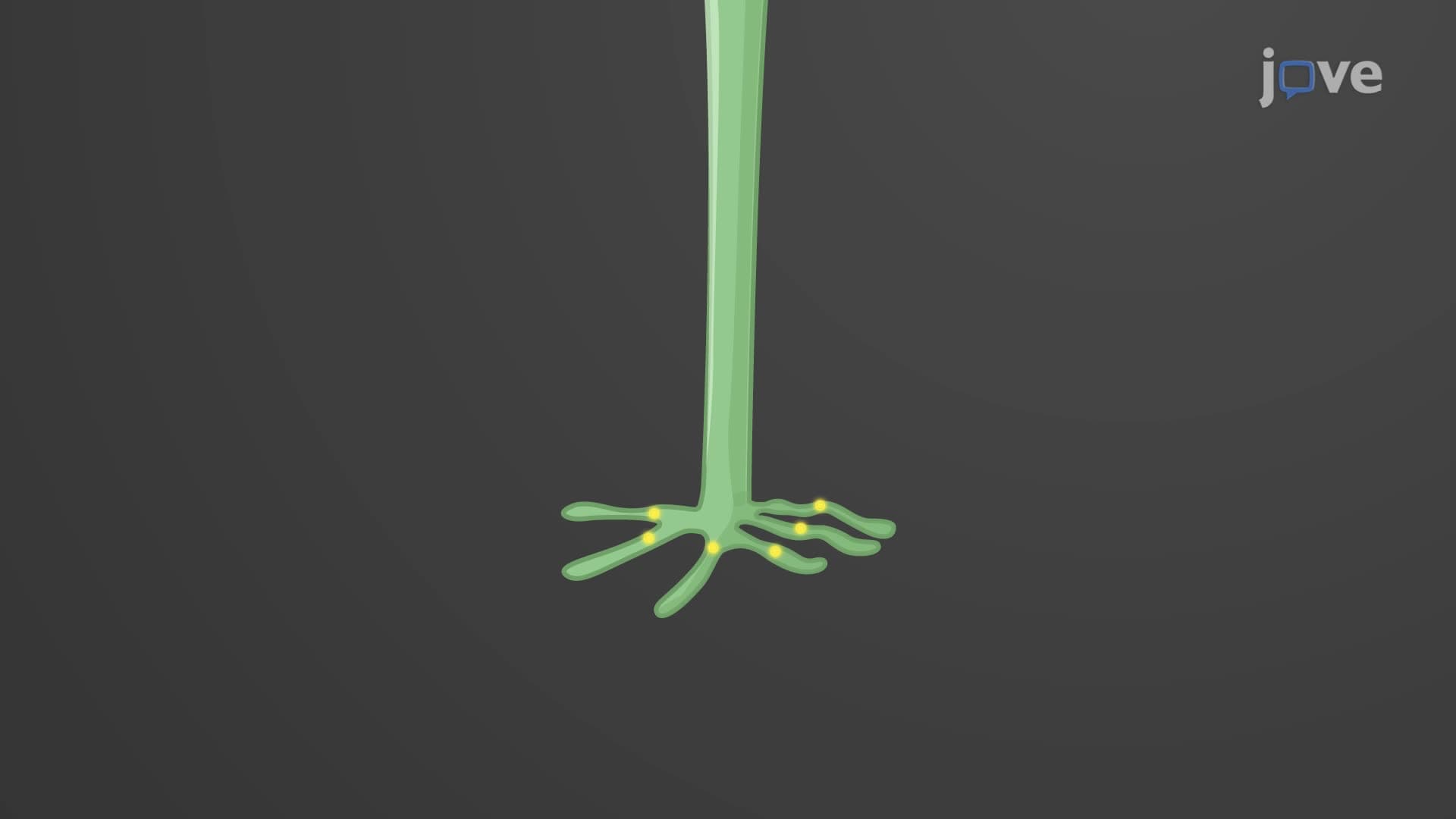
The journey begins in the olfactory epithelium, located high in the nasal cavity, where millions of olfactory receptor neurons extend specialized cilia into the mucus layer. When volatile compounds from sources like vanilla extract or gasoline dissolve in this mucus, they encounter G-protein coupled receptors embedded in the ciliary membrane. This odorant receptor binding initiates a sophisticated molecular cascade where a single odorant molecule can activate adenylyl cyclase, generating thousands of cAMP molecules and amplifying the initial signal exponentially.
The resulting sodium influx depolarizes the neuron, and if threshold is reached, action potentials race along olfactory axons toward the brain. This explains why some odors are detected at incredibly low concentrations-the perfume industry relies on this sensitivity when creating fragrances that can be perceived even when diluted to parts per billion.
The olfactory bulb pathway represents the first synaptic processing station, where incoming axons synapse with mitral cells in spherical structures called glomeruli. Each glomerulus receives input exclusively from neurons expressing the same olfactory receptor type, creating a spatial map of odor information. This organization allows the brain to decode complex scent mixtures-like distinguishing the individual components in pizza aroma (tomato, cheese, herbs, crust).
From here, the olfactory tract cortex connections diverge into two primary routes. Some axons project to the orbitofrontal cortex for conscious odor identification and discrimination-the pathway that helps you recognize your grandmother's perfume. Meanwhile, the limbic smell pathway sends direct projections to the amygdala and hippocampus, bypassing typical cortical processing to create immediate emotional and memory responses.
Understanding olfactory physiology proves essential for pre-med students preparing for the MCAT, where questions frequently test knowledge of sensory transduction mechanisms. AP Biology students encounter this pathway when studying neural communication and sensory systems. The clinical relevance extends to conditions like anosmia (loss of smell), often an early indicator of neurodegenerative diseases, making this knowledge crucial for future healthcare professionals studying for the USMLE.
Related Micro-courses