Loading subject page…


78,918 views


Video Summary: What are Special Senses
Did you know your brain processes visual information 60,000 times faster than text? The special senses biology overview reveals how humans rely on five distinct sensory systems-vision, hearing, smell, taste, and equilibrium-each with specialized receptors located in your head. From a surgeon at Johns Hopkins using precise hand-eye coordination during complex procedures to understanding what are the special senses that keep you balanced while walking, these systems work together seamlessly. Watch the full video on JoVE Coach to master this concept with expert-led visuals and step-by-step explanations.
The special senses biology overview encompasses five sophisticated sensory systems that define how humans interact with their environment. Unlike general senses scattered throughout the body, special senses feature highly specialized receptors concentrated in complex organs within the head region. These systems-vision, olfaction, gustation, audition, and equilibrium-represent evolutionary adaptations that allow humans to navigate, communicate, and survive in complex environments.
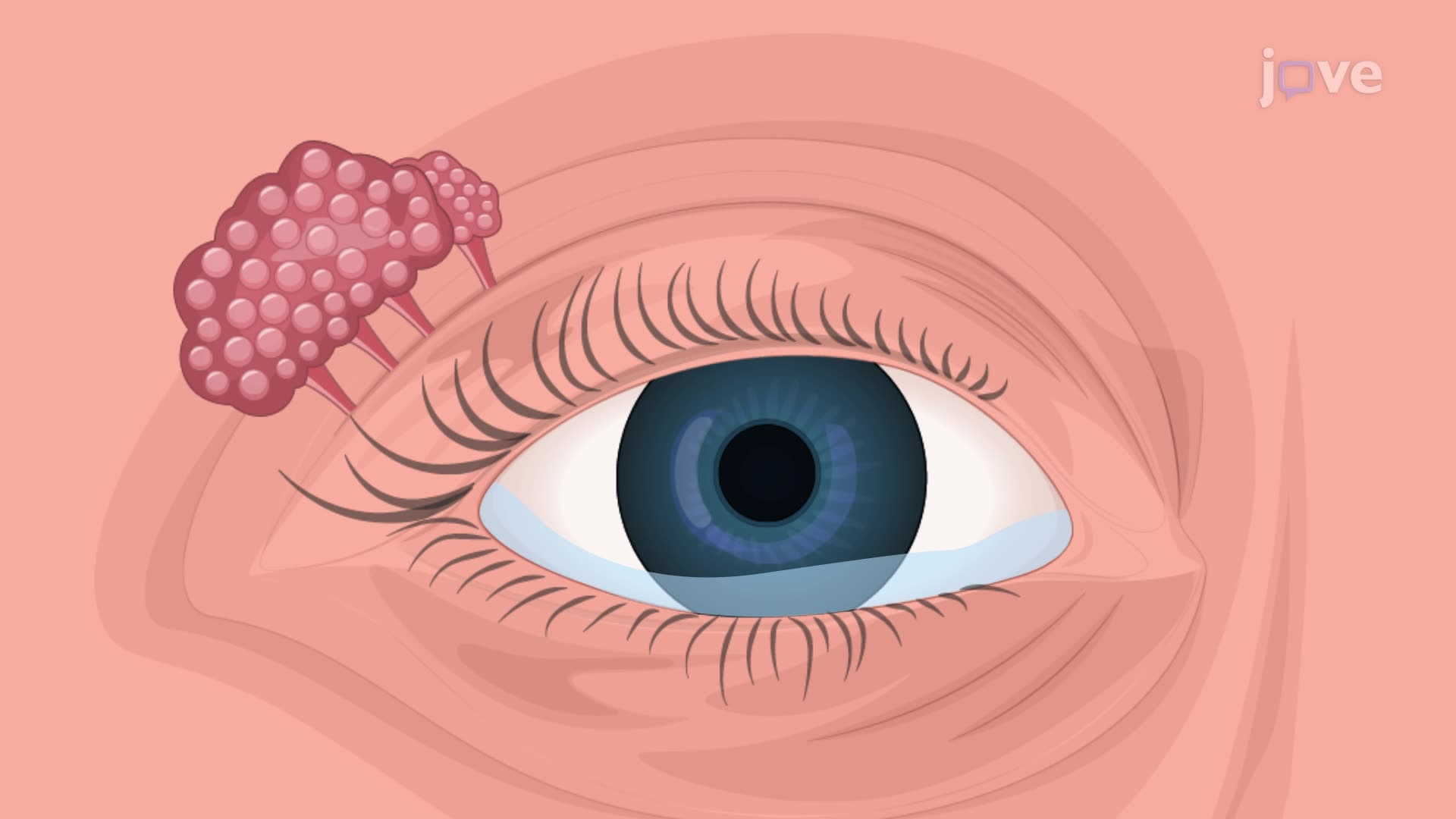
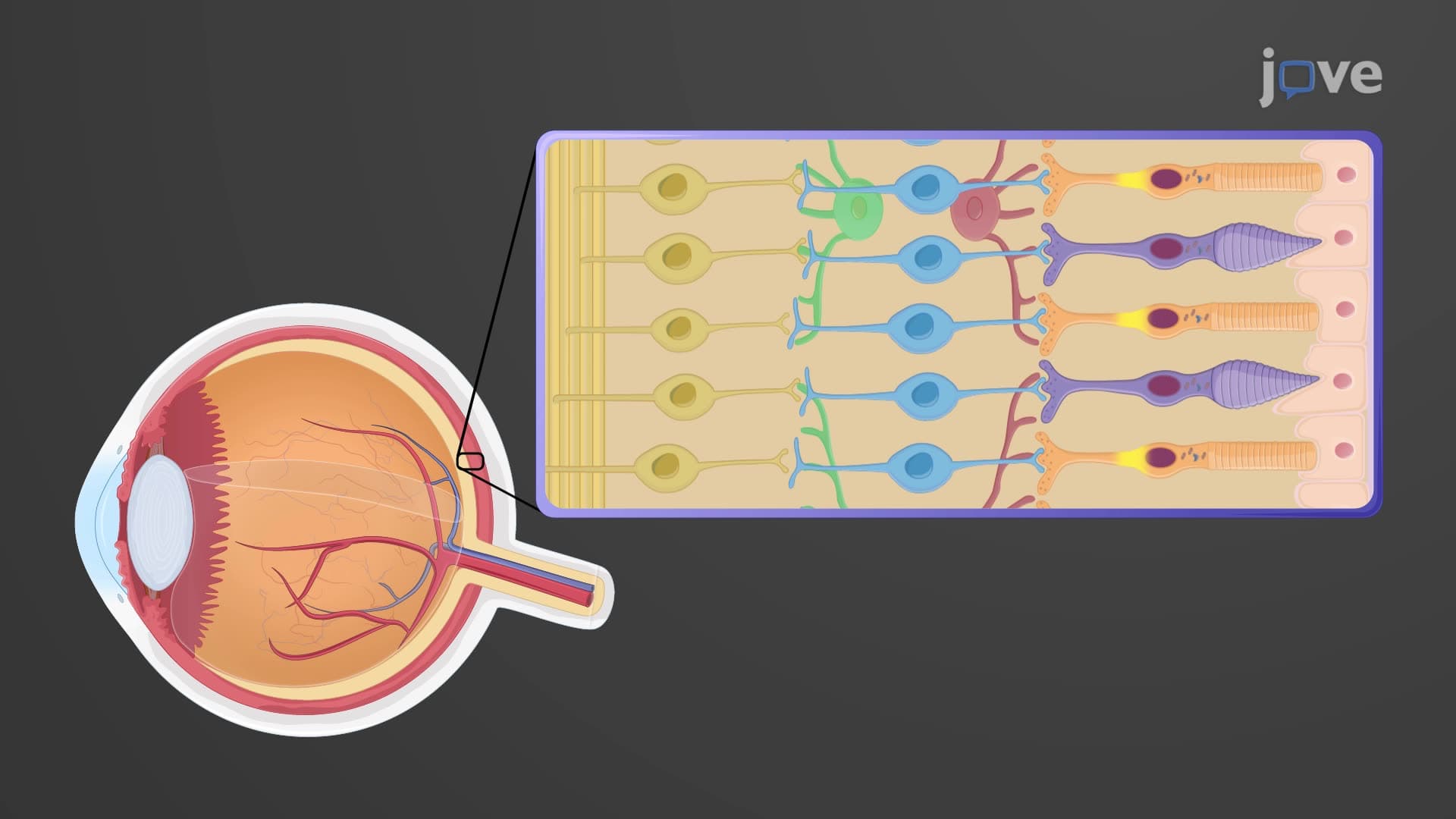
Vision dominates human sensory experience, with the visual cortex occupying approximately 30% of the brain's processing power. The eye's intricate anatomy includes the cornea, lens, and retina working together to focus light and convert it into neural signals. Photoreceptors-rods and cones-detect different wavelengths and light intensities, enabling color perception and night vision. This special sense organ anatomy appears frequently on AP Biology exams and MCAT questions testing sensory transduction.
The auditory system processes sound waves through the outer, middle, and inner ear structures. Hair cells in the cochlea convert mechanical vibrations into electrical signals, allowing pitch discrimination from 20 Hz to 20,000 Hz in healthy young adults. Students often encounter this content in college anatomy courses when studying sensory physiology and neurological pathways.
Olfaction and gustation work synergistically to create flavor perception. The olfactory epithelium contains millions of chemoreceptors capable of detecting thousands of distinct odors, while taste buds recognize five primary tastes: sweet, sour, salty, bitter, and umami. This vision hearing smell taste integration explains why food loses flavor during nasal congestion-a common MCAT topic testing sensory system interactions.
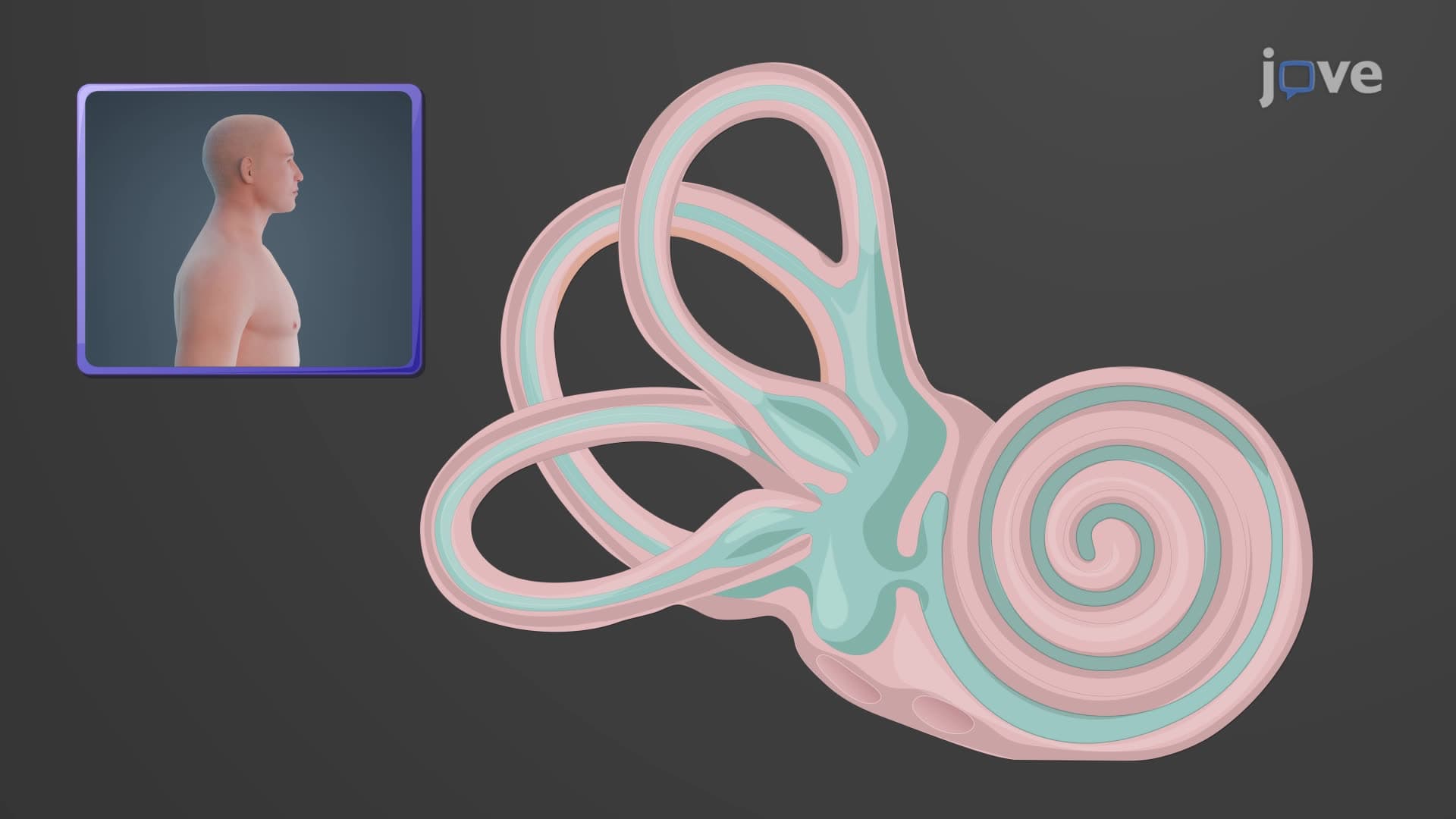
The vestibular sense balance system, often overlooked among special senses, maintains spatial orientation through semicircular canals and otolith organs. These structures detect rotational and linear acceleration, working with visual and proprioceptive inputs to maintain balance. Medical students studying for the USMLE frequently encounter vestibular disorders like benign paroxysmal positional vertigo (BPPV) affecting millions of Americans annually.
Understanding special sense receptor types helps students master neurological pathways and sensory integration concepts essential for healthcare careers and advanced biology coursework.
Related Micro-courses