Loading subject page…


78,917 views

Video Summary: What Is Equilibrium and Balance
Ever wonder why NASA astronauts experience intense motion sickness in zero gravity? The answer lies in understanding equilibrium balance biology and how your inner ear's remarkable vestibular system keeps you upright on Earth. When astronauts lose gravitational cues, their otoliths can't function normally, disrupting the delicate balance mechanisms that prevent you from falling over when walking down stairs at your local high school. What is Equilibrium And Balance reveals the intricate biological processes that maintain your spatial orientation every second of every day. Watch the full video on JoVE Coach to master this concept with expert-led visuals and step-by-step explanations.
What is equilibrium and balance in physiology encompasses the complex sensory system that maintains your body's spatial orientation and prevents falls during daily activities. This biological marvel operates continuously, from the moment you step out of bed at your University of California dorm to navigating crowded hallways at Boston Latin School. The vestibular system represents one of medicine's most elegant examples of mechanical-to-electrical signal transduction.
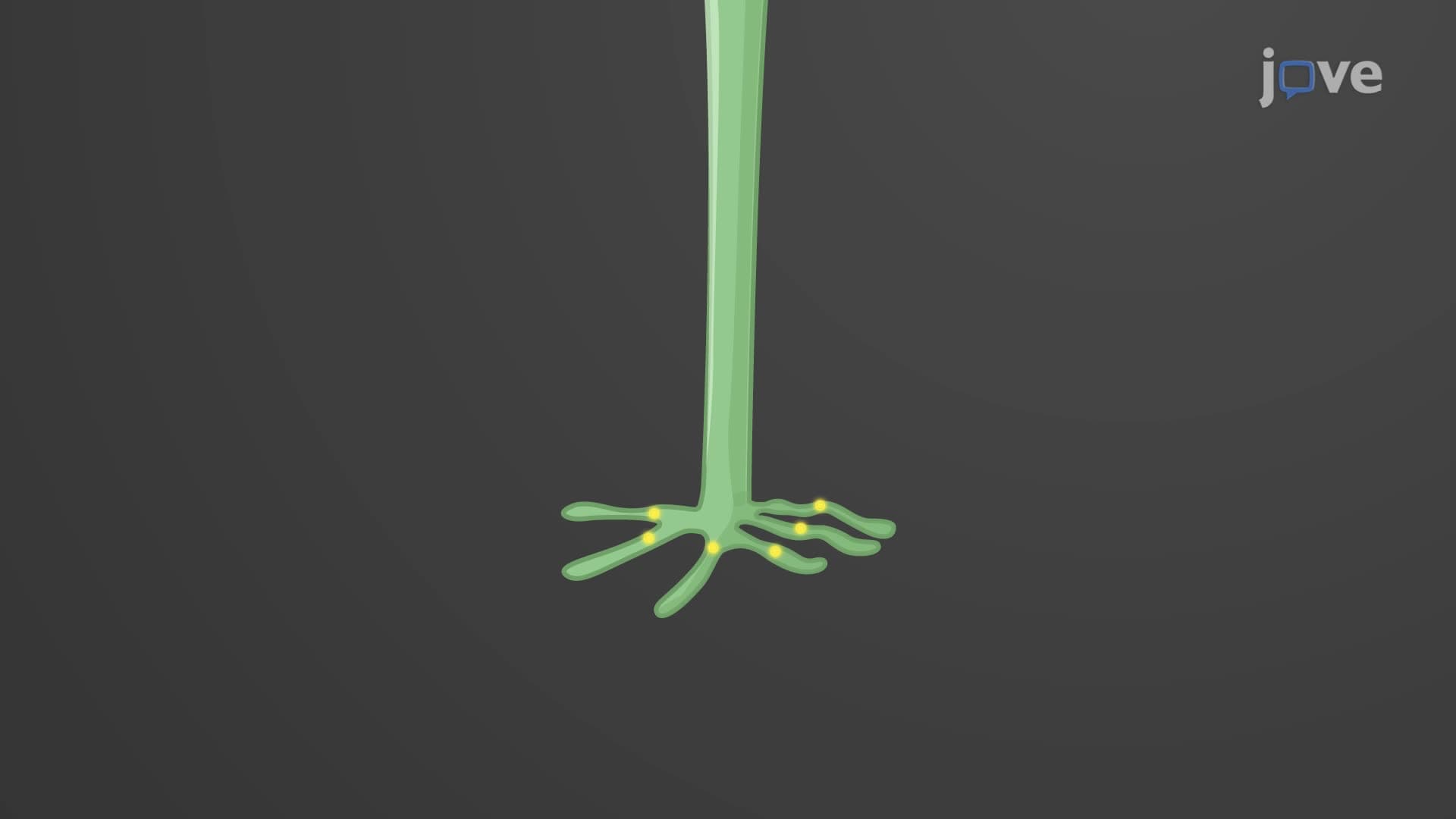
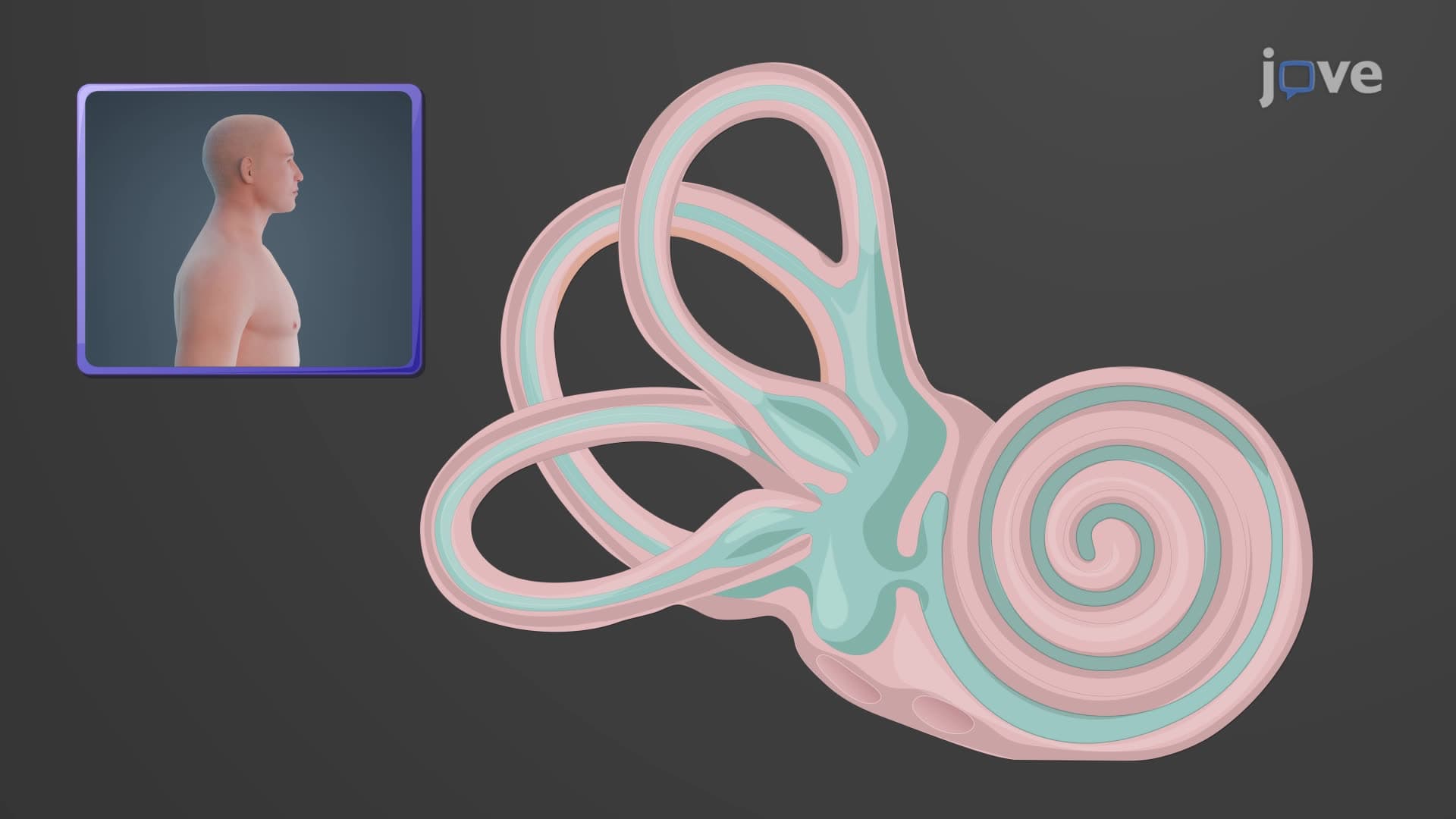
The inner ear houses two distinct but complementary balance detection systems. Otolith static equilibrium occurs in the utricle and saccule, where specialized maculae contain thousands of hair cells embedded within calcium carbonate-rich otolithic membranes. When you tilt your head forward during a chemistry lab experiment, gravity pulls these dense membranes downward, bending hair cell stereocilia and increasing action potential frequency along vestibular nerve pathways.
This mechanism explains why patients with otolith dysfunction struggle with activities like reading while lying down or maintaining balance when transitioning from sitting to standing positions-common scenarios tested on MCAT passages and AP Biology free-response questions.
Semicircular canal rotation detection operates through a different mechanism involving endolymph fluid dynamics. Each of the three semicircular canals (anterior, posterior, and horizontal) contains a crista ampullaris topped with a gelatinous cupula. When you quickly turn your head during a tennis match at your local high school court, endolymph inertia causes the cupula to bend opposite to head rotation direction, generating neural signals proportional to angular acceleration.
This system's sophistication becomes evident in clinical settings-patients with semicircular canal damage exhibit characteristic nystagmus (involuntary eye movements) that emergency room physicians at Massachusetts General Hospital use for diagnostic purposes.
Equilibrium sensation biology extends beyond simple position detection to include sophisticated neural integration with visual and proprioceptive inputs. The vestibular nerve pathway transmits signals to brainstem nuclei, cerebellum, and cortical areas, creating the comprehensive spatial awareness that prevents falls in elderly patients-a major public health concern affecting over 3 million Americans annually.
Understanding these mechanisms proves essential for pre-med students preparing for MCAT biological systems passages and nursing students studying balance disorders for NCLEX examinations.
Related Micro-courses