Loading subject page…

- Biology
- Biodiversity and Conservation
- What is Conservation Biology?
Micro-course: Biodiversity and Conservation
224,001 views
Learn key concepts and earn your certificate.


What is Conservation Biology?

00:00
01:57
Video Summary: Conservation Biology Definition
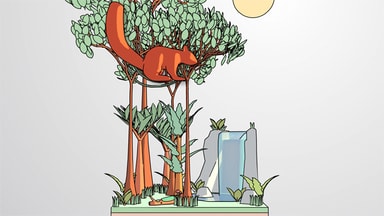
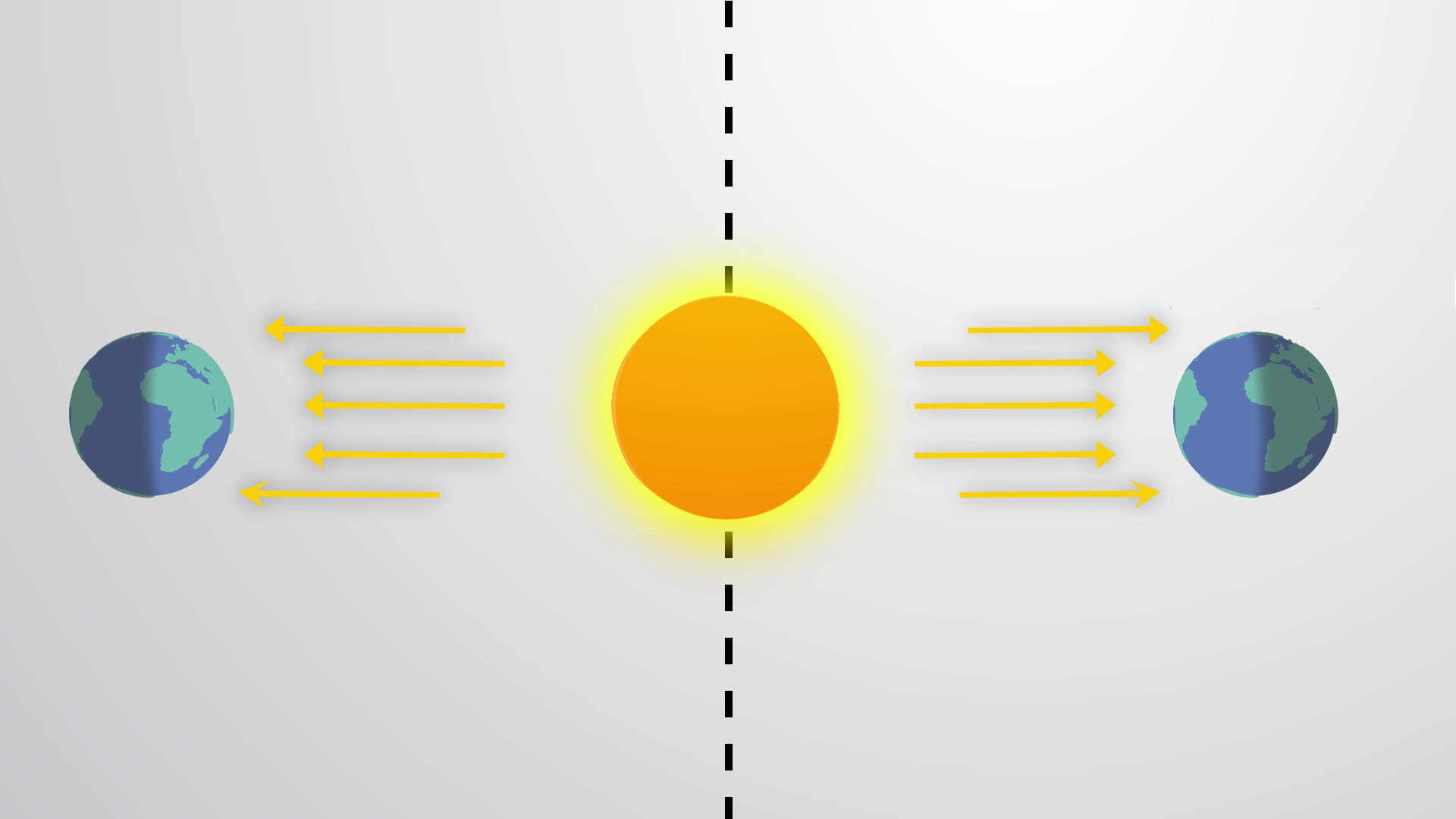
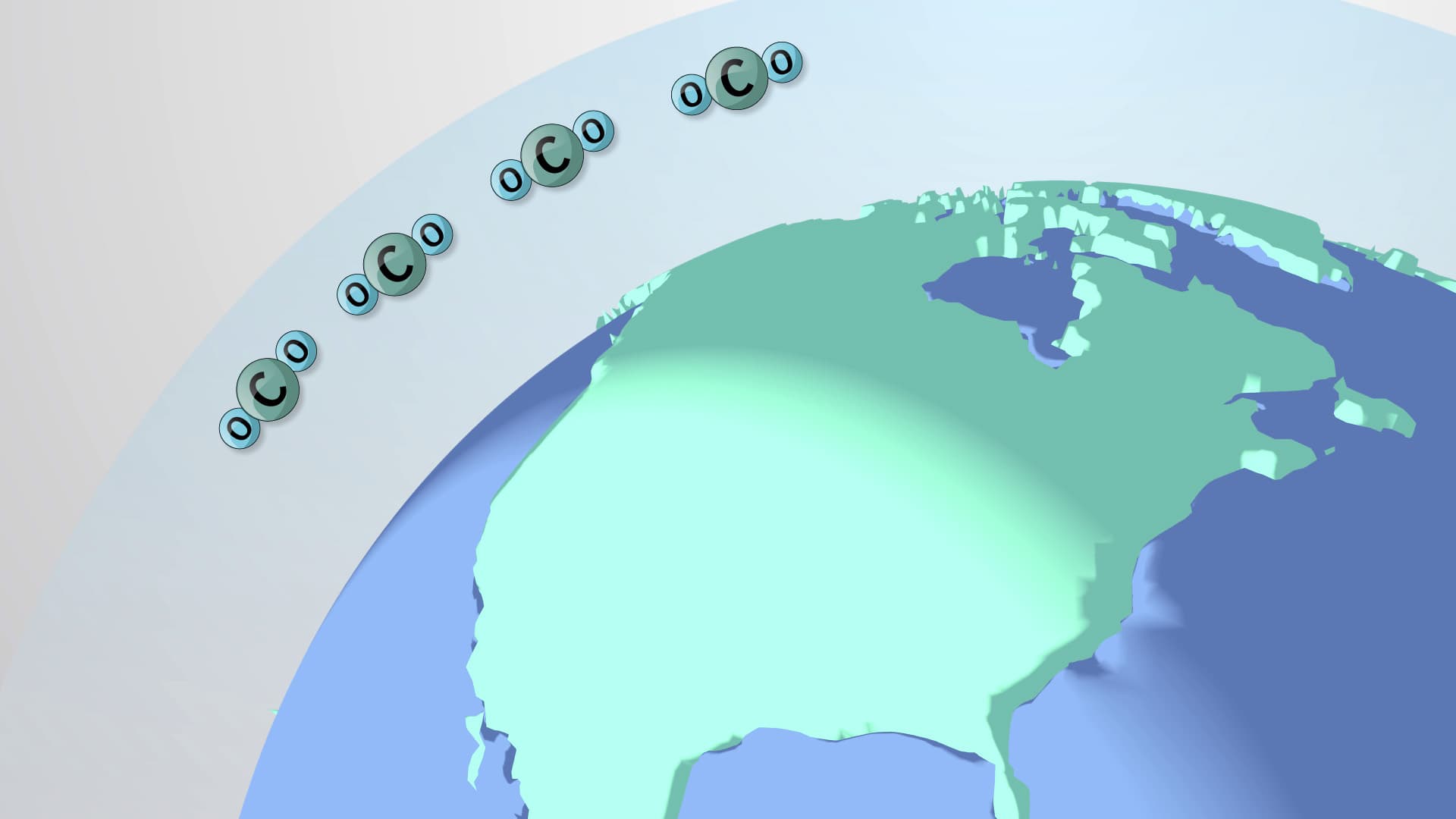
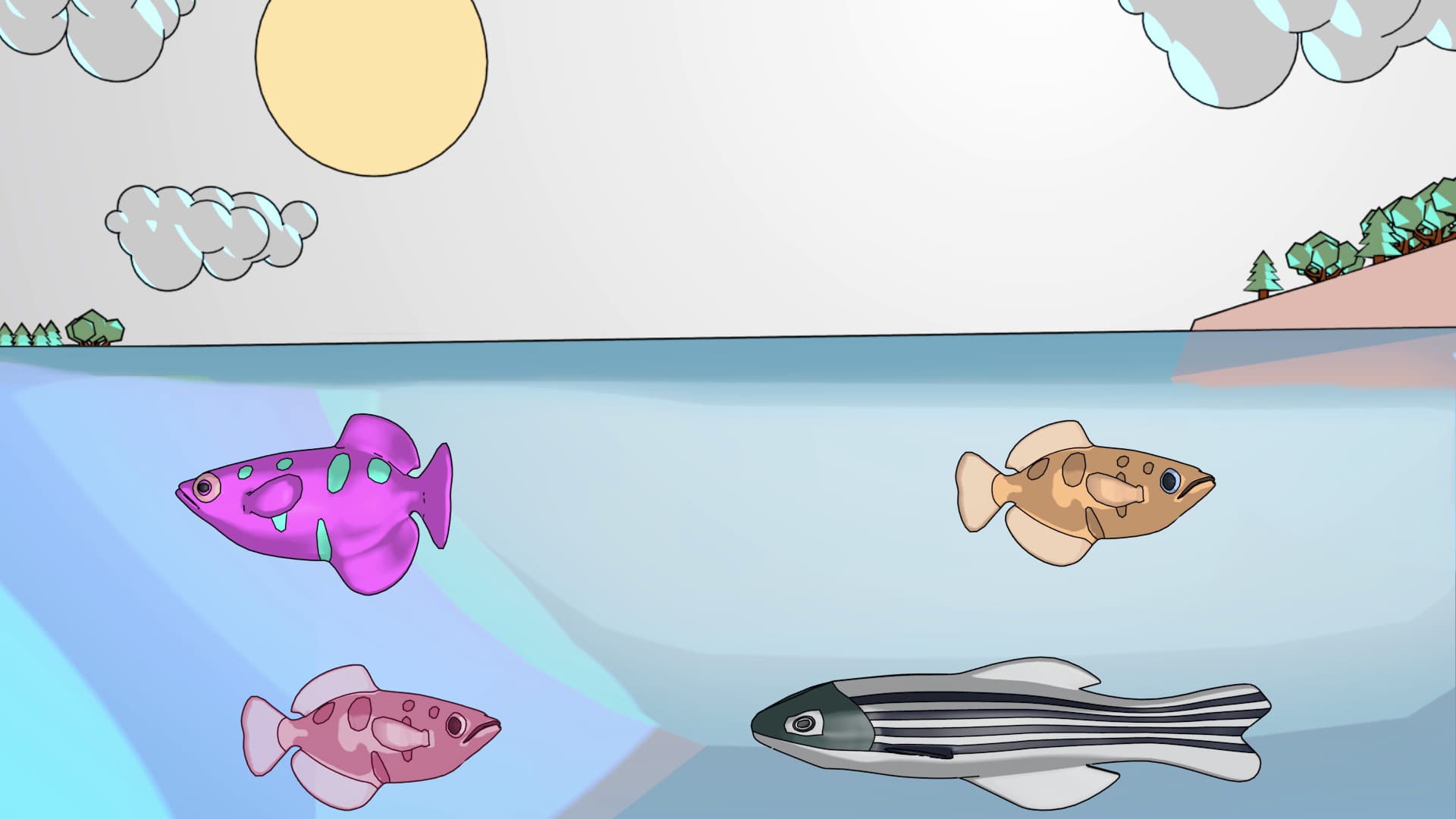
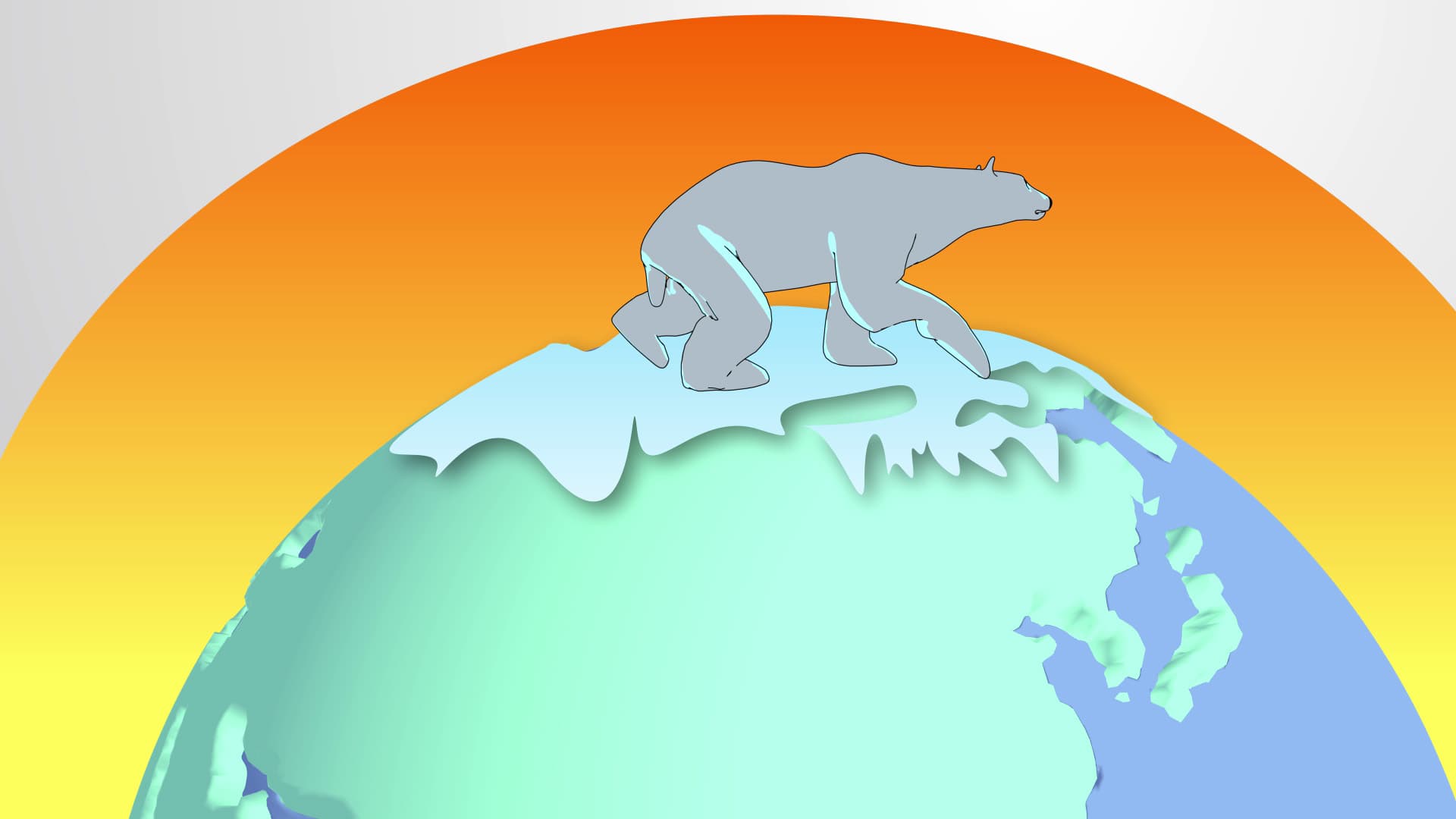
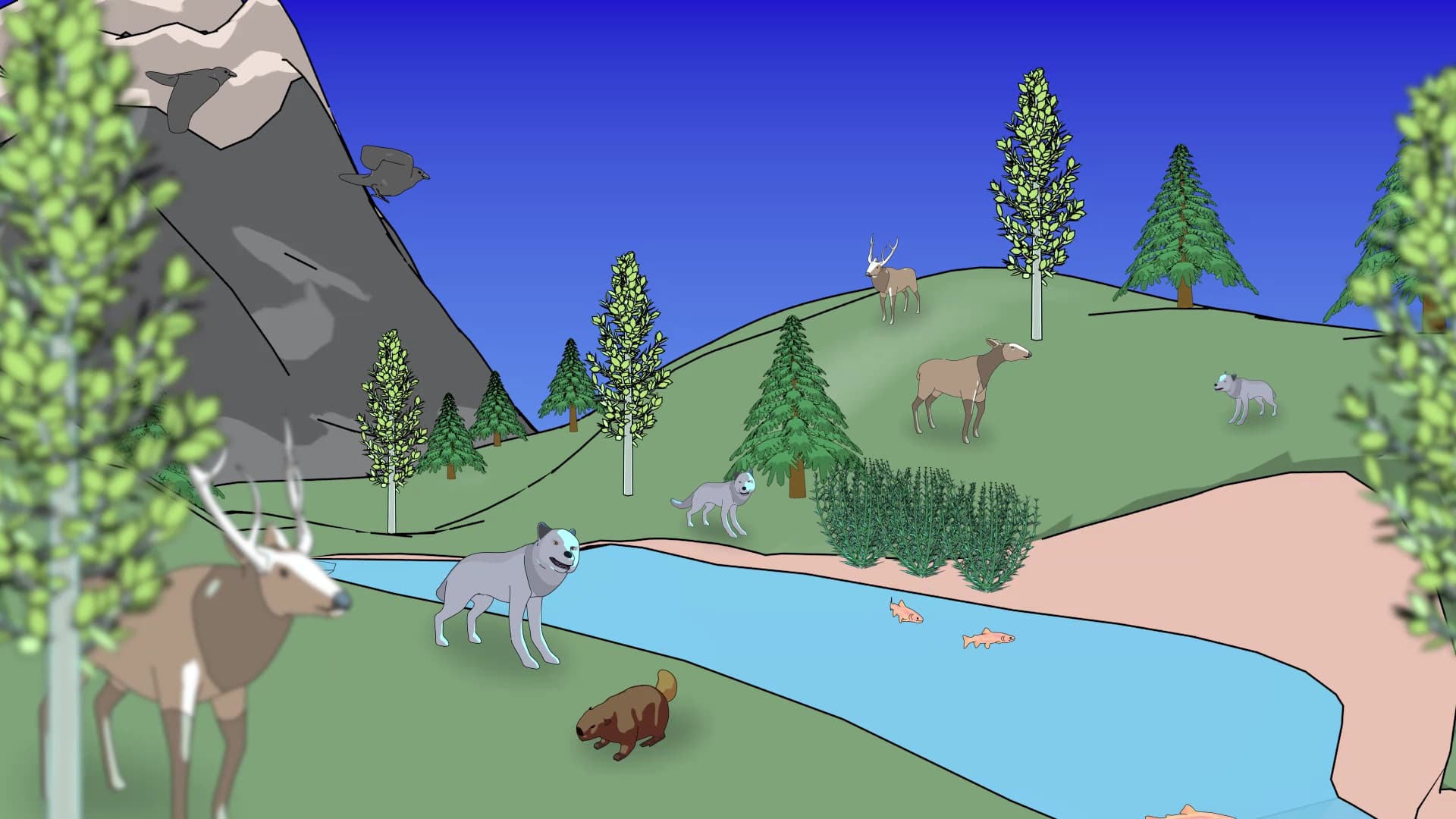
Did you know that removing wolves from Yellowstone National Park in the 1920s caused rivers to literally change course? Conservation biology is the scientific discipline dedicated to preserving Earth's biodiversity through interdisciplinary research and practical solutions. This field addresses major threats like habitat loss and climate change using evidence from genetics, ecology, and climatology to protect species and ecosystems across the United States. Watch the full video on JoVE Coach to master this concept with expert-led visuals and step-by-step explanations.
- Understand the conservation biology definition as an interdisciplinary science focused on preserving biodiversity at genetic, species, and ecosystem levels
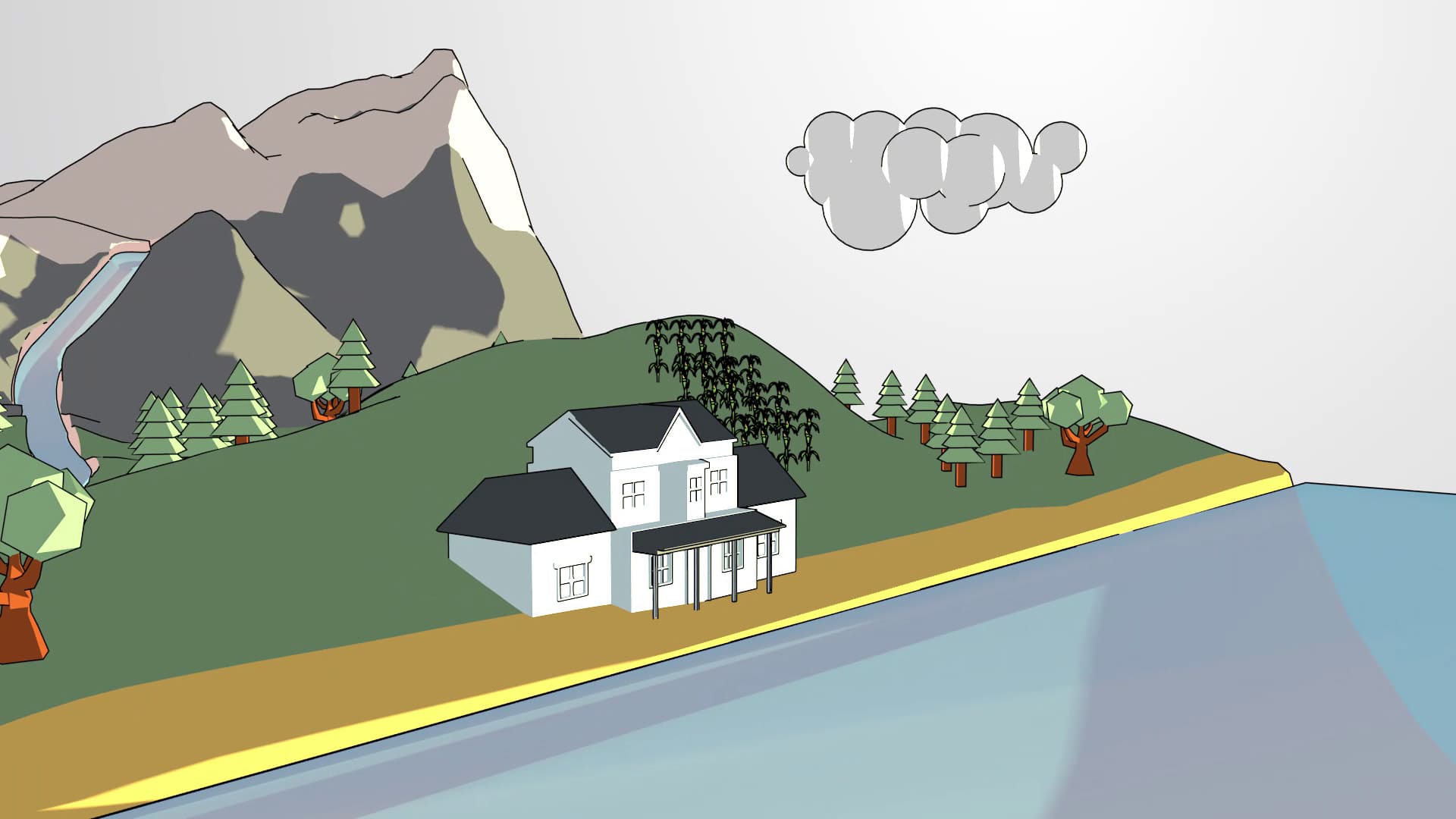
- Identify the four major threats to biodiversity: habitat loss, over-harvesting, invasive non-native species, and climate change
- Analyze how the removal and reintroduction of wolves in Yellowstone demonstrates ecosystem interconnectedness and conservation success
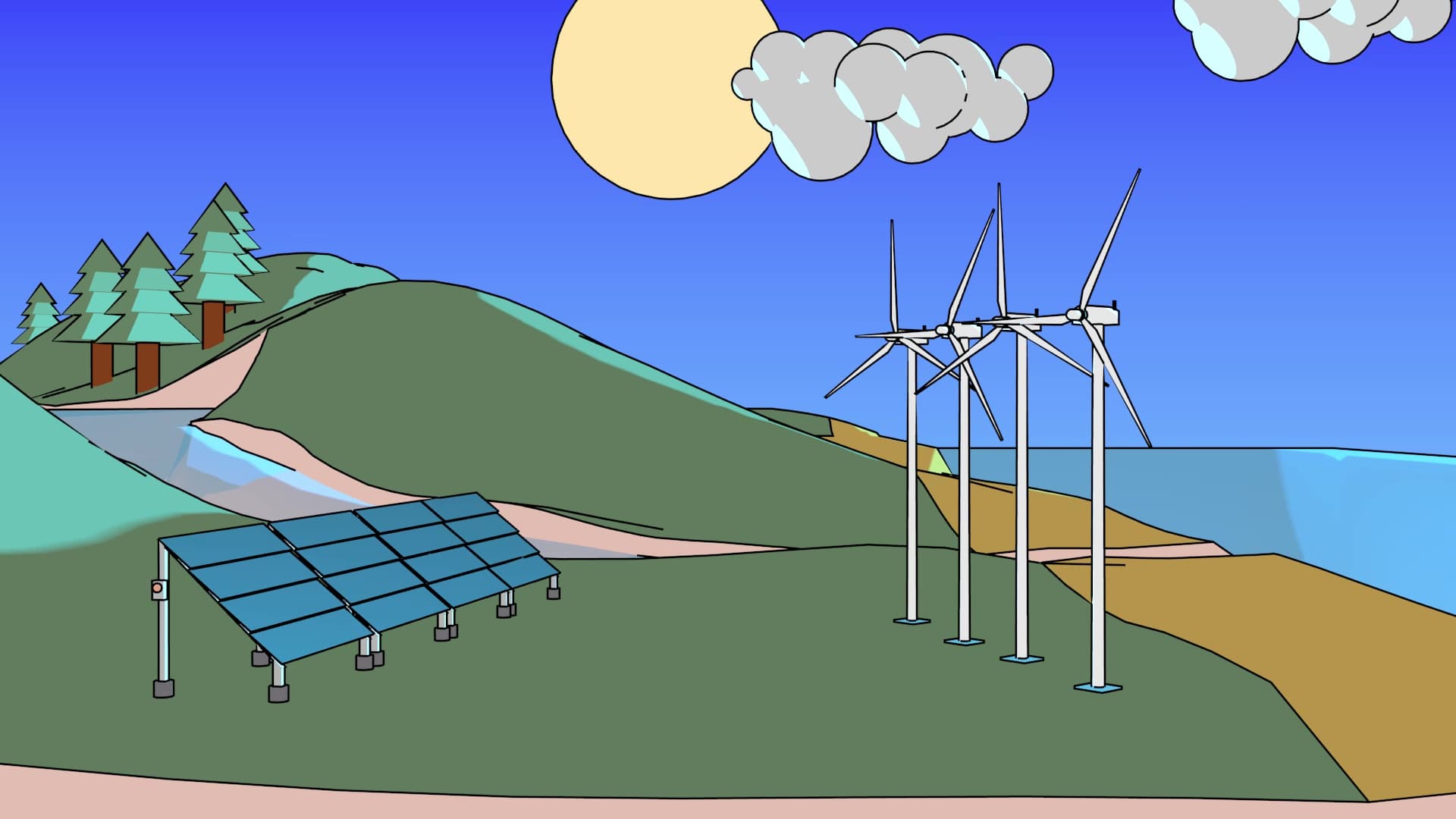
- Evaluate the role of sustainability practices in reducing human environmental impact through emission controls and sustainable farming
- Apply conservation strategies including nature preserve creation, invasive species removal, and native species reintroduction programs
- Recognize how decreased biodiversity can lead to ecosystem collapse and cascading effects throughout food webs
- Explore the interdisciplinary nature of conservation biology, combining genetics, climatology, ecology, and other scientific fields
- Compare natural versus human-caused factors contributing to species extinction and biodiversity loss
Understanding Conservation Biology Fundamentals
Conservation biology definition encompasses a multidisciplinary scientific approach to protecting Earth's biological diversity. This field emerged in the 1980s as scientists recognized the accelerating rate of species extinctions due to human activities. Unlike traditional ecology, which focuses on understanding natural systems, conservation biology actively seeks solutions to preserve biodiversity while meeting human needs.
The discipline integrates principles from genetics, ecology, climatology, economics, and social sciences to address complex environmental challenges. Conservation biologists work in national parks like Yellowstone and Yosemite, research institutions such as the Smithsonian Conservation Biology Institute, and organizations like the U.S. Fish and Wildlife Service to develop evidence-based protection strategies.
Major Biodiversity Threats and Their Impacts
Conservation biology addresses four primary threats to global biodiversity. Habitat loss remains the leading cause of species decline, with urban development destroying over 2 million acres of natural habitat annually in the United States. Over-harvesting affects species from Atlantic bluefin tuna to American ginseng, while invasive species like zebra mussels in the Great Lakes cause billions in economic damage while displacing native species.
Climate change accelerates these threats, with rising temperatures forcing species to migrate or adapt rapidly. The American pika, found in Rocky Mountain National Park, exemplifies this challenge as warming temperatures push these cold-adapted mammals to higher elevations with limited habitat availability.
Conservation Strategies and Success Stories
Effective conservation biology combines multiple approaches tailored to specific threats and species needs. Protected areas like the 58 U.S. National Parks preserve critical habitats while allowing for scientific research and public education. Species reintroduction programs demonstrate remarkable success, with the California condor population recovering from 27 individuals in 1987 to over 500 today through captive breeding and habitat protection.
The Yellowstone wolf reintroduction exemplifies ecosystem-level conservation thinking. When wolves returned in 1995, elk behavior changed, allowing willows and aspens to recover along streams. This vegetation recovery stabilized riverbanks, created habitat for songbirds and beavers, and restored the ecosystem's natural balance-a process called trophic cascading.
Applications in Academic and Professional Settings
Conservation biology concepts appear frequently on AP Environmental Science exams, MCAT biology sections, and college ecology courses. Students should understand population dynamics, carrying capacity, and keystone species concepts. The field offers diverse career paths, from wildlife biologist positions with the National Park Service to conservation geneticist roles at zoos and aquariums.
Modern conservation biology increasingly emphasizes human-wildlife coexistence, recognizing that sustainable solutions must address both ecological and socioeconomic factors affecting local communities.
Frequently Asked Questions
Conservation biology is an applied scientific discipline specifically focused on preserving Earth's biodiversity through interdisciplinary research and practical solutions. Unlike traditional biology fields that primarily study natural processes, conservation biology actively develops strategies to prevent species extinctions and ecosystem collapse. It combines genetics, ecology, climatology, and social sciences to address real-world environmental challenges facing species and habitats.
AP Environmental Science frequently tests conservation biology concepts through free-response questions about species preservation strategies, habitat fragmentation effects, and ecosystem services. Students must analyze case studies like Yellowstone wolf reintroduction, explain biodiversity loss causes, and evaluate conservation methods' effectiveness. The exam emphasizes understanding human impacts on ecosystems and proposing evidence-based solutions for environmental challenges.
MCAT biology sections include conservation-related questions about population dynamics, carrying capacity, and ecological relationships. You'll encounter scenarios involving keystone species, invasive species impacts, and ecosystem stability. Focus on understanding predator-prey relationships, competition, and how environmental changes affect population growth rates. Practice analyzing graphs showing population changes over time and their ecological implications.
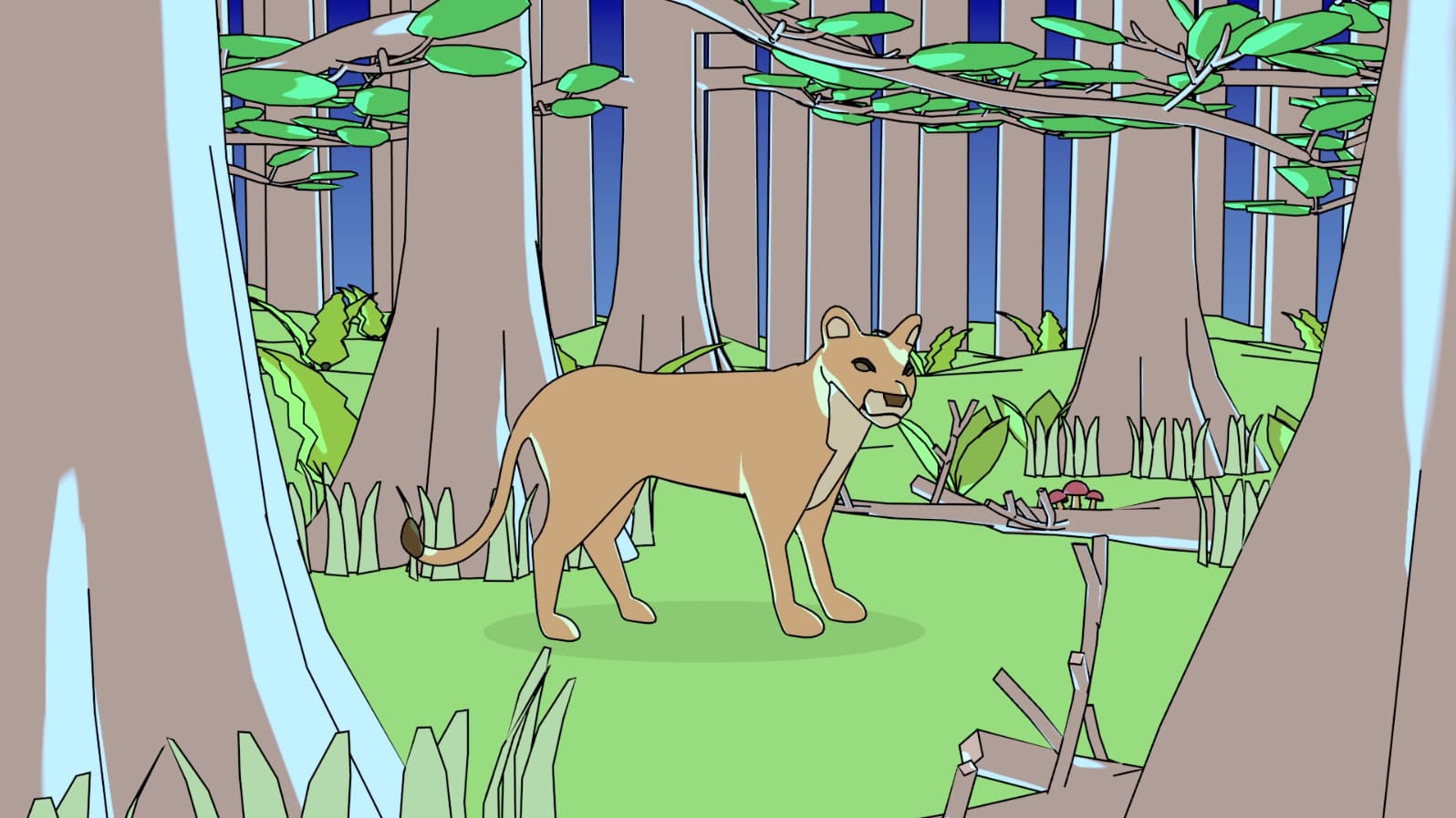
Conservation biologists work with agencies like the U.S. Fish and Wildlife Service to develop recovery plans for endangered species such as the Florida panther and whooping crane. They conduct population monitoring, habitat restoration, captive breeding programs, and genetic diversity studies. For example, California condor recovery involved removing lead ammunition sources, breeding birds in captivity, and releasing them into protected habitats with ongoing health monitoring.
Basic conservation biology concepts require only high school-level math, including percentages, ratios, and simple graph interpretation. You'll work with population growth calculations, biodiversity indices, and habitat area measurements using fundamental algebra and statistics. Advanced conservation research involves more complex modeling, but introductory courses focus on conceptual understanding rather than mathematical complexity.
Create concept maps linking biodiversity threats to specific conservation strategies, using real examples like Yellowstone wolves or California condor recovery. Practice analyzing case studies by identifying problems, proposed solutions, and outcomes. Focus on understanding cause-and-effect relationships in ecosystems rather than memorizing isolated facts. Review current conservation success stories and failures to understand practical applications of theoretical concepts.
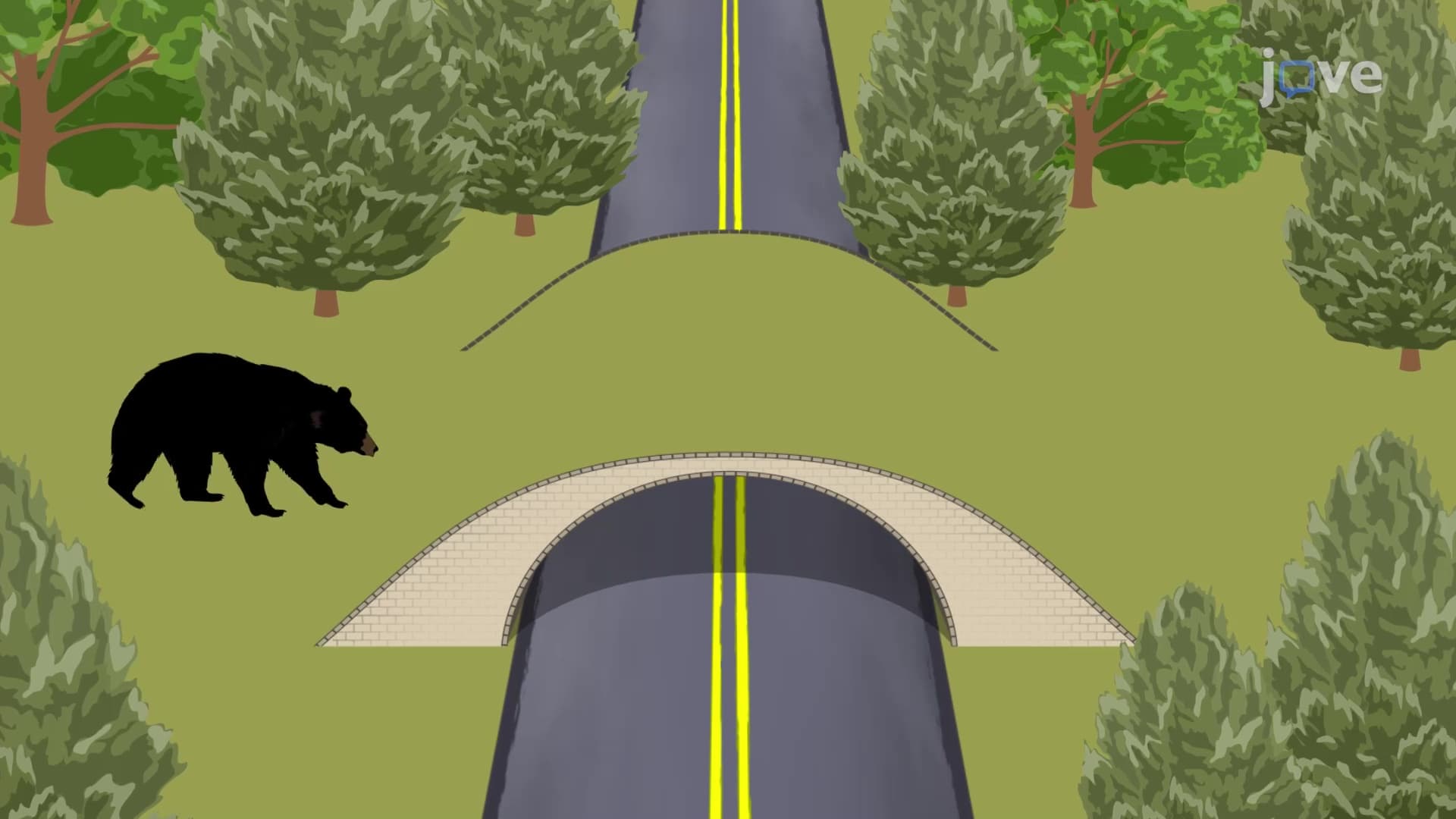
Conservation biology and climate science intersect extensively, as rising temperatures alter species' habitats, migration patterns, and breeding cycles. Conservation biologists study how climate change accelerates biodiversity loss and develop adaptation strategies such as wildlife corridors and assisted migration. Understanding these connections prepares you for advanced environmental science courses and careers in sustainability, environmental consulting, and natural resource management.
Conservation biology offers diverse career paths including wildlife biologist positions with the National Park Service, conservation geneticist roles at zoos and research institutions, and environmental consultant positions with private companies. Many professionals work for organizations like The Nature Conservancy, World Wildlife Fund, or state environmental agencies. Graduate programs in conservation biology, ecology, or environmental science provide pathways to research and leadership positions in this growing field.
Related Micro-courses