Loading subject page…


224,001 views

Video Summary: What are Conservation of Small Populations
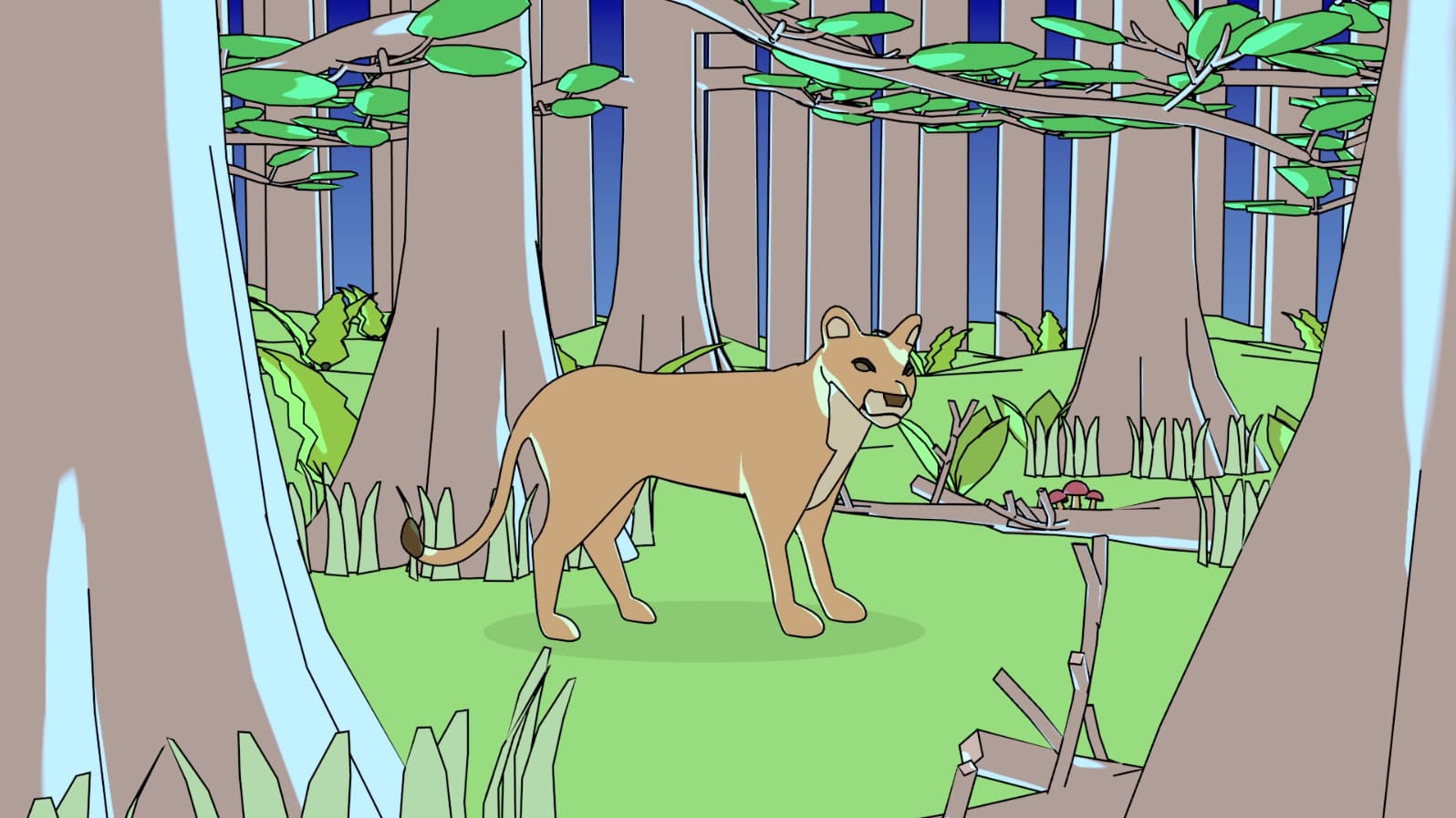
Did you know that Florida panthers once numbered just 25 individuals in 1973, teetering on the brink of extinction? Conservation of small populations focuses on protecting species with dangerously low numbers that face unique survival challenges. These populations, like the Florida panther, suffer from reduced genetic diversity and increased vulnerability to disease and environmental changes. Scientists use targeted strategies such as introducing individuals from other populations to prevent extinction vortexes-deadly cycles where small population size leads to inbreeding, reduced fitness, and further population decline. Watch the full video on JoVE Coach to master this concept with expert-led visuals and step-by-step explanations.
Conservation of small populations represents one of conservation biology's most critical challenges. When species dwindle to dangerously low numbers-typically fewer than 50-100 breeding individuals-they enter a precarious state where normal population dynamics become life-or-death scenarios. The California condor, with only 27 birds remaining in 1987, exemplifies how small populations teeter on extinction's edge.
Small populations face the minimum viable population threshold-the smallest number of individuals needed to maintain genetic diversity and survive environmental fluctuations. Below this threshold, populations experience demographic stochasticity, where random events like disease outbreaks or natural disasters can eliminate the entire species.
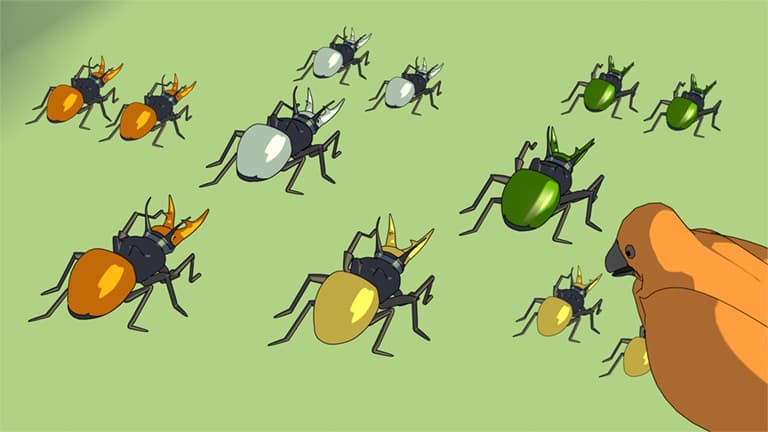
The extinction vortex creates a self-reinforcing cycle of decline. As populations shrink, individuals increasingly mate with relatives, leading to inbreeding depression. This reduces heterozygosity-the presence of different gene versions-which decreases disease resistance and reproductive success. Offspring may exhibit genetic abnormalities like heart defects or developmental disorders, further reducing population viability.
The Florida panther perfectly illustrates this phenomenon. By the 1970s, intense inbreeding caused kinked tails, heart murmurs, and poor sperm quality among males. These genetic problems reduced breeding success, perpetuating the population's decline until conservation intervention broke the cycle.
Successful small population conservation requires multifaceted approaches. Genetic rescue involves introducing individuals from genetically distinct populations to increase diversity. Texas female panthers brought into Florida's population provided fresh genetic material, improving offspring survival and reproduction rates.
Habitat protection remains equally crucial. The Endangered Species Act protects critical habitats, while wildlife corridors connect fragmented landscapes. For AP Biology students, understanding how habitat fragmentation affects gene flow between populations is essential for exam success.
Modern conservation employs sophisticated monitoring tools. GPS collars track individual movements, providing data on territory size, breeding behavior, and mortality causes. Genetic analysis using microsatellite markers assesses population diversity and identifies optimal breeding pairs.
These concepts frequently appear on MCAT biology sections and college ecology exams, where students must analyze population viability assessments and conservation scenarios.
Related Micro-courses